Add: No.8 Xinxing Street, North Zone, Zhengding High-tech Industrial Development Zone, Hebei, China

CONTACT US

+8615030171059
221231instagram-fill1251 search
Jan 04 2026
share:

20 Mm Plywood Price is a key solution in the industry, specifically within commercial construction and industrial manufacturing. This article explores how https://www.tengfeiebmdf.com supports professionals with durable, high-performance products, and explains why this product is an ideal choice for businesses in these sectors.

Table of Contents

20 Mm Plywood Price Overview

So, what exactly is the deal with 20 Mm plywood, and why does the price matter so much? In short, 20 Mm plywood sheets present a neat balance of strength, thickness, and cost-effectiveness that makes them a staple in various professional settings. Think of it as the “Goldilocks” plywood thickness—neither too thick nor too flimsy. It’s widely used in industries like interior construction, furniture making, and even for specialized packaging.

Technically speaking, these plywood sheets typically have 5 to 7 layers of veneer glued under heat and pressure, giving them high durability and resistance to warping. Specifications for 20 Mm plywood often center around properties like formaldehyde content, bending strength, and moisture resistance. Companies like Tengfei provide products compliant with international standards, which is crucial when your projects need reliability down to the millimeter.

20 Mm Plywood Specifications
Feature Specification
Thickness 20 mm ± 0.5 mm
Number of Layers 5-7 layers
Glue Type MR, WBP water resistant
Moisture Content 6-12%
Formaldehyde Emission E0/E1 Standard

Benefits & Use Cases of 20 Mm Plywood Price

The benefits here aren’t just about the plywood itself but how the price affects your project’s total value. Businesses find that the cost-to-benefit ratio is quite attractive, especially when working on medium-to-large-scale commercial builds or furniture manufacturing. The 20 mm thickness adds that extra rigidity needed for load-bearing applications while still being manageable to cut and finish.

Oddly enough, while many suppliers offer similar layers, Tengfei’s emphasis on water-resistant glue types means their plywood can hold up better in humid environments—a big deal in industries dealing with varying climate conditions. Plus, their focus on low formaldehyde emissions supports healthier workspaces, which is slowly becoming non-negotiable for many companies aiming for green certification.

In terms of use cases, you’ll find this plywood in partitions, wall paneling, cabinetry, even in the making of shipping crates where structural integrity can’t be compromised. It’s that kind of versatility which frankly makes it a safe bet for procurement managers juggling budget and quality constraints.

Cost, Maintenance & User Experience

When it comes to cost, the raw price per square meter or sheet is just part of the picture. In real terms, you need to think about the total cost of ownership (TCO). Tengfei’s plywood, for instance, tends to edge out competitors by delivering consistent quality that reduces waste and rework—two real budget killers in construction and manufacturing.

The maintenance side is straightforward: good plywood care includes keeping it dry and sealing exposed edges, but products with WBP glue naturally require less frequent upkeep. Many engineers I’ve talked to say that over a two-year window, the slightly higher upfront cost actually ends up saving them time and money overall.

There’s also a lot of positive user feedback out there about its machinability and finishing — you get smoother cuts, less splintering, and great surface adhesion for paints and laminates. All that translates into faster turnaround on your end products, which for a B2B buyer, frankly feels like the tipping point.

Sustainability & Market Trends

Talking sustainability is crucial these days, and plywood has been far from silent in this regard. Suppliers like Tengfei are climbing ahead by ensuring the source wood is FSC-certified or harvested under controlled conditions. This matters because regulations in the EU and North America are tightening, pushing buyers to look for greener options or risk being shut out of high-value markets.

Market trends also show a shift toward products that meet strict formaldehyde emission standards, and 20 Mm plywood with E0 or E1 ratings fits into this nicely. Oddly enough, as more companies adopt green building practices, demand for plywood that balances performance with eco-friendliness is climbing steadily.

What’s more, the plywood sector seems to be innovating around formaldehyde-free adhesives and recycling initiatives, though it’s still early days for widespread adoption. For now, ensuring your supply chain aligns with sustainability goals is a wise, if not necessary, step in future-proofing your projects.

Vendor Comparison: Tengfei vs. Typical Suppliers
Criteria Tengfei Average Supplier
Price per Sheet Competitive Variable, often higher
Water Resistance High (WBP Glue) Moderate
Formaldehyde Emission E0/E1 Certified Often E1 or above
Lead Time Typically Short (Bulk Supply) Variable, often longer

Frequently Asked Questions about 20 Mm Plywood Price

What is 20 Mm Plywood Price and how does it work?
20 Mm plywood refers to sheets of wood veneer layered and glued to achieve a consistent thickness of 20 millimeters. The pricing reflects material quality, manufacturing processes, and market factors. It works as a versatile building material balancing strength and cost.
What are the main benefits of using 20 Mm Plywood Price in industrial applications?
Key benefits include strong load-bearing capacity, dimensional stability, water resistance (depending on glue type), and cost-efficiency. These factors help improve durability and reduce lifecycle costs in industrial settings.
How does 20 Mm Plywood Price compare to traditional alternatives?
Compared to solid wood or thicker plywood, 20 Mm plywood often offers better performance-to-cost ratio, faster installation, and easier handling. Advances in adhesives and veneer quality also give it an edge over older, less consistent products.
What industries can benefit most from 20 Mm Plywood Price implementation?
Industries such as construction, furniture manufacturing, transportation (packaging crates), and interior design rely heavily on 20 Mm plywood. Many use it in load-bearing structures, cabinetry, partitions, and decorative panels.

Conclusion on 20 Mm Plywood Price from china

In conclusion, 20 Mm plywood offered by Tengfei strikes a compelling balance of quality, price, and environmental considerations. For B2B decision makers, it’s the kind of product that feels reliable without the usual compromises on cost or certification. If you want to ensure durability and sustainability in your projects, this plywood is definitely worth a closer look.

It’s interesting how a seemingly simple product like 20 Mm plywood has evolved so much—sometimes the smallest details make the biggest difference.

  1. FSC - Forest Stewardship Council Certification Information
  2. Tengfei Company Product Specifications
  3. Recent market reports on plywood demand and sustainability trends
Product Category
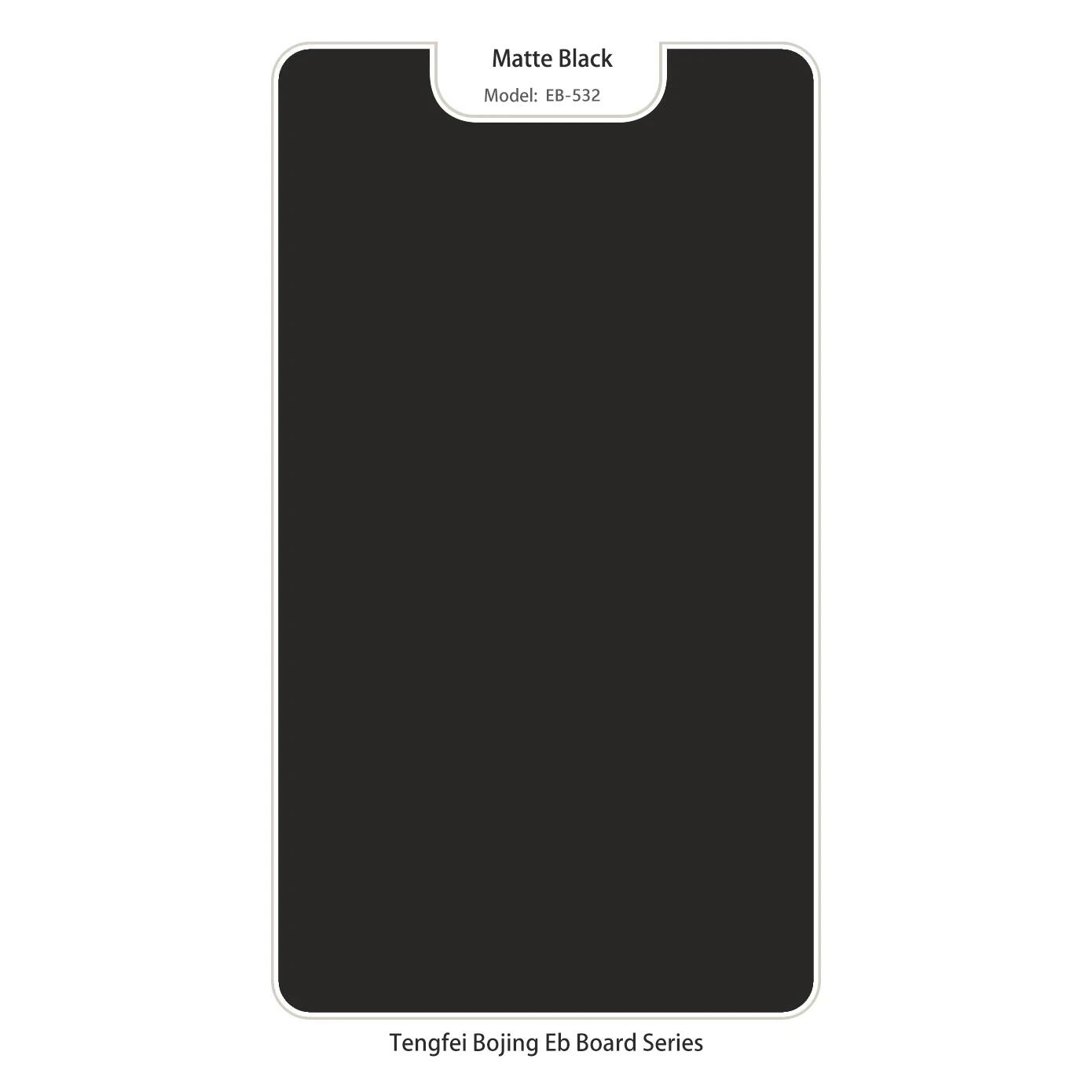
  •  Tengfei Platinum EB Particle Panels - Matte Black

     Tengfei Platinum EB Particle Panels - Matte Black

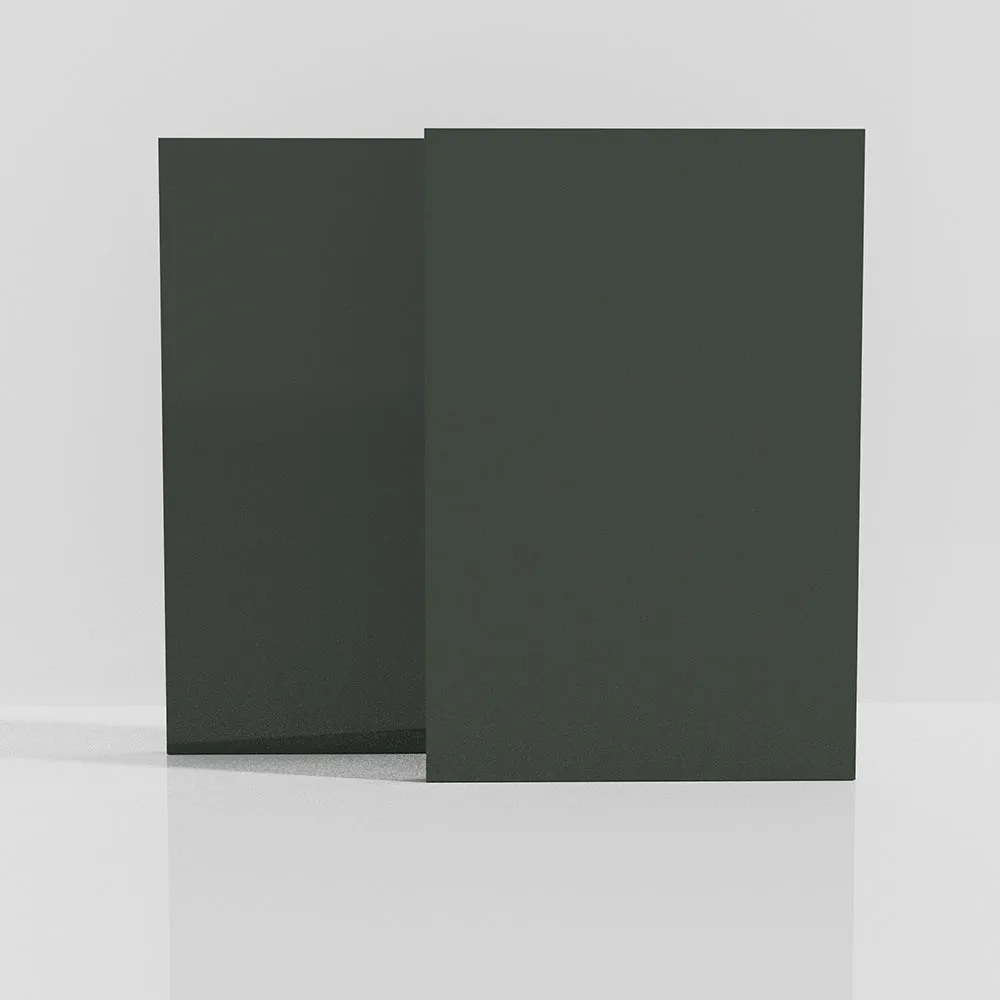
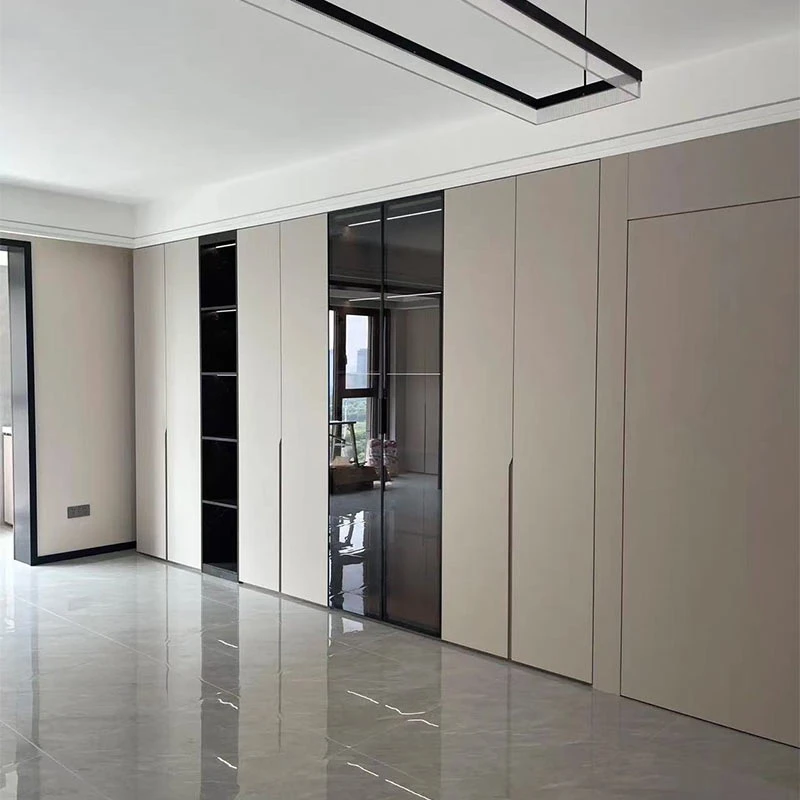
    Tengfei Platinum EB Particle Panels employs EB (Electron Beam) curing technology for manufacturing panel furniture, tables/chairs, feature walls, flooring, and slab-style doors, ideal for residential/office spaces. Features include: Anti-aging/Yellowing-resistant/Corrosion-resistant/Non-marking/Easy-clean/Fingerprint-resistant/Self-dissipating/Antibacterial/Odorless/True-color/Accurate Hue The Matte Black finish elegantly complements contemporary design aesthetics including Modern Minimalism, Luxe Industrial, Italian Rationalism, Oriental Zen, and understated Glamour styles, serving as a universal chromatic solution for sophisticated interiors.
    VIEW ALL
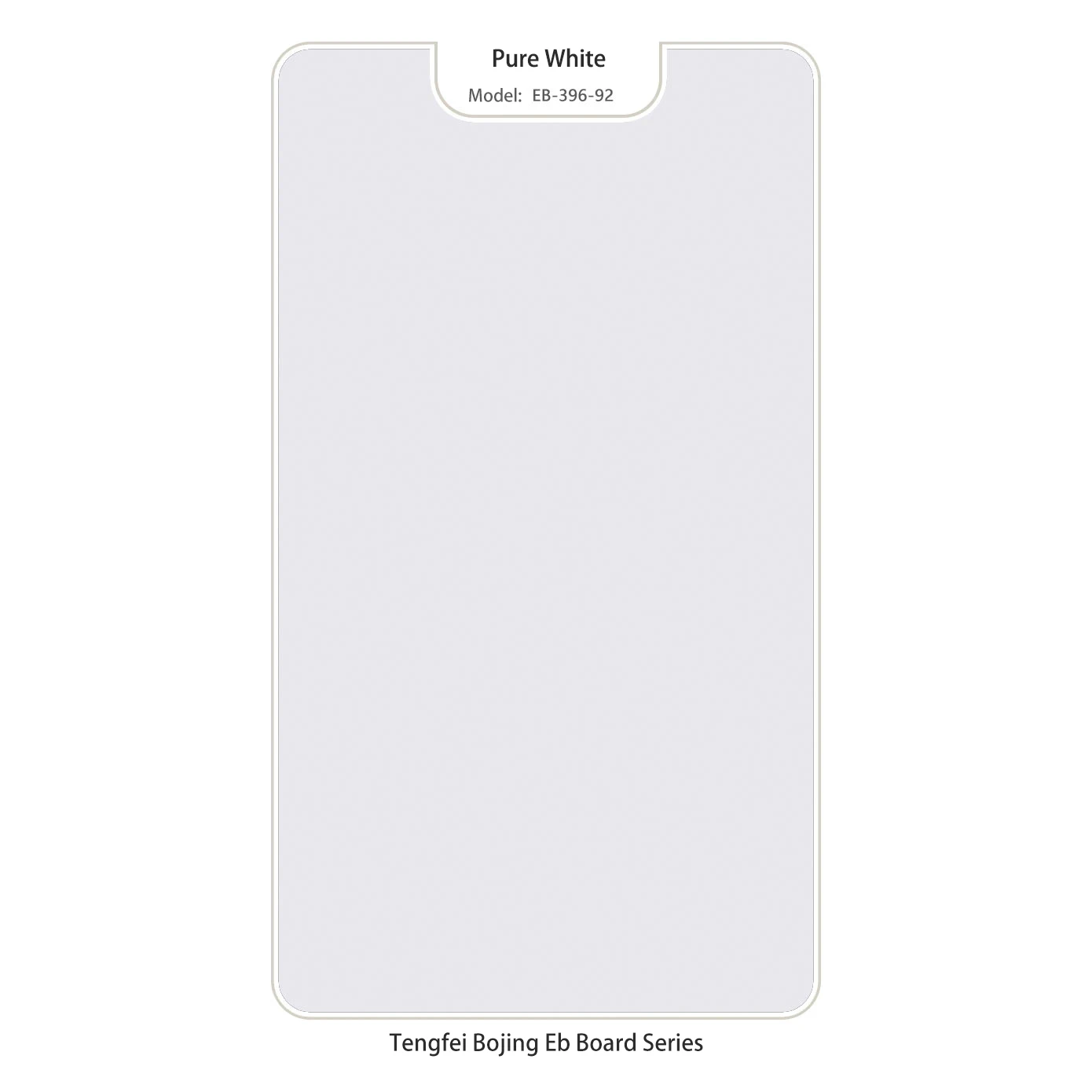
  • Tengfei Platinum EB Particle High-Gloss Panels - Pure white

    Tengfei Platinum EB Particle High-Gloss Panels - Pure white

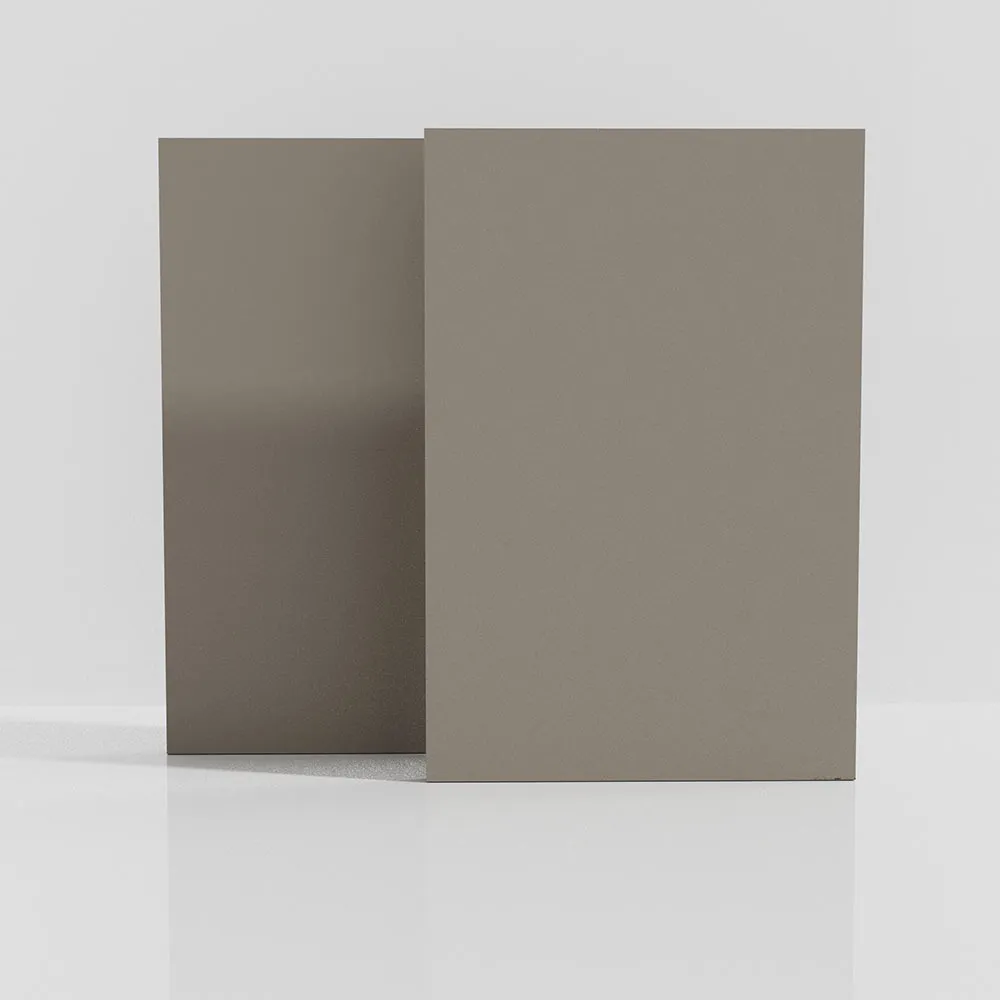
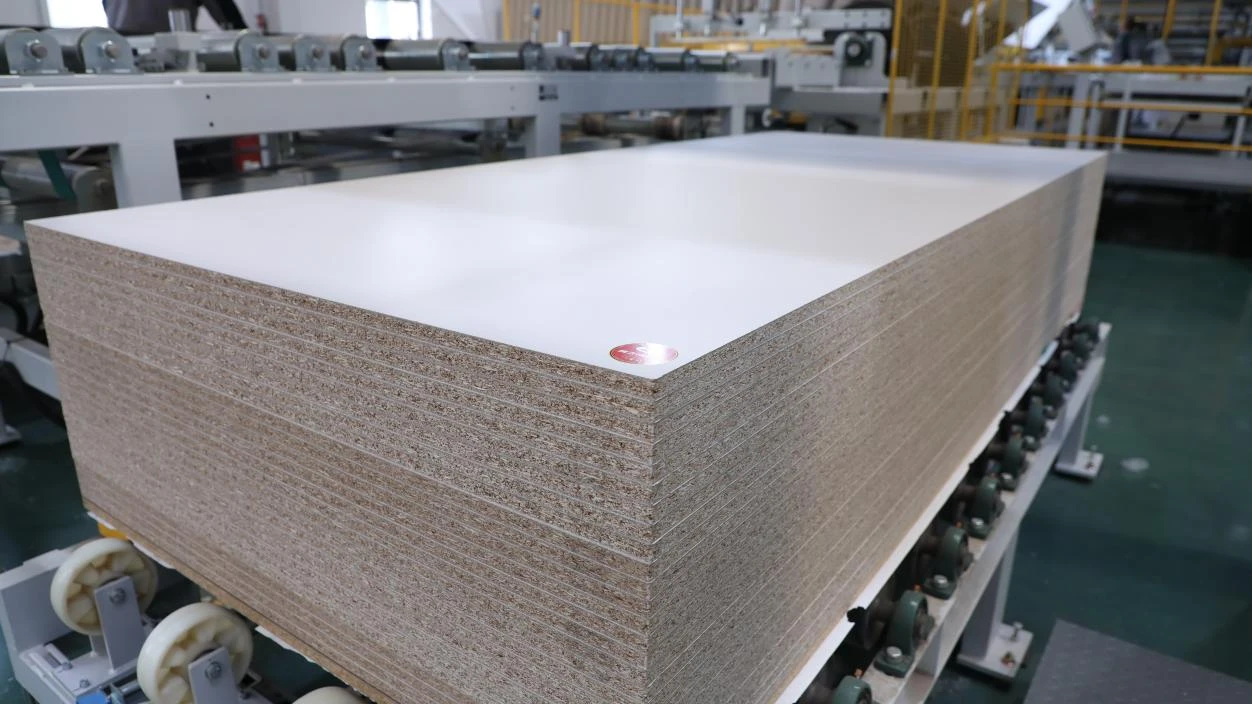
    Tengfei Bojing EB High-Gloss Panels leverage advanced electron beam curing technology to deliver vibrant color reproduction and superior surface luminosity. Ideal for crafting cabinetries, vanities, wardrobes, storage systems, entertainment units, display cases, countertops, and bar installations across domestic and office environments, these panels redefine functional aesthetics. Engineered with ​anti-aging resistance, ​yellowing-proof durability, and ​corrosion immunity, they maintain pristine surfaces through ​smudge-proof with self-dissipating properties and ​effortless maintenance. The ​antibacterial surface ensures hygienic environments free from odors, while ​true-color fidelity with precise hue consistency guarantees design integrity. The ​Pure White High-Gloss variant seamlessly integrates with Modern Minimalism, Contemporary Luxe, and Scandinavian design paradigms, offering chromatic versatility for spatially transformative applications.
    VIEW ALL
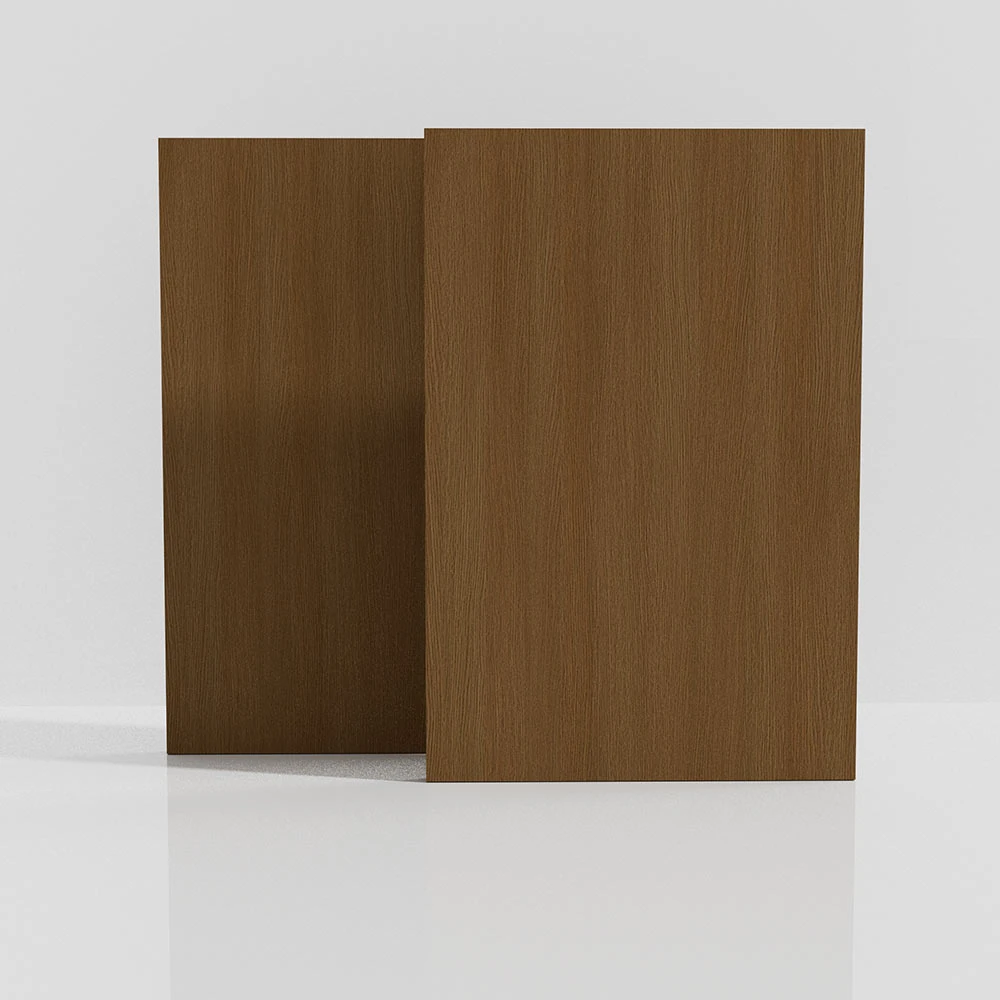
  • Primary Color Oak 102

    Primary Color Oak 102

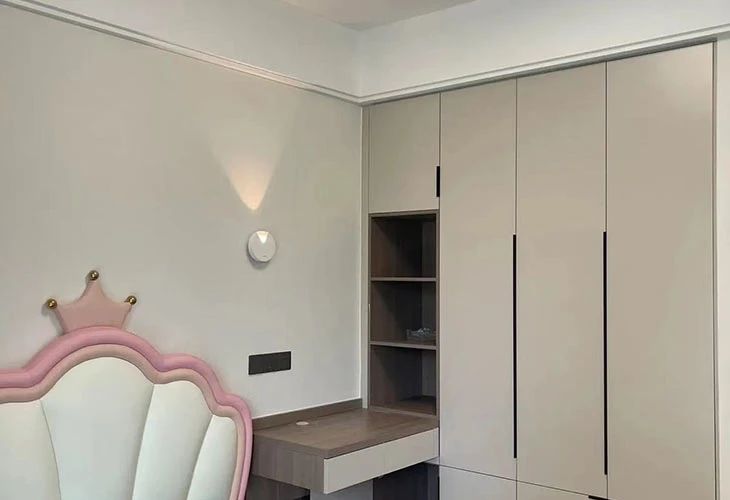
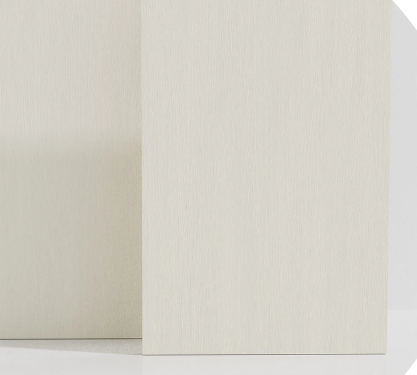
    Primary Color Oak 102 features a warm, natural oak tone that adds timeless elegance and a touch of organic charm to any space.
    VIEW ALL
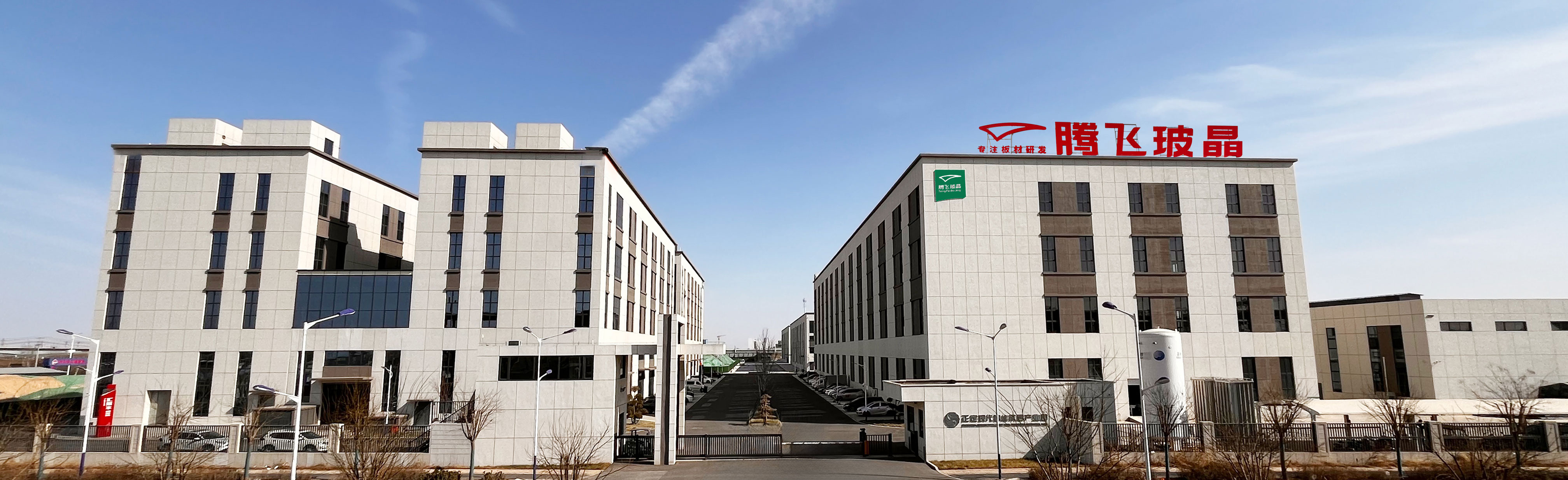
veneer factory

To provide reliable solutions through quality products!

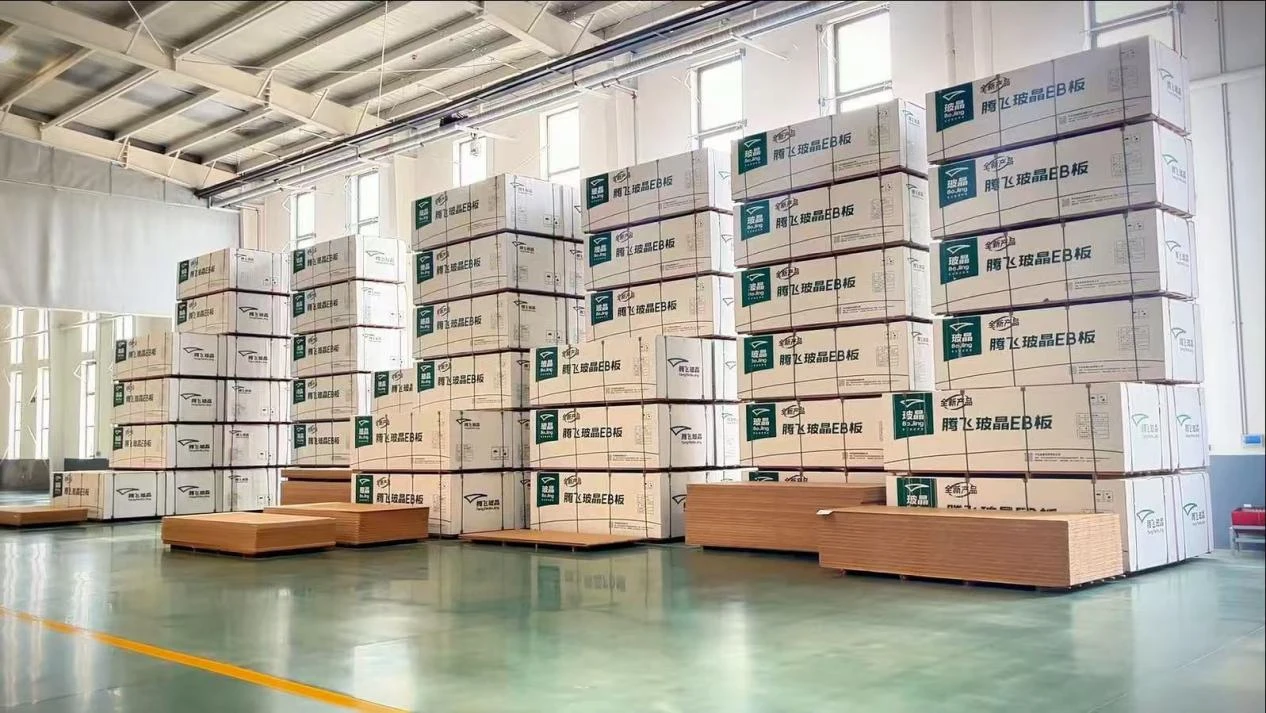
Hebei bojing technology co., ltd. specializes in the production of EB MDF boards and Veneer MDF boards, offering customers high-performance materials for interior decoration, furniture manufacturing, and architectural applications. With a commitment to innovation, precision, and customer satisfaction, we deliver products that combine durability, aesthetics, and cost-effectiveness to meet the diverse needs of global markets.
Welcome to our news page for the latest information and trends about EB MDF and Veneer MDF.
Fri 12
2025
PU201 Polyurethane Adhesive: High-Strength, Fast-Cure
PU201 is a key solution in the chemical industry industry, specifically within polymer materials and
Thu 03
2026
Comprehensive Guide to Using 1 2 Inch Pressure Treated Plywood for Durable Projects
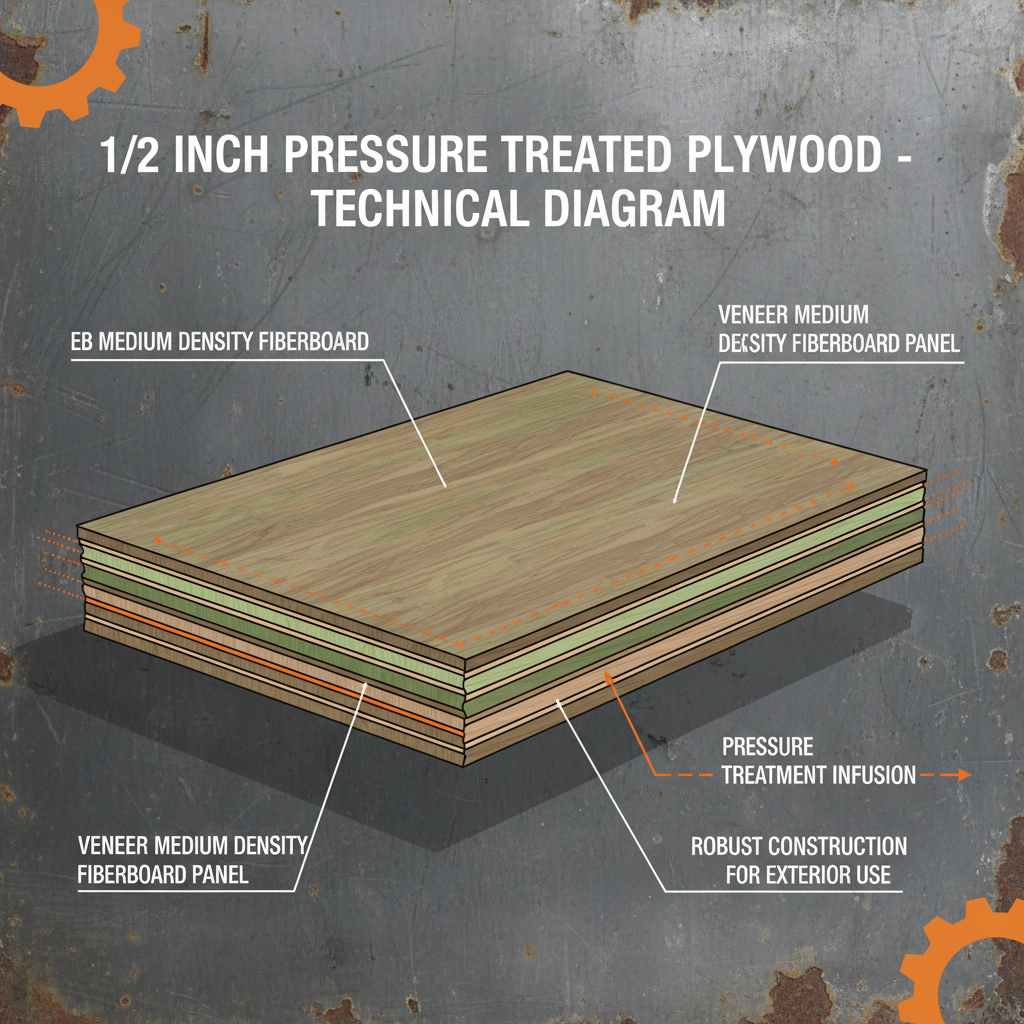
When undertaking construction, renovation, or outdoor projects, selecting the right materials is crucial. 1 2 inch pressure treated plywood is a versatile and durable option, offering resistance to rot, decay, and insect damage. This guide explores the properties, applications, benefits, and considerations when working with this essential building material. Choosing the right plywood can make the difference between a long-lasting project and one requiring constant repair. We’ll delve into what makes this specific plywood a valuable investment. Pressure-treated plywood is created by infusing wood veneers with preservative chemicals under high pressure. This process dramatically enhances the wood’s resistance to fungal decay, insect infestations, and moisture damage. 1 2 inch pressure treated plywood, specifically, refers to plywood that is ½ inch (12.7mm) thick. The “pressure treatment” is what sets it apart from standard plywood, allowing it to be used in environments where moisture is a significant concern. This makes it an excellent choice for outdoor applications where standard plywood would quickly deteriorate.
Mon 09
2025
Common Wood Species Used For Veneer Panels
Veneer panels are celebrated for their ability to bring the natural beauty of various wood species to interior design and furniture, while offering the practicality of engineered substrates like MDF.
Tue 03
2026
Comprehensive Guide to 1 16 Inch Plywood Applications and Selection
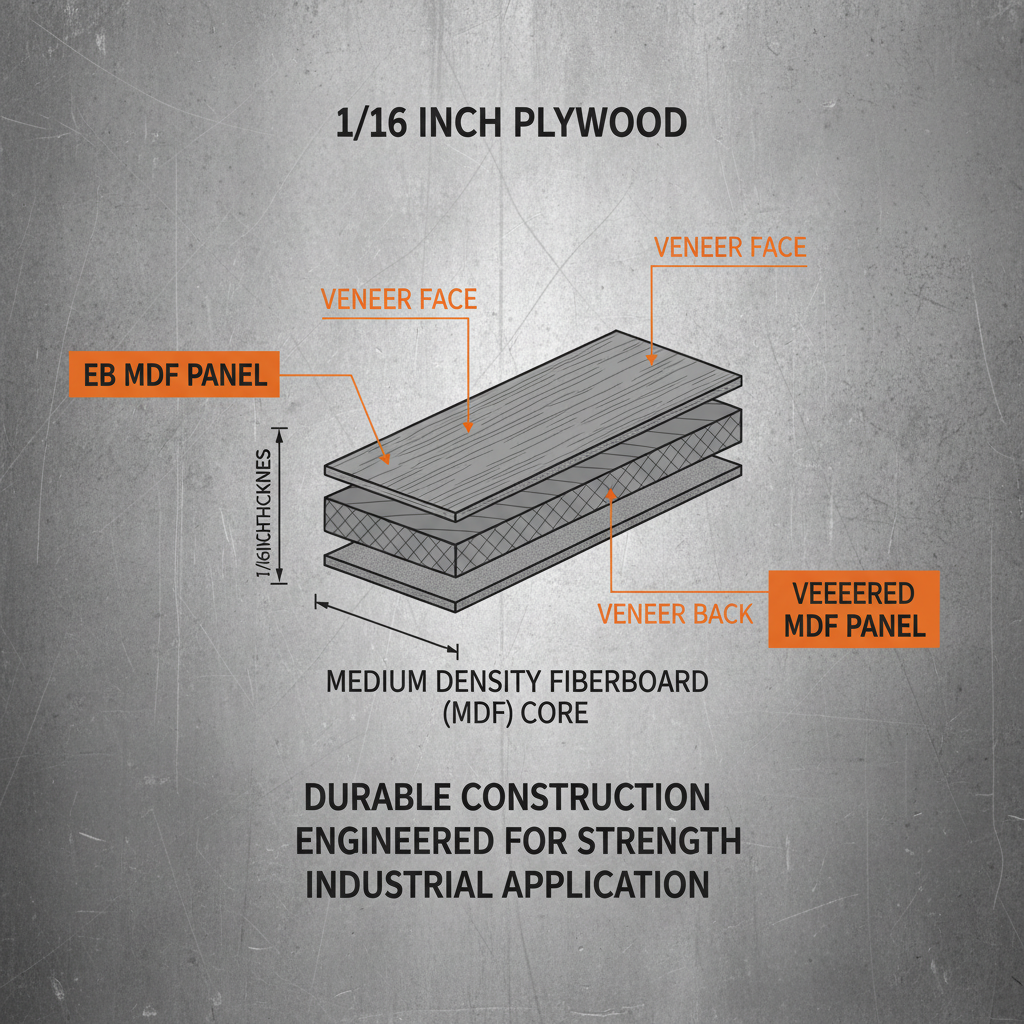
1 16 inch plywood, also known as 1/16" plywood, is a versatile material commonly used in a wide range of applications, from crafting and model making to furniture construction and interior design. Its thin profile and flexibility make it ideal for projects requiring lightweight and easily manipulated wood. This article will explore the characteristics, uses, benefits, and considerations when working with 1 16 inch plywood, and will highlight why Tengfei EBMDF offers high-quality options to meet your needs. Choosing the right plywood is crucial for the success of your project, and we'll cover how to do just that. 1/16 inch plywood is an engineered wood product constructed from thin layers of wood veneer glued together under heat and pressure. This lamination process creates a stable and strong sheet material, despite its minimal thickness. Commonly, it’s constructed using a core of softwood like poplar or pine, faced with higher-quality veneers like birch or maple. Its thinness makes it easy to cut, bend, and shape, opening up a wide array of creative possibilities. The density and quality of the wood veneers significantly impact the plywood’s strength and finish.
Fri 10
2025
PF1015F EMI Filter: High Performance, Compact, Reliable Power Solution
Navigating Innovation: Top EB Medium Density Fiberboard & Single Board Panel Manufacturers from Chin
Sat 12
2025
PU727 High-Strength Polyurethane Adhesive | Fast, Flexible
PU727 is a key solution in the chemical industry industry, specifically within polymer materials and
Fri 08
2025
How Can Walnut Paneling and Veneers Transform Your Interior Design?
When it comes to enhancing the aesthetic appeal and value of your home or commercial space, selecting the right wood finishes plays a crucial role.
Tue 07
2025
Enhance Interiors with Premium Wood Veneer Solutions
In contemporary interior design, the natural beauty and sophistication of wood are unparalleled.
Thu 08
2025
Elegance with Dynamic Wood Veneer Designs
In today’s architectural and interior design landscape, aesthetics and sustainability go hand in hand.
Sun 08
2025
Veneer MDF board thickness variations
Veneer MDF board thickness variations are pivotal to unlocking the full potential of this premium de
Thu 02
2026
Understanding Plywood Cost Per Square Foot for Budgeting and Project Planning
Determining the plywood cost per square foot is crucial for budgeting and project planning, whether you're a seasoned contractor or a DIY enthusiast. The price can fluctuate significantly based on several factors, including plywood type, thickness, grade, and region. This guide breaks down the various elements influencing plywood costs, provides current price ranges, and offers insights into optimizing your purchase. Understanding these factors will help you make informed decisions and ensure you're getting the best value for your money. Several key elements impact the price of plywood. The type of wood used – such as birch, oak, maple, or pine – significantly affects cost. Hardwood plywoods generally command higher prices than softwoods. Plywood grade, categorized by appearance and number of defects, also plays a role, with higher grades costing more. Thickness is another crucial factor; thicker sheets are, unsurprisingly, more expensive. Finally, market demand, geographic location, and supplier markups also contribute to the final cost.
Wed 09
2025
Moisture resistance in faced MDF products
Moisture resistance is a critical attribute in faced MDF products, determining their suitability for humid environments such as kitchens, bathrooms, and basements. Faced MDF, which includes faced mdf, wood veneer boards, and sheet veneer wood, relies on both the core material and the facing layer to resist moisture absorption, swelling, and warping.
tel +8615030171059 tel icon15

If you are interested in our products, you can choose to leave your information here, and we will be in touch with you shortly.