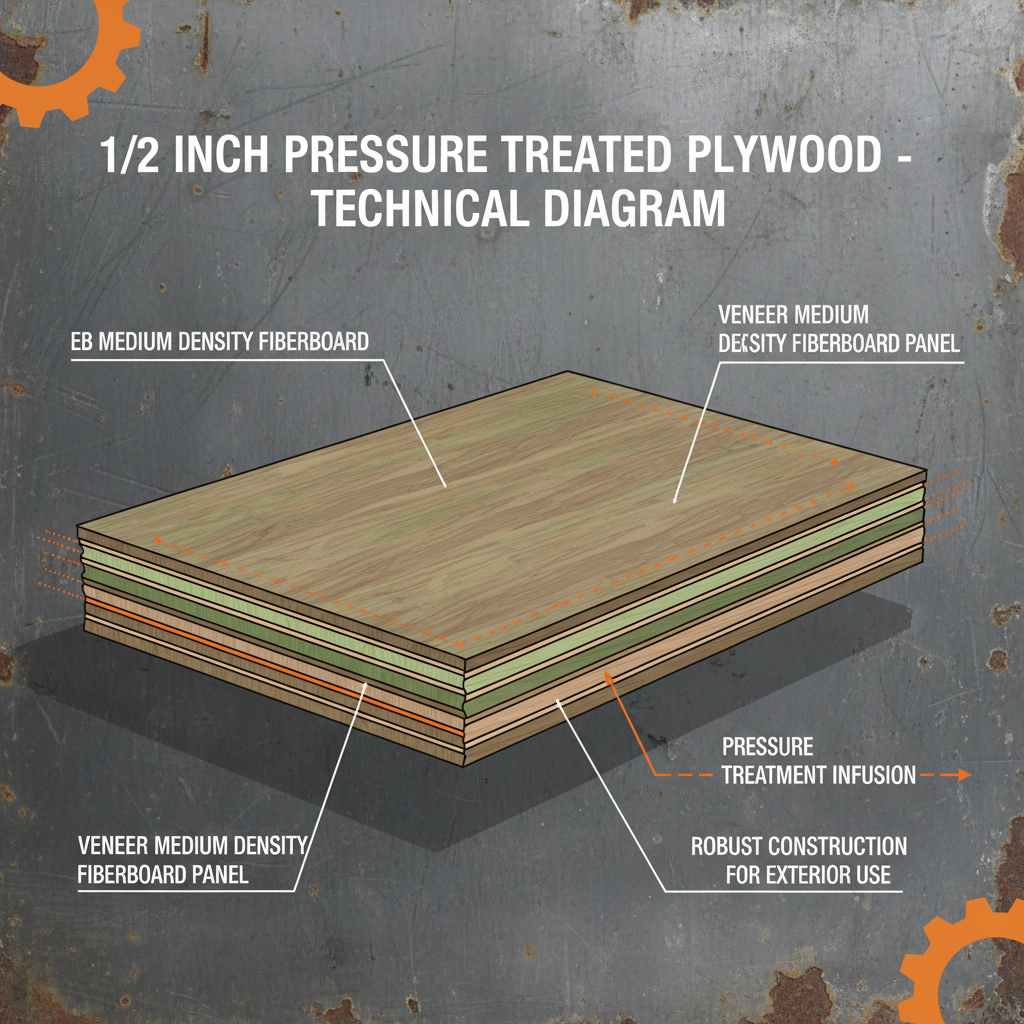
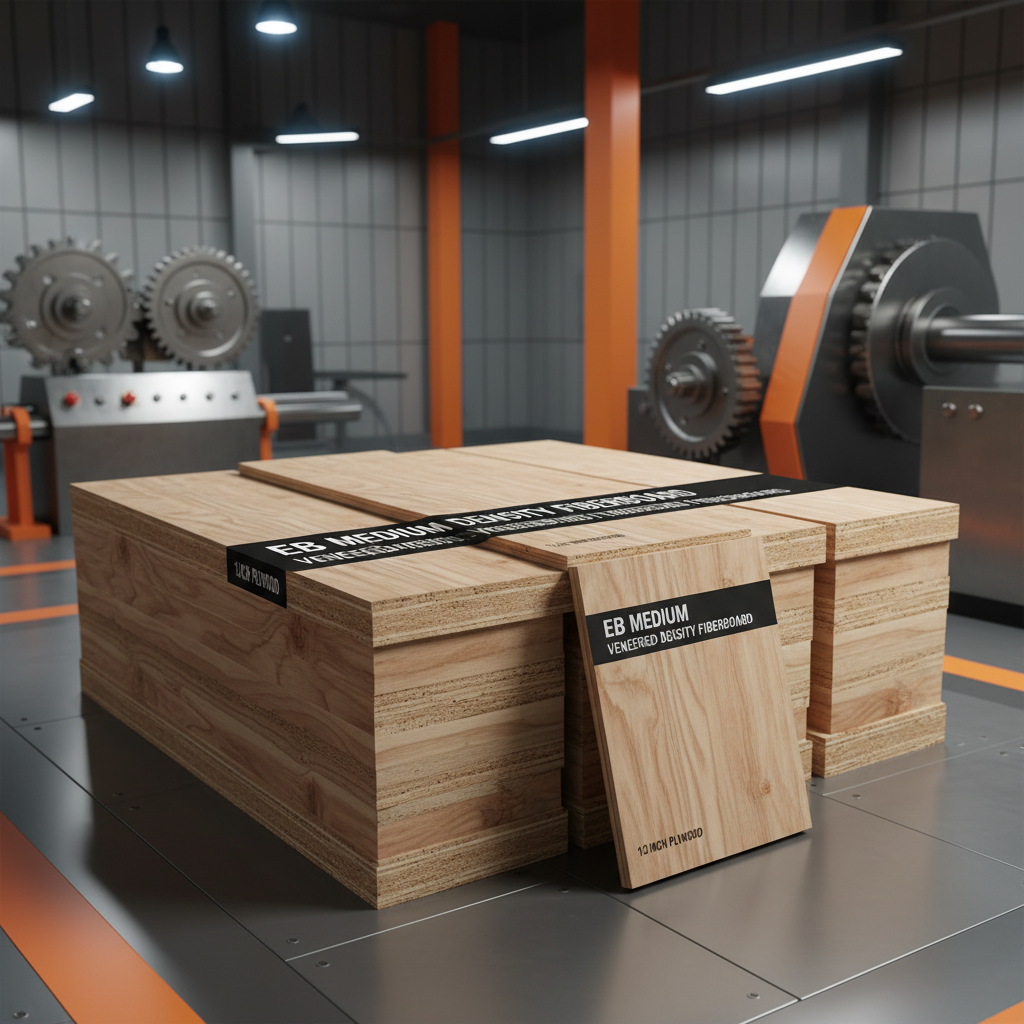
When planning construction or DIY projects, selecting the right plywood is crucial. 1 2 inch plywood (referring to 12mm thickness) is a popular choice, offering a balance of strength, affordability, and workability. This article dives deep into the characteristics, applications, benefits, and considerations when choosing this versatile material. We'll explore the different types, common uses, and factors that affect its overall performance. Choosing the right plywood can make the difference between a successful project and a frustrating setback. Plywood is engineered from thin sheets of wood veneer glued together with adjacent layers having their wood grain running at right angles to each other. This cross-graining provides excellent strength and stability, preventing warping and splitting. The number of plies (layers) affects the overall strength and cost – more plies generally equate to a stronger, more expensive sheet. The quality of the wood veneer and the adhesive used also significantly impact the plywood’s performance. Not all 1 2 inch plywood is created equal. Different types are manufactured for specific purposes. Here are some common varieties: Hardwood Plywood: Made with hardwood veneers (like birch, maple, or oak), offering excellent strength and a beautiful finish. Ideal for furniture, cabinetry, and decorative applications. Softwood Plywood: Constructed with softwood veneers (like pine, fir, or spruce), typically more affordable. Commonly used for construction, sheathing, and subflooring. Marine Plywood: Made with waterproof glue and high-quality veneers, designed to withstand prolonged exposure to moisture. Suitable for boat building and outdoor applications. Exterior Plywood: Bonded with waterproof adhesives for use in outdoor projects, though less durable than true marine plywood.