Add: No.8 Xinxing Street, North Zone, Zhengding High-tech Industrial Development Zone, Hebei, China

CONTACT US

+8615030171059
221231instagram-fill1251 search
Mar 04 2026
share:

Understanding Plywood Dimension: A Comprehensive Guide

When sourcing plywood for your projects, understanding plywood dimension is critical. This guide dives deep into the various aspects of plywood dimensions, covering standard sizes, thickness, grades, and how they impact your applications. From construction to furniture making, choosing the right plywood dimension ensures project success and structural integrity. We will explore how to select the optimal dimensions for your specific needs, avoiding costly mistakes and maximizing efficiency.
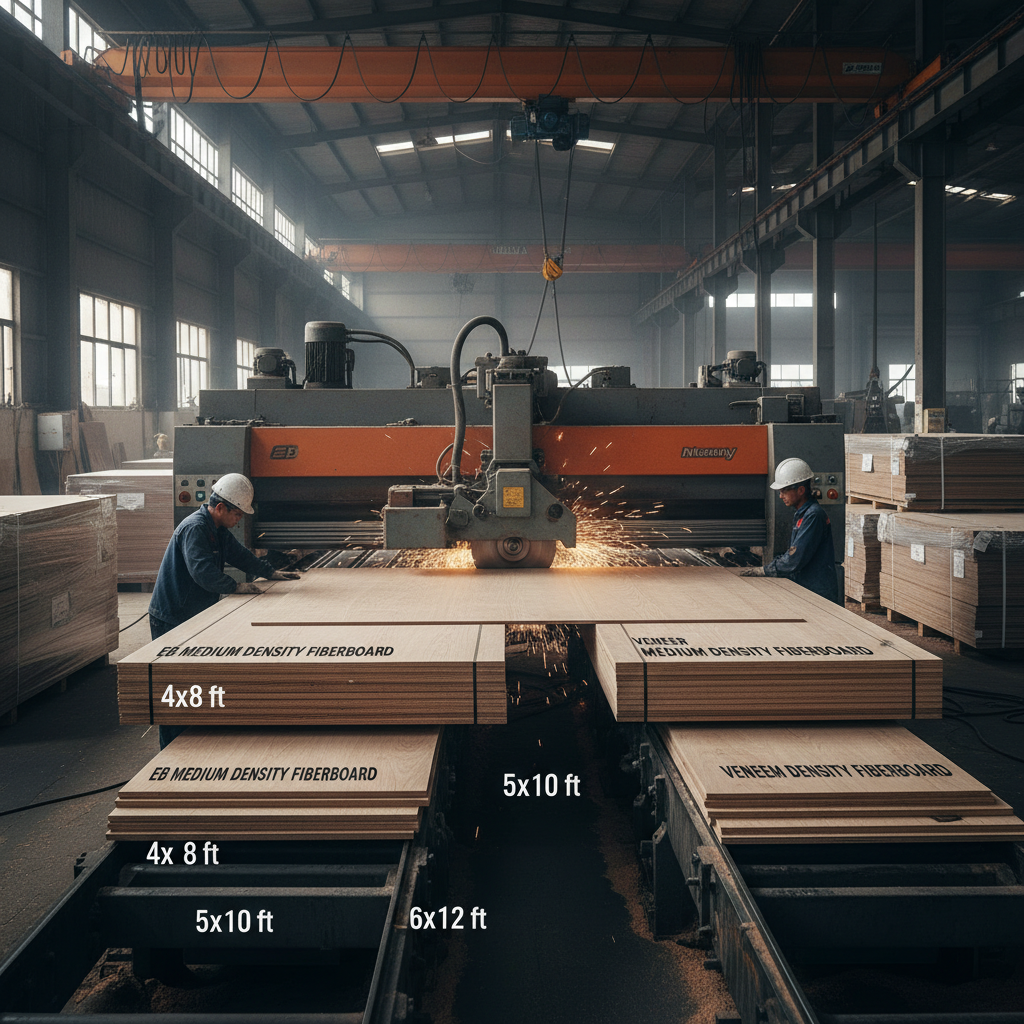
Comprehensive Guide to Plywood Dimension Selection and Application

Standard Plywood Dimensions: Common Sizes & Applications

Plywood is commonly produced in large sheets, which are then cut down to various standard sizes. The most frequently encountered dimensions in North America are 4ft x 8ft (1220mm x 2440mm). However, other sizes such as 3ft x 6ft and custom dimensions are also available depending on the supplier and your project requirements. These standard sizes are designed to minimize waste during manufacturing and make efficient use of materials. Understanding these common dimensions is the first step in effective plywood selection.

Plywood Thickness and Its Significance

Plywood thickness is a crucial factor to consider, directly affecting its structural capacity and suitability for different applications. Common thicknesses range from 3mm to 25mm (approximately 1/8" to 1"). Thicker plywood offers greater strength and rigidity, making it ideal for load-bearing applications like subflooring and structural walls. Thinner plywood is often used for decorative purposes, cabinet backs, or furniture components where strength is less critical. Selecting the appropriate thickness based on the intended load and span is essential for ensuring the safety and longevity of your project.

Key Takeaway: Selecting the appropriate plywood thickness is paramount for structural integrity and project longevity.

Plywood Grade and Dimensional Stability

Plywood grades (A, B, C, D) denote the quality of the veneer surface. 'A' grade plywood boasts the smoothest surface with minimal defects, making it suitable for visible applications. 'D' grade plywood is typically the lowest quality and is often used for structural components where the surface finish isn’t critical. Furthermore, consider plywood's dimensional stability, which refers to its ability to resist warping, twisting, or shrinking due to changes in humidity. Marine-grade plywood, for example, offers superior dimensional stability and is designed for applications exposed to moisture. When working with plywood dimension, consider the environment and application when selecting the appropriate grade.

Comparing Plywood Types and Dimensions

Different types of plywood (hardwood, softwood, marine) each offer unique characteristics and typical dimensions. Hardwood plywood (e.g., birch, maple) is often used for furniture and cabinetry, available in various thicknesses and typically 4ft x 8ft sheets. Softwood plywood (e.g., pine, fir) is commonly used for construction and sheathing, also frequently in 4ft x 8ft dimensions but sometimes larger. Marine-grade plywood, known for its water resistance, is often found in smaller sheets and varying thicknesses to minimize potential weak points. Choosing the right type based on your project’s needs is essential.

Plywood Type Common Dimensions Typical Applications
Hardwood Plywood 4ft x 8ft, various thicknesses Furniture, Cabinetry, Decorative Panels
Softwood Plywood 4ft x 8ft, larger sheets available Construction, Sheathing, Subflooring
Marine-Grade Plywood Varies, often smaller sheets Boatbuilding, Outdoor Structures, High-Moisture Environments

Selecting the Right Plywood Dimension for Your Project

Ultimately, selecting the correct plywood dimension involves a careful consideration of the project’s requirements. Factor in the load-bearing capacity, environmental conditions, aesthetic preferences, and budget constraints. Consulting with a lumber supplier or structural engineer can provide valuable insights and ensure you choose the optimal plywood for your specific application. At Tengfei EBMDF, we offer a wide range of plywood options and expert guidance to help you find the perfect solution.
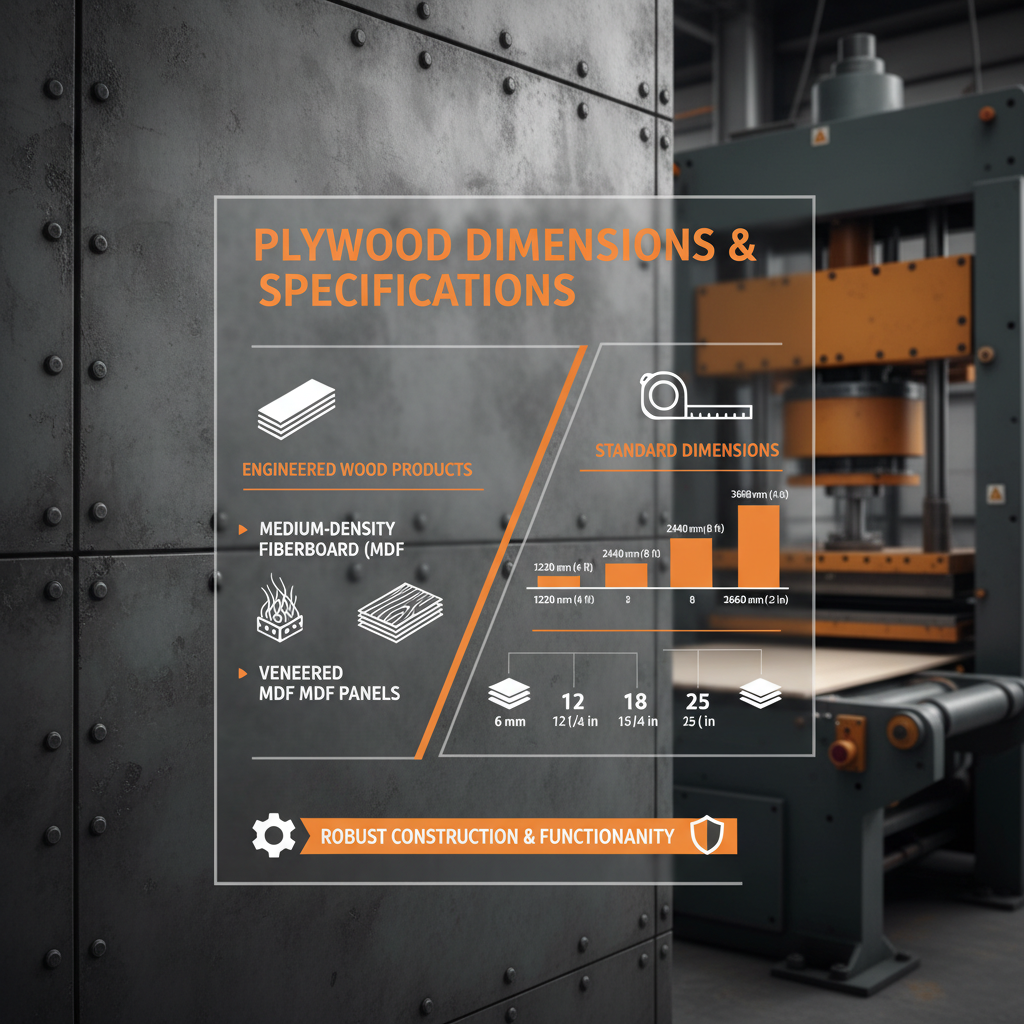
Comprehensive Guide to Plywood Dimension Selection and Application

Conclusion: Mastering Plywood Dimensions for Project Success

Understanding plywood dimension is essential for any construction or woodworking project. By considering the standard sizes, thicknesses, grades, and types available, you can select the optimal material to meet your specific needs. Proper plywood selection ensures structural integrity, longevity, and a professional finish. We at Tengfei EBMDF are committed to providing high-quality plywood and expert advice to help you achieve your project goals.

Frequently Asked Questions (FAQs)

What is the standard tolerance for plywood dimensions?

Plywood dimensions are not always exact due to the nature of the material and manufacturing processes. Typical tolerances are +/- 1/16 inch (approximately 1.6mm) for length and width, and +/- 1/8 inch (approximately 3.2mm) for thickness. These tolerances are generally acceptable for most applications, but it’s important to be aware of them when designing and cutting your projects. It's recommended to always double-check the actual dimensions of the plywood sheets before making precise cuts.

Can plywood dimensions be customized?

Yes, many plywood suppliers, including Tengfei EBMDF, offer custom cutting services. This allows you to order plywood sheets cut to your specific dimensions, reducing waste and saving time. Customization options may include ripping (cutting lengthwise) and crosscutting (cutting widthwise). Minimum order quantities or additional fees may apply.

How does plywood core material affect dimensional stability?

The core material of plywood significantly impacts its dimensional stability. Plywood made with denser, more stable core materials, such as birch or poplar, generally exhibits better resistance to warping and twisting. Lower-density core materials, like pine, may be more prone to dimensional changes in fluctuating humidity levels. Marine-grade plywood utilizes waterproof glue and high-quality core materials to maximize dimensional stability in wet environments.
Product Category
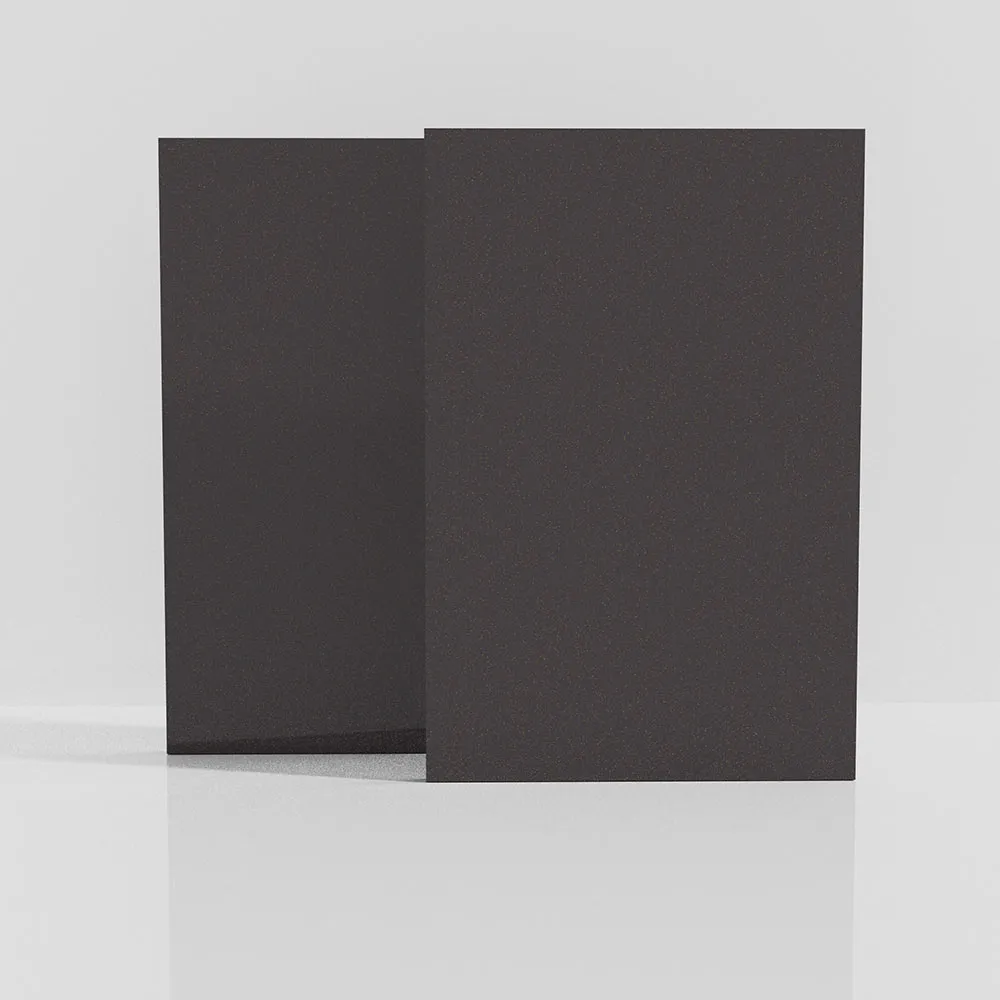
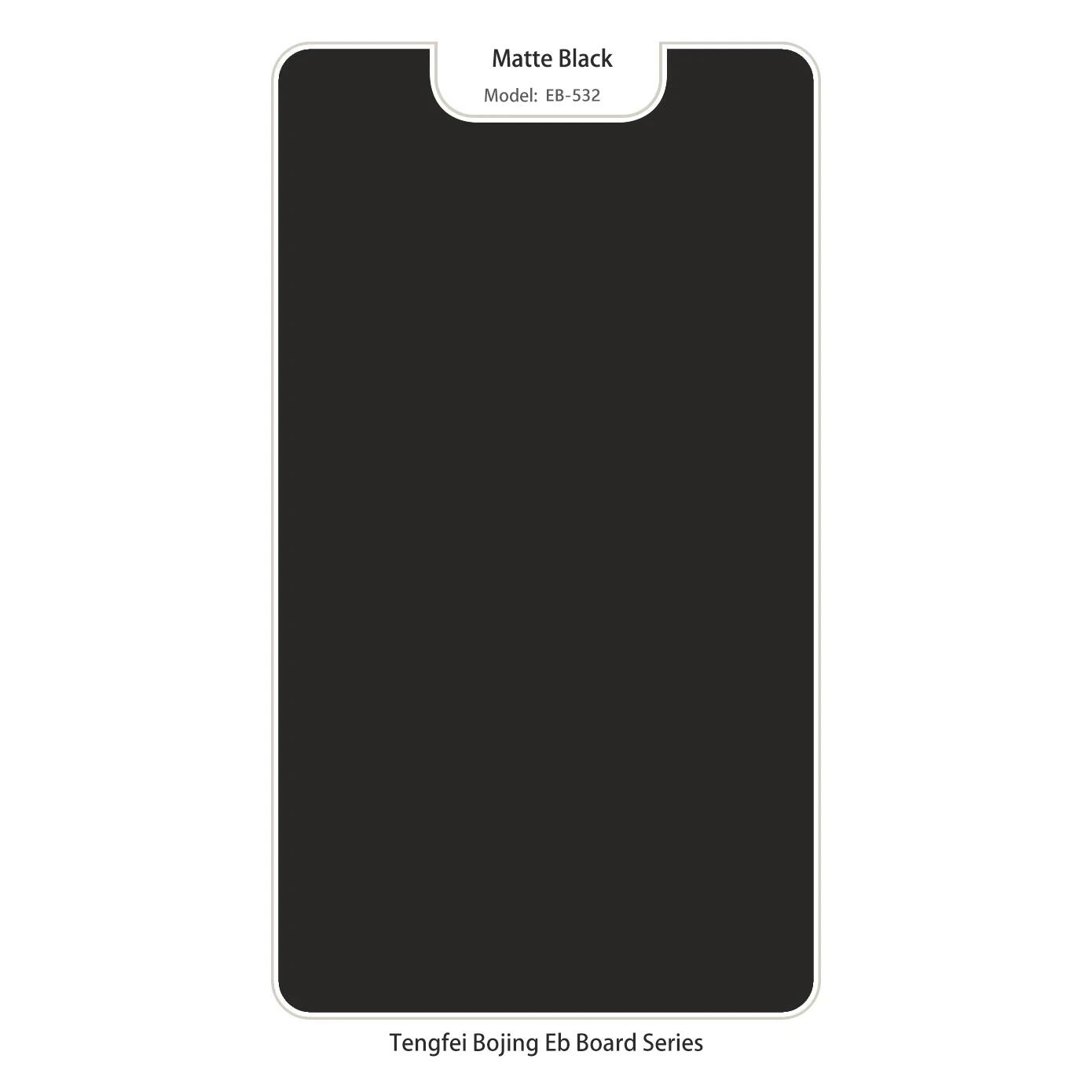
  •  Tengfei Platinum EB Particle Panels - Matte Black
     Tengfei Platinum EB Particle Panels - Matte Black

    Tengfei Platinum EB Particle Panels employs EB (Electron Beam) curing technology for manufacturing panel furniture, tables/chairs, feature walls, flooring, and slab-style doors, ideal for residential/office spaces. Features include: Anti-aging/Yellowing-resistant/Corrosion-resistant/Non-marking/Easy-clean/Fingerprint-resistant/Self-dissipating/Antibacterial/Odorless/True-color/Accurate Hue The Matte Black finish elegantly complements contemporary design aesthetics including Modern Minimalism, Luxe Industrial, Italian Rationalism, Oriental Zen, and understated Glamour styles, serving as a universal chromatic solution for sophisticated interiors.
    VIEW ALL
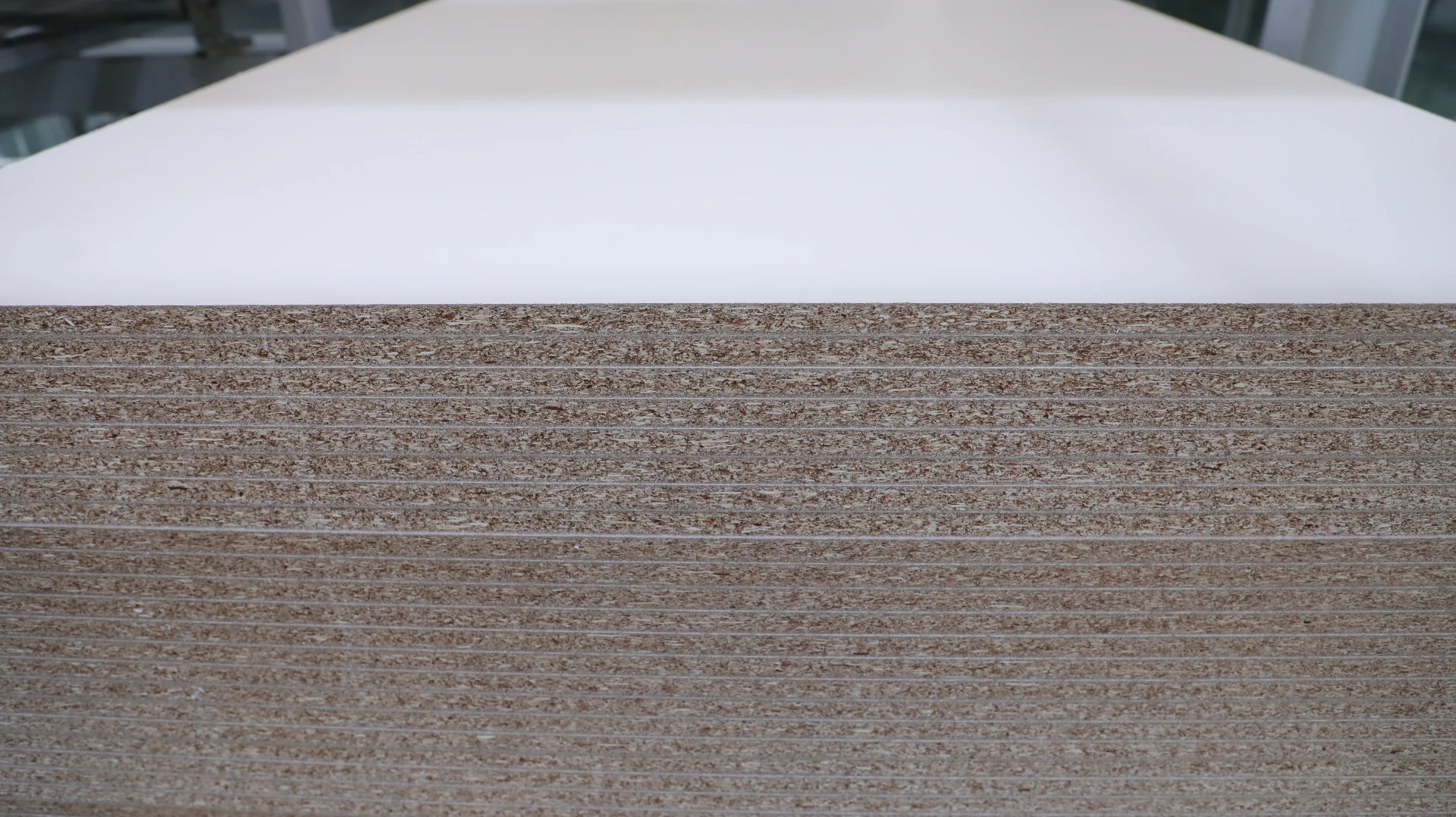
  • Tengfei Platinum EB Particle High-Gloss Panels - Pure white
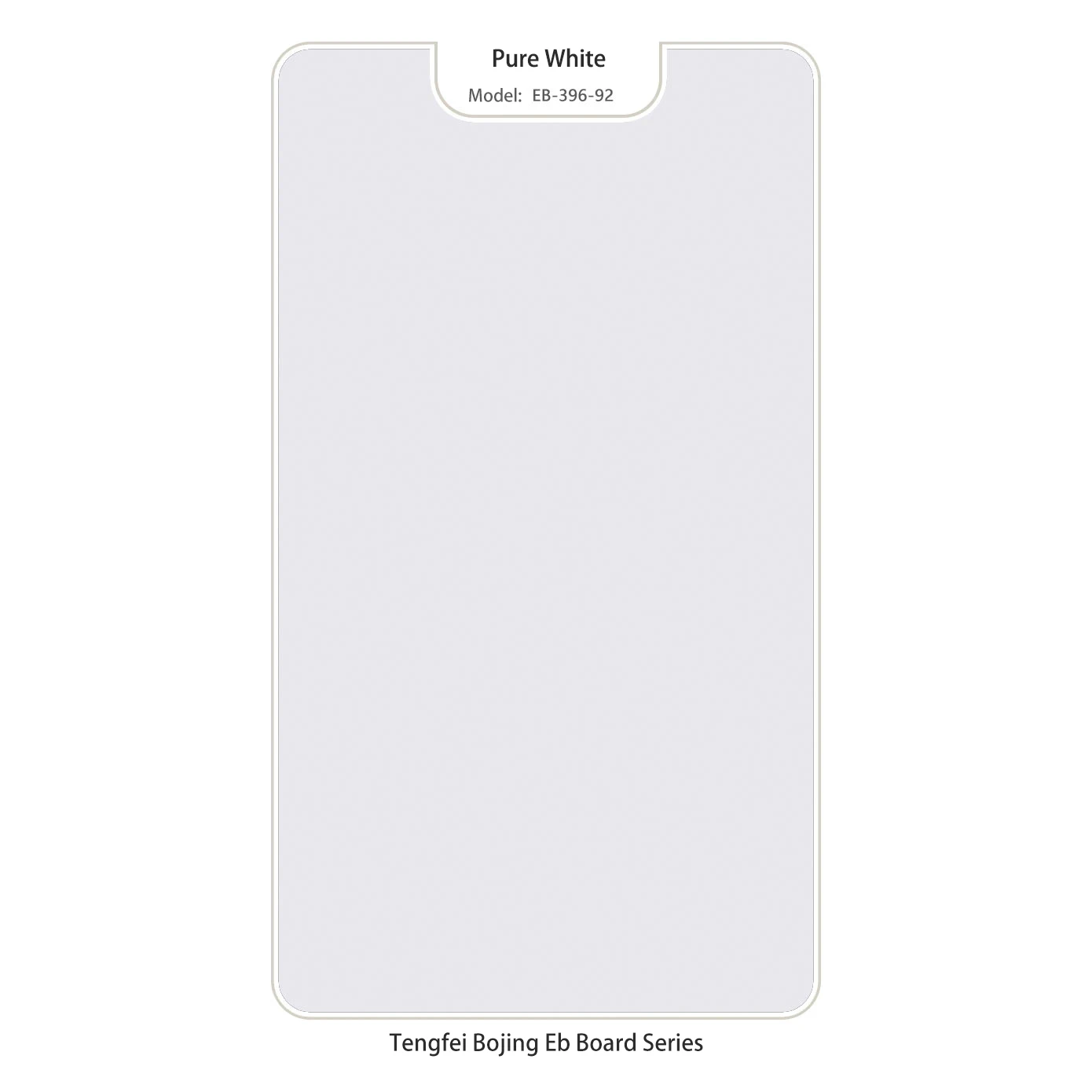
    Tengfei Platinum EB Particle High-Gloss Panels - Pure white
    Tengfei Bojing EB High-Gloss Panels leverage advanced electron beam curing technology to deliver vibrant color reproduction and superior surface luminosity. Ideal for crafting cabinetries, vanities, wardrobes, storage systems, entertainment units, display cases, countertops, and bar installations across domestic and office environments, these panels redefine functional aesthetics. Engineered with ​anti-aging resistance, ​yellowing-proof durability, and ​corrosion immunity, they maintain pristine surfaces through ​smudge-proof with self-dissipating properties and ​effortless maintenance. The ​antibacterial surface ensures hygienic environments free from odors, while ​true-color fidelity with precise hue consistency guarantees design integrity. The ​Pure White High-Gloss variant seamlessly integrates with Modern Minimalism, Contemporary Luxe, and Scandinavian design paradigms, offering chromatic versatility for spatially transformative applications.
    VIEW ALL
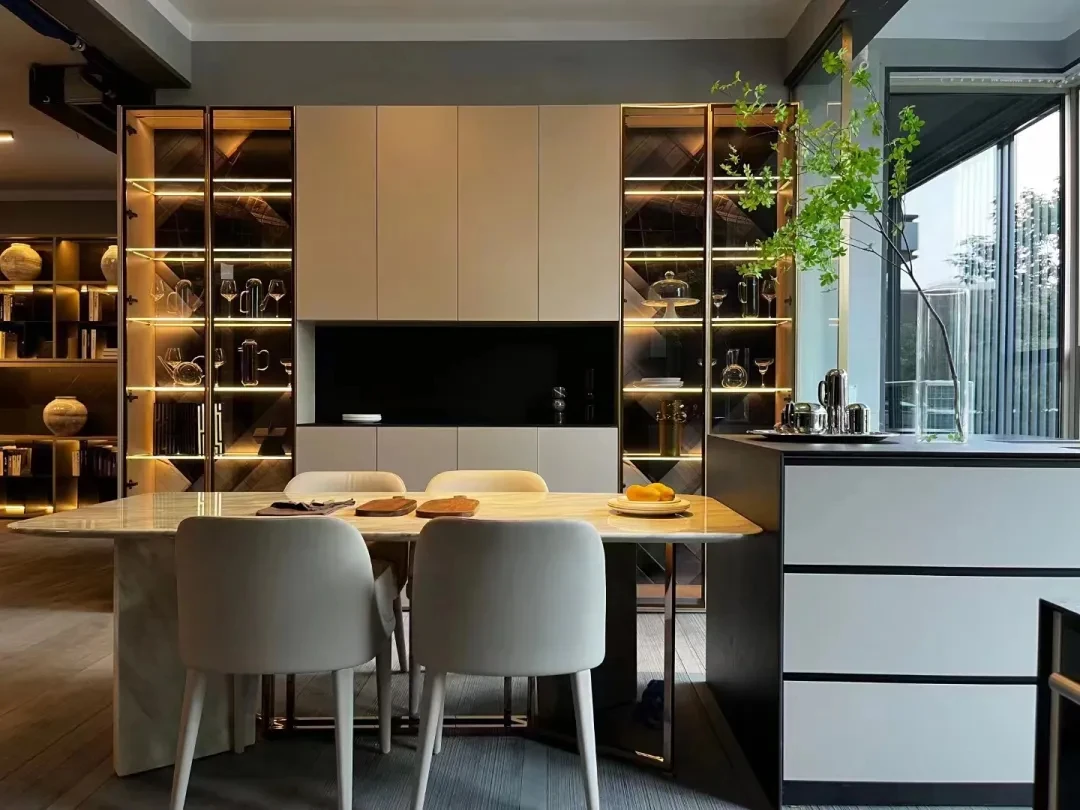
  • Primary Color Oak 102

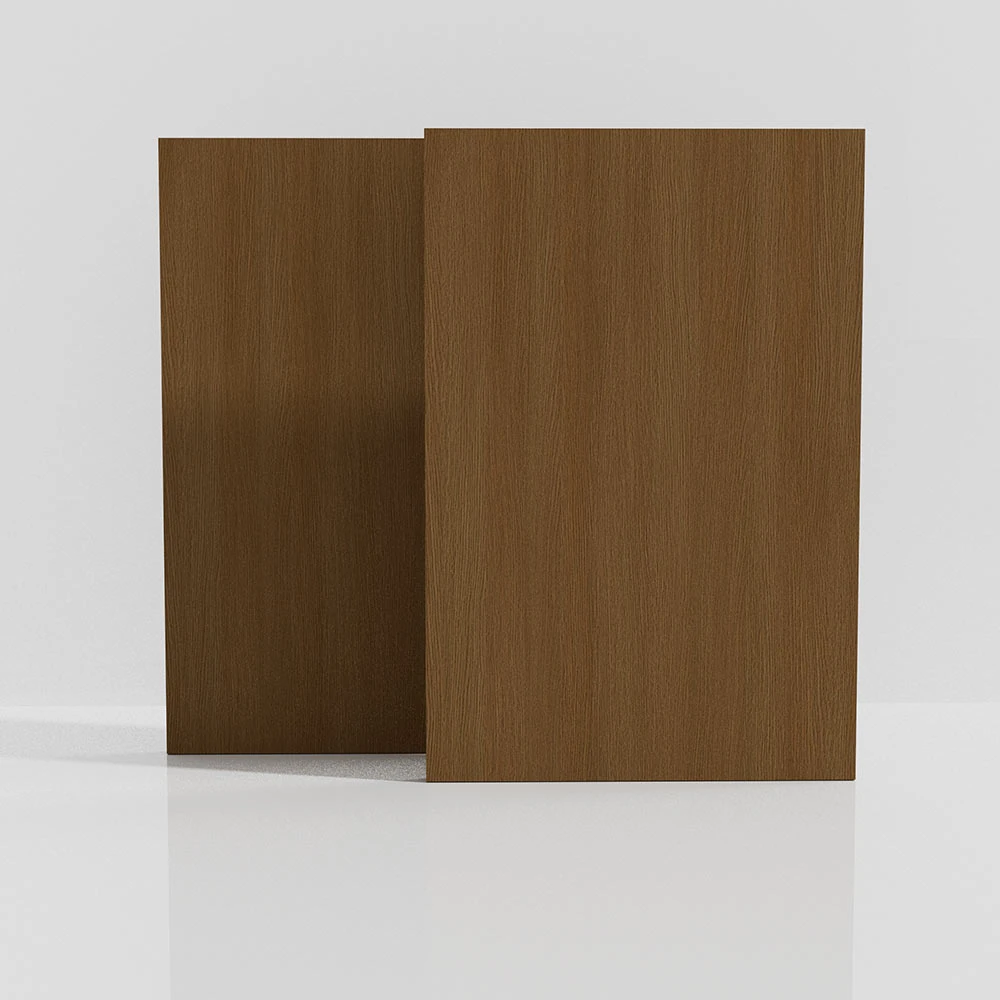
    Primary Color Oak 102

    Primary Color Oak 102 features a warm, natural oak tone that adds timeless elegance and a touch of organic charm to any space.
    VIEW ALL
veneer factory

To provide reliable solutions through quality products!
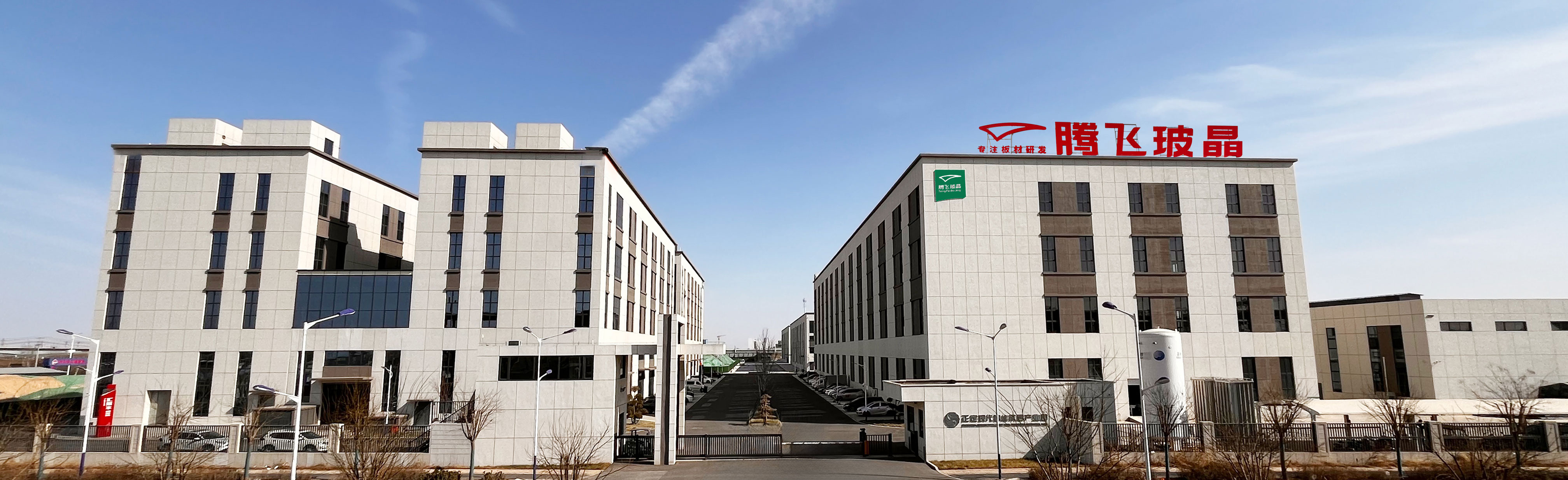
Hebei bojing technology co., ltd. specializes in the production of EB MDF boards and Veneer MDF boards, offering customers high-performance materials for interior decoration, furniture manufacturing, and architectural applications. With a commitment to innovation, precision, and customer satisfaction, we deliver products that combine durability, aesthetics, and cost-effectiveness to meet the diverse needs of global markets.
Welcome to our news page for the latest information and trends about EB MDF and Veneer MDF.
Sat 03
2026
Comprehensive Guide to 1 1/2 Plywood Uses Grades and Applications
When sourcing materials for your projects, understanding the nuances of plywood grades and thicknesses is crucial. Tengfei EBMDF specializes in high-quality plywood, and this article will delve into the specifics of 1 1/2" plywood – its uses, advantages, and how it differs from other thicknesses. Whether you’re a seasoned contractor or a DIY enthusiast, this guide will provide valuable insights into leveraging the strength and versatility of this essential building material. We'll cover everything from common applications to factors influencing cost and quality. 1 1/2" plywood (also expressed as 1.5 inches) refers to plywood sheets that are approximately 38.1mm thick. It's a composite material made by bonding thin layers of wood veneer together with adhesives. The alternating grain direction of these layers provides exceptional strength and stability, making it significantly more resistant to warping, splitting, and cracking than solid wood. This thickness offers a substantial balance between weight, strength, and cost, making it ideal for a wide range of structural and decorative applications.
Mon 01
2026
Current 25 mm Plywood Price Trends & Specs | Industrial Insights
Discover key factors influencing 25 mm plywood price, specs, and top vendors. Expert insights for industrial buyers and project planners.
Mon 09
2025
PF1018F EB MDF Board - Hebei Bojing Technology | Eco-Friendly, Durable Interior Solutions
Product Overview The PF1018F is a high-performance EB MDF (Eco-Board Medium Density Fiberboard) desi
Tue 03
2026
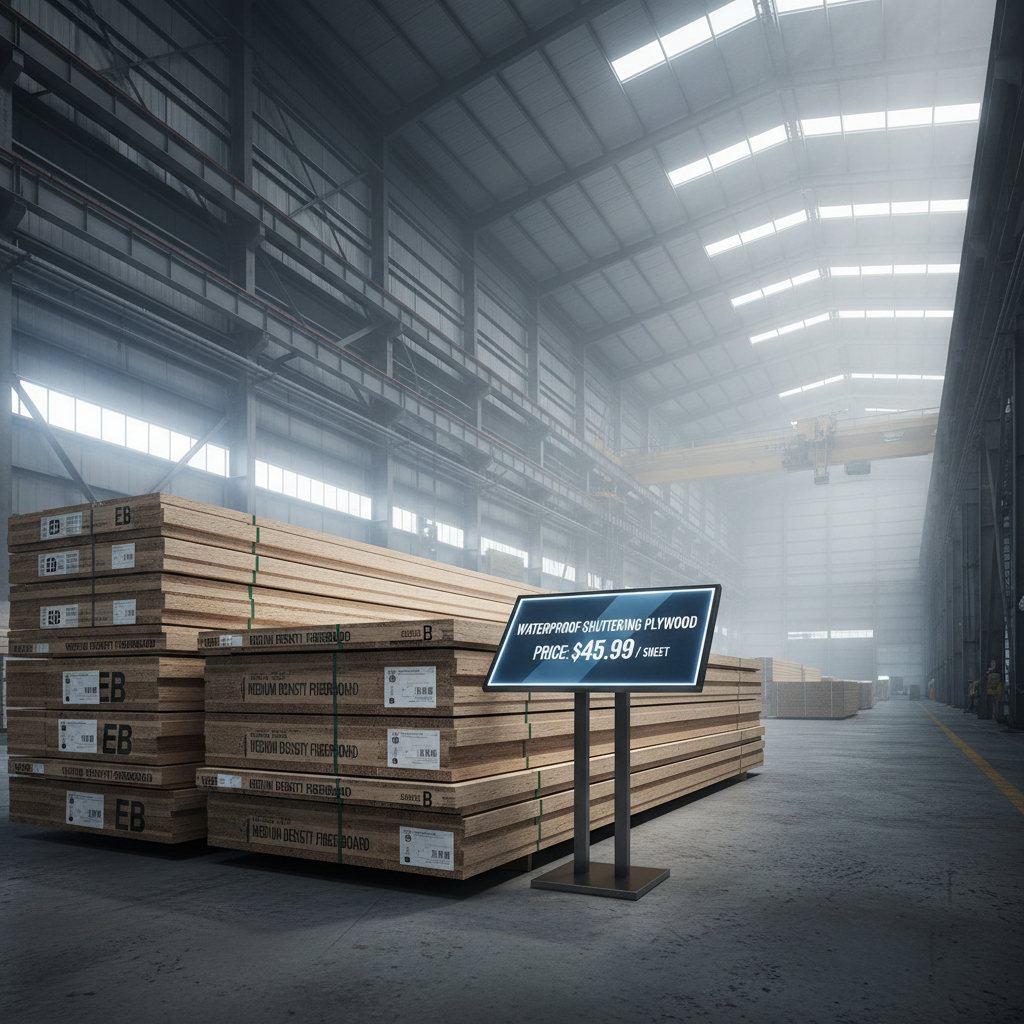
Comprehensive Guide to Waterproof Shuttering Plywood Price and Quality Considerations
When undertaking construction projects, selecting the right materials is crucial for safety, efficiency, and cost-effectiveness. Waterproof shuttering plywood is a vital component in forming concrete structures. Understanding the factors influencing the waterproof shuttering plywood price is essential for budget planning and ensuring the quality of your construction. This article will explore the various aspects impacting the price, quality considerations, applications, and where to source reliable supplies. Investing in quality shuttering plywood can prevent costly delays and ensure a structurally sound outcome. Several key factors determine the waterproof shuttering plywood price. The type of wood used is a major contributor, with hardwoods generally being more expensive than softwoods. Plywood thickness also plays a significant role; thicker sheets offer greater strength and durability, commanding a higher price. The quality of the waterproof glue used in the manufacturing process is another critical aspect.
Fri 08
2025
Discover Quality and Value with Modern MDF Board Solutions
Medium Density Fiberboard (MDF) continues to gain popularity across various industries, especially in furniture making, cabinetry, and interior decoration.
Fri 04
2025
From
After the workers finished preparing materials, all the remaining processes were handed over to the machine, and soon, the cutting, edge sealing and drilling were completed, and the sorting and packaging links were entered
Thu 04
2026
Premium 1 2 sanded plywood 4x8 for Professional Woodworking Projects
When starting a woodworking or construction project, the quality of your base material determines the final outcome. The 1 2 sanded plywood 4x8 is a versatile powerhouse, offering a perfect balance of thickness, stability, and surface smoothness. Whether you are building custom cabinetry, high-end furniture, or sturdy shelving, using pre-sanded plywood saves hours of labor and ensures a professional finish. In this guide, we will explore why this specific dimension and finish are favored by professionals worldwide and how to maximize its potential in your next build.
Fri 10
2025
PF1015F EMI Filter: High Performance, Compact, Reliable Power Solution
Navigating Innovation: Top EB Medium Density Fiberboard & Single Board Panel Manufacturers from Chin
Tue 03
2026
Comprehensive Guide to 1 2 Inch Plywood for Construction and DIY Projects
When planning construction or DIY projects, selecting the right plywood is crucial. 1 2 inch plywood (referring to 12mm thickness) is a popular choice, offering a balance of strength, affordability, and workability. This article dives deep into the characteristics, applications, benefits, and considerations when choosing this versatile material. We'll explore the different types, common uses, and factors that affect its overall performance. Choosing the right plywood can make the difference between a successful project and a frustrating setback. Plywood is engineered from thin sheets of wood veneer glued together with adjacent layers having their wood grain running at right angles to each other. This cross-graining provides excellent strength and stability, preventing warping and splitting. The number of plies (layers) affects the overall strength and cost – more plies generally equate to a stronger, more expensive sheet. The quality of the wood veneer and the adhesive used also significantly impact the plywood’s performance. Not all 1 2 inch plywood is created equal. Different types are manufactured for specific purposes. Here are some common varieties: Hardwood Plywood: Made with hardwood veneers (like birch, maple, or oak), offering excellent strength and a beautiful finish. Ideal for furniture, cabinetry, and decorative applications. Softwood Plywood: Constructed with softwood veneers (like pine, fir, or spruce), typically more affordable. Commonly used for construction, sheathing, and subflooring. Marine Plywood: Made with waterproof glue and high-quality veneers, designed to withstand prolonged exposure to moisture. Suitable for boat building and outdoor applications. Exterior Plywood: Bonded with waterproof adhesives for use in outdoor projects, though less durable than true marine plywood.
Thu 01
2026
18mm Laminated Plywood Price: Industry Insights & Supplier Comparison
Explore detailed insights on 18mm laminated plywood price, specs, and supplier comparisons to make the best industrial purchasing decisions.
Mon 11
2025
Jaipur Red Sandstone – Durable, Weatherproof, Rich Hue
Jaipur Red is a key solution in the Jewelry and Luxury Goods industry, specifically within jewelry a
Tue 03
2026
Comprehensive Guide to 1 2 Plywood Applications and Selection Criteria
1 2 plywood, referring to plywood with a thickness of approximately 12mm (½ inch), is a versatile and widely used wood panel product. Its consistent dimensions, strength, and affordability make it a staple in countless applications, from construction and furniture making to DIY projects. This article will delve into the properties, uses, grades, and purchasing considerations for 1 2 plywood, providing you with the knowledge to make informed decisions for your next project.
tel +8615030171059 tel icon15

If you are interested in our products, you can choose to leave your information here, and we will be in touch with you shortly.