Add: No.8 Xinxing Street, North Zone, Zhengding High-tech Industrial Development Zone, Hebei, China
CONTACT US
+8615030171059



CONTACT US
+8615030171059
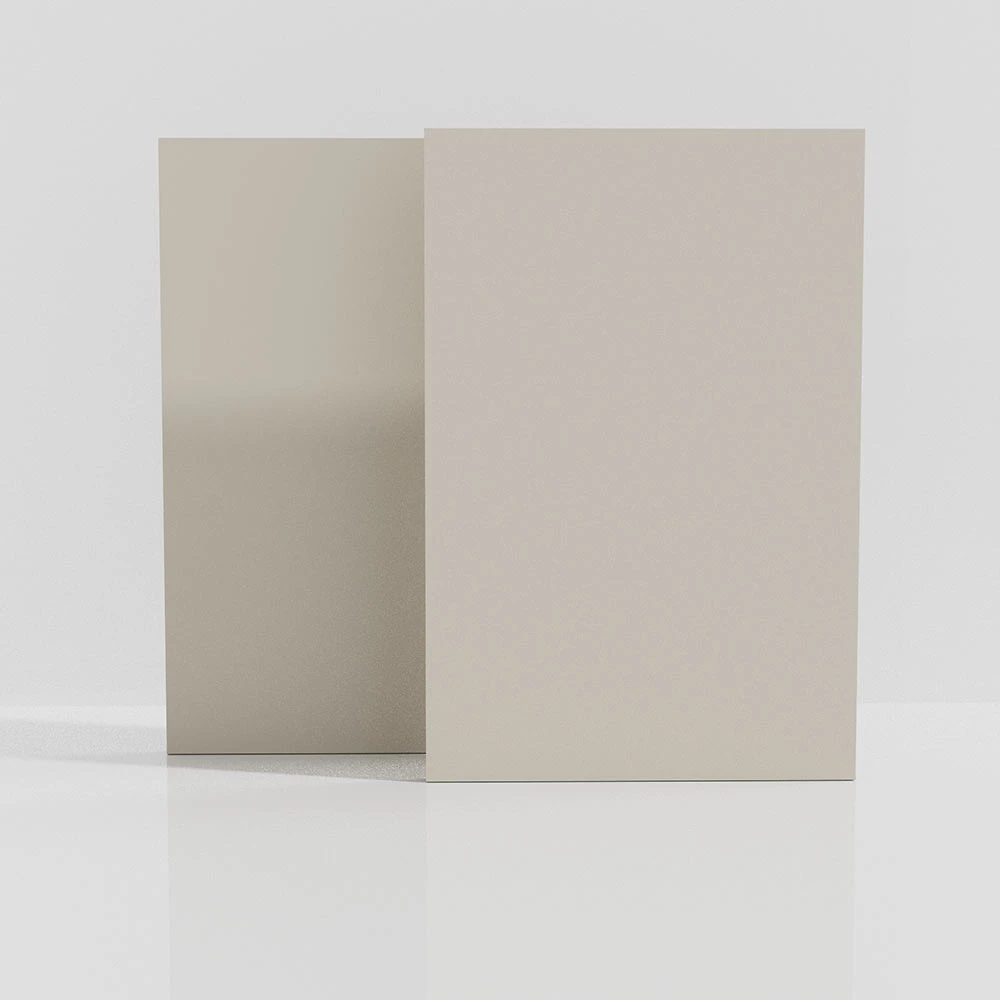
Choosing the right grey MDF board involves more than selecting a color. Furniture manufacturers and interior designers also need to consider the intended application, surface appearance, finishing requirements and compatibility with other materials. The right combination helps create a consistent look across furniture collections and interior projects.
Start with the shade of grey. Light grey MDF can help create an open, understated appearance in compact rooms, wardrobes and contemporary cabinetry. Medium grey offers a balanced option for office furniture, shelving and fitted storage. Dark grey can add visual depth to statement cabinets, reception counters and modern commercial interiors. Actual color appearance may vary with lighting, surrounding materials and surface finish, so reviewing a physical sample is recommended before confirming a large order.
Consider the intended furniture design. For minimalist interiors, smooth grey panels can provide a clean background for simple lines and understated hardware. When paired with wood-effect materials, grey MDF can balance warmer tones and create a more layered appearance. For commercial furniture, consistent color selection across multiple components helps maintain a coordinated design.
Panel specifications also matter. Thickness, dimensions, density and machining requirements should match the product design and manufacturing process. If the finished furniture requires a decorative surface, confirm whether the selected grey MDF is supplied as a finished panel or as a substrate for further treatment.
Tengfei provides MDF board solutions for furniture and interior material buyers. Before placing a bulk order, discuss your target shade, finishing requirements and application with the supplier. Careful sample approval and specification confirmation can help reduce mismatches during production and support a more consistent final product.

When sourcing grey MDF panels, buyers should distinguish between the MDF substrate and a decorative panel with a finished surface. Although these products may look similar in a catalog, their construction and finishing requirements can differ significantly.
Grey MDF board may refer to an MDF panel with a grey appearance or to an MDF substrate intended for subsequent finishing, depending on the supplier's product range. If the board is unfinished, the manufacturer may need to apply paint, laminate, veneer or another suitable surface treatment to achieve the desired appearance. The appropriate process depends on the substrate, coating system and final product requirements.
Grey melamine MDF generally refers to an MDF substrate faced with decorative paper impregnated with melamine resin. The finished surface is available in different colors and patterns, including grey options. This type of panel is often considered for cabinet components, shelving, wardrobes and other furniture parts where a ready-made decorative surface is required.
The main differences relate to the surface finish, production process and intended use. Unfinished MDF may provide greater flexibility for projects requiring a specific coating or customized finish, while melamine-faced panels can simplify manufacturing when the required decorative surface is already available.
Before ordering, confirm whether the quoted product is raw MDF or a finished decorative panel. Check the exact grey shade, surface texture, panel dimensions, thickness and edge-finishing requirements. For applications involving frequent handling or cleaning, ask for relevant surface-performance data rather than assuming all decorative panels offer the same resistance.
Tengfei can help B2B buyers identify suitable MDF board options according to their project specifications. Confirming the substrate and finish at the quotation stage makes it easier to compare products accurately and avoid unexpected processing costs.

Grey MDF panels offer considerable flexibility in contemporary furniture and interior design because grey can work as either a neutral background or a more prominent design element. The final effect depends on the shade selected and the materials used alongside it.
Grey and natural wood tones create a balanced combination for wardrobes, storage cabinets, office furniture and residential interiors. Oak-inspired finishes can introduce warmth, while darker walnut tones create stronger contrast. This pairing works particularly well when designers want a modern appearance without making the space feel overly cold.
Grey and white provide a bright, understated palette suitable for fitted furniture, kitchens, shelving and compact interiors. Lighter surrounding surfaces can make medium or dark grey panels stand out, while pale grey panels can maintain a softer visual transition between components.
Grey and black metal offer a more architectural look for office furniture, display units, retail fixtures and contemporary storage systems. Dark hardware, metal frames and simple geometric lines can reinforce the clean appearance of grey decorative panels. For projects that require a warmer atmosphere, wood accents or softer neutral colors can balance the contrast.
Surface texture is another important consideration. Smooth panels can support a minimalist design, while textured decorative finishes may introduce visual interest. However, the available textures depend on the actual product range, and the final combination should be checked against physical samples.
For furniture manufacturers and interior material distributors, coordinating grey MDF panels with other finishes at the design stage can help maintain a consistent appearance across multiple components. Tengfei grey MDF board solutions can be evaluated alongside the project's preferred colors, textures and construction requirements.
Before committing to bulk production, review samples under the lighting conditions in which the finished furniture will be used. This simple step helps buyers assess color compatibility and make more confident material selections.

Grey MDF board may be suitable for a variety of furniture components that require precise dimensions, clean profiles and repeatable machining. Depending on its construction and finish, it can be considered for cabinet parts, shelving, decorative panels, drawer components and other interior furniture elements.
Cutting and sizing are often the first stages of furniture production. Buyers should confirm the panel dimensions, thickness and relevant tolerances before preparing cutting layouts. Consistent specifications help manufacturers plan material usage and maintain alignment between adjoining components.
Routing and CNC machining can support shaped edges, grooves, recesses and other design details. The appropriate machining parameters depend on the MDF grade, panel thickness, cutting tools and equipment. Manufacturers should test the actual board before running a full production batch, especially when the design includes intricate profiles or narrow components.
Edge finishing deserves particular attention. Cutting or routing can expose the substrate at the panel edges, which may require edge banding, sealing, painting or another finishing method. If the board has a prefinished decorative surface, confirm how the exposed edges should be treated to achieve the intended appearance.
For automated furniture lines, the panel must also fit the manufacturer's handling, cutting and assembly processes. Confirm compatibility with existing equipment, fastening methods and the required finished dimensions. Appropriate dust extraction and workshop safety procedures are essential during MDF machining.
Tengfei MDF board solutions can be assessed according to the needs of furniture manufacturers and component processors. When requesting a quotation, provide the intended application, panel thickness, finished dimensions and any machining or surface requirements.
A sample machining trial is a practical way to evaluate cutting quality, edge appearance and processing suitability before committing to a large order. It also helps identify potential production issues early and supports a more predictable manufacturing process.

Consistent color and clean edges are important quality considerations when manufacturing furniture with grey MDF panels. Even when individual components meet their dimensional requirements, differences in shade, surface appearance or edge treatment can affect the overall look of the finished product.
Approve a reference sample before production. Grey can appear warmer, cooler, lighter or darker depending on the lighting environment and surrounding materials. Buyers should confirm the target shade using an approved physical sample rather than relying exclusively on screen images. Where possible, evaluate the sample under consistent lighting and alongside the other materials used in the finished furniture.
Maintain clear purchasing specifications. Record the selected color, surface type, panel thickness, dimensions and other relevant requirements in the purchase order. For repeat orders, retaining an approved reference sample and the original specification can help buyers compare subsequent batches more effectively.
Plan edge finishing carefully. Grey panels may show a visible contrast between the decorative surface and the exposed substrate. Edge banding or an appropriate finishing treatment can improve the appearance of cabinet doors, shelves and furniture components. The edge material should be selected to match the panel color and intended finish as closely as practical.
Check the completed components. During production, inspect cut edges, visible surfaces, panel alignment and finish consistency. A small trial batch can reveal issues before the same process is applied to a larger order. If the project combines different panel types, check their appearance together before final assembly.
For furniture factories, wholesalers and project buyers, these checks help establish a repeatable quality-control process. They are particularly useful when multiple panels contribute to a single visible furniture unit or when orders need to be replenished over time.
Tengfei recommends that buyers communicate their appearance and processing requirements before confirming an order. Clear specifications, sample approval and appropriate inspection procedures can reduce avoidable discrepancies and help maintain a consistent finish across the finished furniture range.
Bulk purchasing grey MDF boards requires more than comparing unit prices. Furniture manufacturers, distributors and interior material buyers should evaluate product specifications, surface requirements, order quantities and delivery arrangements together to determine whether a supplier can meet the needs of the project.
Confirm the product specification first. Identify whether you need raw MDF, a grey-colored board or a decorative panel with a finished surface. Specify the required thickness, length, width, color, texture and any relevant performance requirements. These details help ensure that quotations from different suppliers refer to comparable products.
Request samples before mass production. A physical sample allows your team to assess the grey shade, surface appearance and compatibility with other materials. If the panels will be machined or incorporated into a specific furniture design, test them using the intended production process wherever practical.
Evaluate the full purchasing cost. The quoted panel price is only one part of the total cost. Consider packaging, freight, handling, potential processing requirements and the usable material yield. For international orders, confirm the quotation currency, trade terms, shipping arrangements and any applicable import requirements.
Clarify production and delivery arrangements. Discuss the minimum order quantity, production lead time, order confirmation process and packaging method. If you expect recurring purchases, ask how specifications and approved samples can be referenced for repeat orders. Do not assume that every supplier offers the same production capacity or delivery schedule.
Check quality requirements before shipment. Agree on the relevant inspection criteria, including dimensions, surface condition, color consistency and packaging condition. Any required certificates or performance documents should be confirmed against the actual product and destination market.
Tengfei supports B2B buyers looking for MDF board solutions for furniture manufacturing and interior projects. Share your target grey shade, panel specifications, estimated quantity and destination when requesting a quotation. Providing these details early helps the supplier assess the requirements and prepare a more relevant offer for your purchasing team.




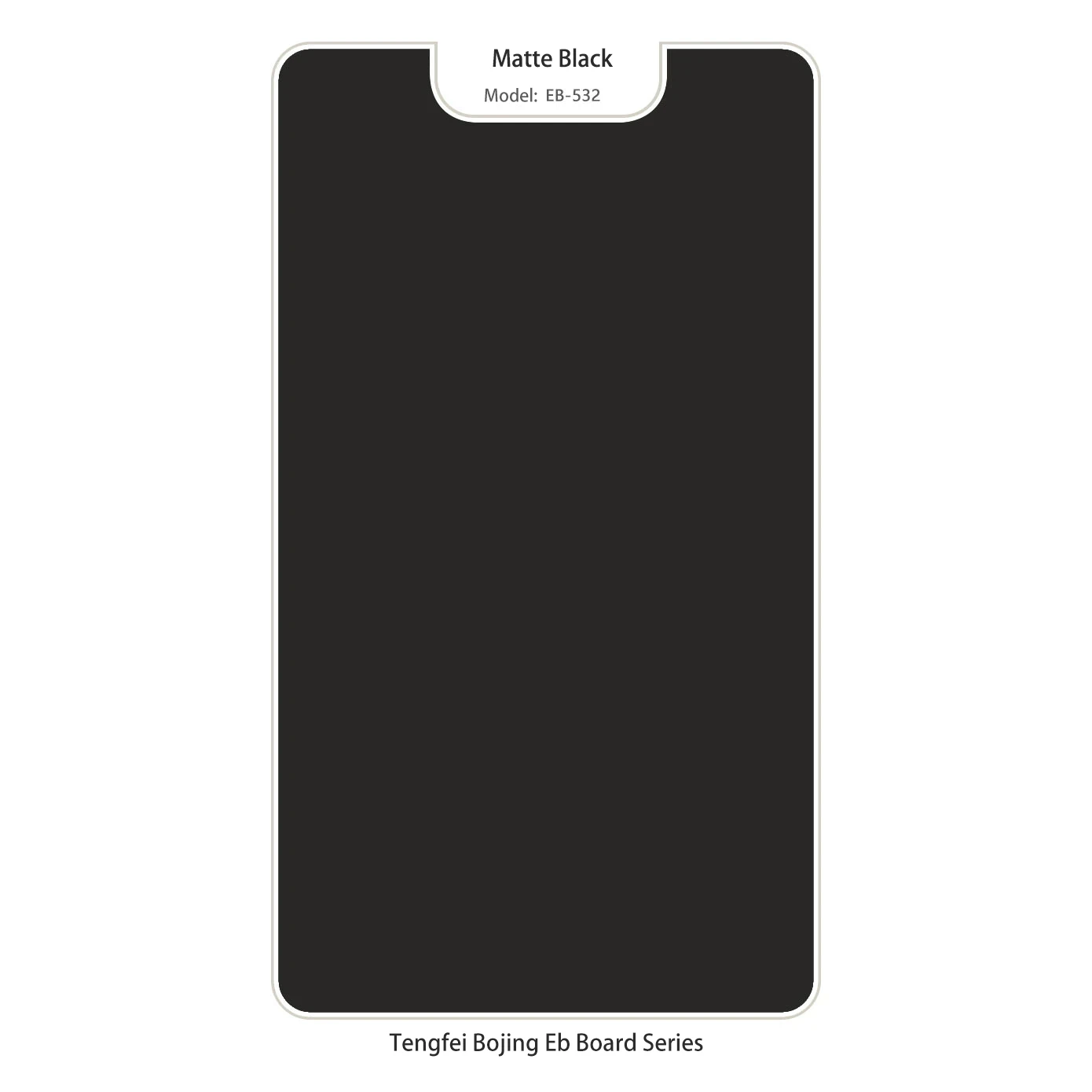
Tengfei Platinum EB Particle Panels - Matte Black
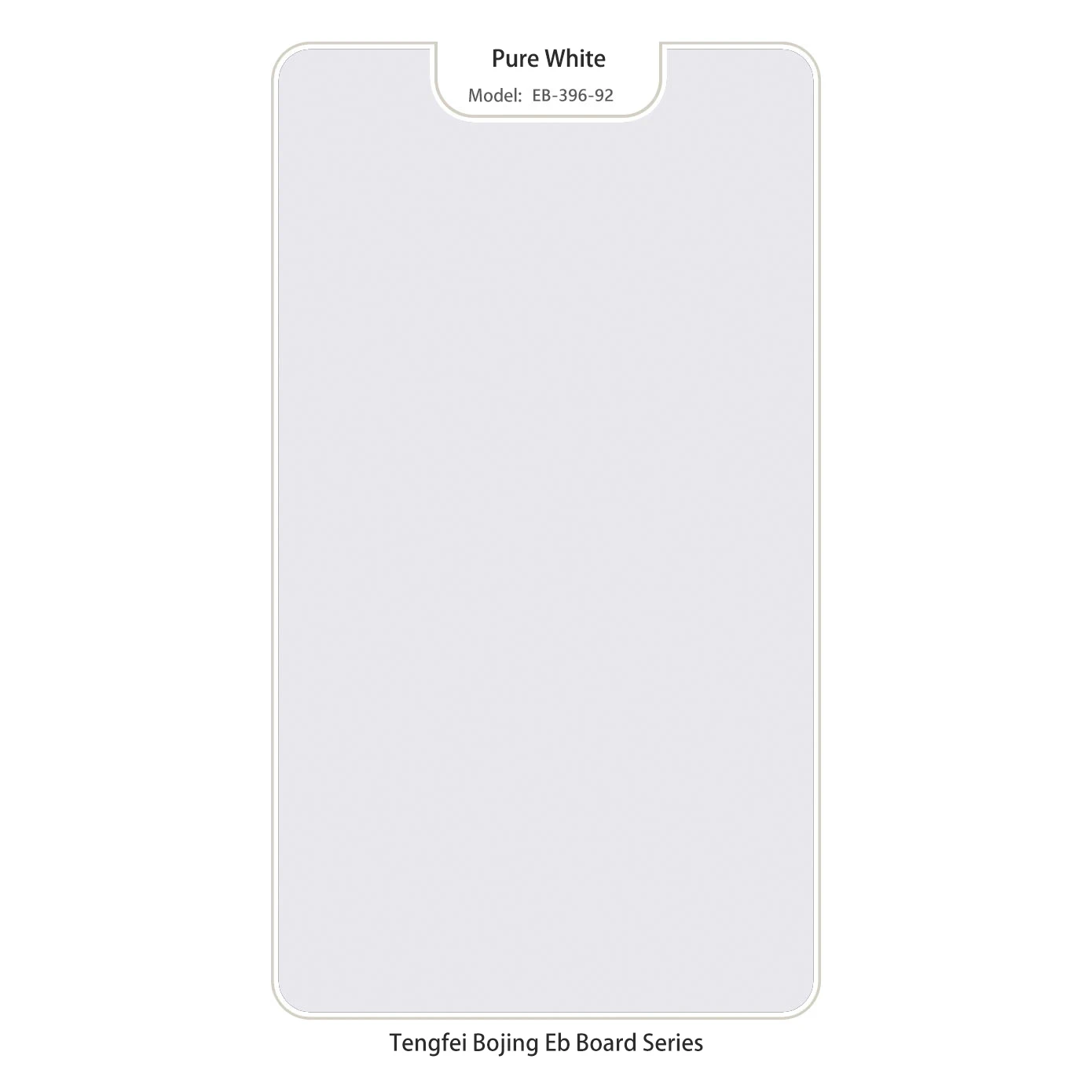
Tengfei Platinum EB Particle High-Gloss Panels - Pure white
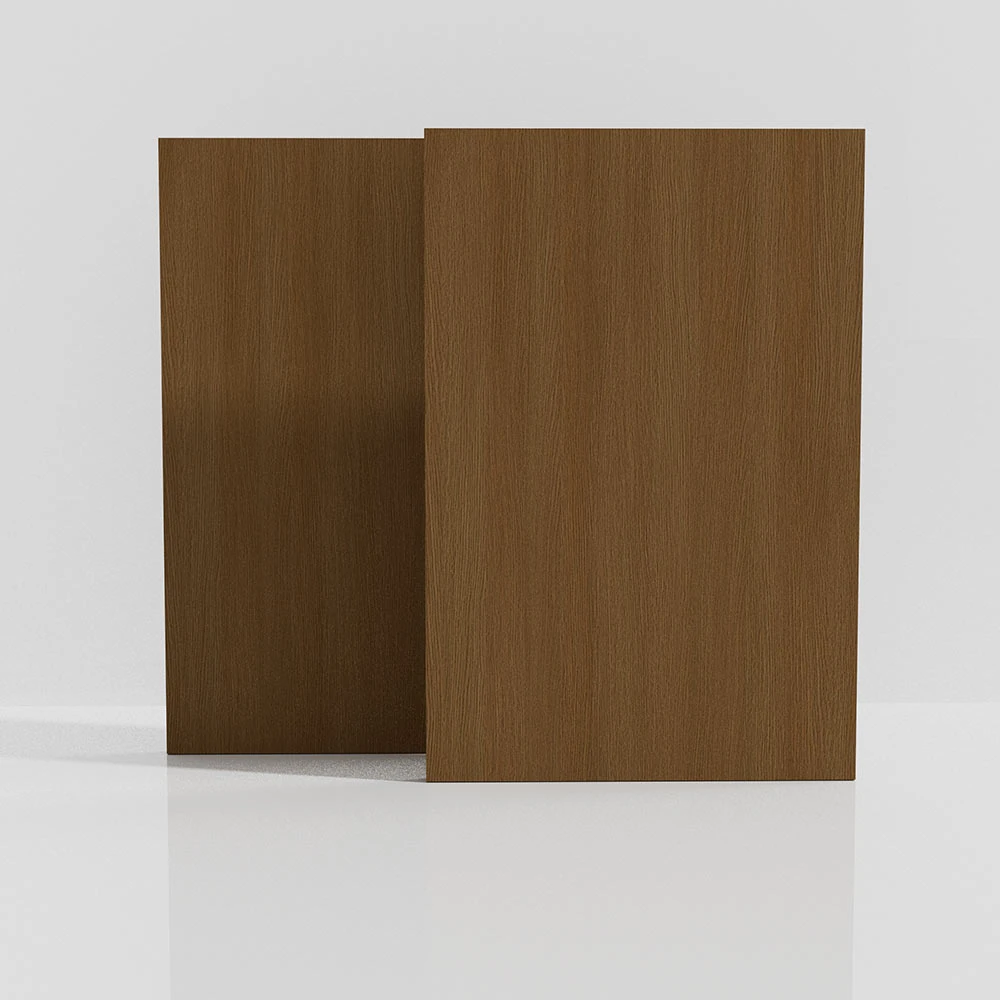
Primary Color Oak 102 Veneer Wood MDF Panel

To provide reliable solutions through quality products!