What Is White MDF Board Used for in Furniture Manufacturing?
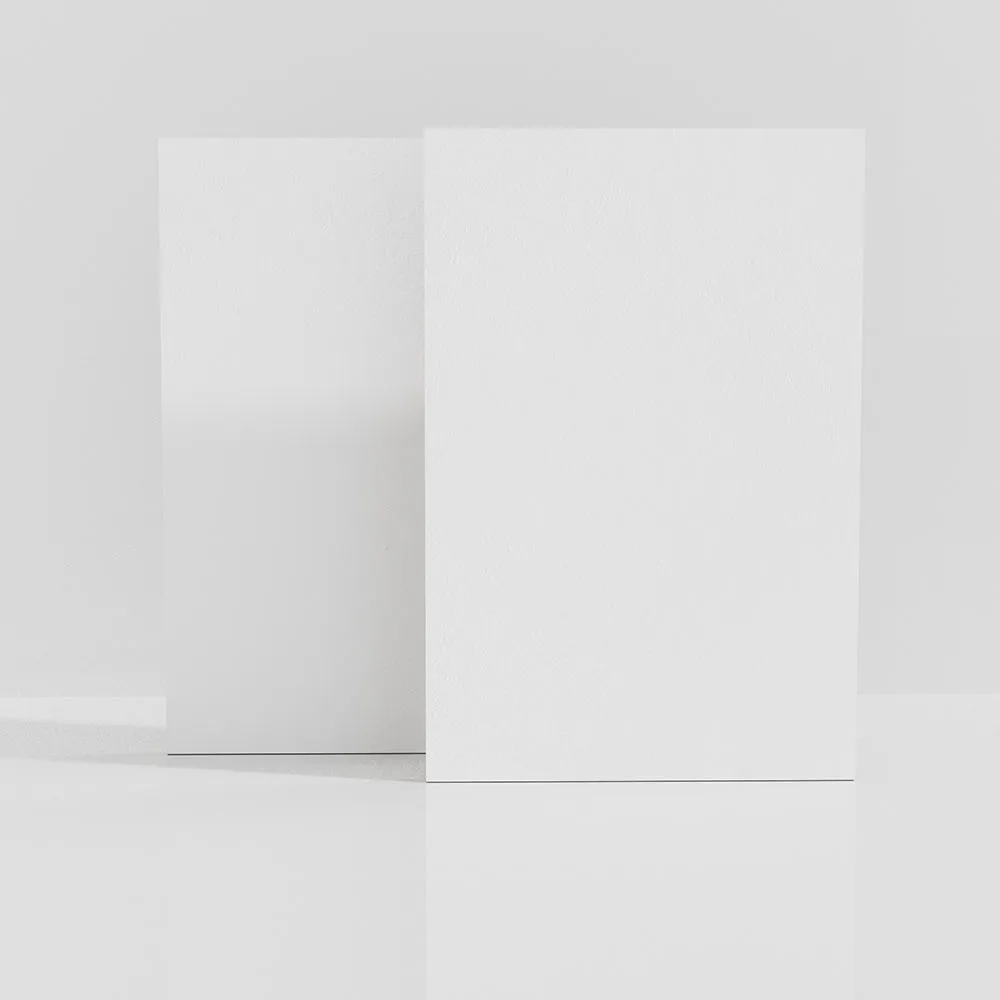
White MDF board is a versatile panel material for furniture manufacturing and interior finishing projects that require a consistent surface appearance. Its smooth, engineered structure makes MDF a practical option for components that need accurate cutting, shaping, drilling, or further surface treatment. Depending on the panel finish and technical specification, white MDF panels can be considered for wardrobe doors, cabinet fronts, shelving, drawer components, office furniture, and decorative interior panels.
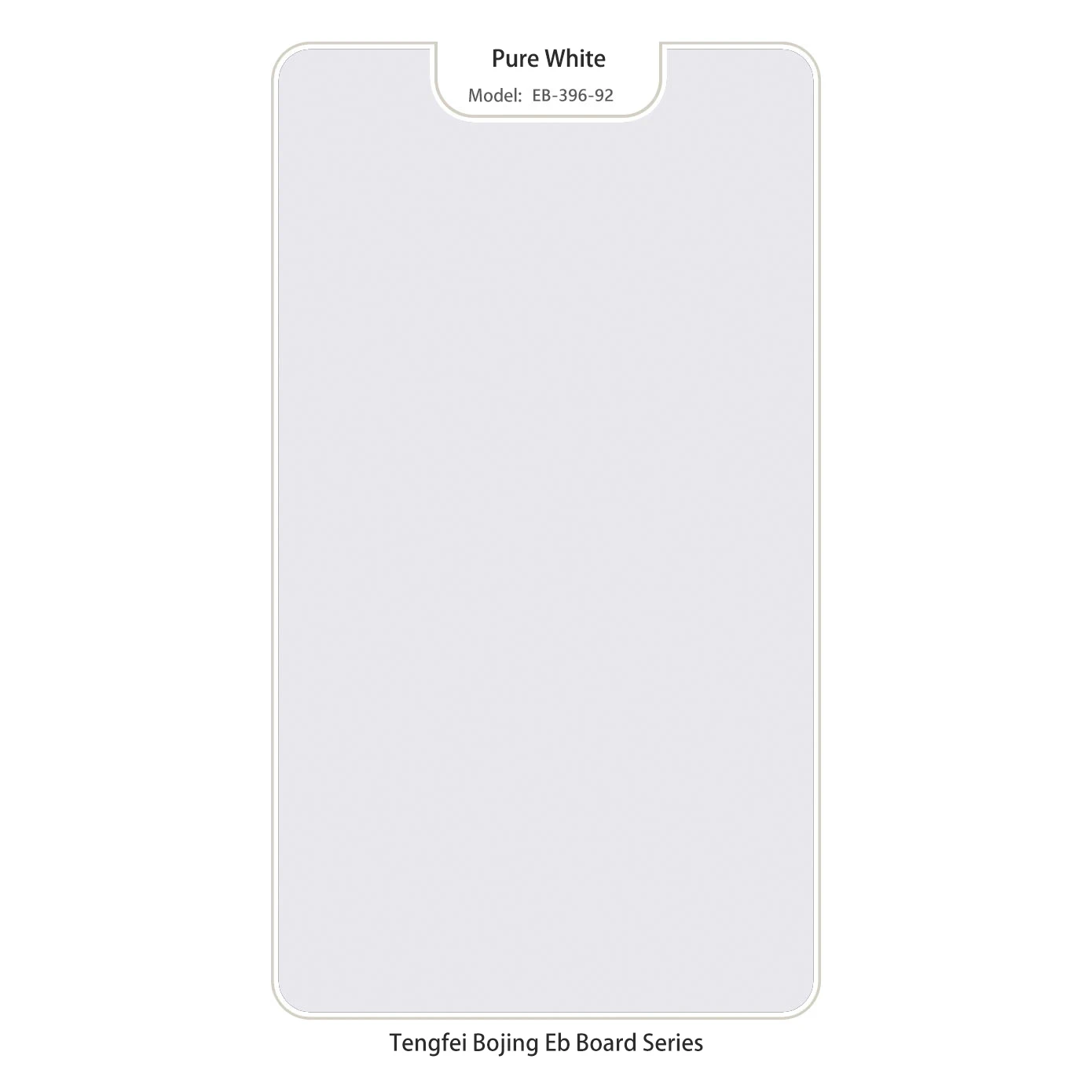
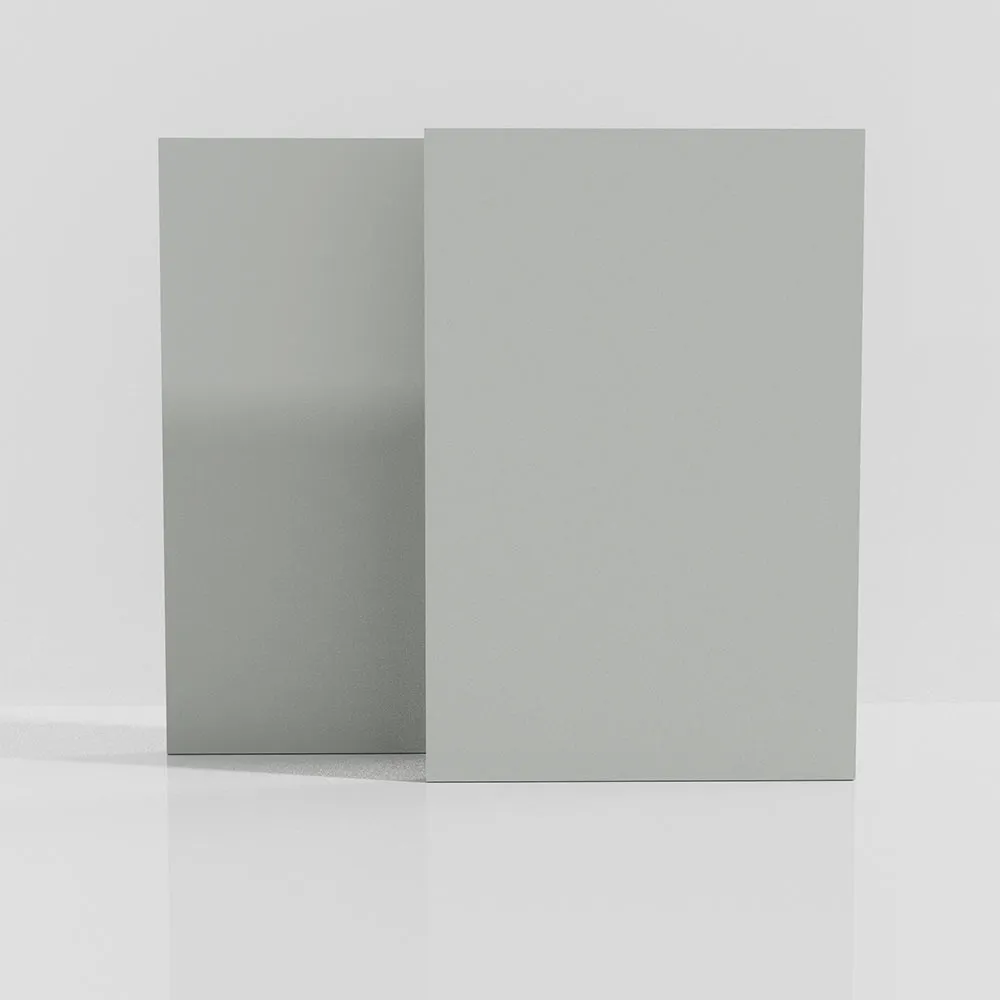
For furniture manufacturers, a white surface can simplify the coordination of different components within the same design. It works well in interiors that favor bright colors, clean lines, and a visually uncluttered appearance. The Gum Veneer White MDF Board from Tengfei is a product option for buyers exploring white decorative panels for these types of projects. Before placing an order, however, it is important to confirm the actual surface structure, finish characteristics, and available panel specifications.
The right board depends on more than color alone. Manufacturers should consider the required thickness, panel dimensions, machining process, edge treatment, and intended service environment. They should also check whether the visible finish needs to match other materials used in the finished furniture. For large production runs, reviewing a physical sample before mass processing can help assess the color and surface appearance under actual lighting conditions.
By matching the board specification to the furniture design and production workflow, buyers can make a more informed decision when sourcing white MDF board for residential or commercial interiors.
How to Choose the Right White MDF Board Finish for Your Project
Choosing the right white MDF board involves more than selecting a shade of white. The surface finish affects the overall appearance of the finished furniture, while the board's core and dimensions determine how it fits into the manufacturing process. Buyers should first identify whether the project requires a decorative veneer, a coated surface, a laminated finish, or an MDF panel intended for additional finishing. These options are not interchangeable, so the exact construction should be confirmed with the supplier.
Color consistency is another important consideration, especially when multiple panels will be installed side by side. A slight difference in tone or surface texture can become noticeable across large wardrobe doors, cabinet fronts, or wall panels. Requesting a physical sample is a useful way to evaluate the finish under the lighting conditions expected in the final space. Buyers should also confirm whether the same finish can be supplied consistently for repeat orders.
Processing requirements deserve equal attention. Cutting, edge banding, drilling, and routing can affect the final appearance of a panel, particularly around exposed edges and corners. The selected board should suit the equipment and finishing methods used by the furniture manufacturer. Thickness, sheet size, and dimensional tolerances should be checked against production drawings before an order is confirmed.
For projects considering Tengfei's Gum Veneer White MDF Board, procurement teams should request the detailed product specification and confirm the exact white finish, substrate, and available sizes. This helps ensure the selected white decorative MDF board meets the design brief and practical requirements of the project.
White MDF Board vs. White Melamine Board: What Is the Difference?
White MDF board and white melamine board are related terms, but they do not necessarily describe the same product construction. MDF refers to the engineered wood-fiber core, while melamine board generally describes a panel with a melamine-impregnated decorative surface. A white MDF board may have a veneer, coating, laminate, or another surface treatment, depending on the product specification. A white melamine board typically uses a melamine decorative layer bonded to its substrate.
The practical difference is important for furniture manufacturers. The core material influences machining and panel construction, while the surface treatment affects the appearance, cleaning requirements, and finishing options. A panel supplied with a finished decorative face may reduce the need for additional surface work, whereas a board intended for further finishing may require extra processing before assembly. The actual performance depends on the product's construction and test specifications rather than its color alone.
When comparing the two options, buyers should check surface durability, scratch and stain resistance, edge-finishing requirements, thickness, dimensions, and suitability for the intended application. For kitchens, bathrooms, or other areas exposed to moisture, the complete panel specification—including edges and joints—should be reviewed rather than assuming that a white surface makes the board moisture-proof.
Tengfei's Gum Veneer White MDF Board should be evaluated according to its confirmed veneer and substrate details, rather than automatically classified as melamine-faced MDF. Buyers can request a sample and technical information to compare it with other white decorative panels and choose the material that best matches their furniture design, processing needs, and budget.
What Should Buyers Check Before Ordering White MDF Board in Bulk?
When sourcing white MDF board in bulk, buyers should confirm the product construction and production requirements before comparing quotations. Two panels may look similar in photographs but differ in substrate, surface treatment, thickness tolerance, and finishing details. A clear specification helps reduce misunderstandings and makes it easier to compare suppliers on a like-for-like basis.
Start by confirming the core material and the exact white finish. For a product described as Gum Veneer White MDF Board, ask the supplier to clarify what “Gum Veneer” refers to in the product range and whether the surface uses natural veneer, engineered decorative material, or another finish. Request the available thicknesses, sheet dimensions, surface details, and relevant technical documentation. Do not assume that all white panels share the same construction or performance characteristics.
Next, consider production compatibility. If the panels will be cut, drilled, routed, or edge-banded, provide the supplier with the intended processing requirements. Check whether the selected dimensions and thicknesses fit the manufacturing drawings and whether the surface appearance is consistent across the sample and the proposed production batch. For repeat purchases, ask how product specifications and color consistency are managed between orders.
Commercial terms also matter. Confirm the minimum order quantity, sample availability, packaging method, lead time, and shipping arrangements before placing a purchase order. If the panels are intended for a regulated market or a specific indoor application, request applicable emissions documentation and test reports rather than relying on general claims.
A reliable white MDF board supplier should be able to clarify the product specification and provide the information needed for an informed purchasing decision. Contact Tengfei to confirm the details of this product and discuss your project requirements.