What Makes Oak Veneered MDF Panels Different from Solid Oak Panels?
When selecting materials for furniture and interior projects, buyers often compare oak veneered MDF panels with solid oak panels. Both offer the visual appeal of oak, but they differ in construction, material use and processing requirements. Understanding these differences helps manufacturers select a suitable option for each component.
Oak veneered MDF panels combine an MDF substrate with a thin layer of oak veneer on the visible surface. This construction creates a wood-grain appearance while using engineered board as the core. Solid oak panels, by contrast, are made from oak wood throughout, although their construction can vary depending on how the timber is assembled.
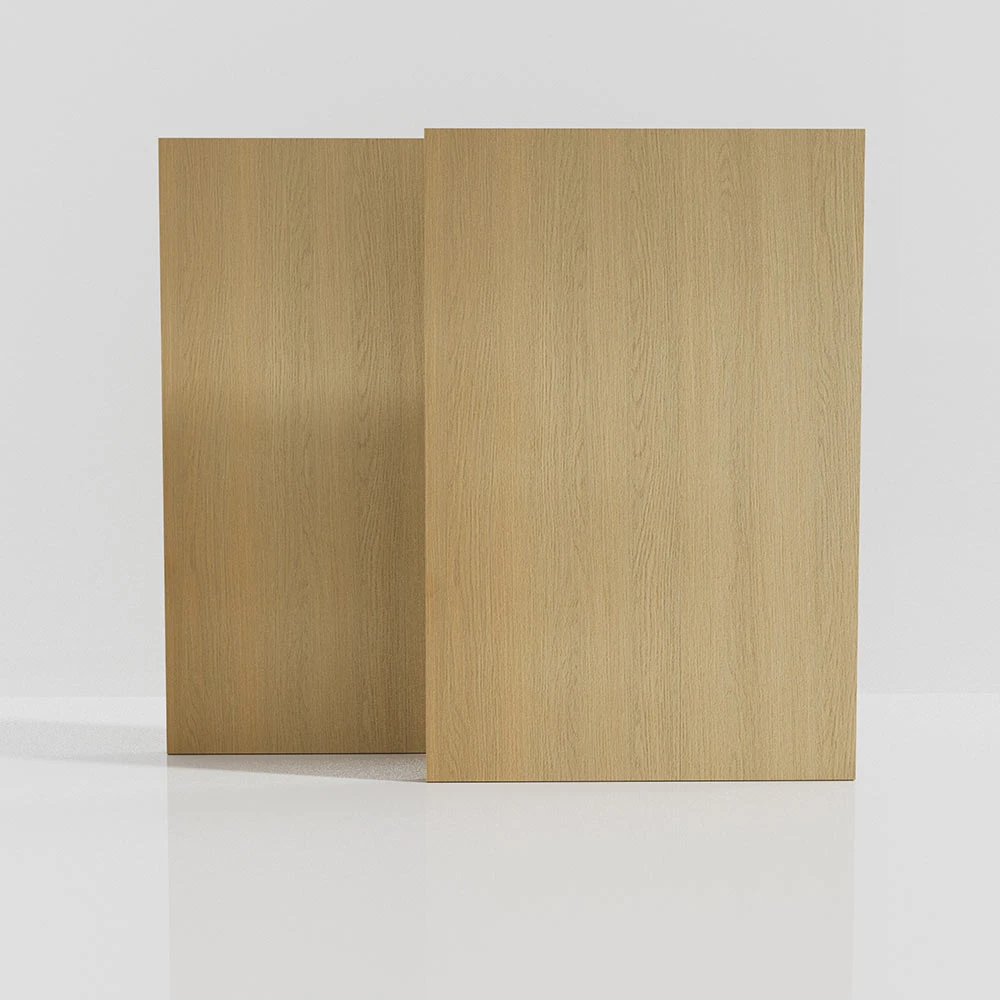
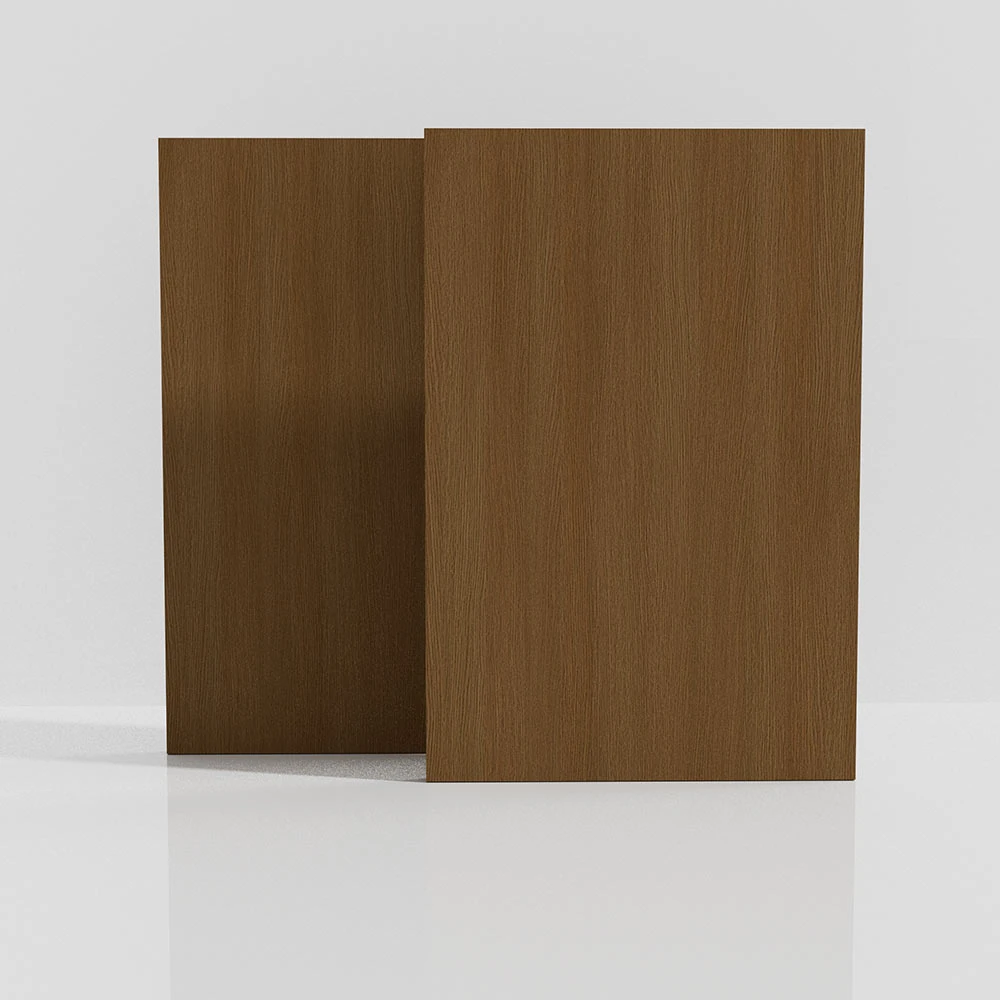
One key difference is the appearance of the finished surface. Natural oak veneer retains genuine wood grain, including variations in tone and pattern. Solid oak also displays natural grain, but its appearance may change across individual pieces because the material comes from solid timber. Neither material guarantees perfectly identical surfaces, so sample approval remains important for coordinated furniture production.
The materials also require different processing considerations. Oak veneered MDF panels need appropriate treatment of exposed edges and care when sanding or machining the veneer. Solid oak may require different allowances for movement caused by changes in moisture content. The suitability of either material depends on the product design, environment and construction method.
Cost should be assessed at the project level rather than through a simple material-price comparison. Processing, finishing, waste, hardware and installation can all affect the final cost.
For furniture manufacturers and interior contractors, oak veneered MDF panels can be a practical option when a genuine oak surface and an engineered core suit the project requirements. Tengfei can help buyers confirm panel construction, surface specifications and available options before ordering.
How Do Oak Veneer Grain Patterns Affect Furniture Design?
Oak veneer grain patterns play an important role in the appearance of furniture and interior panels. Even when two products use the same wood species, differences in grain direction, figure and natural color can create noticeably different visual effects. For designers and furniture manufacturers, understanding these characteristics helps establish a consistent look across a finished project.
Straight grain often creates a clean, orderly appearance that works well with minimalist furniture, cabinet fronts and office interiors. More pronounced grain patterns can add visual movement to decorative panels, reception desks and statement furniture. The preferred appearance depends on the design concept and the amount of visible wood texture required.
Veneer matching is another important consideration. In book matching, adjacent veneer leaves are arranged to create a mirrored pattern. Slip matching places leaves side by side in the same orientation, while other matching methods can produce more varied visual effects. The final appearance depends on the veneer cutting method, leaf arrangement and the specifications agreed with the supplier. Buyers should confirm which matching options are available before assuming a particular pattern can be supplied.
Natural wood veneer may contain variations in color, grain and figure. These characteristics are part of the material's natural appearance, but they should still be managed according to the project's agreed quality requirements. For large furniture installations, approving a reference sample can help establish expectations for the finished surface.
Oak veneered MDF panels are suitable for designs where genuine wood grain contributes to the overall visual character. Before production, designers should specify the preferred grain direction, visible-face requirements and acceptable natural variation.
Tengfei recommends discussing veneer appearance at the specification stage so that buyers can evaluate whether the proposed panels match their furniture or interior design concept.
Why Does the MDF Core and Backing Matter in Oak Veneered Panels?
The appearance of oak veneered MDF panels depends on the veneer, but the construction beneath the surface also matters. The MDF core, the backing arrangement and the overall panel thickness can influence how the material is handled, processed and incorporated into furniture.
The MDF core provides the engineered structure beneath the oak veneer. Its thickness and material properties should match the intended component and manufacturing process. For example, a cabinet door, a decorative wall panel and a shelf may have different requirements for support, fixing and finished dimensions. Buyers should confirm the relevant panel specifications instead of assuming that one construction suits every application.
The backing is also worth checking. Depending on the product design, a panel may have an oak veneer face with a different backing material, or it may use a decorative veneer on both sides. A balanced construction can be important in applications where moisture-related movement and panel stability need to be managed. However, the appropriate construction depends on the actual product, adhesive system, finish and installation environment.
Panel thickness should be selected according to the design and assembly requirements. It affects the finished component dimensions and may influence edge treatment, hardware selection and joining details. For visible furniture components, the buyer should also consider whether the exposed edges will be covered, veneered or finished by another method.
When sourcing oak veneered MDF panels, request clear information about the core material, face veneer, backing, thickness and surface condition. If both sides will remain visible, confirm the appearance requirements for each face.
Tengfei can work with B2B buyers to clarify these details before quotation. Accurate construction specifications help manufacturers evaluate panel suitability and reduce uncertainty during furniture production.
Where Are Oak Veneered MDF Panels Used in Furniture and Interior Joinery?
Oak veneered MDF panels are used in furniture and interior joinery where designers want the natural appearance of oak combined with an engineered panel substrate. Their suitability depends on the panel construction, surface finish and requirements of the finished product.
In residential furniture, oak veneered panels can be considered for wardrobe doors, cabinet fronts, side panels, desks and shelving units. The natural wood grain can bring visual warmth to contemporary interiors without requiring every component to be manufactured from solid oak. For fitted furniture, panel dimensions and edge details should be coordinated with the overall cabinet design.
Commercial interiors offer other potential applications. Office furniture, reception counters, meeting-room storage and retail display units may incorporate oak veneered MDF where a coordinated wood finish is part of the interior concept. In these projects, buyers should define the appearance requirements for visible faces and confirm that the selected panel is appropriate for the expected use.
Interior joinery may include decorative wall panels, built-in storage, feature surfaces and selected architectural details. However, applications in humid areas, locations exposed to water or settings with special fire-performance requirements need additional technical assessment. Standard MDF panels should not automatically be assumed suitable for these environments.
The construction method also affects the final result. Cabinet doors may require careful edge treatment, while shelving needs suitable support for its intended load and span. Decorative wall panels may require specific fixing arrangements and coordination with the surrounding structure.
When choosing oak veneered MDF panels, match the material to the finished component rather than relying on the general application name alone. Confirm the required thickness, veneer appearance, backing construction and finishing method before production.
Tengfei supports material selection for furniture manufacturers, joinery workshops and interior material buyers seeking oak veneer panel solutions for their projects.
How Should Buyers Specify Oak Veneer Grade and Panel Appearance?
A clear veneer specification helps buyers and manufacturers agree on the expected appearance of oak veneered MDF panels before production. Natural oak veneer contains variations in grain, color and figure, so a general request for an “oak finish” may not provide enough detail for a project with specific visual requirements.
The first step is to define the required face quality. Buyers should explain whether the panels will be used on prominent cabinet fronts, furniture sides, internal components or other visible surfaces. Highly visible areas may require closer control of veneer matching and natural characteristics than concealed components. The available grades and acceptance criteria should be confirmed with the supplier.
Grain appearance is another consideration. Some projects favor relatively straight, uniform grain, while others accept more variation. Buyers should state the preferred visual effect and, where necessary, discuss veneer matching methods. If several panels will sit next to each other, reviewing a larger sample arrangement may provide a better indication of the overall appearance than inspecting a single small piece.
Natural features such as color variation, small knots and differences in grain figure should be addressed in the agreed specification. Acceptance limits must be realistic for genuine wood veneer and consistent with the supplier's available product grades. Buyers should also confirm the face and backing requirements, especially when both sides will remain visible.
For repeat orders, retain an approved reference sample and record the agreed product details. These may include veneer grade, panel thickness, surface condition, backing construction and any required finishing process.
Tengfei recommends confirming veneer appearance and acceptance criteria before bulk production. Clear specifications help align expectations between the buyer and supplier, support incoming inspection and reduce disputes over natural material variation.