Understanding MDF Panel Boards: The Unsung Heroes of Modern Construction
In a world that’s quickly evolving in construction and manufacturing, mdf panel board has become a surprisingly crucial material. It’s not just about creating furniture or interior décor anymore — this product plays a pivotal role in sustainable building practices, remote housing solutions, and even humanitarian relief efforts. Grasping what MDF panel boards are and how they function today offers insight into how industries worldwide are balancing cost-efficiency, durability, and environmental concerns all at once.
The Global Context: Why MDF Panel Board Matters More Than Ever
Globally, wood-based products are fundamental to several economies, with the forest products industry generating over $600 billion annually (source: FAO). As demand for sustainable construction materials grows, medium-density fiberboard (MDF) is gaining ground for its unique blend of qualities. In fact, the ISO recently highlighted that engineered wood products like MDF are increasingly recognized for lowering carbon footprints by maximizing fiber use from wood waste (ISO).
Yet one challenge remains persistent: sourcing material that delivers consistent strength and finish, while keeping costs reasonable. MDF panel boards address this by transforming wood fibers into panels with remarkable uniformity — which architects and manufacturers value deeply.
What’s an MDF Panel Board, Anyway?
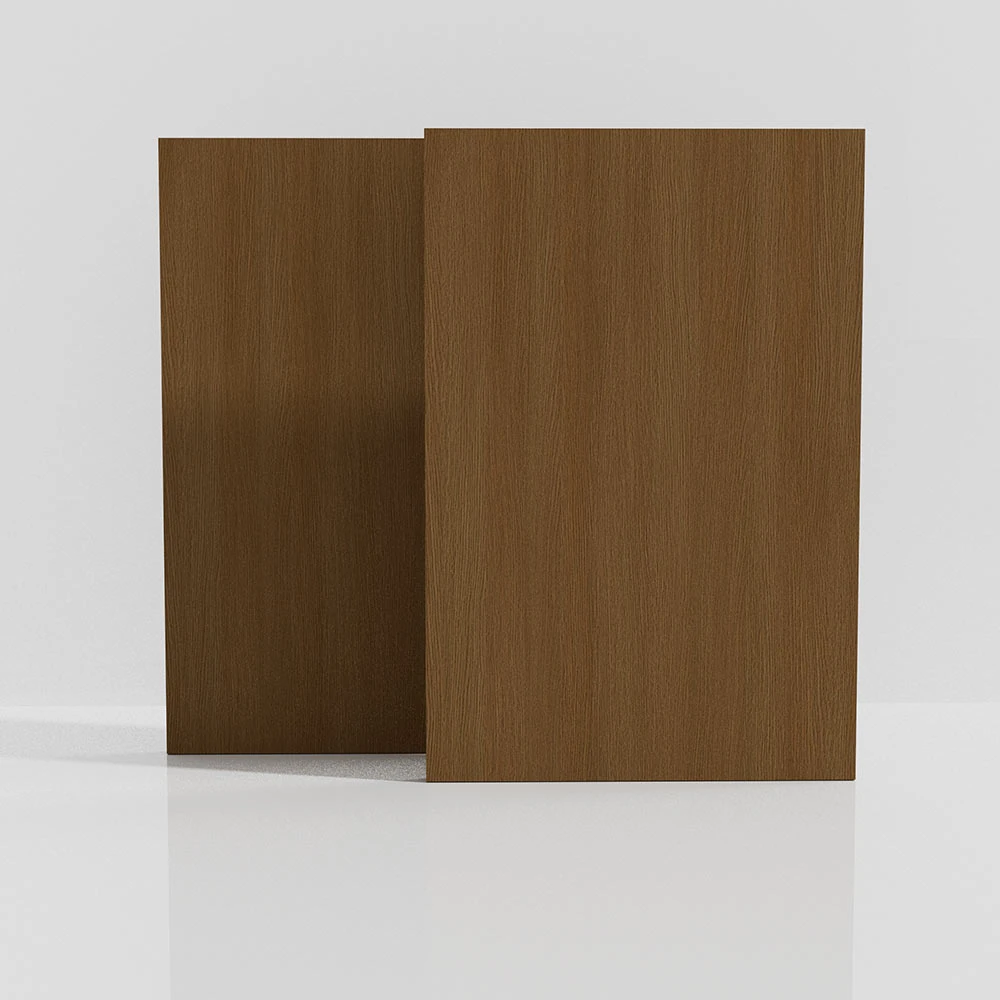
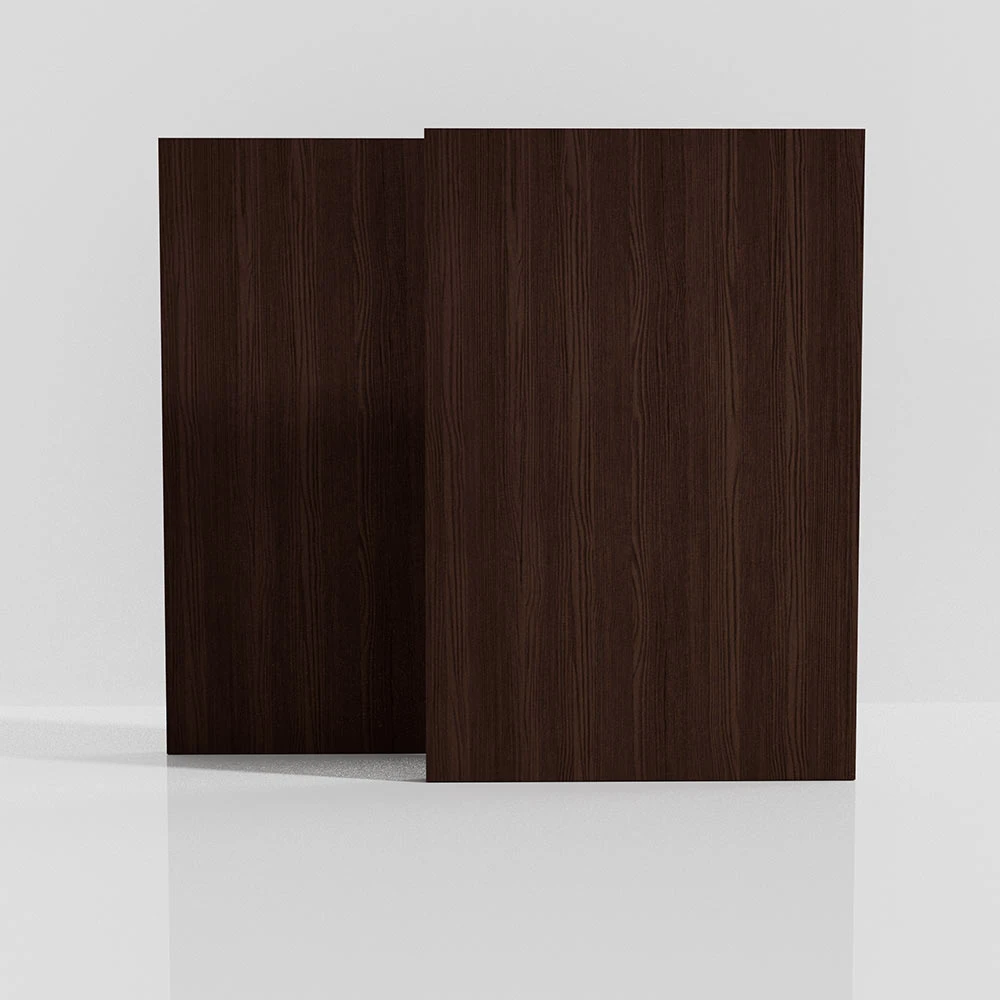
Simply put, MDF panel board is a wood product made by breaking down hardwood or softwood residuals into fibers, combining them with resin binders under intense heat and pressure. The result? A dense, smooth, flat panel that’s a perfect canvas for veneers, paints, or laminates.
This creates a reliable alternative to solid wood, especially when natural variations or defects could be a problem. It’s this predictability that connects MDF panel boards to everything from mid-century modern kitchens to mobile prefabricated housing in disaster zones — versatility wrapped into one engineered slab.
Key Characteristics That Make MDF Stand Out
1. Durability and Consistency
One feature many users appreciate is the consistent density across each panel. Unlike natural wood, which varies by grain, MDF maintains the same resilience and dimension all over — no knots, warping, or splitting. This means it can endure stress in cabinetry or structural applications without surprise failure.
2. Precision and Workability
For carpenters and designers, MDF’s fine fibers allow exquisite edge finishing and shaping. Interior moldings, routed patterns, and flush surface coatings are easier to achieve than with plywood or particle board, making MDF panel boards a favorite for customized interiors.
3. Cost-Effective Production
Because it uses wood residues and sawdust otherwise regarded as waste, MDF is an economically smart choice. Its manufacturing requires less raw timber than comparable solid wood panels, easing pressure on forests and supply chains.
4. Environmental Impact
Modern MDF production increasingly integrates low-emission resins and recycled fibers. While formaldehyde emissions were a concern traditionally, advances have led to ultra-low VOC (volatile organic compound) variants conforming to strict health standards — especially important indoors.
Typical Specifications of a Standard MDF Panel Board
| Specification |
Details |
| Panel Thickness |
3mm to 25mm (common: 12mm, 18mm) |
| Density |
600–800 kg/m³ |
| Standard Dimensions |
1220mm × 2440mm |
| Moisture Content |
5%–13% |
| Surface Finish |
Smooth, sanded |
| Fire Resistance Options |
Available with additives |
Where and How MDF Panel Boards are Used Globally
From Scandinavia to Southeast Asia, MDF panel boards infiltrate a surprisingly wide range of sectors:
- Furniture manufacturing: Used for flat-pack furniture, office desks, and decorative panels.
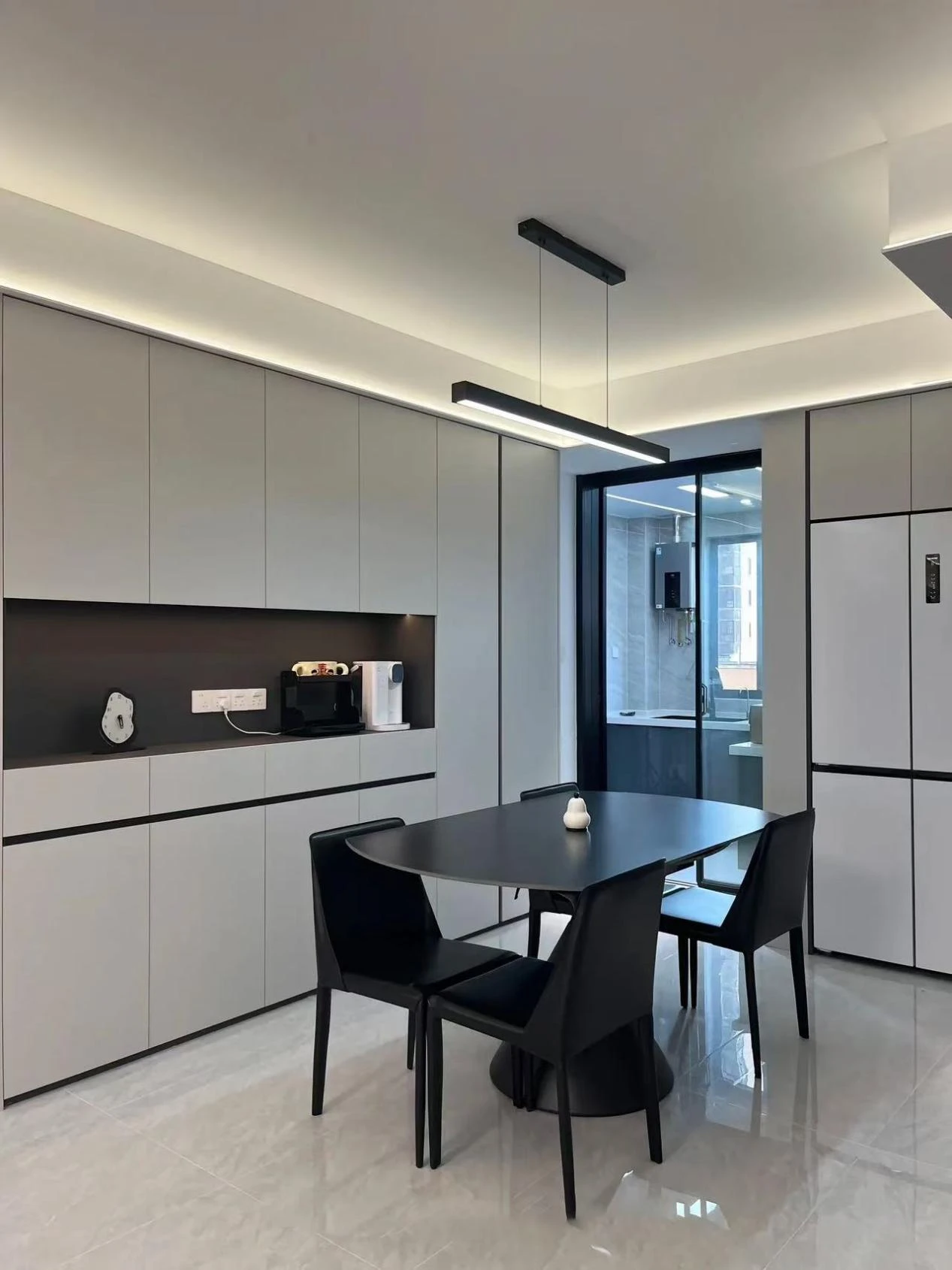
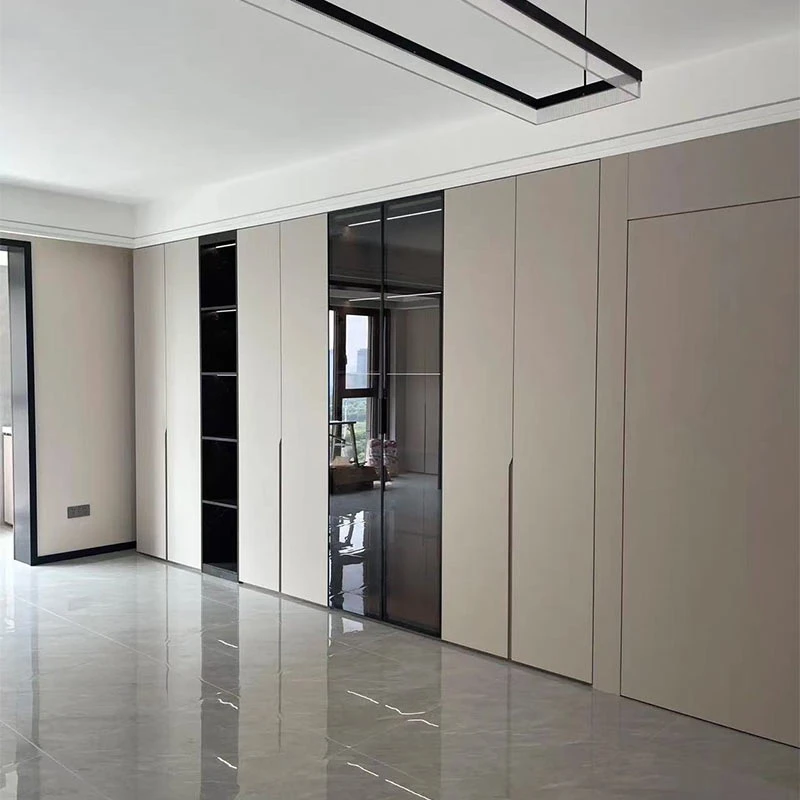
- Interior construction: Wall paneling, ceiling tiles, and partition walls.
- Modular housing: In fast-deployment shelters for refugees or disaster victims owing to the material’s quick install and stable profile.
- Retail and exhibition design: Temporary booths and displays relying on lightweight, consistent panels.
For example, NGOs often specify MDF panels in post-earthquake recovery camps for their fast assembly and replacement ease. Similarly, in remote industrial zones in Canada and Australia, the boards are favored since they cope well with temperature fluctuations without degrading.
Vendor Comparisons: Choosing Your MDF Supplier
| Vendor |
Price Range (per sheet) |
Available Thicknesses |
Eco-Certifications |
Typical Lead Time |
| WoodFlex Inc. |
$20–$25 |
6mm–18mm |
FSC, CARB Phase 2 |
2 weeks |
| GreenCore Panels |
$22–$28 |
12mm–25mm |
PEFC, Low VOC |
1 week |
| Tengfei MDF Suppliers |
$18–$23 |
3mm–20mm |
CARB Phase 2, FSC |
3–5 days |
Why Choosing the Right MDF Panel Board is a Smart Long-Term Investment
It’s easy to overlook MDF panels as “just another building material,” but when you factor in their affordability, consistent quality, and eco-friendly production, the long-term value is clear.
Many builders point out that MDF’s uniform finish improves end-user satisfaction because surfaces behave predictably with paints or veneers — no surprise blemishes. There’s also peace of mind knowing you’re not accelerating deforestation thanks to smarter fiber recycling.
Looking Ahead: Trends Shaping the MDF Market’s Future
Industry insiders are talking about a few shifts that stand to transform MDF panel boards further:
- Bio-based resins: Moving away from formaldehyde toward natural binders, improving indoor air quality.
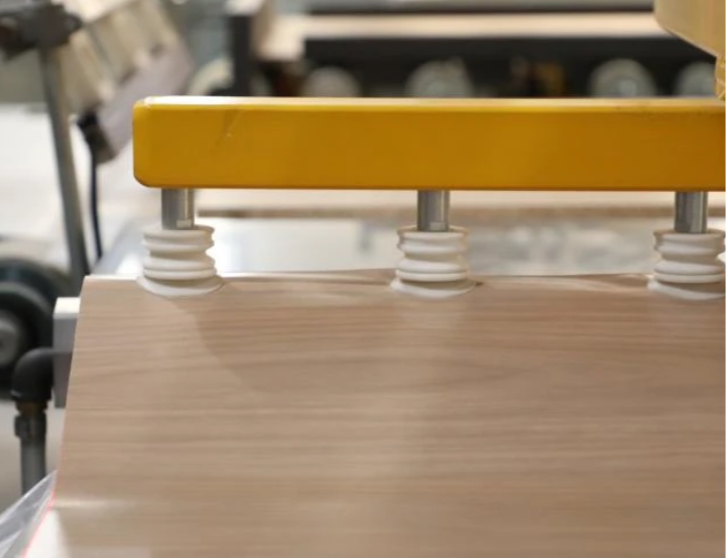
- Digital processing: Automated cutting and finishing driven by CNC technology improve precision and reduce waste.
- Solar-powered manufacturing: Factories utilizing renewable energy to minimize carbon footprints.
- Recycled content increase: Greater use of post-consumer wood fibers, promoting circular economy principles.
Obstacles and How the Industry is Tackling Them
Despite many benefits, MDF panel boards are not flawless. Issues like moisture sensitivity and weight can limit outdoor applications. Thankfully, advances such as water-resistant treatments and lightweight composites are partially resolving these challenges.
Also, some regions still deal with supply chain bottlenecks affecting timely deliveries. That’s why local sourcing partnerships, like those from Tengfei MDF, are becoming vital for consistent availability.
FAQ: Common Questions About MDF Panel Boards
Q1: How durable are MDF panel boards compared to plywood?
A1: MDF offers excellent uniformity and smoothness, making it ideal for indoor applications, but it’s generally less moisture-resistant and structurally strong than plywood. For load-bearing or outdoor projects, treated MDF or plywood might be better suited.
Q2: Can MDF panel boards be used in damp environments?
A2: Standard MDF absorbs moisture easily, which can cause swelling. However, moisture-resistant or marine-grade MDF variants are designed for higher humidity areas, though they typically cost more.
Q3: Is MDF panel board environmentally sustainable?
A3: Yes, especially when produced using recycled fibers and low-emission adhesives. Look for eco-labels like FSC or CARB Phase 2 compliance to ensure sustainability and health safety.
Q4: How can I order custom-sized MDF panels?
A4: Many suppliers, including Tengfei MDF, offer CNC cutting and custom sizing services. It helps reduce waste and speeds up your project.
Q5: What industries benefit most from MDF panel boards?
A5: Furniture makers, interior designers, prefabricated housing manufacturers, as well as NGOs engaged in emergency shelter projects, all rely heavily on MDF for its range of qualities.
Wrapping Up: Why MDF Panel Boards Deserve Your Attention
Whether you’re an architect dreaming up eco-friendly homes, a furniture craftsman seeking consistency, or an aid organization deploying shelter fast, the mdf panel board is a versatile ally. It balances sustainability, cost, and performance like few materials can. So if you haven’t yet explored MDF’s possibilities, now’s an excellent time — and if you want dependable supplies with swift delivery, check out Tengfei MDF panel board solutions.
Mini takeaway: MDF panel board represents a practical, responsible choice that’s quietly powering smarter construction worldwide.
References
- Food and Agriculture Organization - Forest Products Data
- ISO - Sustainable Forest Management
- US EPA - Formaldehyde Emissions and Standards