Add: No.8 Xinxing Street, North Zone, Zhengding High-tech Industrial Development Zone, Hebei, China

CONTACT US

+8615030171059
221231instagram-fill1251 search

Premium Natural Wood Veneer Sheets Solutions for Germany

Integrating high-precision German engineering standards with sustainable wood processing for modern architectural and industrial applications.

Premium Natural Wood Veneer Sheets Solutions for Germany

Providing Germany's furniture and construction sectors with top-tier engineered wood panels and industrial grating solutions, combining aesthetic elegance with structural durability.

Current State of Wood Processing in Germany

Analysis of the German market's demand for sustainable composite materials and industrial infrastructure.

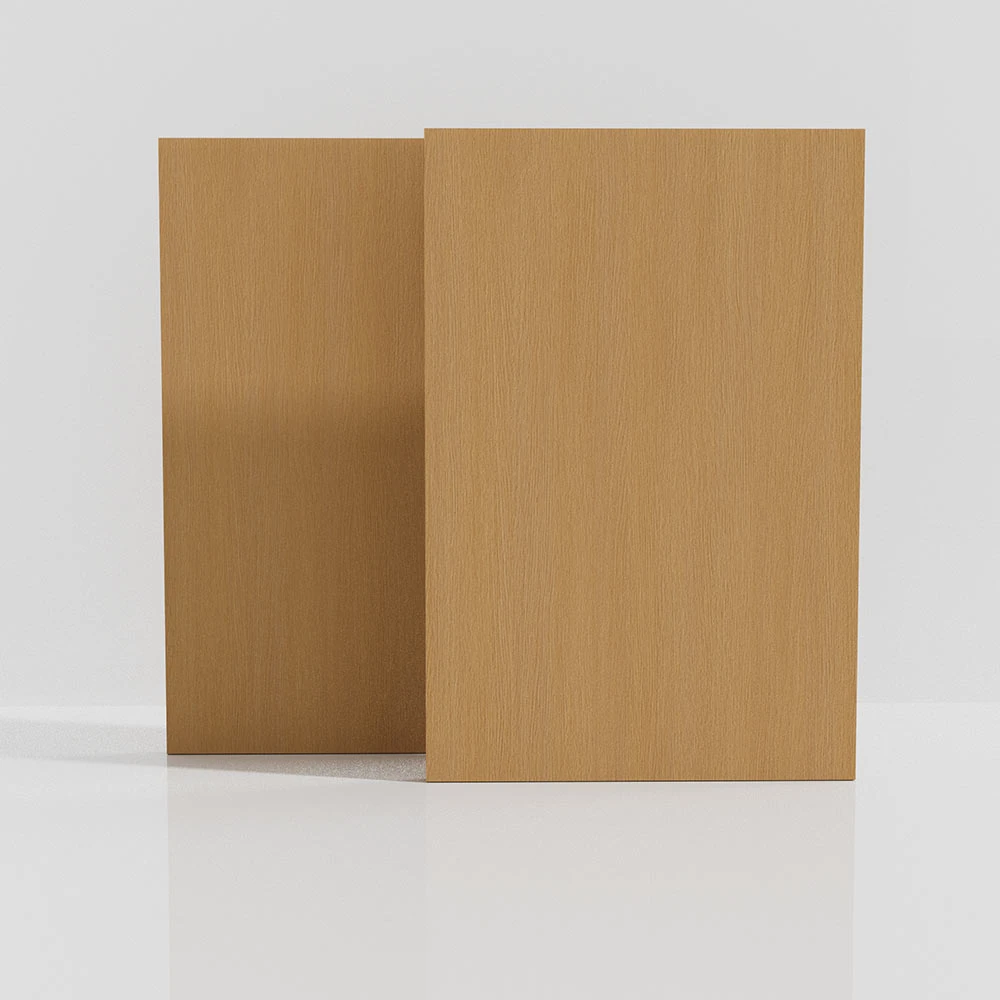
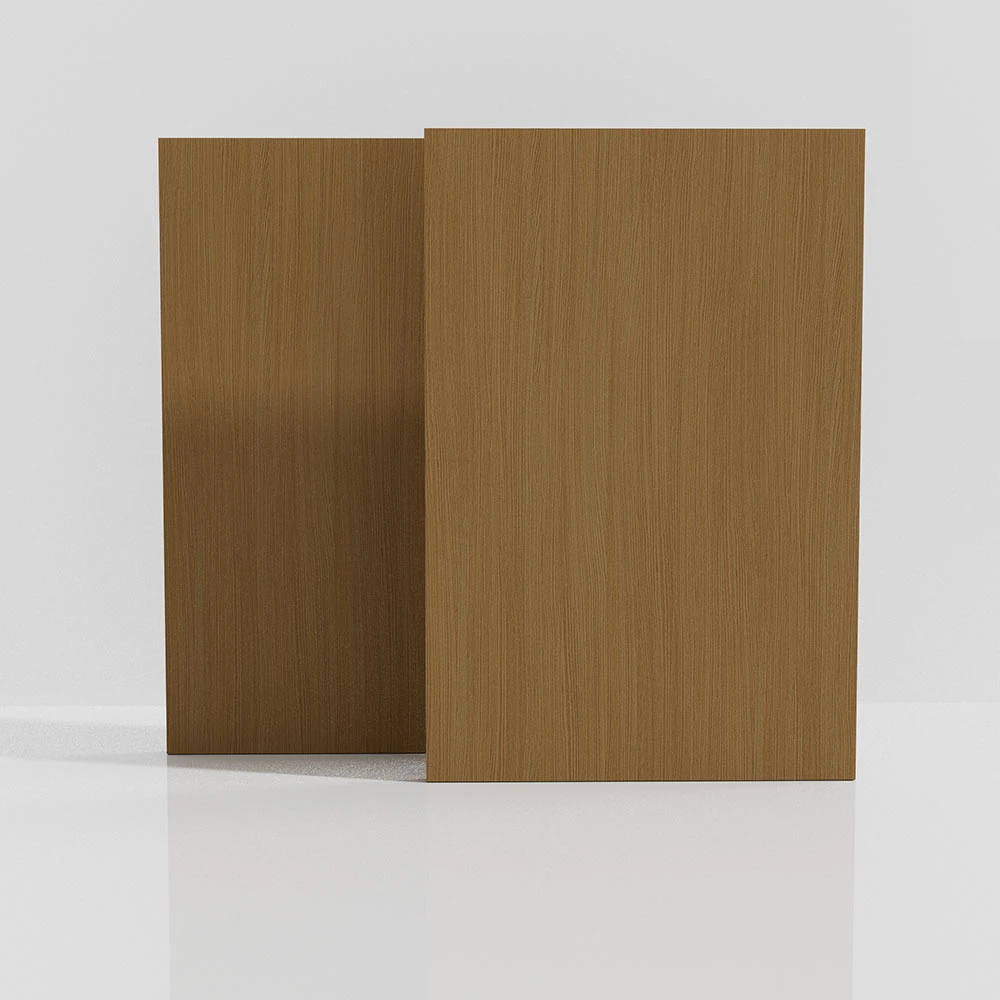
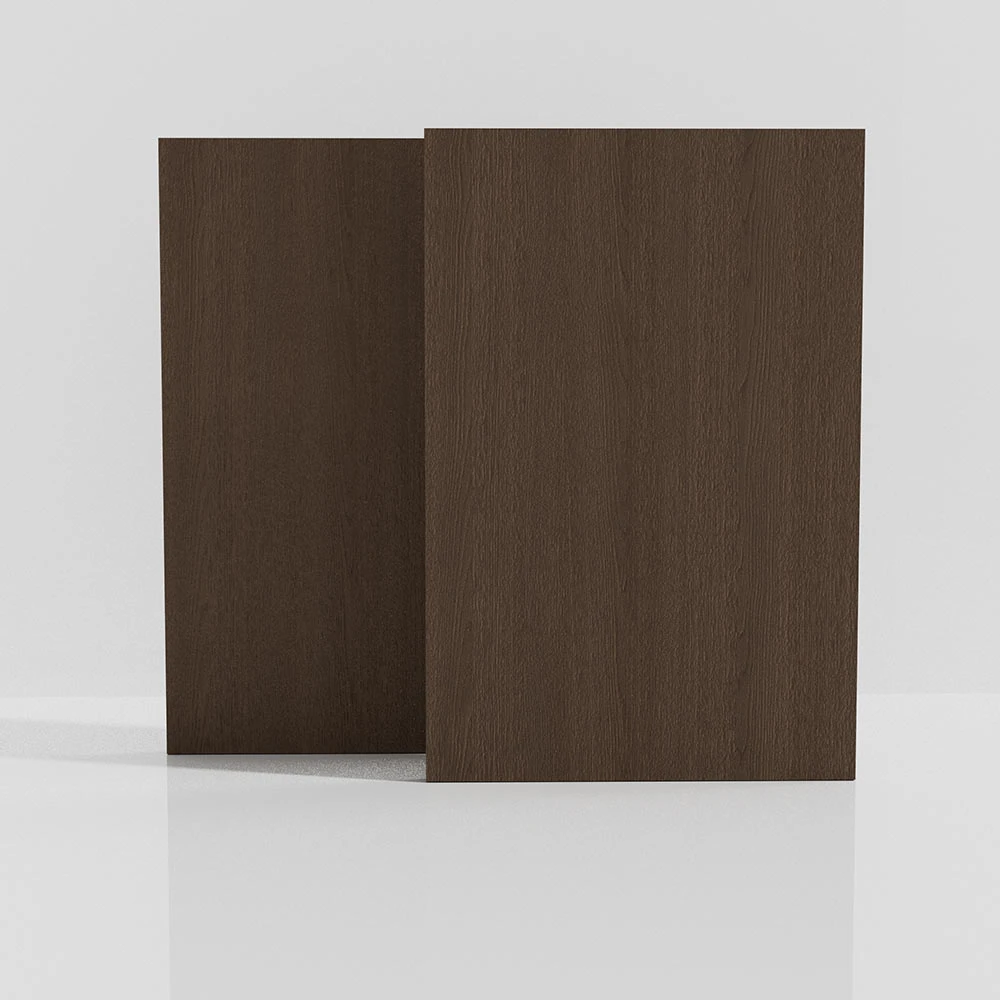
Germany's manufacturing sector is currently defined by a rigorous transition toward "Green Building" certifications. The demand for high-quality veneer mdf board has surged as architects seek materials that balance the warmth of real wood with the stability of engineered cores to withstand Central Europe's humidity fluctuations.

In the industrial sphere, Germany's strict DIN standards necessitate high-load bearing capacities. This has led to a consistent requirement for precision-engineered carbon steel grating in chemical plants and automotive factories across Bavaria and North Rhine-Westphalia, where safety and corrosion resistance are non-negotiable.

Furthermore, the resurgence of rustic-modern interior design in German urban centers like Berlin and Munich has created a niche yet growing market for barn board veneer, allowing designers to achieve a reclaimed look without compromising the structural integrity required by modern building codes.
Evolution of Plywood and Grating Manufacturing

From traditional craftsmanship to Industry 4.0 automation in the European wood sector.

Market Development History

In the early 20th century, Germany relied heavily on solid timber and manual slicing. The shift began in the 1960s with the introduction of rotary peeling and standardized adhesives, which laid the groundwork for the modern natural wood veneer sheets industry, prioritizing thickness uniformity and waste reduction.

By the 1990s, the integration of computer-aided design (CAD) allowed for complex layering in plywood manufacturing. This era saw the rise of specialized composite boards that could be precisely matched to natural grains, enhancing the versatility of interior cabinetry throughout Europe.

Entering the 2010s, the focus shifted toward environmental compliance. The adoption of E0 and CARB Phase 2 emission standards forced a technological pivot toward soy-based and low-formaldehyde resins, ensuring that engineered wood meets the highest health and safety requirements.

Future Development Trends

Bio-Polymer Integration

We predict a transition toward 100% biodegradable resins in veneer bonding to satisfy the EU's Circular Economy Action Plan.

Smart Industrial Drainage

Integration of sensor-based monitoring within the floor drain trench systems to prevent industrial overflow in smart factories.

Digital Twin Customization

The use of AI-driven scanning to match natural wood grain patterns digitally before physical production, reducing material waste by 15%.

Industry Outlook and Future Prospects

Forecasting the technological trajectory of composite wood and steel infrastructure.

Eco-Certified Sourcing
Increasing adoption of FSC and PEFC certified timber to meet German sustainability laws.
Precision Automation
Integration of CNC and AI-driven laser cutting for zero-tolerance wood paneling.
Hybrid Materiality
Combining carbon steel elements with wood finishes for industrial-chic commercial spaces.
Climate Adaptation
Developing moisture-resistant coatings for panels used in Germany's varied climatic zones.

Industry Outlook

Google search trends for "Sustainable Architecture Germany" show a 25% year-over-year increase, suggesting that the future of the plywood industry lies in the convergence of high-end aesthetics and verifiable ecological footprints.

As the "Mittelstand" (medium-sized enterprises) continue to modernize, the demand for integrated solutions—where structural steel like carbon steel grating meets refined interior wood—will define the next generation of German industrial design.

Localized Application Scenarios in Germany

Real-world implementations of composite materials across various German sectors.

01. Luxury Residential Interiors in Munich

Using high-grade natural wood veneer sheets for bespoke walk-in closets and wall paneling in high-end apartments, ensuring a seamless grain match.

02. Industrial Warehouse Flooring in Hamburg

Installing heavy-duty carbon steel grating for mezzanine walkways and specialized floor drain trench systems to manage runoff in logistics hubs.

03. Concept Retail Stores in Berlin

Applying barn board veneer on MDF cores to create a "rustic-industrial" atmosphere for organic cafes and fashion boutiques.

04. Corporate Office Fit-outs in Frankfurt

Implementing veneer mdf board for acoustic wall panels and executive boardroom tables, balancing professionalism with organic warmth.

05. Public Infrastructure Projects in Stuttgart

Combining anti-slip steel grating with durable wood-composite cladding for transit station interiors and pedestrian bridges.

Brand Story

Global Development History of Hebei Tengfei Trading Co., Ltd.

Foundational Excellence

Established with a focus on precision wood processing, we began by solving the core problem of veneer inconsistency for regional manufacturers.

Technological Pivot

Invested in advanced pressing technology to create stable MDF cores, reducing warping and enhancing the lifespan of veneered products.

European Expansion

Aligned our production lines with EU quality standards to enter the demanding German market, focusing on emission-free adhesives.

Diversification Strategy

Expanded our portfolio to include industrial steel solutions, recognizing the synergy between structural grating and architectural wood.

Future Sustainability

Now leading the charge in sustainable forestry partnerships to ensure a carbon-neutral supply chain for our global partners.

Comprehensive Product Portfolio for the German Market

A curated selection of high-performance wood composites and industrial steel components.

Common Questions in Germany

Technical guidance and compliance information for our European clients.

Do your veneer mdf board products comply with EU formaldehyde emission standards?

Yes, all our boards are manufactured to meet E1 and E0 standards, ensuring they are safe for indoor use in accordance with German health regulations.

What is the load-bearing capacity of your carbon steel grating?

Our grating is engineered to meet specific DIN standards, with load capacities varying by mesh size and bar thickness, suitable for heavy industrial traffic.

How do natural wood veneer sheets handle temperature swings in Central Europe?

We use specialized balancing layers and moisture-resistant adhesives to prevent peeling and cracking during seasonal humidity changes in Germany.

Can barn board veneer be customized for specific architectural textures?

Absolutely. We offer a variety of distressed and weathered textures that can be precisely matched to your project's design requirements.

What installation options are available for the floor drain trench systems?

We provide modular trench systems that can be integrated into pre-cast concrete or poured-in-place floors for maximum drainage efficiency.

What is the lead time for shipping bulk orders to Germany?

Depending on the order volume and customization, typical lead times range from 3 to 6 weeks, including maritime transit and customs clearance.

Get Expert Consultation Today

Our technical team is ready to support your next architectural or industrial project in Germany.

Contact Us Now
tel +8615030171059 tel icon15

If you are interested in our products, you can choose to leave your information here, and we will be in touch with you shortly.