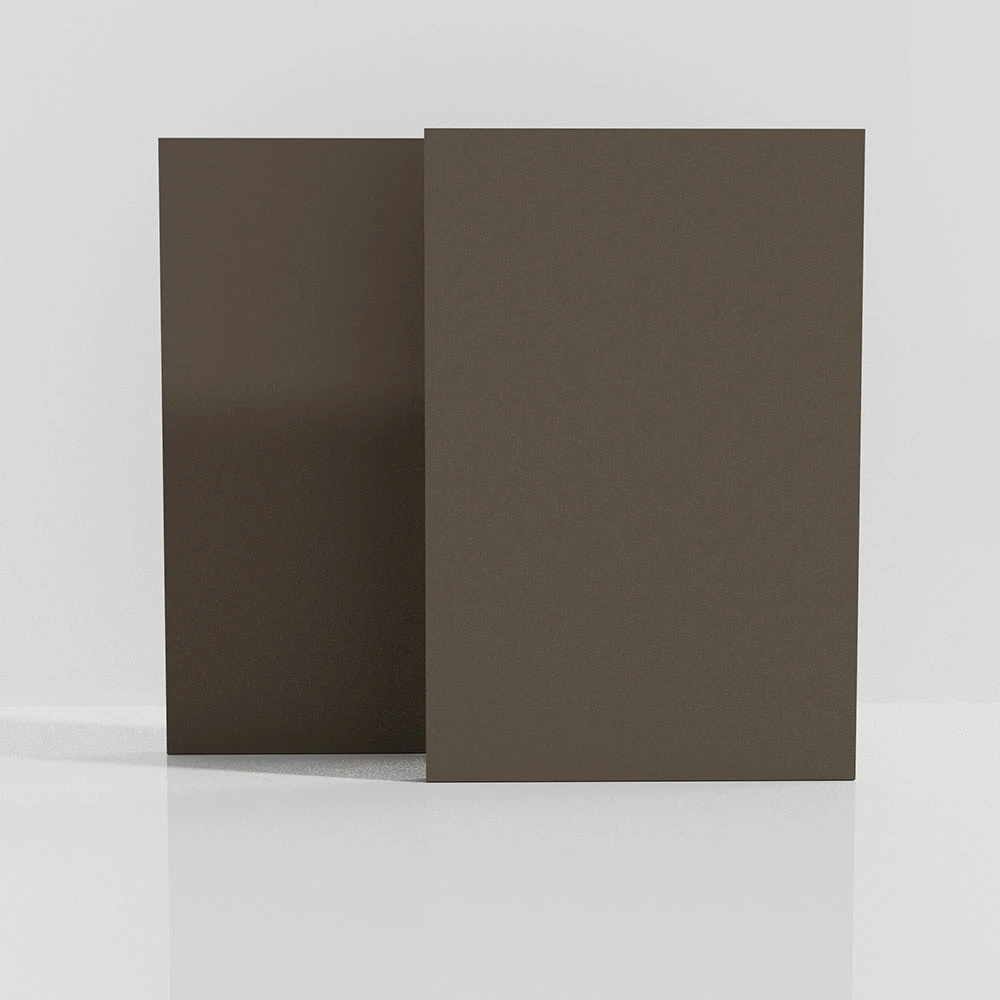
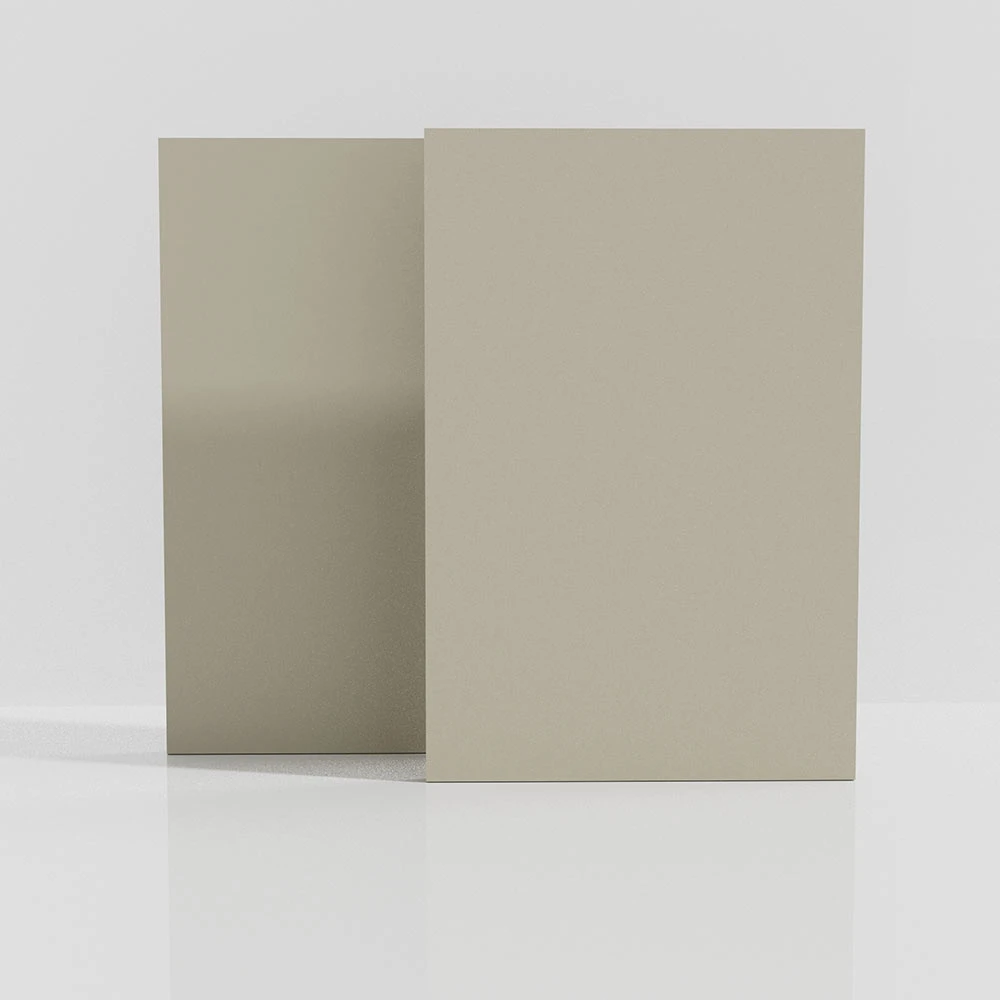
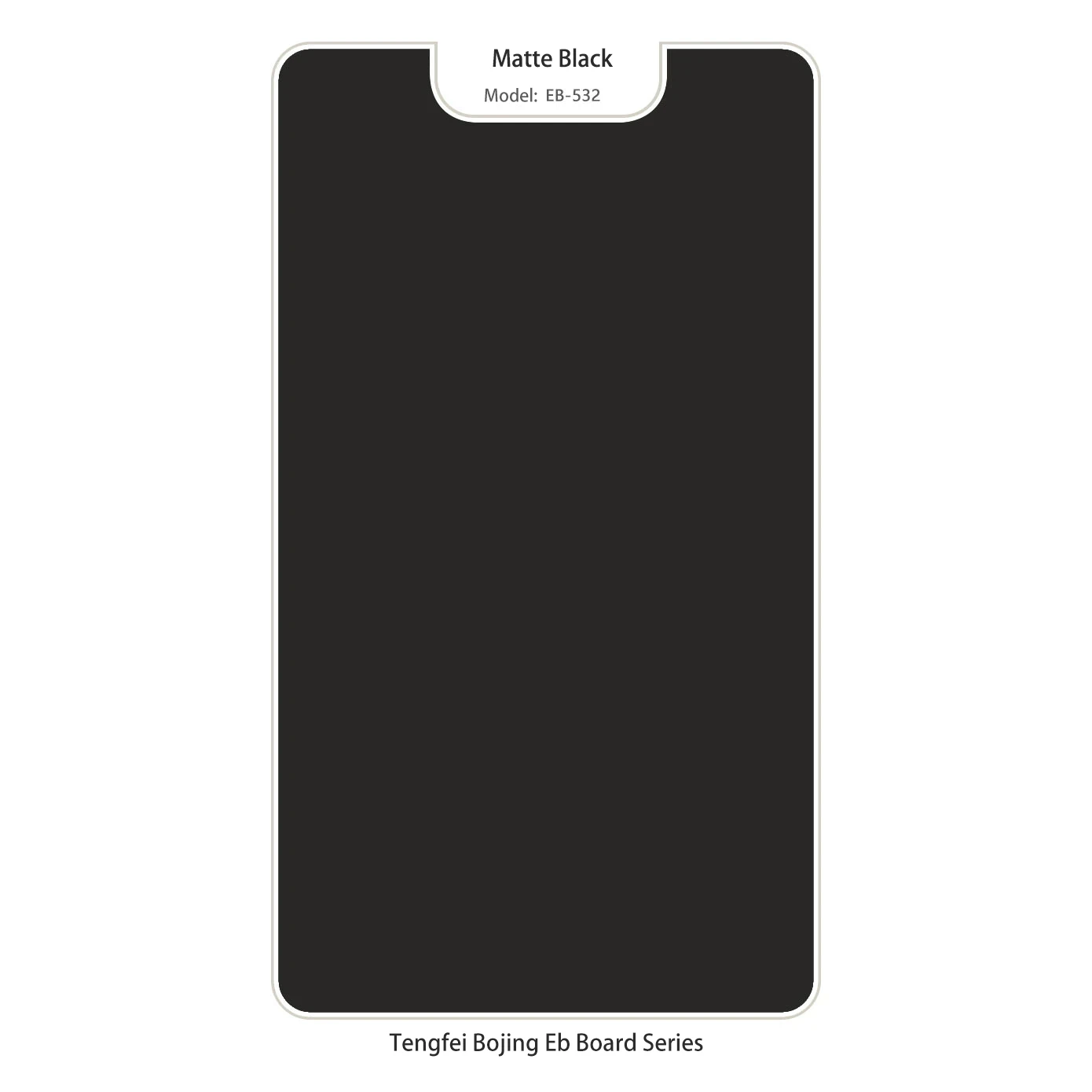
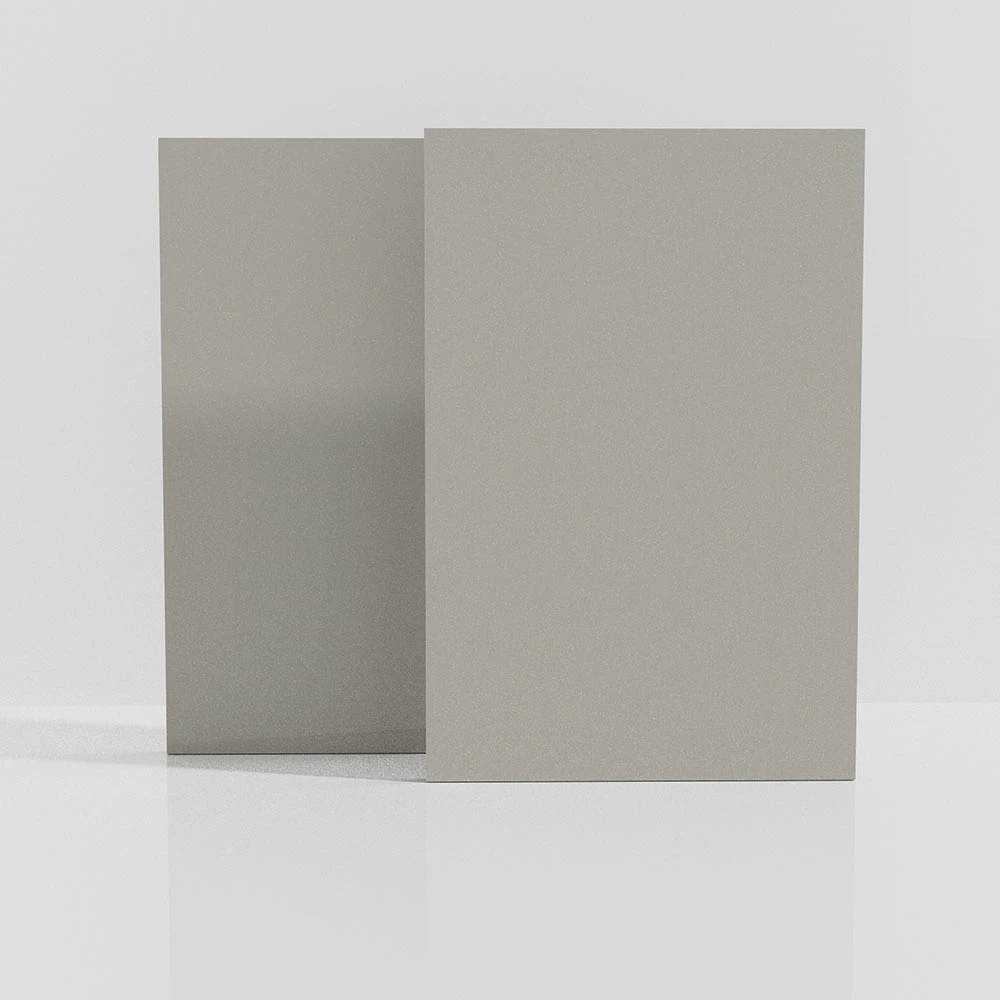
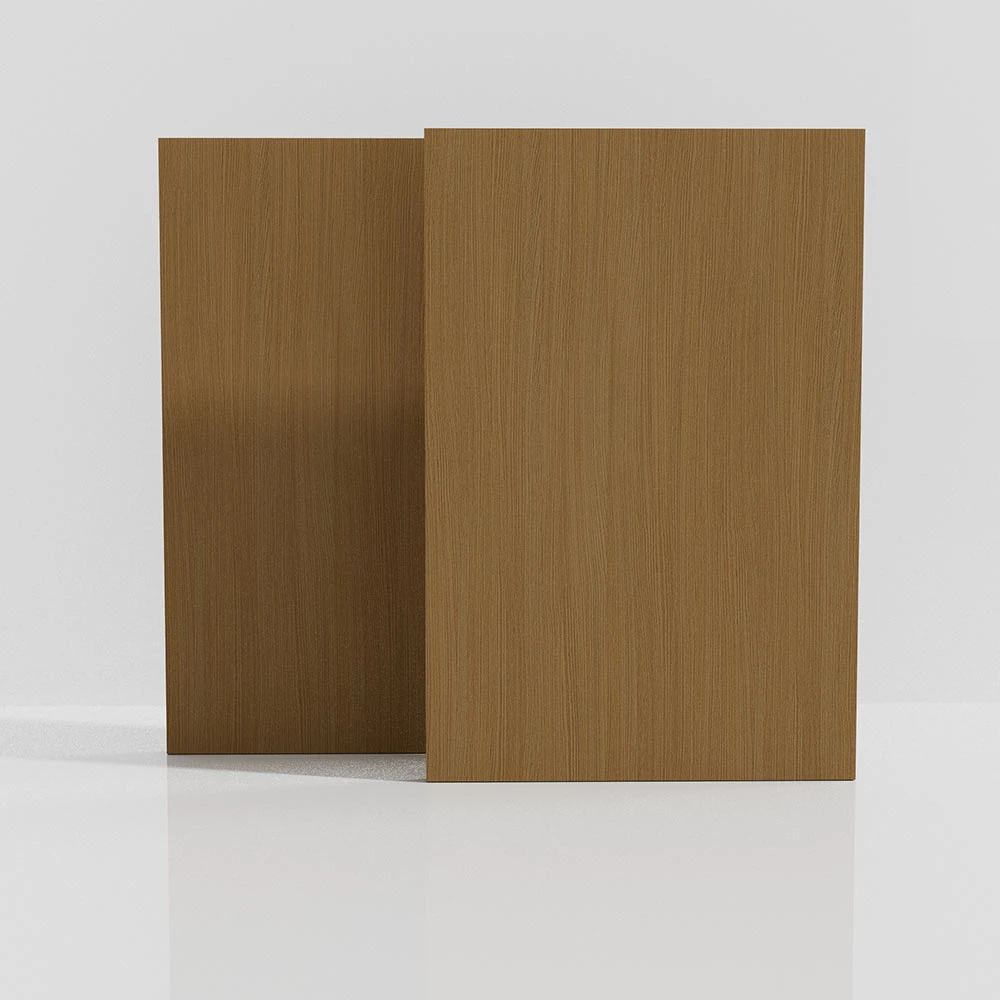
The Netherlands market is characterized by a strong preference for minimalist aesthetics combined with extreme functionality. There is a growing demand for materials that offer both the warmth of natural textures—such as barn board veneer—and the technical performance of modern synthetics. This duality is driven by the Dutch commitment to sustainable urban development and high-efficiency living spaces.
A significant challenge for local designers is balancing the desire for authentic wood looks with the need for durability in high-traffic commercial environments. Traditional thermal curing processes often fall short in terms of consistency and environmental impact. Consequently, there is a critical market opening for Electron Beam (EB) technology, which eliminates volatile organic compounds (VOCs) while enhancing surface hardness and scratch resistance.
Dutch customers increasingly prioritize health-certified materials, particularly for medical and pediatric environments. The requirement for formaldehyde-free and benzene-free surfaces is no longer optional but a baseline for market entry. This creates a high-value opportunity for panels that merge aesthetic versatility with food-grade safety certifications.