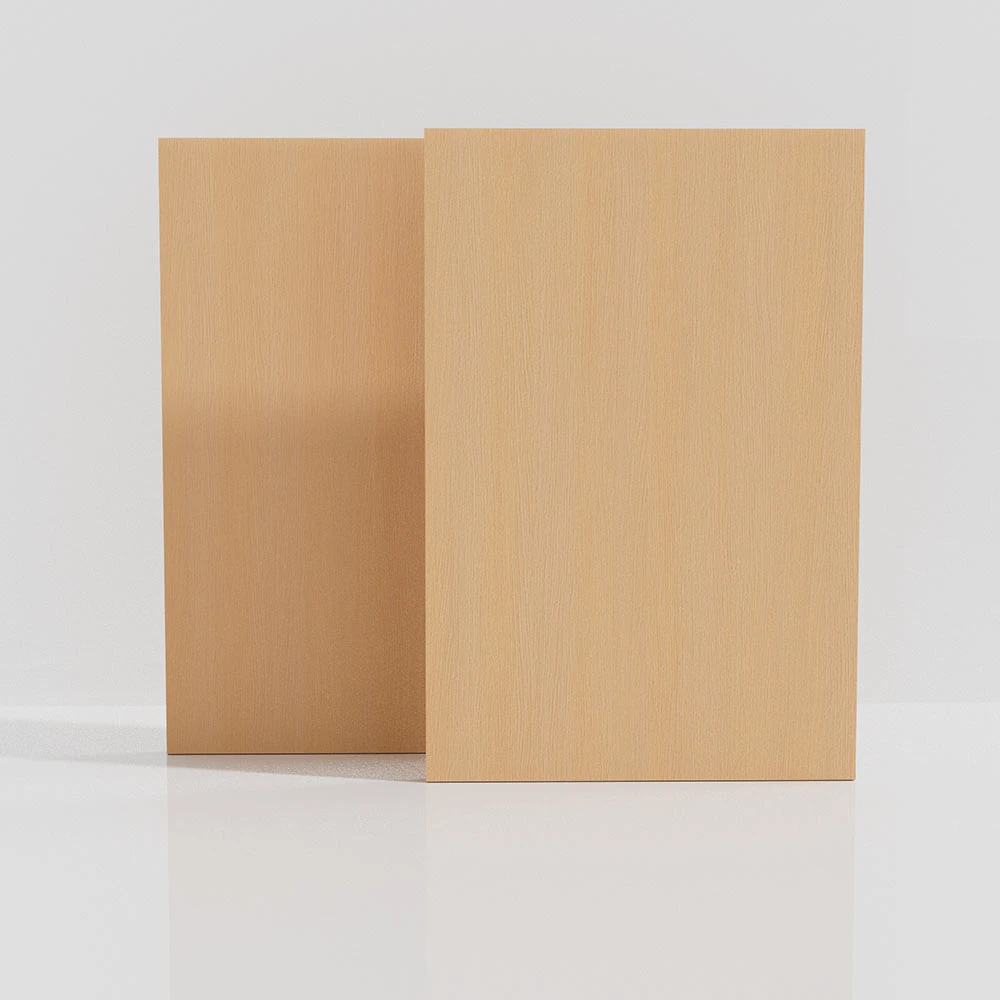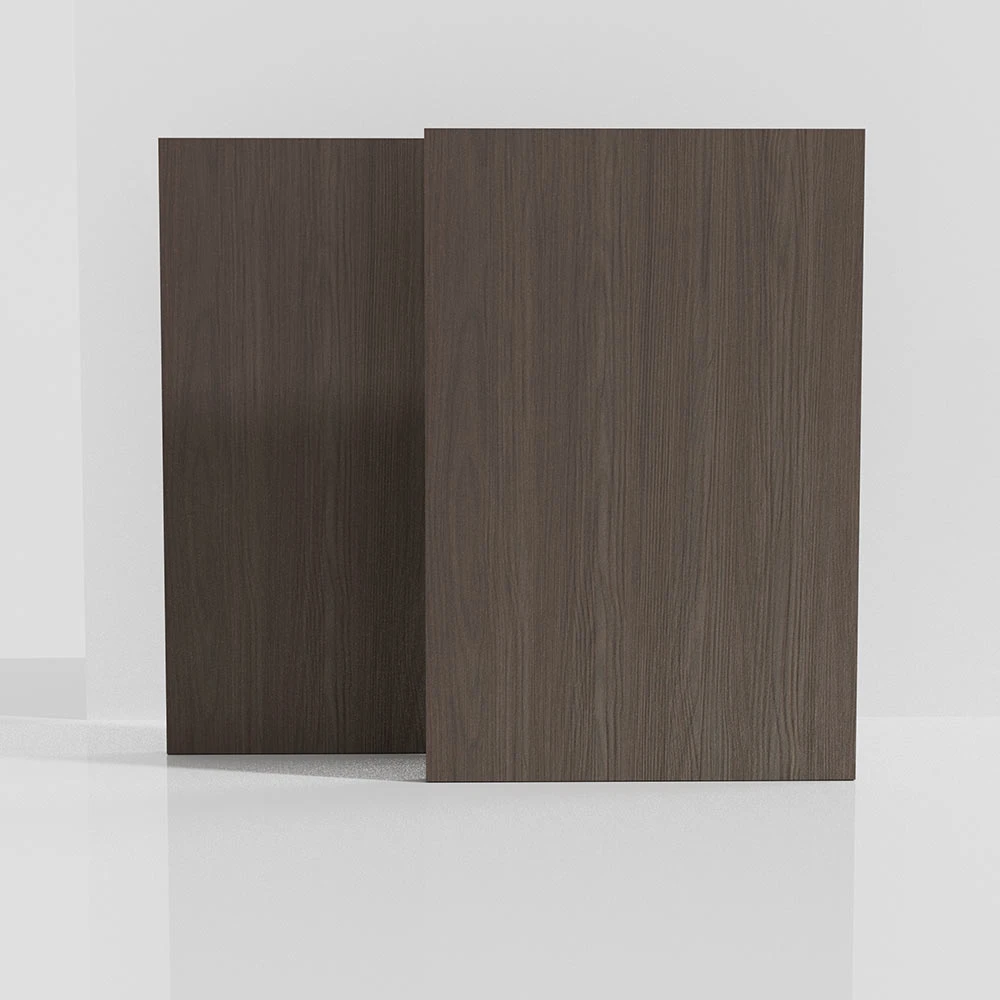
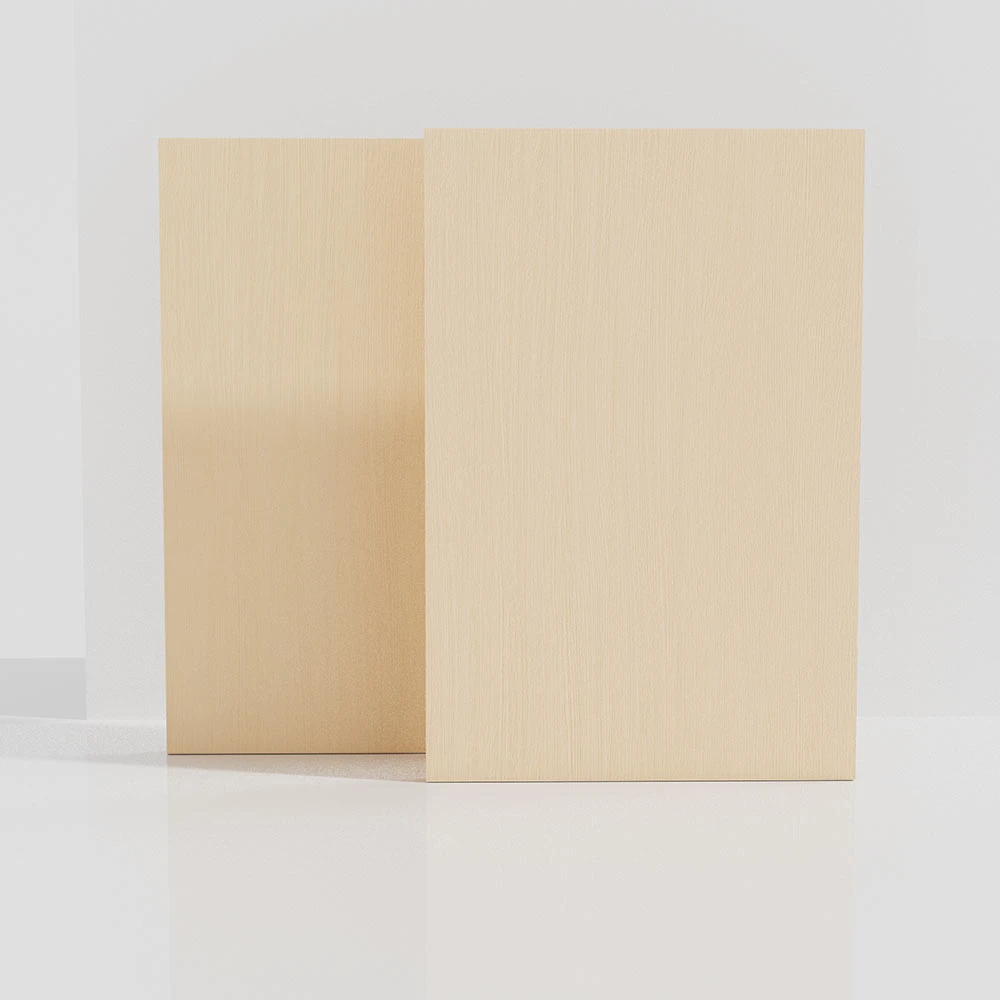
The United States construction market is currently experiencing a significant transition toward materials that balance luxury aesthetics with rigorous environmental standards. In high-end residential and commercial projects, there is a growing demand for veneer mdf board that can withstand heavy use while maintaining the visual warmth of natural timber. This is particularly evident in the urban centers of North America, where the pace of commercial renovation requires materials that are not only fast to install but also resistant to the wear and tear of high-density foot traffic.
From a technical perspective, the industry is moving away from traditional thermal curing, which often leaves inconsistent durability. The introduction of natural wood veneer sheets processed through advanced polymerization ensures a stable surface that resists fingerprints and tarnish. In the US, where LEED certification and health safety standards (such as formaldehyde-free emissions) are critical, the adoption of electron beam (EB) curing technology is becoming a key differentiator for developers seeking medical-grade or pediatric-safe interiors.
Furthermore, the architectural trend of "Modern Rustic" has spiked interest in specialized textures. This has led to a surge in the application of barn board veneer for accent walls and retail interiors. As procurement managers in the US prioritize supply chain reliability and precision, the shift toward intelligent manufacturing—utilizing automated decorative lines—ensures that millimeter-level accuracy is maintained across large-scale project deployments, reducing waste and onsite labor costs.