Add: No.8 Xinxing Street, North Zone, Zhengding High-tech Industrial Development Zone, Hebei, China
CONTACT US
+8615030171059


CONTACT US
+8615030171059
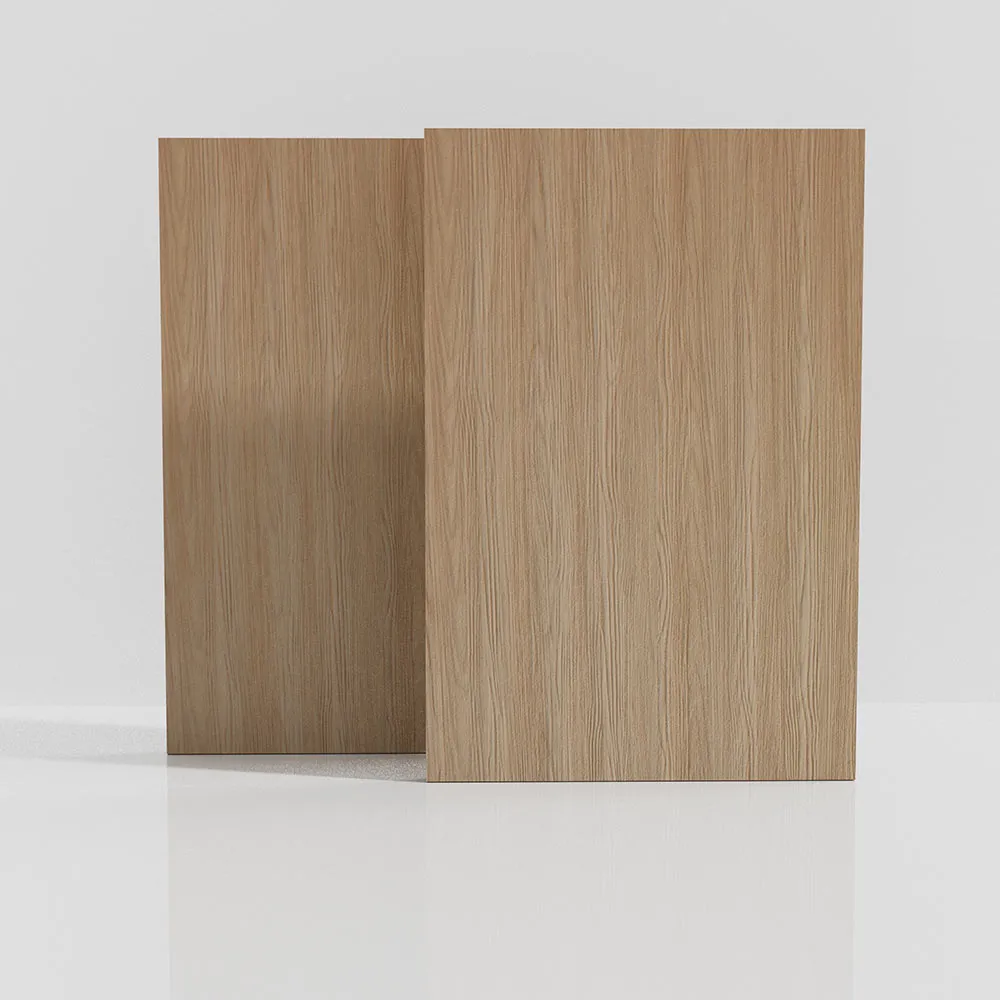
Designers have been quietly shifting from heavy-grained, high-contrast wood looks to softer, layered tones that let the substrate’s tactility do the talking. That’s where Semi-Transparent Oak 002 has been showing up—in cafés, boutique retail, and those calm, Scandi-inspired fit-outs where materials matter more than loud décor. To be honest, the appeal is simple: natural-looking oak character, but readable through a modern, semi-opaque film that plays nicely with light.
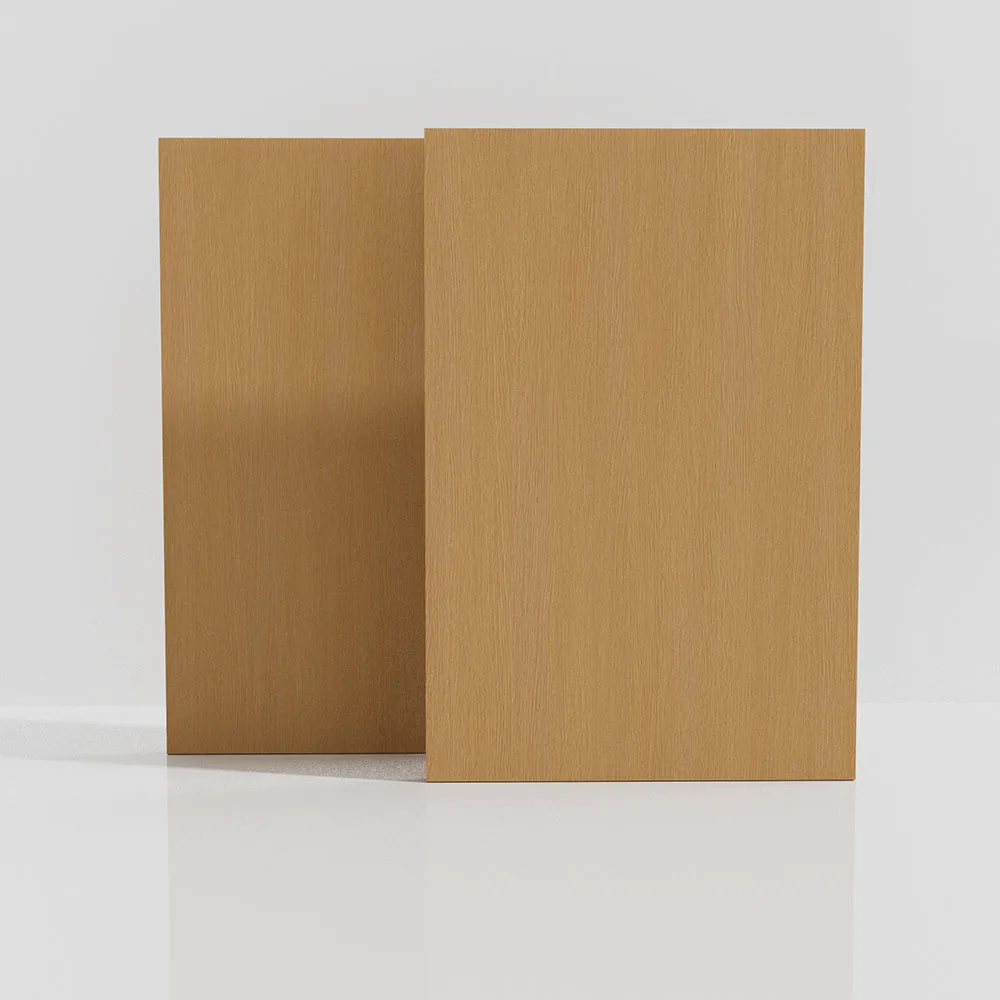
At its core, Semi-Transparent Oak 002 is a decor-surfaced MDF panel with a semi-translucent oak layer—typically a synchronized-pore decor paper and UV topcoat—that lets the oak pattern breathe instead of overpower. The trend is part sustainability (engineered panels reduce reliance on solid timber) and part practicality (color consistency across lots, predictable machining). Many customers say the finish looks “quietly premium” without the price and variability of natural veneer.
| Substrate | E0/E1 MDF, density ≈ 700–760 kg/m³ |
| Surface system | Semi-transparent oak decor paper + UV-cured topcoat |
| Available thickness | 5, 9, 12, 16, 18, 25 mm (others by request) |
| Finish/gloss | Low-sheen matte ≈ 8–12 GU @ 60° |
| Abrasion resistance | ≥ 350 cycles (EN 14322 method, real-world use may vary) |
| Scratch resistance | ≥ 1.5–2.0 N (indicative, EN 15186) |
| Formaldehyde | E1 ≤ 0.124 mg/m³ (EN 717-1) / TSCA Title VI & CARB Phase 2 compliant |
| Panel size | 1220×2440 mm, 1830×2440 mm (custom cuts available) |
| Origin | No.8 Xinxing Street, North Zone, Zhengding High-tech Industrial Development Zone, Hebei, China |
Materials: low-emission MDF core → decor paper with semi-transparent oak inks → UV topcoat resins.
Methods: substrate calibration sanding → decor impregnation → hot press at ≈ 180–200°C, 20–30 kg/cm² → UV curing → edge sealing (optional).
Testing standards: EN 14322 surface properties; EN 717-1 formaldehyde; internal abrasion/scratch checks; color ΔE control vs. master sample.
Service life: around 10–15 years in normal indoor use with basic care, longer on vertical applications.
Industries: retail fixtures, hospitality, residential kitchens, workplace fit-outs, exhibition systems.
Retail counters, wardrobe fronts, wall paneling, and café tables that need a durable, easy-clean surface with a soft oak read. For wet zones, many spec MR MDF variants and tight edge-banding; for heavy-wear tops, some teams add sacrificial mats. Actually, color consistency batch-to-batch is a sleeper advantage during phased rollouts.
| Vendor | Lead time | Certifications | Customization | MOQ |
|---|---|---|---|---|
| Tengfei (factory) | ≈ 2–4 weeks | E1, CARB/TSCA, optional FSC | Thickness, size, edging, gloss | Around 100 sheets |
| Import Aggregator A | 6–8 weeks | Varies by lot | Limited SKUs | Full container111 |
| Local Fabricator B | 1–2 weeks | Shop-level QA | Cut-to-size only | Small batch |
Specs can include MR or FR cores, reverse-side balancing in neutral gray or matching oak, and edge choices (ABS, PP, or real-wood veneer). Gloss can be tuned slightly; just note that pushing ultra-matte may affect stain cleanability—there’s always a trade-off.
Lab snapshots (typ., in-house): coffee/tea stains removed within 24h (ISO 2812-4 style wipe test); ΔE ≤ 0.8 vs. master after 500 h light aging; panel swell 24h ≈ 12–15% (standard MDF; MR core performs better). Installers like the predictable routing with sharp carbide bits. One retailer told me their QSR tables “still look calm” after a messy summer—surprisingly resilient for a subtle finish.
• Boutique eyewear rollout, 17 stores: Semi-Transparent Oak 002 on wall bays; color matching across three production lots held within ΔE 0.6.
• Co-working lounge: acoustic slat walls using routed MR panels; edges sealed and UV topcoat held up against scuff marks.
Certifications typically available: E1 (EN 717-1), CARB Phase 2/TSCA Title VI, optional FSC chain of custody; ask for lot-specific paperwork.
For consistent projects, lock a control swatch and specify target gloss and pore sync. If you can, request the same press plate and paper batch for the full run—sounds fussy, but it keeps the look seamless.
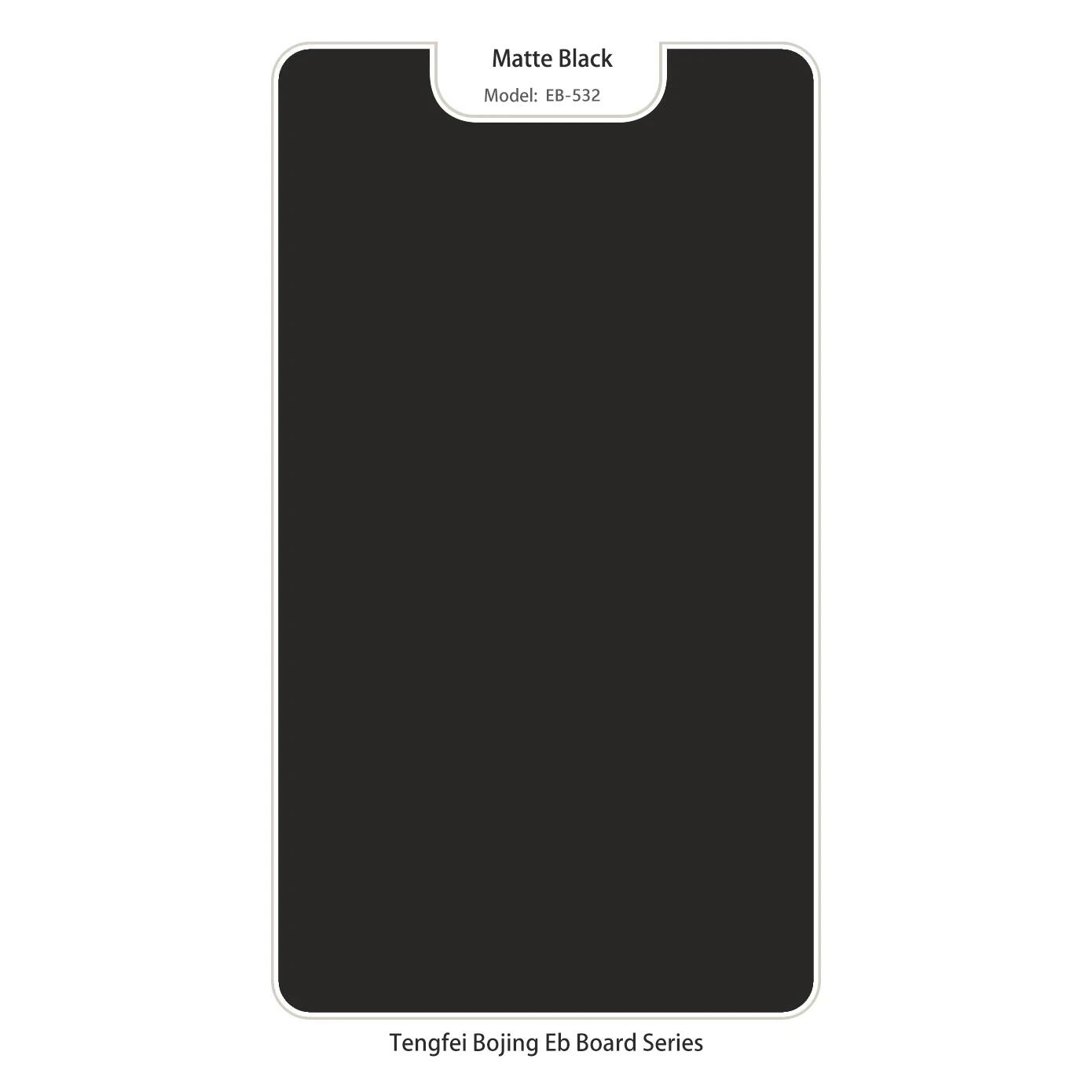
Tengfei Platinum EB Particle Panels - Matte Black
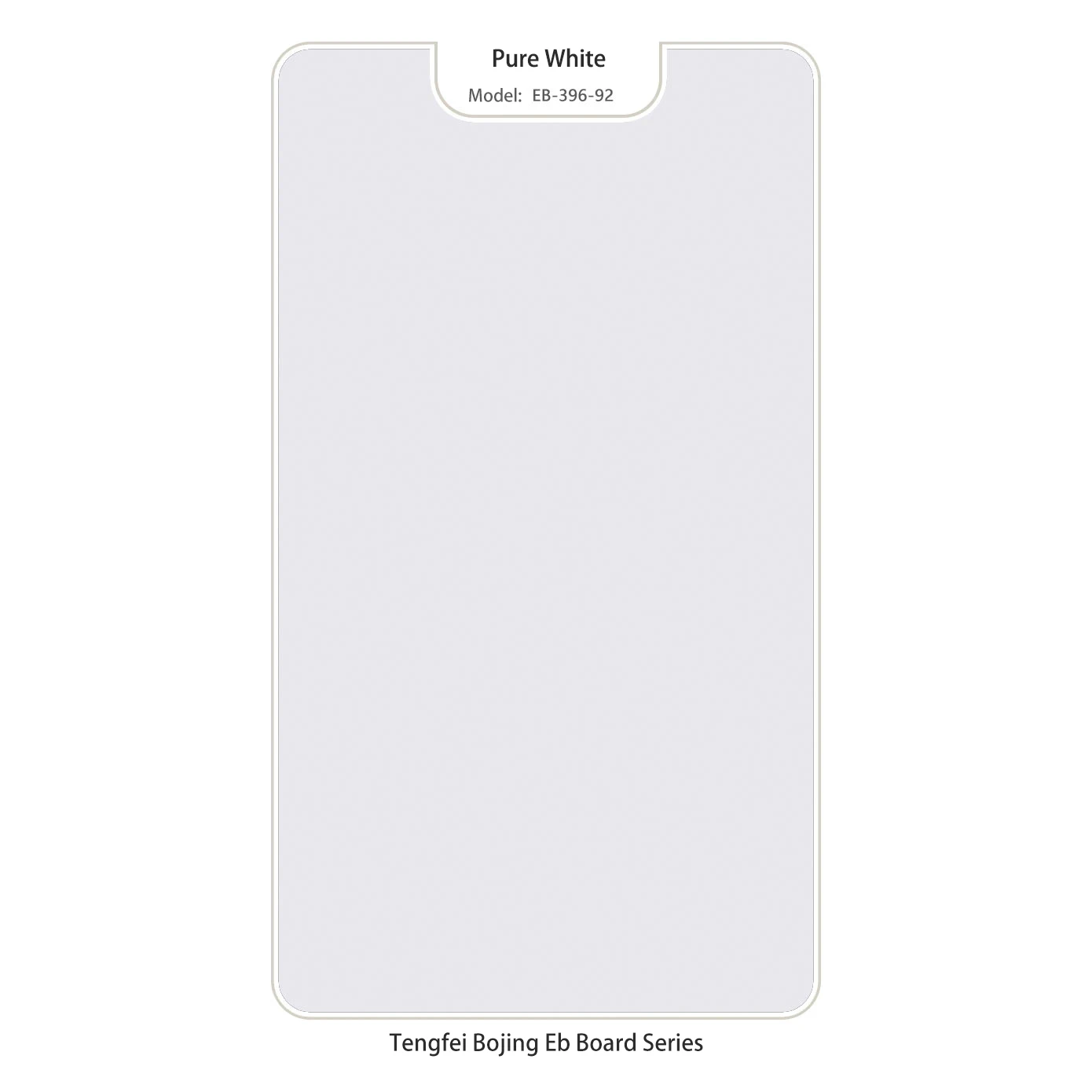
Tengfei Platinum EB Particle High-Gloss Panels - Pure white
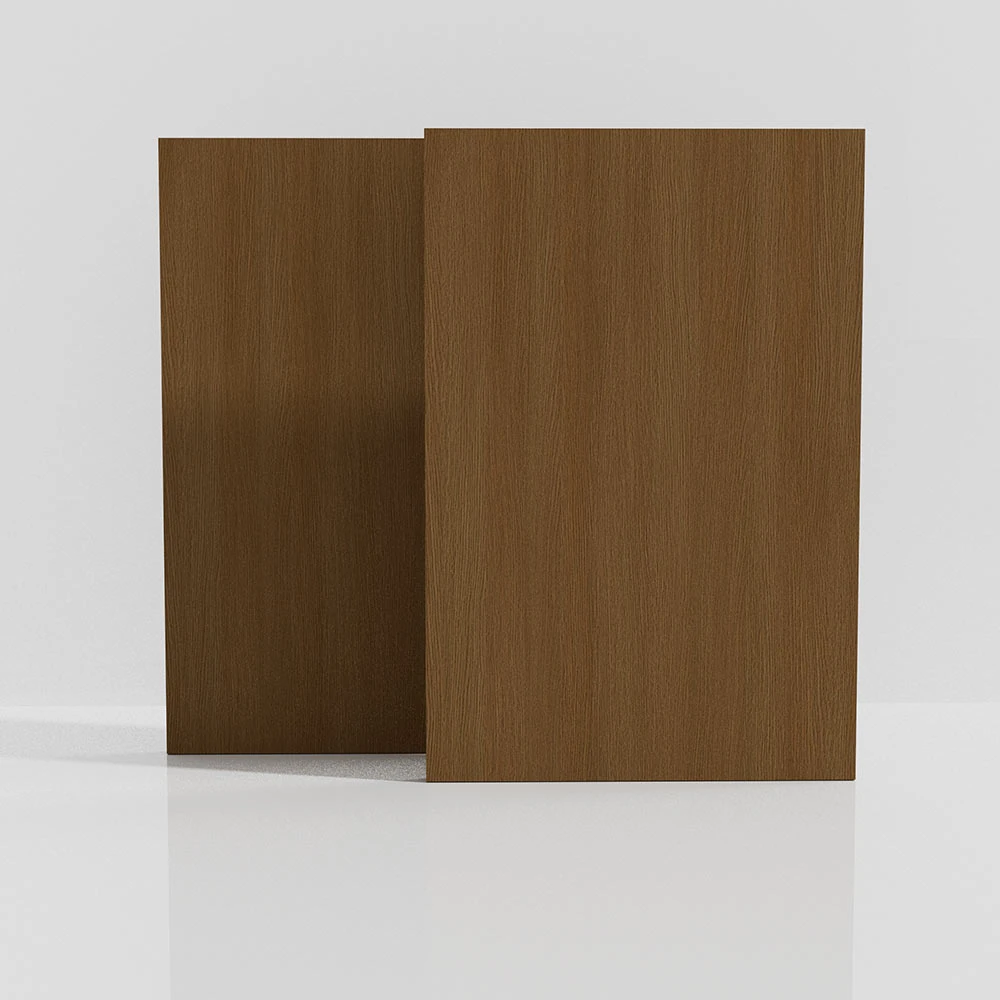
To provide reliable solutions through quality products!