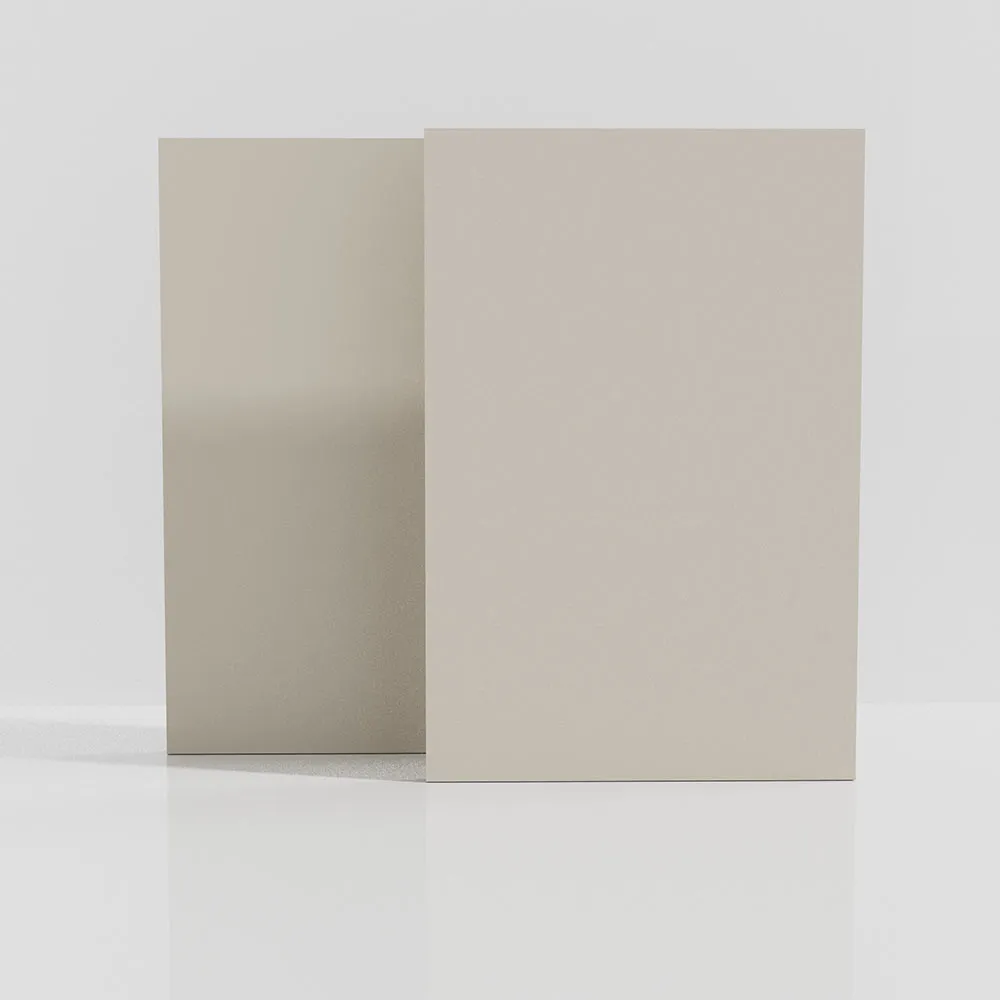
Finding the Right plywood supplier: Insights from the Industrial Floor
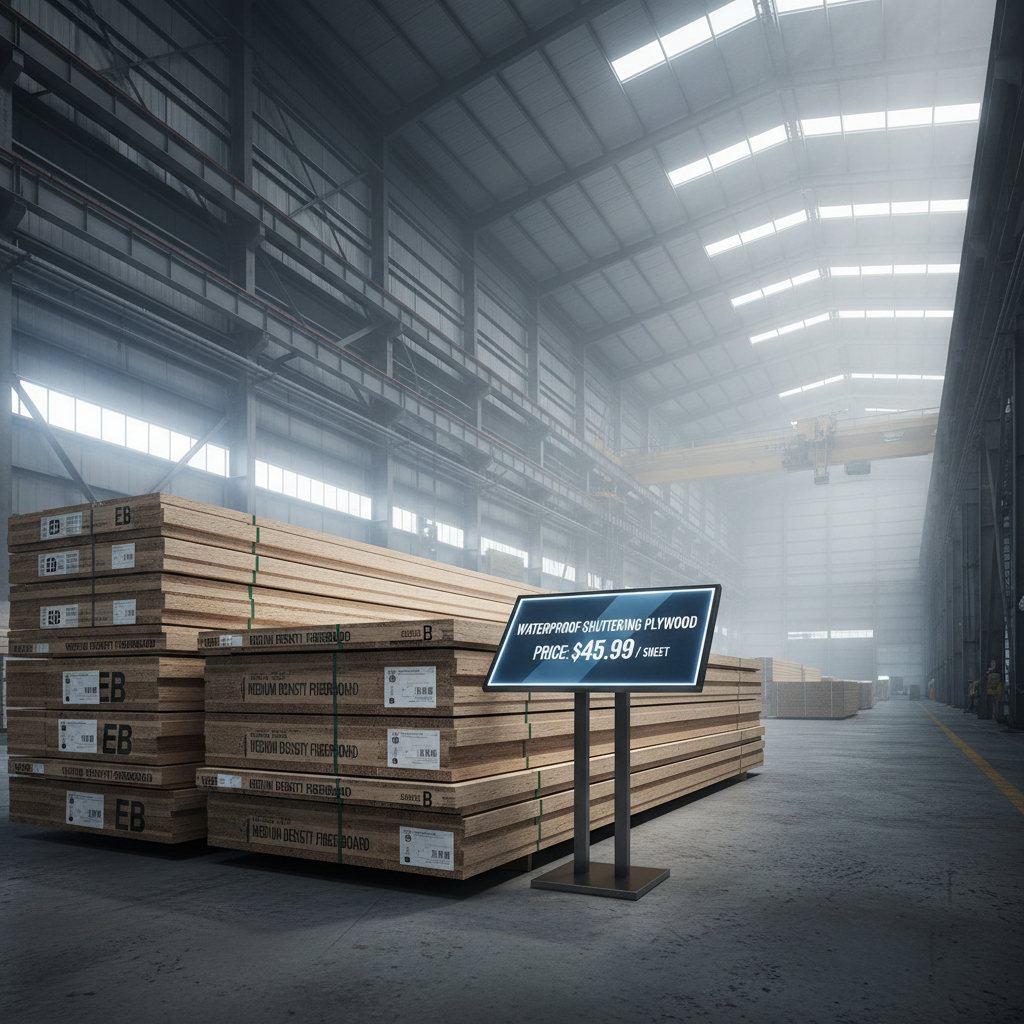
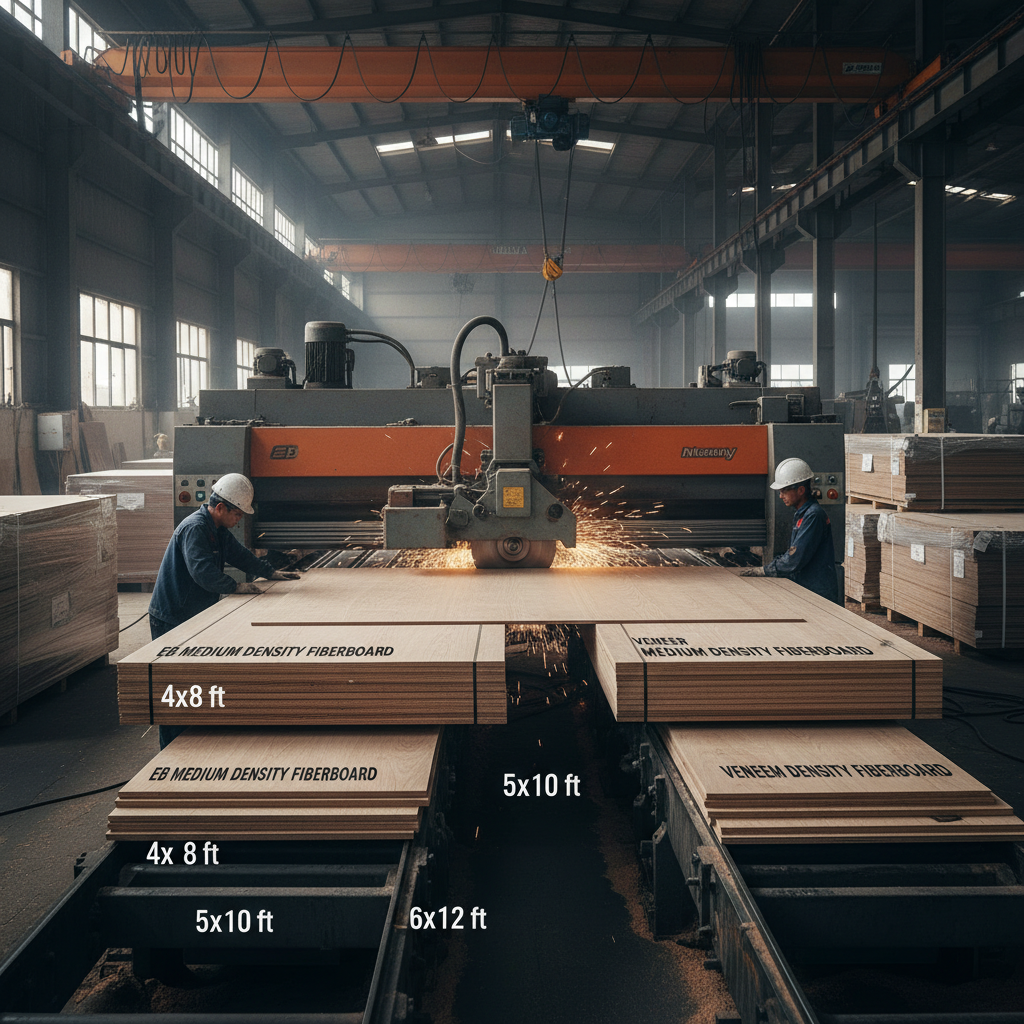
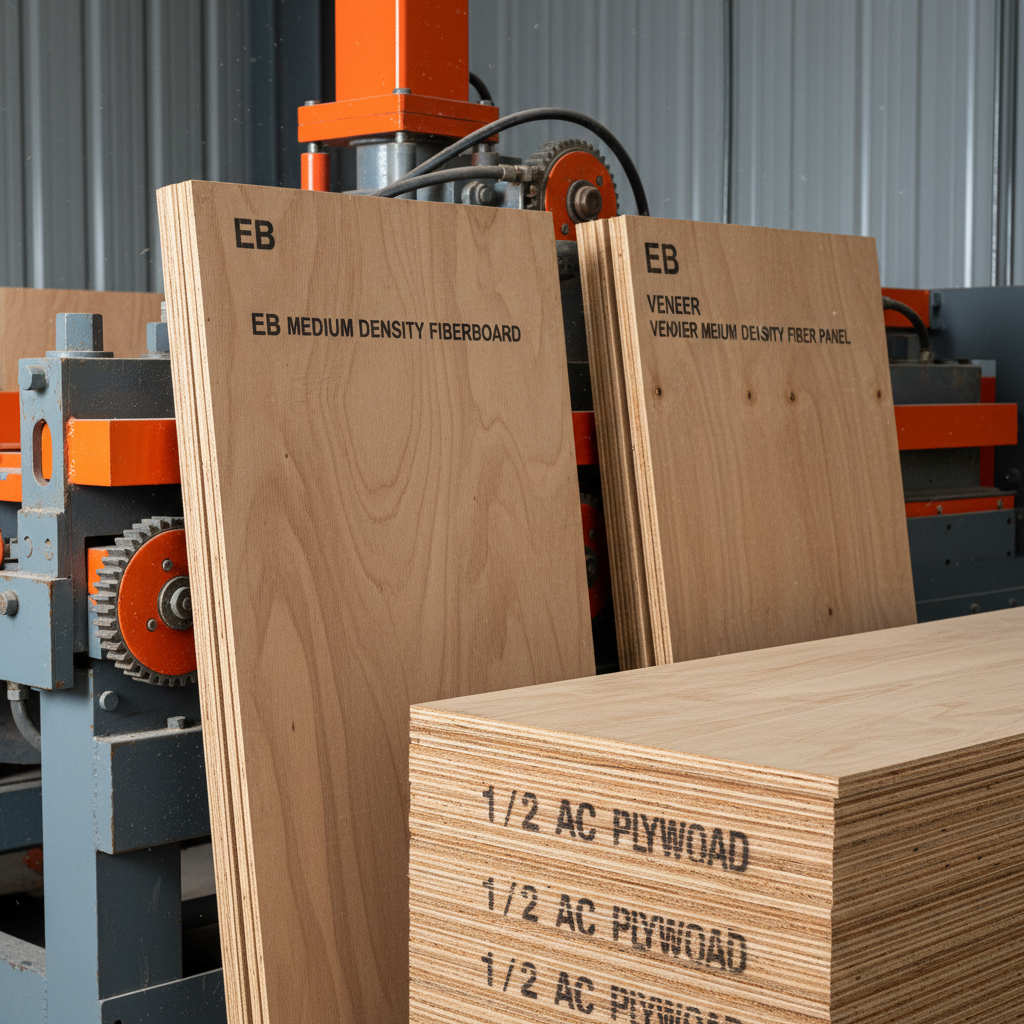
Having spent a good chunk of my career trudging through warehouses, inspecting wood sheets, and negotiating deals with plywood suppliers, I can say the process isn’t always straightforward. You’d think plywood is plywood — sheets of pressed wood, right? Well, not exactly. In real terms, the quality, type of veneer, adhesive used, and how the plywood is treated can make or break your project, whether you’re building furniture, flooring, or industrial fixtures.
When sourcing plywood, it’s crucial to look beyond the surface. Oddly enough, many suppliers offer a dazzling array of grades and classifications — stuff that might confuse newcomers but really helps in customizing the material based on specific needs. For example, if you’re after something moisture resistant for outdoor or industrial environments, you’d probably want to specify MR or even marine-grade plywood.
The supplier’s capability to provide consistent quality is a big deal. I recall one project where the plywood began warping just months after installation — fairly typical if the sheets weren’t properly dried or the adhesive wasn’t up to industrial standards. Over the years, I’ve learned that having open dialogue with your supplier about details like veneer thickness, core bonding, and treatment options is a smart move.
Typical Product Specifications at a Glance
| Specification |
Details |
| Material Type |
Poplar, Birch, Pine, Eucalyptus |
| Grade |
A, B, C, D (varies by usage) |
| Glue Type |
Phenol-formaldehyde (weatherproof), Urea-formaldehyde |
| Thickness Range |
3 mm to 25 mm (custom options often available) |
| Treatment |
Water-resistant, Fire-retardant, Anti-termite |
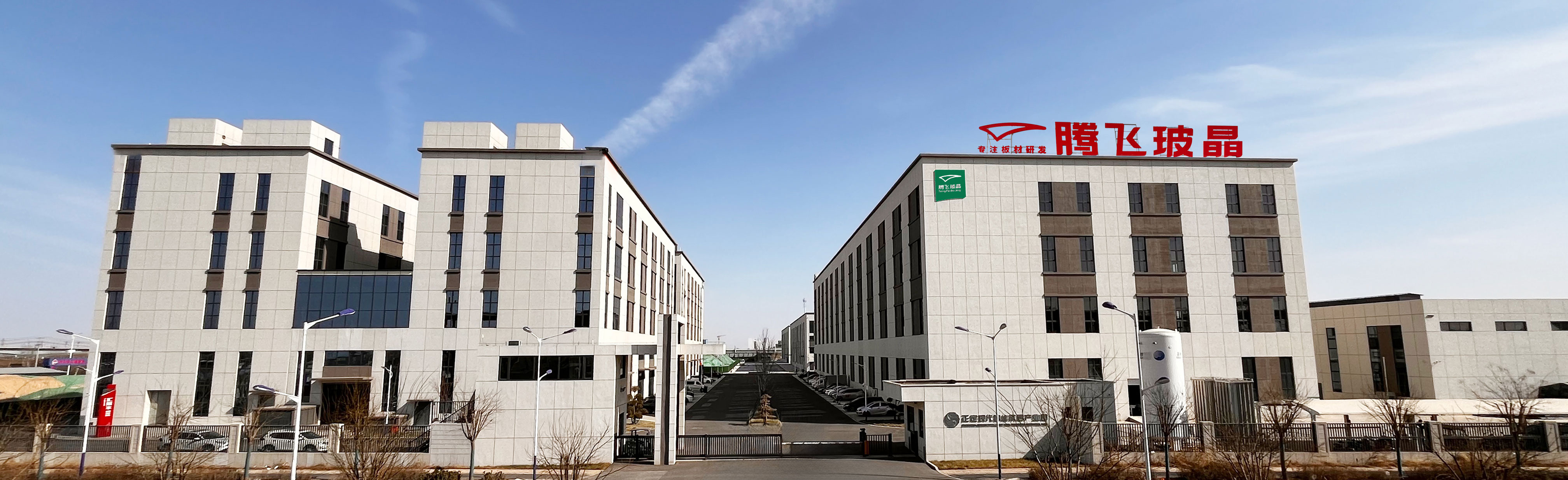
One thing many folks overlook is how well the supplier stands behind their product. For instance, Tengfei — a name that’s popped up often in my projects — not only offers competitive prices but also has strict quality control and flexible customization. I suppose that comes from years of producing plywood with focus on export standards and industrial applications. You want a supplier that leaves no room for ambiguity or surprises. Frankly, that peace of mind is worth the slight premium.
Comparing Top Plywood Suppliers
| Supplier |
Range of Grades |
Customization |
Certifications |
Typical Applications |
| Tengfei |
A, B, MR, Marine |
Thickness, Treatment |
ISO 9001, CARB Phase 2 |
Furniture, Construction, Packaging |
| Supplier B |
B, C, MR |
Limited |
ISO 14001 |
Interior Paneling, Flooring |
| Supplier C |
C, D |
No |
None |
Packaging, Temporary Structures |
Speaking of customization, one story stuck with me: a mid-sized manufacturer once needed a special plywood with enhanced fire resistance but had limited budget and tight deadlines. Tengfei’s team worked closely with them, tweaking glue and thickness specs, delivering just in time. That kind of responsive service isn’t just luck — it’s built on expertise and solid process controls.
In the end, finding the right plywood supplier is about balancing quality, price, and reliability. There’s often a slight tradeoff, but if you dig in and ask the right questions, it pays off in less downtime, fewer defects, and a better end product. I’ve seen the surprising impact of seemingly small details — like veneer grain consistency or adhesive type — and I suppose that’s why I still enjoy this work, after all these years.
Here’s to strong boards and even stronger partnerships.
References:
1. Wood Construction and Standards Manual, 2022 Edition
2. Industrial Wood Products Journal, Vol. 15, 2023
3. Interview notes with Tengfei supplier relations team, 2024


![[PU705] – Advanced Sensor for Industrial Automation Solutions](https://images.exportstart.com/images/a1394/1-4531.webp "[PU705] – Advanced Sensor for Industrial Automation Solutions")