Plywood Wholesale Suppliers: What to Expect and Look For
Having spent over a decade in the industrial equipment sector, I've noticed plywood wholesale suppliers often operate in a sort of behind-the-scenes way, yet they're absolutely critical to so many industries—from construction to furniture making. If you’re in the market for bulk plywood, knowing what lies under the surface (no pun intended) can save you headaches and boost your projects’ success.
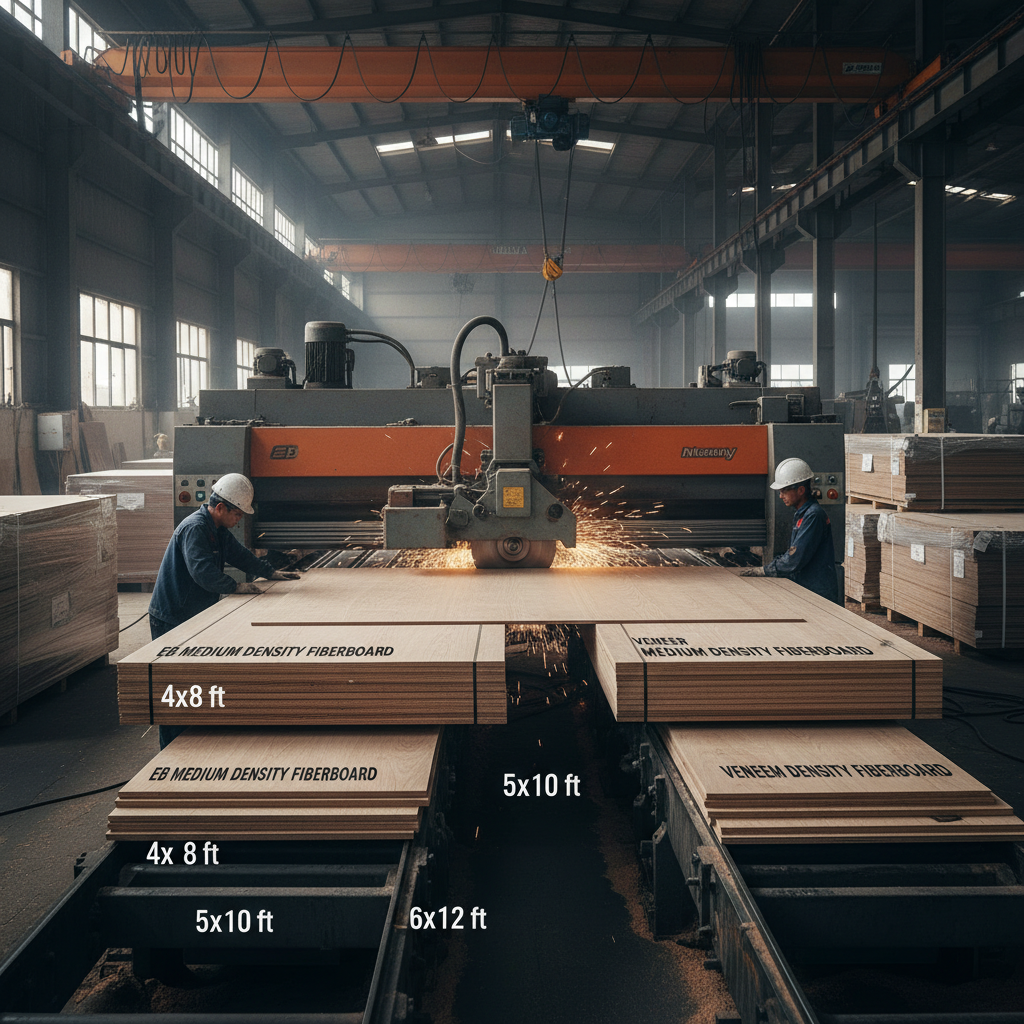
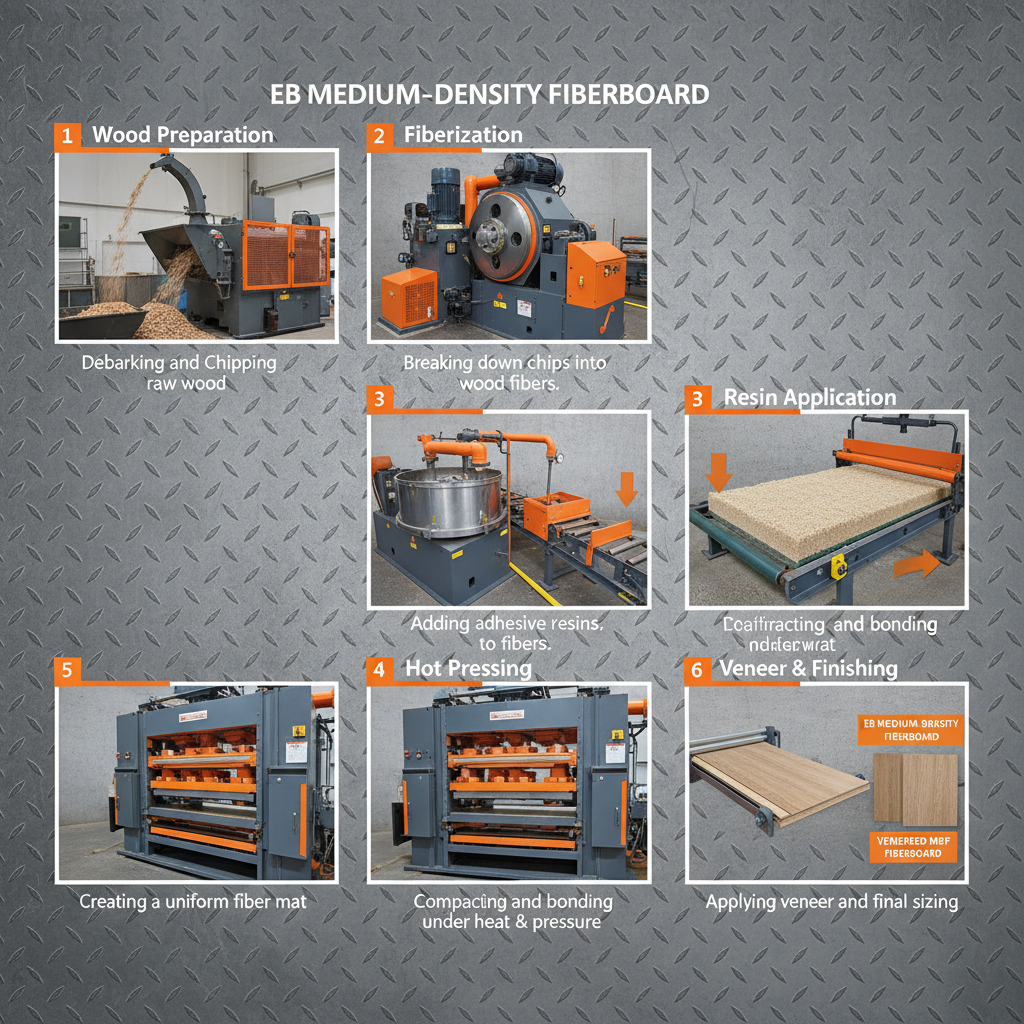
Frankly, plywood is more complex than it appears at first glance. It’s not just wood sheets glued together; it’s layers, adhesives, treatments, and precise engineering. Oddly enough, the quality can vary widely depending on the supplier, their sources, and manufacturing processes. For example, the type of wood veneer—whether softwood like pine or hardwood like birch—makes a huge difference in durability and finish.
I recall a commercial client who once struggled with subpar plywood that warped too easily under humid conditions. Turns out the supplier they picked cut corners with adhesives and didn’t apply proper moisture sealing. That’s why I always recommend understanding the specs and testing standards suppliers follow before making bulk purchases.
Understanding Plywood Product Specs
When evaluating plywood wholesalers, it helps to pay attention to a few key product specifications. Here’s a quick rundown:
| Specification |
Typical Range |
Why It Matters |
| Thickness |
3mm – 25mm |
Determines strength and suitability for structural or finishing use |
| Core Type |
Block, veneer, or MDF |
Impacts rigidity, weight, and resistance to warping |
| Surface Grade |
A (best) to D (lowest) |
Controls appearance and finish quality, crucial for visible parts |
| Moisture Resistance |
Standard, exterior-grade, marine-grade |
Ensures durability in different environments |
| Certifications |
FSC, CARB, CE |
Guarantees environmental standards and safety compliance |
Many engineers I've talked to emphasize the importance of moisture resistance and certification — especially if you're supplying to a market with strict regulations. Remember, plywood might be cheap, but mistakes cost more.
Comparing Plywood Wholesale Suppliers
Now, when it comes to choosing between suppliers, I’ve learned to weigh factors beyond price alone. Timely delivery, product consistency, and customer service are crucial. Here’s a simplified comparison of common types of plywood wholesalers I’ve encountered over the years:
| Supplier Type |
Strengths |
Potential Downsides |
| Large Established Wholesalers |
Reliable inventory, certifications, variety |
Higher minimum orders, price premiums |
| Regional/Niche Suppliers |
Personalized service, niche products, flexibility |
Variable stock, sometimes inconsistent quality |
| Direct-from-Manufacturer Vendors |
Competitive pricing, custom orders, updated specs |
Longer lead times, less customer service in some cases |
One time, partnering with a direct manufacturer helped one of my clients tailor plywood thicknesses just right for a custom cabinetry line — something that wasn’t possible with big wholesalers with fixed stock. That kind of flexibility can make or break projects that require precision.
In real terms, I think it’s wise to develop relationships with multiple types of suppliers. You want consistency but also somewhere to go when a particular project demands different specs or volume variations. And, oddly enough, suppliers that take the time to understand your needs often become trusted allies rather than just vendors.
Before I wrap up, it’s worth noting that environmental impact is becoming non-negotiable. FSC certifications and formaldehyde emission standards are now table stakes in many markets. Make sure your plywood wholesale supplier shares your commitment to sustainability—not just for marketing, but because future projects increasingly require green credentials.
If you want to explore some solid options for plywood wholesale suppliers, you might like to check out Tengfei Plywood — I've seen their range and approach firsthand, and their products often strike a good balance between quality and price, plus they comply with common certification standards.
To me, wood feels more than a building material — it’s a living part of the project. And hunting down the right supplier ensures that part stays as strong and beautiful as you want it.
Good luck out there — sourcing plywood wholesale is often a journey, but a worthwhile one.
References:
- Forest Stewardship Council (FSC) Certification Overview
- American Plywood Association guidance on grades and applications
- Industry reports on plywood moisture resistance and market trends, 2023