Understanding 15mm MDF Board Price: Why It Matters Globally
If you've ever browsed DIY or construction materials, you've probably come across MDF boards — Medium Density Fiberboard, to be precise. The 15mm MDF board price might seem like a detail only trade pros obsess over, but it’s actually a surprisingly global topic. Why? Because MDF boards are a keystone material in furniture making, interior design, and even humanitarian construction efforts around the world. Getting a handle on price can spell the difference between affordable housing projects in developing regions or just another expensive luxury item. It’s the kind of thing that quietly shapes industry decisions and consumer options alike.
On a global scale, MDF production and pricing reflect not just raw material availability but broader economic conditions and supply chain pressures. Keeping tabs on the 15mm mdf board price means understanding geopolitics, forestry sustainability, and trade tariffs — plus the small details that, say, an architect in Scandinavia or a cabinetmaker in Brazil really want to know.
Why the Price of 15mm MDF Boards Is More Than Just Numbers
According to the International Trade Centre, global wood panel consumption continues rising steadily, driven by construction booms in Asia and Africa. Meanwhile, plywood shortages in North America and Europe force manufacturers to lean harder on MDF alternatives. That means pricing — especially for popular specifications like the 15mm thickness — is a hot topic.
But here’s the rub: MDF isn’t just about cost-efficiency. It speaks to quality, environmental impact, and even social responsibility. Imagine, for example, efforts by organizations to build modular shelters using MDF panels after natural disasters — price directly affects how many shelters get built, and how quickly.
What Does '15mm MDF Board Price' Really Mean?
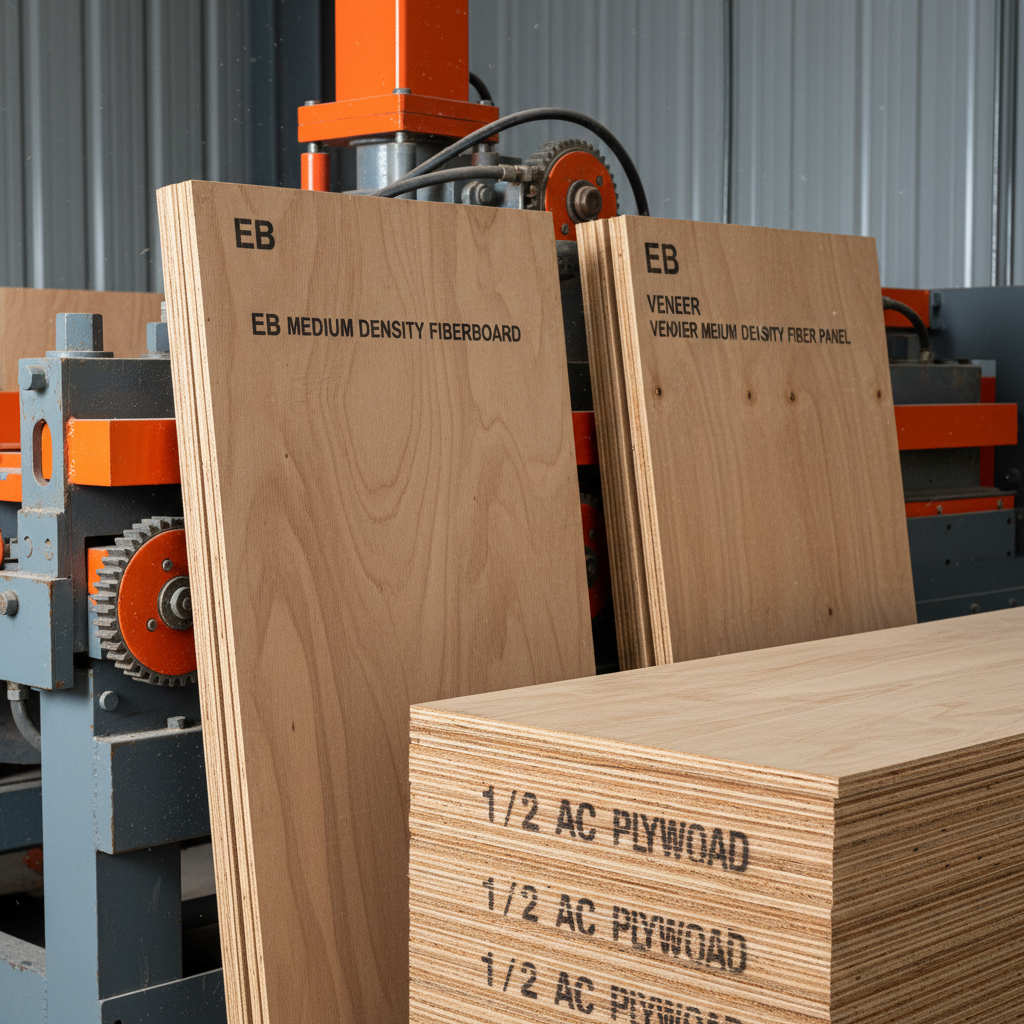
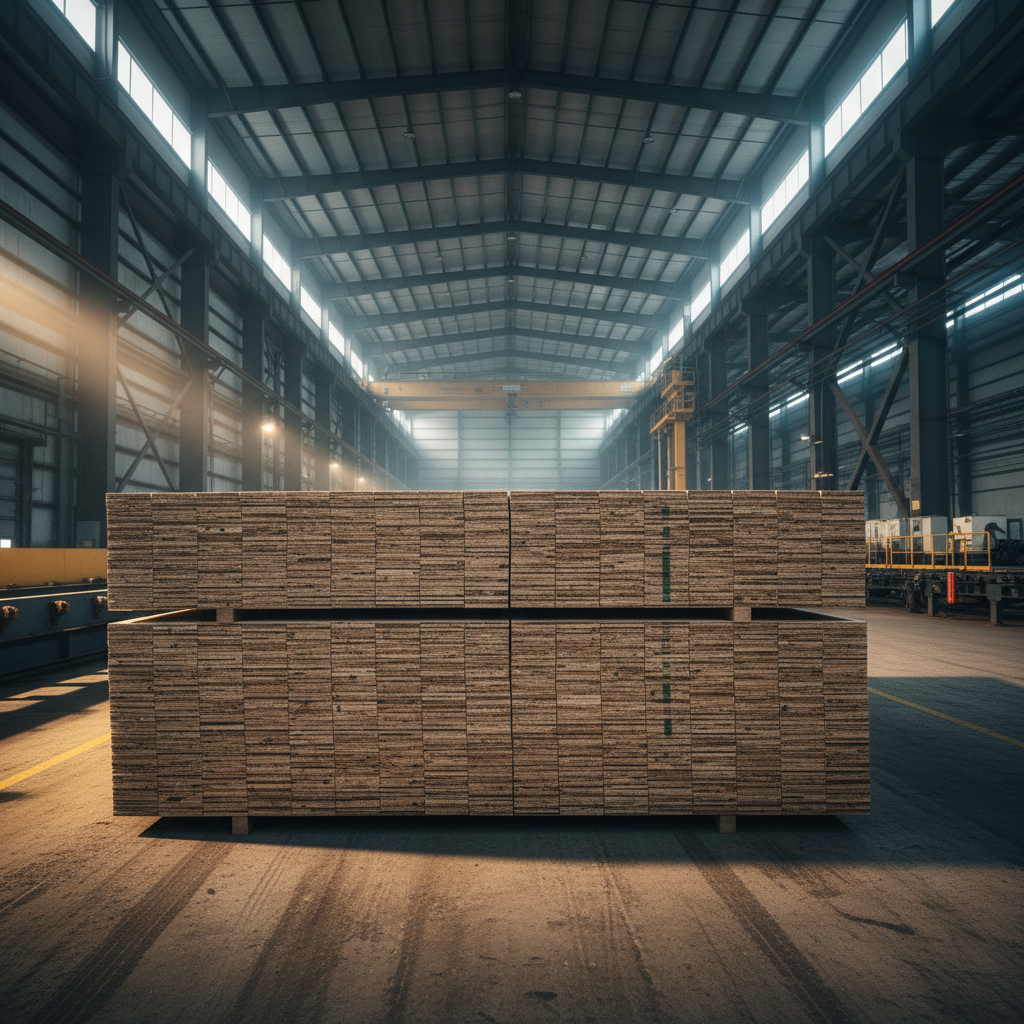
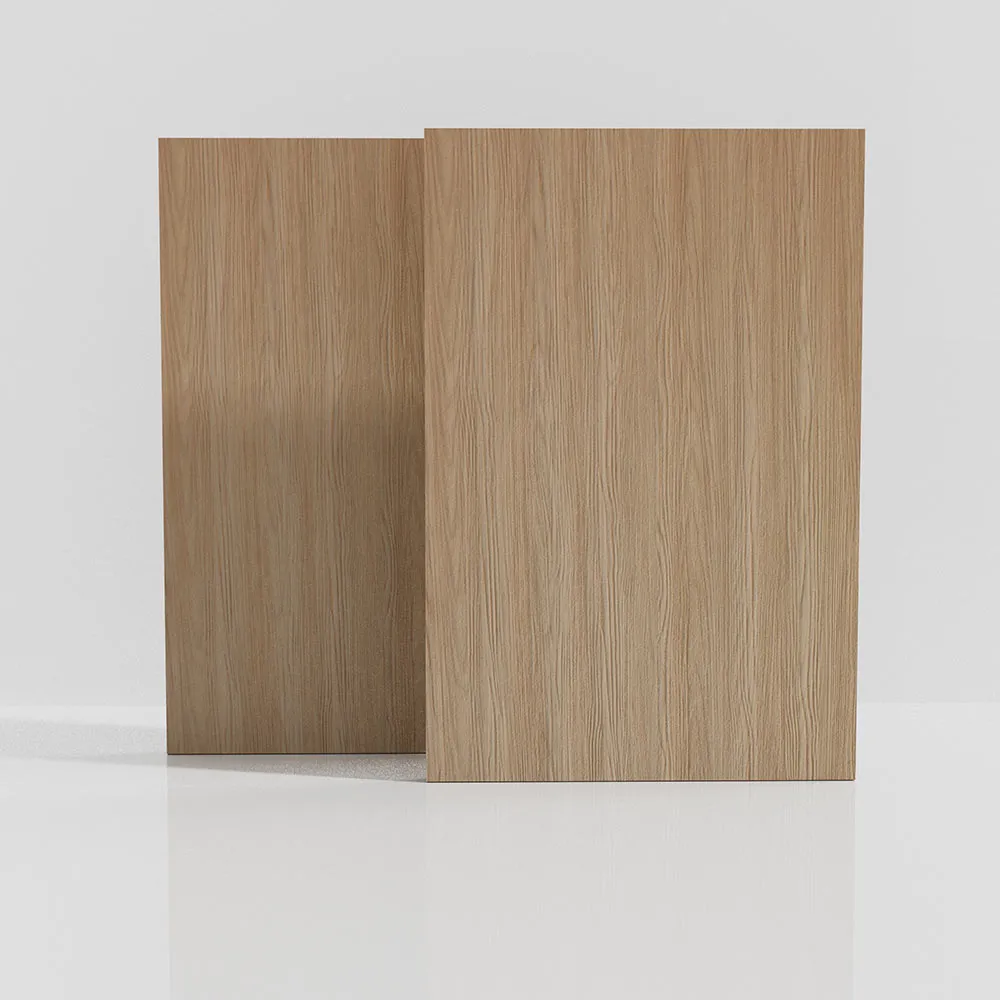
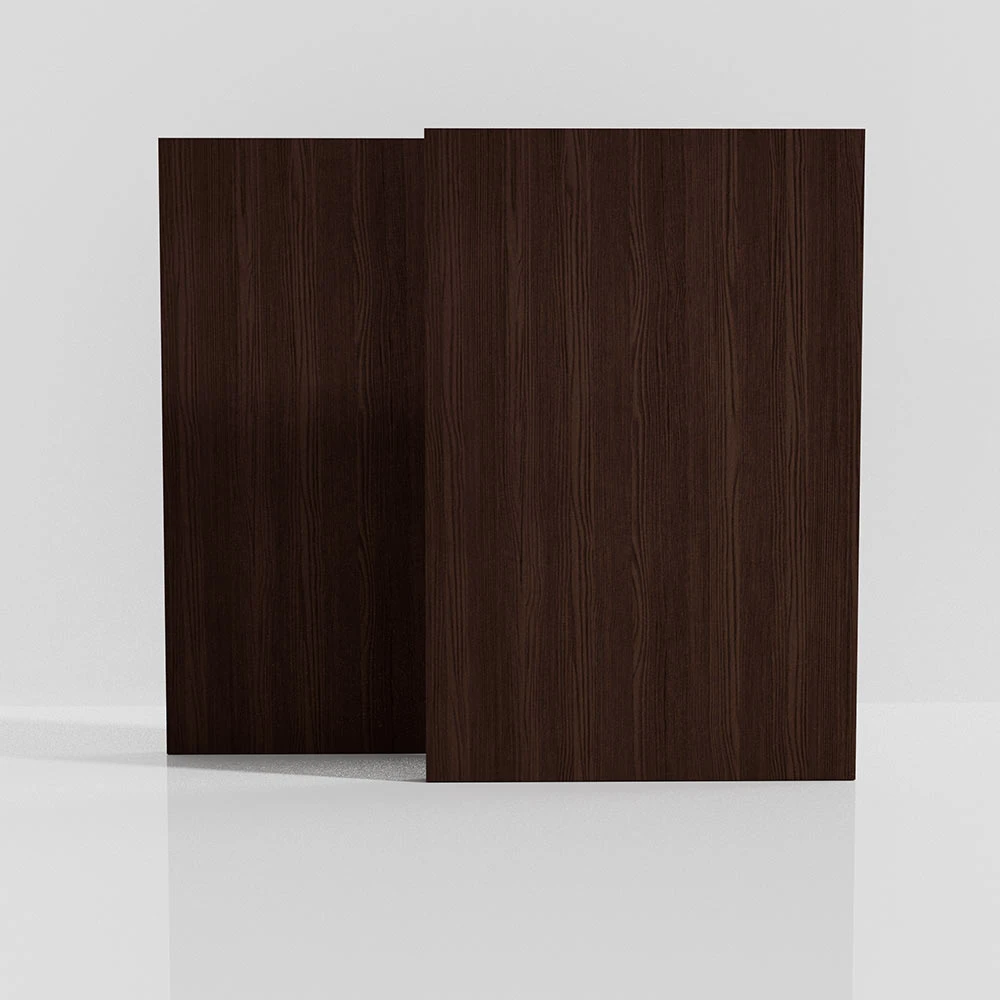
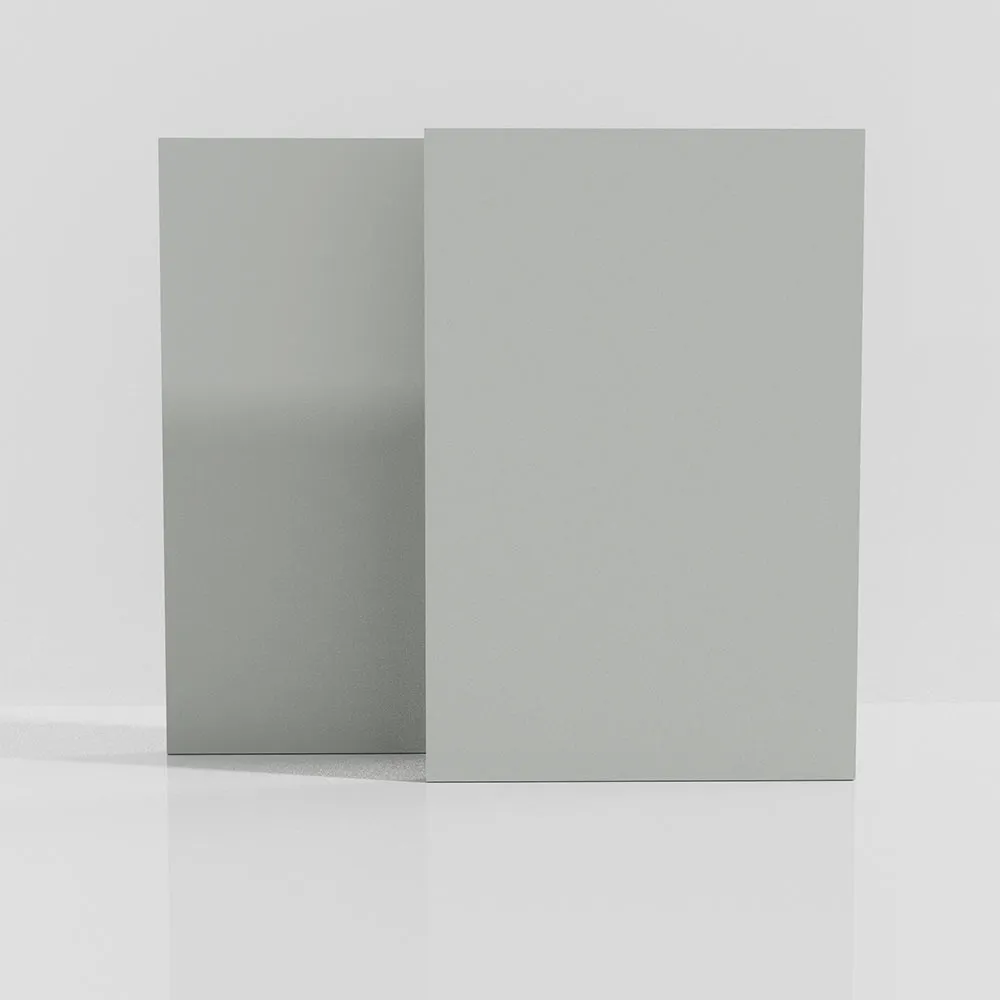
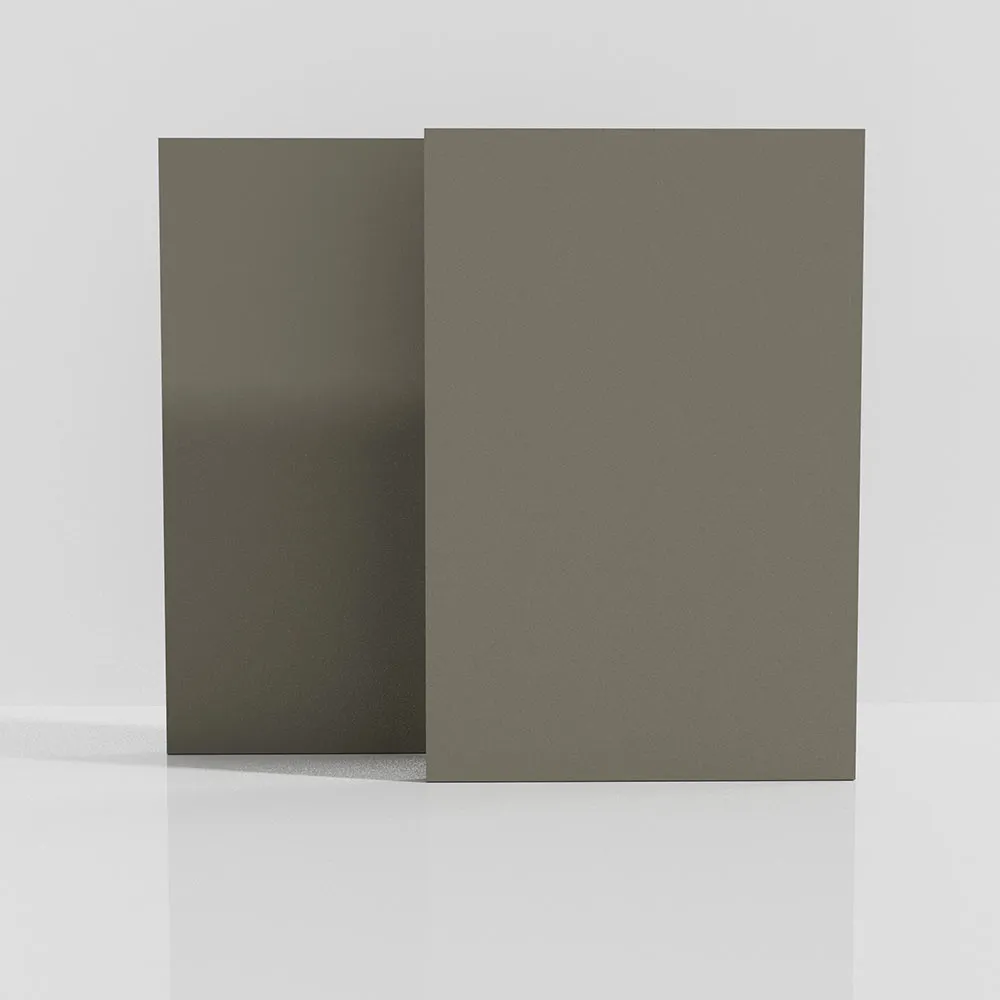
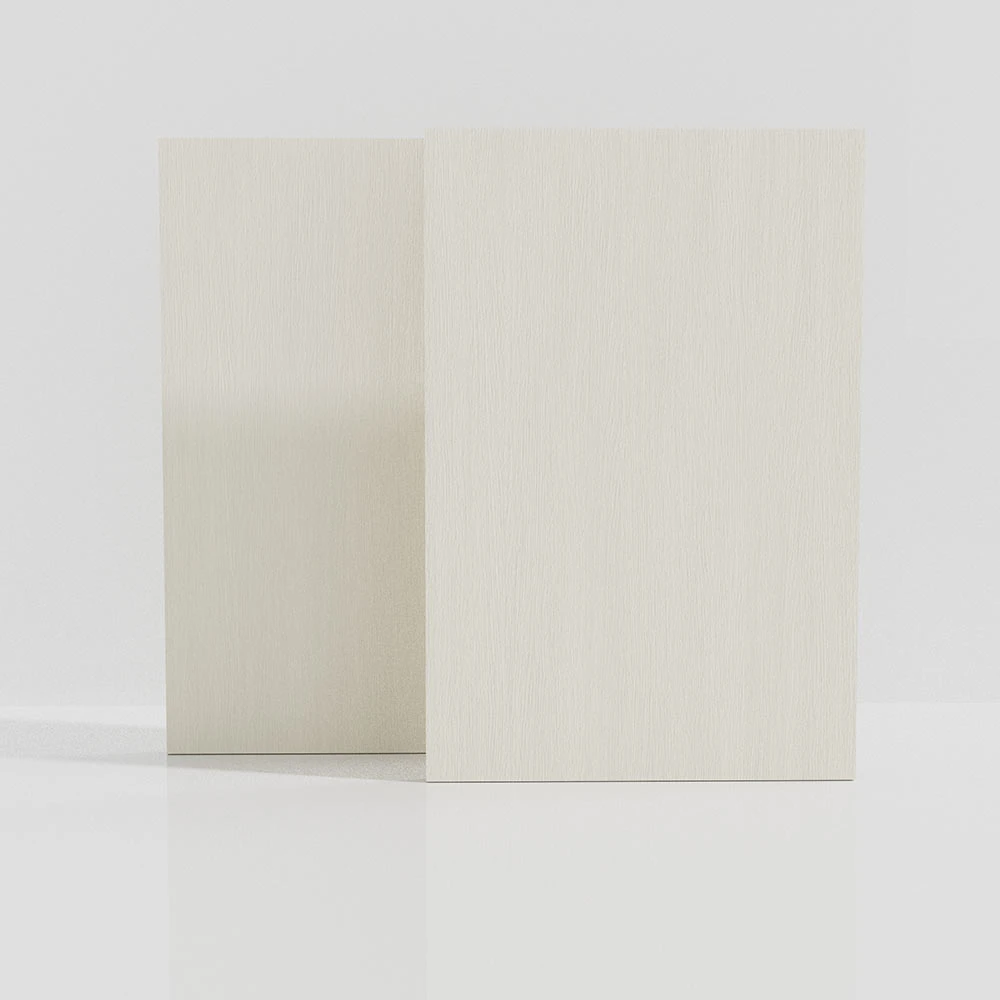
Simply put, the “15mm MDF board price” is the cost per unit (usually per sheet) of a Medium Density Fiberboard that is 15 millimeters thick. MDF itself is engineered from wood fibers glued under heat and pressure — a kind of wood-based composite that’s smoother and more uniform than particleboard, but typically less expensive than solid wood.
15mm is a sweet spot thickness: thick enough to handle structural tasks like shelving or furniture panels, and thin enough to remain lightweight and manageable. Because of this, pricing for 15mm MDF often sets a benchmark for other thicknesses.
In industries, this price point helps project managers calculate budgets for everything from store fixtures to school desks — and even temporary walls in exhibition halls or creative office spaces.
Mini Takeaway:
- The 15mm MDF board price ties deeply into manufacturing, construction, and disaster relief supply decisions worldwide.
- It is a key figure that balances affordability with usability in multiple sectors.
Core Factors Affecting 15mm MDF Board Price
1. Material Quality and Density
The grade of fibers and the resin quality used influence not just the board’s strength and smoothness, but its cost. Higher-quality resins or eco-friendly adhesives tend to drive prices up but deliver better durability — something many architects care about.
2. Thickness and Size Standardization
While 15mm is a common spec, tiny variations or oversized sheets can influence shipping costs and waste during cutting, which still affects the final price tag.
3. Manufacturing Location and Scale
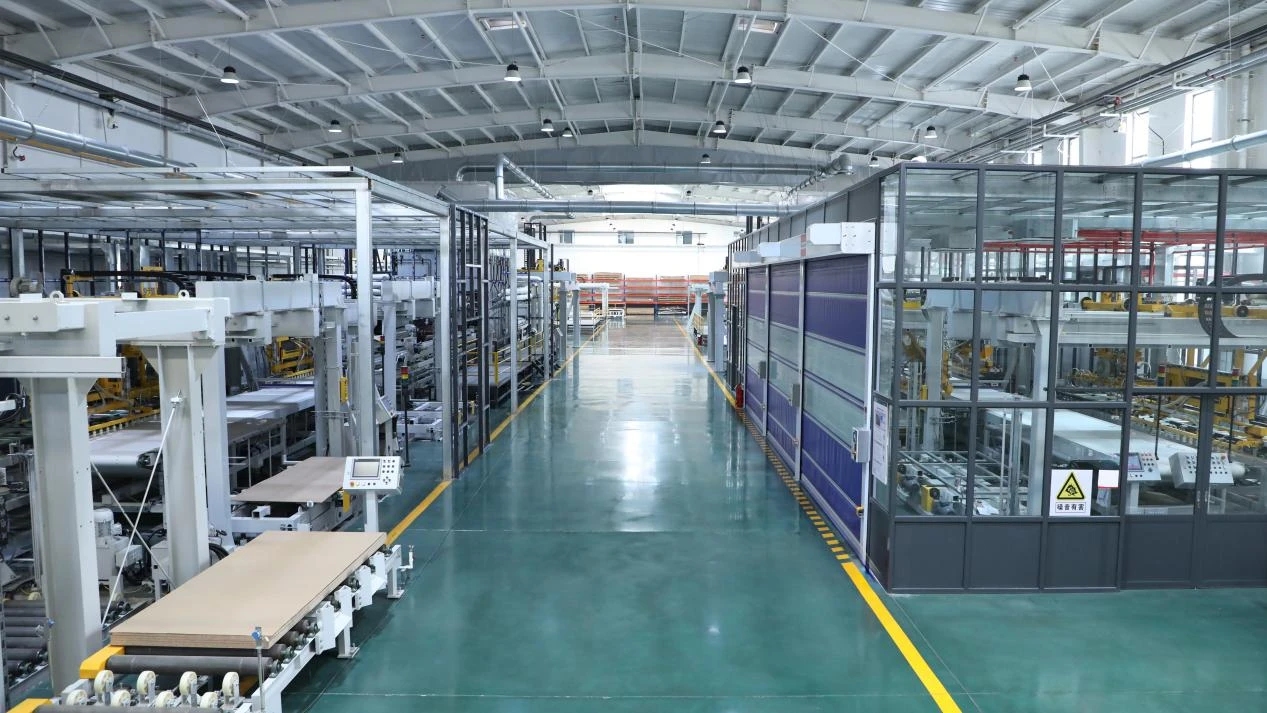
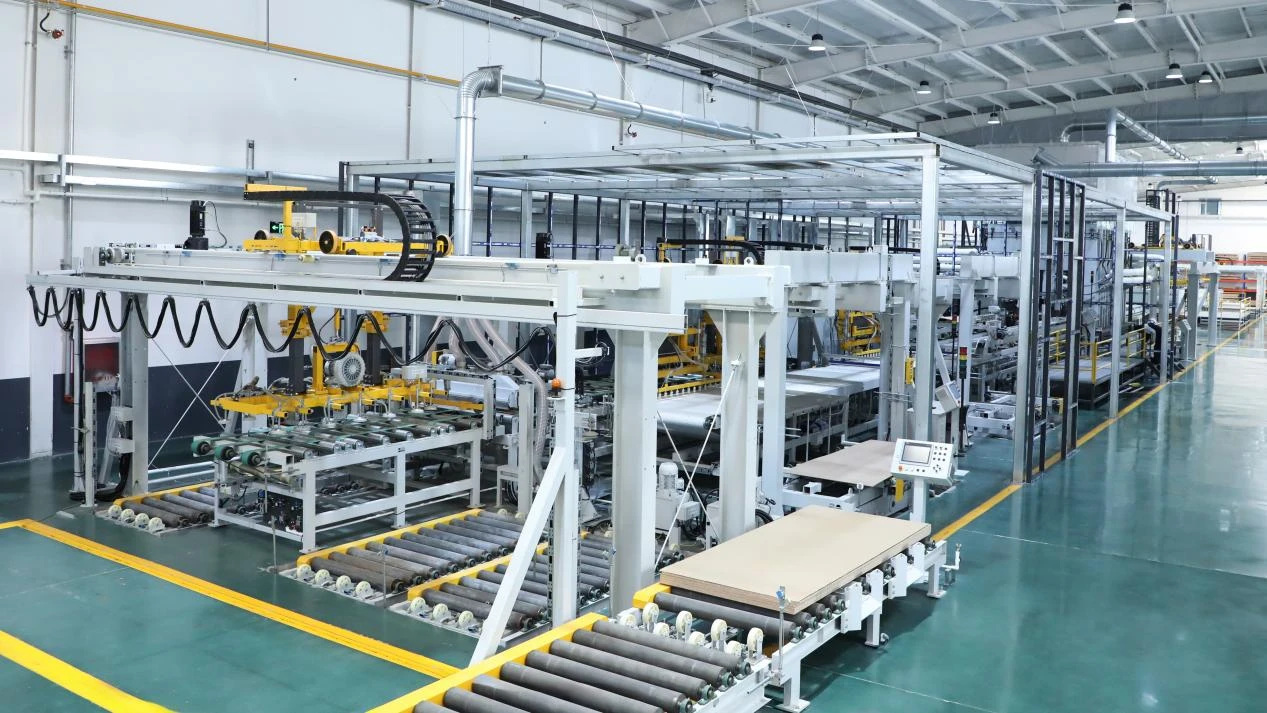
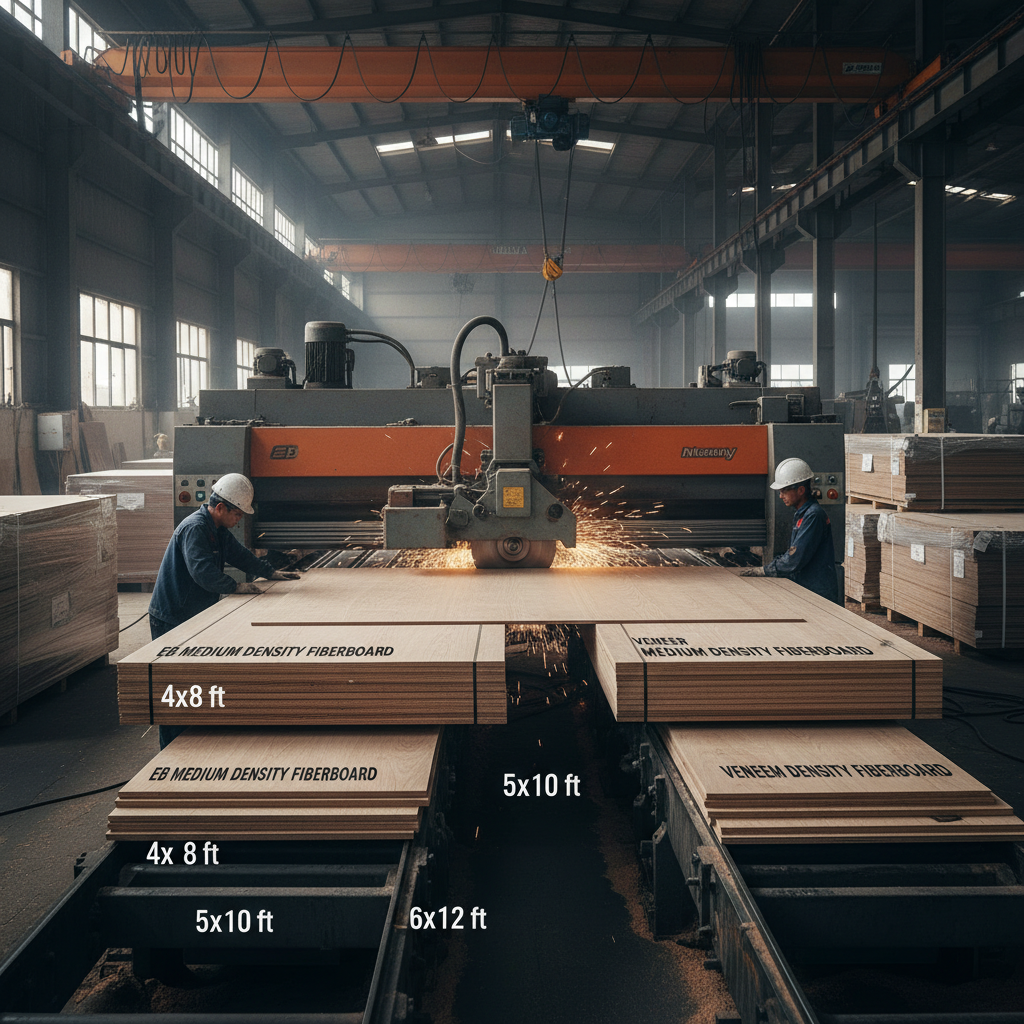
Local production often lowers costs, but many MDF sheets come from countries with cheap labor or forestry advantages — like China, Malaysia, or Brazil. Shipping logistics weigh heavily into the final buyer price, especially if supply chains are strained.
4. Environmental Certifications
Sustainability-minded buyers look for Formaldehyde-free or FSC-certified MDF, which can command higher prices but promise safer living environments.
5. Market Demand and Raw Material Costs
Wood fiber availability, energy costs, and economic cycles cause prices to fluctuate with demand. During building booms, prices can spike unexpectedly.
15mm MDF Board Typical Specifications
| Specification |
Description |
| Thickness |
15mm ± 0.5mm |
| Density |
700-800 kg/m³ |
| Size |
2440mm x 1220mm (standard sheet) |
| Surface |
Smooth, sanded both sides |
| Adhesive Type |
Urea-formaldehyde resin (varies with eco grades) |
| Application |
Furniture, cabinetry, wall paneling |
Global Use Cases of 15mm MDF Boards
From urban apartment makeovers in Europe to modular classrooms in Southeast Asia, 15mm MDF boards are everywhere. Industrialized nations love them for indoor uses — which require smooth finishes ready for paint or veneer.
Oddly enough, humanitarian groups also count on MDF for quick-assembly projects in refugee camps. The consistent thickness and relative lightweight quality make it ideal for building partitions, furniture, and temporary shelters that need to be practical but inexpensive.
In Latin America, small woodworking shops rely heavily on regionally priced MDF to craft affordable furniture, helping local economies sustain themselves — especially in rural areas.
Vendor Comparison: 15mm MDF Boards
| Vendor |
Origin |
Price Range (USD/sheet) |
Eco Certification |
Typical Delivery Time |
| Tengfei MDF |
China |
$12 - $15 |
FSC, E0 formaldehyde |
7-14 days |
| Greenwood Panels |
Germany |
$18 - $22 |
FSC, CARB Phase 2 |
5-10 days |
| Amazon MDF |
Brazil |
$10 - $14 |
No formal cert |
10-20 days |
What Are the Advantages and Long-Term Value of 15mm MDF Boards?
Well, the cost speaks for itself — MDF boards typically come cheaper than solid wood or plywood alternatives. But there’s more: their consistency ensures less waste, the smooth surface means finishing is easier, and the durability makes the boards last through years of wear and tear in indoor environments.
Emotionally, you could say they represent smart investment decisions — whether you’re a homeowner or a large contractor. They allow makers to deliver quality while also maintaining price competitiveness, which keeps customers happy without cheapening the brand.
Looking Ahead: Trends and Innovations in MDF and Pricing
The sustainability wave is impacting the MDF market hard. Expect prices for 15mm MDF boards with greener certifications to rise but, frankly, many buyers welcome that trade-off. New binders like bio-based resins promise to cut formaldehyde emissions, while automated milling and better quality control reduce production cost over time.
Digitally, manufacturers are deploying AI-driven quality checks — meaning less material rejection and better inventory forecasting. All this could temper price volatility in coming years, which would be a welcome relief for planners.
Challenges and Expert Solutions in Managing MDF Board Prices
Supply chain interruptions are the elephant in the room. The recent global shipping slowdowns, lumber shortages, and sudden demand spikes cause price swings that frustrate buyers and sellers alike.
Experts recommend forward contracts and developing local MDF manufacturing hubs to mitigate this. They also suggest engaging with certified suppliers who prioritize transparency on pricing and material sourcing — because, honestly, you want your MDF board price to have a story, not just a number.
FAQ: What People Really Want to Know About 15mm MDF Board Price
- Q: How does the 15mm MDF board price compare with other thicknesses?
- A: Generally, 15mm MDF boards are moderately priced — thicker boards cost more due to raw material volume, thinner ones less. But 15mm often strikes a balance between structural strength and cost-efficiency.
- Q: Is eco-certified MDF significantly more expensive?
- A: Yes, typically about 10-20% higher in price than non-certified MDF, but the benefits include reduced emissions and safer indoor air quality.
- Q: Can I import 15mm MDF boards for commercial projects internationally?
- A: Absolutely. Many suppliers like Tengfei specialize in exports worldwide, but you should consider tariffs, shipping costs, and lead times to get the best price.
- Q: How stable is the 15mm MDF board price in times of global supply chain disruption?
- A: Prices can fluctuate sharply during crises like COVID-19 or geopolitical conflicts. Forward planning and supplier diversity can help mitigate risks.
Closing Thoughts: Why Staying Informed About 15mm MDF Board Price Pays Off
Knowing the ins and outs of the 15mm MDF board price is more than just a budgeting exercise. It’s about understanding a material that quietly supports industries, innovations, and even humanitarian work worldwide. From craftsmanship to classrooms, the humble MDF board tells a bigger story about resource use, sustainability, and smart purchasing.
Curious to explore more or get a quote? Visit our website at https://www.tengfeiebmdf.com — where transparency meets quality.
Key References
- International Trade Centre (ITC): Global Wood Panel Market Report
- Wikipedia: Medium-density fibreboard
- Forest Stewardship Council (FSC) Certifications