Understanding 22mm MDF Board Price: Why It Matters in Today’s Market
At first glance, “22mm MDF board price” might sound like just another shipping label in the building material world. But in reality, it holds a key role in furniture, construction, and renovation industries globally. Medium-density fiberboard (MDF) with a thickness of 22mm has carved out a niche by balancing sturdiness with affordability. Getting savvy about its price fluctuations and the factors behind them is more than a budgeting exercise — it’s about making smarter choices for durability, sustainability, and cost-effectiveness.
For anyone sourcing raw materials or managing projects that depend heavily on wood composites, a grasp on 22mm MDF board price trends means staying one step ahead of market surprises. In this article, we'll dive into why the price of this specific MDF thickness matters, what drives its costs, and how it fits into the bigger picture of global manufacturing and environmental responsibility.
Global Perspective: How 22mm MDF Board Price Reflects Industry Dynamics
Globally, the wood-based panel industry is an enormous beast — according to the Food and Agriculture Organization (FAO), the production of wood panels exceeds millions of cubic meters annually. MDF accounts for a substantial slice because it’s versatile and economical. Specifically, 22mm MDF boards are the go-to thickness for cabinetry, flooring substrates, and even exhibition stands.
However, the World Bank data underscores a recurring challenge: raw material availability, logistics, and energy costs are highly volatile. That’s a direct hit on MDF prices worldwide. When we talk about 22mm MDF board price, we’re usually referring to a metric that not only mirrors the cost of fiber and resin but also the underlying economic tremors.
The challenge? Striking a balance between affordability to keep products competitive and maintaining board quality, especially in regions where regulations and environmental standards might differ.
What Is 22mm MDF Board Price, Anyway?
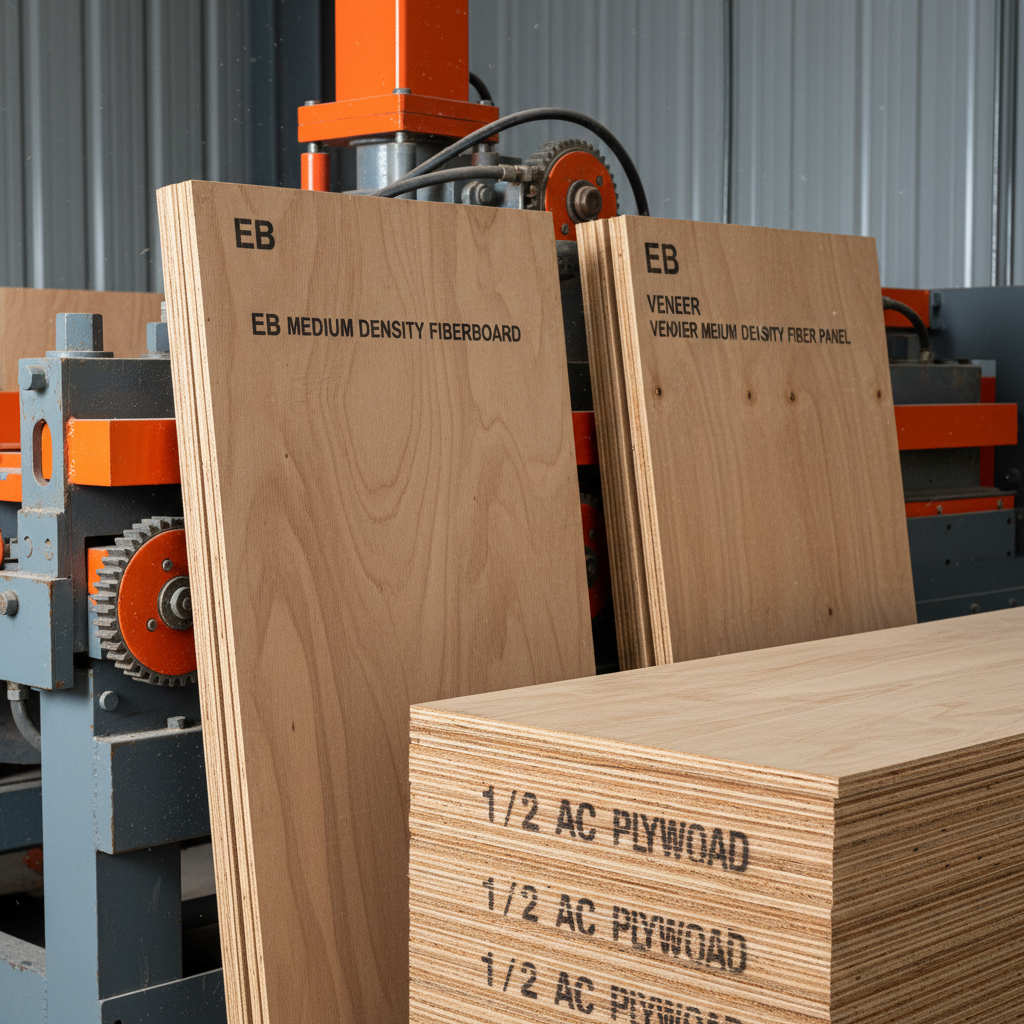
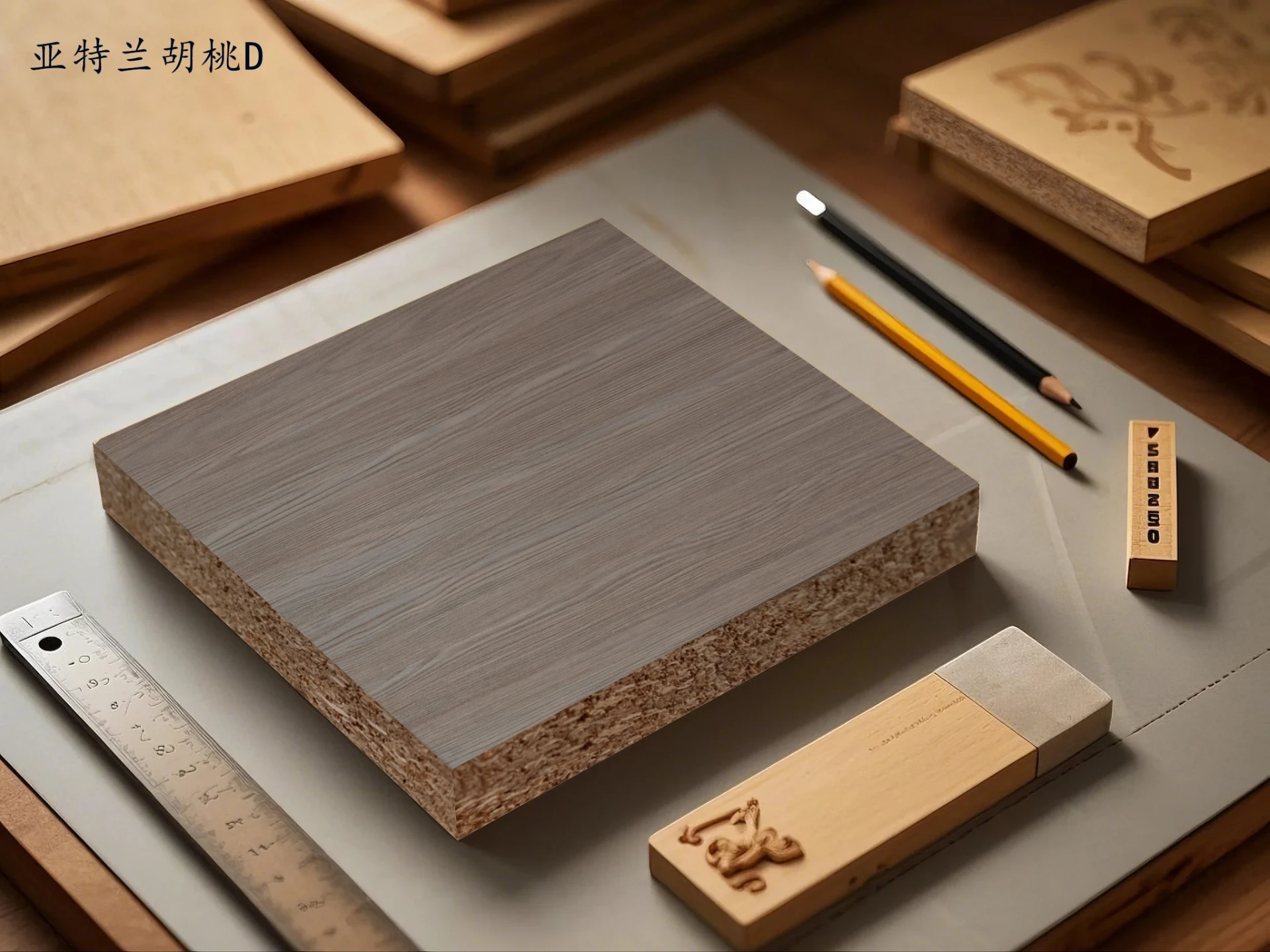
Let’s get simple: 22mm MDF board price is the market cost for a medium-density fiberboard panel exactly 22 millimeters thick. MDF is engineered from wood fibers blended with wax and resin, compressed under heat. This 22mm thickness is popular because it offers a sturdy yet workable panel ideal for structural and finishing applications.
Why does the price of the 22mm thickness matter? Because thickness affects strength, weight, and ultimately usability. Higher or lower gauges come with different price tags — but 22mm often hits a “sweet spot.” This price often influences budgets across woodworking shops, construction firms, and even humanitarian projects that require quality yet affordable material.
Key Factors Affecting 22mm MDF Board Price
1. Raw Material Quality and Supply
The core ingredient is wood fibers, mostly sourced from fast-growing softwoods or recycled wood chips. If supply chains are disrupted due to weather or trade issues, expect prices to spike.
2. Manufacturing Technology & Efficiency
Advances in pressing and resin application improve product consistency but might increase costs initially. Conversely, automation can lower labor expense, reflecting in a more stable 22mm MDF board price.
3. Resin and Chemical Components
The price and quality of adhesives can vary widely, particularly due to environmental regulations tightening formaldehyde emissions. That also nudges the final price.
4. Transportation & Logistics
MDF’s density means shipping is weight-sensitive. Global fuel prices and port fees often influence the delivered 22mm MDF board price — something many overlook until the bill arrives.
5. Market Demand & Competition
Regions with booming construction or furniture industries (think Southeast Asia or Eastern Europe) show more volatile pricing due to demand surges.
Mini takeaway: The 22mm MDF board price is a product of many moving parts—from raw wood fibers to the final doorstep delivery—reflecting both technology and global economics.
Practical Uses: Where 22mm MDF Boards Shine Globally
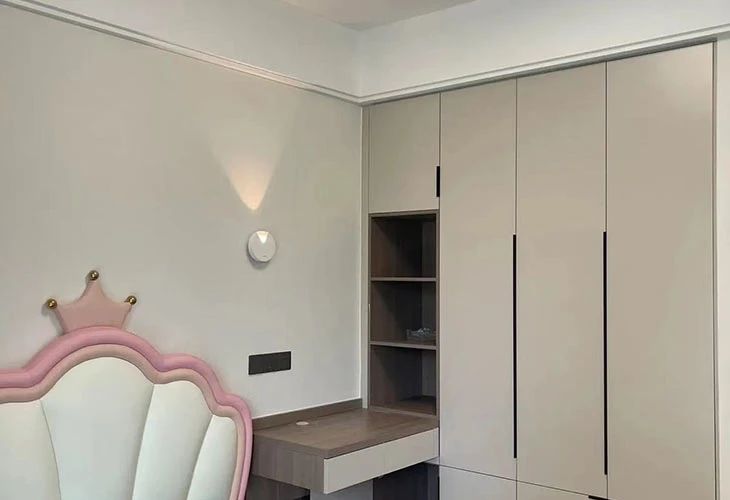
You find 22mm MDF boards in everything from kitchen cabinets in American suburbs to display panels in European trade shows and even makeshift housing interiors in urgent humanitarian setups. In fact, because it’s easy to cut, paint, and assemble, NGOs in disaster-hit zones sometimes prefer it for temporary shelters and furniture.
Industries benefiting include:
- Furniture manufacturing (desks, shelves, wardrobes)
- Interior design and decorative paneling
- Construction: subflooring and wall sheathing
- Exhibition and trade fair booth fabrication
- DIY projects and craftwork worldwide
Regions like China, India, and Brazil dominate MDF production, influencing the global 22mm MDF board price due to their output volume and export policies.
22mm MDF Board Specification at a Glance
| Specification |
Detail |
| Thickness |
22 mm (0.87 inch) |
| Density |
650–800 kg/m³ |
| Surface Finish |
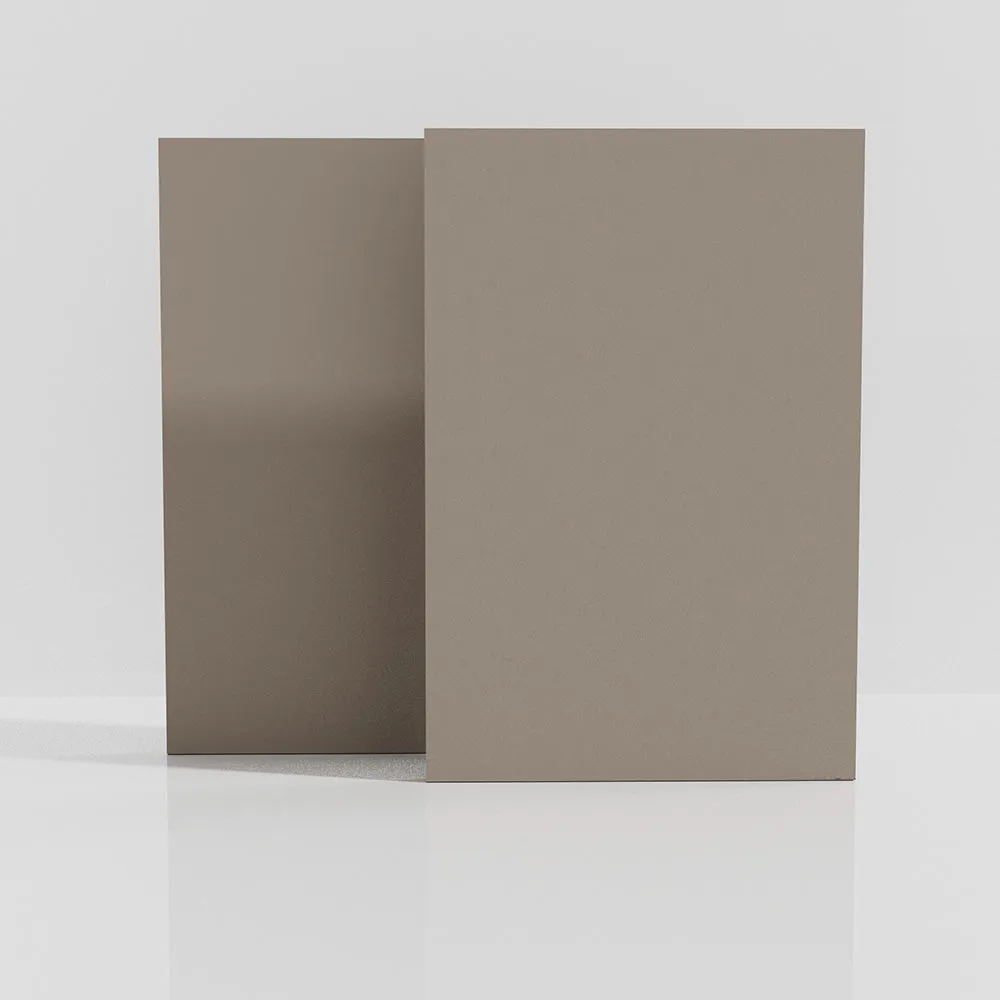
Smooth, suitable for painting/lamination |
| Typical Uses |
Furniture, cabinetry, wall panels, flooring substrate |
| Dimensional Stability |
Low expansion, low warping under humidity |
For detailed cost breakdowns and market offers, always check up-to-date sources such as 22mm mdf board price.
Comparing Leading Vendors of 22mm MDF Boards
| Vendor |
Price per Sheet (4x8 ft) |
Lead Time |
Certifications |
Eco Rating |
| Tengfei MDF Corp. |
$22 - $25 |
2 weeks |
ISO 9001, CARB Phase 2 |
High |
| GlobalWood Ltd. |
$20 - $23 |
1 week |
FSC Certified |
Medium |
| EcoFiber Panels |
$25 - $28 |
3 weeks |
ISO 14001, E0 Grade |
Very High |
Advantages and Long-Term Benefits of Opting for 22mm MDF
It’s not just the cost that makes 22mm MDF boards attractive. This thickness provides the right balance between robustness and ease-of-use — meaning manufacturers and DIYers feel confident creating furniture or components designed to last. There’s also the sustainability angle: many MDF manufacturers now incorporate recycled wood fibers, reducing reliance on virgin timber.
Emotionally, knowing your materials are engineered to emit low formaldehyde (a health concern) adds peace of mind, especially in homes and schools. Financially, the long-term savings in maintenance and replacement due to MDF’s dimensional stability stack up over time.
The Future of 22mm MDF: Trends & Innovations to Watch
Frankly, innovation is creeping in from several directions:
- Eco-friendly resins are replacing traditional adhesives, enabling lower VOC emissions.
- Digital cutting and CNC machining are improving precision, reducing waste in 22mm MDF crafting.
- Hybrid boards merging MDF with moisture-resistant properties, opening doors to exterior applications.
- Supply chain digitization helping buyers track to market better predict and mitigate price swings.
These trends mean the 22mm mdf board price may stabilize despite external pressures, or perhaps even become more favorable for end consumers.
Common Challenges & How the Industry Tackles Them
Of course, no story is complete without the bumps. MDF boards face challenges with moisture susceptibility (leading to swelling if unprotected) and weight. Moreover, inconsistent standards across countries can make quality unpredictable.
But the industry responds with:
- Better sealants and laminates that guard against water damage.
- Improved quality control and global certifications (e.g., CARB, FSC) ensuring safer products.
- Flexible logistics partnerships reducing delays and cost spikes.
FAQ: Your Top Questions About 22mm MDF Board Price
Q1: Why is 22mm MDF often more expensive than thinner options?
Thicker MDF boards like 22mm require more raw material and energy to produce, resulting in higher costs. They also offer greater strength, which adds value for many applications — so the price reflects the balance between material usage and performance.
Q2: How can fluctuations in 22mm MDF board price impact project budgets?
Because MDF prices depend on raw material availability and transport costs, sudden spikes can inflate budgets unexpectedly. Procuring materials in bulk or working with vendors offering fixed-rate contracts can help stabilize expenses.
Q3: Is 22mm MDF suitable for outdoor use?
Typically, MDF is not recommended for prolonged outdoor exposure because it absorbs moisture, swelling and weakening over time. However, specialized moisture-resistant MDF variants exist, though they come at a higher price.
Q4: How do I find reliable suppliers with fair 22mm MDF board prices?
Seek vendors certified by ISO, FSC, or CARB to ensure quality and safety. Also check delivery times, customer reviews, and whether vendors can provide material samples before purchase.
Mini takeaway: Knowing the ins and outs of 22mm MDF price dynamics not only helps control cost but also guarantees better material choices overall.
In Conclusion: Making the Most of 22mm MDF Board Price
The dance around 22mm MDF board price is a classic example of how raw materials, technology, environmental standards, and logistics mesh to shape our economy and environment. For anyone in construction, furniture, or design, understanding these price drivers isn’t just good sense — it’s crucial for sustainability and smart business.
So next time you’re budgeting or sourcing, remember there’s more to that 22mm MDF figure than meets the eye — and that knowledge is power.
Interested in competitive rates and high-quality boards? Check out 22mm mdf board price for the latest offers.
References
- FAO - Wood Panel Production Stats
- World Bank - Competitiveness and Supply Chains
- Wikipedia - Medium-density fibreboard