Add: No.8 Xinxing Street, North Zone, Zhengding High-tech Industrial Development Zone, Hebei, China
CONTACT US
+8615030171059


CONTACT US
+8615030171059
If you work in cabinets or contract furniture, you already know the white conversation never ends. One designer says “warm white,” the next wants “bright lab white.” To be honest, the real test is whether the edge matches the panel under daylight and office LEDs without drifting over time. That’s where Gum White has been quietly winning spec sheets for a while, especially in high-volume shops that need consistent batches and clean glue lines.
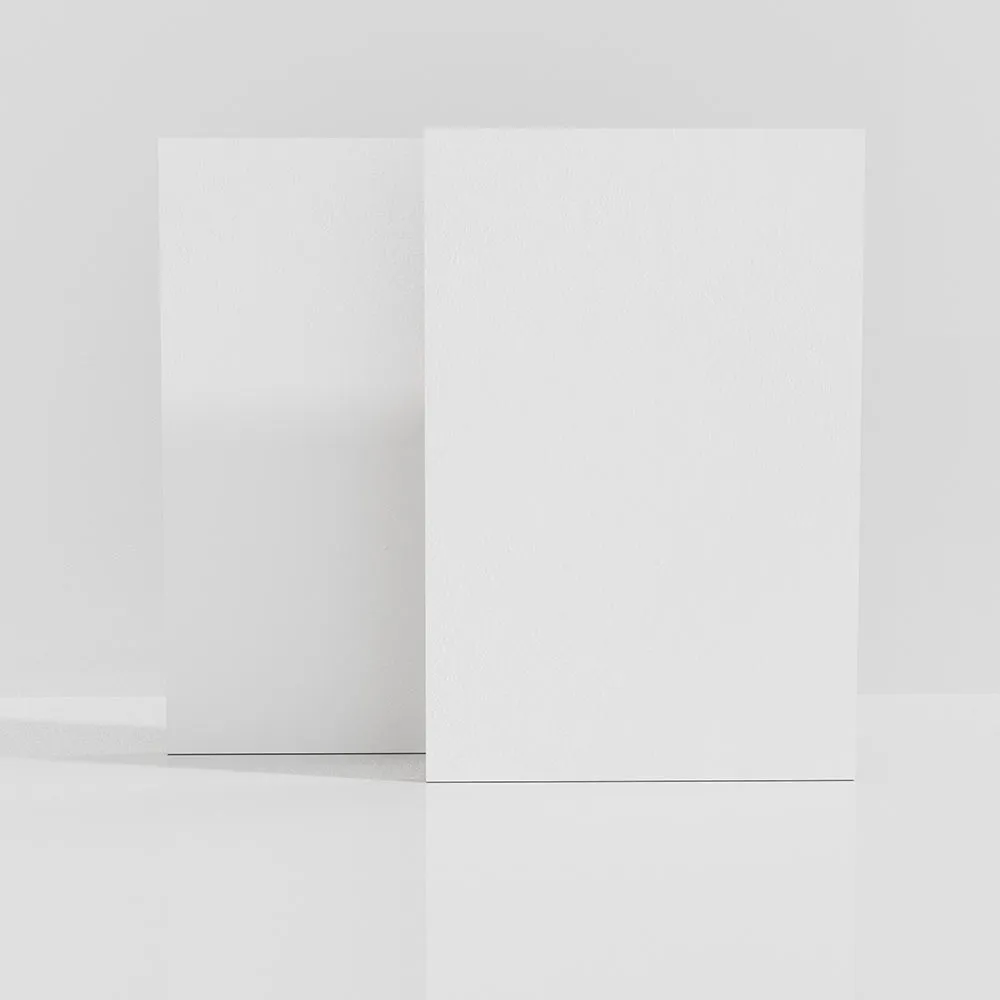
Gum White is a calibrated PVC/ABS edge banding tone favored for modern matte cabinets, retail fixtures, and office panels—places where a neutral, non-creamy white reads “clean” rather than “cold.” The trend? Low-gloss, fingerprint-hiding whites with tighter ΔE color tolerance across reorders. Many customers say it “just matches everything,” which—surprisingly—is a precise technical achievement, not luck.
| Parameter | Spec (≈ typical) | Notes |
|---|---|---|
| Base material | PVC or ABS | PVC for cost/versatility; ABS for higher impact/low VOC |
| Thickness | 0.4–2.0 mm | 0.6–1.0 mm common for casework; 2.0 mm for doors |
| Width | 12–60 mm | Custom slitting available |
| Color consistency | ΔE ≤ 0.5 | Measured against master chip; real-world may vary by light |
| Gloss | 5–20 GU (matte) | High-gloss option available |
| UV/Light stability | ISO 4892-2 pass (≈ 300 h) | Indoor use; reduces yellowing |
| Adhesion (primered) | High bond on MDF/particleboard | With EVA or PUR; process-dependent |
| Compliance | REACH, RoHS | Low heavy metals; Ca-Zn stabilizers |
At the Hebei facility—No.8 Xinxing Street, North Zone, Zhengding High-tech Industrial Development Zone, China—the team blends PVC resin, TiO₂ for the bright Gum White tone, CaCO₃ filler, and Ca-Zn stabilizers. The compound is extruded/calendered, textured (if needed), primer-coated for glue wetting, UV top-coated for scratch/soil resistance, then slit and boxed.
Testing includes: gloss and color (ΔE vs. master), light aging (ISO 4892-2), color fastness (ISO 105-B02), pencil hardness (ASTM D3363, indicative), peel/bond on MDF with EVA/PUR, and heat-cycle stability. Service life indoors is typically 10–15 years with normal cleaning; real-world use may vary with light and chemistry exposure.
| Vendor | ΔE Match | Lead Time | MOQ | Certs |
|---|---|---|---|---|
| Tengfei (Hebei) | ≤ 0.5 (typ.) | 10–15 days | ≈ 3,000 m/color | REACH, RoHS, ISO 9001 |
| Generic Import A | ≤ 1.0 | 20–30 days | 5,000 m | REACH |
| Regional B | ≤ 0.8 | 14–21 days | 2,000 m | RoHS |
Specify substrate (MDF vs. PB), glue type (EVA vs. PUR), target gloss, emboss pattern, and edge radius. Ask for a lab pull using your panel sample; many customers say the glue line practically disappears when primer and process are dialed in.
Note: Data are typical values from internal QA in controlled conditions; real-world performance depends on machinery, adhesives, and site conditions.
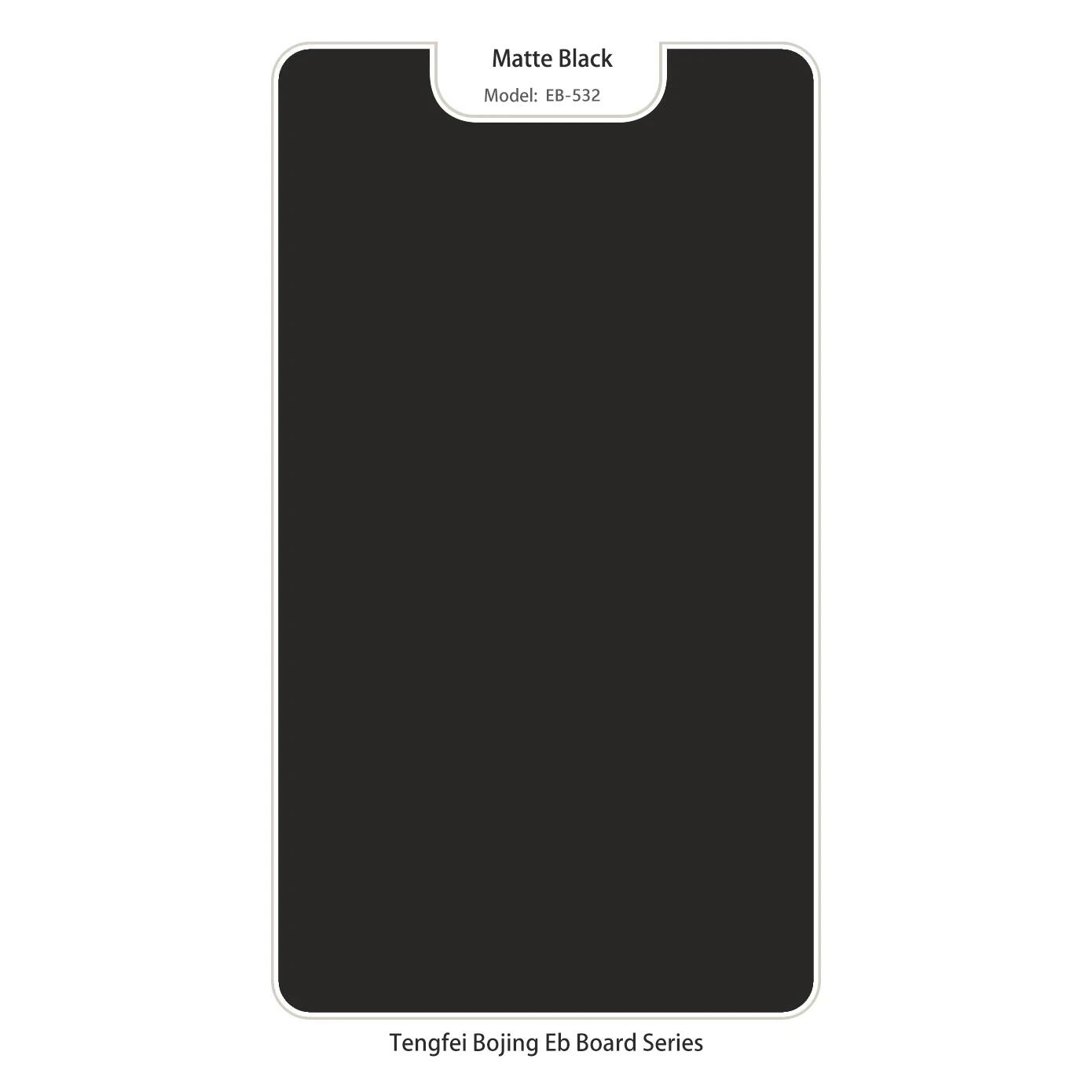
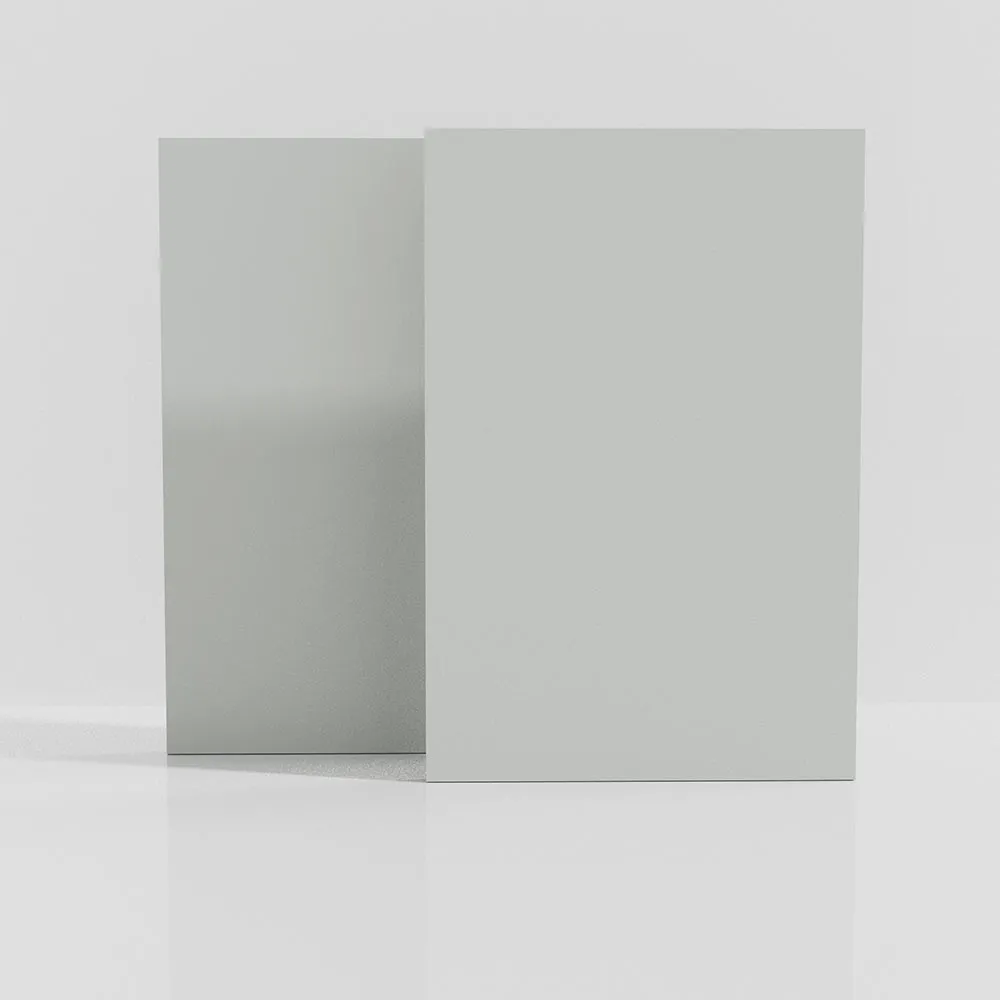
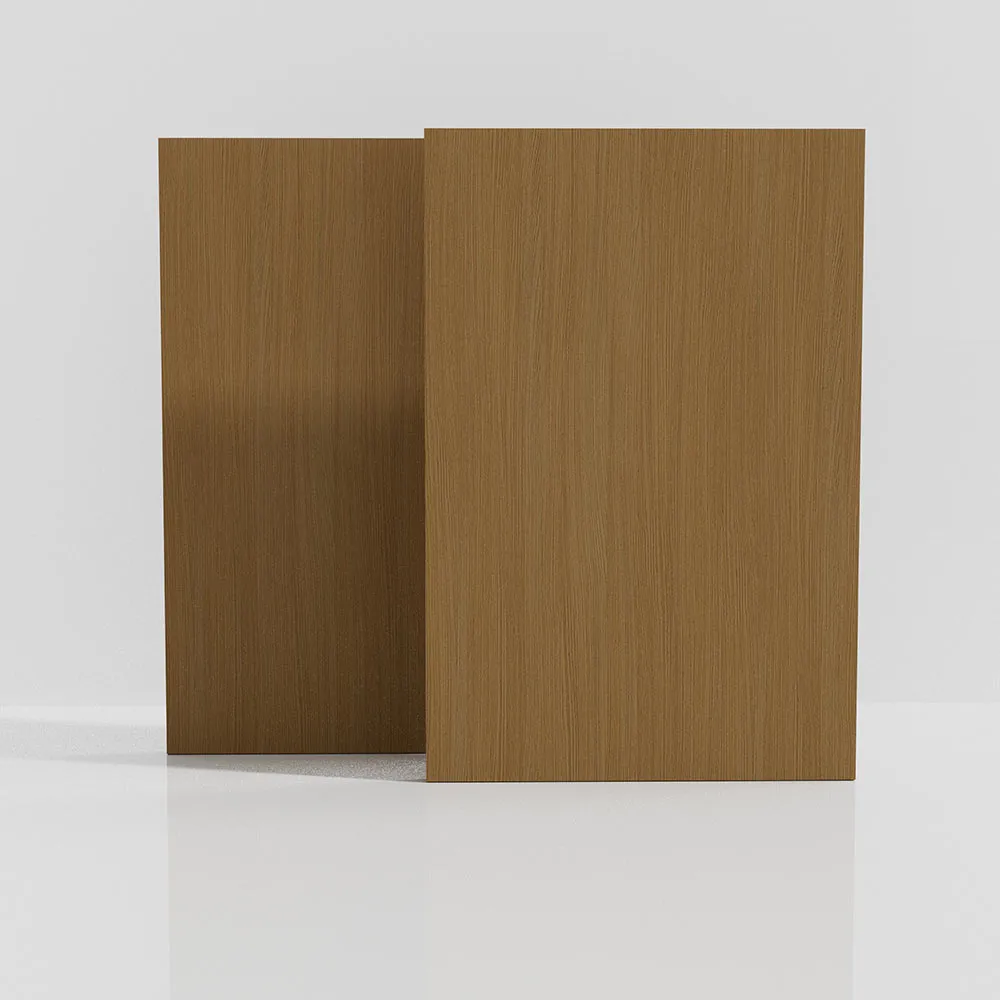
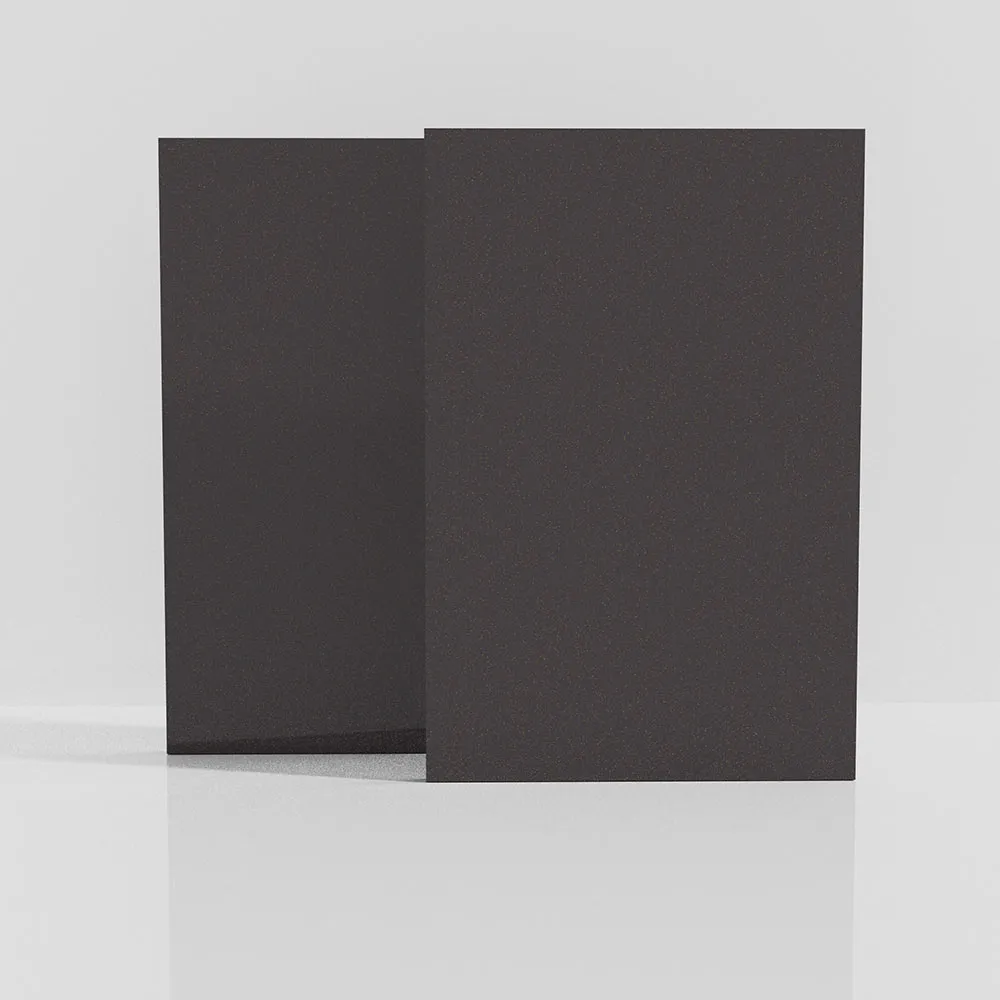
Tengfei Platinum EB Particle Panels - Matte Black
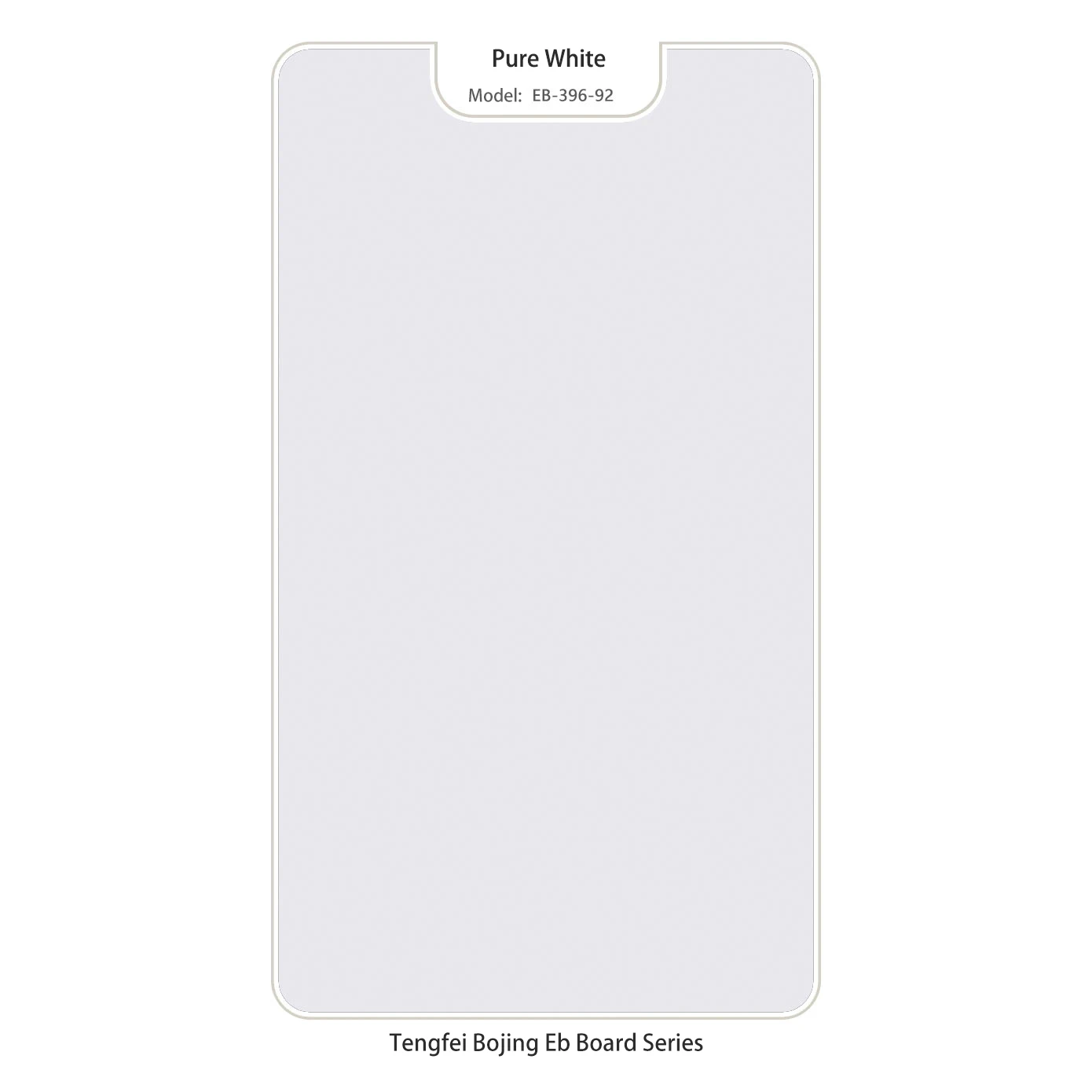
Tengfei Platinum EB Particle High-Gloss Panels - Pure white
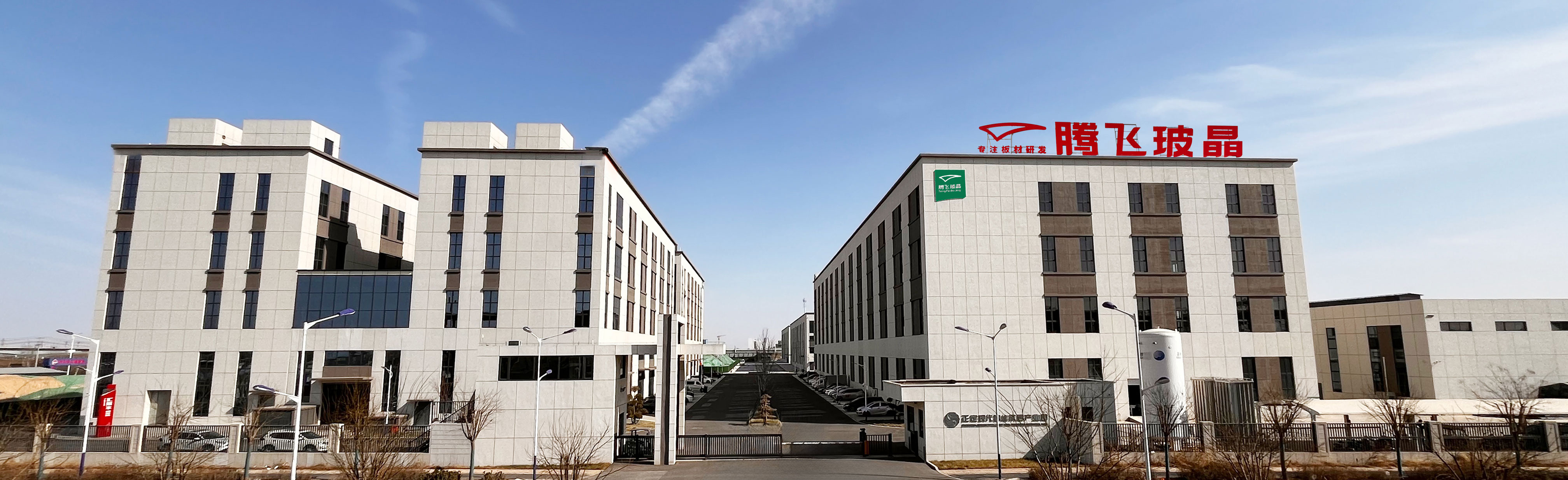
To provide reliable solutions through quality products!
![[PU705] – Advanced Sensor for Industrial Automation Solutions](https://images.exportstart.com/images/a1394/1-4531.webp "[PU705] – Advanced Sensor for Industrial Automation Solutions")