Add: No.8 Xinxing Street, North Zone, Zhengding High-tech Industrial Development Zone, Hebei, China
CONTACT US
+8615030171059


CONTACT US
+8615030171059
When selecting materials for construction, furniture making, or various DIY projects, 1 2 AC plywood stands out as a versatile and reliable choice. This article dives deep into the characteristics, applications, advantages, and considerations when working with this popular plywood grade. We'll explore why 1 2 AC plywood is often the preferred material for many professionals and hobbyists alike, focusing on its suitability for a diverse range of projects.
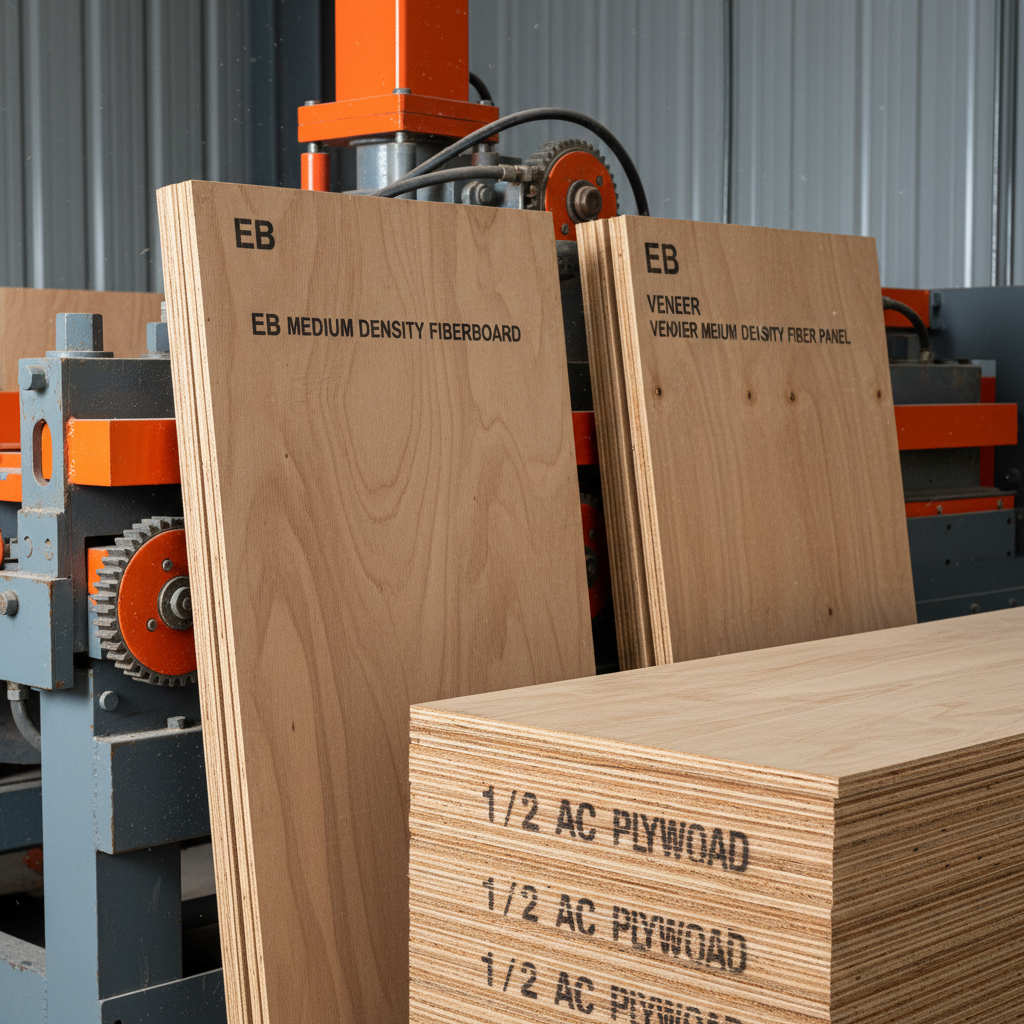
The designation "1 2 AC plywood" breaks down into several key components. “1 2” refers to the thickness of the plywood – in this case, 1/2 inch (approximately 12mm). The "AC" designation indicates the grade of the veneer faces. ‘A’ signifies a high-quality veneer with minimal defects, providing a smooth and aesthetically pleasing surface. ‘C’ denotes a veneer that may have some imperfections, such as knots or minor blemishes, but is still structurally sound. This combination of a thicker core and a good face veneer makes 1 2 AC plywood an excellent balance of strength, cost, and appearance. Understanding these designations is crucial for choosing the right plywood for your specific needs.
Key Takeaway: ‘1 2’ defines thickness, ‘AC’ denotes veneer quality. A smooth, high-quality surface paired with a robust core.
1 2 AC plywood is incredibly versatile, lending itself to a wide array of applications. It’s frequently used in furniture construction – think shelving, cabinets, and table tops – where a smooth surface is desired for finishing. In construction, it’s ideal for subflooring, wall paneling, and roof sheathing. DIY enthusiasts often choose 1 2 AC plywood for projects such as building custom storage solutions, creating decorative panels, and crafting home décor items. Its stability and ability to hold screws and nails make it a dependable material for many different projects. Consider its capabilities when planning your next endeavor.
Application Areas:
• Furniture Making (Cabinets, Shelving)
• Construction (Subflooring, Wall Paneling)
• DIY Projects (Storage, Décor)
Choosing between different plywood grades can be confusing. While A-A plywood offers the highest quality veneer on both sides, it comes at a premium price. B-C plywood is a more economical option, but the lower grade veneers may require more work to finish. 1 2 AC plywood strikes a good balance between cost and quality. It provides a presentable face for projects where aesthetics matter, while the C-grade back side keeps costs down. Compared to marine plywood, which is specifically designed for wet environments, 1 2 AC plywood is less resistant to moisture and should not be used in exterior applications without proper sealing.
When working with 1 2 AC plywood, always use appropriate safety gear, including eye protection and a dust mask. Cutting plywood can create a significant amount of dust. Use sharp blades to minimize splintering, and consider scoring the surface before cutting to achieve clean lines. When fastening, pre-drilling pilot holes is recommended to prevent splitting. For projects that will be exposed to moisture, apply a suitable sealant or finish to protect the plywood. For more information and high-quality 1 2 AC plywood options, explore the offerings at Tengfei EBMDF.
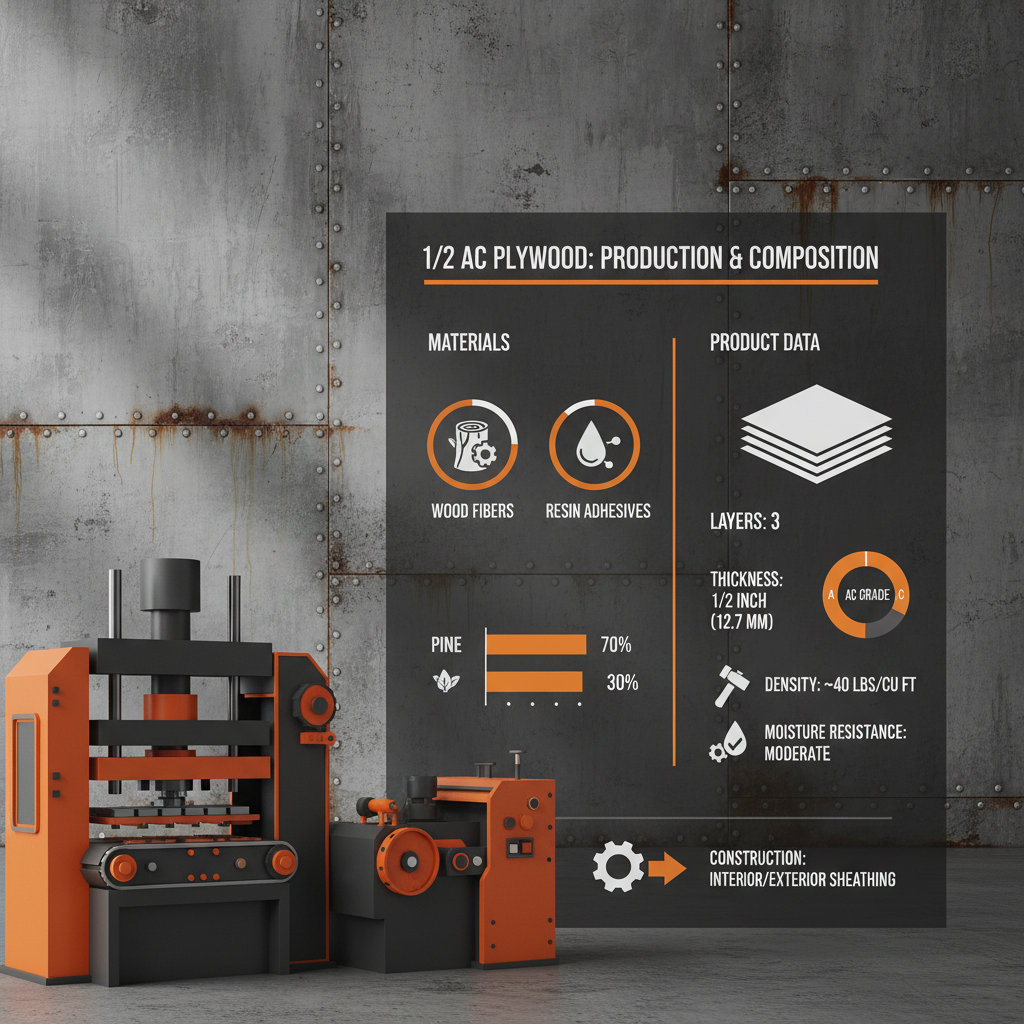
Here's a quick overview of the typical specifications you can expect from 1 2 AC plywood:
1 2 AC plywood provides an excellent balance of strength, workability, and cost. Its versatility makes it a go-to material for a wide variety of projects, from furniture building to construction. By understanding its characteristics and applying proper working techniques, you can achieve professional-quality results. For reliable sourcing and competitive pricing, visit Tengfei EBMDF today!
The best finishing method depends on the desired look and level of protection. For a natural look, you can apply a clear sealant or varnish. For painted finishes, a primer is essential to ensure good adhesion and prevent the plywood from absorbing too much paint. Sanding the surface smooth before applying any finish will result in a more professional-looking outcome. Consider the intended use of the plywood – exterior applications require more durable, weather-resistant finishes.
While 1 2 AC plywood can be used outdoors, it’s not inherently weather-resistant. It requires a thorough sealing or coating with a waterproof finish to protect it from moisture, UV rays, and fungal growth. Marine plywood is a better choice for applications that will be consistently exposed to harsh weather conditions. Even with a protective coating, outdoor plywood should be regularly inspected and maintained.
For 1 2 AC plywood, use screws designed for wood with a coarse thread. Drywall screws are generally not recommended as they can easily strip the plywood. Consider using self-tapping screws to create their own threads, reducing the risk of splitting. Pre-drilling pilot holes, especially near the edges, is always a good practice to ensure a secure and clean connection. The length of the screw should be approximately twice the thickness of the plywood.
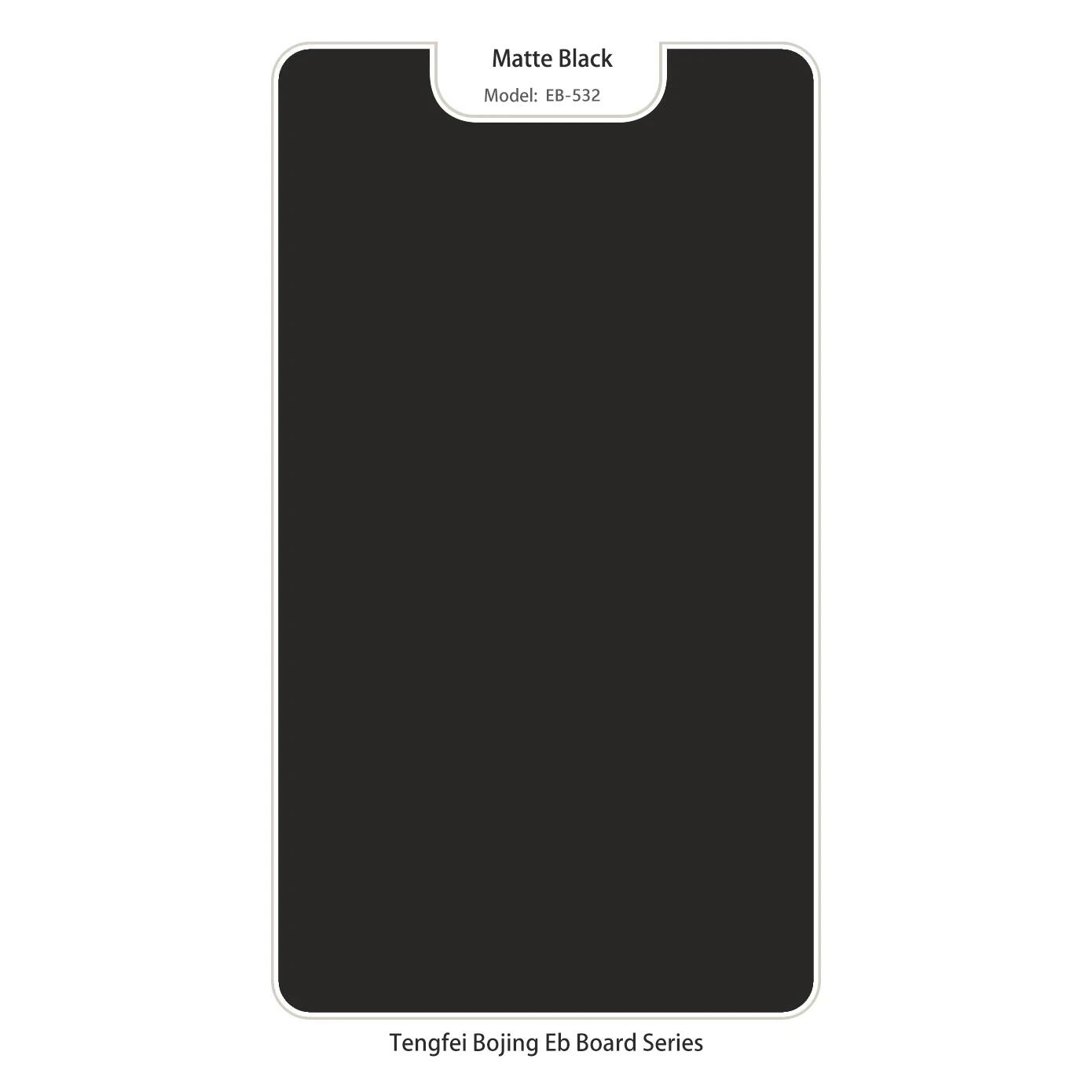
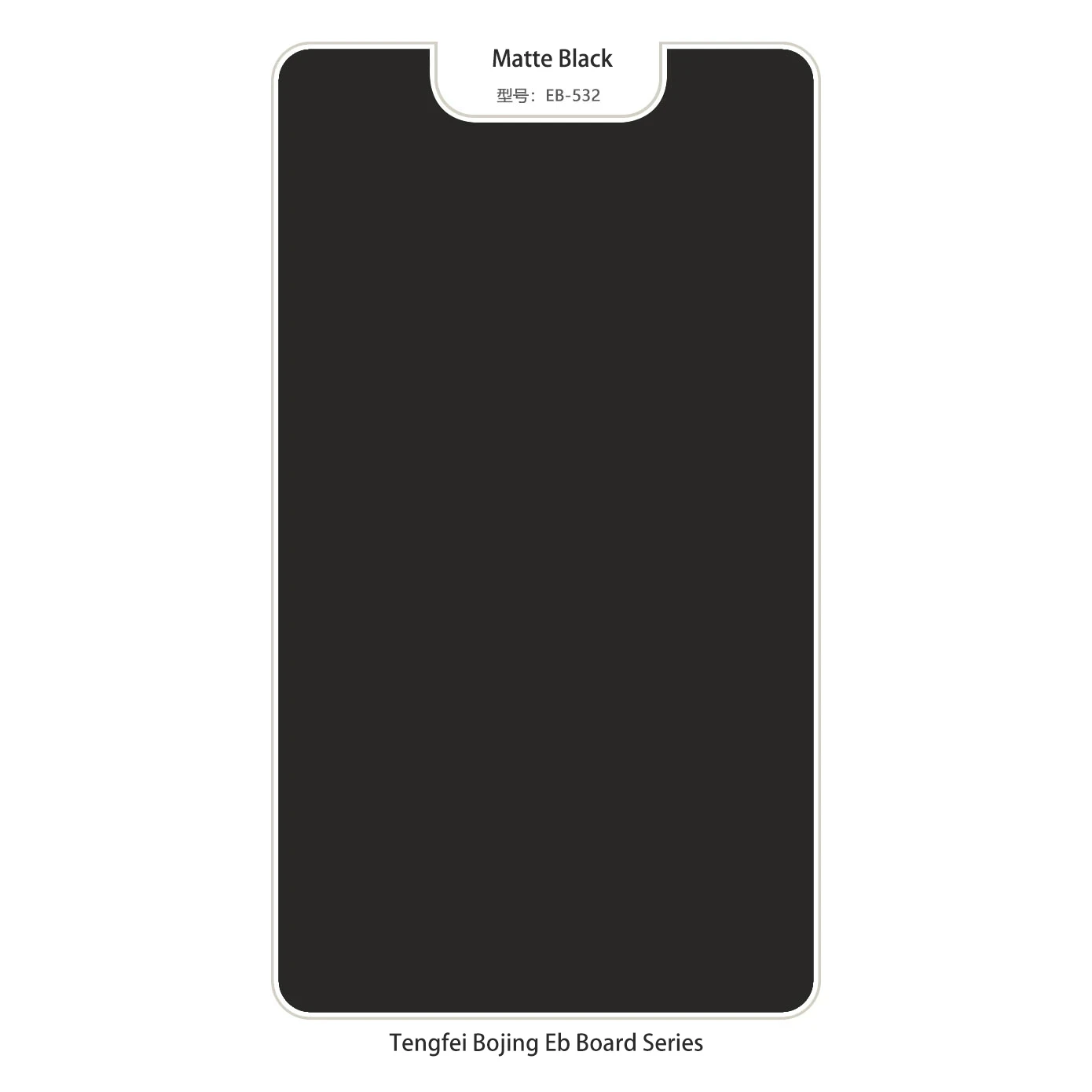
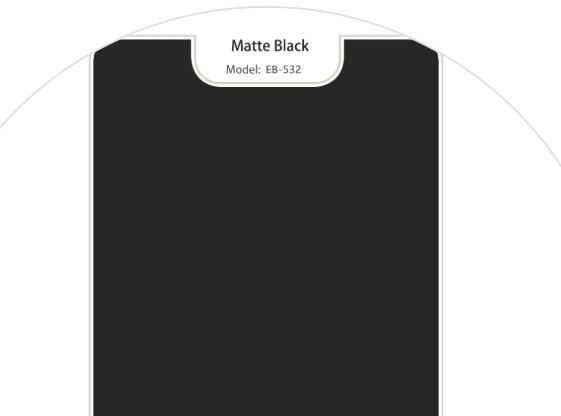
Tengfei Platinum EB Particle Panels - Matte Black
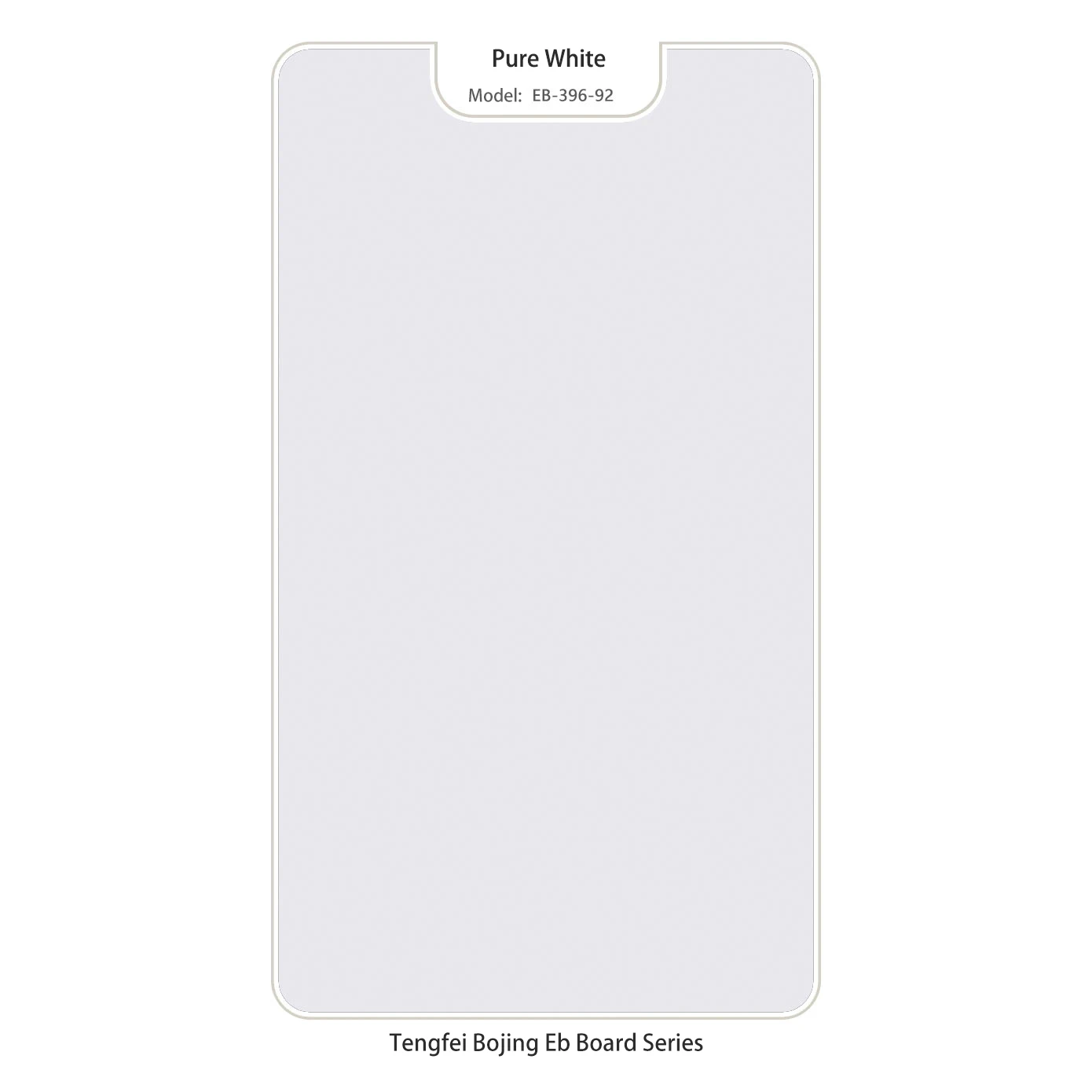
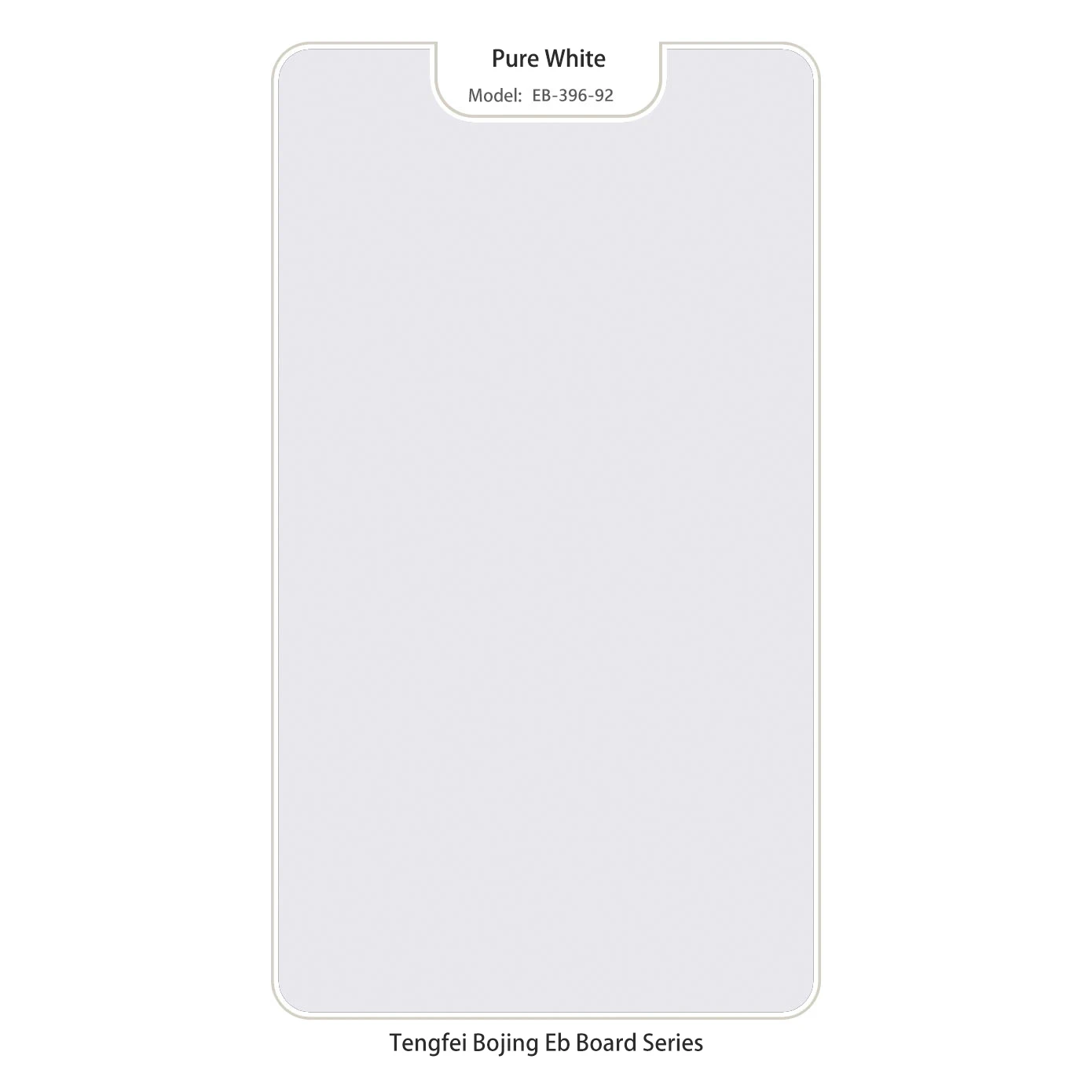
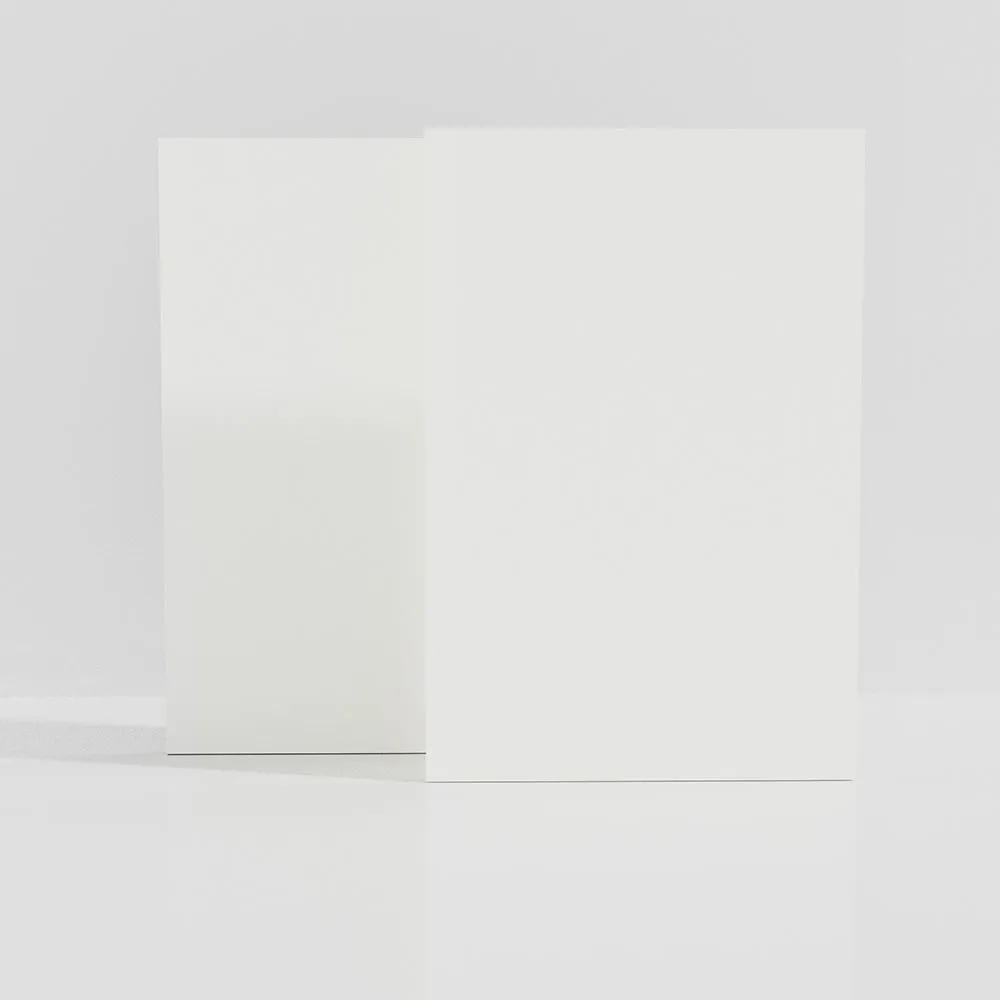
Tengfei Platinum EB Particle High-Gloss Panels - Pure white
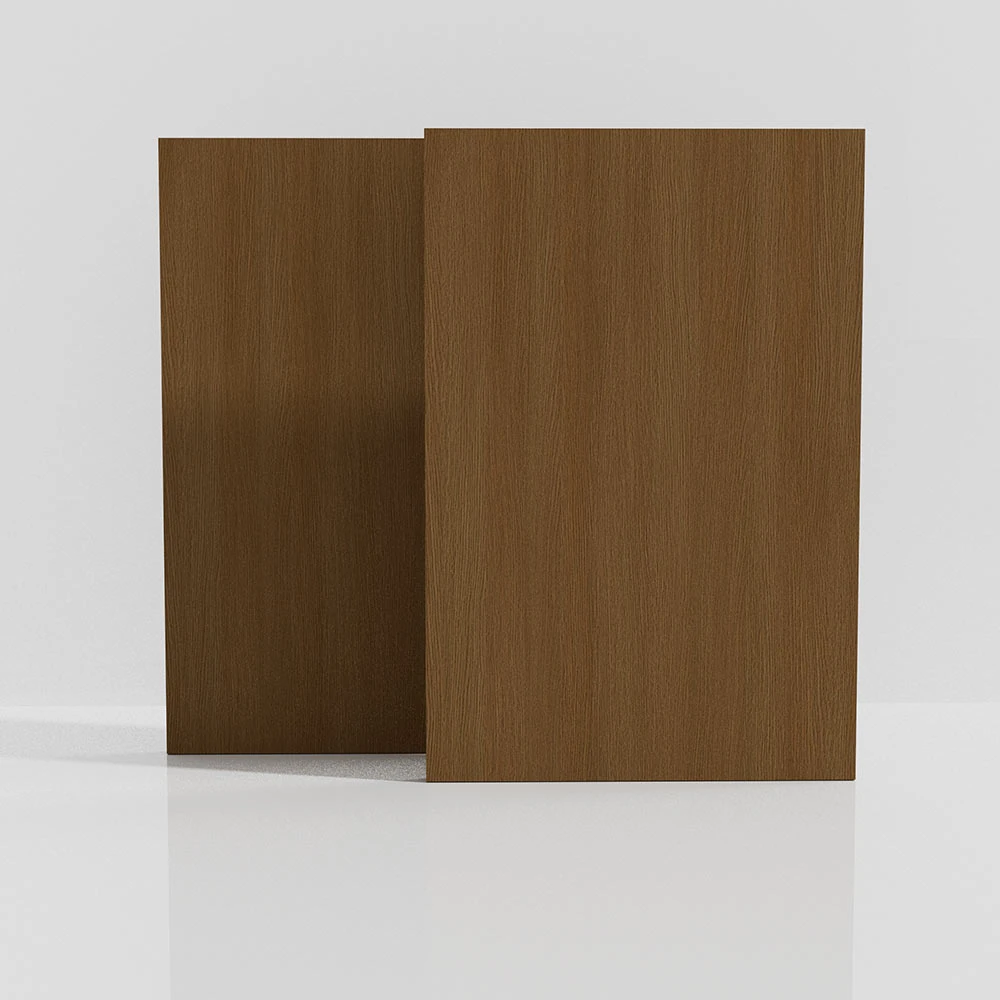
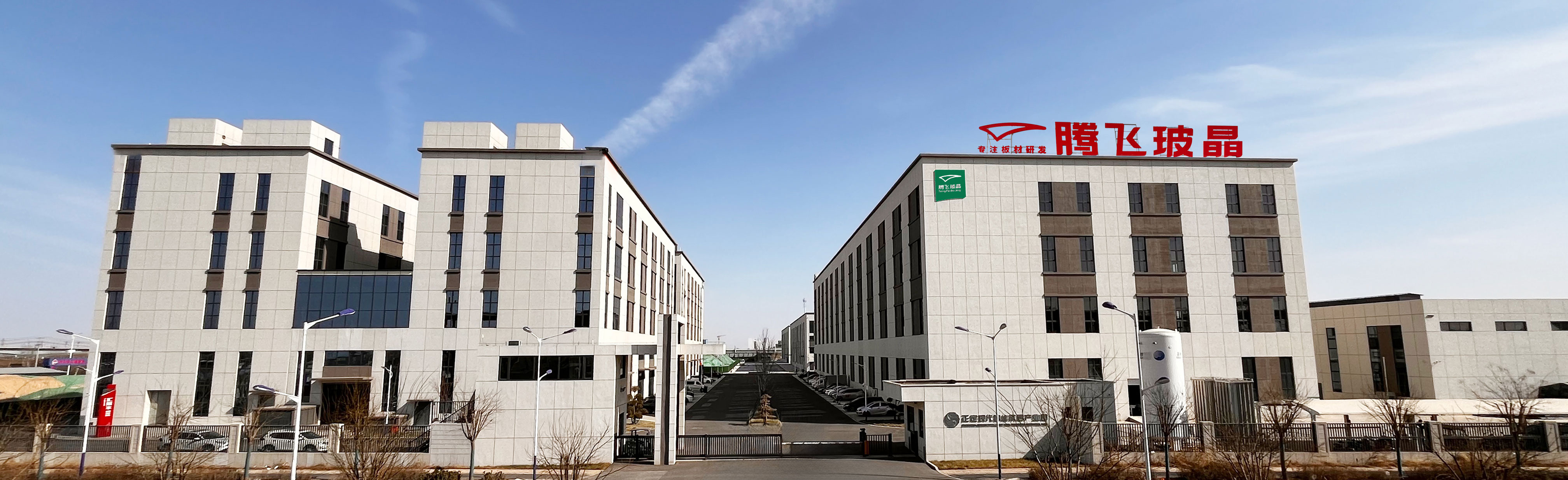
To provide reliable solutions through quality products!
![[PU705] – Advanced Sensor for Industrial Automation Solutions](https://images.exportstart.com/images/a1394/1-4531.webp "[PU705] – Advanced Sensor for Industrial Automation Solutions")