Add: No.8 Xinxing Street, North Zone, Zhengding High-tech Industrial Development Zone, Hebei, China
CONTACT US
+8615030171059


CONTACT US
+8615030171059
Choosing the right plywood size is crucial for any building or woodworking project. From small DIY crafts to large-scale construction, selecting the appropriate dimensions impacts material efficiency, project costs, and overall structural integrity. This article provides a detailed overview of common plywood sizes, their applications, and factors to consider when making your selection. We'll explore standard sheet dimensions, thickness options, and how to determine the best size for your specific needs, ensuring you get the most out of your materials.
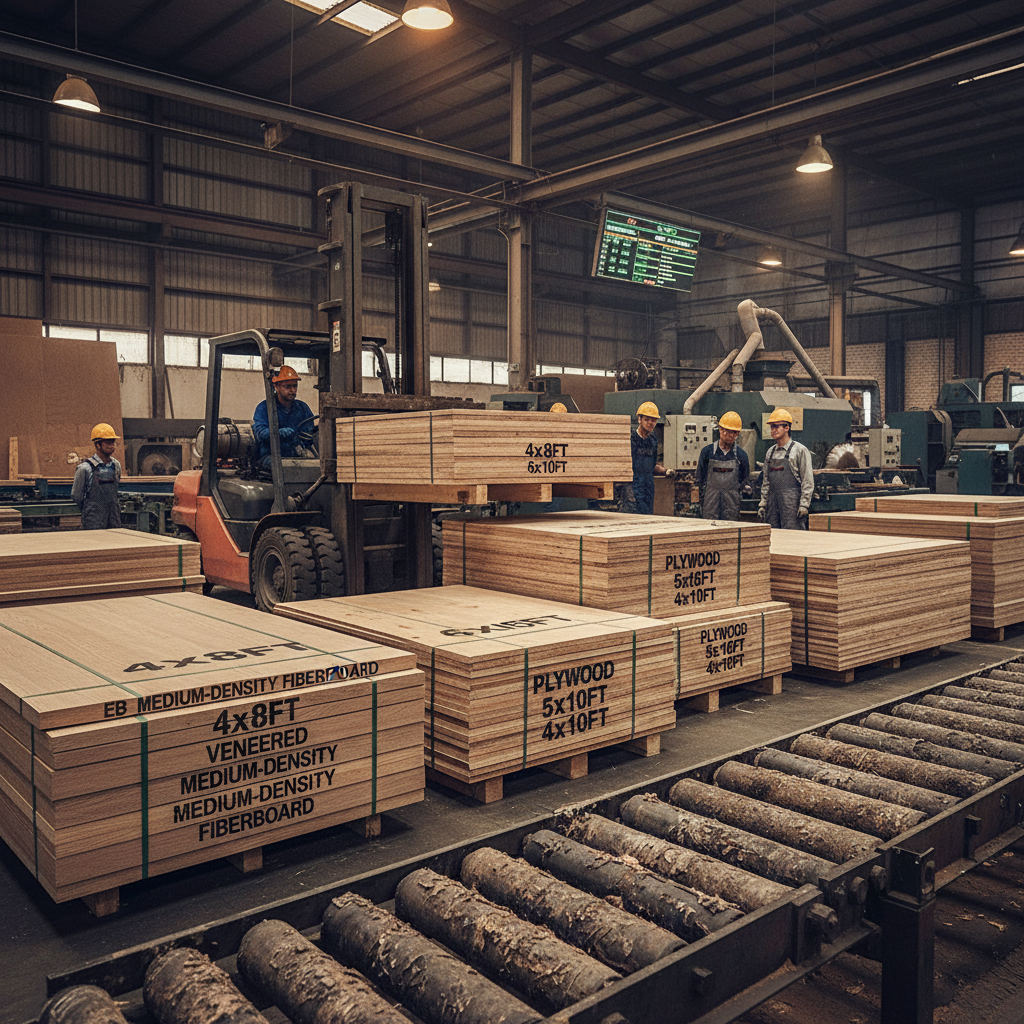
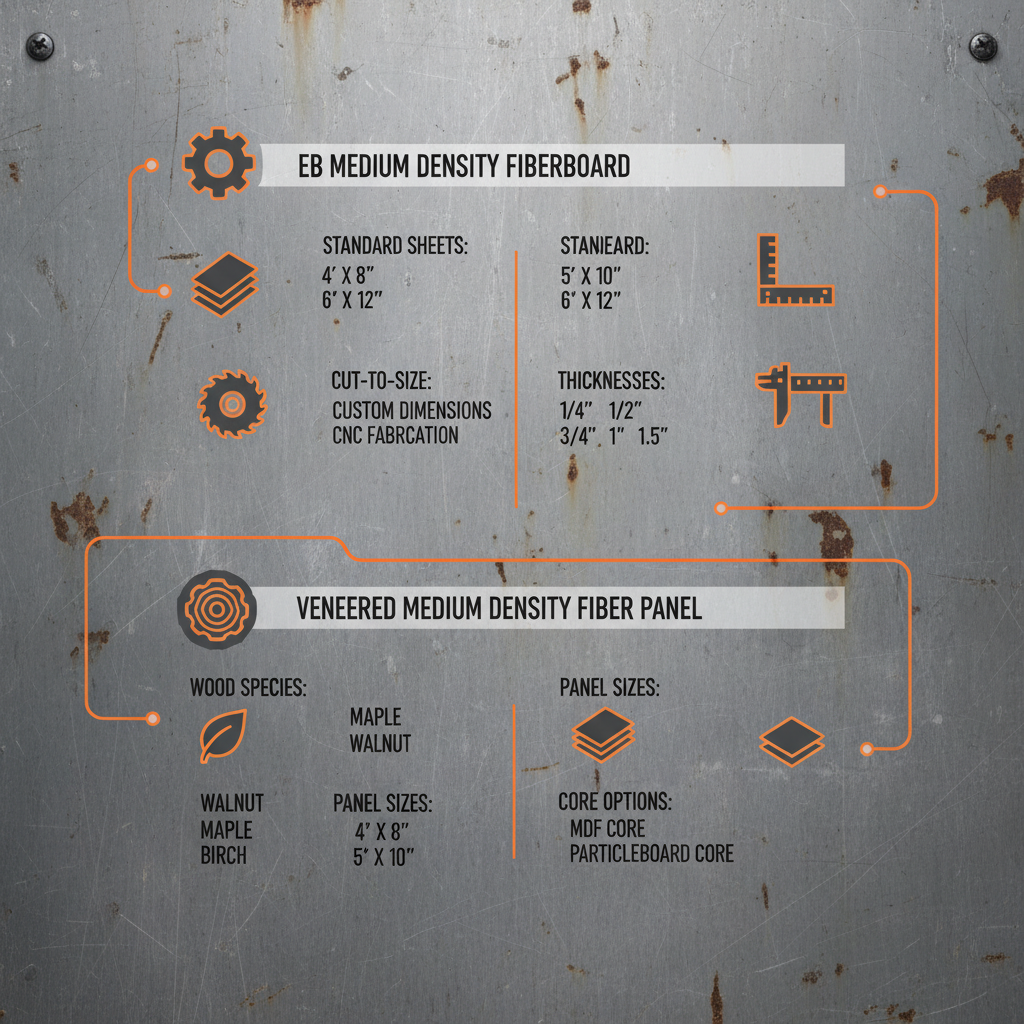
Plywood is typically sold in sheet sizes, with the most common being 4' x 8' (1220mm x 2440mm). However, other sizes are available, including 3' x 6', 1/2' x 8', and custom cuts. The 4' x 8' sheet is the industry standard due to its efficient use of wood and ease of handling during manufacturing and transportation. Choosing the right size minimizes waste and streamlines your project. You can find various plywood sizes to fit your project needs at Tengfei EBMDF.
Key Highlights: The 4' x 8' sheet is the most common size, offering a balance of material efficiency and practicality. Other sizes cater to specific project requirements and minimize waste.
Plywood comes in a variety of thicknesses, ranging from 1/4" to 3/4" or even thicker for specialized applications. The appropriate thickness depends on the structural requirements of your project. Thinner plywood (1/4" - 3/8") is suitable for non-load-bearing applications like cabinet backs, drawer bottoms, and decorative panels. 1/2" plywood is commonly used for shelving and furniture construction. Thicker plywood (3/4" and up) provides greater strength and is ideal for subflooring, wall sheathing, and structural supports. Understanding the different plywood sizes and thicknesses is essential for project success.
Plywood Thickness Guide:
• 1/4" - 3/8": Decorative panels, cabinet backs
• 1/2": Shelving, furniture
• 3/4" - 1": Subflooring, wall sheathing, structural supports
The optimal plywood size isn't just about dimensions; the type of plywood also plays a role. Hardwood plywood (birch, maple, oak) is generally used for furniture and cabinetry, while softwood plywood (pine, fir) is more common for construction purposes. Marine-grade plywood is designed to withstand prolonged exposure to moisture. Each type has specific size and thickness recommendations based on its intended application. Selecting the right type of plywood sizes is vital for ensuring longevity and performance.
Beyond standard dimensions and types, several factors influence your plywood size selection. These include the overall project design, available cutting tools, transportation limitations, and material waste reduction. Calculating the required amount of plywood accurately, considering potential cut-offs and minimizing waste, is key to staying within budget. Don't hesitate to consult with a lumber professional for guidance. Tengfei EBMDF can help you navigate these considerations and select the optimal plywood sizes for your project.
Sourcing your plywood from a reliable supplier is crucial. Look for a supplier that offers a wide range of sizes, thicknesses, and types, along with competitive pricing and efficient delivery. A reputable supplier should also be able to provide expert advice and assistance in selecting the right materials for your project. Tengfei EBMDF is a leading provider of high-quality plywood, offering a comprehensive selection to meet diverse needs.
Choosing the correct plywood sizes is essential for project success. By considering factors like application, thickness, type, and supplier reliability, you can ensure a durable, cost-effective, and aesthetically pleasing result. Don't hesitate to leverage expert advice and quality materials for optimal performance.
The most common plywood size for a wide range of projects is 4' x 8' (1220mm x 2440mm). This size offers a good balance of material efficiency, ease of handling, and availability. It’s suitable for everything from furniture building to basic construction tasks. However, depending on your specific needs, other sizes might be more practical.
To calculate the amount of plywood needed, first sketch your project and break it down into individual components. Calculate the area of each component and then add them together to get the total area. Factor in a percentage for waste (typically 10-15% for simple cuts, more for intricate designs). Consider the plywood sheet size when planning your cuts to minimize waste. It's always better to slightly overestimate than to run short.
Yes, most lumberyards and plywood suppliers offer custom cutting services. This is a convenient option if you need specific dimensions or if you lack the tools or expertise to cut the plywood yourself. Be sure to provide accurate measurements and consider the kerf (width of the saw blade) when specifying your cuts. Tengfei EBMDF provides custom cutting options to meet your project needs.
Softwood plywood, typically made from pine or fir, is more affordable and commonly used for construction purposes. Hardwood plywood, made from birch, maple, or oak, is denser, stronger, and more aesthetically pleasing, making it ideal for furniture, cabinetry, and other applications where appearance is important. Softwood plywood is generally lighter while hardwood plywood is more durable.
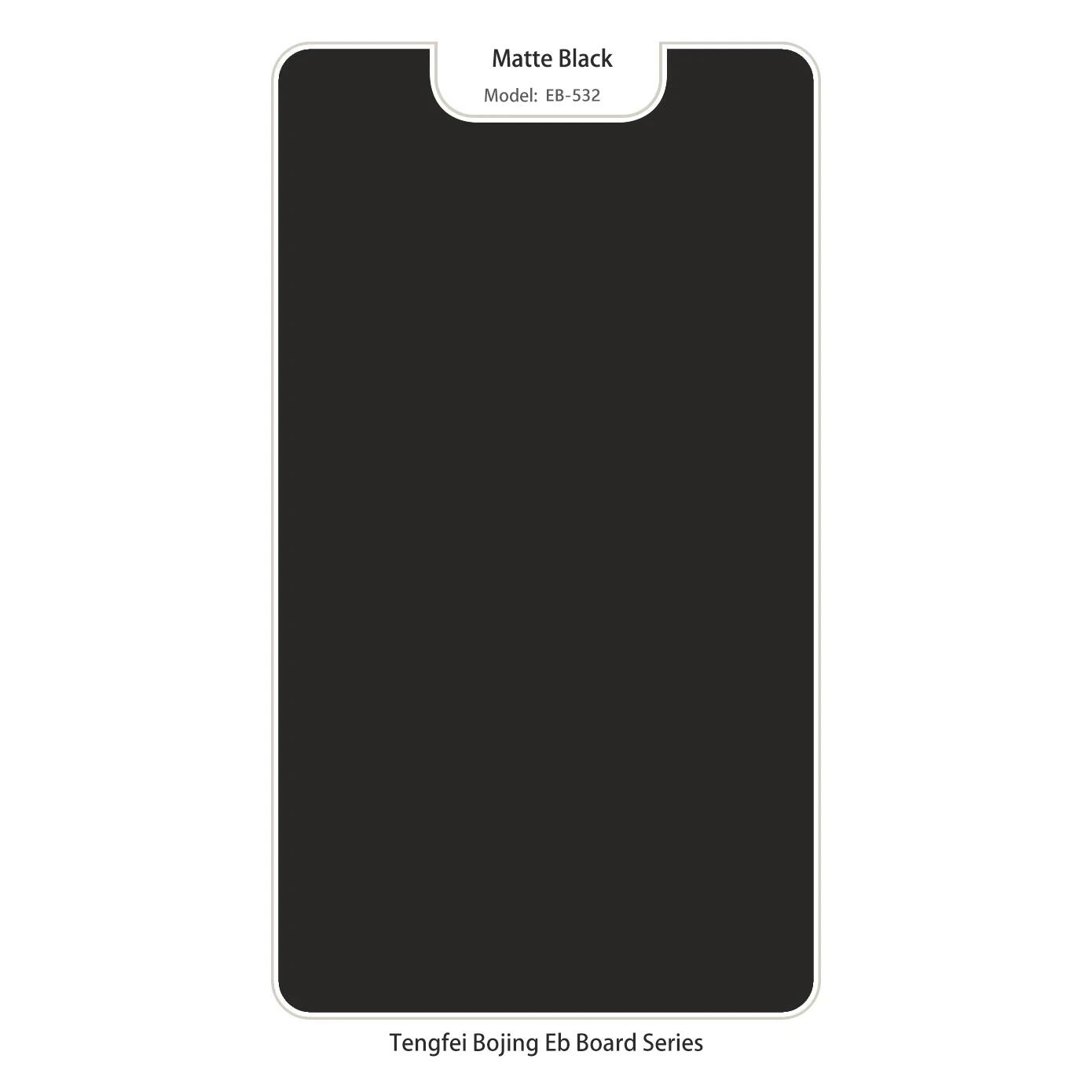
Tengfei Platinum EB Particle Panels - Matte Black
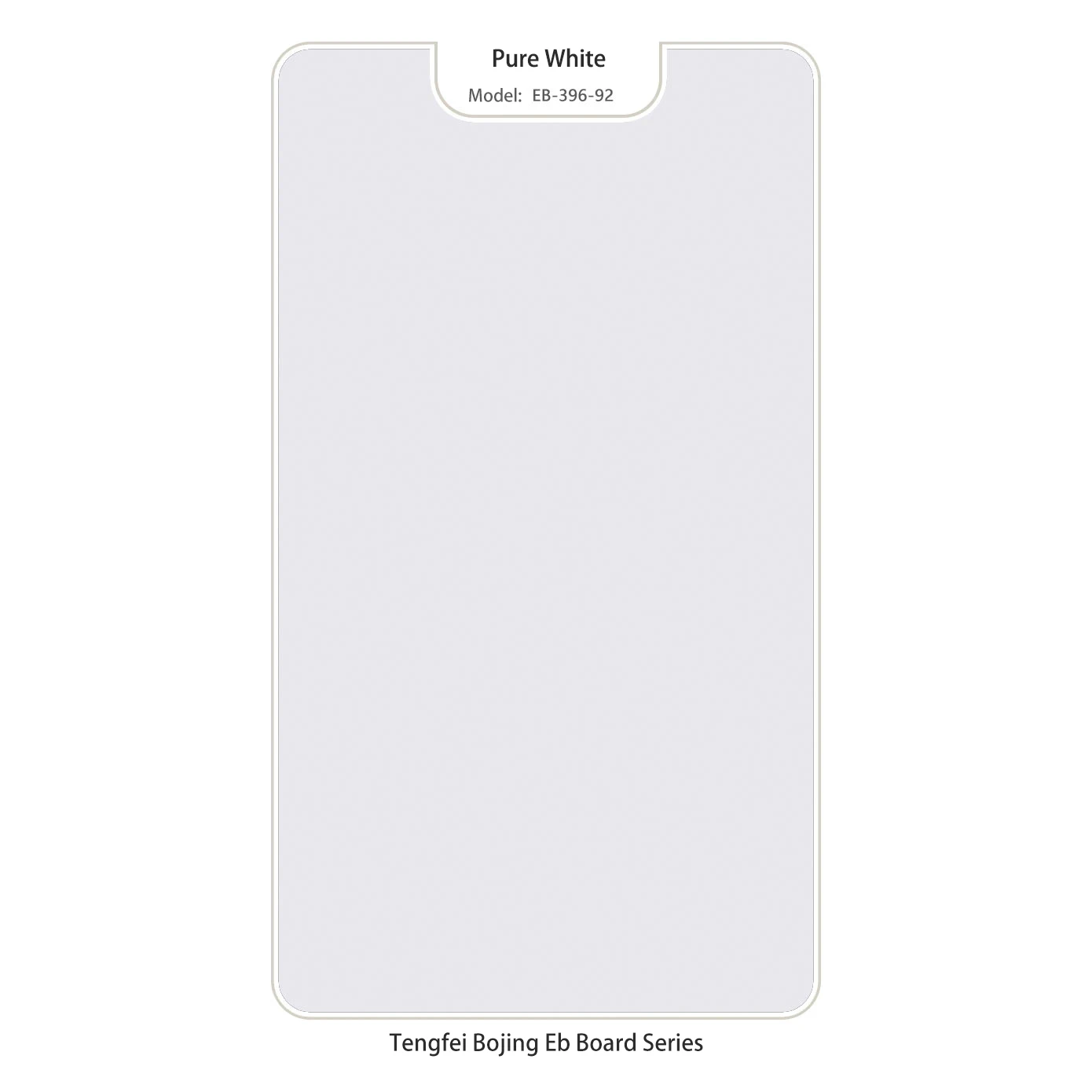
Tengfei Platinum EB Particle High-Gloss Panels - Pure white
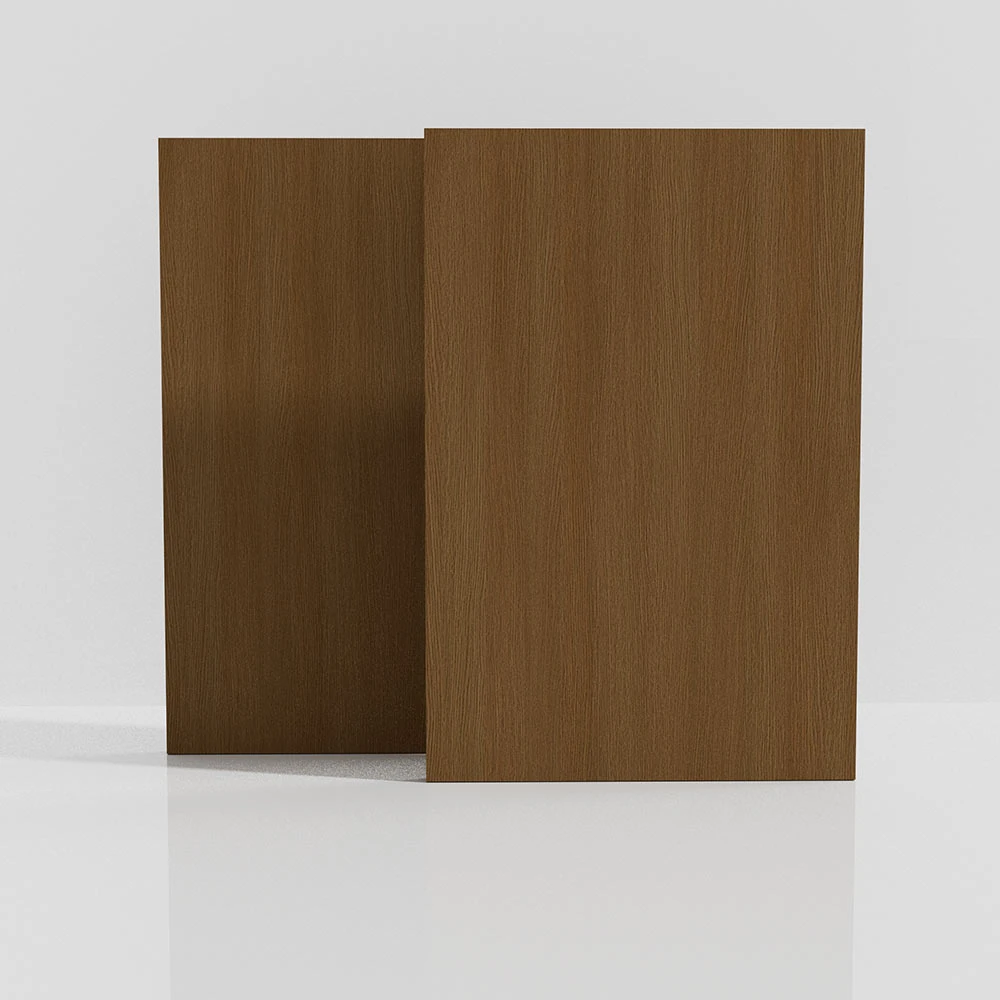

To provide reliable solutions through quality products!

![[PU705] – Advanced Sensor for Industrial Automation Solutions](https://images.exportstart.com/images/a1394/1-4531.webp "[PU705] – Advanced Sensor for Industrial Automation Solutions")