What Makes Cashmere Ash MDF Board Different from Standard Ash Woodgrain Panels?
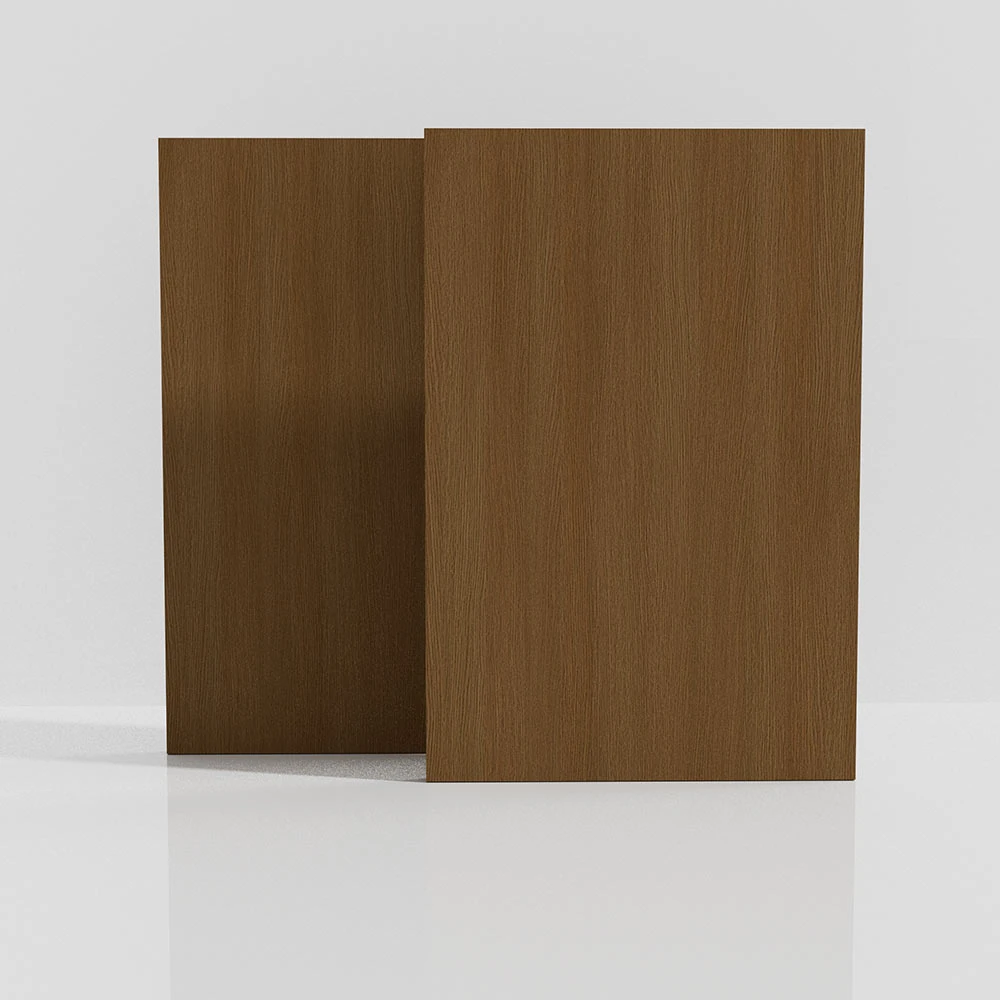
Not all ash woodgrain panels create the same visual effect. Cashmere Ash MDF Board offers a specific decorative direction for furniture and interior projects that require a coordinated, wood-inspired finish. Compared with selecting a generic ash pattern, evaluating a named finish helps designers establish a clearer visual reference before moving into production.
When comparing Cashmere Ash with other ash-style panels, buyers should examine the background tone, grain contrast, pattern scale, and overall surface appearance. A subtle grain pattern may suit understated furniture designs, while a more pronounced pattern can create a stronger visual feature. The best choice depends on the surrounding materials, lighting conditions, and the intended style of the finished space.
For manufacturers producing multiple furniture components, visual consistency is another important consideration. Reviewing a physical sample can help confirm whether the panel matches the project's color palette and design references. Digital images are useful for initial selection, but screen settings and lighting can affect perceived color.
Tengfei Cashmere Ash MDF Board gives buyers a specific decorative finish to evaluate during material selection. Before placing a bulk order, confirm the actual surface design, substrate construction, available specifications, and sample approval process to ensure the selected panel meets the project's requirements.
Ash MDF Board vs. Natural Ash Veneer: Which Material Suits Your Project?
Choosing between an ash-style decorative MDF board and natural ash veneer depends on the required appearance, production process, and material budget. Although both options can contribute to a wood-inspired furniture design, they are not the same product.
An ash MDF board with a decorative woodgrain surface may offer a defined pattern for projects that prioritize a coordinated appearance across multiple panels. Its suitability depends on the actual MDF substrate and surface construction. Natural ash veneer, by contrast, uses a thin layer of real ash wood applied to a supporting substrate. Natural grain variation gives veneer a different visual character, which may be important for furniture designs that emphasize genuine wood surfaces.
Buyers should compare more than the initial material price. Consider surface consistency, finishing requirements, edge treatment, machining compatibility, expected production yield, and maintenance requirements. The cost of the completed component can differ from the price of the raw panel because each material may require different processing steps.
For repeat furniture production, decorative MDF may be worth evaluating when consistent surface appearance is a key objective. Natural ash veneer may be more appropriate when real wood grain is a central design requirement. Request samples and technical information from the supplier before making a final decision. Confirm whether the selected Cashmere Ash product uses a decorative surface or a natural veneer so the specification matches the intended application.
How to Pair Ash Woodgrain MDF with Solid Colors and Interior Materials
The success of a decorative panel often depends on how it works with the other materials in a room. Cashmere Ash MDF Board can be considered for coordinated furniture schemes where an ash-inspired finish provides visual texture without requiring every surface to use the same pattern.
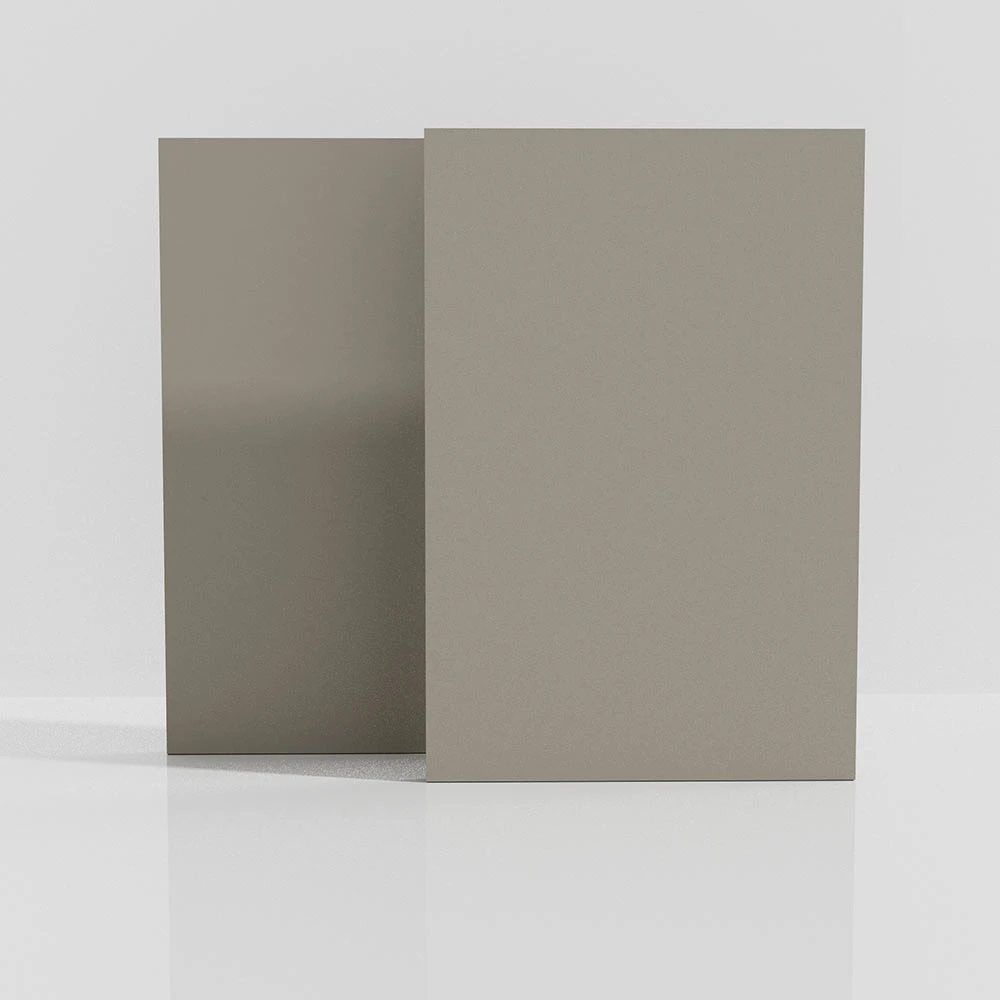
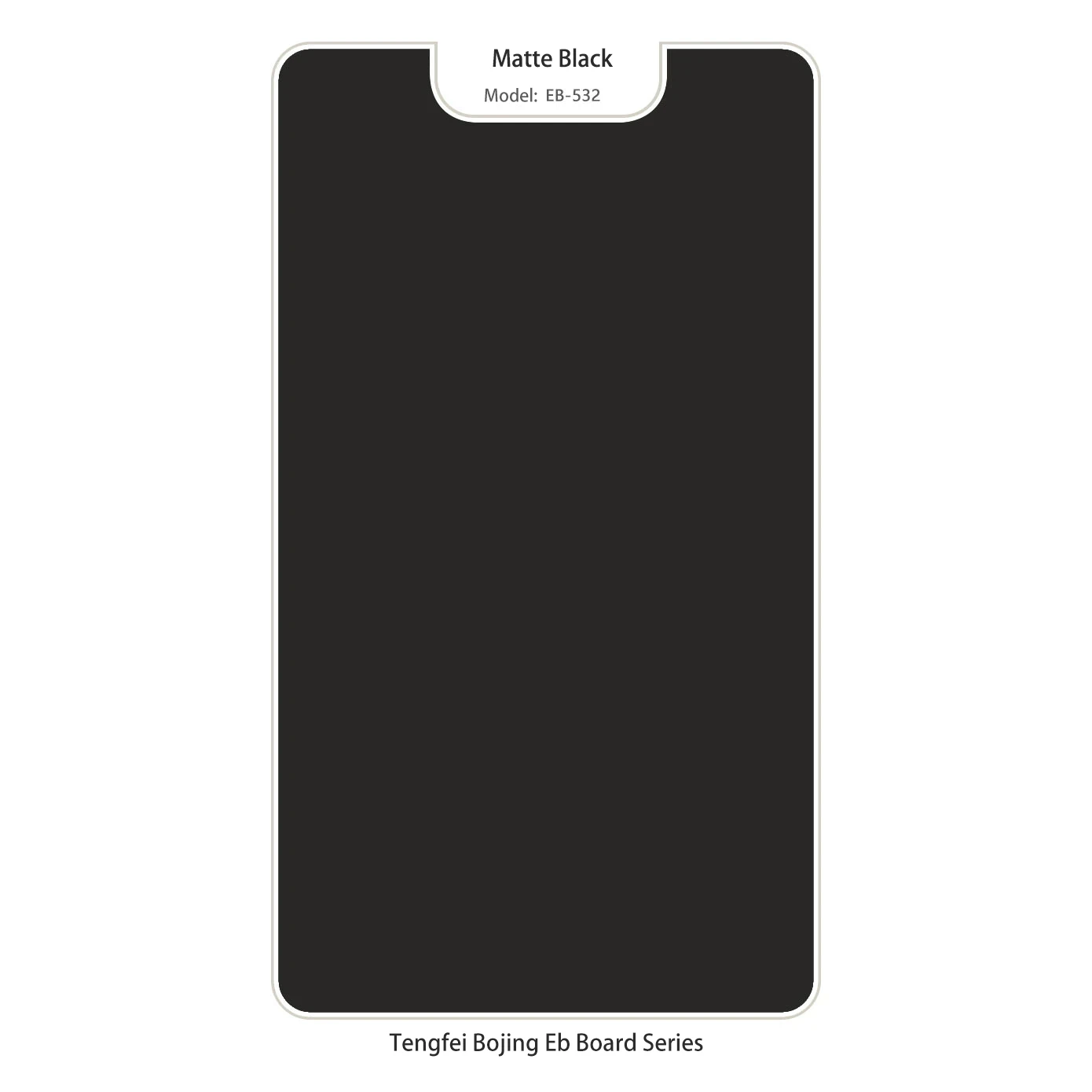
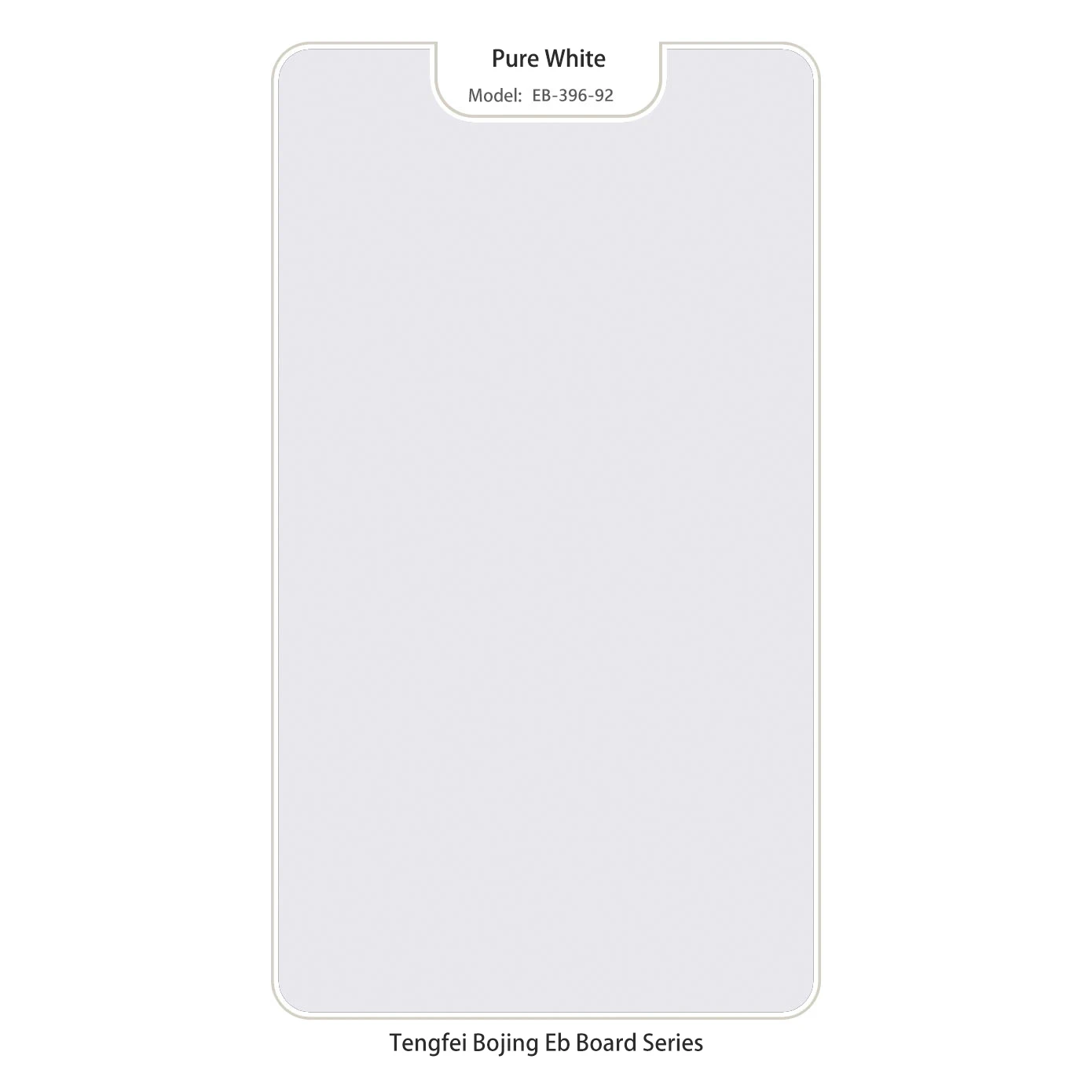
One approach is to combine woodgrain panels with solid neutral colors. White, warm beige, and selected gray finishes can create a balanced appearance, depending on the actual tone of the Cashmere Ash surface. Darker accents may help define cabinet outlines, shelving, or display areas, while metallic hardware can introduce contrast without competing with the grain.
Material combinations also influence the overall design. Woodgrain panels paired with glass can create a lighter appearance for display furniture. Metal details may suit contemporary office furniture, while stone-look surfaces can introduce a contrasting texture in suitable interior schemes. These combinations should be evaluated against the actual panel sample rather than a digital image alone.
For furniture manufacturers, a coordinated material palette can simplify product-line planning. A single decorative finish may be evaluated alongside several solid colors to develop complementary cabinet fronts, storage units, wardrobes, or office furniture collections. Before production, review grain direction, panel orientation, edge-banding color, and the appearance of adjacent finishes.
Tengfei Cashmere Ash MDF Board can be included in this design evaluation process. Confirm the available finish and substrate details before specifying it for a particular furniture collection or interior project.
What Should Furniture Manufacturers Check Before Ordering Ash MDF Board in Bulk?
Bulk purchasing decisions should be based on the requirements of the finished product, not the decorative name alone. Before ordering ash MDF board, furniture manufacturers should establish a clear specification that covers the substrate, surface finish, dimensions, processing needs, and acceptance criteria.
Start with the technical details. Confirm the board thickness, length, width, dimensional tolerances, substrate grade, and surface construction. If the panel will be cut, drilled, routed, or fitted with edge banding, verify that its construction is suitable for the planned production process. Do not assume that every decorative MDF board supports the same machining or finishing methods.
Sample approval is equally important. Compare the approved sample with the supplied batch under consistent lighting, paying attention to background color, grain pattern, surface appearance, and visible defects. For projects using multiple production batches, ask the supplier how product identification and batch consistency are managed.
Commercial terms should also be agreed upon before production. Buyers should clarify the minimum order quantity, packaging method, lead time, shipping arrangements, documentation, and procedure for handling nonconforming goods. These details help reduce uncertainty when coordinating panel deliveries with furniture manufacturing schedules.
For procurement teams sourcing Cashmere Ash MDF Board from Tengfei, a written specification and approved reference sample can provide a practical basis for communication. Request current technical data and a quotation based on the required dimensions, quantity, destination, and intended application before confirming the purchase.