Understanding Plywood China: A Veteran’s Perspective
Having spent more than a decade working with industrial materials—especially in the realm of wood-based products—I’ve encountered plywoods from all over the world. But plywood China always stands out in terms of balance between quality and affordability. Sure, the market is sprawling and somewhat chaotic. Yet, despite some skepticism floating around, the advancements in manufacturing and strict quality control have made Chinese plywood a reliable choice for many industries.
Oddly enough, when I first started, I had my doubts about Chinese plywood’s consistency. But after visiting several factories and seeing the raw materials, such as poplar veneers and eucalyptus being predominantly used, my impression changed. Especially when these plywoods undergo multiple pressing stages with environmentally friendly adhesives—that’s a game-changer. The emphasis on sustainable sourcing isn’t just a trend here; it’s becoming a norm driven by both regulations and customer demand.
In real terms, the plywood from China meets several global standards. Many are certified under the International Standard (ISO), with additional certifications for formaldehyde emissions like E0 and E1 levels—which frankly, is a big deal for indoor applications. You often hear engineers mention that Chinese plywood scores consistently well on strength tests, like bending strength and screw holding power. These specs matter a lot if you’re deploying plywood in construction or furniture manufacturing, where durability can’t be compromised.
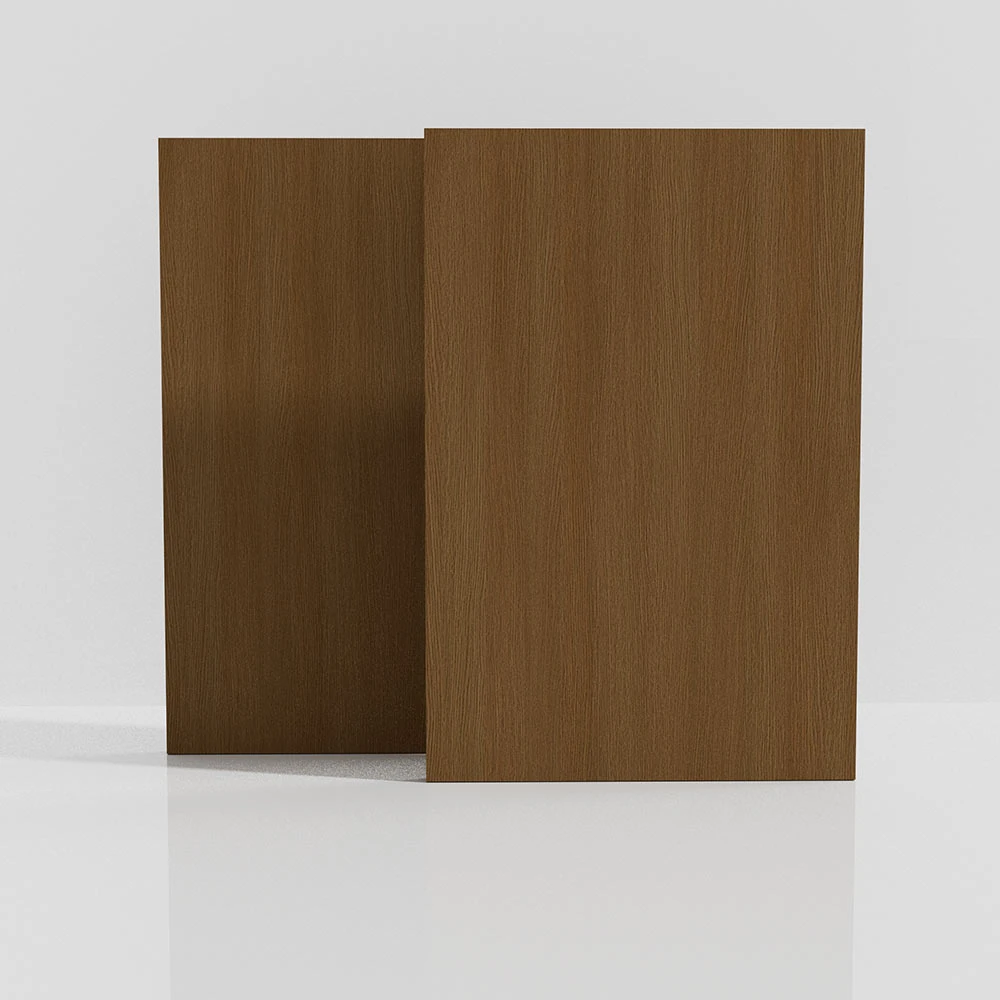
Customization—that’s where Chinese plywood really shines. If you ask me, their flexibility in sizes, thicknesses, and even surface finishes is quite something. I recall a project a few years back where a client needed a very specific grade with a super smooth birch veneer surface on a 12mm base. The suppliers managed to deliver exactly that, with a fast turnaround. Not every market offers that kind of tailor-made support without significant delays or cost hikes.
Plywood China Typical Specifications
| Specification |
Value |
Notes |
| Core Material |
Poplar, Pine, Eucalyptus |
Widely sourced and sustainable |
| Thickness Range |
3mm – 25mm |
Custom cuts available |
| Face Veneer |
Birch, Maple, Oak |
Smooth, sanded finish |
| Certifications |
ISO 9001, E0/E1 |
Low formaldehyde emissions |
| Adhesive Type |
Phenolic, Urea-formaldehyde |
Water-resistant grades available |
It’s always worth considering the vendor too, since that's often half the battle with imported plywood. Here’s a little side-by-side comparison I rounded up from working with several suppliers over time. You might find some frank insights here...
Chinese Plywood Vendors Comparison
| Vendor |
Quality Consistency |
Lead Time |
Customization Options |
Export Experience |
| Tengfei |
High - Strict QC Process |
4-6 weeks |
Extensive (sizes, finishes) |
Well-versed in global markets |
| Linyi Plywood Co. |
Medium - Occasional variations |
5-7 weeks |
Standard options only |
Experienced in Asia markets |
| Hebei Timber Ltd. |
Variable - Depends on batch |
6-8 weeks |
Limited |
Mostly regional exports |
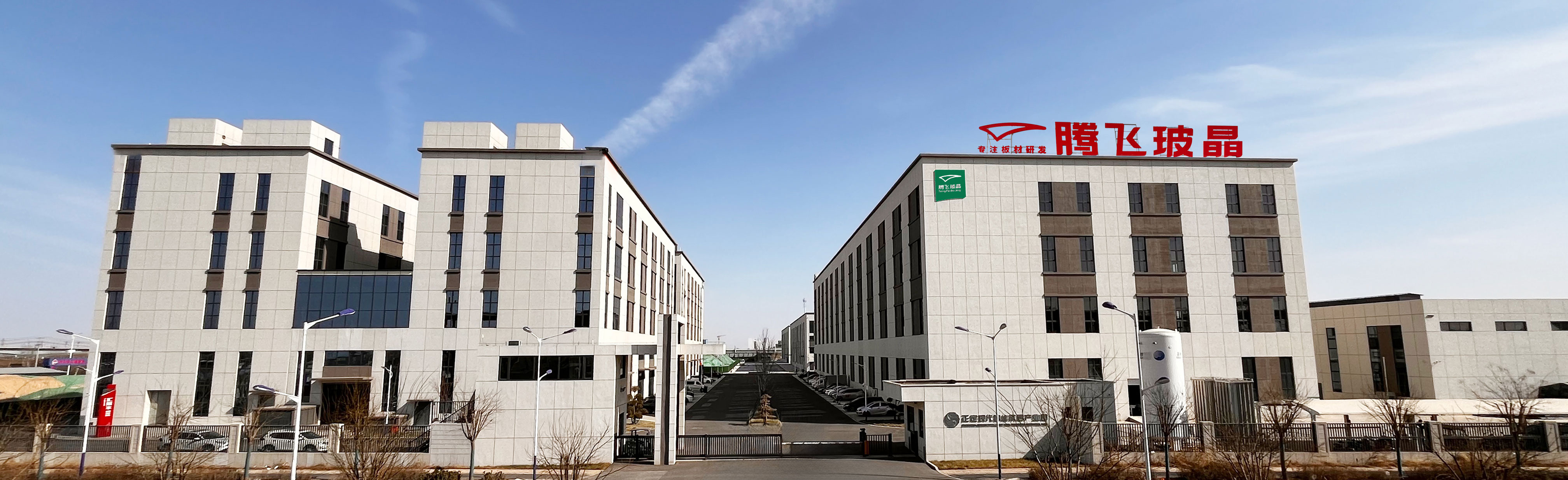
Funny story — a mid-sized furniture maker I know was hesitant at first about sourcing plywood from China. But once they tried Tengfei’s plywood, they were taken aback by its smooth finish and consistent panel thickness. They even reported faster production times because there were fewer defects. Sometimes, hearing it from the field feels more convincing than a catalog, right?
To sum it up, plywood coming out of China today isn’t the gamble it might have been a decade ago. Instead, it’s a well-engineered, globally competitive product capable of meeting specific demands across industries. Obviously, due diligence is still key—check certifications, visit suppliers if you can, and request samples. But if you ask me, combining quality with cost-effectiveness is where Chinese plywood truly earns its stripes.
So next time you browse plywood options, keep a closer eye on Chinese sources. They’ve earned their place on the world stage.
Thoughts? I suppose solid knowledge beats hearsay every time.
References:
1. Industry Wood Products Association Reports, 2023
2. China Wood Materials Quality Certification Centre, 2022
3. Personal interviews with plywood suppliers, 2020–2023