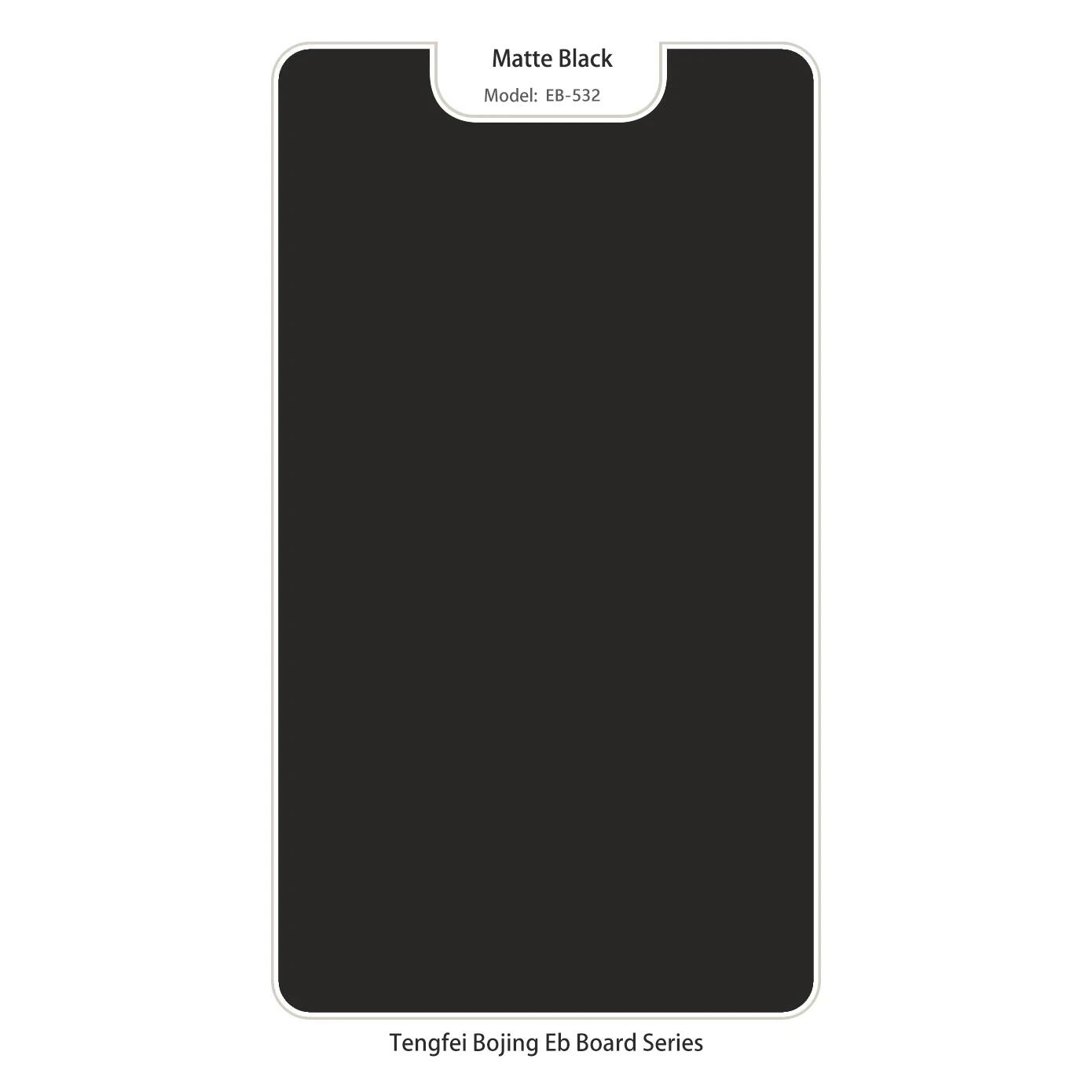
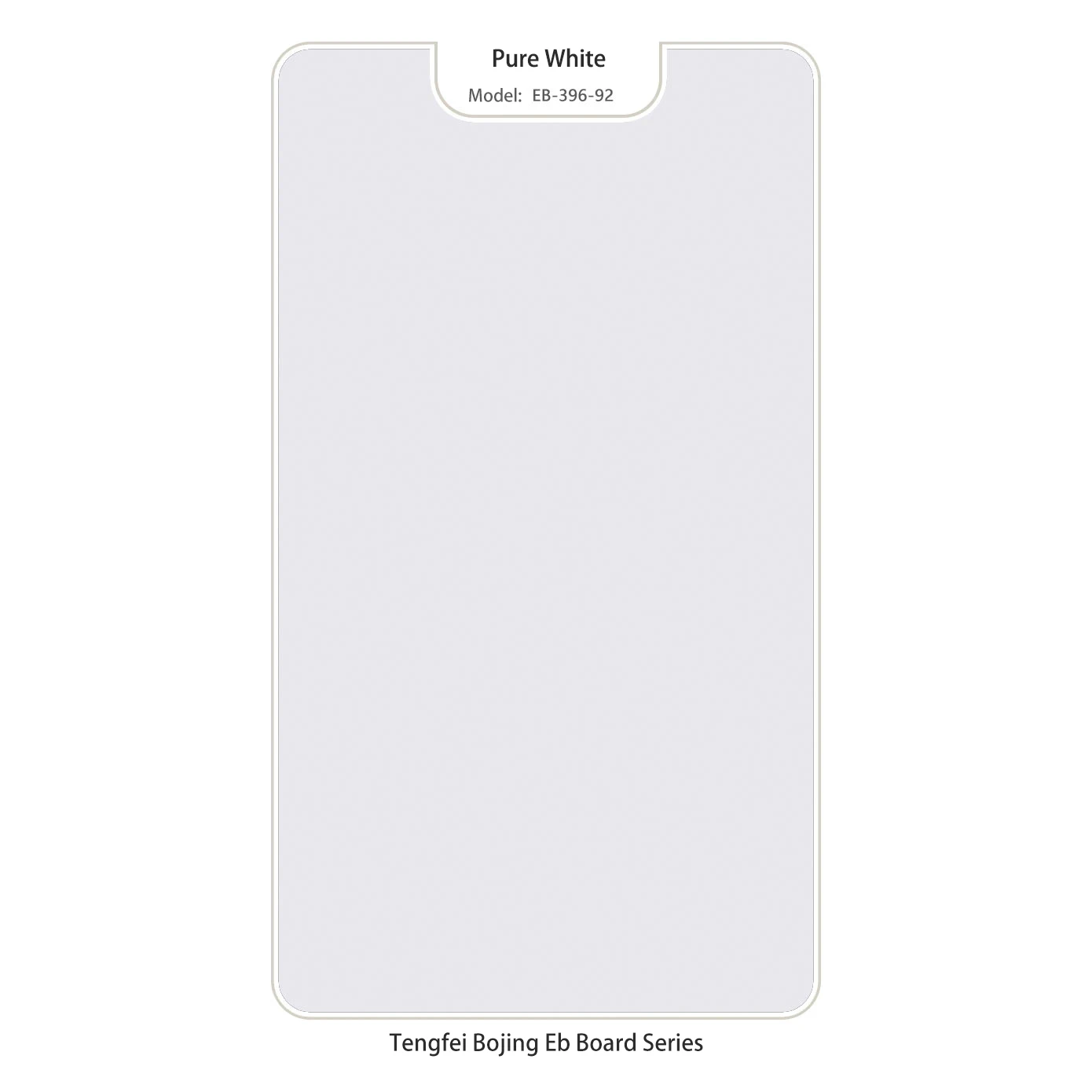
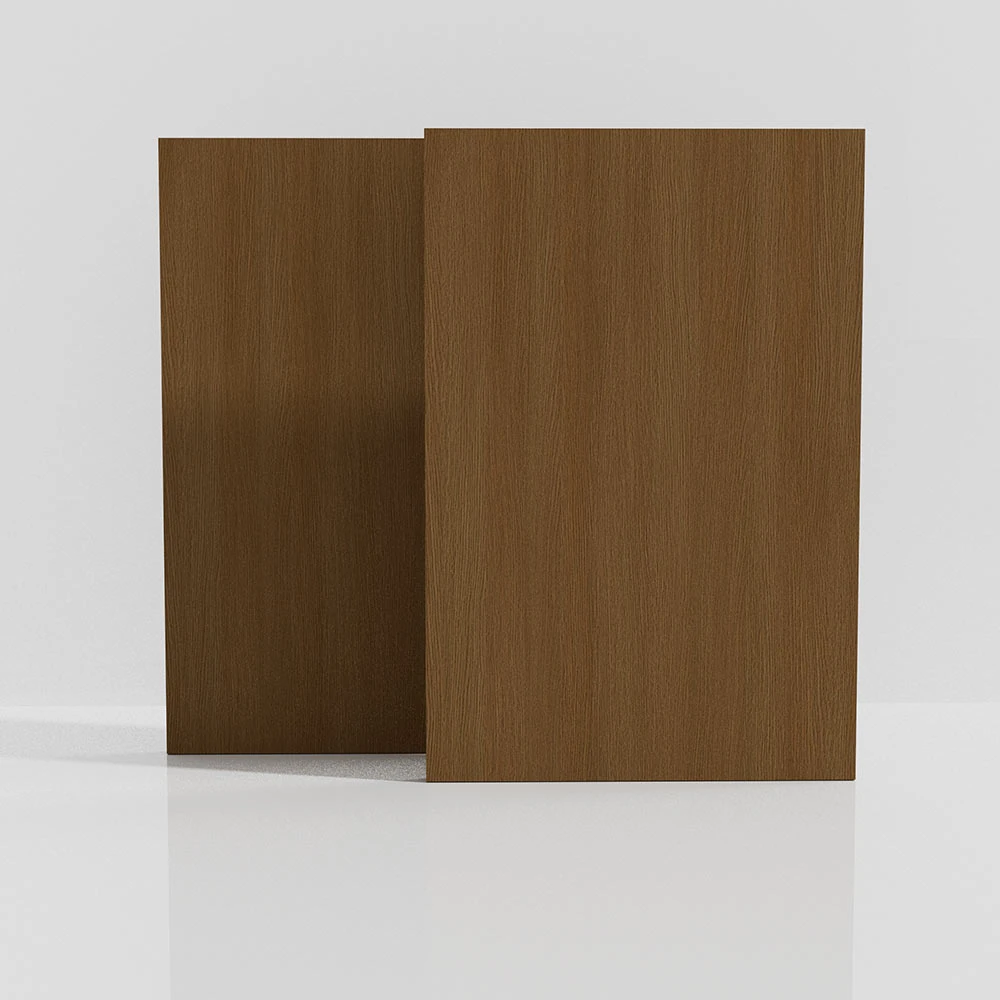
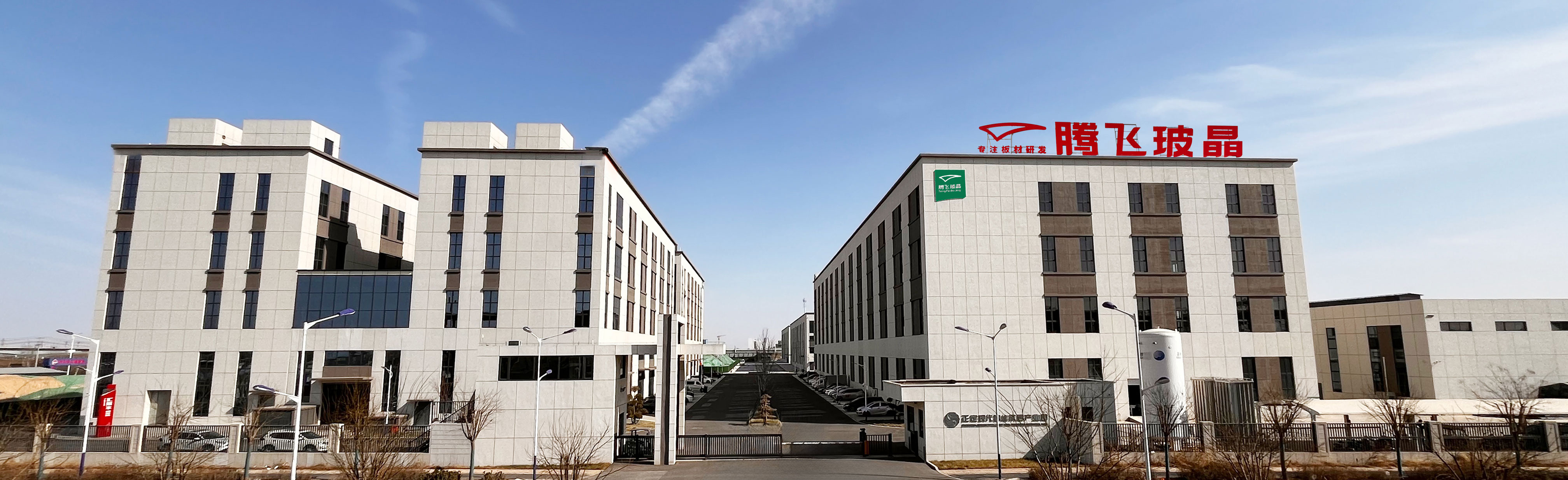
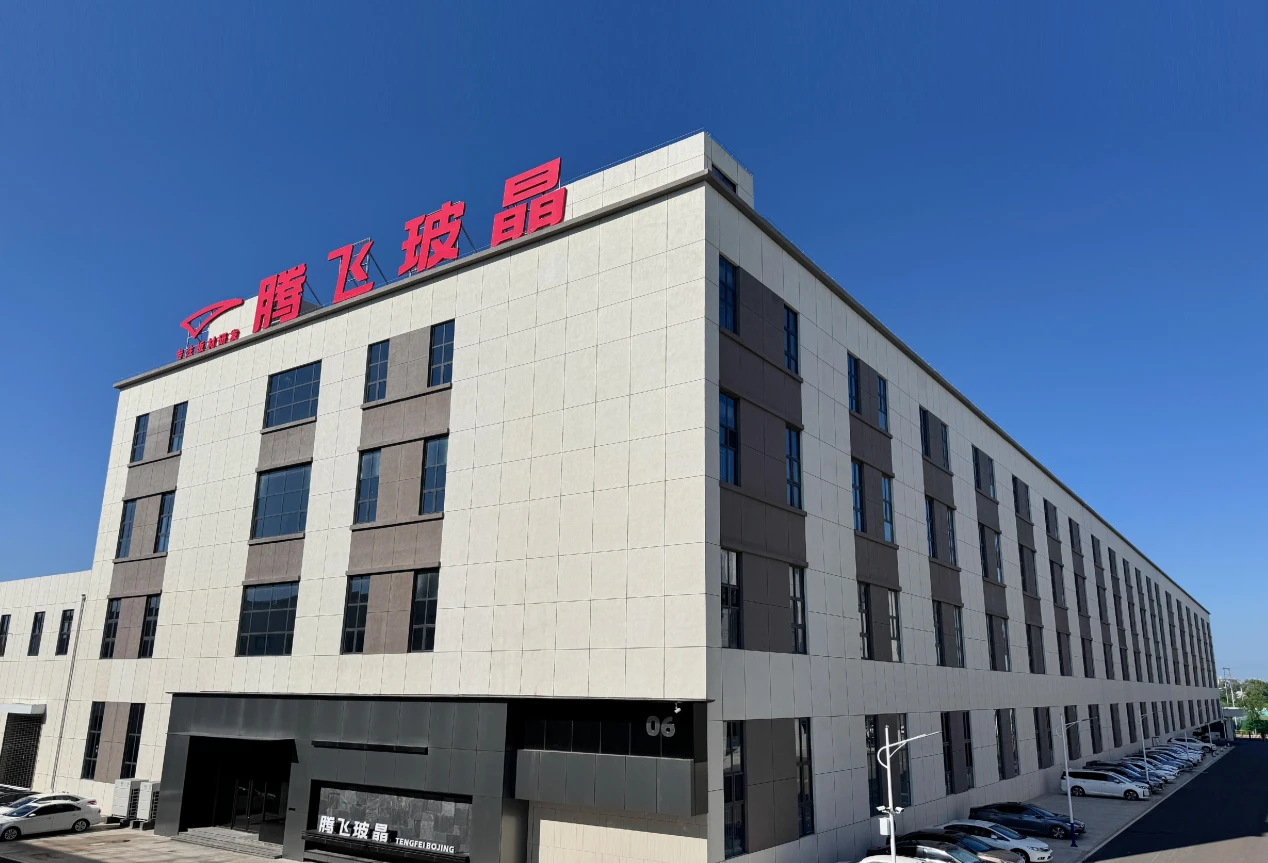
Plywood Manufacturer is a key solution in the industry, specifically within manufacturing, construction, and furniture production sectors. This article explores how https://www.tengfeiebmdf.com supports professionals with durable, high-performance products, and explains why this product is an ideal choice for businesses in these sectors.
Table of Contents
At its core, a Plywood Manufacturer produces plywood panels made by laminating thin layers of wood veneers. What’s fascinating — you might almost take it for granted — is how the layered cross-grain technique creates a wood panel both strong and flexible, more so than solid wood of comparable thickness. These products are indispensable for industries requiring sturdy yet adaptable construction materials.
- Plywood panels come primarily in thicknesses ranging from 3 mm to 25 mm, with variations tailored for different structural uses.
- For instance, Tengfei’s multi-layered birch plywood features consistent density around 650 kg/m³ and enhanced moisture resistance, which suits heavy-duty industrial applications well.
| Specification |
Feature |
| Material |
Birch, Poplar, Pine |
| Thickness Range |
3 mm – 25 mm |
| Density |
600 – 700 kg/m³ |
| Glue Type |
Phenol formaldehyde (water-resistant) |
| Standard Sizes |
1220 x 2440 mm, 1525 x 1525 mm |
Frankly, plywood made by skilled manufacturers like those at Tengfei is pretty much the Swiss army knife of wood products. It’s widely used in furniture, shipping crates, flooring underlayment, and even in specialized industrial molds. The strength-to-weight ratio is compelling, and its resistance to warping or shrinking beats most alternatives.
- In furniture manufacturing, it's prized for stability and beautiful veneer finishes which reduce waste and simplify finishing.
- Construction companies turn to plywood for shear walls and subflooring due to its durability under stress and moisture.
- Compared to MDF or particleboard, plywood offers higher impact resistance and better holds for screws and nails.
- Customers often mention Tengfei’s product consistency and tailored sheet sizes, which improves assembly line efficiency.
Cost, Maintenance & User Experience
I suppose one question many B2B decision makers wrestle with concerns total cost of ownership. Plywood may seem pricier upfront than cheaper particleboards, but when the durability, longevity, and lower scrap rates come in, it often pays off in the long run. Maintenance is generally straightforward — regular sealing keeps panels moisture-resistant and structurally sound.
- Many industrial clients report superior ROI, thanks in part to reduced replacement cycles.
- User experience feedback highlights how plywood’s stable surface aids precision in machining and assembly.
Vendor Comparison: Leading Plywood Manufacturers
| Feature |
Tengfei |
Competitor A |
Competitor B |
| Material Quality |
Premium grade birch/poplar |
Standard pine |
Mixed hardwood veneers |
| Moisture Resistance |
High (Phenolic glue) |
Medium (Urea resin) |
Low to medium |
| Custom Sheet Sizes |
Available |
Limited |
Standard only |
| Price |
Moderate |
Lower |
Higher |
Sustainability & Market Trends
Sustainability is oddly enough both an opportunity and a challenge in plywood manufacturing. More buyers are looking at eco-certifications like FSC or PEFC, pushing manufacturers to ensure sustainable sourcing. Tengfei has been ramping up efforts here, emphasizing not only responsible harvesting but also innovations in low-emission glues. As regulations across China and export markets tighten, this becomes a critical factor in vendor selection.
- Market growth is steady; analysts say the regional demand for engineered wood products will continue to rise at roughly 5% annually.
- High-performance plywood is increasingly favored over traditional wood because it responds better to modern construction standards, particularly in seismic zones.
Frequently Asked Questions about Plywood Manufacturer
- What is Plywood Manufacturer and how does it work?
-
Simply put, a plywood manufacturer creates engineered wood panels by bonding multiple thin layers of wood veneer with adhesives. The layers are arranged so that the grain of each veneer runs perpendicular to the one below, which increases strength and prevents wood from bending or warping too easily.
- What are the main benefits of using Plywood Manufacturer in industrial applications?
-
The key benefits include superior strength-to-weight ratio, resistance to moisture and temperature changes, ease of machining, and consistent quality which is vital for automated manufacturing lines.
- How does Plywood Manufacturer compare to traditional alternatives?
-
Compared to solid wood or particleboard, plywood from a reputable manufacturer like Tengfei resists warping, holds fasteners better, and is generally more durable, making it a smarter investment for long-term projects.
- What industries can benefit most from Plywood Manufacturer implementation?
-
Construction, furniture manufacturing, transportation (e.g., crate and pallet production), and even tooling industries gain from high-quality plywood due to its versatility and load-bearing properties.
Conclusion on Plywood Manufacturer from China
To wrap things up, investing in plywood supplied by a trusted manufacturer such as Tengfei represents a solid move for businesses that value long-lasting, versatile, and eco-conscious wood products. Whether your sector is construction or furniture production, these plywood panels offer a reliable foundation for quality end-products.
Reflecting on the details, the plywood sector blends tradition with innovation in a way that’s quite compelling. It’s one of those industries where small technical improvements truly ripple through product lines, and that’s exciting for anyone working with wood materials today.
- Forest Stewardship Council (FSC) certification info – fsc.org
- Market growth projections by Global Wood Products Association, 2023
- Technical bulletin on plywood manufacturing, Wood Technology LLC, 2022