Plywood Manufacturers: A Veteran’s Perspective on Quality and Choice
Having spent more than a decade in the industrial equipment sector, I’ve crossed paths with countless suppliers and manufacturers — but plywood makers hold a distinct place in my notes. It’s funny, because plywood might seem like a straightforward product, but I’ve learned it’s anything but simple behind the scenes. Frankly, the subtle variations in materials, adhesives, and engineering can make a world of difference, especially when you’re dealing with heavy-duty industrial applications or custom woodworking projects.
One thing I always tell new buyers is to think beyond just “thickness” or “grade.” For instance, a plywood manufacturer that invests in rigorous testing protocols — moisture resistance, glue bonding strength, formaldehyde emissions — really stands out. You can’t afford to gamble here when machinery or structural stability depends on it.
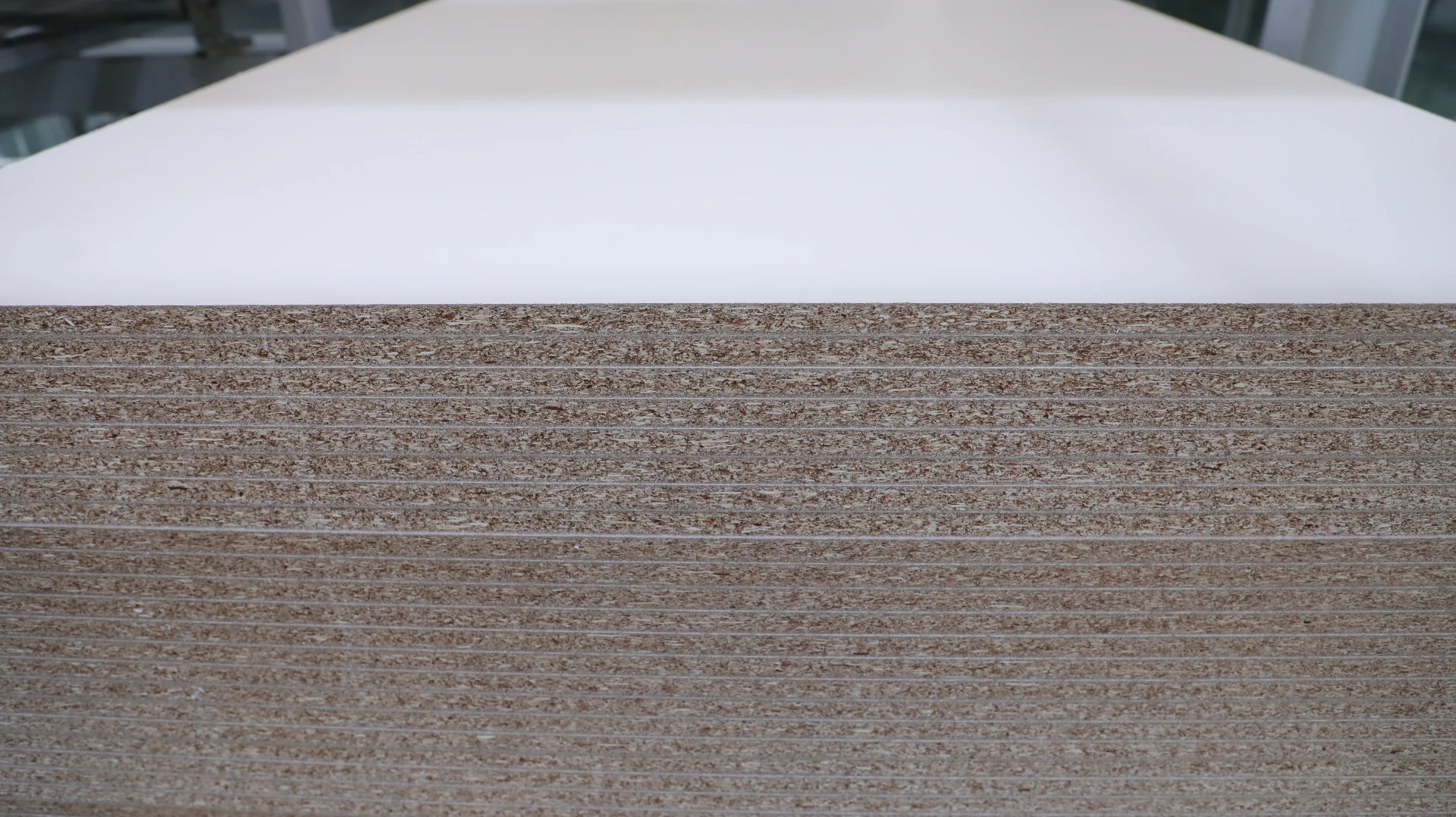
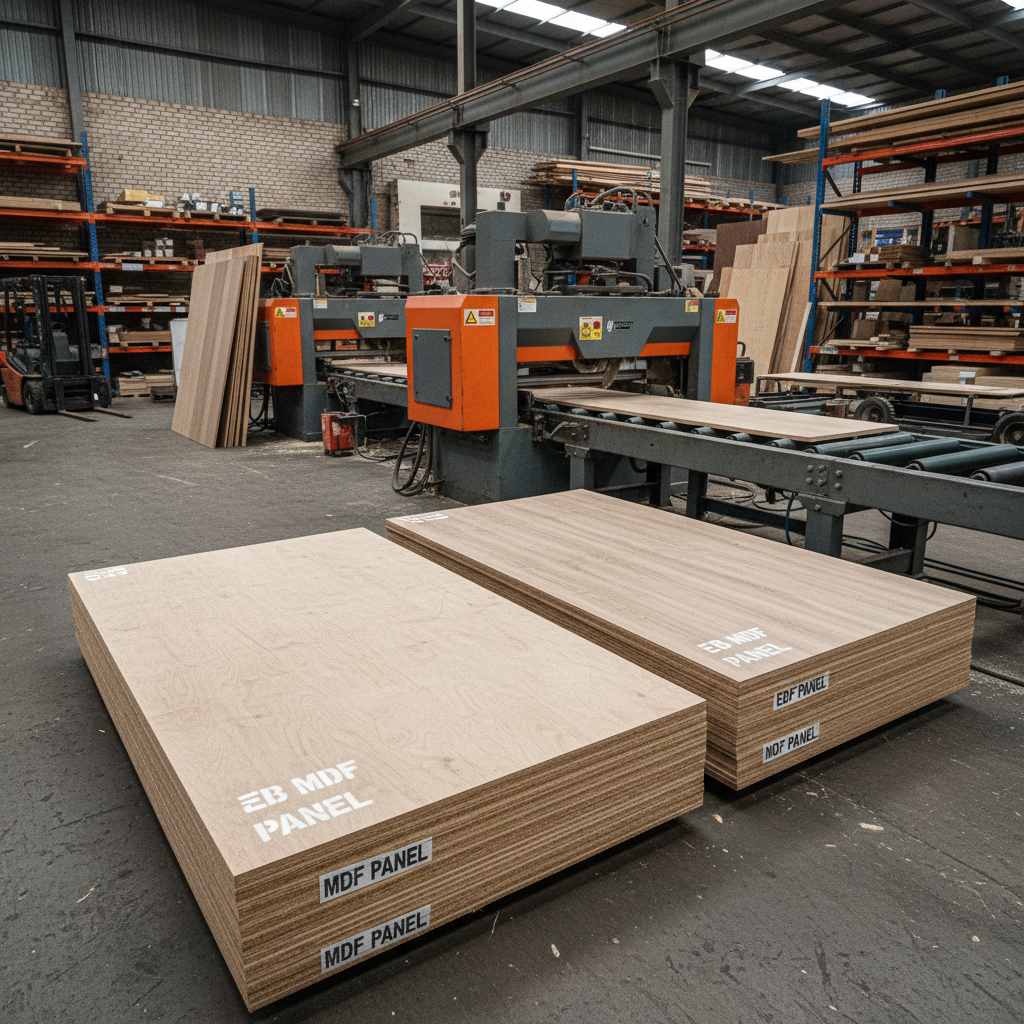
Oddly enough, many engineers and fabricators I worked with share a kind of sixth sense about plywood quality. It’s partly based on specs, yes, but also feel, smell, and sometimes even appearance under light. That’s not alchemy; it’s experience meeting good manufacturing standards. You often see the difference in how cleanly the ply veneers are cut and how tightly they’re pressed.
Why Material and Adhesive Matter
The type of wood used for the veneers affects not only strength but also how the plywood will behave in varying humidity and temperature conditions. Softwoods like pine can be lighter but less dense, while hardwood veneers provide durability but at a price premium. The adhesive, often overlooked, is what holds these layers together. I’ve seen some manufacturers use phenol-formaldehyde glues for exterior-grade plywood, which means better water resistance, while others stick to urea-formaldehyde for interior uses.
Here’s something that surprises newcomers: plywood’s performance isn’t just about the raw materials. The manufacturing process itself — the hot pressing time, temperature, veneer preparation — profoundly affects the final product. So when evaluating plywood manufacturers, it pays off to ask about their process control systems as well.
Plywood Specifications — What to Look For
| Specification |
Typical Value |
Why It Matters |
| Thickness |
6mm – 25mm |
Determines load capacity and flexibility |
| Veneer Type |
Hardwood / Softwood |
Affects strength and finish quality |
| Glue Type |
Phenol-Formaldehyde (exterior), Urea-Formaldehyde (interior) |
Resistance to moisture and durability |
| Density |
Approx. 600 – 700 kg/m³ |
Influences weight and handling properties |
| Formaldehyde Emission Standards |
E0 / E1 Certification |
Health compliance, especially for indoor use |
Choosing a Manufacturer: A Quick Comparison
From my experience, not all plywood manufacturers are created equal. I’ve seen vendors who excel in mass production but struggle with consistent quality, and others who prioritize customization but charge premiums. Here’s a simple comparison that might help if you're weighing options:
| Vendor |
Strengths |
Weaknesses |
Typical Applications |
| Tengfei |
Strong quality control, customizable specs |
Lead time can be longer for custom runs |
Industrial tooling, furniture, cabinetry |
| Vendor B |
Competitive prices, fast delivery |
Quality sometimes inconsistent |
Construction, packaging |
| Vendor C |
Eco-friendly options, low emissions |
Smaller production runs, higher cost |
Interior design, flooring underlayments |
A little anecdote: I once worked on a project where a mismatched plywood grade led to premature warping weeks after installation. You might think plywood is “just plywood,” but it’s more nuanced. Since then, I always recommend verifying specs—and testing samples if possible—especially with suppliers offering customized sheets like plywood manufacturers who are willing to tailor solutions.
In real terms, the best ply is one that fits your project’s environment and stress loads, not just the cheapest one on the shelf. Take humidity, exposure, load-bearing needs, and finish requirements seriously. It’s a small detail that can save you headaches (and money) down the line.
So, whether you’re a seasoned engineer or a first-time buyer, do your homework. Ask questions, review samples, learn about drying and pressing processes, and choose wisely. Because plywood might be old-school as materials go, but good craftsmanship is timeless.
Here’s to solid foundations — even if they come in thin layers.
References and Further Reading
- Manufacturing Processes of Plywood, Wood Technology Journal, 2020.
- Formaldehyde Emissions and Health Risks, Environmental Health Perspectives, 2019.
- Quality Control in Wood Composite Manufacturing, Industrial Engineering Review, 2021.