Understanding the 3/4 Birch Plywood 4x8 Price Landscape
Having spent well over a decade knee-deep in the industrial equipment and materials sector, I’ve gained a sort of sixth sense when it comes to plywood — especially 3/4 birch plywood 4x8 price. It's a product category that often gets overlooked, but frankly, it’s a key player in both structural and finish applications. You'll find it in everything from cabinetry and furniture to industrial crates and specialty tooling boards.
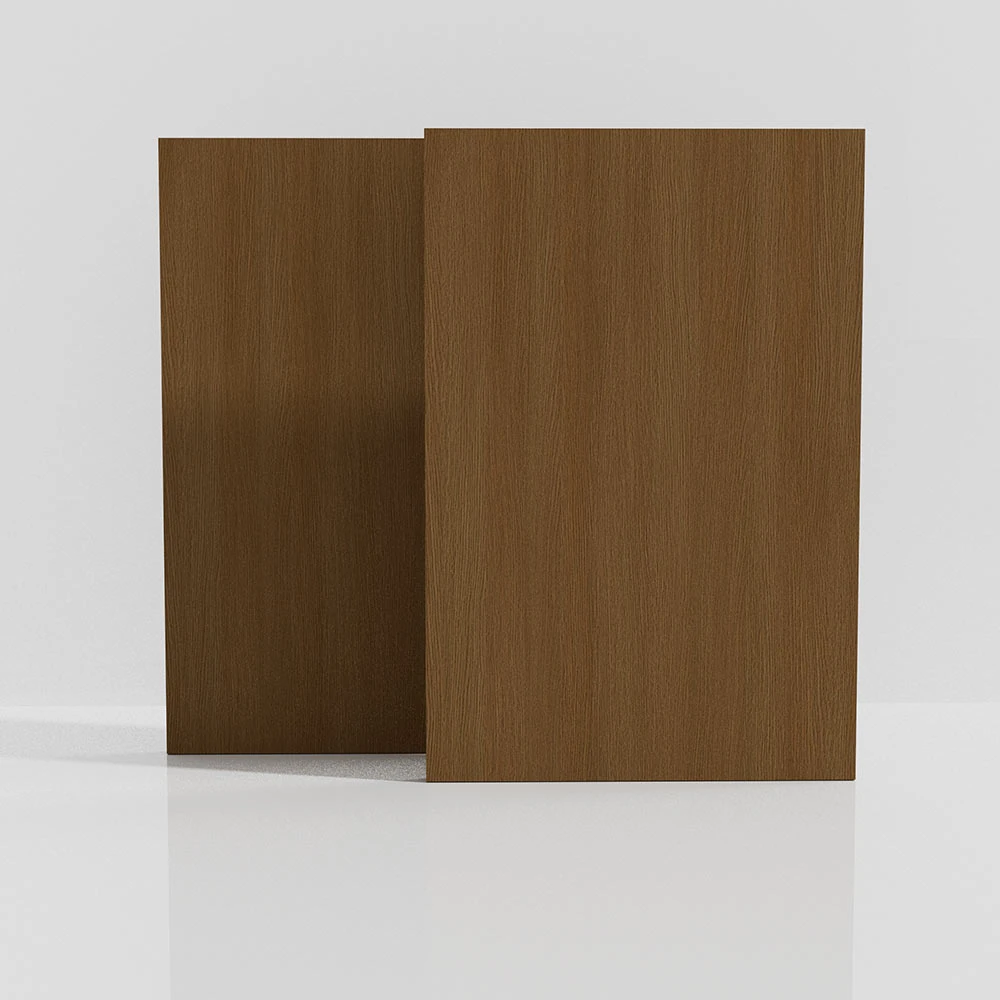
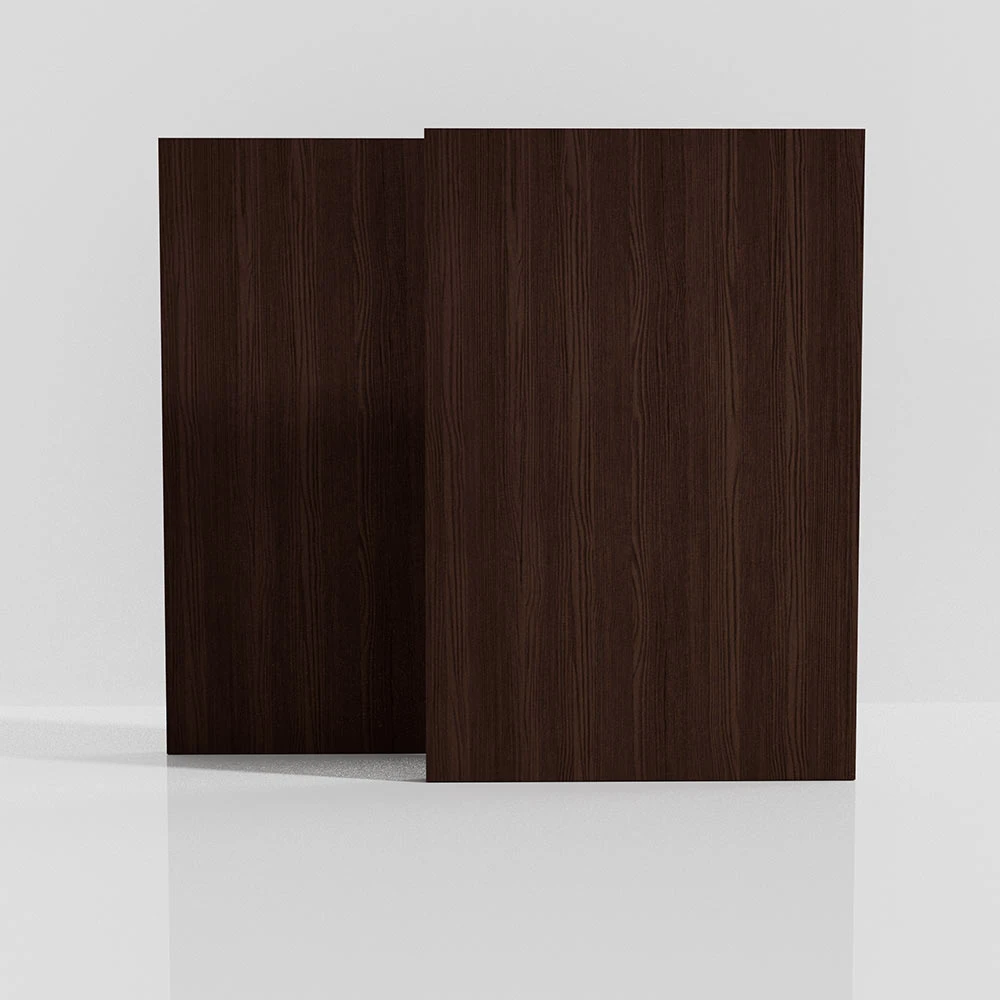
Given the fluctuating costs of raw materials and changing labor expenses, tracking the price trend of birch plywood is almost like reading a nuanced map of the larger timber market. Oddly enough, the birch veneer itself is what really sets the tone here. It’s prized for its smooth, fine grain and strength, which means it’s not just any plywood — it’s one of the more premium types out there. Some folks call it the “working horse” of the plywood world, due to its versatility and durability.
From experience, pricing for a 3/4 inch thickness in a standard 4x8 sheet usually sits in a moderate range compared to other hardwood plywoods. But, prices can swing depending on several factors — sourcing region, grade, thickness uniformity, and quality of adhesive used in the manufacturing process. For example, some suppliers use phenolic glue for water resistance, which slightly bumps up the cost but greatly improves longevity, especially outdoors or in humid environments.
It's worth mentioning that despite the popularity of alternative engineered wood products, many engineers and craftsmen still swear by birch plywood’s combination of strength and finish quality. I noticed, during one project last year, that switching to a lesser hardwood plywood led to increased sanding and finishing expenses that completely offset initial savings. So in a sense, the upfront price can be a bit deceptive if you don't factor in the total cost of use.
3/4 Birch Plywood 4x8 Product Specs
| Specification |
Details |
| Dimensions |
48" x 96" (4x8 feet) |
| Thickness |
3/4 inch (approx. 19mm) |
| Core Type |
Multiple hardwood veneers - mostly birch cores |
| Face Grade |
A/B or B/B (smooth, fine grain surface) |
| Glue Type |
Class 1 or Class 3 phenolic resins (depending on moisture resistance) |
| Weight |
Approx. 65-70 lbs per sheet |
| Typical Price Range |
$45 - $70 per sheet (varies by vendor and grade) |
Now, if you’re wondering where to pick up your birch plywood, my informal vendor round-up might help. I’ve dealt extensively with suppliers across North America and Eastern Europe — they all offer slightly different blends of quality, price, and availability. Here’s a quick comparison:
Vendor Comparison: 3/4 Birch Plywood 4x8 Price
| Vendor |
Price per Sheet |
Grade Options |
Lead Time |
Additional Notes |
| Northern Birch Supplies |
$50 - $65 |
A/B, B/B |
3-5 business days |
Locally sourced, eco-certified |
| EuroPly Wood Co. |
$45 - $60 |
B/B |
5-7 business days |
Imported from Baltic region |
| Tengfei Industrial |
$48 - $70 |
A/B, B/B, BB/CC |
2-4 business days |
Consistent quality, strong moisture resistance |
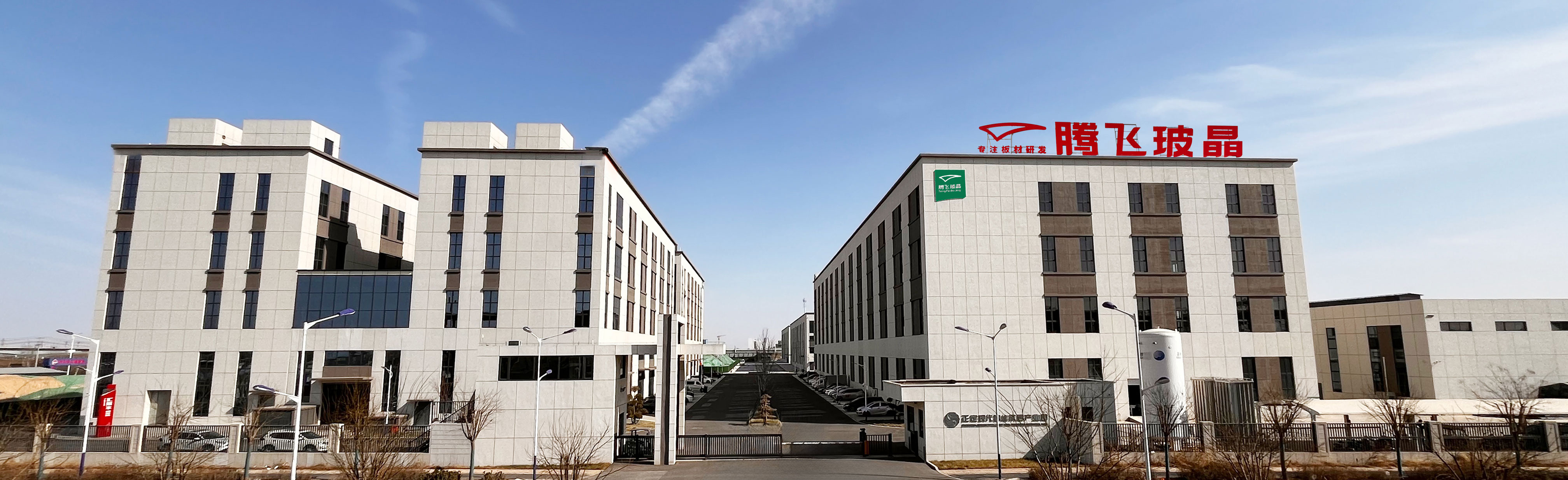
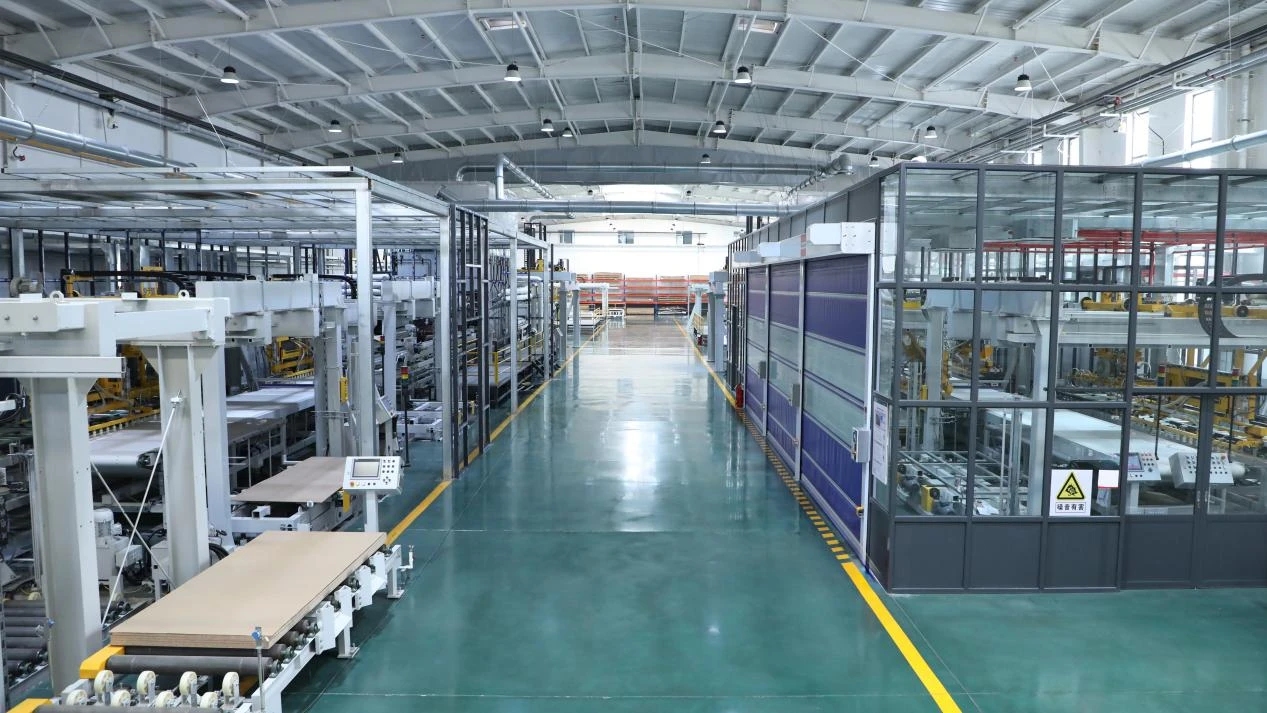
Among these, I often recommend looking into Tengfei Industrial. Their balance of price, quality, and delivery consistency makes them a smart bet for many commercial and even some bespoke applications. I recall a recent client project where turnaround time was critical — Tengfei came through on such short notice it honestly surprised me.
Finally, I suppose what it all comes down to is value over sheer price. “Cheap” rarely means the same thing in plywood as with consumer goods. You want durability, minimal warping, and a finish that’s as close to perfect as possible. If you overlook those, you’ll be fixing problems or replacing sheets sooner than you’d like — and that’s no bargain in my book.
To sum up: the 3/4 birch plywood 4x8 price might seem like just a number, but it really reflects a mix of engineering, sourcing, and supply chain factors. Knowing your suppliers and understanding the specs can turn buying plywood from a chore into a smart investment.
In real terms, I'd say keep an eye on market shifts, trust reputable vendors, and always test a sample if possible before bulk purchase. It feels like the right approach if you want your project to stand the test of time — and the occasional sweaty summer or damp basement.
References:
- Forest Products Annual Market Review, 2023
- Plywood Manufacturing Standards, APA The Engineered Wood Association
- Personal field notes and vendor interviews, 2015-2024