Add: No.8 Xinxing Street, North Zone, Zhengding High-tech Industrial Development Zone, Hebei, China
CONTACT US
+8615030171059


CONTACT US
+8615030171059
Understanding the double sided laminated plywood price is crucial for businesses and individuals undertaking construction, furniture making, and various DIY projects. This article provides a detailed overview of factors influencing pricing, typical costs, applications, and where to source high-quality plywood. We’ll explore different grades, thicknesses, and how to get the best value for your needs. A clear understanding of these aspects will empower you to make informed purchasing decisions.
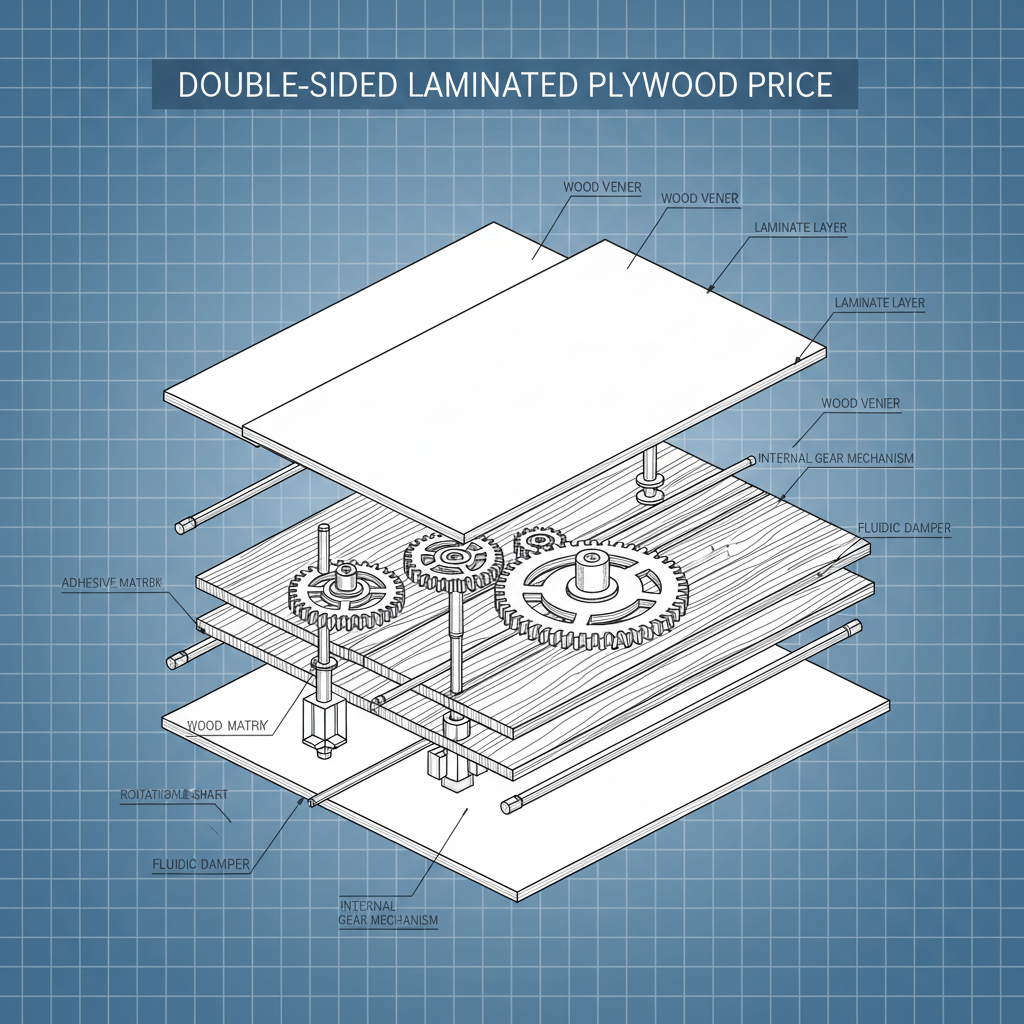
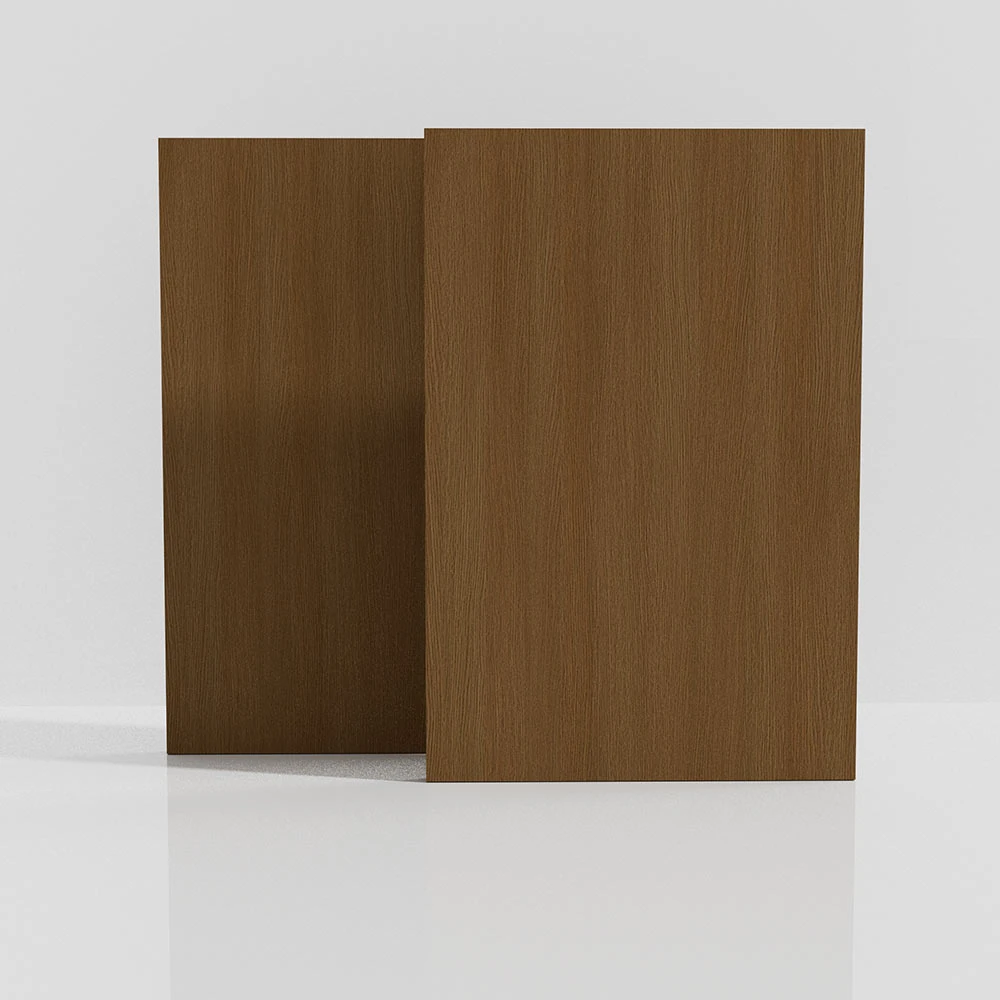
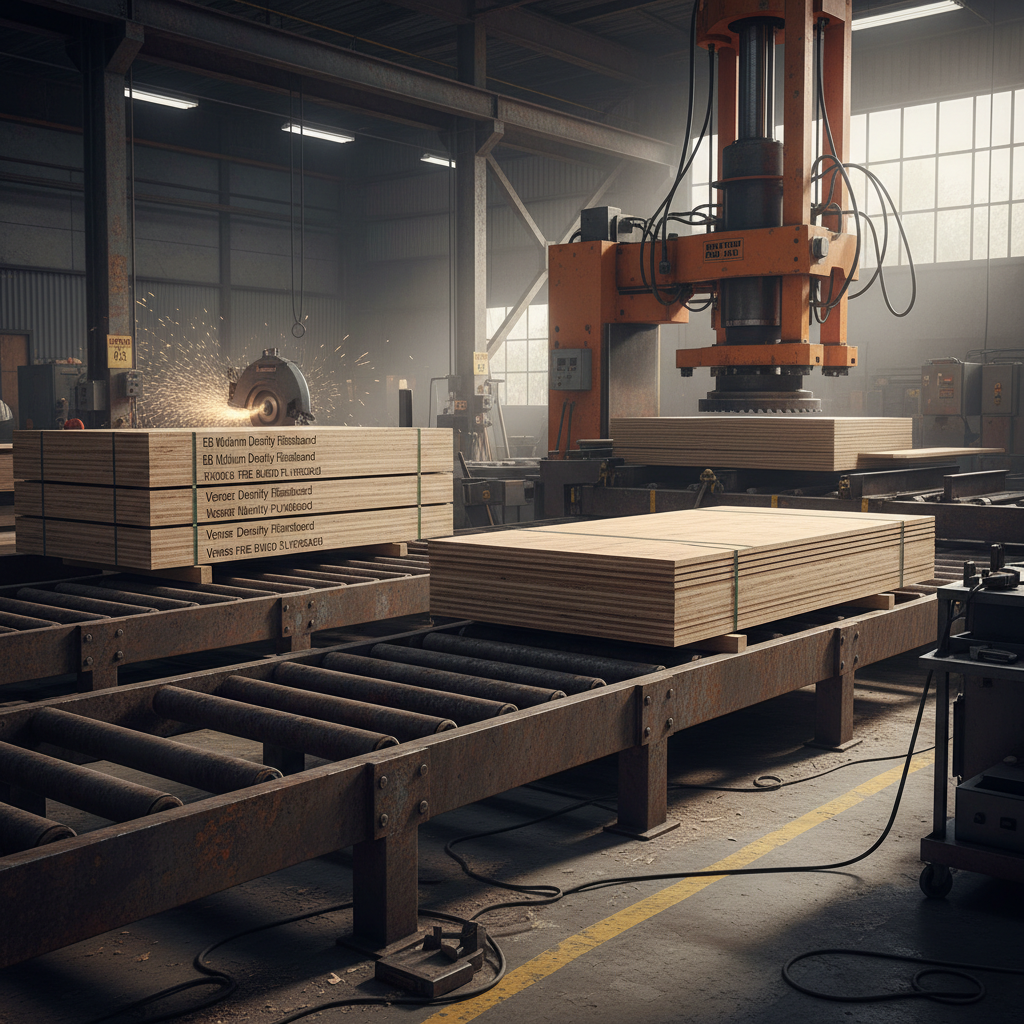
Double sided laminated plywood consists of multiple layers of wood veneer bonded together with adhesive, and then covered with a decorative laminate on both sides. This lamination enhances durability, moisture resistance, and aesthetic appeal. It's a versatile material used in furniture, cabinetry, wall paneling, and other interior applications. The laminate can be a variety of materials, including melamine, HPL (High-Pressure Laminate), or natural wood veneer, impacting the final double sided laminated plywood price.
Key Highlights: Enhanced durability, increased moisture resistance, and superior aesthetic appeal compared to standard plywood.
Several factors contribute to the cost of double sided laminated plywood. The wood species used in the core layers (e.g., poplar, birch, pine) plays a significant role, with hardwoods generally being more expensive. The type of laminate applied – melamine, HPL, or wood veneer – also greatly influences the price. Thickness, sheet size, and the grade of plywood all contribute to the overall cost. Furthermore, shipping costs, supplier margins, and geographic location can impact the final price. Demand and supply also impact the double sided laminated plywood price.
Price Influencers:
• Wood Species (Poplar, Birch, Pine)
• Laminate Type (Melamine, HPL, Veneer)
• Thickness and Sheet Size
• Grade of Plywood
The price of double sided laminated plywood varies significantly based on the specifications. Here's a general price comparison based on common thicknesses and laminate types. Please note that these are estimated prices and can fluctuate.
Double sided laminated plywood is incredibly versatile. Common applications include: furniture manufacturing (tables, chairs, cabinets), interior design (wall panels, shelving), cabinetry (kitchen cabinets, bathroom vanities), store fixtures, and DIY projects. The aesthetic appeal and durability make it an excellent choice for visible surfaces. The specific laminate chosen influences its suitability for different applications - HPL is often preferred for high-wear surfaces, while wood veneer offers a more luxurious look.

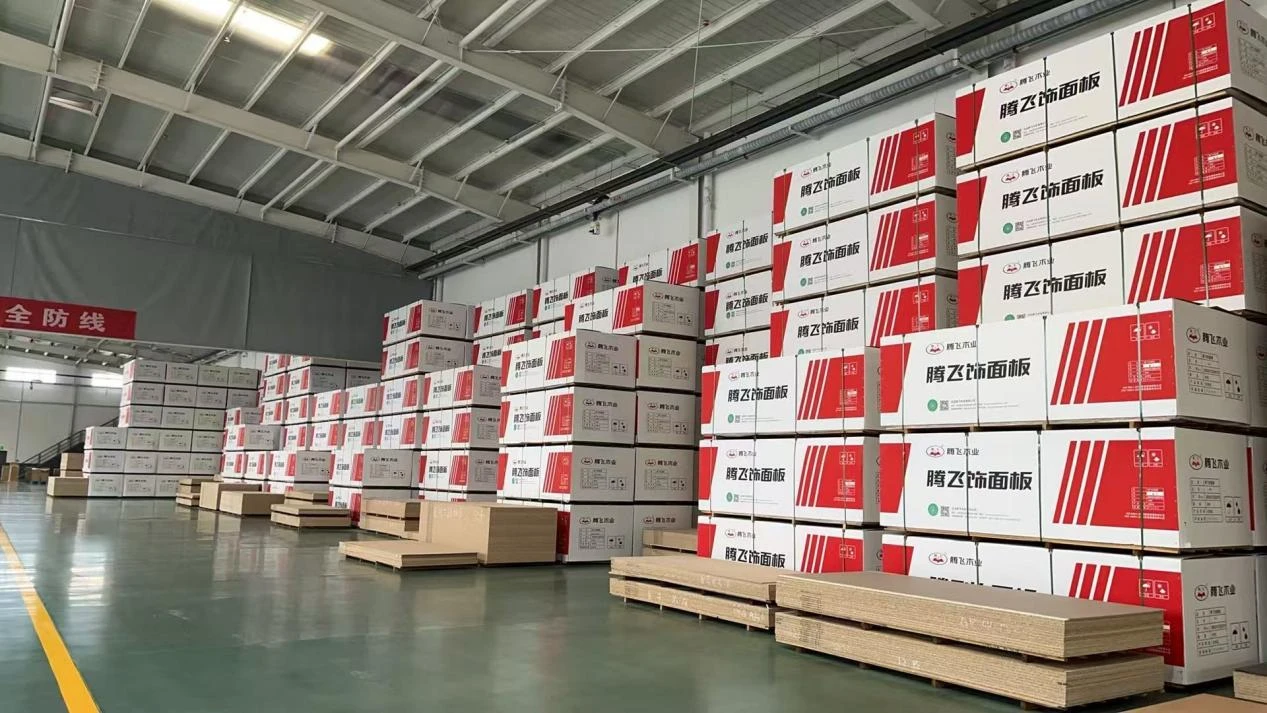
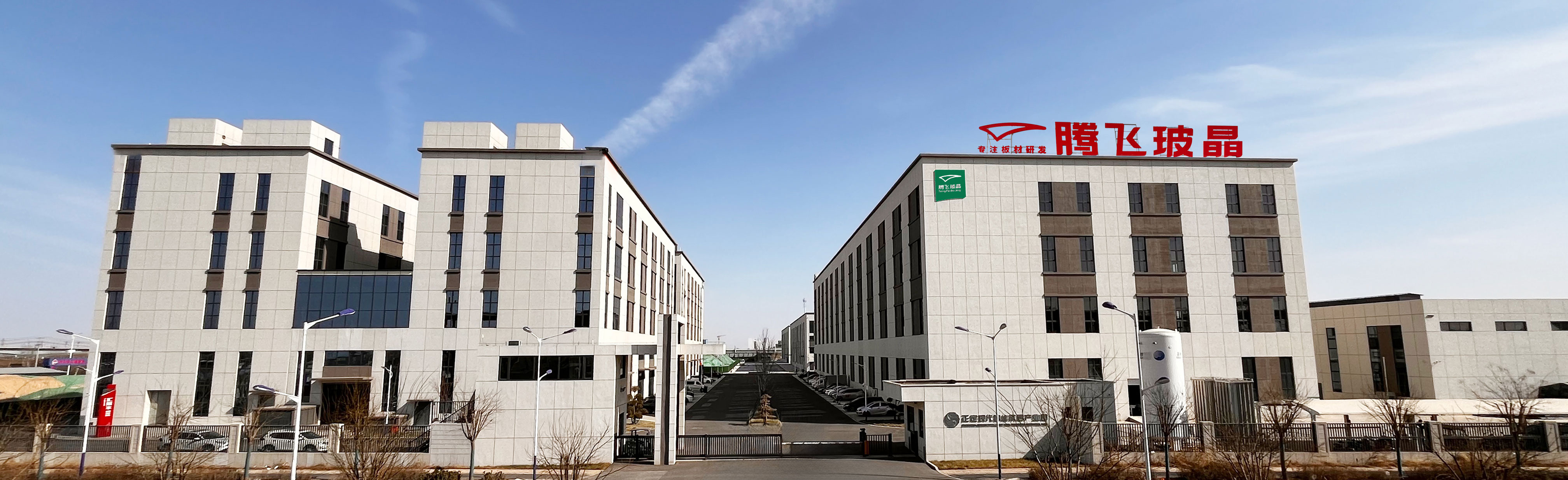
Finding a reliable supplier is key to getting the best price and quality. Tengfei EBMDF specializes in high-quality plywood products, including double sided laminated plywood. We offer competitive pricing, a wide selection of thicknesses and laminates, and reliable shipping options. Consider getting quotes from multiple suppliers to compare prices and ensure you’re getting the best deal. Check for certifications and quality guarantees before making a purchase.
Choosing the right double sided laminated plywood involves considering various factors, including wood species, laminate type, thickness, and supplier reputation. By understanding these aspects, you can find a product that meets your needs and budget. Tengfei EBMDF is dedicated to providing high-quality plywood solutions and excellent customer service. Invest in quality plywood for lasting results.
Laminated plywood offers several advantages over solid wood. It's more stable and less prone to warping or cracking, particularly in fluctuating humidity conditions. It’s often more cost-effective than solid wood, especially for larger projects. The lamination process also enhances surface durability and provides a wide range of aesthetic options through different laminate finishes. The layered construction also makes it stronger and more resistant to splitting than solid wood.
The laminate acts as a protective barrier against moisture. Melamine laminate offers good moisture resistance, while HPL provides superior protection, making it suitable for kitchen and bathroom applications. However, it's important to note that even laminated plywood isn’t completely waterproof. Edges and cutouts should be sealed to prevent water penetration and potential delamination. Proper sealing will significantly enhance its longevity in humid environments.
Both melamine and HPL are common laminate options, but they differ in their construction and performance. Melamine is a lower-pressure laminate fused directly to the plywood core, offering good durability and affordability. HPL (High-Pressure Laminate) is created using multiple layers of resin-saturated paper pressed together under high heat and pressure. This results in a significantly more durable, scratch-resistant, and moisture-resistant surface. HPL is typically more expensive than melamine.
Yes, double sided laminated plywood can be cut to size using standard woodworking tools like saws and routers. However, it’s important to use sharp blades and appropriate cutting techniques to minimize chipping and damage to the laminate surface. Sealing the cut edges is crucial to prevent moisture penetration and maintain the integrity of the plywood. Consider professional cutting services for precise and clean results, especially for complex shapes.
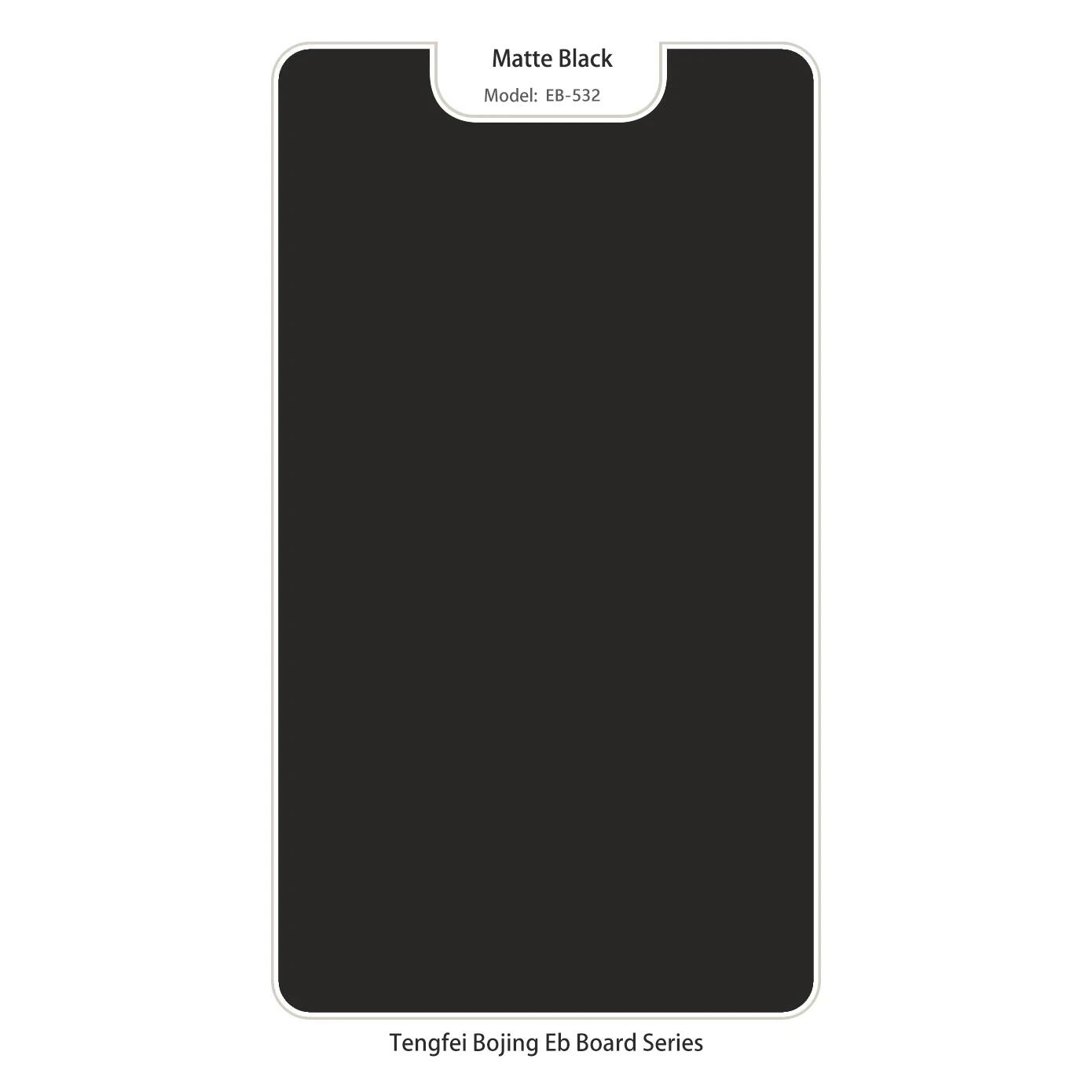
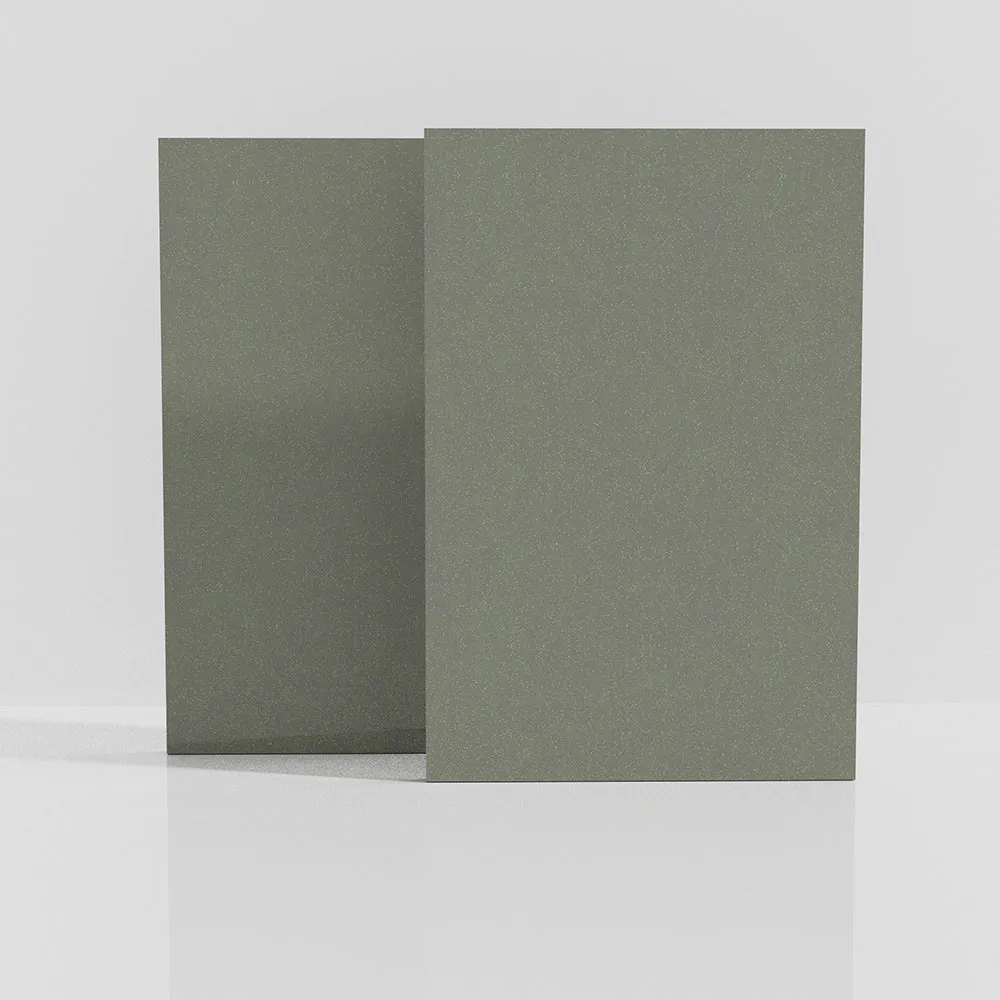
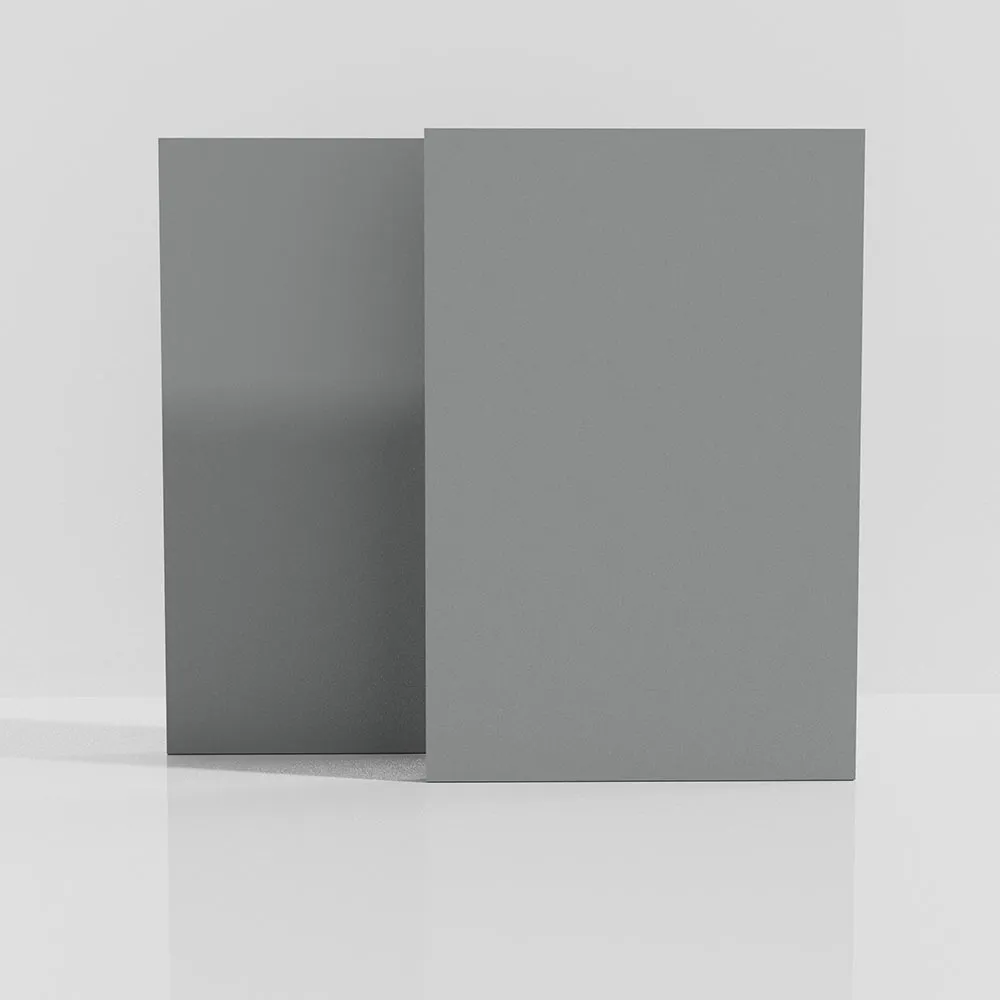
Tengfei Platinum EB Particle Panels - Matte Black
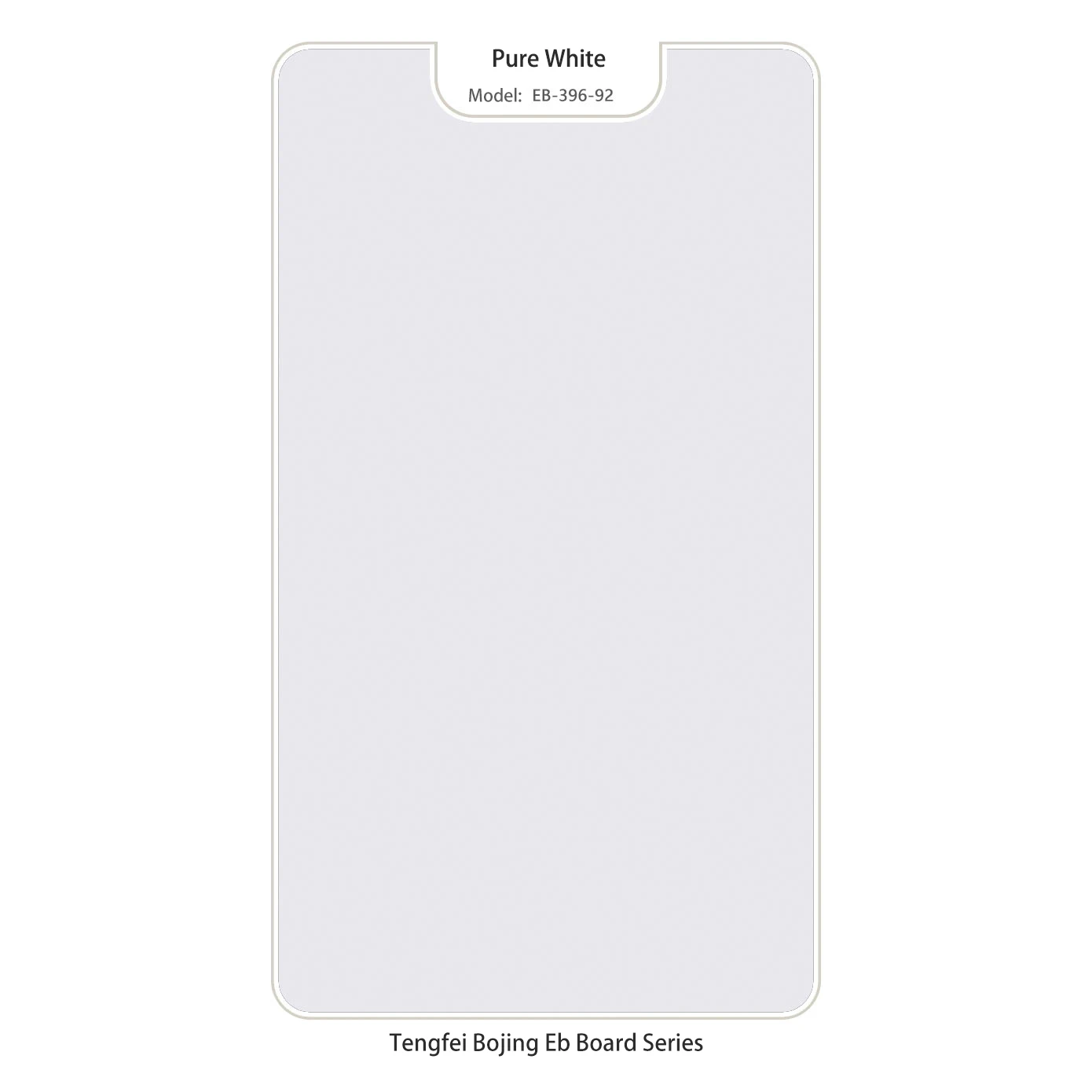
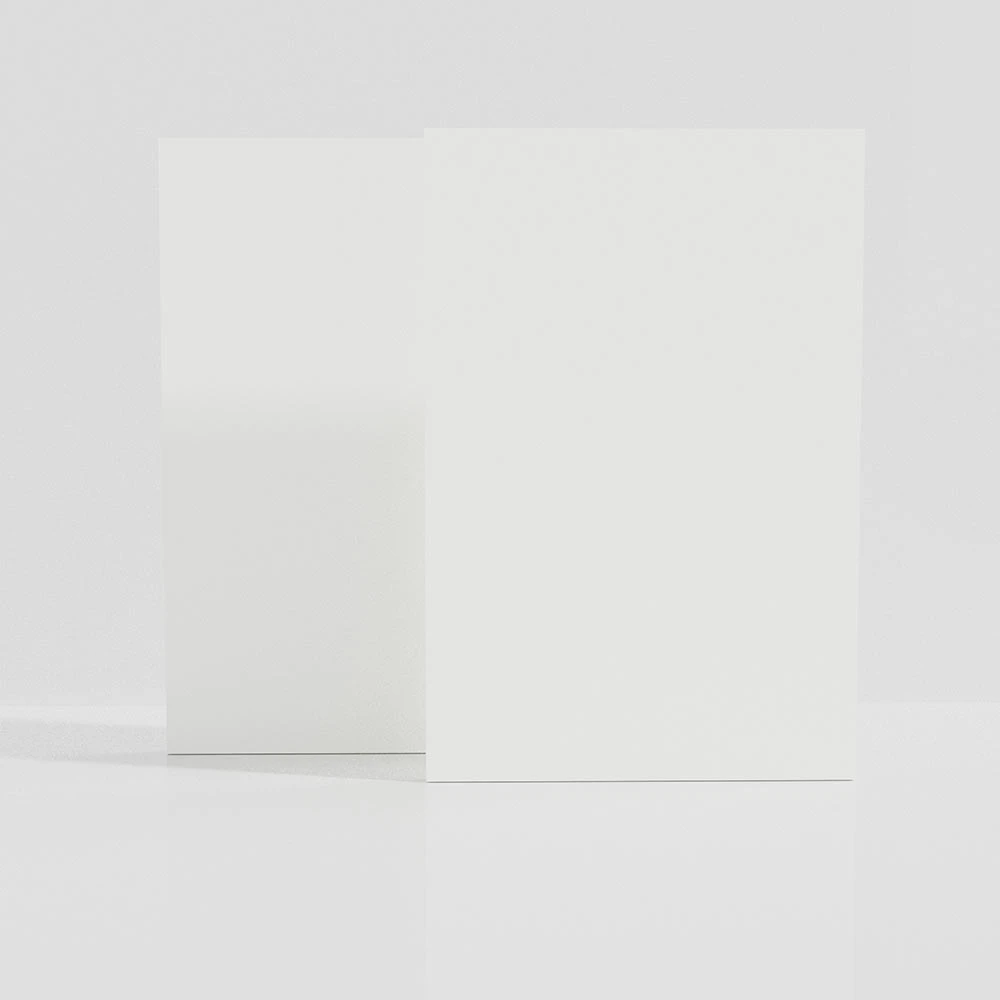
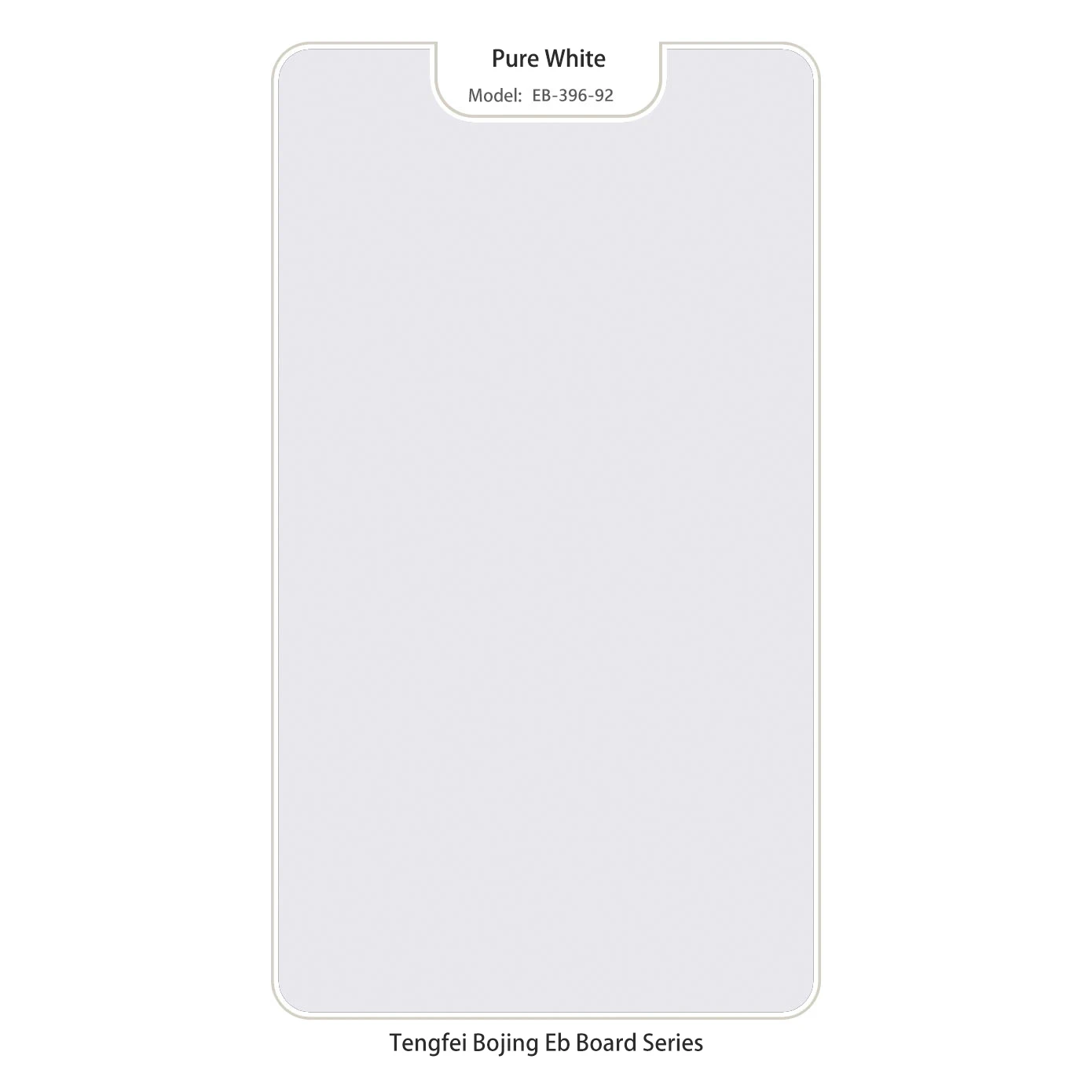
Tengfei Platinum EB Particle High-Gloss Panels - Pure white
To provide reliable solutions through quality products!
![Discover [7J] Solutions: Premium Quality & Peak Performance](https://images.exportstart.com/images/a1394/logo-679.webp "Discover [7J] Solutions: Premium Quality & Peak Performance")