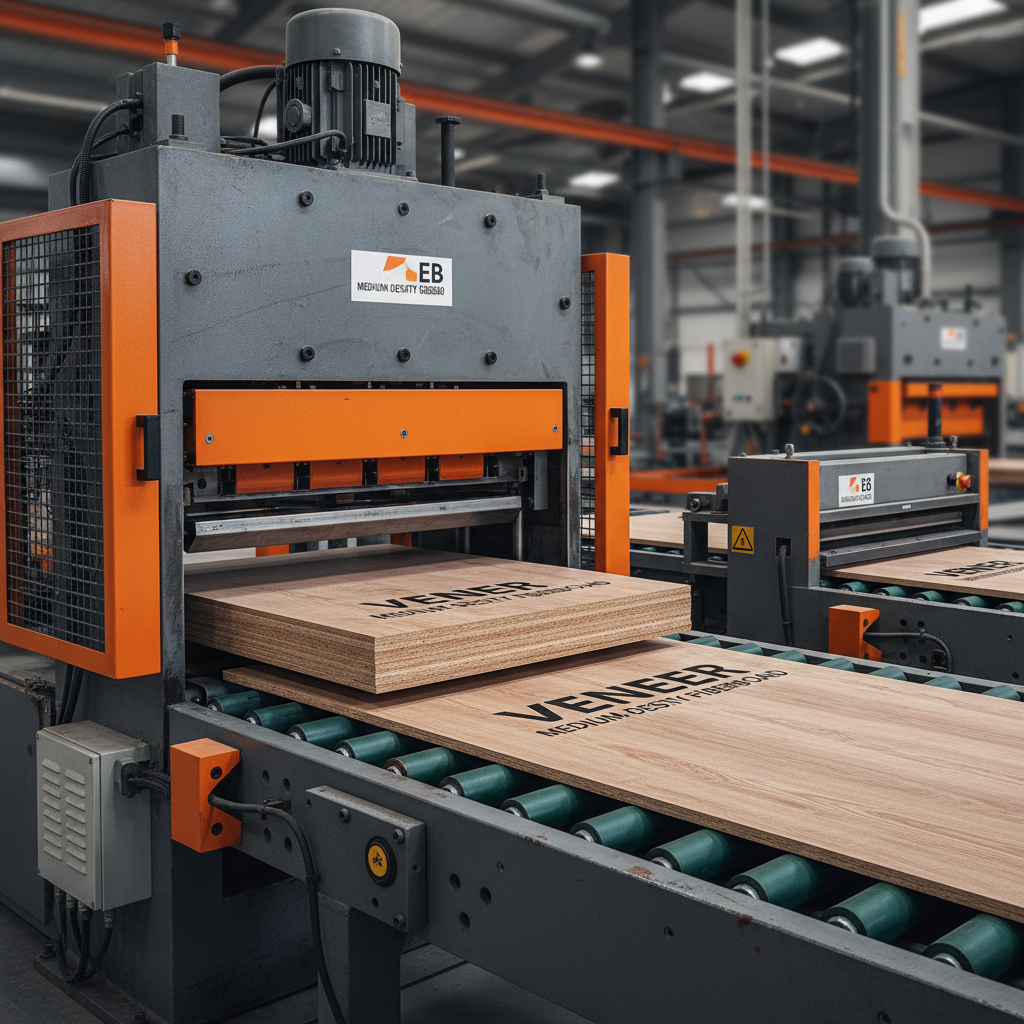
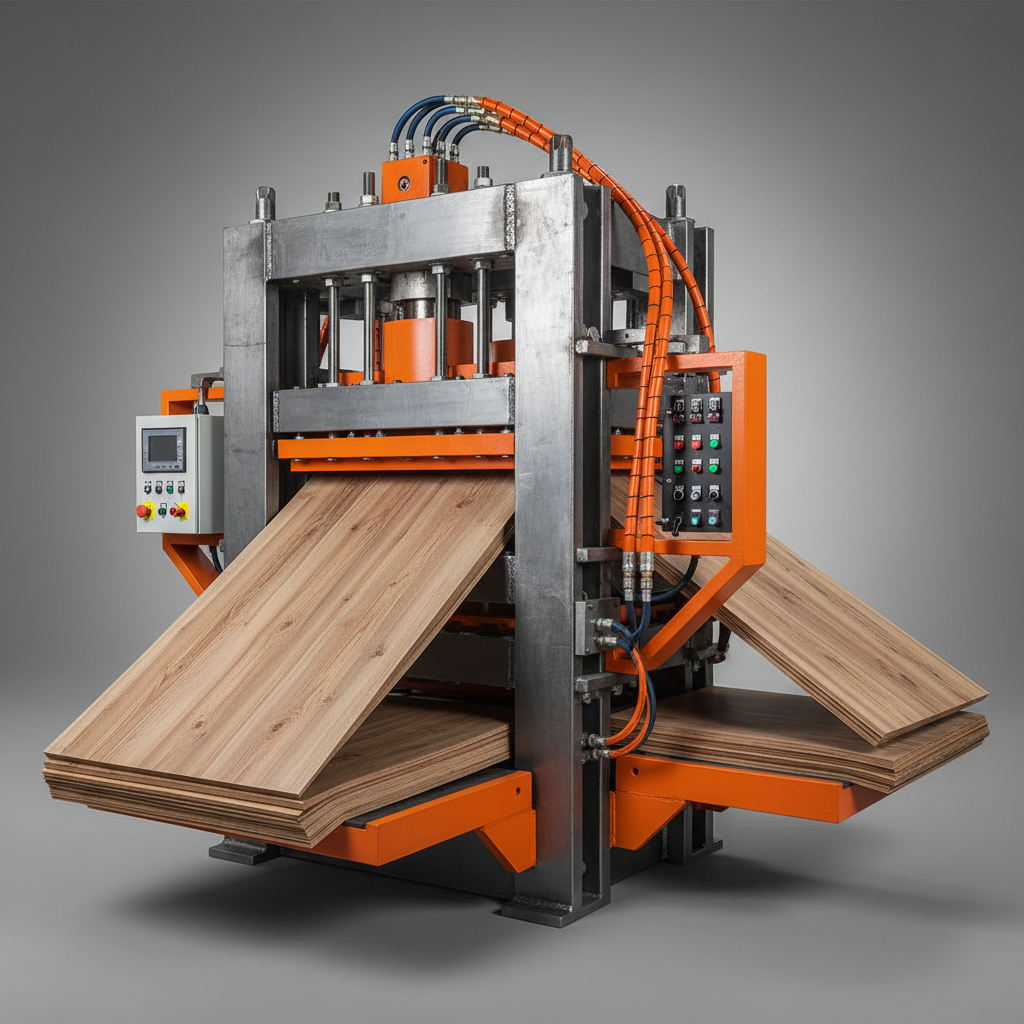
To be honest, things have been moving fast in the veneer mdf board world lately. Everyone’s chasing lower emissions, more sustainable sourcing… you wouldn't believe the number of suppliers now claiming to be “eco-friendly”. It’s good, it is, but you gotta dig deeper, you know? It’s not always what it seems.
Have you noticed how everyone's obsessed with really thin veneers? Makes for a nicer finish, sure, but it's a nightmare to work with on site. They’re so delicate, any little knock and you’ve got chipping, bubbling… it adds hours to the job, and hours cost money. I swear, half my job is just preventing disasters like that. We’ve been seeing a lot more requests for pre-finished boards, too. Saves time, but you lose a bit of control over the final look. It's a trade-off, always a trade-off.
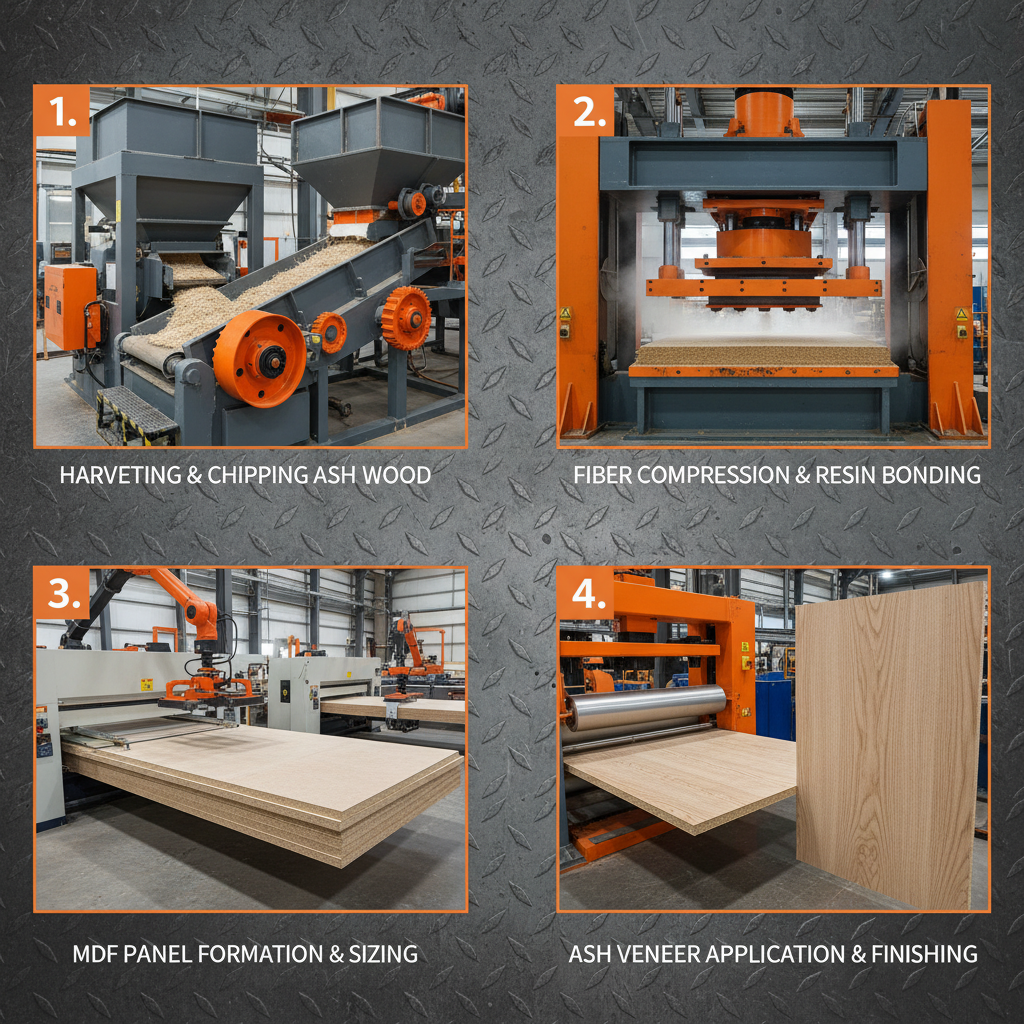
And the MDF itself… that's where it gets tricky. There’s a huge range in quality. You get what you pay for, obviously. The cheap stuff feels… well, dusty, and smells kind of chemically. The good stuff, it’s denser, heavier, holds screws better. I encountered this at a factory in Shandong last time - they were using recycled wood fiber, and the board practically fell apart when I tried to clamp it. A complete waste of time, honestly.
Industry Trends and Pitfalls
Strangely, everyone's focused on bio-based resins now. Sounds great on paper, but getting consistent performance is a challenge. They’re more susceptible to moisture, and the bonding strength isn’t always there. It’s still early days, though. I'm seeing a lot of interest in pre-lamination, too – applying the veneer at the factory. Less mess on site, faster turnaround. But you need to be very, very precise with the dimensions because adjustments are a pain afterward.
The biggest pitfall? Ignoring the substrate. You can have the most beautiful veneer in the world, but if the MDF underneath is crap, it’s all for nothing. People get too hung up on the surface finish and forget about the core. It’s like building a house on sand. Also, edge banding… don't even get me started. It’s always the edge banding that fails first.
Materials Deep Dive
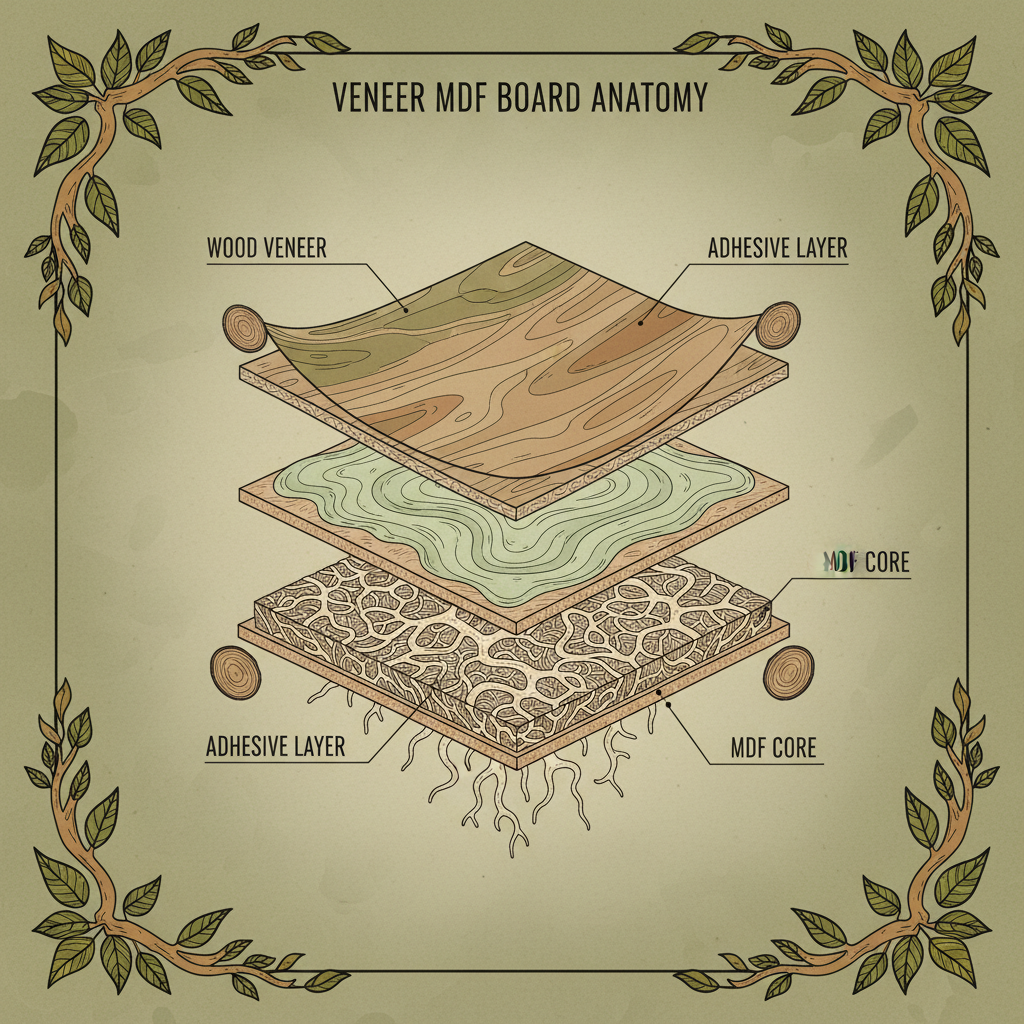
Okay, let’s talk materials. The veneer, obviously, that's where the aesthetics come in. You've got your natural wood veneers – oak, walnut, maple… they all have their own character, their own smell. The oak, it’s robust, a bit grainy. Walnut’s smooth, rich color. Maple… can be a bit bland, if you ask me. Then you’ve got reconstituted veneers, which are basically wood fibers glued back together. Cheaper, more consistent, but they don't have the same depth or feel. I’ve been using a birch plywood for the core recently. It’s surprisingly stable and takes screws really well.
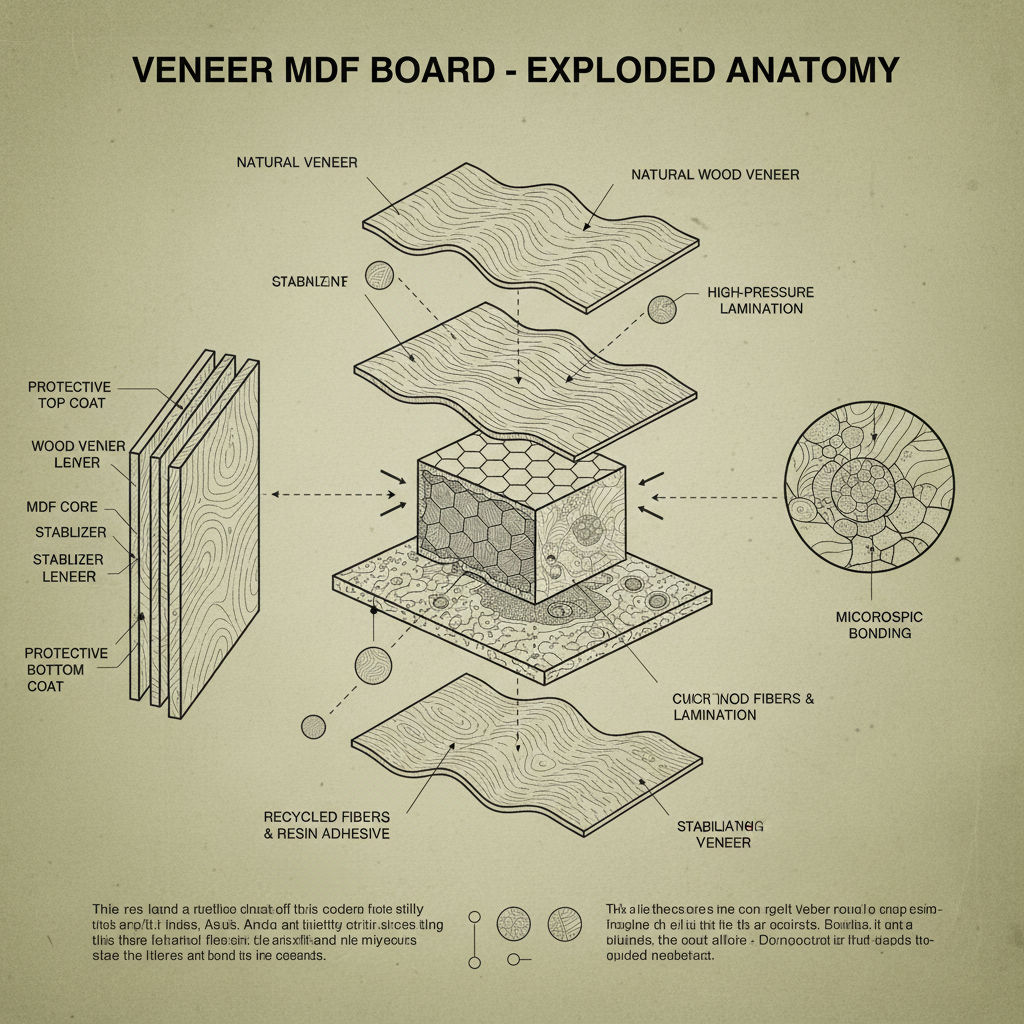
The MDF itself… it’s all about the density, the fiber composition, and the resin used to bind it all together. The higher the density, the better it is for machining and finishing. And the resin… that's where the emissions come into play. You want to be looking for low-formaldehyde or formaldehyde-free options. Your lungs will thank you.
And don’t forget the glue! That’s what holds everything together. I’ve seen some cheap glues that just crumble after a few years. It’s a disaster. You need something that’s waterproof, heat-resistant, and has a good shear strength.
Real-World Testing
Forget the lab tests. Those are… fine, I guess, but they don't tell the whole story. I test this stuff on site, in the real world. I’ll take a sample and try to screw it together, clamp it, sand it, finish it. I’ll leave it out in the rain, expose it to sunlight. I’ll even try to deliberately damage it to see how it holds up.
Anyway, I think the most important test is the “drop test.” Just pick up a piece and drop it – see if it chips or breaks. Sounds basic, I know, but it tells you a lot about the material’s impact resistance. We also do a “screw pull test” – see how much force it takes to pull a screw out of the board. That’s a good indicator of its strength.
I had a contractor tell me once that he tests it by scratching it with a coin. If the coin leaves a mark, it’s no good. I don't know if that's scientifically valid, but it's a good quick check.
How Users Actually Use It
You think people use veneer mdf board for furniture, right? A lot of it is. But you’d be surprised. I’ve seen it used for wall panels, door skins, even boat interiors! It's incredibly versatile, which is why it's so popular. But the way they use it… sometimes it’s a bit worrying.
I’ve seen guys trying to use it outdoors without any proper sealing. It swells up like a balloon in the rain. Or they’ll use the wrong type of adhesive, and the veneer starts to peel off. They just don't understand the limitations of the material. It’s all about preparation and proper application.
I also see a lot of DIYers trying to build complex structures with it without proper support. It's mdf, not steel! It needs to be reinforced. They always underestimate the weight it's going to hold.
veneer mdf board Performance Metrics
The Good, the Bad, and Customization
The good? It’s affordable, readily available, easy to machine, and you can get it in a huge range of finishes. It’s a great option for projects where you need a consistent, paint-grade surface.
The bad? It’s susceptible to moisture, it’s not the strongest material, and it can chip and dent easily. And if it gets damaged, it’s hard to repair. But honestly, for the price, you can’t complain too much. It’s a compromise, always.
Customization is where it gets interesting. You can get it with different core thicknesses, different veneer species, different edge banding options. I had a client last year who wanted a curved veneer mdf board for a reception desk. It was a bit of a challenge, but we managed to get it done by using a flexible MDF core and carefully bending the veneer.
Customer Story: The Debacle
Last month, that small boss in Shenzhen who makes smart home devices insisted on changing the interface to . He wanted to use veneer mdf board for the housing, which was fine, but he also wanted to route out a precise opening for the port… in a 2mm veneer! I told him it was a terrible idea. Too fragile. It’ll chip, it’ll break. But he wouldn’t listen.
He insisted. He said it was “essential for the design.” So, we did it. And, predictably, the first batch of units came back with cracked veneers around the port. He was furious. He had to recall the whole batch, redesign the housing, and basically start from scratch. It cost him a fortune.
He finally admitted I was right. Sometimes, you gotta listen to the guys on the ground. We ended up using a thicker veneer and reinforcing the area around the port with a metal bracket. Much better.
The Final Verdict
Ultimately, veneer mdf board is a good material, but it’s not a miracle worker. It has its strengths and its weaknesses. It’s a great option for a lot of projects, but it’s not the right choice for everything. You need to understand its limitations and use it appropriately.
And in the end, whether this thing works or not, the worker will know the moment he tightens the screw. If it holds, it’s good. If it strips, it’s bad. Simple as that. I've been doing this too long to trust anything fancy.