Add: No.8 Xinxing Street, North Zone, Zhengding High-tech Industrial Development Zone, Hebei, China
CONTACT US
+8615030171059


CONTACT US
+8615030171059
Look, after running around construction sites all year, you start to see patterns. Right now, everyone’s screaming about prefabrication, modular stuff. And honestly, it makes sense. Labor's expensive, timelines are tight… folks are looking for anything to speed things up. But it's not as simple as just snapping Lego bricks together, you know?
I've seen too many “solutions” fall apart because someone overlooked the basics. The big trend is efficiency, absolutely, but that can’t come at the cost of practicality. I mean, you need something that can actually withstand a construction site, not just look pretty in a brochure.
And that’s where MDF board wholesale comes into play, and not just for furniture anymore. It's getting used for temporary structures, formwork, even some of the interior panels in these modular builds. It's a workhorse material.
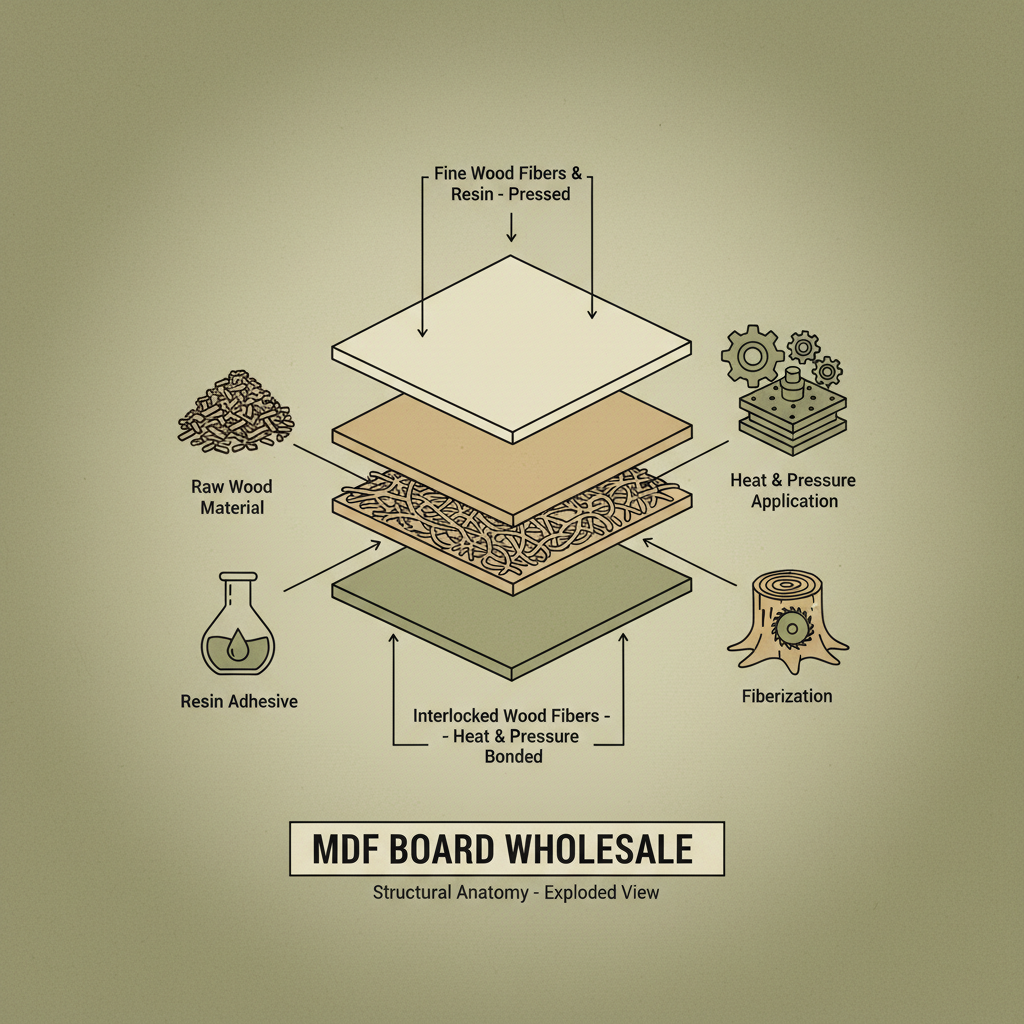
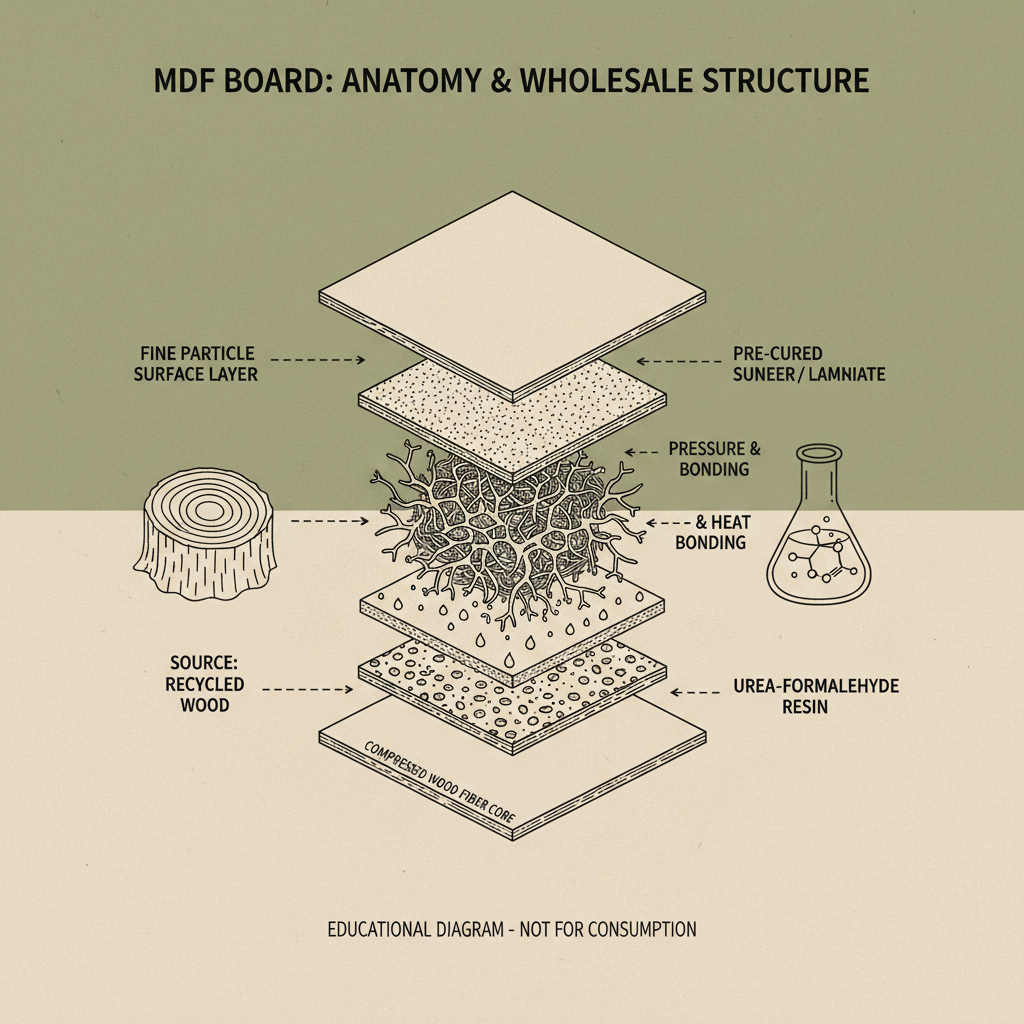
You see it everywhere, right? Everyone wants things faster, cheaper. I encountered this at a pre-fab factory in Shanghai last time. They were trying to use a super-thin MDF for wall panels, thinking they could save a ton of money. It looked great in the mock-up, but when the guys started handling it on site… well, let’s just say it didn’t hold up. To be honest, it was a disaster. You've got to balance cost savings with durability, and that’s where knowing your materials comes in.
The increased reliance on off-site construction is really driving the demand for MDF board wholesale. It's light enough to be easily transported and worked with, but still provides a stable base. It's versatile stuff.
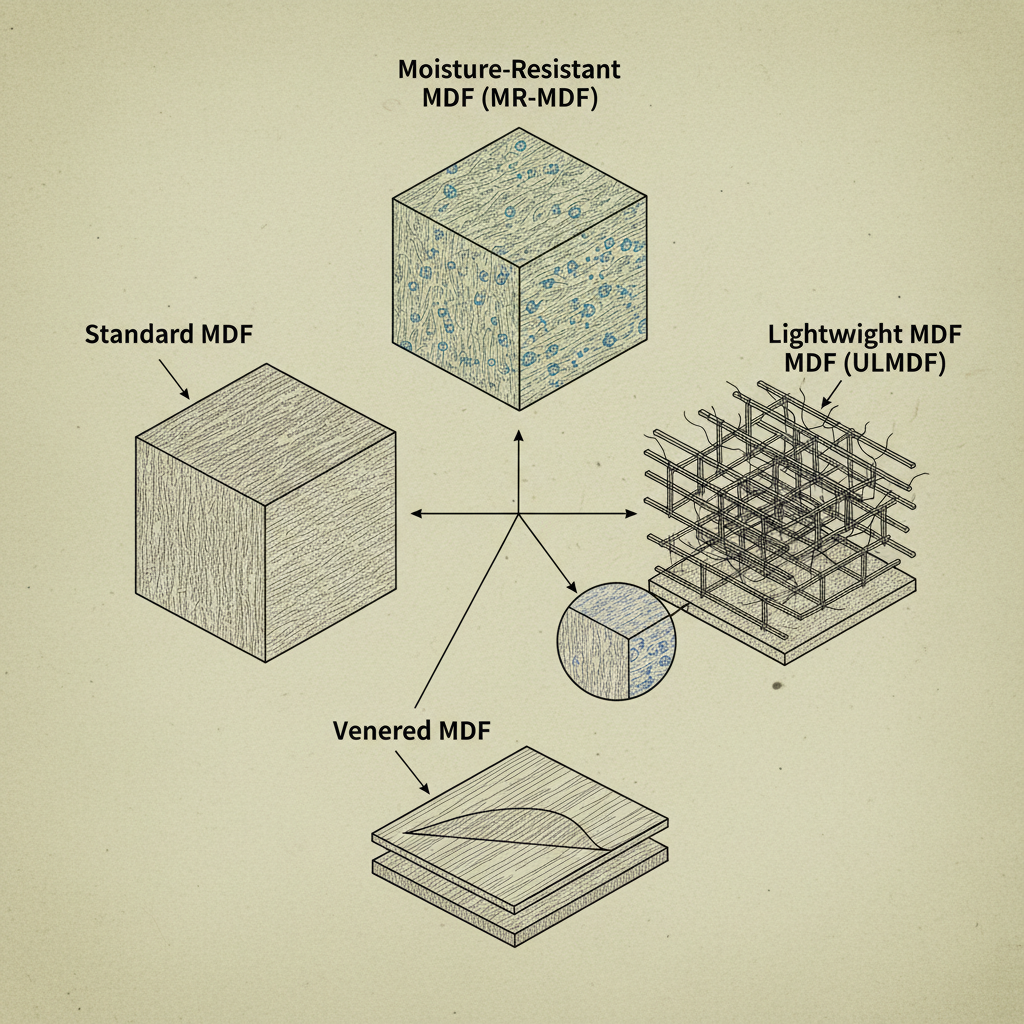
Honestly, you can’t fully waterproof it, but you can definitely slow down the damage. Sealing it with a good quality primer and paint is the first step. Multiple coats are best. For particularly wet environments, consider using a moisture-resistant MDF specifically designed for those conditions. But even then, it's not a permanent fix. Proper ventilation is also key.
That depends entirely on the thickness, the density, and how the weight is distributed. A thin sheet of low-density MDF won't hold much, while a thick sheet of high-density MDF can support a surprising amount. Generally, you don't want to rely on MDF for structural support. It's better to use it as a facing material or for non-load-bearing applications. Always consult a structural engineer for critical applications.
It's complicated. MDF is made from wood fibers, which are a renewable resource. However, the manufacturing process involves using adhesives that can release formaldehyde, a known carcinogen. Look for MDF that’s certified as low-VOC (volatile organic compounds). And make sure the wood fibers come from sustainably managed forests. It's not a perfect solution, but it’s better than some alternatives.
Pre-drilling is essential, especially near the edges. Use a screw with a coarse thread. And don’t overtighten, or you’ll strip the hole. If you need extra strength, use wood glue along with the screws. Another trick is to use threaded inserts. They provide a much more secure hold. Trust me, you don't want screws pulling out in the middle of a project.
Generally, no. Standard MDF will quickly fall apart if exposed to the elements. However, there are exterior-grade MDF products specifically designed for outdoor use. These are treated with water-resistant resins and coatings. But even then, they require regular maintenance to prevent deterioration. I wouldn’t recommend using it for anything that’s permanently exposed to the weather.
Both are engineered wood products, but MDF is made from much finer wood fibers, resulting in a smoother, more consistent surface. Particleboard is made from larger wood particles, so it's less dense and not as strong. MDF is also more expensive than particleboard. For most applications, MDF is the better choice, but particleboard can be a good option for non-critical applications where cost is a major concern.
So, to wrap things up, MDF board wholesale is a versatile and cost-effective material that has a place in modern construction and fabrication. It’s not a perfect solution, and you need to be aware of its limitations, but when used correctly, it can save you time, money, and a whole lot of headaches. It's a good tool to have in your toolbox, but it's not a magic wand.
Ultimately, whether this thing works or not, the worker will know the moment he tightens the screw. If it feels solid, you're good. If it feels like it’s going to crumble, you’ve got a problem. And that’s the truth, straight from the job site. Visit our website: mdf board wholesale