CONTACT US
+8615030171059Honestly, things are moving fast these days. Everyone's chasing "smart" and "eco-friendly," which is great, but it often means more headaches for us on the ground. Been seeing a lot of demand for different kinds of MDF lately, especially the low-formaldehyde stuff. You wouldn't believe the price jump though! But regulations are tightening, so, what can you do?
It's funny, engineers design these things in fancy software, thinking everything's perfect. But have you noticed how often the simplest things cause problems? Like, designing a panel with a super-tight radius—looks great on the screen, but trying to laminate that without bubbles? Forget about it. I encountered that at the Yuyao factory last time, what a mess.
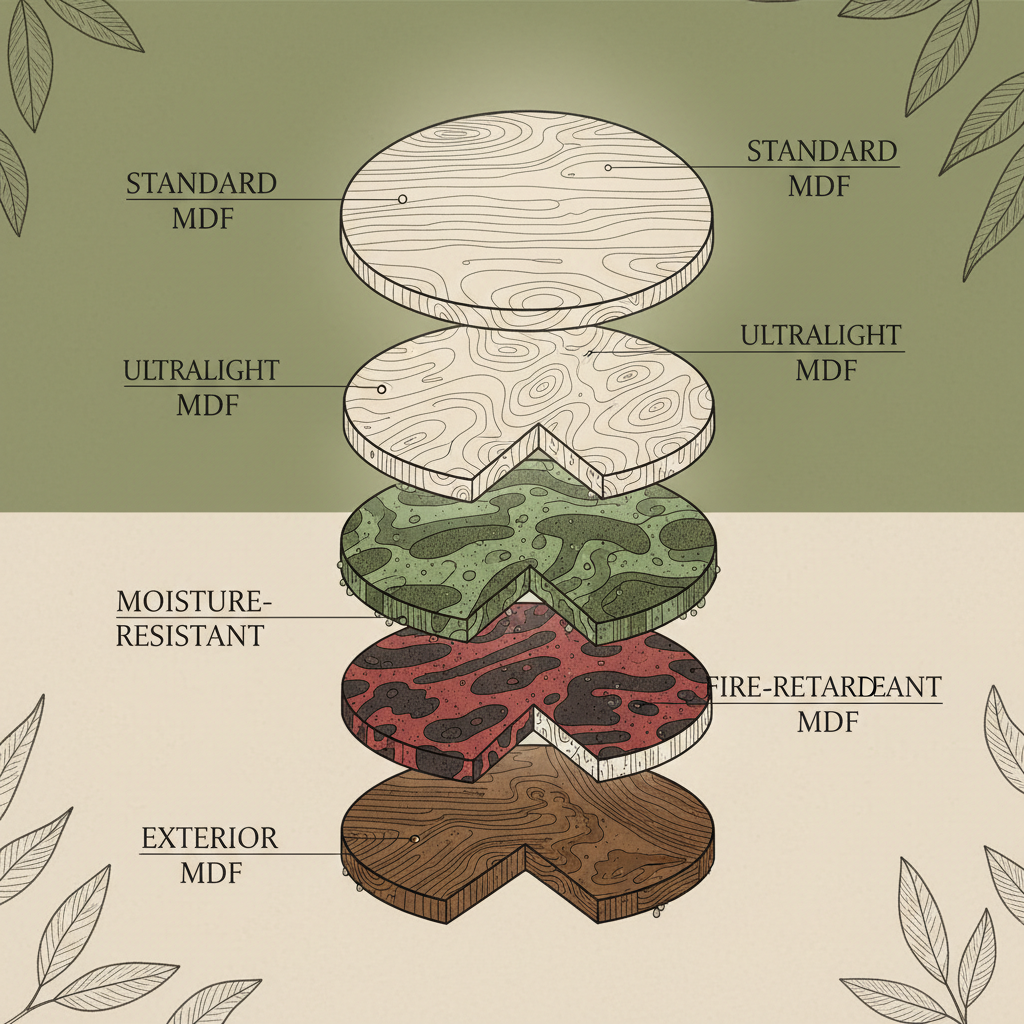
And the materials… oh, the materials. We're using everything from standard MDF—which, let’s be real, still smells a bit like formaldehyde if you're not careful—to HDF, which is denser and feels…well, heavier, you know? And now there’s this new stuff, ‘ultra-lightweight MDF’ they’re calling it. Feels kinda…flimsy, if I'm being honest. It’s made with different wood fibers, apparently. It’s all about getting the right balance of strength, weight, and cost.
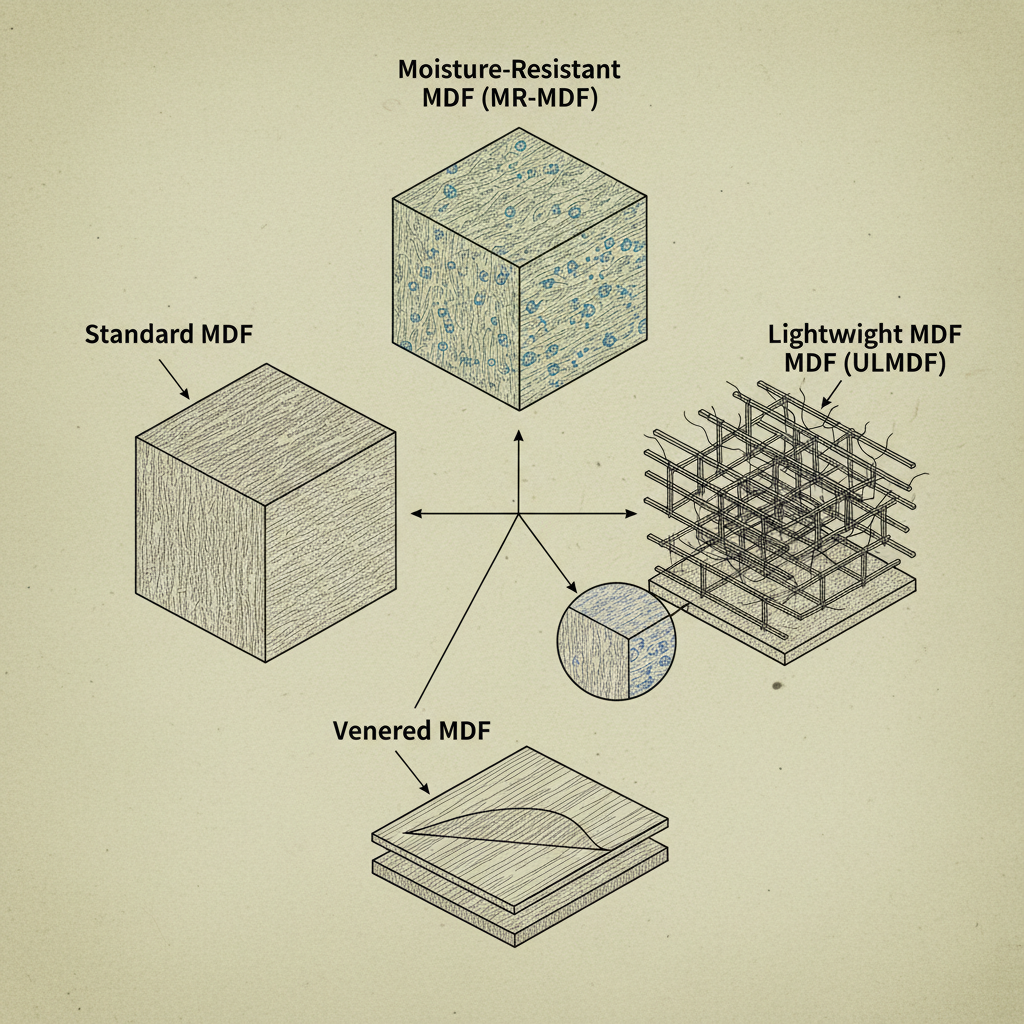
To be honest, the biggest trend right now is sustainability. Everyone wants to say they're using eco-friendly materials. That means low-VOC (Volatile Organic Compounds) MDF, which is good, but usually more expensive. It’s all about hitting those EU standards, you know?
There’s also a lot of interest in moisture-resistant MDF for bathroom vanities and kitchen cabinets. Strangely, people still try to use standard MDF in those areas… it never ends well. You end up with swelling, warping… a complete disaster. They're pushing for more durable cores, but cost is always the main factor.
I swear, I see the same mistakes over and over again. Designers will specify super-thin MDF for something that needs to support a lot of weight. Or they'll use a cheap laminate that peels off after a month. It's frustrating. They just don't understand the forces at play.
You've also got to think about expansion and contraction. MDF moves with humidity, and if you don't account for that in your design, you're going to get cracking and warping. Simple stuff, but often overlooked. And don’t even get me started on trying to screw into MDF without pre-drilling. It just splits.
Another thing, the surface finish. People want perfect, glossy finishes, but MDF isn't always the easiest material to get that on. It needs proper priming and sanding, and even then, it can be tricky. They expect magic, but it’s all about the prep work.
Let's talk materials. Standard MDF is your workhorse, good for basic furniture and shelving. HDF, High-Density Fiberboard, is significantly denser, making it better for things like door skins and flooring. It's heavier, tougher, and holds screws better. But it’s also more expensive and harder to machine.
Then you've got moisture-resistant MDF – usually dyed green – which has a special resin added to help repel water. It's not waterproof, mind you, but it'll buy you some time in damp environments. You can smell the difference, honestly – it’s kinda chemical-y. It’s good for kitchens and bathrooms, but still needs to be sealed properly.
And now there’s this lightweight MDF, like I mentioned. They’re using different wood fibers and a different binding agent. It's surprisingly strong for its weight, but I’m still skeptical about its long-term durability. We’ll see. Anyway, I think you really need to understand what you’re building before you pick the material.
Forget the lab tests, honestly. Those are useful for basic specs, but they don’t tell you how something will actually hold up. We do our testing on-site, the old-fashioned way. We bend it, we hit it, we try to break it.
We'll build a small prototype and subject it to real-world conditions. Like, leave a piece of moisture-resistant MDF in a steamy bathroom for a week and see if it swells. Or load up a shelf with books and see if it sags. It’s not scientific, but it’s practical.
You'd be surprised where MDF ends up. Everyone thinks furniture, but it’s used for everything from speaker boxes to shop fittings. I even saw a guy building a custom enclosure for his ham radio with it.
But the biggest use, in my experience, is still cabinetry. Kitchens, bathrooms, built-in wardrobes… that’s where you’ll find the bulk of it. And people are getting more creative with it too, doing all sorts of decorative things with paint and veneers.
The biggest advantage of MDF? It’s cheap and easy to work with. You can cut it, drill it, laminate it, paint it… you name it. It’s a versatile material.
But the disadvantages are obvious. It’s not very strong, it’s susceptible to moisture, and it doesn’t hold screws particularly well. It's also heavy. But it hits that sweet spot between cost and performance for a lot of applications.
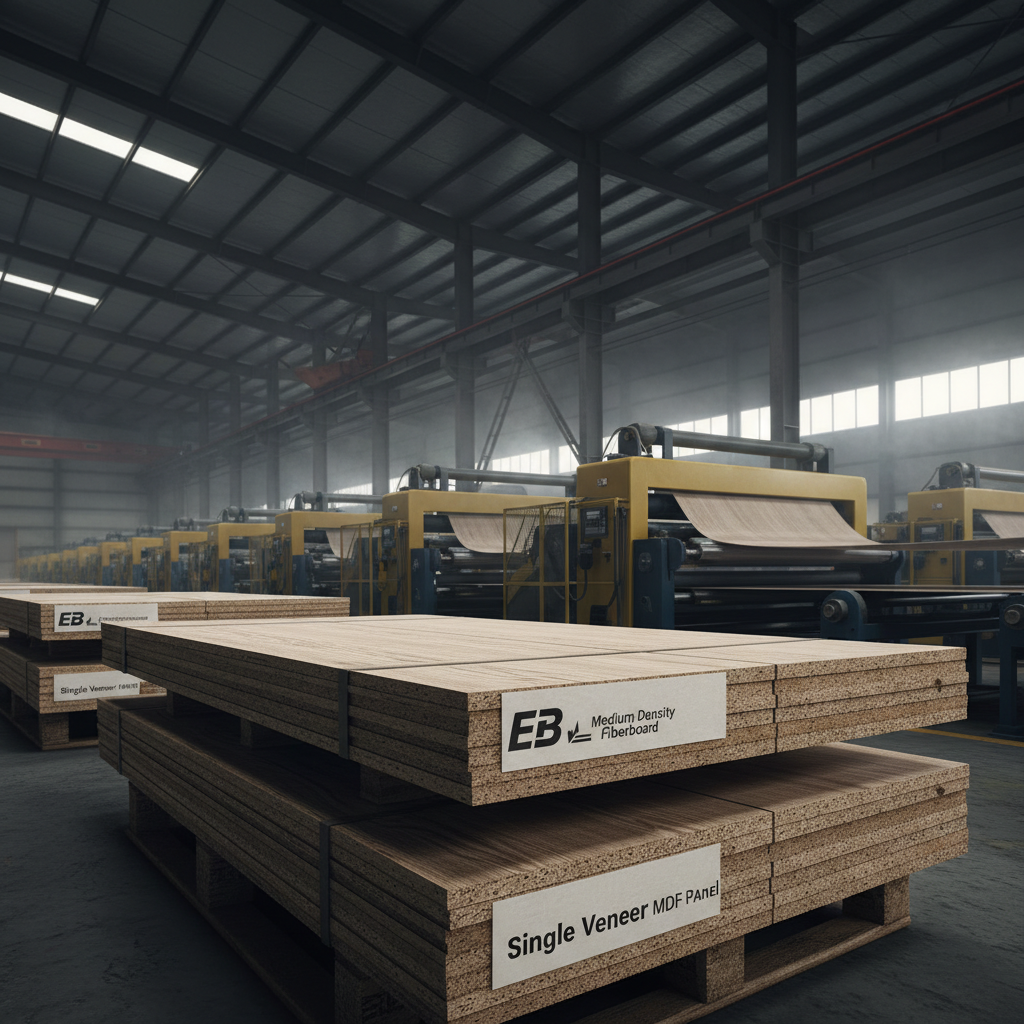
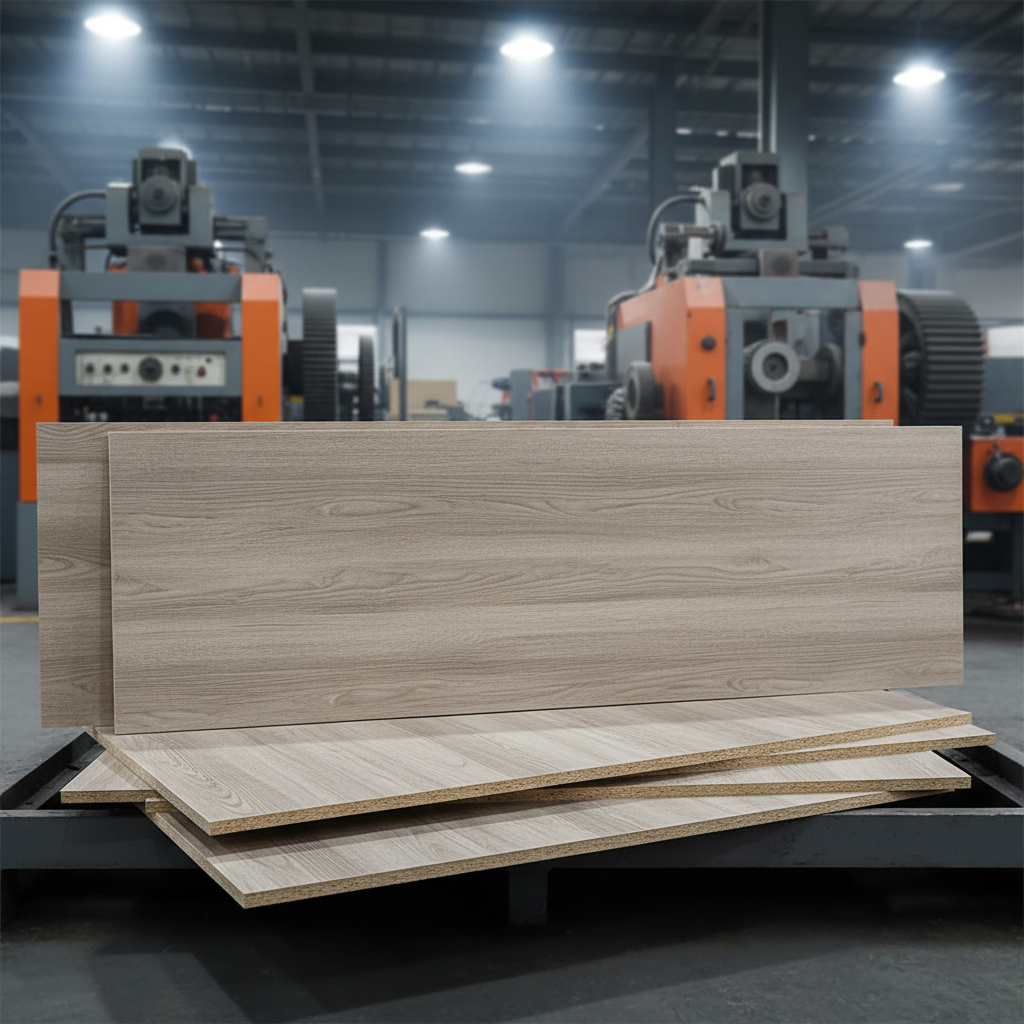
Customization is pretty easy. You can get MDF in different thicknesses, densities, and with different surface treatments. I had a customer last month who wanted MDF with a specific wood veneer applied. No problem, we can do that. It's all about finding the right supplier.
Last month, that small boss in Shenzhen who makes smart home devices—real aggressive guy—insisted on changing the interface to ports. Fine, whatever. But then he wanted the housing for those ports to be made from ultra-lightweight MDF to save weight. I told him it wasn’t a good idea, too flimsy. He didn’t listen.
Two weeks later, I get a call: the ports were breaking off during assembly! The lightweight MDF just couldn’t support the weight of the connectors. They had to scrap the whole batch and redesign the housing with HDF. It cost them a fortune.
It’s a classic example of someone prioritizing cost over quality. Sometimes, you get what you pay for.
| Application Area | Optimal MDF Type | Key Performance Indicator | Potential Failure Points |
|---|---|---|---|
| Kitchen Cabinets | Moisture-Resistant MDF | Water Resistance (Rating 1-10) | Edge Swelling & Delamination |
| Furniture Frames | Standard MDF | Load Bearing Capacity (kg) | Joint Weakness & Cracking |
| Speaker Enclosures | HDF | Acoustic Damping (dB) | Vibration Resonance |
| Retail Display Fixtures | Standard MDF with Laminate | Scratch Resistance (Rating 1-10) | Laminate Peeling |
| Lightweight Interior Panels | Ultra-Lightweight MDF | Weight Reduction (%) | Structural Instability |
| High-End Furniture | Medite MDF | Surface Smoothness (Rating 1-10) | Cost & Lead Time |
Honestly, particleboard is cheaper and less dense. It's made with larger wood particles and doesn’t hold screws nearly as well as MDF. It's okay for really basic stuff, like the backs of furniture, but for anything structural, you want MDF. It’s a bit more consistent in its composition, which makes it easier to work with, even if it does create more dust.
Use moisture-resistant MDF, first off. But that’s not enough. You need to seal all the edges with a good quality sealer – multiple coats. And even then, avoid prolonged exposure to water. I've seen guys use epoxy resin on the edges, which works pretty well, but it’s messy. The key is complete encapsulation, preventing water from getting into the fibers.
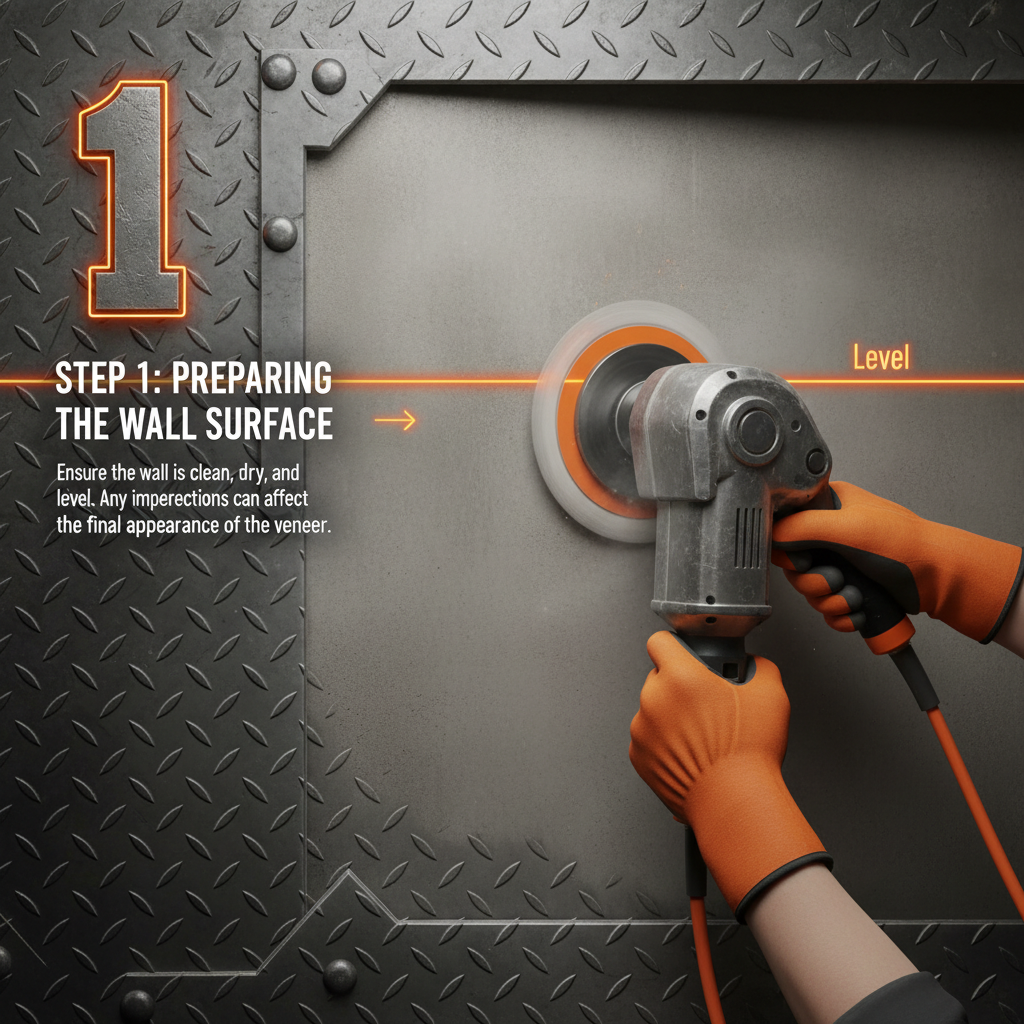
Start with a coarser grit sandpaper – like 80 or 100 – to level out any imperfections. Then work your way up through the grits – 120, 180, 220 – until you get a super smooth surface. Use a sanding block to keep it flat, and wear a dust mask! MDF dust is nasty. And always sand with the grain. It makes a difference.
You always need to prime MDF. It’s very porous, and the paint will just soak in, leaving you with a blotchy finish. Use a good quality MDF primer – specifically designed for MDF. Apply two coats, sanding lightly between each coat. Trust me, it’s worth the extra step. It will save you a lot of headaches later.
That's a complicated question. It uses wood fibers, which is good, but it also requires formaldehyde-based adhesives, which are not so good. Low-VOC MDF is better, but it's still not perfect. Look for materials certified by organizations like CARB or TSCA Title VI, which have stricter emission standards. It's a trade-off, but the industry is moving in the right direction.
Always pre-drill! And use coarse-threaded screws – they bite into the MDF better than fine-threaded screws. I like using self-tapping screws, but you still need to pre-drill a pilot hole. Otherwise, you'll just split the board. And don't overtighten them, or you’ll strip the screw holes. It’s a delicate balance, honestly.
Ultimately, choosing the right MDF board type comes down to understanding the application, the environment, and the budget. It's a compromise, always. There’s no single ‘best’ MDF; it’s about picking the one that’s most suitable for the job. And remembering to do the basics right - proper priming, sealing, and screw selection.
But here’s the thing: all the fancy design software and material science in the world don't matter if the guy on the construction site can’t work with it. Ultimately, whether this thing works or not, the worker will know the moment he tightens the screw. Don't underestimate the importance of practical experience.

If you are interested in our products, you can choose to leave your information here, and we will be in touch with you shortly.