Look, I've spent the last fifteen years breathing dust on construction sites, and I've seen building materials come and go. But there's something different about paper veneer board. It's not just another face lift for MDF; it’s a fundamental shift in how we think about surface materials. We’re talking cost savings, faster turnaround times, and a surprisingly robust product that holds up to the rigors of a real job site. I've seen crews struggling with traditional laminates and veneers for decades. The prep time, the potential for chipping, the skill needed – it all adds up. This stuff changes that.
What really caught my eye, though, isn't just the ease of use. It’s the versatility. I’ve seen it used for everything from retail displays to interior wall paneling in schools and healthcare facilities. It allows for complex designs, realistic wood grain finishes, and a level of customization that frankly, I hadn’t thought possible with a material at this price point. This isn't something cooked up in a lab by someone who's never touched a hammer; it's engineered for the real world.
And let's be honest, sustainability is no longer a "nice to have" – it’s a requirement. Paper veneer board offers a significantly lower environmental impact compared to traditional wood veneers, reducing our reliance on deforestation. That’s a win for everyone. We need materials that are both practical and responsible, and this one delivers on both fronts.
The Rising Demand for Paper Veneer Board
We're seeing a major shift in the construction and design industries, driven by both economic pressures and a growing demand for sustainable materials. Traditional wood veneers are becoming increasingly expensive and, frankly, difficult to source reliably. Paper veneer board is stepping in to fill that gap, offering a cost-effective and environmentally responsible alternative. The UN reports a growing global timber demand, straining existing resources. This is where innovative solutions like paper veneer board become critical.
I'm talking to contractors every day who are struggling with rising material costs and project delays. They need solutions that are both budget-friendly and reliable. The demand isn't just coming from large-scale commercial projects; homeowners are also looking for sustainable and aesthetically pleasing options for renovations. This growing demand is pushing innovation and driving down costs, making paper veneer board an increasingly viable choice for a wider range of applications.
Defining Paper Veneer Board: A Modern Material Solution
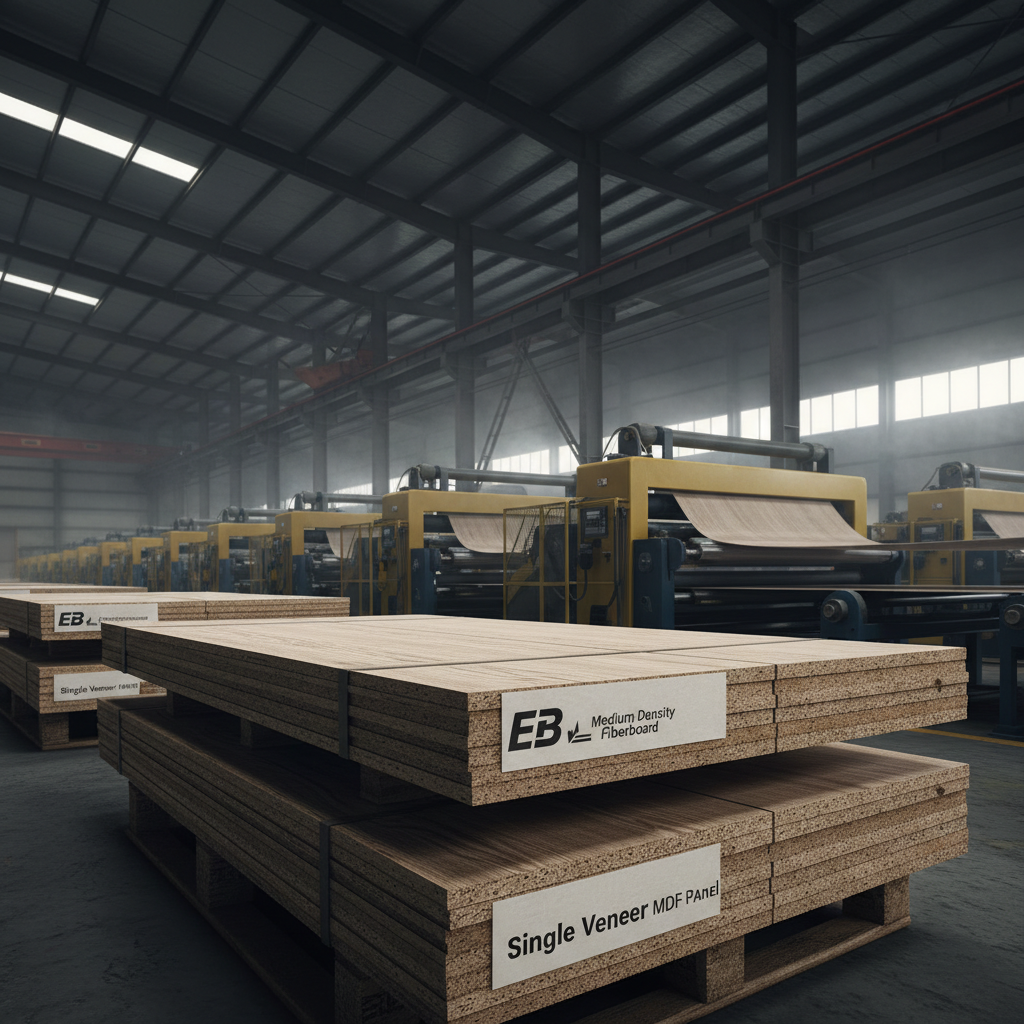
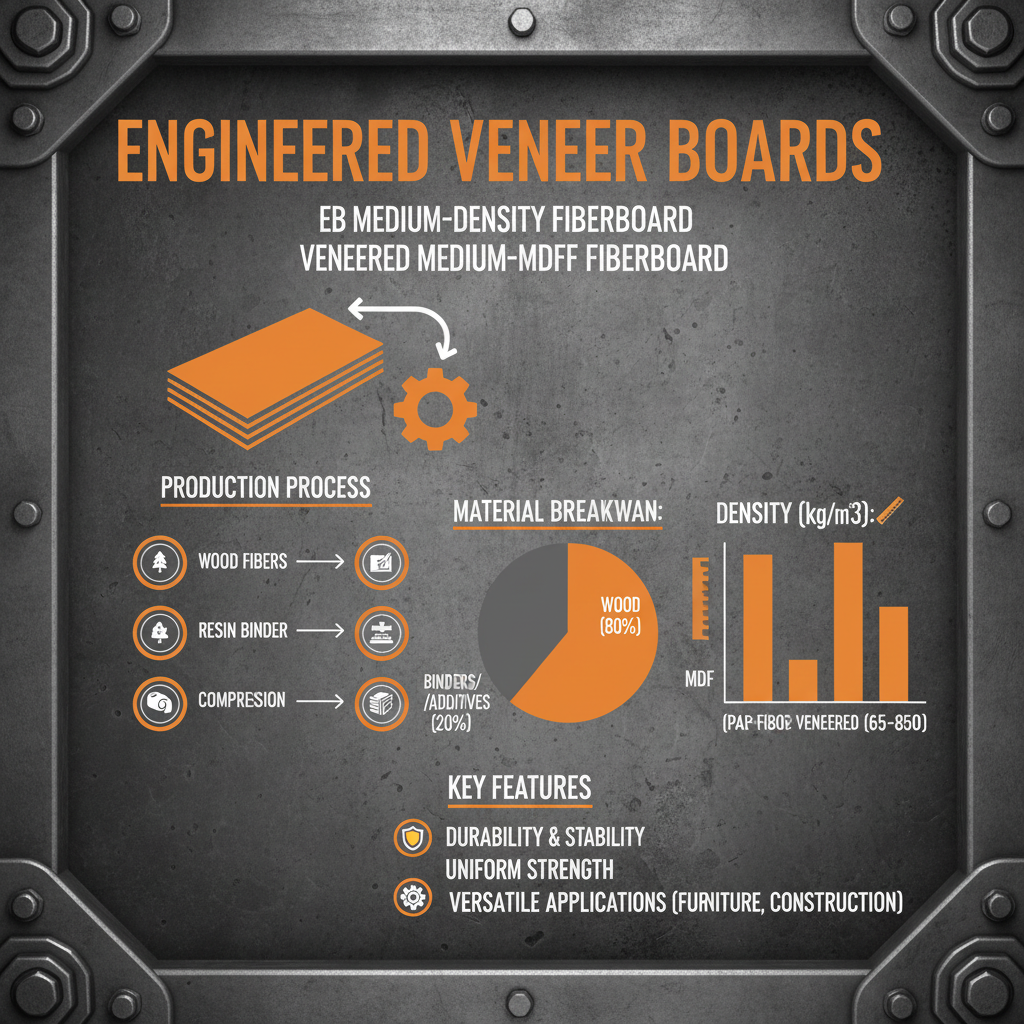
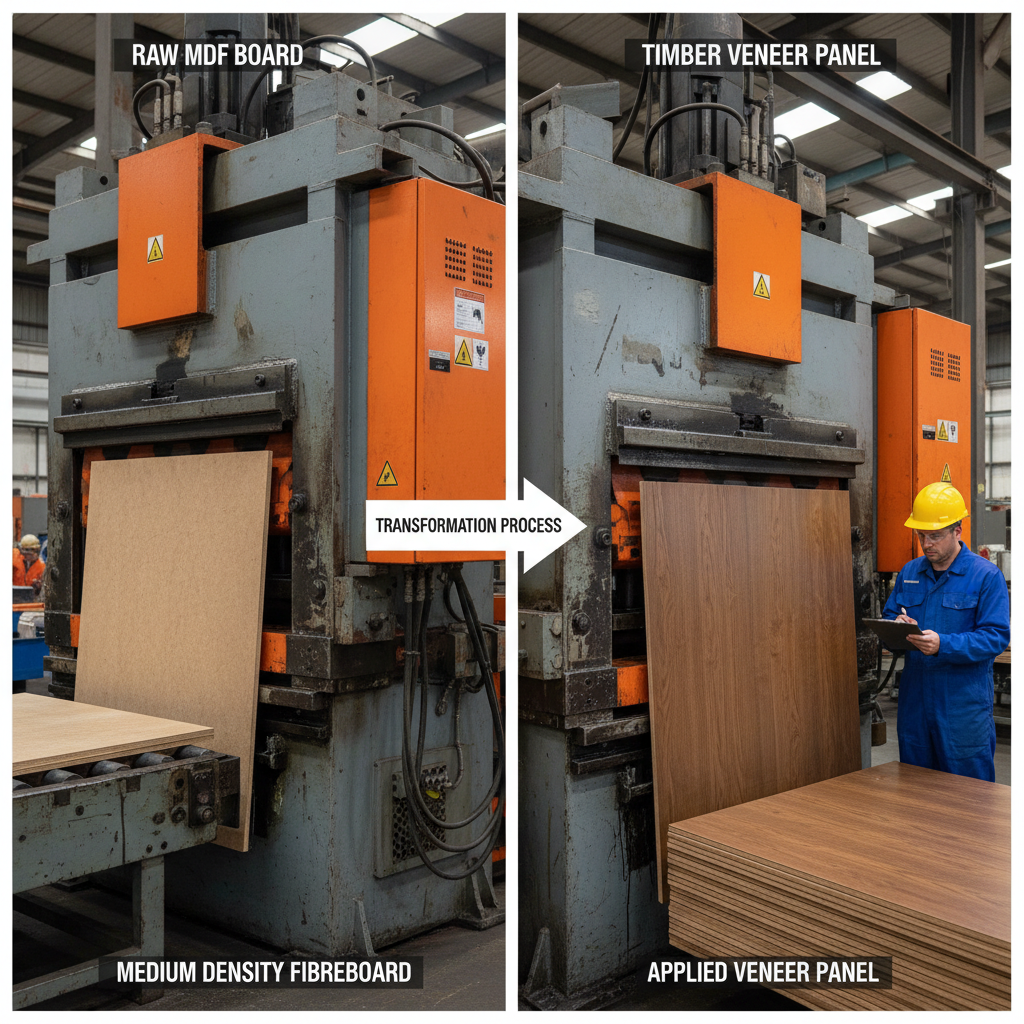
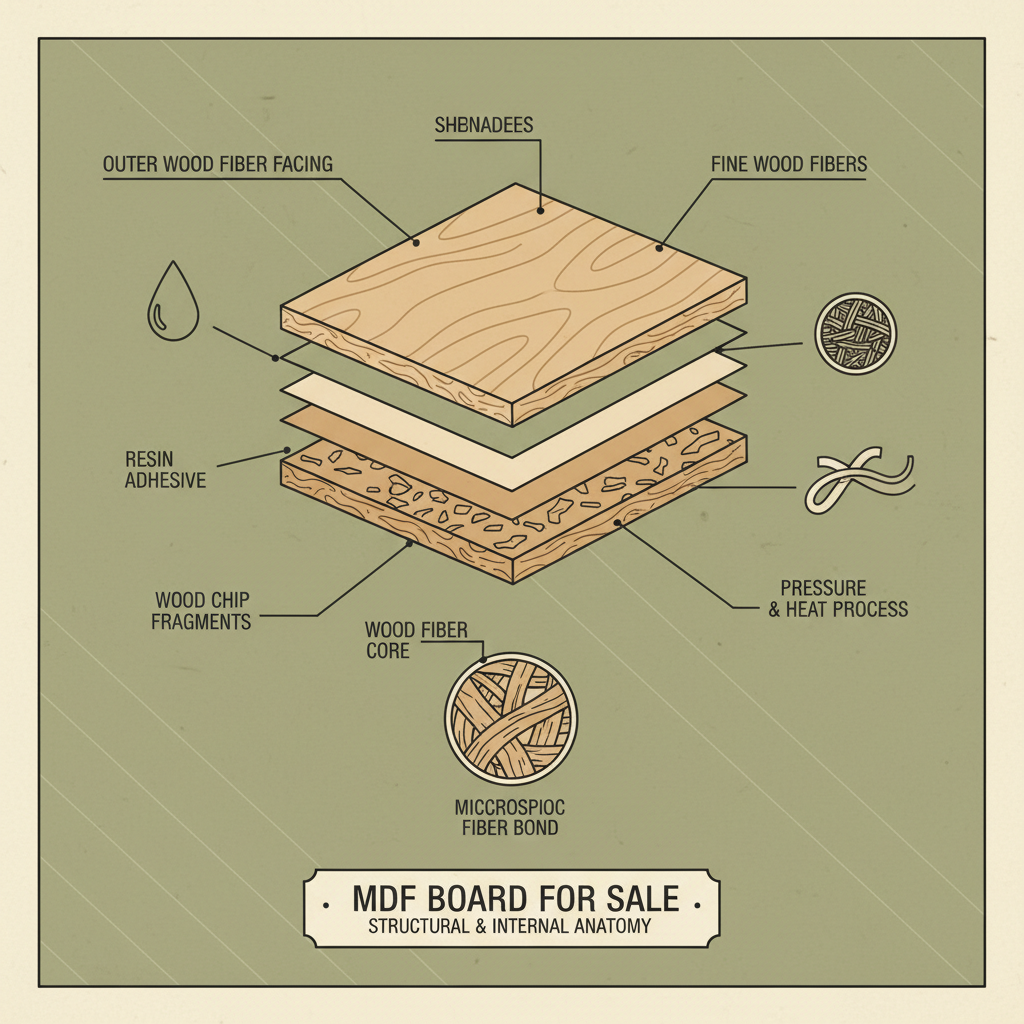
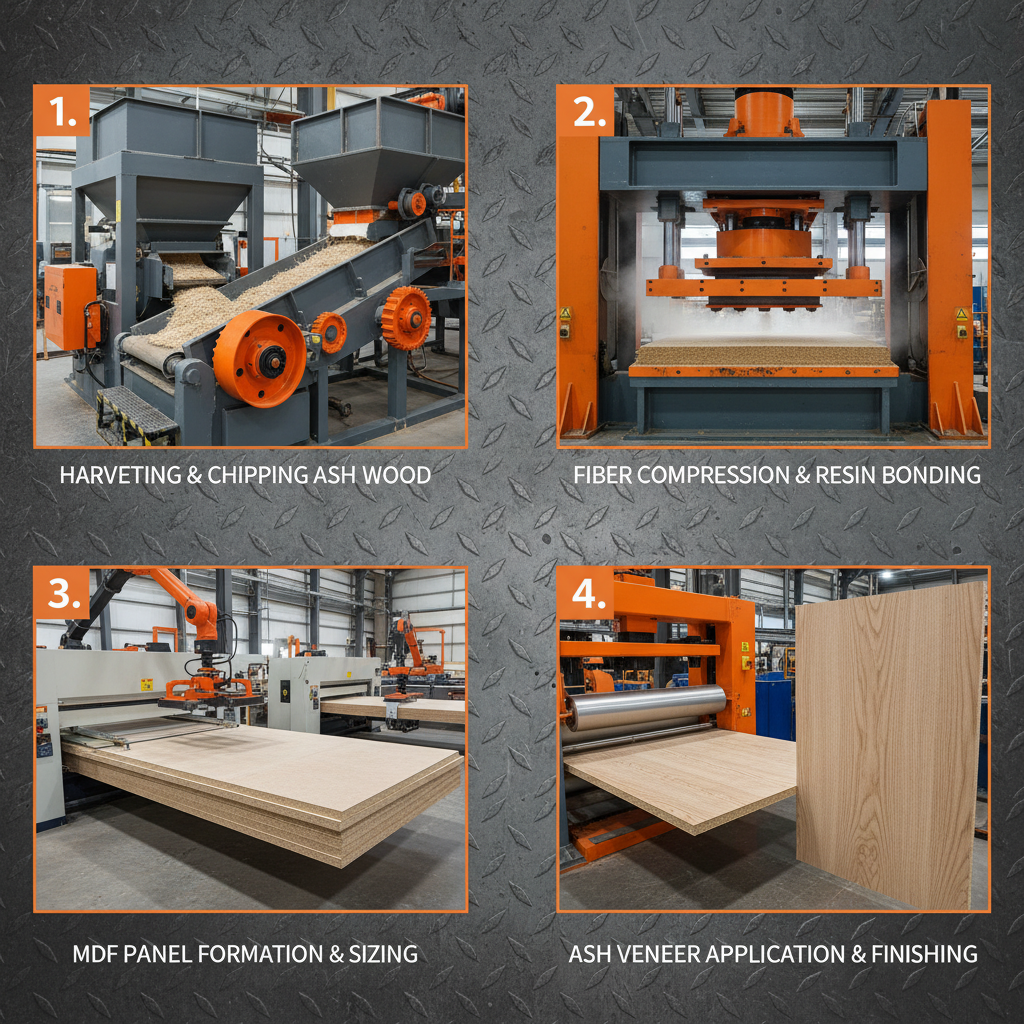
Essentially, paper veneer board is a composite material created by applying a specially treated paper layer, imprinted with realistic wood grain patterns, to a substrate like MDF or particleboard. It's not just slapping paper onto wood; the process involves a complex combination of printing technology, resin bonding, and pressing techniques to create a durable and aesthetically pleasing surface. This differs drastically from traditional veneer slicing which relies heavily on dwindling old growth forests.
What sets it apart is its ability to mimic the look and feel of real wood without the environmental drawbacks. It's a clever solution that addresses the need for both aesthetics and sustainability. I’ve seen engineers, skeptical at first, completely change their minds after testing its performance characteristics. It's a testament to the advancements in materials science.
This isn't some fly-by-night product. It’s a direct response to the demands of modern construction and design, striving for a balance between performance, cost, and environmental responsibility. It solves a very real problem: providing beautiful, durable surfaces without contributing to deforestation.
Key Characteristics of High-Quality Paper Veneer Board
Durability is paramount. A good paper veneer board won't chip or peel easily, even with regular handling and use. I’ve seen some cheaper alternatives that just fall apart, but the higher quality stuff holds up remarkably well to impacts and scratches. This is critical on a job site where things get knocked around.
Consistency is another key factor. You want panels that are uniform in color, texture, and thickness. Variations can lead to headaches during installation and a subpar finished product. Good manufacturers have tight quality control measures in place to ensure consistency across batches.
Moisture resistance is also crucial, especially in environments with high humidity or potential for spills. The resin bonding process plays a significant role here, creating a barrier against moisture penetration. We test materials regularly for water absorption and swelling to ensure they meet industry standards.
Performance Metrics: Evaluating Paper Veneer Board Durability
Forget the marketing hype. On site, we measure performance based on real-world tests. Impact resistance, abrasion resistance, and formaldehyde emission levels are all critical. The ISO standards for wood-based panels provide a solid framework for evaluating these metrics. We don't just rely on manufacturer specs; we conduct independent testing.
Here’s a quick breakdown of what we look for:
Paper Veneer Board Performance Comparison
Global Applications of Paper Veneer Board Across Industries
I've seen paper veneer board popping up everywhere, from high-end retail fit-outs to affordable housing projects. In Europe, it's become increasingly popular for kitchen cabinets and furniture due to its aesthetic appeal and durability. I’ve personally worked on a large school renovation project in the Midwest where it was used for wall paneling, offering a cost-effective and aesthetically pleasing solution.
In Asia, where sustainability is a major concern, it's being used extensively in commercial buildings and office spaces. The versatility of the material allows for creative designs and customized finishes, appealing to a wide range of clients. We’re also seeing increased demand from the healthcare sector, where hygiene and durability are paramount.
The Long-Term Value Proposition of Paper Veneer Board
Let's talk money. Yes, the initial cost of paper veneer board is competitive, but the real savings come from reduced labor costs, faster installation times, and lower maintenance requirements. Contractors love that. You’re not spending days sanding and finishing like you would with traditional wood.
Beyond the financial benefits, there’s the environmental impact. Choosing a sustainable material like this reduces your carbon footprint and contributes to a more responsible building industry. That’s something we should all be striving for. And frankly, the aesthetic appeal is undeniable. It can elevate a space and create a welcoming environment.
It's an investment in quality, sustainability, and long-term value. It’s a material that makes sense, both for the bottom line and for the planet.
Future Trends and Innovations in Paper Veneer Board Technology
We're just scratching the surface of what's possible with paper veneer board. I’m seeing research and development focused on enhancing its moisture resistance, increasing its durability, and even incorporating antimicrobial properties. Digital printing technology is also advancing rapidly, allowing for even more realistic wood grain patterns and customized designs.
Automation in the manufacturing process is another key trend, driving down costs and increasing production efficiency. The integration of smart technology, like sensors embedded within the panels, could also provide real-time data on environmental conditions and structural integrity.
I expect to see a continued focus on sustainable sourcing of the paper pulp and the development of biodegradable resin systems. The future of this material is bright, and I'm excited to see how it evolves.
Analysis of Challenges and Solutions for Paper Veneer Board Implementation
| Challenge |
Impact on Project |
Potential Solution |
Implementation Cost |
| Limited Awareness Among Contractors |
Hesitancy to adopt the material, potential for improper installation. |
Targeted training programs and educational resources for contractors. |
Low - $500 per training session |
| Moisture Sensitivity in High-Humidity Environments |
Swelling, warping, and potential for mold growth. |
Utilizing enhanced resin coatings with improved water resistance. |
Medium - $1-$2 per square foot |
| Perception of Lower Durability Compared to Solid Wood |
Concerns about long-term performance and resistance to wear and tear. |
Showcasing independent testing results and case studies demonstrating durability. |
Low - Primarily marketing and communication costs |
| Supply Chain Disruptions & Material Costs |
Fluctuations in paper pulp and resin prices, lead times. |
Establishing long-term contracts with reliable suppliers. |
Medium - Negotiation and relationship building |
| Limited Color and Texture Options (Initially) |
May not meet all aesthetic requirements for certain projects. |
Investment in advanced digital printing technologies for greater customization. |
High - $50,000 - $100,000+ for new printing equipment. |
| Lack of Standardized Installation Guidelines |
Inconsistent installation quality and potential for premature failure. |
Development and publication of comprehensive installation manuals and best practices. |
Low - Primarily technical writing and documentation costs |
FAQS
Paper veneer board significantly reduces environmental impact by utilizing a renewable resource – paper – and minimizing reliance on deforestation associated with traditional wood veneers. The production process typically generates less waste and requires less energy. We are seeing a growing demand for certifications like FSC to ensure responsible sourcing of the paper pulp used in these products. It’s a vital step towards sustainable building practices.
While standard paper veneer board isn't ideal for constant direct water exposure, specialized versions with enhanced resin coatings are available that offer excellent moisture resistance. These coatings create a barrier against water penetration, preventing swelling and warping. Proper sealing of edges and seams is also crucial for optimal performance in these environments. You need to check the manufacturer's specifications to ensure it's rated for the intended application.
With proper installation and minimal maintenance, a well-made paper veneer board can last for 10-20 years or more. Avoiding harsh chemicals, protecting it from direct sunlight, and promptly addressing any damage will extend its lifespan significantly. It's important to choose a product with a durable backing material (like MDF) and a high-quality resin coating for long-term performance. Regular inspection and preventative care are key.
Minor scratches and blemishes can often be touched up with matching repair markers or fillers. However, significant damage, such as chips or peeling, may require replacing the entire panel or section. The ease of repair depends on the extent of the damage and the quality of the coating. It's generally easier to repair than solid wood, as you don't have to worry about grain matching.
We see it frequently used in retail displays, office furniture, wall paneling, reception desks, and trade show booths. Its versatility, cost-effectiveness, and ability to mimic various wood grains make it ideal for creating visually appealing and functional spaces. It's particularly popular in environments where frequent design changes are needed, as it's relatively easy to replace panels. Hotels and restaurants also frequently use it for interior finishes.
Generally, paper veneer board falls in between laminate and solid wood in terms of cost. It's typically more expensive than laminate but significantly more affordable than solid wood. However, when you factor in labor costs (due to easier installation) and potential long-term maintenance savings, it can often be the most cost-effective option overall. It's a balance of upfront cost, installation effort, and long-term value.
Conclusion
Paper veneer board isn’t just a trend; it's a pragmatic solution to the challenges facing the construction and design industries today. It offers a compelling combination of cost-effectiveness, sustainability, and aesthetic appeal. From my years on job sites, I can tell you that ease of use and reliability are paramount, and this material delivers on both fronts.
Looking ahead, continued innovation in materials science and manufacturing processes will only enhance the performance and versatility of paper veneer board. I encourage architects, designers, and contractors to explore this promising material and consider its potential for a wide range of applications. For more information and to explore our range of paper veneer board products, visit our website: www.tengfeiebmdf.com