Add: No.8 Xinxing Street, North Zone, Zhengding High-tech Industrial Development Zone, Hebei, China

CONTACT US

+8615030171059
221231instagram-fill1251 search
0%

Table of Contents

Look, I’ve spent the last fifteen years knee-deep in sawdust and concrete, watching projects come together – and sometimes fall apart. And I’ll tell you, finding reliable, consistent materials is half the battle. That’s where veneer block board really steps up. It’s not some fancy new tech; it’s a practical solution for a lot of problems we face on site daily – from speed of build to cost control, and even just making sure things stay built. We need materials that perform, plain and simple.

What I’ve seen time and again is that projects get bogged down in delays, often because of material inconsistencies or long lead times. The ripple effect is massive – labor costs soar, deadlines get missed, and everyone’s under pressure. Veneer block board offers a real advantage in this regard. It’s readily available, relatively quick to work with, and maintains a surprisingly high level of quality across batches. It’s about keeping things moving, minimizing headaches, and ultimately, delivering a finished product on time and within budget.

And frankly, sustainability is no longer a ‘nice to have’ – it's a necessity. Clients are demanding it, regulations are tightening, and we all have a responsibility to build more responsibly. Veneer block board, when sourced responsibly, provides a solid path toward greener construction practices.
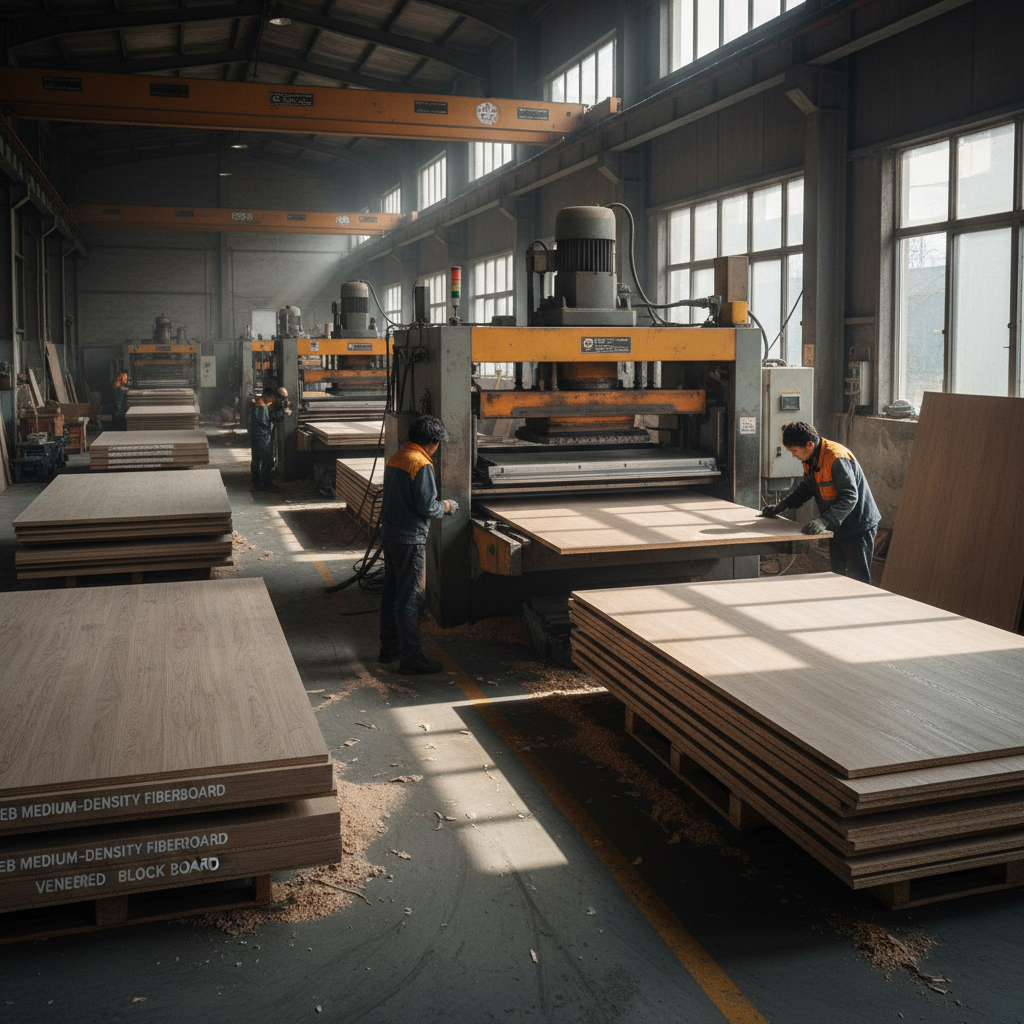
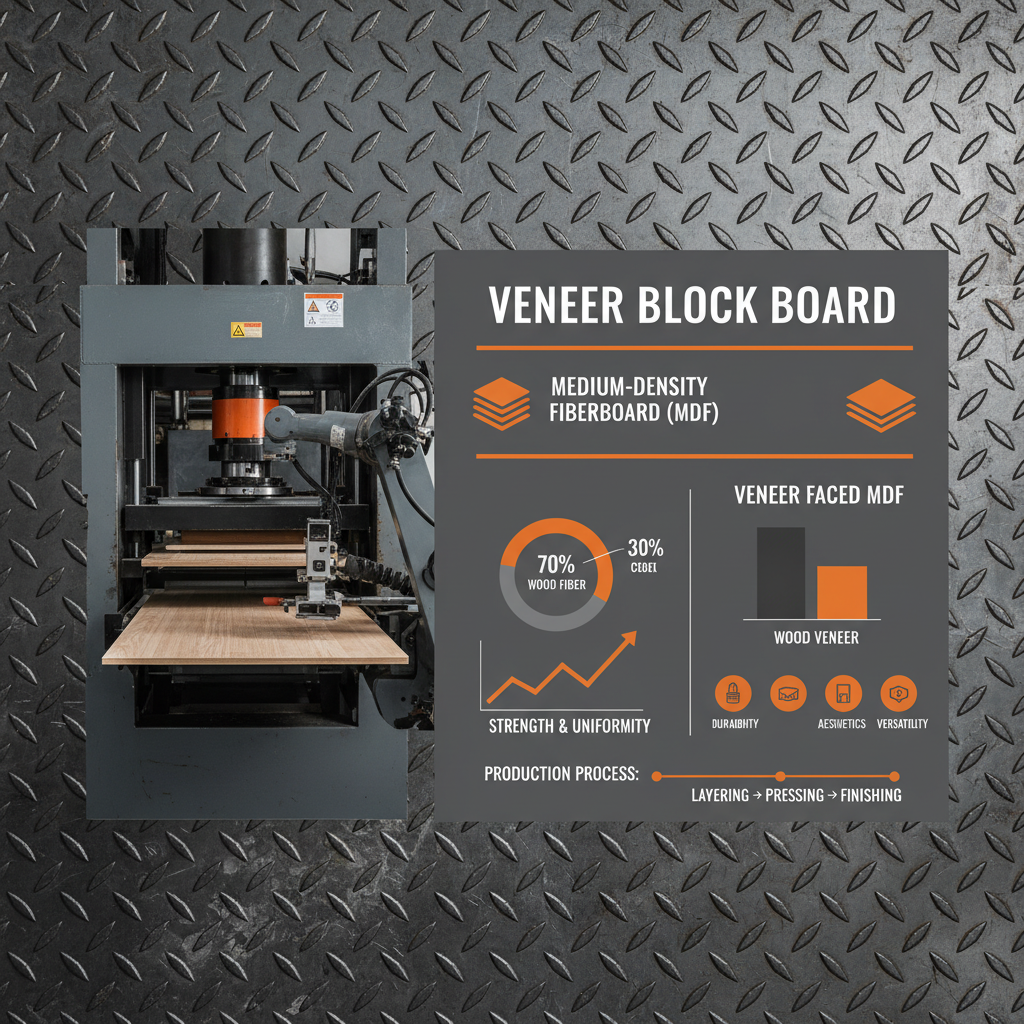
Optimizing Construction with Durable veneer block board Solutions

The Core Advantages of veneer block board

Optimizing Construction with Durable veneer block board Solutions

Let's cut to the chase – speed and reliability. On a construction site, those are king. Veneer block board delivers on both. It’s easier to cut, drill, and fasten than solid wood, meaning faster installation. I’ve seen crews shave days off schedules just by switching to it.

Beyond speed, there's the consistency. Unlike some natural wood products, veneer block board offers a more uniform surface and internal structure. That translates to fewer rejects, less rework, and a more predictable final product. That predictability is huge when you’re coordinating multiple trades and trying to keep a project on track.

Global Relevance and Market Trends

The demand for cost-effective and sustainable building materials is growing worldwide, driven by urbanization, population growth, and increasing environmental awareness. The UN estimates that we need to build 1.6 billion homes by 2050 to accommodate global population growth. That kind of scale demands efficient and sustainable solutions, and veneer block board fits the bill.

We're seeing increased adoption in emerging markets, particularly in Asia and Africa, where affordable housing is a critical need. But it’s not just about affordability. There's a growing emphasis on using locally sourced, renewable materials, and veneer block board, when produced with sustainably harvested wood, aligns with these goals.

ISO standards are increasingly focusing on material traceability and environmental impact, which is pushing the industry towards more transparent and responsible sourcing practices. That benefits materials like veneer block board that can demonstrate clear provenance.

Defining veneer block board: A Practical Perspective

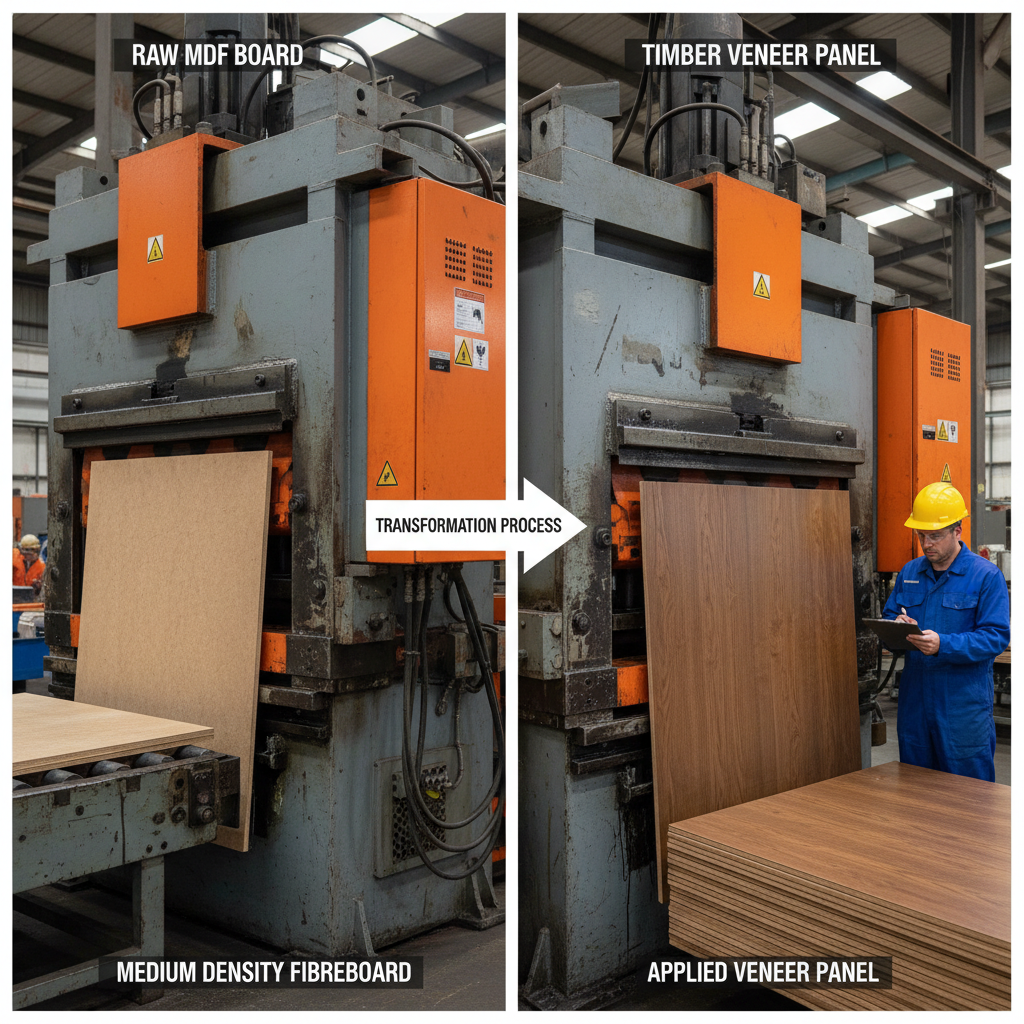
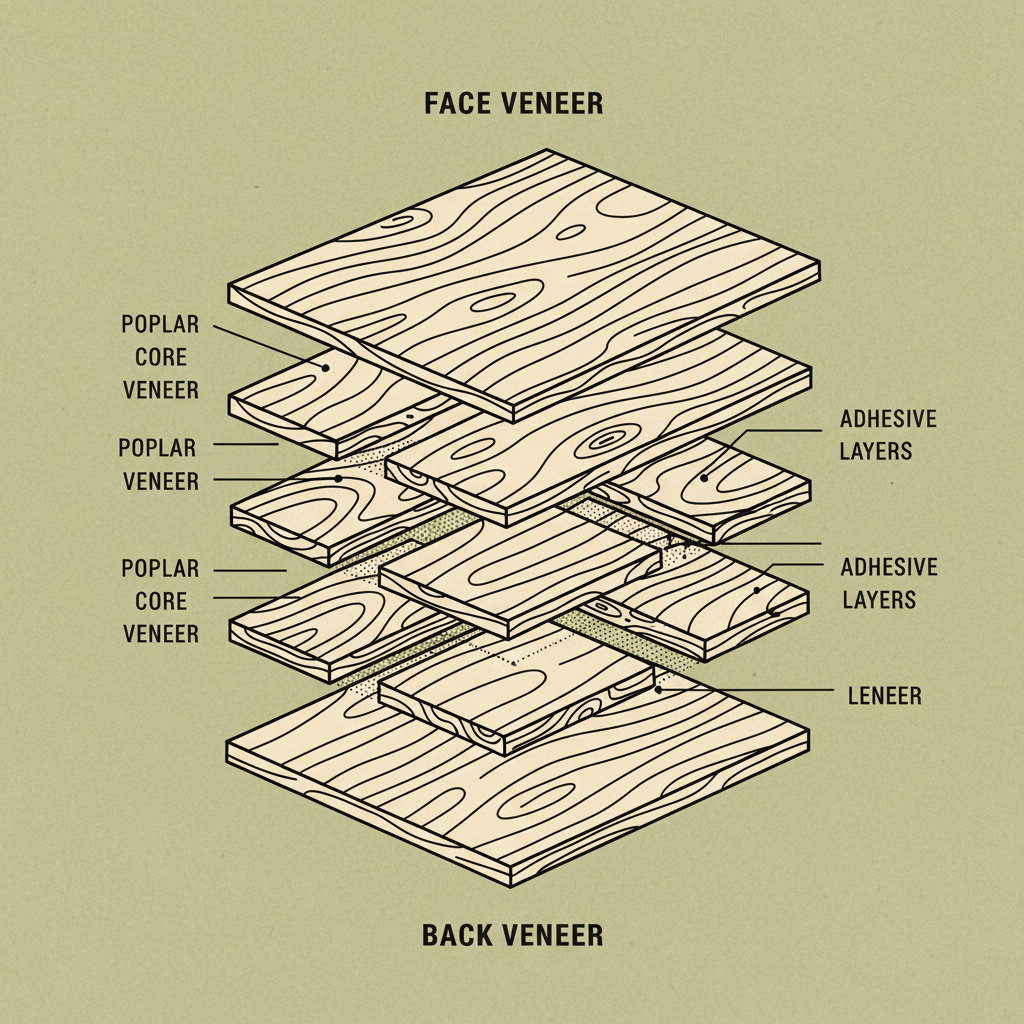
Put simply, veneer block board is an engineered wood product made by gluing thin sheets of wood veneer onto a core of solid wood, plywood, or particleboard. It’s not a single piece of solid wood, but a composite, which is actually its strength.

That construction gives it stability and resistance to warping or cracking – something solid wood can struggle with, especially in fluctuating humidity conditions. It's a workhorse material. It's not about trying to replace solid wood entirely, it's about providing a reliable and cost-effective alternative where solid wood isn’t practical or economical.

This makes it crucial for everything from furniture and cabinetry to interior panelling and even some structural applications where load-bearing isn’t the primary concern. It meets modern building standards and addresses the demand for versatile, adaptable construction materials.

Key Performance Indicators of veneer block board

When I'm evaluating a material, I don’t care about fancy marketing – I want numbers. Here are the key things I look for with veneer block board.

First, dimensional stability. We’re talking minimal expansion and contraction with changes in humidity. Second, screw-holding capacity. You need to be able to fasten things securely without the material crumbling or splitting. Third, surface smoothness – important for finishing and aesthetics.

veneer block board Performance Metrics


Real-World Applications of veneer block board

I've seen veneer block board used in everything from high-end office interiors to school furniture. Its ability to accept a wide range of finishes makes it incredibly versatile. It’s great for creating visually appealing spaces without breaking the bank.

In the affordable housing sector, it’s become a staple material for creating durable and aesthetically pleasing interior walls and doors. We’ve used it extensively in disaster relief housing projects, providing quick and effective shelter for displaced communities.

Long-Term Value and Benefits

Beyond the initial cost savings, veneer block board offers long-term benefits in terms of maintenance and durability. It’s less prone to warping or cracking than solid wood, which means fewer repairs and replacements down the line. That adds up over the lifespan of a building.

From a sustainability standpoint, using engineered wood products like veneer block board helps conserve natural resources. It allows us to make the most of available timber, reducing the need to harvest new trees. And, it offers a reliable, quality product.

There is also a safety aspect. When sourced properly, it provides consistent quality, reducing risks associated with unstable or unpredictable materials.

Future Innovations and Challenges

We’re seeing advancements in adhesive technologies that are reducing formaldehyde emissions in veneer block board, making it even more environmentally friendly. There's also research into using bio-based resins as alternatives to traditional adhesives.

One challenge is ensuring responsible sourcing of the wood veneer. We need greater transparency and traceability in the supply chain to guarantee that the wood is harvested sustainably. Digital tracking technologies and certification programs are playing a key role in addressing this.

Automation in manufacturing processes is also improving efficiency and reducing waste, which will help drive down costs and make veneer block board even more competitive.

Summary of Challenges and Potential Solutions for veneer block board

Challenge Impact Potential Solution Implementation Difficulty (1-10)
Sourcing Sustainable Veneer Environmental Impact, Reputation Risk Chain of Custody Certification (FSC, PEFC) 6
Formaldehyde Emissions Health Concerns, Regulatory Compliance Low-Emission Adhesive Technologies 7
Moisture Sensitivity Warping, Delamination Improved Surface Coatings and Sealants 5
Manufacturing Waste Resource Depletion, Cost Increases Optimized Cutting Processes, Waste Recycling 4
Price Volatility Project Budgeting Uncertainty Long-Term Supply Contracts 8
Lack of Public Awareness Limited Market Demand Industry Education and Marketing Campaigns 6

FAQS

What are the primary benefits of using veneer block board over solid wood in interior applications?

Veneer block board offers greater dimensional stability, meaning it’s less likely to warp or crack with changes in humidity. It’s also more cost-effective than solid wood, making it ideal for large-scale projects. Plus, it uses wood resources more efficiently, which aligns with sustainable building practices. It's essentially a smarter way to build, giving you similar aesthetics at a better price point and with more consistent results.

How does the quality of veneer block board compare across different manufacturers?

Quality can vary significantly. Look for manufacturers with certifications like FSC or PEFC, which indicate responsible sourcing. Pay attention to the type of adhesive used – low-emission adhesives are crucial for indoor air quality. Also, check for consistency in veneer thickness and core material density. A reputable supplier will provide detailed specifications and be transparent about their production processes.

What are the limitations of veneer block board in terms of structural applications?

Veneer block board isn't designed for heavy load-bearing applications. While it can be used for some structural elements, it's generally best suited for non-structural components like interior walls, doors, and furniture. Its strength lies in its stability and aesthetic versatility, not its ability to support significant weight. Always consult with a structural engineer for appropriate applications.

Is veneer block board moisture-resistant, and what precautions should be taken in damp environments?

While not inherently waterproof, veneer block board can withstand moderate levels of humidity. However, prolonged exposure to moisture can cause swelling and delamination. In damp environments, it’s crucial to apply a moisture-resistant sealant or coating. Proper ventilation and avoiding direct contact with water are also essential preventative measures.

How does the cost of veneer block board compare to other engineered wood products like MDF or plywood?

Generally, veneer block board falls in between MDF and plywood in terms of cost. MDF is typically the most affordable, while plywood tends to be more expensive. The price depends on the veneer species, core material, and manufacturer. However, considering its advantages in terms of stability and aesthetics, veneer block board offers excellent value for money.

What are the best finishing techniques for veneer block board?

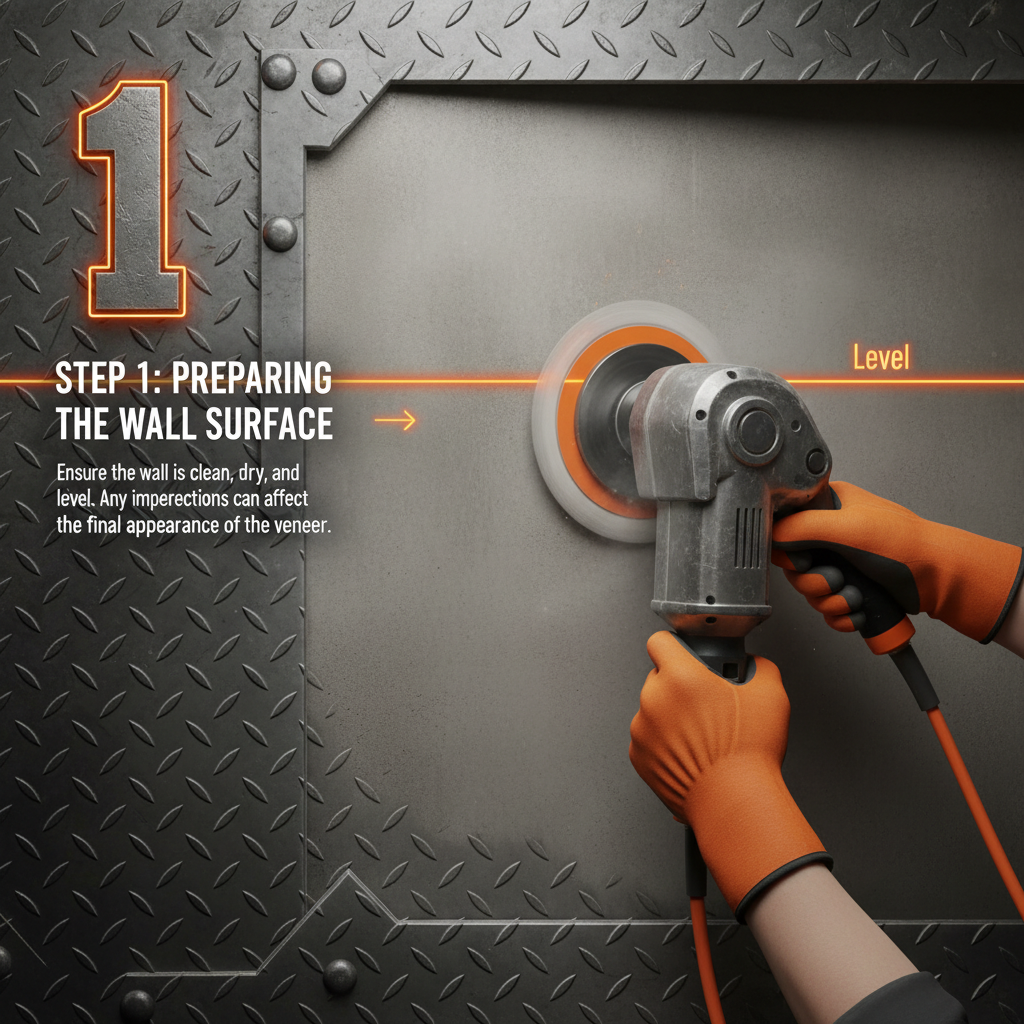
Veneer block board accepts a wide range of finishes, including paint, stain, varnish, and lacquer. Proper surface preparation is key – sanding smooth and applying a primer will ensure even coverage and adhesion. The choice of finish depends on the desired aesthetic and level of protection. Water-based finishes are a good option for environmentally friendly projects.

Conclusion

Veneer block board isn't a flashy, revolutionary material, but it is a reliable, cost-effective, and increasingly sustainable solution for a huge range of building applications. From speeding up construction schedules to reducing material waste and ensuring consistent quality, it addresses many of the everyday challenges we face on site. It's a practical choice that delivers real value.

Looking ahead, continued innovation in adhesive technologies and responsible sourcing practices will further enhance the benefits of veneer block board. It’s a material worth considering for any project where durability, affordability, and sustainability are priorities. For more information and to explore available options, visit our website: www.tengfeiebmdf.com.

Robert Chen

Robert Chen

Robert Chen serves as the Head of Production at Hebei Bojing Technology’s Zhengding Intelligent Manufacturing Hub. With a background in industrial engineering and a strong understanding of automated manufacturing systems, Robert oversees the operation of our Wemhöner lines and the 4,000-ton press. He’s responsible for maintaining optimal production efficiency, consistently
Previous Exploring the Versatility and Benefits of Paper Veneer Board Materials
Next Exploring the Versatility and Benefits of Timber Veneer Board for Modern Design
tel +8615030171059 tel icon15

If you are interested in our products, you can choose to leave your information here, and we will be in touch with you shortly.