Honestly, things have been a little crazy lately. Everyone’s talking about lightweighting, right? Less material, same strength. It’s the holy grail. But it's not always straightforward, you know? You start shaving off weight here and there, and suddenly the whole thing feels… flimsy. Seen it a hundred times.
And the demand for sustainable materials… that’s big, naturally. Everyone wants “green,” but “green” often means more expensive, or harder to work with. I was at a factory in Shandong last time, trying to source a bio-based resin. Smelled like… well, like a farm, I guess. Not exactly pleasant on a hot day, and the curing time was a nightmare.
But it’s not just the materials themselves. The design details, that’s where things really trip people up. A seemingly small change to a corner radius can completely change the stress distribution. I’ve seen perfectly good designs fail because someone thought they were being clever.
The Current Landscape of Poplar Veneer Plywood
Poplar veneer plywood. It’s everywhere now. Seriously. Used to be you’d see it mostly in furniture, interior fit-outs. Now, it's popping up in construction, even some structural applications. The price of lumber has been… volatile, to say the least. That’s driven a lot of people towards plywood as a more stable option. And poplar, well, it grows fast, so it’s reasonably sustainable.
You see a lot of cheaper plywood coming out of Southeast Asia, which… let’s just say the quality control isn’t always the best. We had a shipment a few months back with inconsistent veneer thickness. Pain. Absolute pain. It meant rejecting a whole batch. You have to be picky, you really do.
Defining Poplar Veneer Plywood: Beyond the Basics
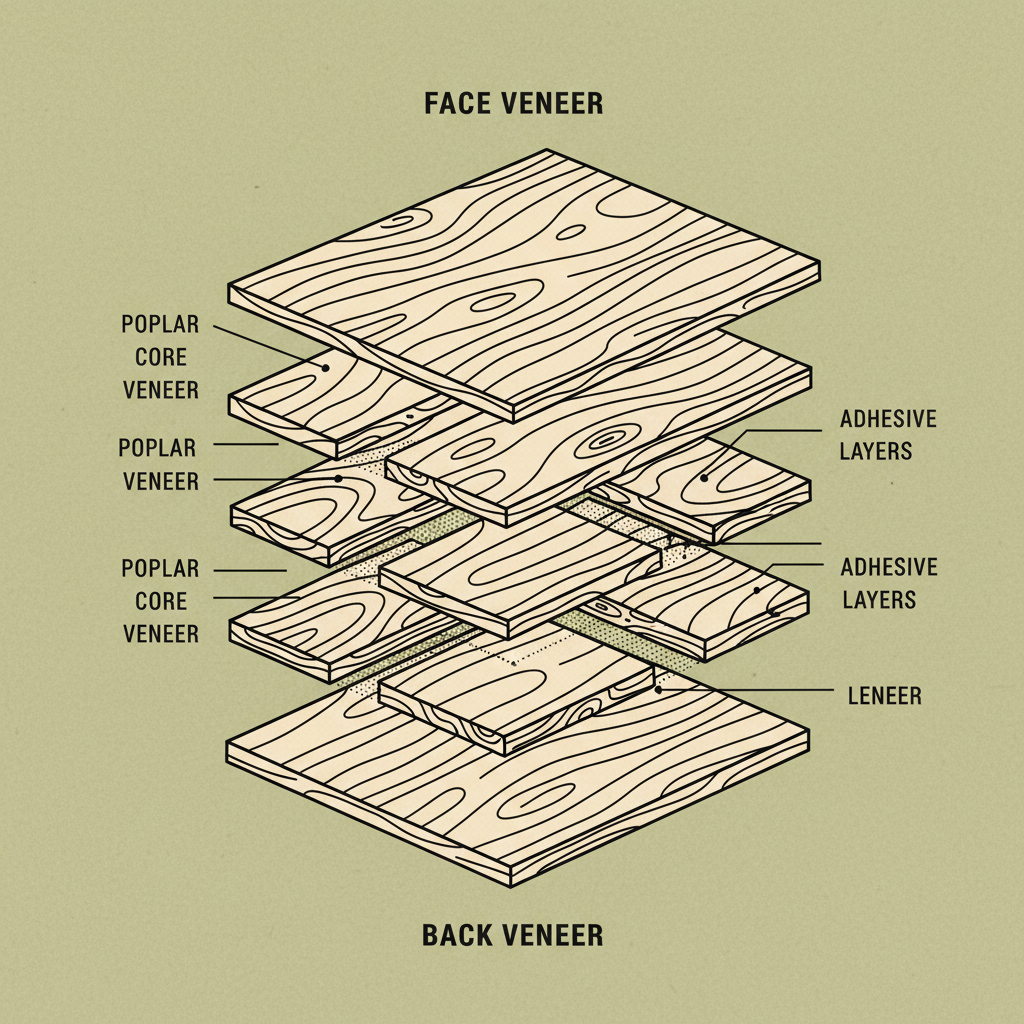
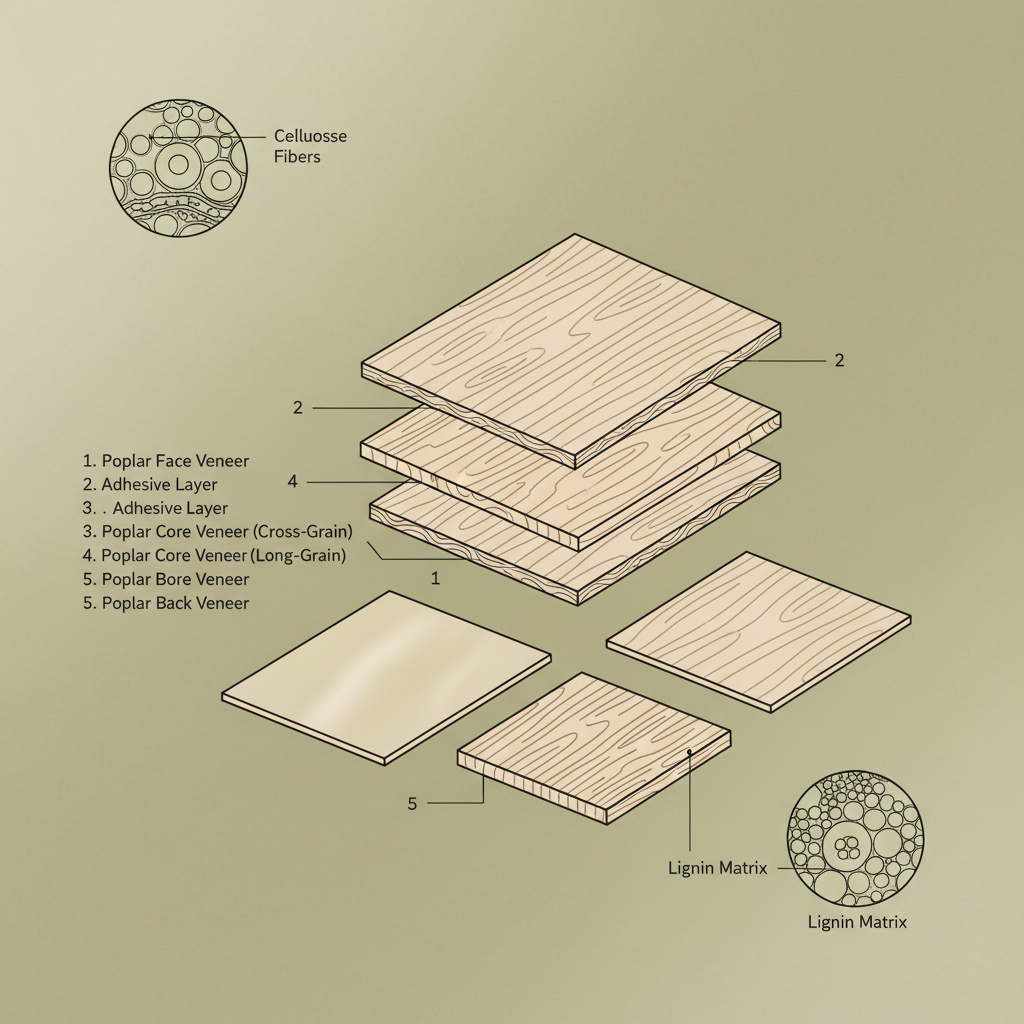
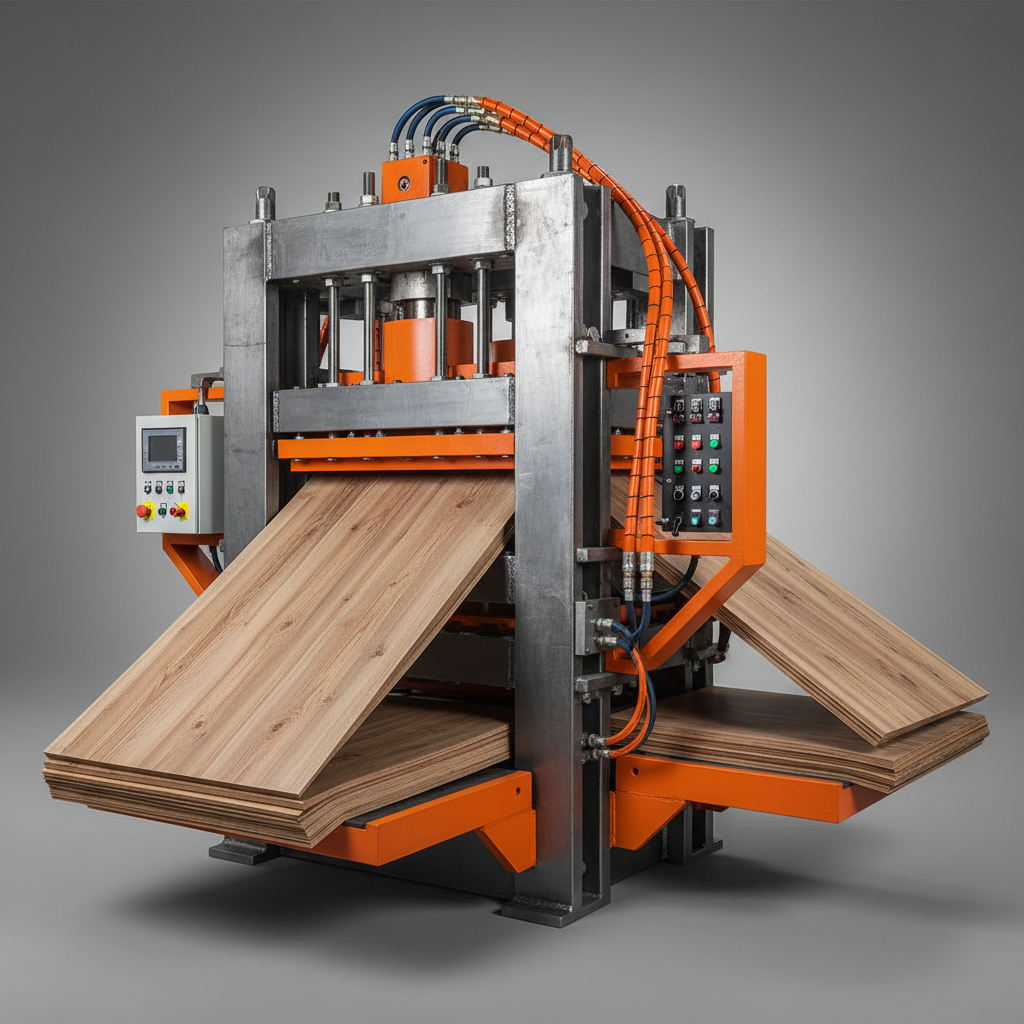
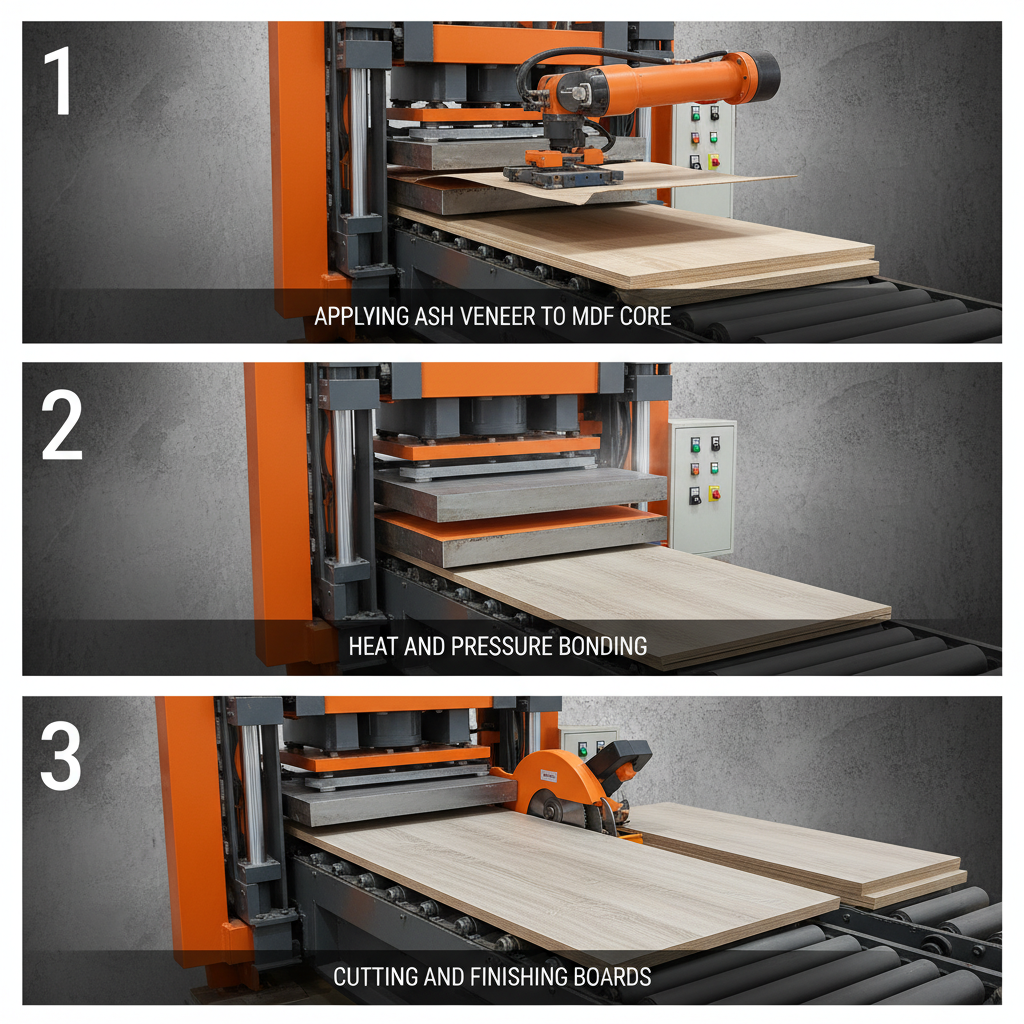
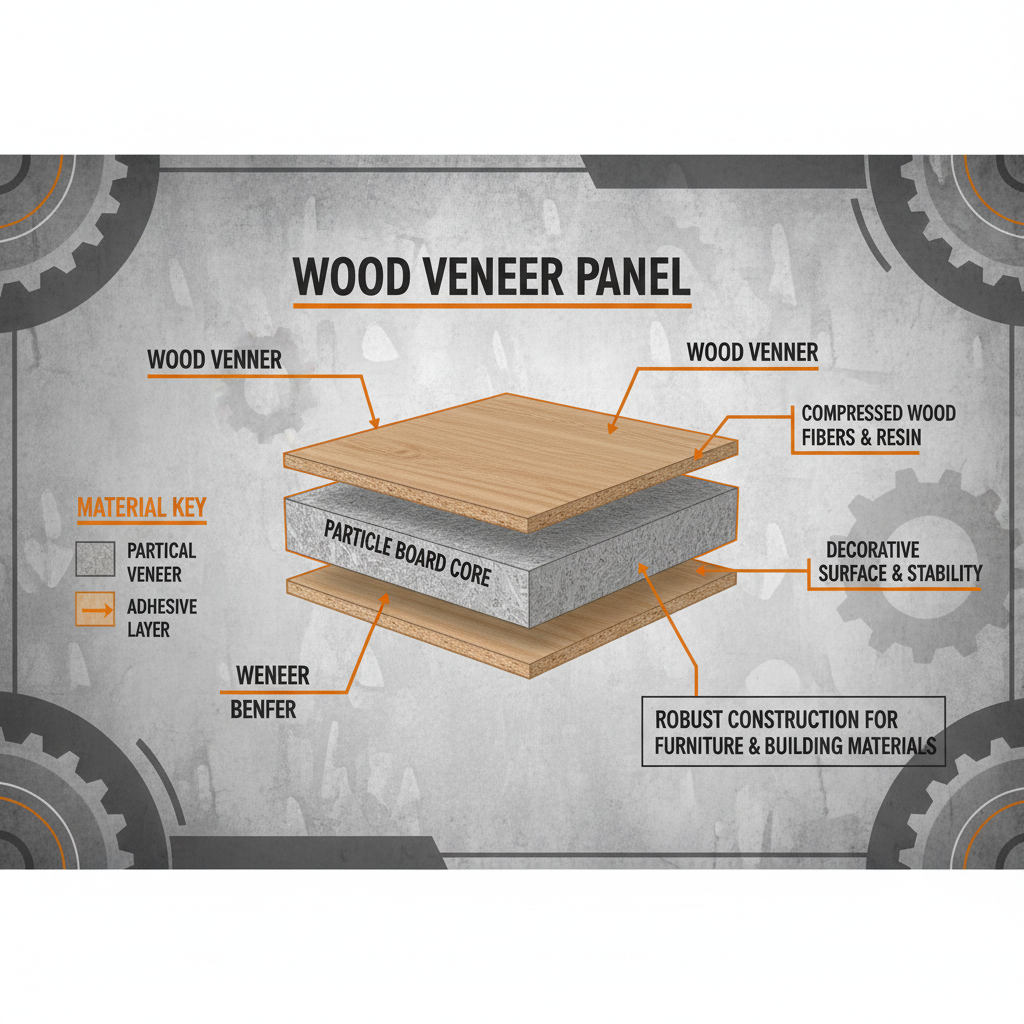
Okay, so what is poplar veneer plywood? Basically, it’s layers of poplar wood veneer glued together with adhesive, usually under heat and pressure. It's not a solid piece of wood, obviously, but the layering gives it strength and stability. It’s different from particleboard or MDF, those are made from wood chips or fibers. Veneer is actual wood, you can see the grain.
It’s been around for ages, honestly. But the real advancements have been in the adhesives and the veneer drying processes. You get fewer voids, more consistent bond strength. This isn’t just about building furniture anymore; it's about building durable, reliable structures.
And the connection to… well, everything? It’s a versatile material. It’s lightweight enough for transport, strong enough for many applications, and relatively affordable. It’s a workhorse, a real staple in a lot of industries.
Core Characteristics of High-Quality Poplar Veneer Plywood
Durability is key, naturally. A good sheet of poplar veneer plywood should be able to withstand a fair amount of wear and tear. You want to see tight grain, minimal knots, and consistent thickness. The core veneers are just as important as the face veneers. I’ve encountered plywood where the center layers were practically cardboard.
Scalability is another thing. Can you get consistent quality in large volumes? That’s critical for big projects. You don’t want to start a job and then find out your supplier can’t keep up. It’s happened to me, and it’s a headache.
Cost-efficiency is obvious, right? It needs to be affordable enough to make sense for the application. You can get fancy, high-grade plywood, but sometimes all you need is something that’s good enough. And that's surprisingly difficult to find sometimes.
Applications Spanning the Globe
Furniture is the big one, still. Tables, chairs, cabinets… you name it. But it’s also used extensively in construction. Sheathing, subflooring, even some wall panels. In Europe, I see a lot of it in prefabricated housing, especially for interior walls. They like the light weight.
In the US, it’s popular for trailer beds and truck flooring. It can handle the abuse, and it’s relatively inexpensive to replace. Strangely, I saw a huge demand for it in Australia recently for temporary event structures. Music festivals, that sort of thing. Needs to be quick to erect and dismantle.
Poplar Veneer Plywood Performance Metrics
Advantages and the Long-Term Value Proposition
Cost is a big one, obviously. It’s generally cheaper than hardwood plywood, and often cheaper than solid wood. That makes it attractive for budget-conscious projects. It's stable. Doesn't warp or twist like solid wood does, which is good for furniture.
But the real value is in the versatility. You can paint it, stain it, veneer it with other materials. It's a blank canvas, really. And, if you're doing a lot of cutting and shaping, it holds its edges well.
Emerging Trends and Innovations in Poplar Veneer Plywood
I'm seeing a lot of research into bio-based adhesives. Trying to replace the formaldehyde-based resins with something more environmentally friendly. It's tough, though. You need an adhesive that’s strong, durable, and water-resistant.
There's also a move towards thinner veneers. Allows you to use less wood overall, and create more complex curves. But it's trickier to work with, you need more skill. Anyway, I think it’s a good direction.
Common Challenges & Practical Solutions
Moisture is the enemy, always. Poplar veneer plywood can swell if it gets wet, and the glue can delaminate. You need to seal it properly, especially if it's going to be exposed to the elements.
Another problem is edge chipping. The veneer can splinter easily if you're not careful. I recommend using a sharp blade and a slow feed rate when cutting. And always, always sand the edges smooth.
Here's a table of common issues and how we tackle them on site:
Common Issues and Solutions for Poplar Veneer Plywood
| Issue |
Severity |
Root Cause |
Solution |
| Edge Chipping |
Moderate |
Dull Blade/Fast Feed |
Sharp Blade, Slow Feed, Edge Sealer |
| Delamination |
High |
Moisture Exposure/Poor Adhesive |
Waterproof Adhesive, Proper Sealing |
| Veneer Voids |
Low |
Poor Veneer Quality |
Higher Grade Veneer Selection |
| Warping |
Moderate |
Uneven Moisture Content |
Proper Acclimatization, Consistent Storage |
| Surface Scratching |
Low |
Soft Veneer Wood |
Protective Coating/Varnish |
| Inconsistent Thickness |
Moderate |
Poor Manufacturing Quality |
Supplier Quality Control/Inspection |
FAQS
You really need a marine-grade varnish or epoxy resin. Several coats are key. Don’t skimp on the preparation – sanding, priming, the whole nine yards. And even then, it’s not going to last forever. Poplar isn't naturally rot-resistant. I've seen projects fail even with good sealing if the wood stays consistently wet.
Generally, no, not without significant engineering and reinforcement. It's not designed to bear heavy loads. You can use it for sheathing, but it needs to be properly supported by a frame. I would never recommend using it as a direct replacement for solid lumber in a load-bearing wall.
Start with 120 grit to smooth out any imperfections, then move to 180 grit for a smoother finish, and finally 220 grit before applying a stain or varnish. Don’t go too aggressive with the sanding, you’ll risk sanding through the veneer.
Huge difference! Some manufacturers use higher-quality veneers and adhesives, and have better quality control. You get what you pay for, honestly. Look for certifications like CARB or FSC. And don’t be afraid to ask for samples.
You can try filling small dents with wood filler and sanding it smooth. Scratches can sometimes be masked with a touch-up pen or stain. But for significant damage, it’s usually easier to replace the panel.
Look for plywood that uses formaldehyde-free adhesives and is sourced from sustainably managed forests. FSC certification is a good indicator. Also, consider the transportation distance – shipping plywood from overseas has a carbon footprint.
Conclusion
Ultimately, poplar veneer plywood is a versatile, cost-effective material, but it’s not a miracle solution. It has its strengths and weaknesses. It’s a good choice for a lot of applications, but you need to understand its limitations and use it properly.
And here's the thing: whether this thing works or not, the worker will know the moment he tightens the screw. That's the final test. That’s what matters. You can have all the certifications and lab tests in the world, but if it doesn't feel right in the hands of the guy building it, it's not going to last.