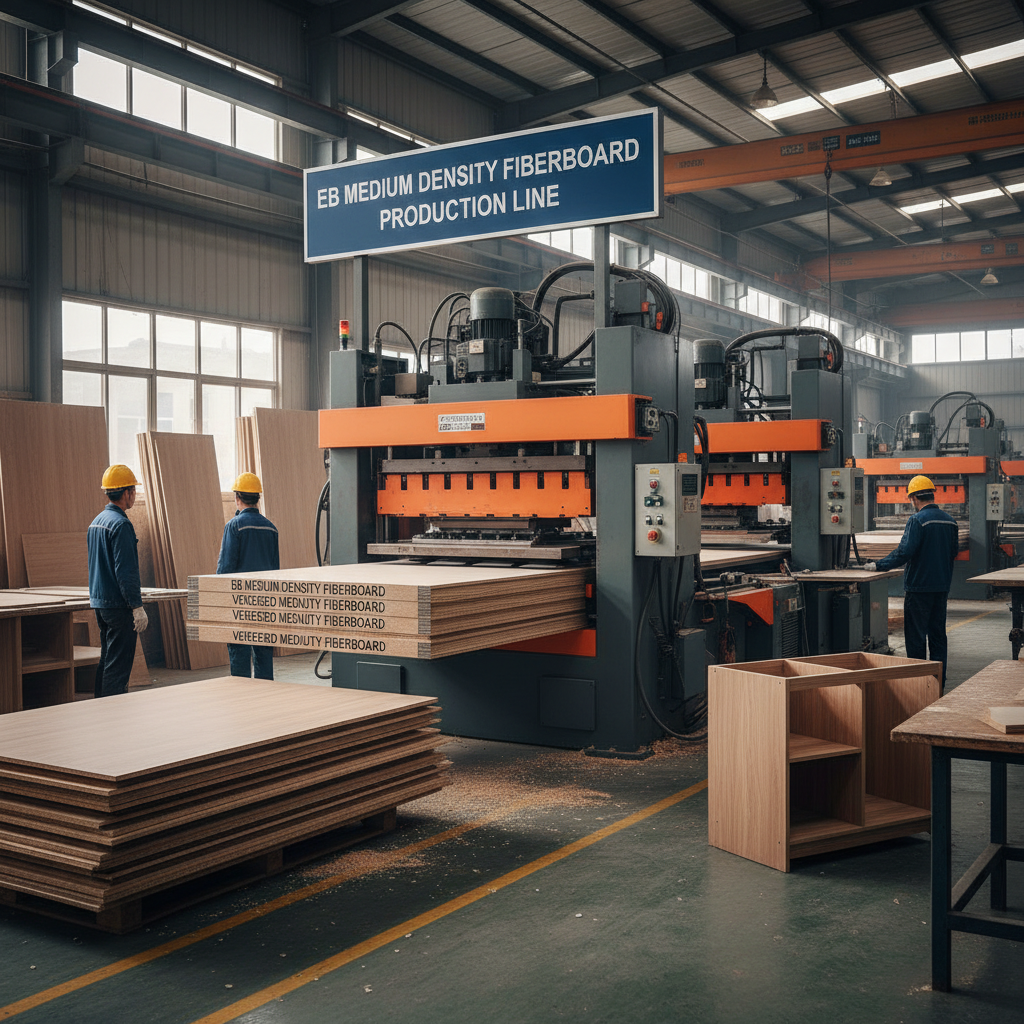
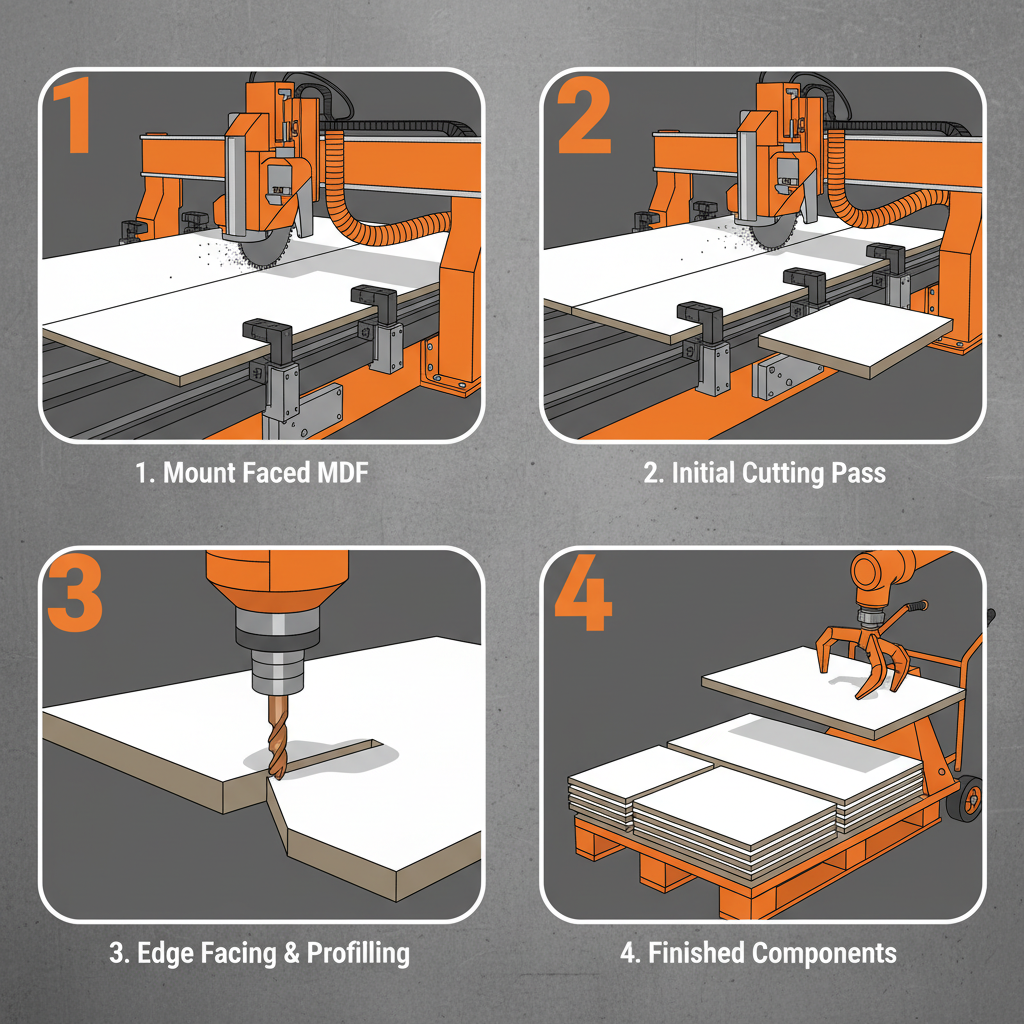
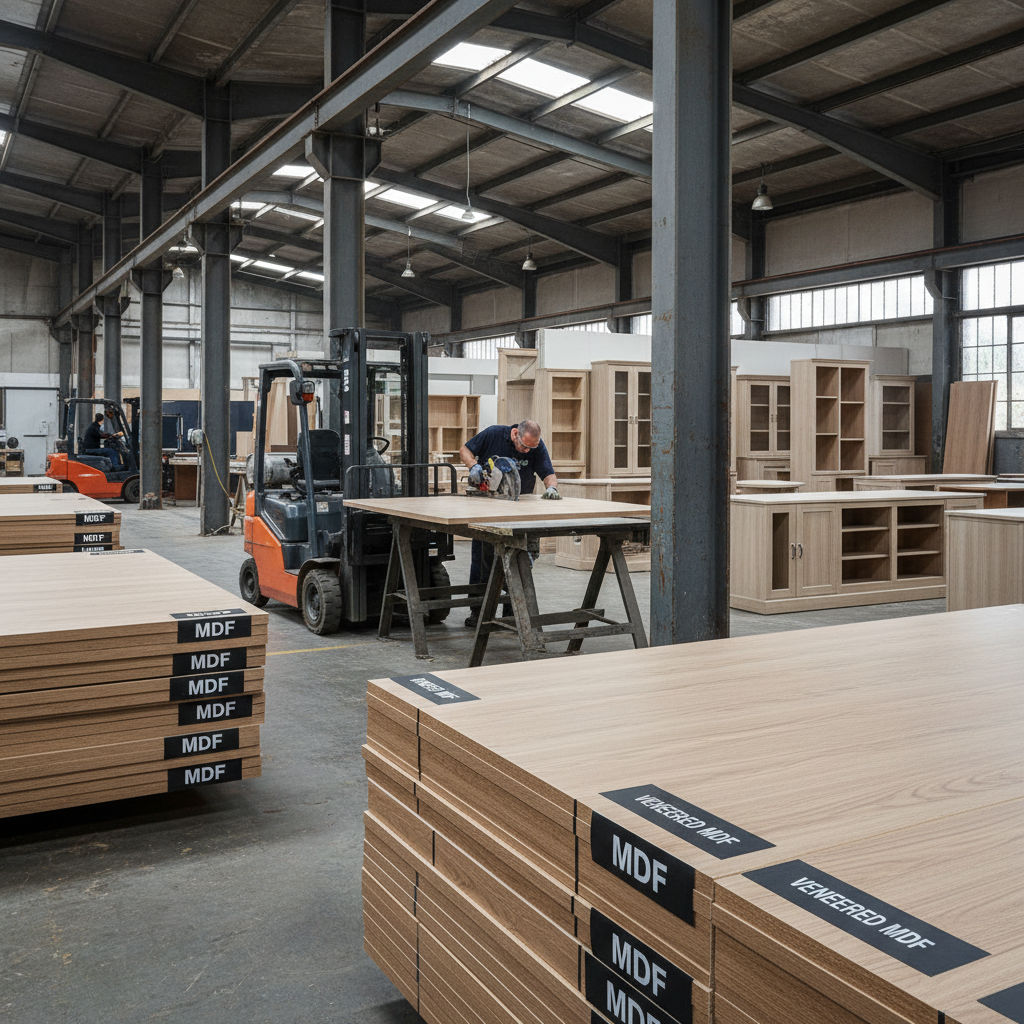
Add: No.8 Xinxing Street, North Zone, Zhengding High-tech Industrial Development Zone, Hebei, China
CONTACT US
+8615030171059


CONTACT US
+8615030171059
Honestly, things are moving fast these days. Everyone's talking about sustainability, right? Low-VOC, recycled content… it's the buzzword bingo of the year. But a lot of times, it feels like marketing fluff. I've been seeing a lot more demand for poplar veneer lately, which, you know, isn’t new, but the applications are getting…interesting. People are looking for lighter weight materials, something that feels a bit more natural than just straight MDF. It's a good thing, really.
You know what I've noticed? Everyone thinks design is about aesthetics. They want it to look sleek, modern, minimalist. But I'm on site, wrestling with this stuff, and it's all about practicality. A beautiful design is useless if it falls apart after a week. That’s why poplar veneer, if done right, is starting to make some waves. People assume veneer is delicate, which…sometimes it is. But when you get a good quality one, properly bonded, it can hold up surprisingly well.
And the material itself…poplar. It's not oak, not walnut, it's got its own personality. It’s a lighter color, which is great for painting. It takes stain okay, but you need to be careful, it can get blotchy. Smells…well, wood. It’s not overpowering, more of a subtle, slightly sweet smell when you're cutting it. It's reasonably easy to work with - cuts cleanly with a good blade, sands nicely. But you've gotta respect it. It dents easily if you're not careful, and it’s a bit more prone to moisture damage than some of the hardwoods.
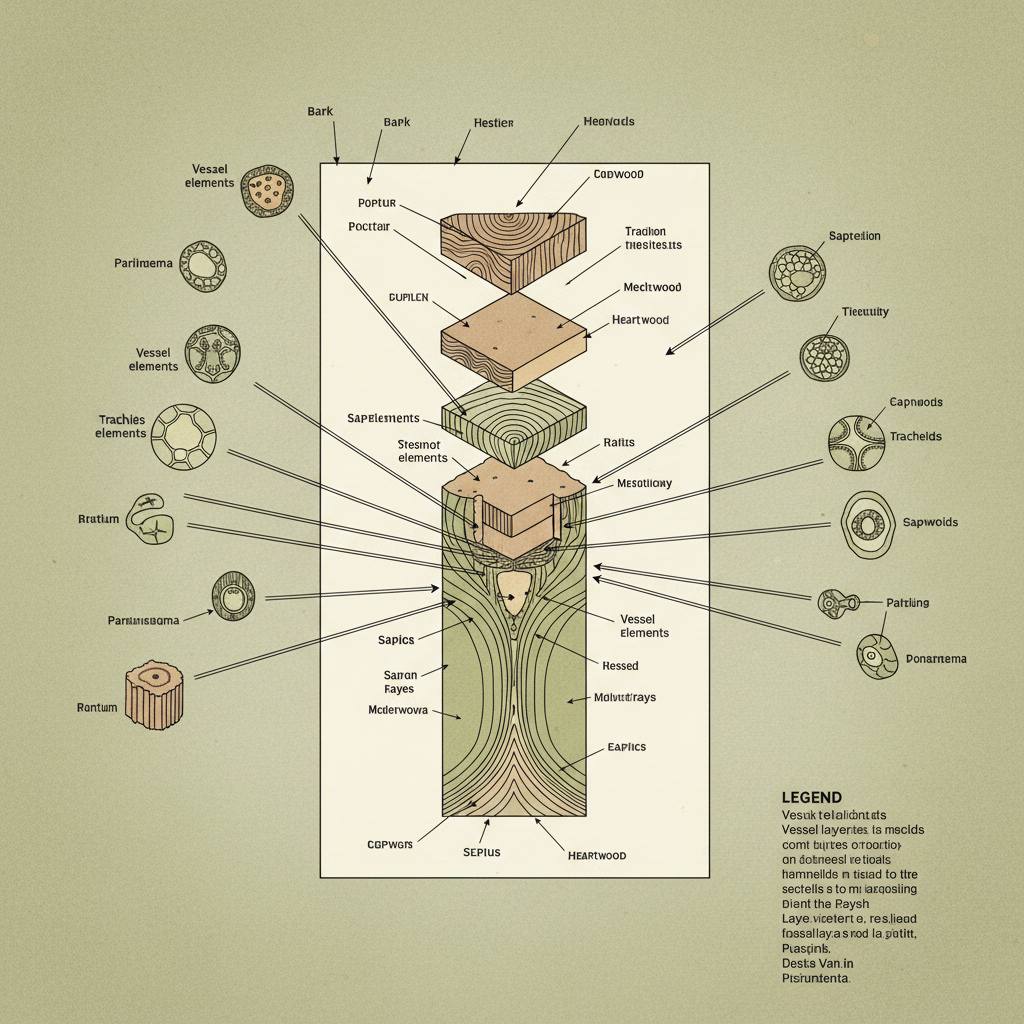
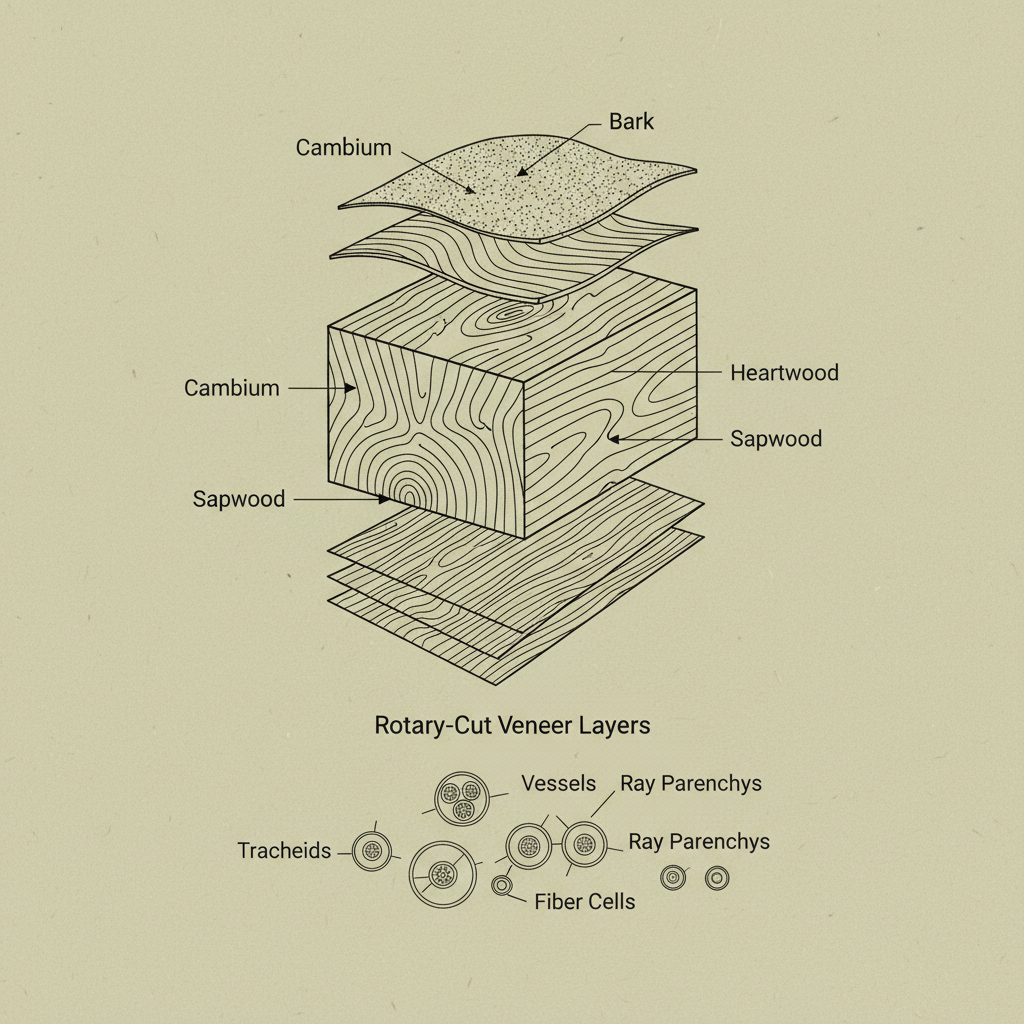
To be honest, poplar veneer isn't some revolutionary new thing. It's been around. But the pressure for more sustainable materials, and the rising cost of hardwoods? That's really driving the demand. Plus, with pre-finished veneer options becoming more readily available, it’s making things easier for smaller shops. They don't have to invest in the finishing equipment themselves. It’s about efficiency and cost.
I was at a furniture factory in Vietnam last year, and they were switching over almost entirely to poplar for the base layers of their cabinets. They said it was a combination of price and availability. Oak was getting too expensive, and the lead times were crazy. They still used oak for the visible faces, of course, but poplar for everything else. It made sense.
Generally, no. Poplar isn't naturally very weather-resistant. It will absorb moisture and warp if left unprotected. You can use it for outdoor furniture, but you’ll need to apply a really good quality waterproof sealant, and even then, it won’t last as long as teak or cedar. It's best suited for indoor applications, or for outdoor projects where it's well-protected from the elements.
Oak is definitely more durable than poplar. It's harder, denser, and more resistant to dents and scratches. Poplar is softer and more prone to damage. However, poplar is also less expensive than oak, so it’s a good option if you're on a budget. The right finish can improve poplar’s durability significantly. You're trading some strength for cost savings.
Contact adhesive is the way to go. It provides a strong, permanent bond. Avoid using wood glue, as it doesn't spread evenly enough and can cause the veneer to bubble. Make sure to follow the manufacturer's instructions carefully, and use a roller to apply even pressure. A good contact adhesive will give you the best results.
It can be, but you need to be realistic about expectations. It’s going to show wear and tear faster than a solid wood or a more durable veneer. A tough polyurethane finish is crucial. Also, consider using a thicker veneer to provide more protection. For high-traffic areas, I’d recommend oak or maple if durability is a top priority.
People are doing all sorts of things! I've seen it used for wall panels, speaker boxes, even musical instruments. It’s lightweight and easy to shape, making it ideal for projects where weight is a concern. Plus, it takes paint and stain well, so you can create a wide range of finishes. Really, it’s limited by imagination.
Edge banding is key. Use a high-quality edge banding, and apply it carefully with a good iron or edge bander. Make sure the edge banding extends slightly beyond the veneer, and then trim it flush with a sharp blade. A light sanding can also help to smooth out any imperfections. Applying a finish to the edges will also help protect them.
So, yeah, poplar veneer. It's not a miracle material, but it's a solid choice for a lot of applications, especially when you're balancing cost, weight, and aesthetics. It's versatile, easy to work with, and can look great with the right finish. It’s not the strongest, most durable option out there, but it gets the job done for a lot of projects.
Ultimately, whether this thing works or not, the worker will know the moment he tightens the screw. You can talk about specs and test results all day, but it all comes down to how it feels in your hands and how it performs in the real world. That’s what matters. If you're considering it for your next project, do your research, choose a good quality veneer, and don't be afraid to experiment.