Add: No.8 Xinxing Street, North Zone, Zhengding High-tech Industrial Development Zone, Hebei, China

CONTACT US

+8615030171059
221231instagram-fill1251 search
0%

Table of Contents

Honestly, things are moving fast these days. Everyone's talking about prefabrication, modular construction... trying to shave time off projects. It's a good idea, in theory. But you spend a year on construction sites, and you see how things actually go. It's not always as clean as the architects draw it up. A lot of it boils down to the materials, right? And getting them right from the start.

You know, I've noticed a real push for more sustainable options, which is good. But “sustainable” doesn’t mean much if it falls apart after six months. It's gotta be durable, easy to work with, and – this is important – readily available. Because nothing kills a project schedule like waiting on materials.

I’ve been looking a lot into poplar veneer sheets lately. It's not new, but the applications are expanding. We're seeing it used for interior paneling, furniture components, even some structural elements in lighter-weight buildings. Strangely, even in some of these super-modern designs. You wouldn’t think of it as a high-tech material, but… well, let's get into it.
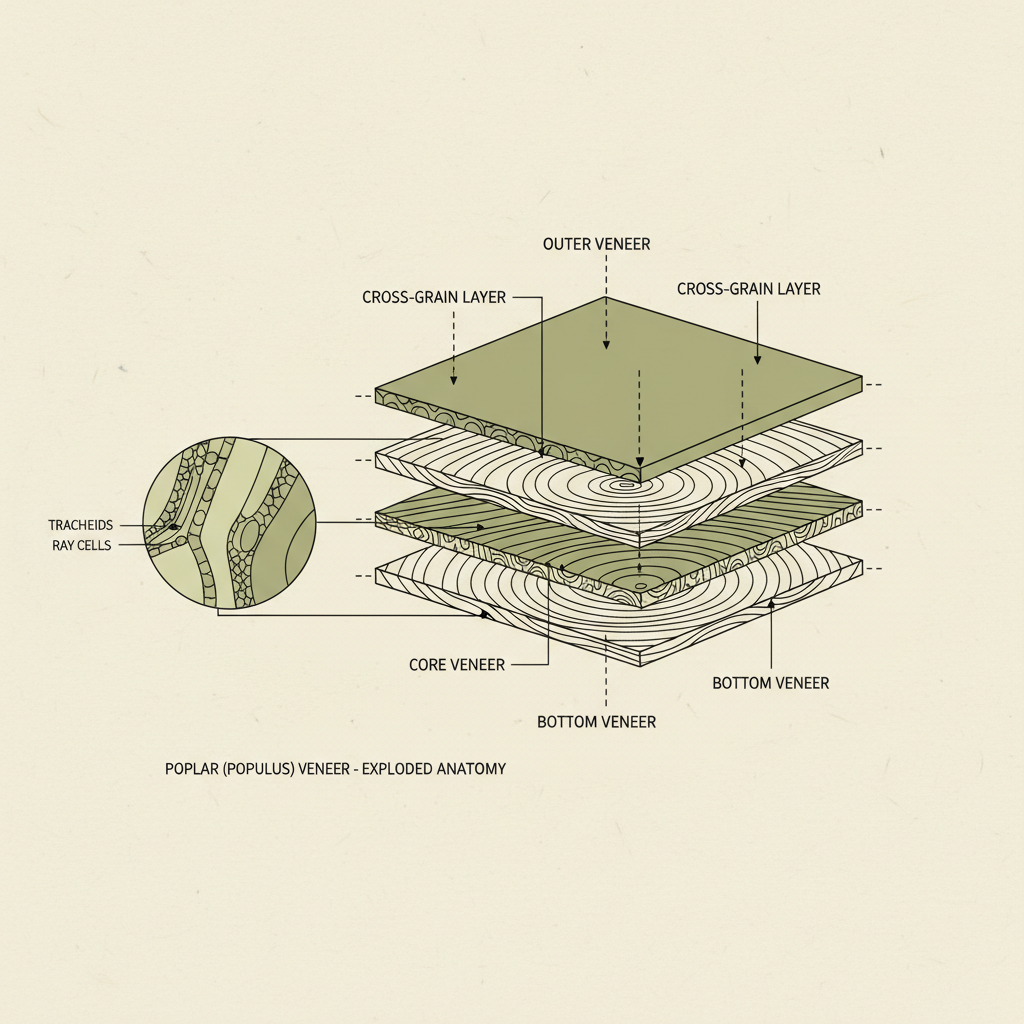
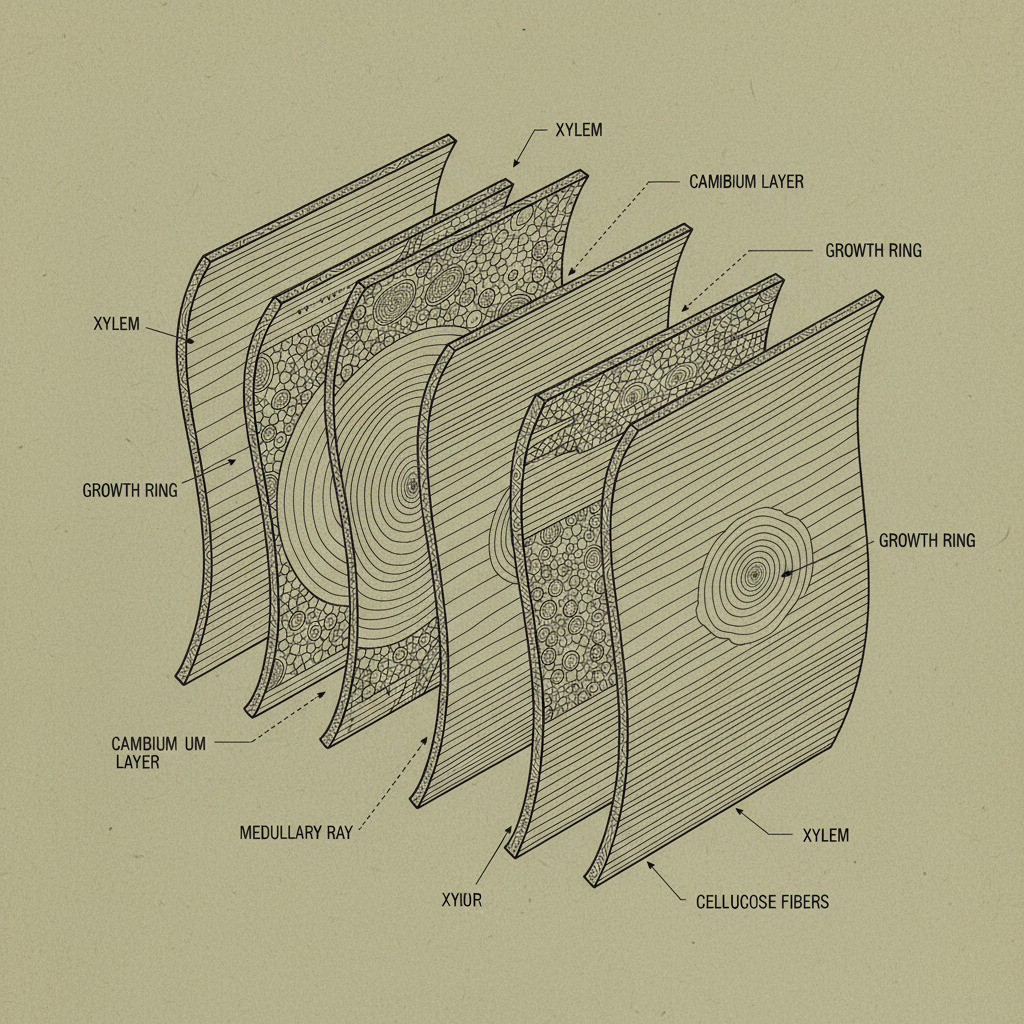
Exploring the Versatility and Applications of Poplar Veneer Sheets in Modern Construction

1 The Current Landscape of Poplar Veneer Sheets

Exploring the Versatility and Applications of Poplar Veneer Sheets in Modern Construction

I encountered this at a factory in Zhejiang province last time, they were using poplar veneer sheets for a whole line of kids' furniture. The demand is growing, you see? Not just because of the cost – though that's a big factor – but because it's relatively lightweight and easy to machine. It also takes paint and finishes really well. The big players are still in Europe and North America, but China is rapidly becoming a major producer. It's getting to the point where the supply chain is…complex. You've got to know your suppliers.

To be honest, a lot of the cheaper stuff coming out isn’t great. It can be prone to splitting, inconsistent thickness… the kind of stuff that makes a carpenter’s day infinitely harder. It’s a classic case of ‘you get what you pay for’.

2 Defining Poplar Veneer Sheets: More Than Just a Surface

Okay, so what are poplar veneer sheets? Basically, it's a thin layer of poplar wood, sliced from a log. Not a solid piece of wood, mind you, but a veneer. This allows you to get a lot of surface area out of a single log. It’s not like hardwood veneer - it doesn't have that fancy grain. It's usually pretty pale, almost creamy, which makes it a good base for painting.

The connection to modern industry isn't just about cost. It's about resource efficiency. We're trying to use less wood, create less waste. Veneer allows us to do that. And it’s stable. Unlike some other wood species, poplar doesn't warp or crack too easily, which is a lifesaver when you’re trying to build something precise.

It’s kinda like this: you don't need a whole tree to make a nice-looking surface. That’s the whole point. This is becoming increasingly important with the push for sustainable building practices and reduced material waste.

3 Core Characteristics of Quality Poplar Veneer Sheets

Durability is key. You don’t want something that’s going to delaminate after a year. We look for sheets that are consistently thick, free from knots or voids, and have a tight grain. It’s important.

Scalability is another big one. Can you consistently source enough material to meet your project demands? Poplar grows relatively quickly, but it’s still subject to seasonal variations and regional availability. Finding a reliable supplier who can guarantee consistent quality and volume is crucial. I can’t stress that enough.

Cost efficiency… well, that’s obvious, isn’t it? Poplar is generally less expensive than hardwoods like oak or maple. But remember what I said earlier: cheap isn't always better. You need to balance cost with quality. And the finishing… that adds to the cost too.

4 Real-World Applications: From Furniture to Fast Deployment

You see it everywhere. Furniture, obviously. Cabinet doors, drawer fronts, table tops. That sort of thing. But it's also being used in more creative ways. I've seen it used for acoustic paneling in offices, even for the interior walls of vans converted into camper vans. Lightweight, easy to work with, and sound-dampening – it ticks a lot of boxes.

Poplar Veneer Sheets Application Suitability


5 Advantages and Limitations: A Practical Perspective

Advantages? Cost, obviously. Workability. It's easy to cut, sand, and finish. It's also a relatively stable wood, so it doesn't move around too much with changes in humidity. But… it’s soft. That’s the biggest drawback. It dents easily. And it doesn’t have the same strength as hardwoods.

It's not a structural material, not on its own. You wouldn’t build a load-bearing wall out of poplar veneer sheets. You’d need to combine it with something stronger, like a plywood core or a metal frame. Anyway, I think that's a pretty fair assessment.

6 Customization Options and Emerging Trends

You can get it in different thicknesses, of course. And you can specify the grain direction, which is important for certain applications. I had a client last month, a small boss in Shenzhen who makes smart home devices. He insisted on changing the interface to on a production run, even though we’d already tooled for USB-A. It caused a headache, let me tell you! Same thing with veneer. If you need a specific grain pattern, or a particular thickness, you need to communicate that upfront.

There’s also a trend toward using dyed veneers, creating different colors and patterns. And some manufacturers are experimenting with applying a thin layer of hardwood veneer over a poplar core, giving you the look of hardwood at a lower cost. It’s clever, I’ll give them that.

7 On-Site Performance and Quality Control

Ultimately, it all comes down to how it performs on the job site. And that's where things can get tricky. You need to store it properly, keep it dry, and protect it from damage. I’ve seen too many sheets warped or stained because they were left out in the rain.

Quality control is essential. You need to inspect each sheet for defects before you start working with it. Look for splits, voids, and inconsistent thickness. Don’t just assume it’s good to go. And, oddly enough, the smell tells you a lot. Properly dried poplar should have a slightly sweet smell. If it smells musty or moldy…walk away.

Here’s a rough breakdown of what we look for during a typical quality check:

Poplar Veneer Sheet Quality Control Checklist

Defect Type Severity (1-5) Acceptance Criteria Corrective Action
Splits/Cracks 3 No splits exceeding 5cm in length Reject sheet; request replacement
Voids/Knots 2 Voids & Knots Acceptable with caution. Avoid use in critical areas.
Thickness Variation 4 Variation no more than 0.2mm Reject sheet; re-measure entire batch
Moisture Content 1 Between 8-12% Acclimate sheet before use.
Surface Finish 2 Smooth, no visible blemishes Accept with minor blemishes; adjust finishing process
Smell 5 Slightly sweet, no mold or mildew. Reject immediately.

FAQs

What are the main differences between poplar veneer and birch veneer?

That's a good question. Birch is generally harder and more durable than poplar, with a more pronounced grain. Birch also takes stain a bit better. Poplar, however, is typically less expensive and easier to machine, making it a good choice for projects where cost is a major factor and extreme durability isn’t essential. It also paints really well. It depends on the application, you know?

Is poplar veneer sheet suitable for outdoor use?

Not without proper sealing and protection, absolutely not. Poplar isn’t naturally weather-resistant. You’d need to apply multiple coats of a high-quality waterproof sealant, and even then, it won’t last as long as a naturally durable wood like cedar or teak. It can be used in covered outdoor areas, but direct exposure to the elements is a no-go.

What types of adhesives are best for working with poplar veneer sheets?

I usually recommend PVA glue (polyvinyl acetate). It's strong, easy to use, and readily available. For heavier-duty applications, you might consider epoxy resin, but that's a bit more expensive and requires a bit more skill to apply correctly. The key is to use a glue that's compatible with wood and provides a good bond without causing the veneer to warp or delaminate.

How do you prevent veneer from splintering or chipping during cutting?

Sharp tools are your best friend. Use a fresh blade in your utility knife or veneer saw, and always cut with the grain. Score the veneer lightly along the cut line before applying pressure. And if you’re using a power saw, use a blade designed for cutting veneer – one with a high tooth count and a fine kerf. Patience is key, don't rush it!

Can poplar veneer sheets be used for furniture that will see heavy use?

It can, but with caveats. If you’re building a desk or a table that’s going to get a lot of wear and tear, you’ll want to use a thicker veneer and reinforce it with a solid wood core or a plywood substrate. Poplar is relatively soft, so it’s prone to dents and scratches. It’s great for decorative elements, but maybe not the best for high-traffic surfaces.

What are the best ways to finish poplar veneer sheets?

Poplar takes paint extremely well, which is a big advantage. You can also stain it, but it won’t have the same rich color as some other woods. I recommend using a good-quality primer before painting to ensure proper adhesion and a smooth finish. For a more natural look, you can apply a clear coat of polyurethane or lacquer. Just make sure to sand lightly between coats.

Conclusion

So, what have we learned? Poplar veneer sheets aren’t a miracle material. They're not going to solve all your construction problems. But they are a versatile, cost-effective, and relatively sustainable option for a wide range of applications. Understanding their strengths and limitations, and choosing the right materials and techniques, is crucial for a successful outcome.

Ultimately, whether this thing works or not, the worker will know the moment he tightens the screw. You can design all you want, spec the best materials, but at the end of the day, it's the guy on the ground who makes it happen. And if he's cursing under his breath, you know you’ve got a problem. Visit our website: www.tengfeiebmdf.com

William Thompson

William Thompson

William Thompson is a Sales and Marketing Director at Hebei Bojing Technology, focusing on expanding our presence in the North American market. With a strong track record in the decorative surfaces industry, William leverages his expertise to promote the unique advantages of EB-cured panels – their durability, aesthetic versatility, and
Previous Exploring the Rise of Poplar Wood Veneer in Modern Construction and Design
Next Exploring the Versatility and Applications of Poplar Veneer Plywood
tel +8615030171059 tel icon15

If you are interested in our products, you can choose to leave your information here, and we will be in touch with you shortly.