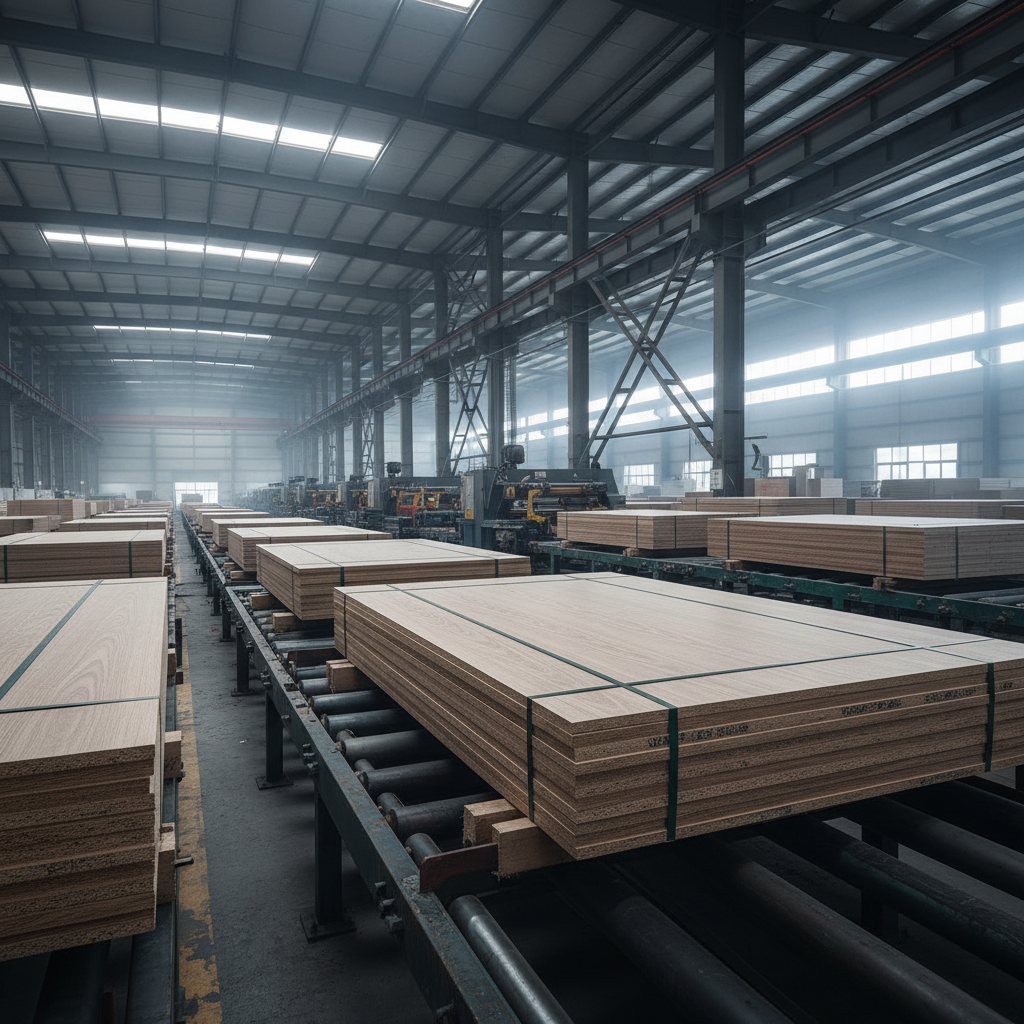
mdf veneer panels are increasingly vital in modern construction and interior design. Their versatility, cost-effectiveness, and aesthetic appeal have driven global demand, making them a cornerstone material for furniture manufacturers, architects, and interior designers alike. The demand stems from a growing need for sustainable and affordable building solutions without compromising on quality or appearance.
The global market for wood-based panels, including mdf veneer panels, is experiencing substantial growth. According to industry reports, the Asia-Pacific region dominates the market, representing the largest share of both production and consumption. This growth is fueled by rapid urbanization, infrastructure development, and a burgeoning middle class demanding aesthetically pleasing and functional living spaces. The United Nations projects continued population growth in these regions, further solidifying the importance of accessible building materials.
A key challenge within the construction industry is balancing cost with sustainability. mdf veneer panels offer a compelling solution, providing a stable, readily available, and relatively inexpensive alternative to solid wood. This allows for wider access to quality construction and design while reducing reliance on diminishing natural resources, directly addressing concerns regarding deforestation and environmental impact.
Introduction to mdf veneer panels
mdf veneer panels represent a significant advancement in wood composite technology. They combine the stability and cost-effectiveness of medium-density fiberboard (mdf) with the aesthetic appeal of natural wood veneers. This fusion creates a versatile material suitable for a broad range of applications, from furniture construction to interior wall paneling.
The increasing popularity of mdf veneer panels is also linked to the growing demand for sustainable building practices. By utilizing engineered wood products, we can reduce the pressure on natural forests and promote responsible forest management. The core mdf component is often produced from recycled wood fibers, further enhancing its eco-friendly profile.
Defining mdf veneer panels
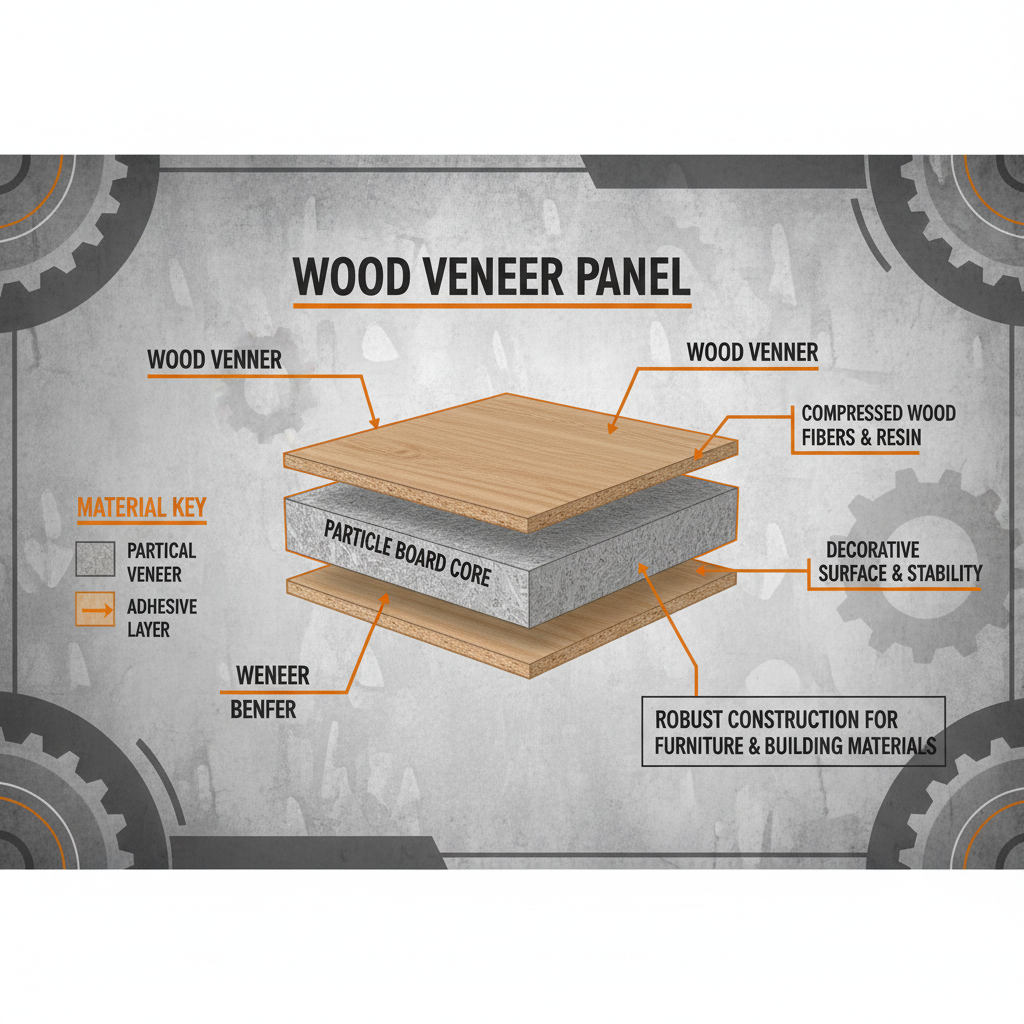
mdf veneer panels are engineered wood products composed of wood fibers bonded together with resin and then overlaid with a thin layer of real wood veneer. The mdf core provides dimensional stability and a smooth surface, while the veneer provides the aesthetic characteristics of natural wood – grain patterns, textures, and colors. They bridge the gap between solid wood's beauty and mdf's practical advantages.
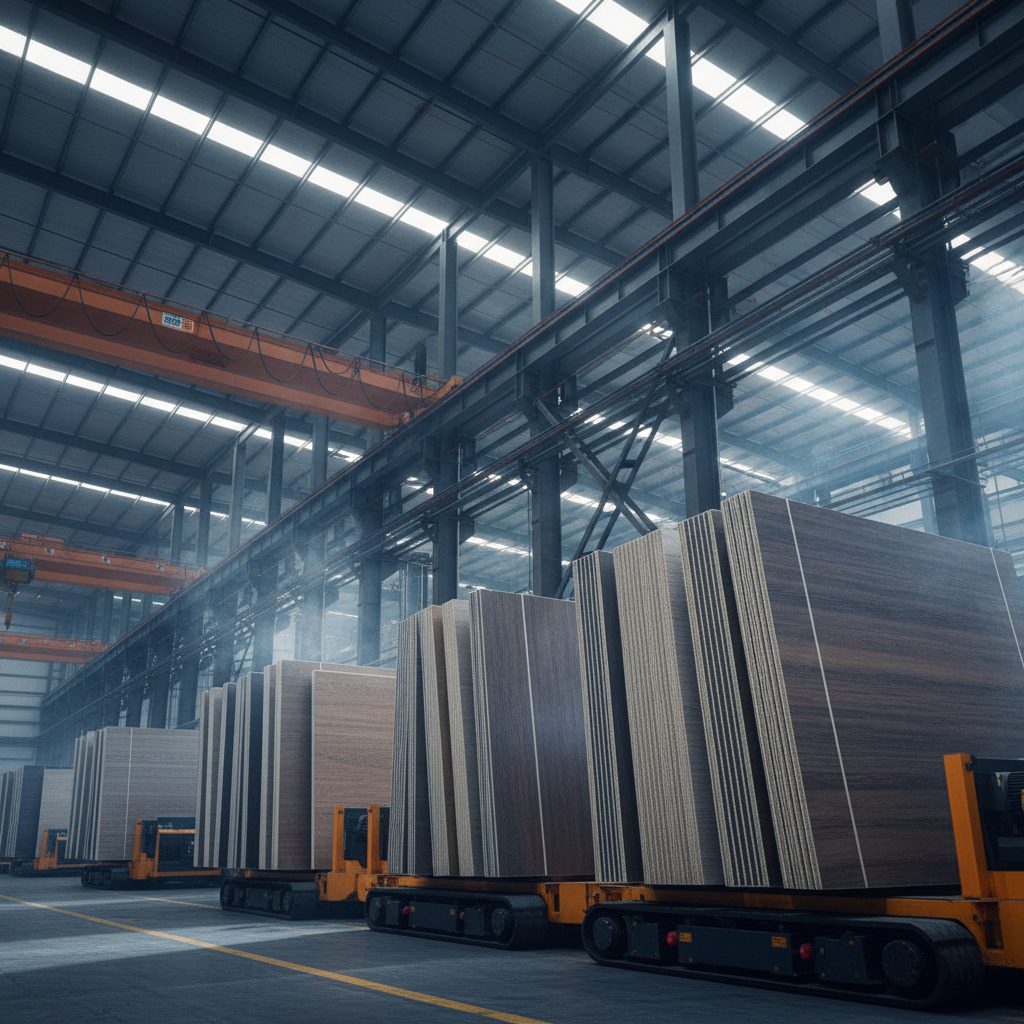
This construction method allows for the creation of large, consistent panels that are less susceptible to warping, cracking, or splitting compared to solid wood. They are often used as a cost-effective alternative to solid wood in applications where a natural wood appearance is desired but solid wood’s inherent limitations are a concern.
Modern manufacturing processes for mdf veneer panels are evolving to utilize low-VOC resins and sustainably sourced veneers, making them an even more environmentally responsible choice for construction and design professionals.
Core Components of mdf veneer panels
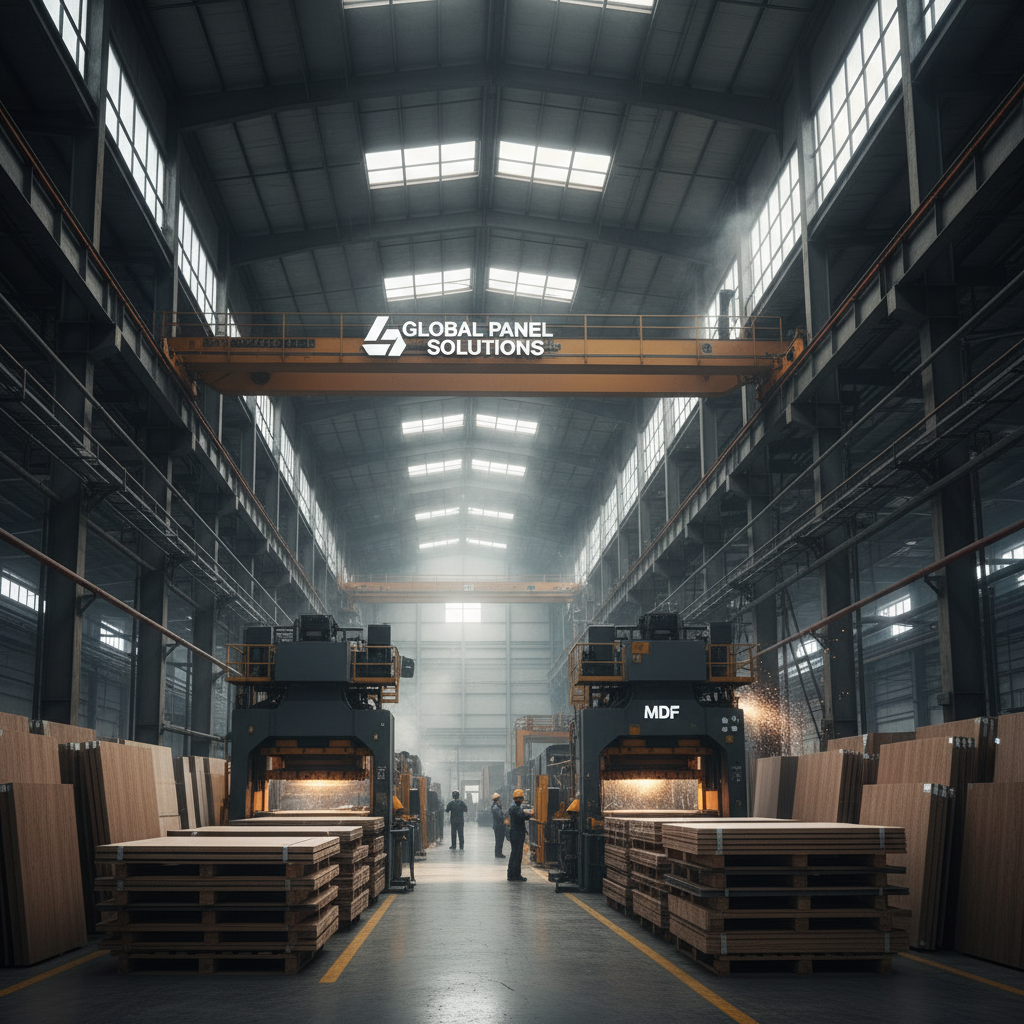
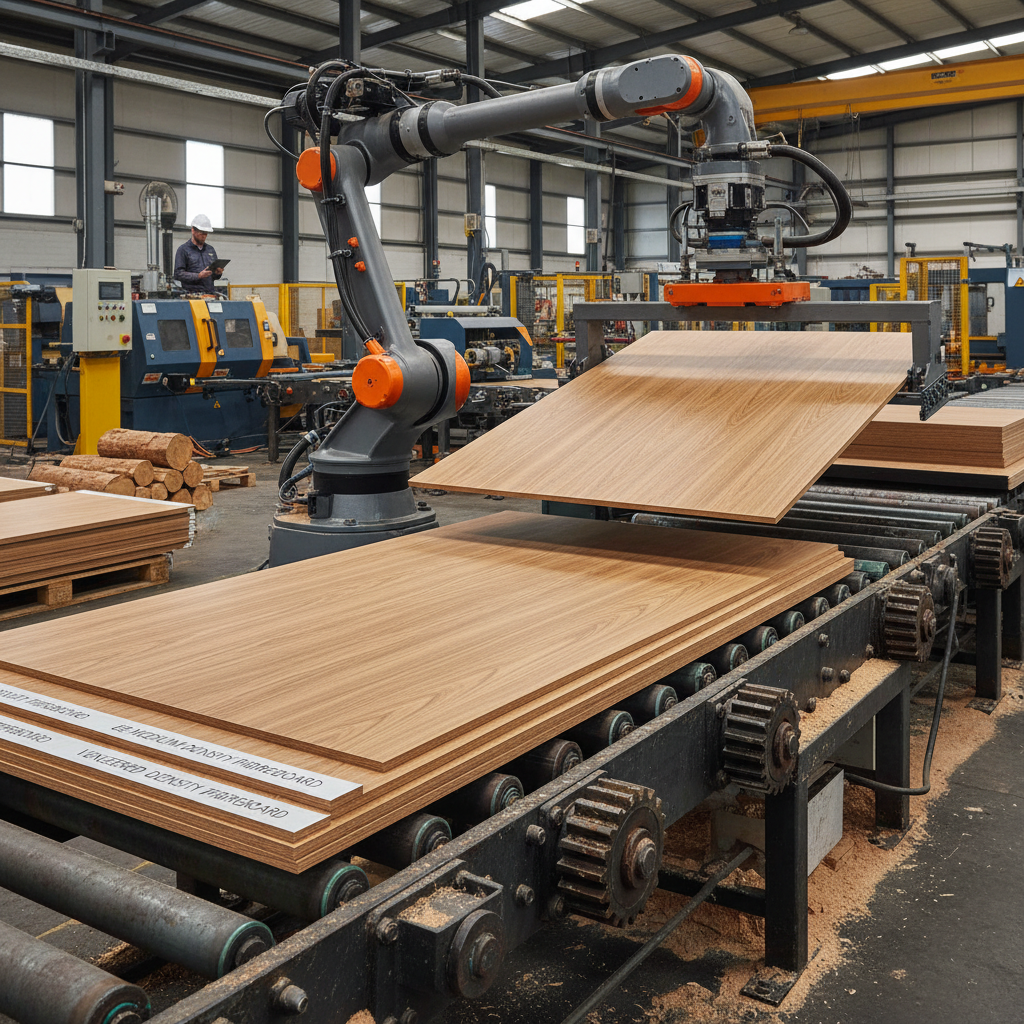
Understanding the core components of mdf veneer panels is crucial to appreciating their performance characteristics. The mdf core itself is created by breaking down hardwood or softwood into wood fibers, combining them with resin, and then compressing them under high pressure and temperature. This process creates a dense, uniform panel that is excellent for machining and finishing.
The wood veneer layer is a thin slice of real wood, typically ranging from 0.5mm to 3mm in thickness. The type of wood used for the veneer significantly impacts the panel’s appearance and cost. Popular veneer species include oak, maple, walnut, and cherry, each offering unique grain patterns and color variations. Proper veneer selection is crucial for achieving the desired aesthetic.
The adhesive used to bond the veneer to the mdf core also plays a vital role. Modern adhesives are designed to provide a strong, durable bond that resists delamination. Increasingly, manufacturers are opting for low-emission adhesives that meet stringent environmental standards, improving indoor air quality.
Applications of mdf veneer panels
mdf veneer panels have a remarkably diverse range of applications across various industries. In furniture manufacturing, they are widely used for cabinet doors, drawer fronts, table tops, and shelving, offering a cost-effective alternative to solid wood while maintaining a high-quality aesthetic.
Within the interior design sector, these panels are employed for wall paneling, decorative accents, and retail displays. Their smooth surface makes them ideal for painting, staining, or laminating, allowing for a wide range of design possibilities. They’re also becoming more common in marine applications due to their resistance to warping in varying humidity levels.
mdf veneer panels Application by Sector
Advantages of Using mdf veneer panels
The benefits of utilizing mdf veneer panels are numerous. Cost-effectiveness is a major advantage; they often provide a significantly more affordable alternative to solid wood without sacrificing aesthetic appeal. Their dimensional stability minimizes the risk of warping or cracking, making them ideal for projects requiring precise measurements and long-term durability.
Another significant advantage is their ease of machining and finishing. mdf's smooth surface readily accepts paint, stain, and laminates, allowing for a wide range of customization options. This versatility empowers designers and manufacturers to achieve unique and visually striking results.
Future Trends in mdf veneer panels
The future of mdf veneer panels is closely tied to advancements in sustainable materials and manufacturing processes. We are seeing a growing trend towards the use of bio-based resins, reducing reliance on petroleum-based products and minimizing environmental impact. Innovations in veneer slicing techniques are also enabling thinner and more efficient use of natural wood resources.
Digital printing technologies are also poised to revolutionize the mdf veneer panel industry, allowing for the creation of customized veneer patterns and textures. This opens up exciting possibilities for designers and manufacturers seeking unique and personalized design solutions. We are also seeing increased automation in the production process, leading to greater efficiency and lower costs.
The integration of smart technologies, such as embedded sensors within the panel, is being explored for applications in smart homes and buildings. These sensors could monitor environmental conditions, track usage patterns, or even provide structural health monitoring.
Challenges and Solutions for mdf veneer panels
Despite their many advantages, mdf veneer panels face certain challenges. Susceptibility to moisture is a primary concern, as excessive humidity can cause swelling and delamination. Proper sealing and finishing are essential to protect the panels from moisture damage.
Another challenge is the potential for formaldehyde emissions from the resin used in the mdf core. However, manufacturers are increasingly adopting low-emission and formaldehyde-free resins to address this concern. Certification programs, such as CARB Phase 2 and EPA TSCA Title VI, help ensure that panels meet stringent emission standards.
Ensuring the sustainability of wood veneer sourcing is also crucial. Traceability and certification schemes, such as the Forest Stewardship Council (FSC), promote responsible forest management and help guarantee that veneers are sourced from sustainably managed forests.
Summary of Challenges and Solutions for mdf veneer panels
| Challenge |
Impact Level (1-10) |
Potential Solution |
Implementation Cost (1-10) |
| Moisture Sensitivity |
8 |
Protective Sealants & Finishes |
3 |
| Formaldehyde Emissions |
7 |
Low-Emission Resin Adoption |
6 |
| Veneer Sustainability |
6 |
FSC Certification & Traceability |
5 |
| Delamination Risk |
5 |
High-Quality Adhesive Application |
4 |
| Surface Scratching |
4 |
Durable Topcoat Application |
2 |
| Limited Outdoor Use |
9 |
Specialized Weather-Resistant Coatings |
7 |
FAQS
mdf veneer panels offer several advantages over solid wood. They are generally more cost-effective, less prone to warping or cracking, and provide a more consistent surface for finishing. They are also a more sustainable option, utilizing engineered wood fibers and reducing the demand for natural lumber. This makes them ideal for a wide range of applications where cost and stability are crucial.
Moisture is a key concern with mdf veneer panels. To protect them, ensure proper sealing of all edges and surfaces with a moisture-resistant primer and finish. Avoid prolonged exposure to high humidity and water. Using a quality polyurethane or acrylic finish will create a protective barrier and minimize the risk of swelling or delamination. Proper ventilation can also help prevent moisture build-up.
mdf veneer panels can be an environmentally friendly choice, especially when sourced responsibly. Many manufacturers utilize recycled wood fibers in the mdf core and source veneers from sustainably managed forests, certified by organizations like the FSC. Furthermore, the use of low-emission resins minimizes harmful VOCs. Choosing panels with these certifications helps support sustainable forestry practices.
A wide variety of wood veneers are used with mdf, offering diverse aesthetic options. Popular choices include oak (red and white), maple, walnut, cherry, birch, and ash. Exotic veneers like mahogany and teak are also available, though they come at a higher cost. The veneer selection impacts both the appearance and the price point of the mdf veneer panel.
Generally, mdf veneer panels are not recommended for direct outdoor use unless specifically treated and coated with highly durable, weather-resistant finishes. Even with protective coatings, they are still susceptible to moisture damage and degradation over time. For outdoor projects, consider using exterior-grade plywood or other materials specifically designed for outdoor exposure.
Proper finishing is crucial for protecting and enhancing mdf veneer panels. Start by sanding the surface smooth with fine-grit sandpaper. Apply a primer to seal the surface and promote adhesion. Follow with one or two coats of paint, stain, or lacquer, depending on the desired look and level of protection. Always follow the manufacturer’s instructions for the specific finishing products used.
Conclusion
In conclusion, mdf veneer panels have become a cornerstone material in modern construction and interior design due to their blend of affordability, versatility, and aesthetic appeal. Their ability to mimic the look of natural wood while offering enhanced stability and cost-effectiveness makes them a preferred choice for a wide array of applications, from furniture to architectural finishes. Addressing challenges related to moisture and sustainability is key to maximizing their long-term value.
Looking ahead, continued innovation in materials, manufacturing processes, and finishing techniques will further enhance the performance and environmental profile of mdf veneer panels. By embracing sustainable sourcing practices and exploring new technologies, we can unlock even greater potential for this versatile material, contributing to a more sustainable and aesthetically pleasing built environment. Visit our website: mdf veneer panels to learn more!