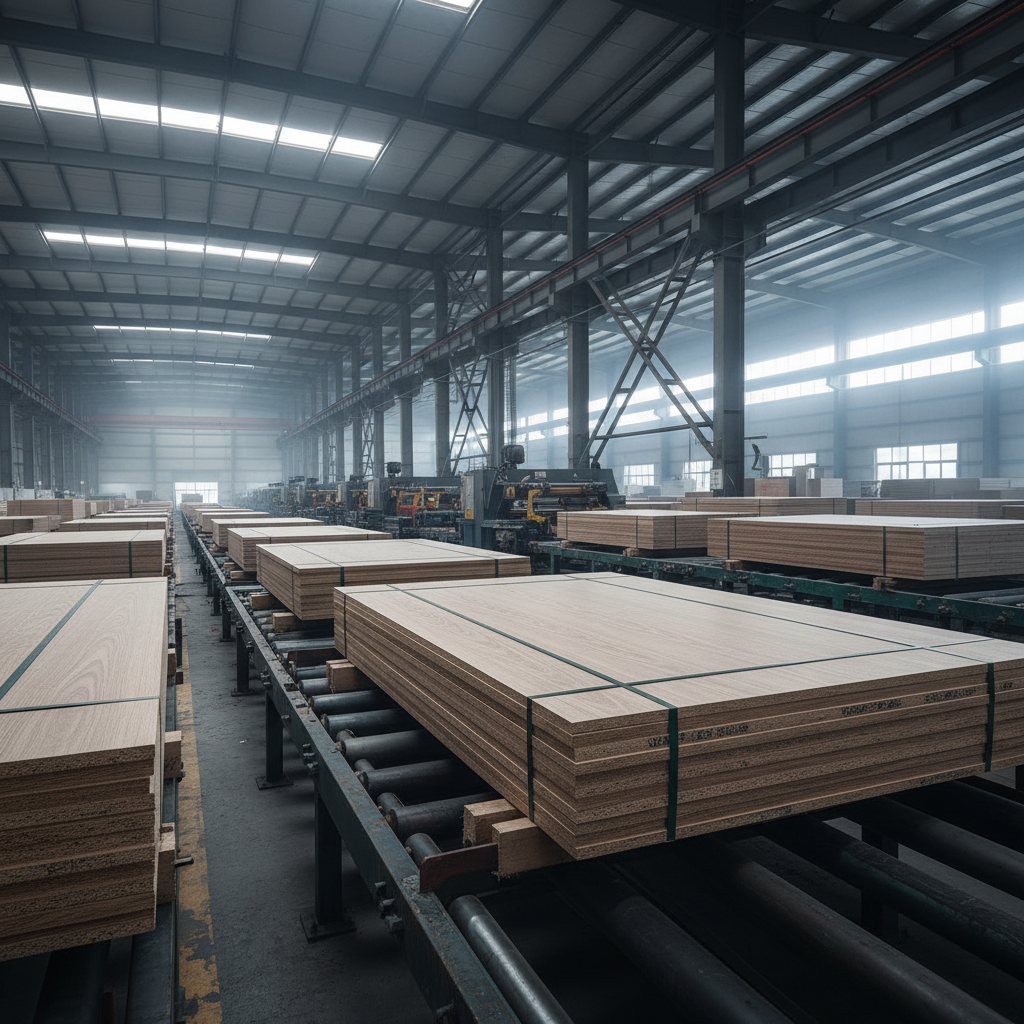
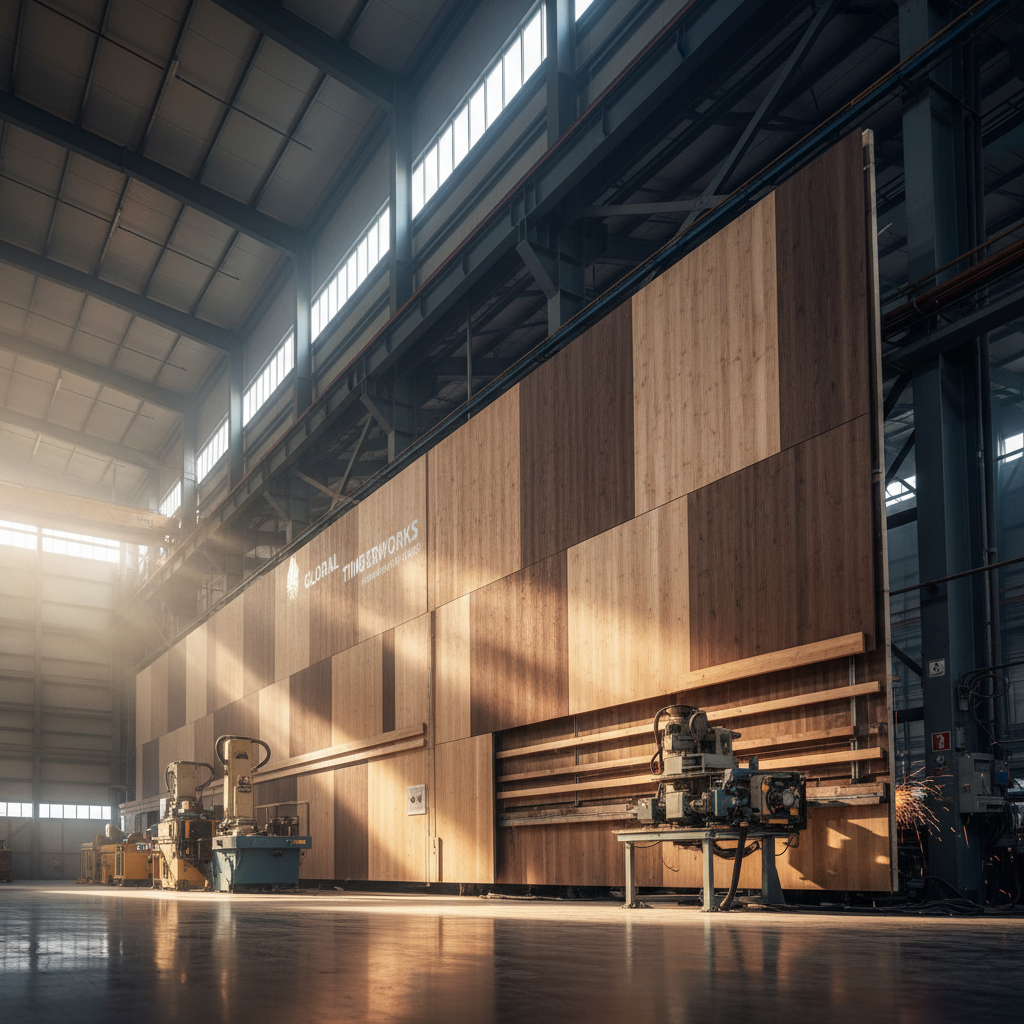
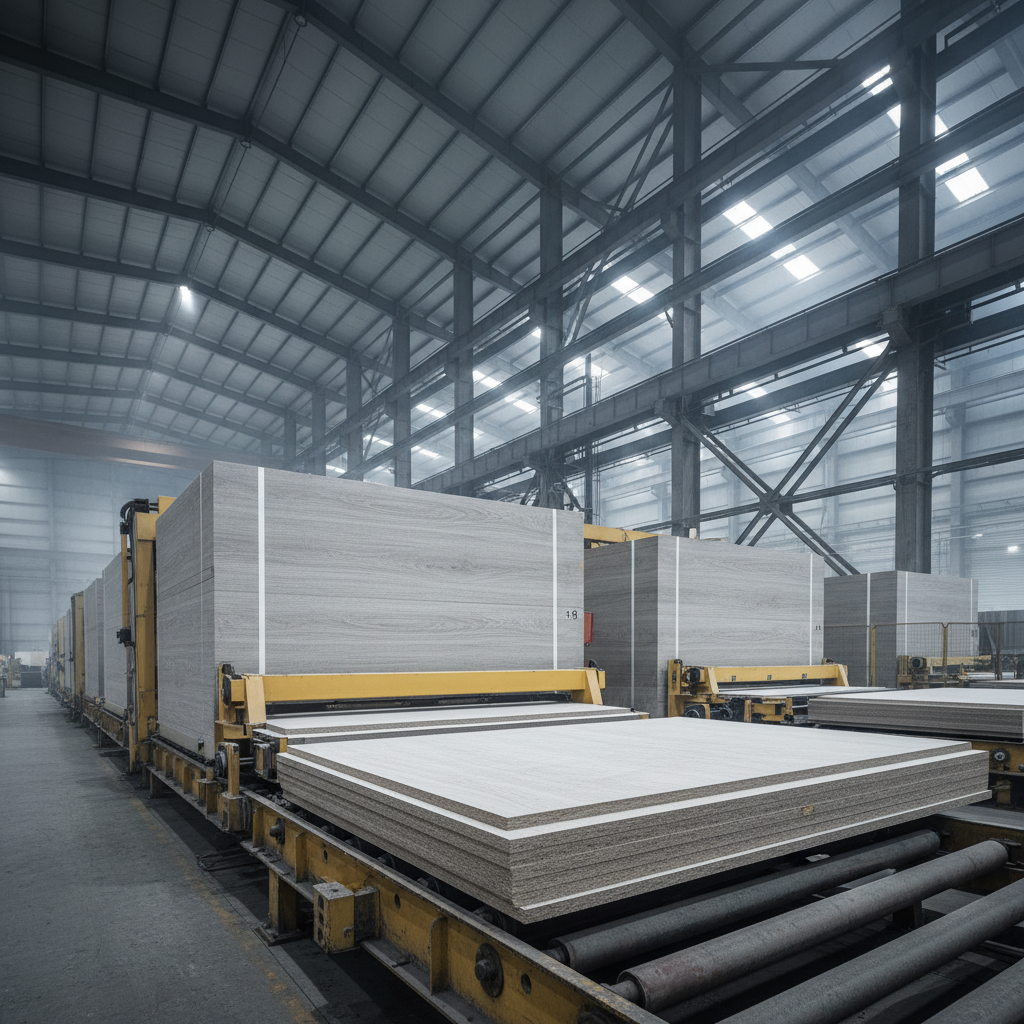
In the modern interior design and furniture manufacturing landscape, achieving a balance between the luxury of natural wood and the stability of engineered cores is a constant challenge. The application of veneer on mdf board has emerged as the industry standard for solving this dilemma, offering the timeless aesthetic of premium hardwoods without the inherent warping or cost associated with solid timber.
Globally, the demand for sustainable yet high-end surfacing solutions is skyrocketing. As architects and designers move toward modular construction and rapid-deployment interiors, the efficiency of using a medium-density fiberboard (MDF) core topped with a thin layer of real wood veneer provides a scalable way to implement sophisticated designs in everything from corporate offices to luxury residential apartments.
Understanding the nuances of veneer on mdf board is not just about aesthetics; it is about optimizing the lifecycle of the product. By combining the structural homogeneity of MDF with the organic beauty of natural veneers, manufacturers can ensure dimensional stability and a flawless finish that meets the rigorous standards of international quality certifications.
The Global Industry Context of Veneer on MDF Board
The global furniture market has seen a dramatic shift toward engineered wood products, driven by the scarcity of old-growth hardwoods and the need for cost-effective production. Data from international trade organizations suggests a steady increase in the adoption of composite boards, where veneer on mdf board serves as a primary material for high-end cabinetry and wall paneling. This shift is largely due to the ability to produce large, consistent sheets that are far more stable than solid wood planks.
However, the industry faces the persistent challenge of ensuring the bond between the organic veneer layer and the synthetic MDF core remains intact under varying humidity levels. Without precise adhesive technology and pressure control, delamination can occur, leading to costly replacements and a loss of consumer trust. This has led to the development of advanced pressing techniques that ensure a seamless integration of materials.
Defining the Synergy of Veneer on MDF Board
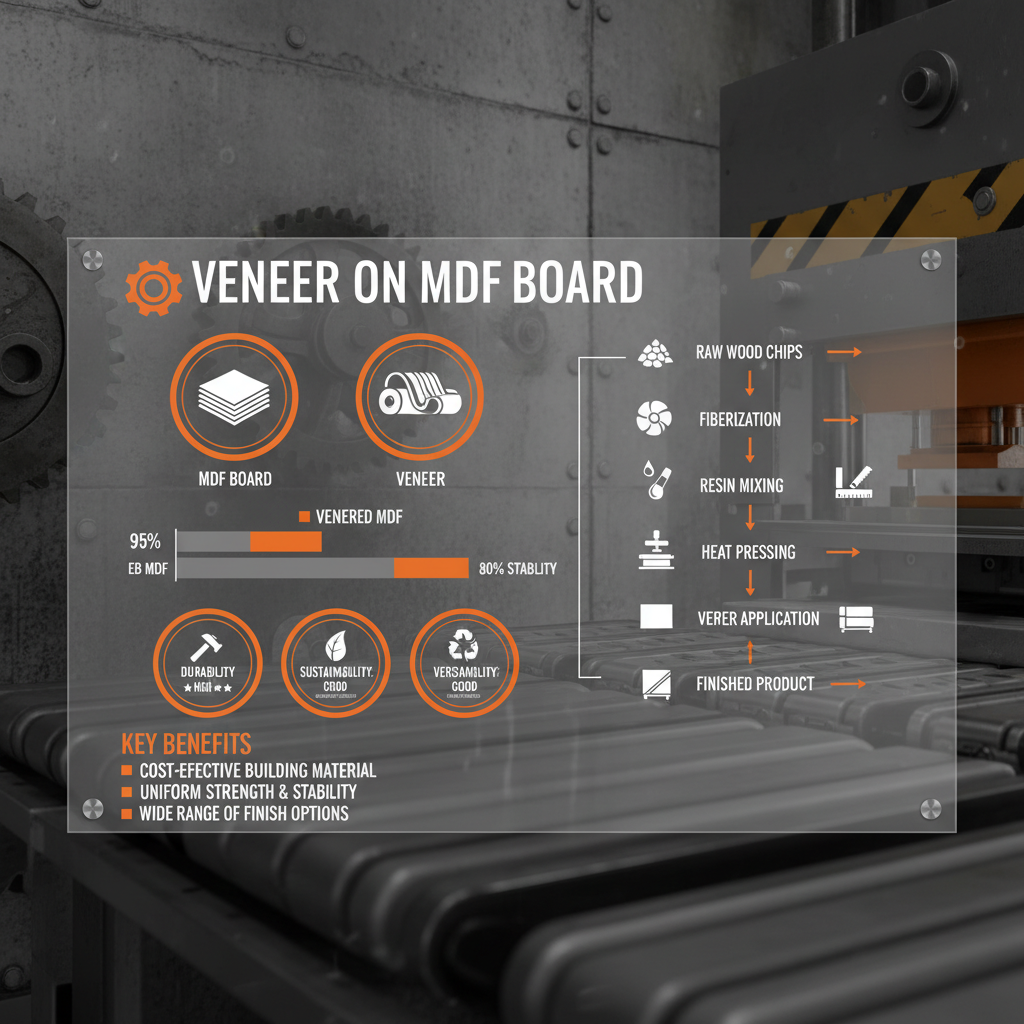
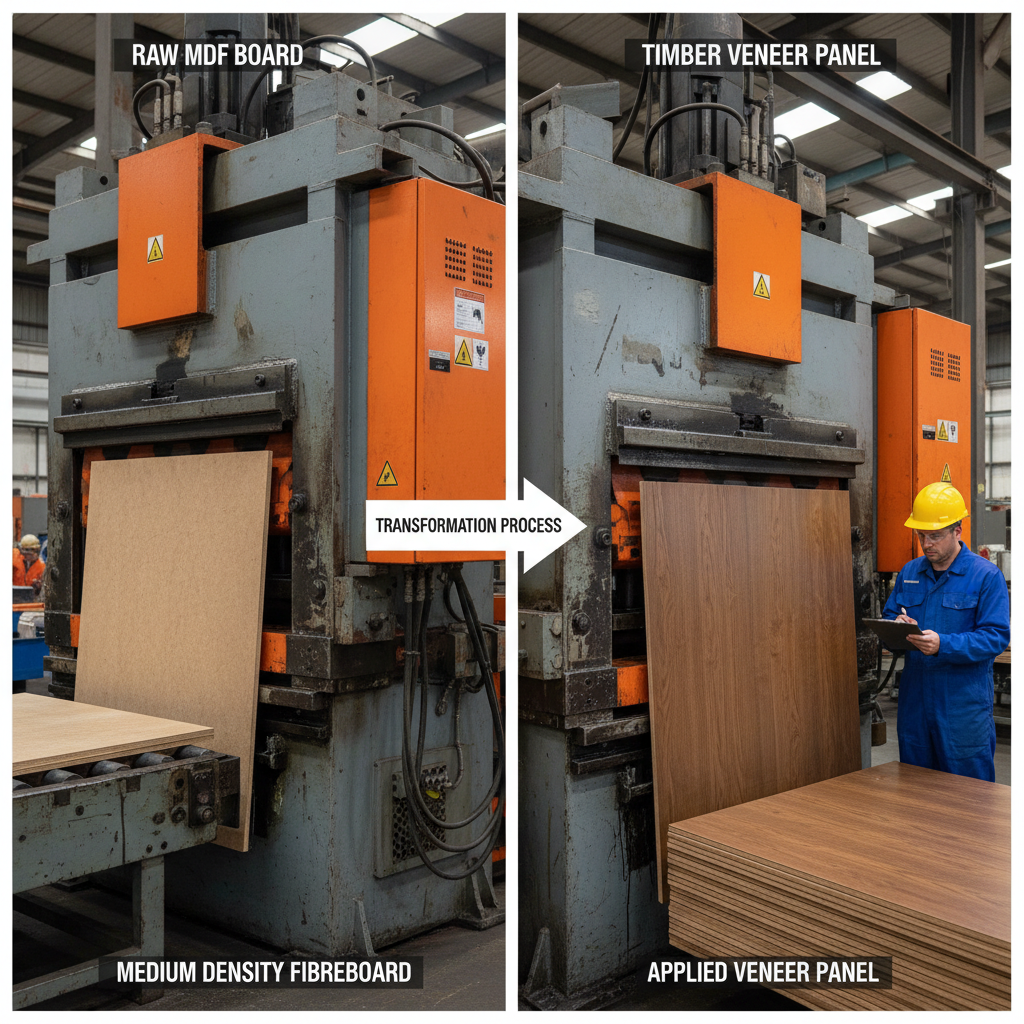
At its simplest level, veneer on mdf board is a composite material consisting of a medium-density fiberboard core—made from broken-down wood fibers combined with wax and resin—and a thin slice of genuine hardwood (the veneer) bonded to the surface. This combination allows the final product to "mimic" the look of a solid slab of expensive wood while maintaining the structural predictability of an engineered board.
From an industrial perspective, this synergy addresses the urgent need for resource efficiency. By using a single high-value log to produce hundreds of thin veneer sheets rather than a few thick planks, the industry can drastically reduce waste. The MDF core provides the necessary bulk and strength, while the veneer provides the "soul" and visual appeal, making it an essential component in sustainable urban development.
Furthermore, this material is critical for modern humanitarian and commercial needs, such as the rapid construction of temporary high-quality housing or the fitting out of emergency medical facilities. The ability to pre-cut and pre-finish these boards in a factory setting reduces on-site installation time and minimizes environmental impact during the construction phase.
Core Components and Quality Factors
The primary factor determining the quality of veneer on mdf board is the density and purity of the MDF core. A high-density core ensures that the surface remains flat and provides a stable foundation for the veneer, preventing the "telegraphing" effect where the grain of the core shows through the thin surface layer.
Equally important is the adhesive chemistry used to bond the veneer. Modern manufacturers utilize heat-pressed resins that create a chemical bond rather than a simple mechanical one. When applying veneer on mdf board, the moisture content of both the veneer and the board must be perfectly balanced to avoid shrinkage or bubbling after the pressing process.
Finally, the selection of the veneer species—whether it be Oak, Walnut, or Maple—dictates the final durability and aesthetic. The thickness of the veneer slice is a critical trade-off: thicker veneers allow for more sanding and refinishing over the product's lifetime, whereas thinner veneers are more cost-effective and easier to apply to curved surfaces.
Technical Performance and Comparative Analysis
When evaluating the performance of veneer on mdf board, we must look at key metrics such as dimensional stability, surface hardness, and ease of machining. Unlike solid wood, which expands and contracts significantly with humidity, the engineered core restricts this movement, making it the ideal choice for large-scale wall panels and long shelving units.
To better understand how different production methods affect the final outcome, we have analyzed various approach ratings. The following data compares different bonding and core types to determine which provides the best balance of luxury and longevity.
Performance Comparison of Veneer on MDF Board Methods
Global Applications and Use Cases
The versatility of veneer on mdf board allows it to be deployed across a wide range of sectors. In the hospitality industry, luxury hotel chains utilize these panels for headboards and custom cabinetry to ensure a consistent "five-star" look across multiple global properties while keeping lead times short.
In more challenging environments, such as high-humidity coastal regions in Southeast Asia, moisture-resistant (MR) or EB-MDF cores are used beneath the veneer to prevent swelling. This application ensures that the high-end appearance of real wood does not come at the cost of structural integrity in tropical climates.
Long-Term Value and Sustainability
From an economic perspective, the long-term value of veneer on mdf board lies in its reliability. The reduction in warping and cracking—common issues with solid wood—means that maintenance costs are significantly lower over a ten-year period. This reliability fosters a sense of trust and professional dignity in the spaces they inhabit.
Sustainability is the other core pillar of value. By utilizing recycled wood fibers for the MDF core and sustainably harvested veneers (FSC certified), manufacturers can offer a product that has a lower carbon footprint than importing massive quantities of solid tropical hardwoods.
Furthermore, the efficiency of the manufacturing process allows for "just-in-time" production, reducing the need for massive warehouses and the energy costs associated with transporting heavy, solid wood materials over long distances.
Future Innovations in Veneered Panels
The future of veneer on mdf board is being shaped by the digital transformation of the woodworking industry. Computer Numerical Control (CNC) machining now allows for complex, organic shapes to be cut from veneered panels with micron-level precision, enabling a new era of parametric furniture design.
We are also seeing a move toward "green chemistry" in the bonding process. The replacement of formaldehyde-based glues with bio-resins is making veneered boards safer for indoor air quality, aligning with strict LEED and WELL building standards.
Automation is further optimizing the "book-matching" process—where veneer slices are mirrored to create symmetrical patterns. AI-driven scanning now ensures that the grain patterns are perfectly aligned across large surfaces before the pressing phase begins.
Comparative Analysis of Veneer on MDF Board Specifications
| Core Type |
Veneer Thickness |
Bonding Strength |
Recommended Use |
| Standard MDF |
0.5mm - 0.6mm |
Medium |
Indoor Furniture |
| Moisture-Resistant MDF |
0.6mm - 1.0mm |
High |
Kitchen Cabinets |
| EB-MDF (High Density) |
0.5mm - 1.2mm |
Excellent |
Luxury Wall Paneling |
| Fire-Retardant MDF |
0.6mm |
High |
Public Commercial Spaces |
| Eco-friendly Bio-MDF |
0.5mm - 0.8mm |
Medium-High |
Green Building Projects |
| Ultra-Thin MDF |
0.3mm - 0.5mm |
Medium |
Lightweight Partitions |
FAQS
The primary advantage is dimensional stability. Solid wood is prone to warping, twisting, and shrinking as it reacts to changes in humidity. Because the MDF core is an engineered product with a uniform structure, it resists these movements, ensuring that large wall panels or long tables remain perfectly flat over time.
Yes, but it depends on the thickness of the veneer. Most standard veneers are very thin (0.6mm), allowing for only light sanding. However, "thick-cut" veneers allow for more aggressive refinishing. It is always recommended to use fine-grit sandpaper to avoid sanding through the veneer layer into the MDF core.
Generally, yes. It utilizes recycled wood fibers for the core and requires far fewer logs to produce the same surface area compared to solid wood. To ensure maximum sustainability, look for products with FSC certification and low-formaldehyde emission ratings (such as E0 or CARB Phase 2).
Delamination is usually caused by moisture penetration or poor initial bonding. To prevent this, ensure the edges of the board are properly sealed with edge-banding or paint. Additionally, avoid exposing the panels to extreme temperature fluctuations or direct water contact.
Natural veneer is a single slice of wood, showing the original grain. Reconstituted (engineered) veneer is made by dyeing and gluing small pieces of wood together to create a perfectly uniform pattern. Both are bonded to the MDF board, but reconstituted veneers offer more consistency in color and grain.
Consider the environment: use standard MDF for dry indoor areas, Moisture-Resistant (MR) MDF for kitchens or bathrooms, and High-Density (EB) MDF for high-traffic commercial areas where structural rigidity and surface smoothness are paramount.
Conclusion
In summary, veneer on mdf board represents the perfect intersection of organic beauty and industrial precision. By leveraging the stability of an engineered core and the luxury of natural wood surfacing, manufacturers can deliver products that are not only visually stunning but also durable, sustainable, and cost-effective. From the critical importance of adhesive chemistry to the adoption of eco-friendly bio-resins, the evolution of this material continues to drive the furniture and interior design industries forward.
As we look toward a future of sustainable architecture, the role of high-performance composite panels will only grow. For designers and procurement managers, the key to success lies in selecting the right core-veneer combination to match the specific environmental demands of the project. Investing in quality veneered panels today ensures a timeless aesthetic that stands the test of time and environmental change. Visit our website for professional solutions: www.tengfeiebmdf.com