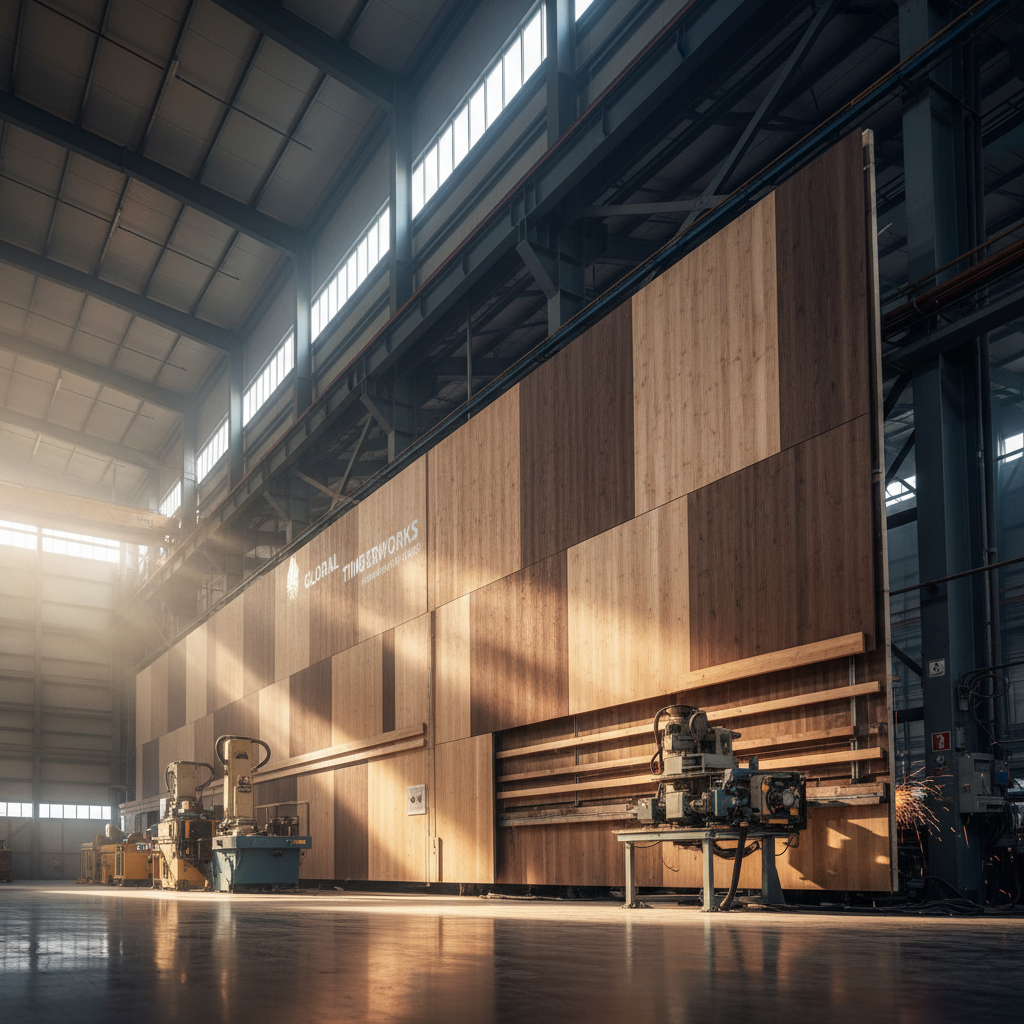
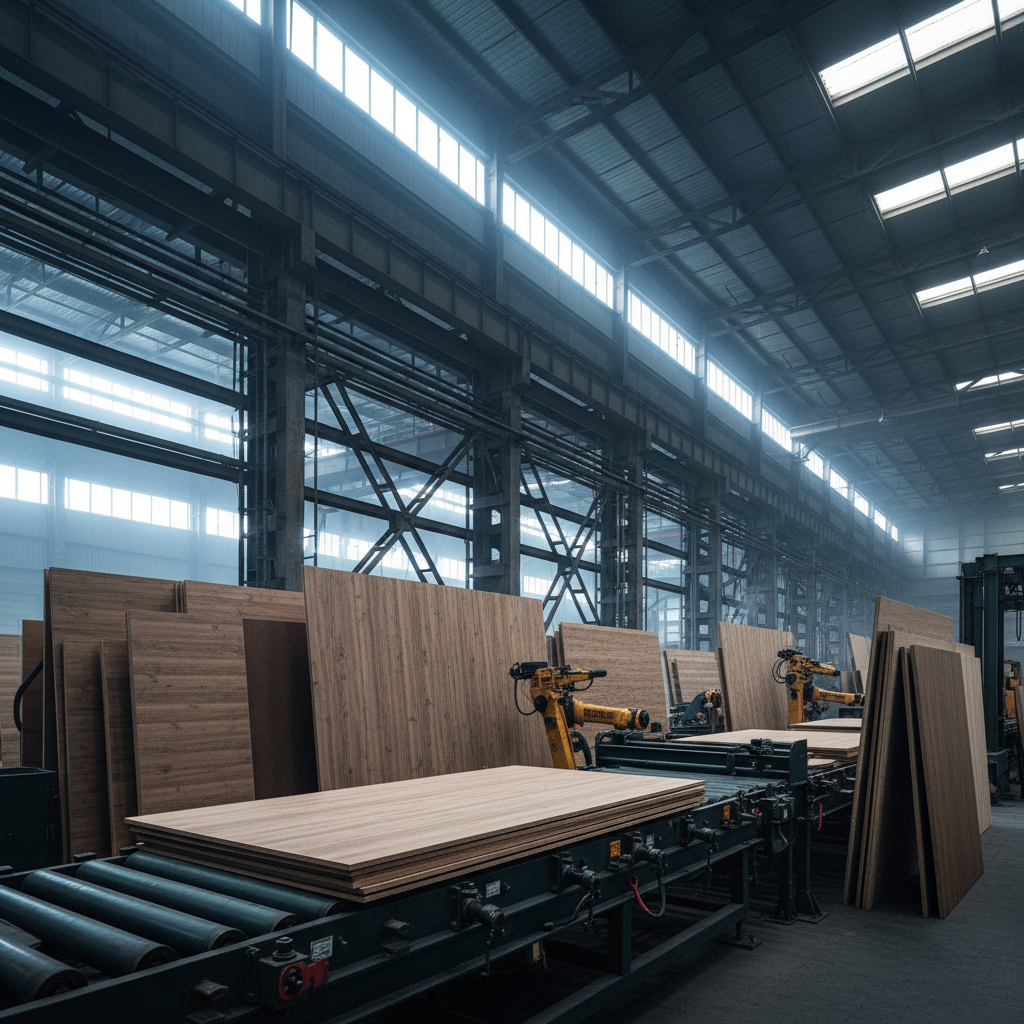
Veneer wood panels wall are rapidly gaining prominence as a versatile and aesthetically pleasing building material globally. They represent a sustainable alternative to solid wood, offering a cost-effective solution for interior design and architectural projects. The demand for veneer wood panels wall stems from increasing environmental consciousness and a desire for high-quality, visually appealing surfaces. Understanding their properties, applications, and future trends is crucial for architects, designers, and building professionals worldwide.
The global market for wood veneer is experiencing significant growth, driven by trends in interior design emphasizing natural materials and sustainable practices. According to a report by Grand View Research, the global wood veneer market was valued at USD 10.83 billion in 2022 and is expected to grow at a compound annual growth rate (CAGR) of 4.5% from 2023 to 2030. This surge in demand is largely attributed to the increasing application of veneer wood panels wall in residential, commercial, and hospitality sectors.
The challenges associated with traditional wood sourcing – deforestation, resource depletion, and high costs – are effectively addressed by veneer wood panels wall. They provide a viable pathway towards responsible forestry and eco-friendly construction, offering a harmonious blend of aesthetics, functionality, and environmental stewardship. These panels are proving particularly valuable in areas facing resource limitations or seeking to minimize their carbon footprint.
The Essence of Veneer Wood Panels Wall
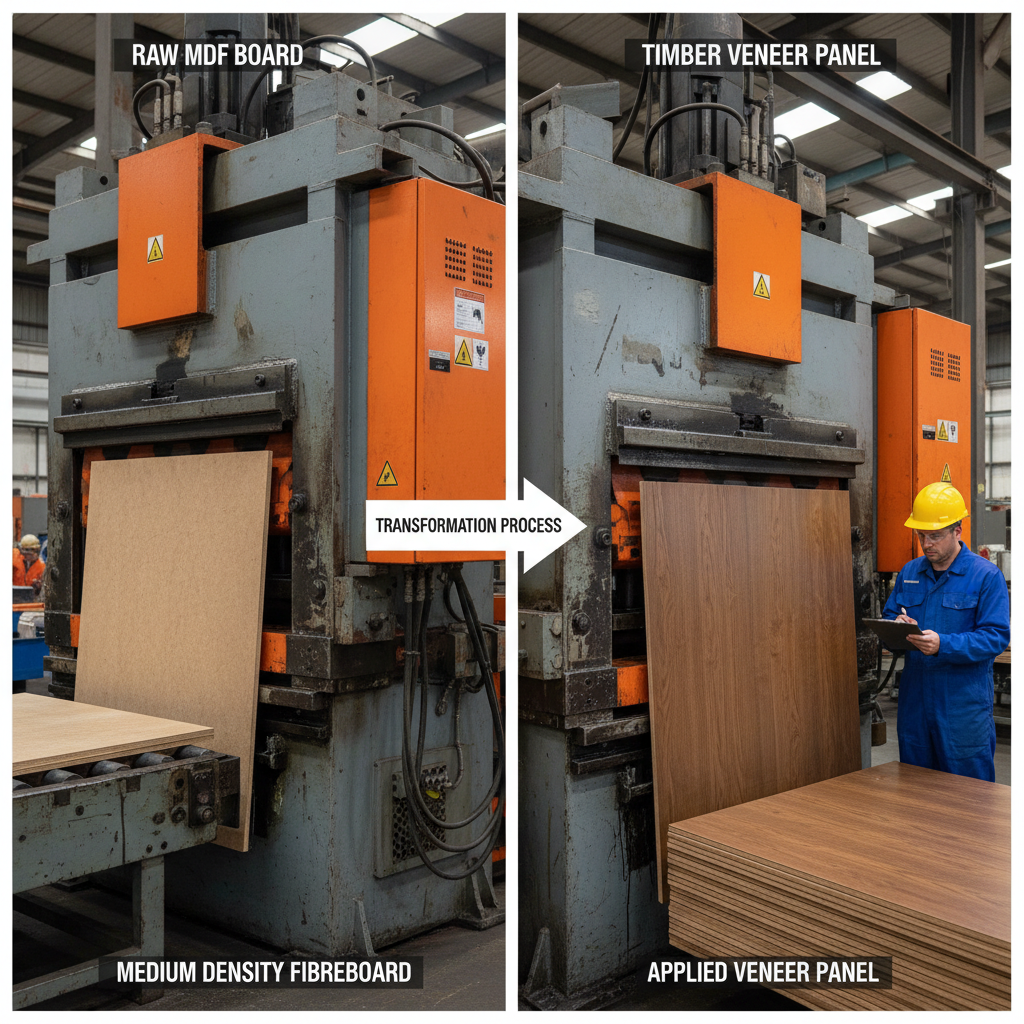
Veneer wood panels wall consist of thin slices of wood, typically hardwood, bonded onto a core material like plywood, MDF, or particleboard. This construction method maximizes the use of valuable wood resources, offering the aesthetic appeal of solid wood at a fraction of the cost. The versatility of veneer allows for a diverse range of species, finishes, and patterns, making it a highly adaptable design element.
The core material provides stability and structural integrity, while the veneer layer imparts the desired visual characteristics. This combination results in a product that is not only visually attractive but also durable and resistant to warping or cracking. Different bonding techniques, such as pressure-sensitive adhesives and heat-activated adhesives, are employed to ensure a strong and lasting bond between the veneer and the core, influencing the final product’s performance and longevity.
Global Relevance and Market Overview
The demand for veneer wood panels wall is intricately linked to global construction trends and consumer preferences for sustainable materials. Emerging economies, particularly in Asia-Pacific and Latin America, are experiencing rapid urbanization and infrastructure development, driving significant demand for cost-effective and aesthetically pleasing building materials. The Asia-Pacific region currently dominates the veneer market, accounting for over 40% of global consumption.
The increasing adoption of green building standards, such as LEED (Leadership in Energy and Environmental Design) and BREEAM (Building Research Establishment Environmental Assessment Method), is further fueling the demand for sustainable wood products like veneer. These standards prioritize the use of responsibly sourced materials and encourage manufacturers to minimize their environmental impact. This push towards sustainability has led to a rise in the demand for certified veneer, ensuring responsible forest management practices.
The market is also segmented by end-use application, including furniture, cabinetry, interior decoration, and building construction. Interior decoration and furniture applications are the largest consumers of veneer wood panels wall, driven by their aesthetic appeal and versatility in design. The increasing disposable income in developing countries and a growing preference for modern interior design are contributing to the expansion of these segments.
Defining Veneer Wood Panels Wall
Veneer wood panels wall are defined as thin sheets of wood adhered to a stable substrate, offering the appearance and tactile qualities of solid wood without the associated costs or environmental impact. The veneer itself is typically less than 3mm thick, carefully selected for its grain pattern, color, and overall aesthetic appeal. Different wood species, from common oak and maple to exotic ebony and walnut, can be used as veneer, offering an extensive range of design possibilities.
This manufacturing process directly addresses concerns related to deforestation and resource depletion. By utilizing a thin layer of valuable wood, manufacturers can maximize the yield from a single tree, minimizing waste and promoting sustainable forestry practices. Veneer wood panels wall can be seen as a bridge between the desire for natural aesthetics and the responsibility of environmental stewardship.
In the context of modern industry, veneer wood panels wall play a vital role in interior design, construction, and furniture manufacturing. They offer a flexible and adaptable material that can be easily customized to meet specific project requirements. Beyond aesthetics, veneer panels contribute to improved indoor air quality due to their natural properties and low VOC emissions, aligning with the growing demand for healthier building environments.
Key Properties and Core Components
Several key properties define the performance and appeal of veneer wood panels wall. Durability is paramount; the bond between the veneer and core must withstand stress, temperature fluctuations, and moisture exposure. Scalability is another critical factor, as panels need to be produced in consistent sizes and quantities to meet project demands.
Cost efficiency is a significant advantage; veneer panels offer a more affordable alternative to solid wood while retaining a premium aesthetic. Furthermore, the versatility of veneer allows for creative designs and intricate patterns. The core material greatly influences the overall performance. Plywood cores provide excellent strength and stability, while MDF (Medium Density Fiberboard) cores offer a smooth, paintable surface. Particleboard cores are a more economical option, suitable for less demanding applications.
Veneer Wood Panels Wall Performance Metrics
Applications Across Industries
Veneer wood panels wall find widespread applications across diverse industries. In interior design, they are used for wall paneling, accent walls, furniture facades, and decorative elements, adding warmth and sophistication to spaces. The construction industry utilizes them for door skins, cabinetry, and architectural millwork.
The hospitality sector frequently employs veneer wood panels wall to create welcoming and upscale environments in hotels, restaurants, and resorts. Their aesthetic versatility allows for a wide range of design schemes, from classic to contemporary. In post-disaster relief operations, quickly assembled structures utilizing veneer wood panels wall offer a durable and aesthetically pleasing shelter solution.
Advantages and Long-Term Value
The advantages of veneer wood panels wall are multifaceted. They offer significant cost savings compared to solid wood, without compromising on aesthetics. Their sustainable sourcing contributes to a lower environmental impact, aligning with growing eco-conscious consumer demands. The inherent stability of veneer panels minimizes the risk of warping or cracking, ensuring long-term durability and reducing maintenance costs.
Beyond the tangible benefits, veneer wood panels wall provide a sense of warmth and natural beauty, enhancing the overall aesthetic appeal of a space. They also contribute to a healthier indoor environment due to their low VOC emissions and natural breathability. Choosing veneer wood panels wall represents an investment in quality, sustainability, and long-term value.
Future Trends and Innovations
The future of veneer wood panels wall is poised for innovation, driven by advancements in materials science and manufacturing processes. Research is focused on developing bio-based adhesives with even lower VOC emissions, further enhancing the sustainability of these products. Digital printing technologies are enabling increasingly realistic wood grain patterns and customized designs, offering unprecedented creative freedom.
Automation in veneer production is streamlining manufacturing processes, reducing costs, and improving quality control. The integration of smart technologies, such as sensors embedded within the panels, could enable real-time monitoring of environmental conditions and structural integrity. These innovations will solidify the position of veneer wood panels wall as a leading material in the construction and interior design industries.
Furthermore, increased emphasis on circular economy principles is driving the development of veneer recycling programs, minimizing waste and maximizing resource utilization. Exploring the use of fast-growing, sustainably harvested wood species as veneer sources represents another avenue for enhancing the environmental performance of these products.
FAQS
The main differences lie in cost, sustainability, and stability. Veneer wood panels wall are considerably more affordable than solid wood due to efficient wood usage. They are also more environmentally friendly, requiring less wood to achieve a similar aesthetic. Solid wood is prone to warping and cracking with humidity changes, while veneer panels offer greater dimensional stability due to their engineered construction. Both options offer beauty, but veneer presents a compelling balance of benefits.
The core material significantly impacts the panel’s strength, stability, and suitability for specific applications. Plywood cores provide excellent structural integrity, making them ideal for demanding environments. MDF cores offer a smooth, paintable surface perfect for decorative applications. Particleboard cores are a cost-effective option for less stressed environments. Choosing the right core is crucial for optimizing performance and longevity.
Veneer wood panels wall generally require minimal maintenance. Regular dusting and cleaning with a damp cloth are usually sufficient. Avoid harsh chemicals or abrasive cleaners, which could damage the veneer surface. Occasional application of wood polish can help maintain the luster and protect the veneer from drying. Promptly address any spills or moisture exposure to prevent potential issues.
While veneer wood panels wall are more resistant to moisture than solid wood, they are not entirely impervious. Prolonged exposure to excessive humidity or direct water contact can cause swelling and delamination. Proper sealing and finishing can enhance their moisture resistance. It’s recommended to use them in environments with controlled humidity levels and to address any water leaks promptly.
Look for products certified by reputable organizations like the Forest Stewardship Council (FSC). FSC certification guarantees that the wood used in the veneer originates from responsibly managed forests. Inquire about the manufacturer’s sourcing practices and their commitment to sustainable forestry. Choosing FSC-certified veneer ensures you are supporting environmentally conscious practices.
Current design trends favor natural textures and organic patterns. Veneer wood panels wall are increasingly used to create accent walls, headboards, and furniture features that showcase the wood’s natural grain. Mixed veneer designs, combining different wood species and patterns, are also popular. Furthermore, there’s a growing trend towards using veneer with intricate laser-cut designs for a modern and sophisticated look.
Conclusion
Veneer wood panels wall represent a compelling solution for those seeking the beauty and warmth of natural wood combined with sustainability, cost-effectiveness, and versatility. From their growing global relevance to their diverse applications across industries, these panels are shaping the future of interior design and construction. Understanding their properties, advantages, and future trends is essential for professionals and consumers alike.
As technology continues to advance and environmental consciousness increases, we can anticipate further innovation in veneer production and application. By embracing sustainable practices, exploring new materials, and leveraging digital technologies, veneer wood panels wall will undoubtedly remain a leading choice for creating aesthetically pleasing and environmentally responsible spaces. Visit our website at veneer wood panels wall to explore our comprehensive range of products and services.