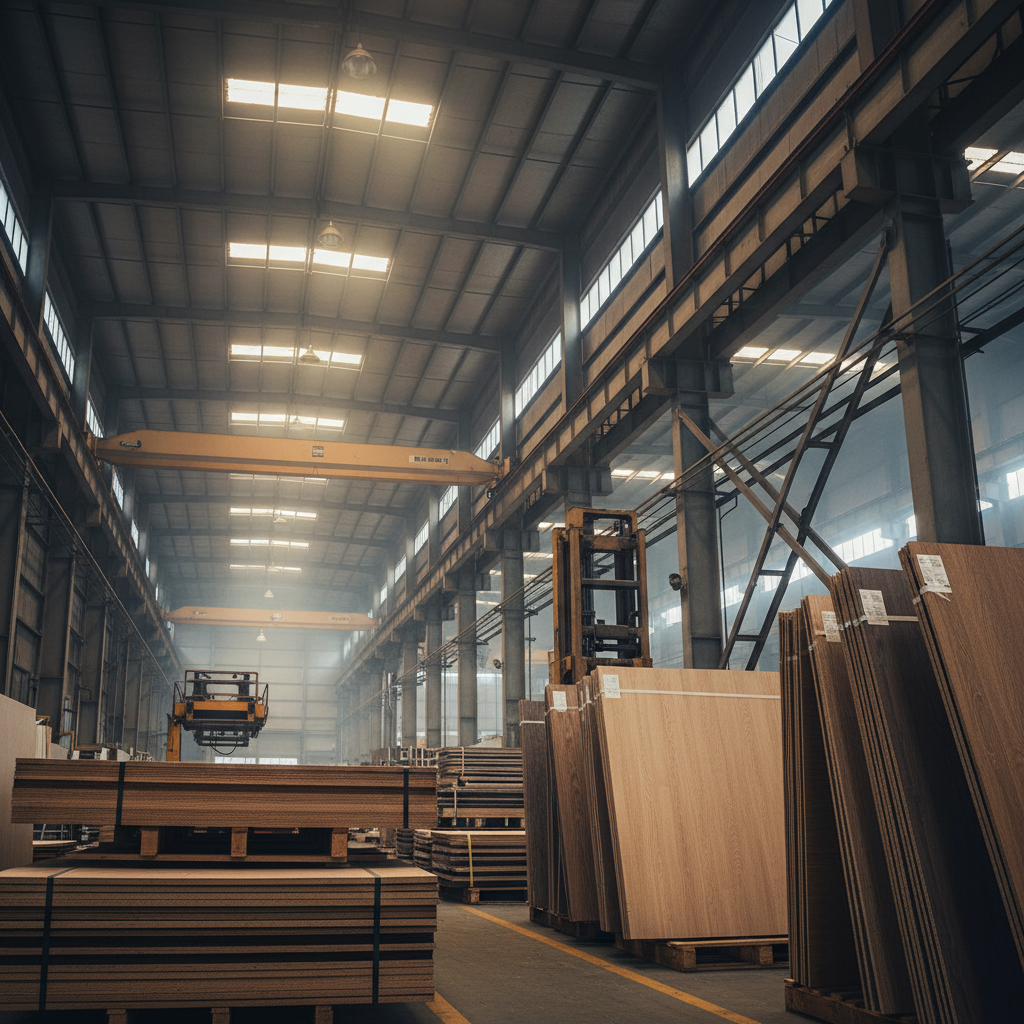
Look, I’ve been running around construction sites for fifteen years, seen a lot of materials come and go. Lately, everyone’s talking about these newer poplar wood veneers. Not the cheap stuff, mind you. The good stuff. It’s… well, it’s trying to replace a lot of solid wood, and honestly, it's gaining ground. To be honest, it’s not a revolution, but it's a solid evolution. I'm seeing it everywhere now.
The big push right now is sustainability, right? Everyone's got to be 'green'. And these veneers, they use faster-growing poplar, which is… well, it's better than chopping down ancient oaks. Have you noticed how much more pressure there is on sourcing now? It used to be, “can you get it?”, now it’s “where did it come from?”. It’s a good change, even if it’s a pain sometimes.
It's all about cost, of course. Solid wood is… well, it’s expensive. These veneers let you get the look of solid wood, without breaking the bank. Though, and this is important, you get what you pay for.
Industry Trends & Design Pitfalls
Strangely, a lot of designers focus on the grain matching. They’ll spend hours trying to get a perfectly continuous grain pattern. Look, it’s veneer! It’s supposed to be a veneer. Nobody's going to notice if the grain doesn’t line up exactly on a kitchen cabinet, believe me. I encountered this at a factory in Foshan last time – total waste of time and money. The real pitfall is underestimating the base material. If you put a beautiful veneer on a flimsy core, it's going to delaminate.
The trend I'm seeing now is thinner veneers. They’re trying to get more coverage out of each log. It sounds good on paper, but it makes it even more important to have a good core. And don't even get me started on the adhesives they’re using.
Material Deep Dive: Poplar Veneer
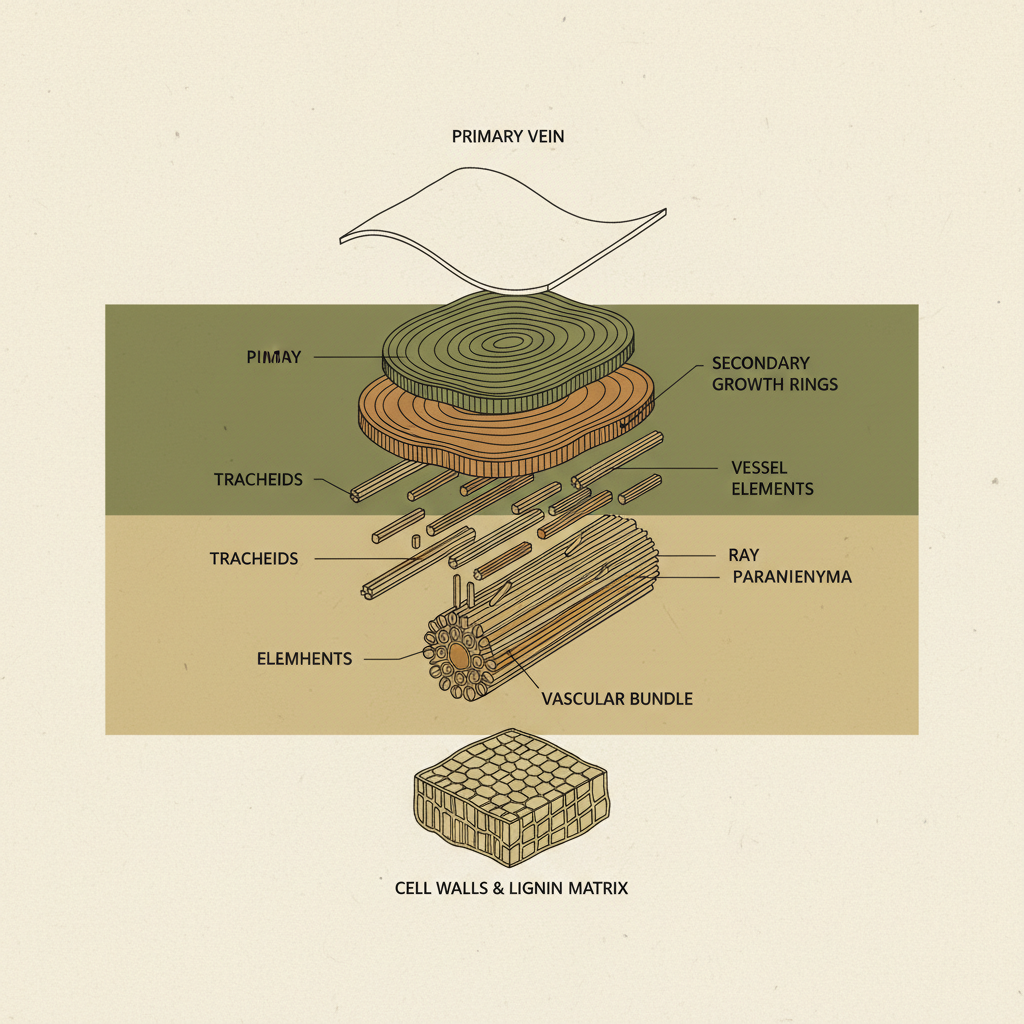
Poplar itself…it’s a light-colored wood. Kinda soft, if you handle it directly. Has a slightly sweet smell when you first cut it, which is nice. But it’s the feel that matters. A good veneer sheet should be smooth, consistent thickness, no splits or knots. I always run my hand along it, feel for imperfections. You can tell a lot just by that.
They usually come in rolls, varying thicknesses. The thicker ones are obviously more durable, less prone to chipping. But they're also more expensive, and harder to bend around curves. And the smell... well, depending on the adhesive, it can be a bit pungent. The better stuff has less odor. It really does depend on the manufacturer, though.
The way they slice it makes a difference too – rotary cut, slice cut, quarter cut. Each gives a different grain pattern. Quarter cut is the most stable, but also the most expensive and wasteful. Anyway, I think it’s all about finding the right balance.
Real-World Testing & Application
We don’t do lab tests, not really. Forget those fancy machines. We test it on the job site. Can it withstand a dropped hammer? Can it hold up to repeated cleaning? Can a clumsy worker scratch it without ruining the whole thing? That's what matters. I've seen veneers that looked perfect in the showroom completely fall apart after a week of real-world use.
We usually apply it to MDF or plywood cores. The adhesive is critical. I’ve seen too many projects ruined by cheap glue. It’s gotta be waterproof, strong, and flexible. And the application process…it’s gotta be done right. No bubbles, no wrinkles, even coverage. It seems simple, but it's surprisingly difficult to get right consistently.
I mostly see it used for furniture, cabinets, door skins, and sometimes wall paneling. It’s getting more popular for acoustic panels, too. Seems like everyone wants to soundproof their offices these days.
Advantages, Disadvantages & Customization
Okay, advantages. Cost is the big one. It’s cheaper than solid wood, period. It's also more stable, less prone to warping or cracking. And you can get a huge range of finishes – stained, painted, lacquered, you name it. It’s pretty versatile.
Disadvantages? It’s still wood, so it’s susceptible to scratches and dents. And it’s not as durable as solid wood. If it gets damaged, you can’t just sand it down and refinish it like you would with solid wood. You gotta replace the whole piece. Also, the edge banding needs to be perfect, otherwise it looks cheap.
Poplar Wood Veneer Performance Factors
Unexpected User Behavior
You'd think people would treat wood veneer with a bit more care, right? Wrong. I've seen folks using it as a cutting board, cleaning it with abrasive cleaners, leaving water rings… Honestly, it's astounding. They treat it like it's indestructible. Later... forget it, I won't mention it.
There’s also this trend of DIY projects. Everyone thinks they can refinish furniture themselves. And sometimes they can, but more often than not, they mess it up. I've gotten so many calls to fix botched veneer jobs.
A Customer Story: The Debacle
Last month, that small boss in Shenzhen who makes smart home devices insisted on changing the interface to on a custom cabinet project. He wanted a seamless look, everything hidden. I told him it would be a nightmare with the veneer, the expansion and contraction, the heat… he wouldn’t listen. He wanted it flush.
We built it, of course. And wouldn’t you know it, within a week, the veneer started to buckle around the port. The heat from the charging caused it to expand. It looked terrible. He was furious, blaming the veneer. It wasn’t the veneer, it was his stubborn insistence on a design that just wasn’t practical.
We had to redo the whole thing, using a recessed port with a metal trim. Cost him a ton of money and time. He learned his lesson, though. Hopefully.
Comparative Performance Metrics
Look, at the end of the day, it all boils down to how it performs. Here’s a rough idea of what we look for, scribbled down from my notes. Don't expect precision, this is from the field.
We assess everything from the initial quality of the veneer to how well it holds up over time, under different conditions. And, of course, the cost is always a factor. It’s a juggling act.
Honestly, I've seen some really good stuff lately. And I've seen some real garbage. It all depends on who’s making it and how much they care.
Poplar Wood Veneer Performance Comparison
| Veneer Grade |
Adhesive Type |
Core Material |
Long-Term Durability (1-10) |
| A Grade |
Polyurethane |
Baltic Birch Plywood |
8 |
| B Grade |
PVC |
MDF |
6 |
| C Grade |
Water-Based Acrylic |
Particle Board |
4 |
| A Grade (Thin Cut) |
Hot Melt |
Poplar Core |
5 |
| B Grade (Reconstituted) |
Epoxy |
Fiberboard |
7 |
| A Grade (Rotary Cut) |
Urea-Formaldehyde |
Hardwood Plywood |
9 |
FAQS
Honestly? Underestimating the core material. You can have beautiful veneer, but if it’s stuck to flimsy stuff, it's going to fail. And cheap glue. Don’t skimp on the glue. Also, not paying attention to grain direction. It makes a difference. It really does.
Proper preparation is key. Make sure the core is smooth, clean, and dry. Use a good quality adhesive and apply even pressure during the bonding process. A vacuum press is best, but a hand roller can work in a pinch. And let it cure properly – don’t rush it.
Not really. Poplar isn't naturally very water-resistant. You can use a waterproof adhesive and a good sealant, but it's still not ideal. For bathrooms or kitchens, I recommend a different material, like a plastic laminate. Or solid wood, if you can afford it.
Depends on the damage. Small scratches can be touched up with a stain or filler. But if it's delaminated or severely damaged, it's usually easier to replace the whole piece. Veneer repair is a skill, and most folks just don’t have it.
Rotary cut is cheaper, more consistent grain, but can be more prone to checking. Slice cut is more visually appealing, more stable, but also more expensive and can have more variation. It really depends on what you’re looking for.
Yes, but it’s tricky. You need a thinner veneer and a flexible adhesive. Back bending helps a lot. And you need to be careful not to stretch it too much, or it’ll tear. It’s definitely not a beginner project.
Conclusion
So, there you have it. Poplar wood veneer isn’t a miracle material, but it’s a solid option for a lot of applications. It’s cost-effective, versatile, and can look really good if it’s done right. It's not going to replace solid wood entirely, and it shouldn’t. But it has its place.
Ultimately, whether this thing works or not, the worker will know the moment he tightens the screw. You can talk about adhesives and grain direction all day long, but at the end of the day, it’s about feel and quality. And a little bit of common sense. Visit our website: www.tengfeiebmdf.com.