Add: No.8 Xinxing Street, North Zone, Zhengding High-tech Industrial Development Zone, Hebei, China
CONTACT US
+8615030171059


CONTACT US
+8615030171059
Veneer board represents a significant advancement in material science and construction techniques, offering a versatile and sustainable alternative to solid wood. Its global demand is driven by increasing urbanization, a growing focus on eco-friendly building materials, and the need for cost-effective solutions in furniture manufacturing and interior design. Understanding the nuances of veneer board – from its production processes to its diverse applications – is crucial for architects, designers, builders, and anyone involved in the building and furnishing industries.
The importance of veneer board extends beyond aesthetics and cost. It plays a critical role in resource management, utilizing wood more efficiently and reducing deforestation pressures. As global sustainability initiatives gain momentum, the demand for responsibly sourced and produced materials like veneer board will continue to rise. Innovations in adhesive technologies and veneer slicing techniques further enhance its performance and broaden its application scope.
Ultimately, veneer board provides a practical, economical, and environmentally conscious solution for a wide range of projects, making it a cornerstone of modern construction and design practices. It enables the creation of beautiful, durable, and sustainable spaces while minimizing environmental impact.
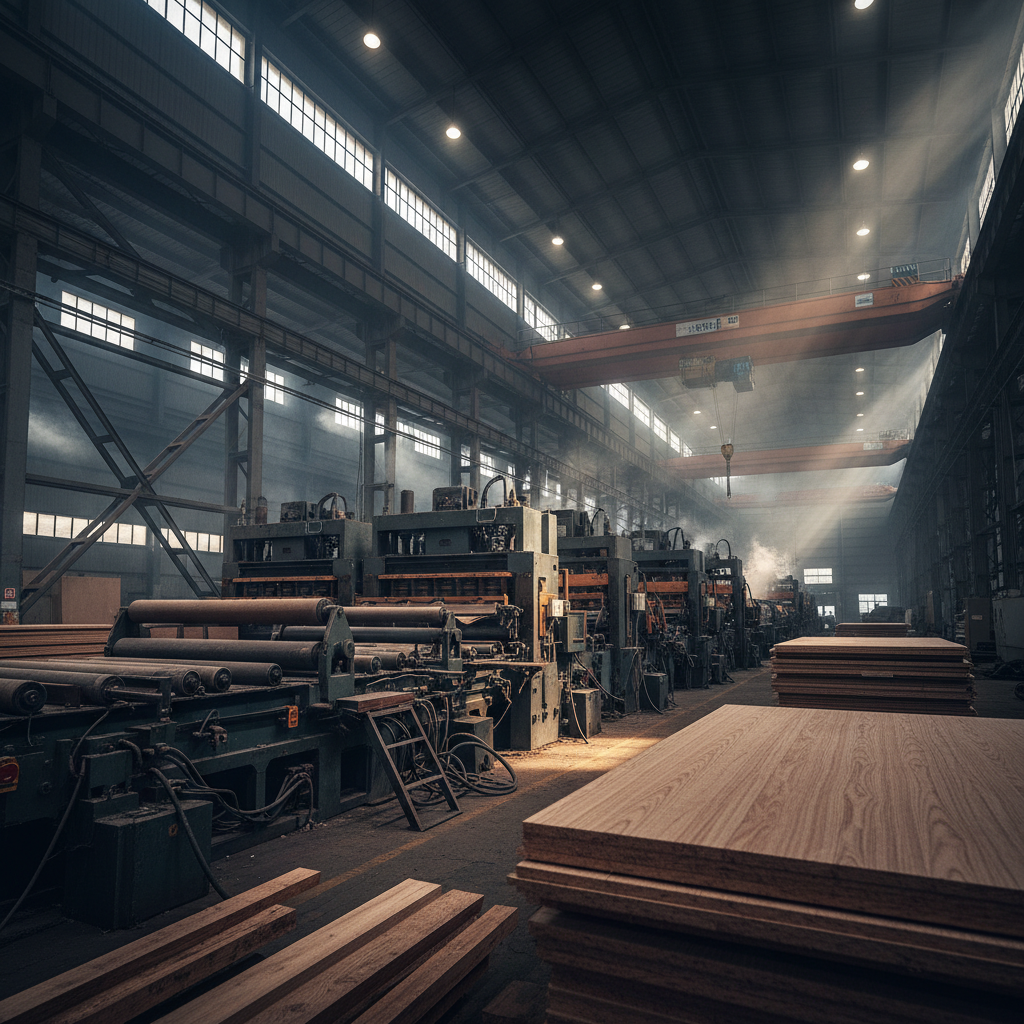
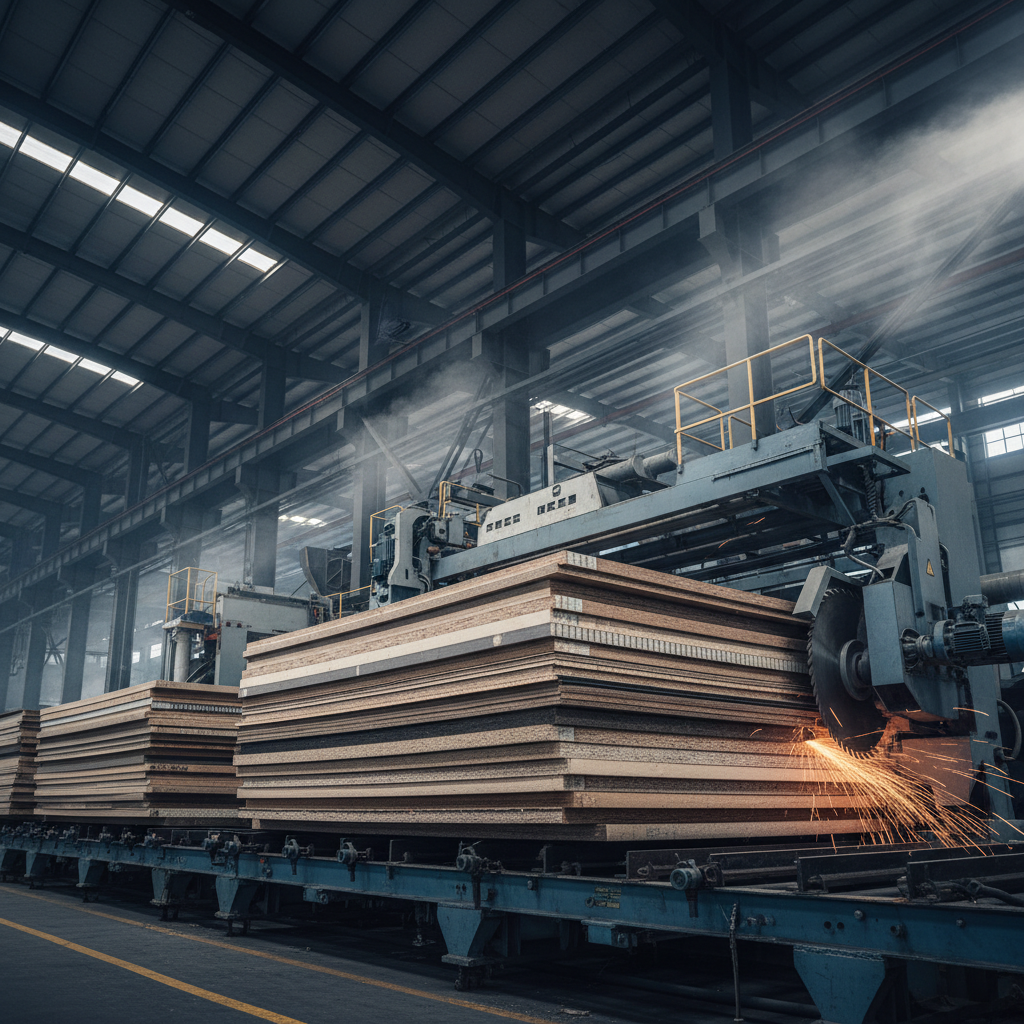
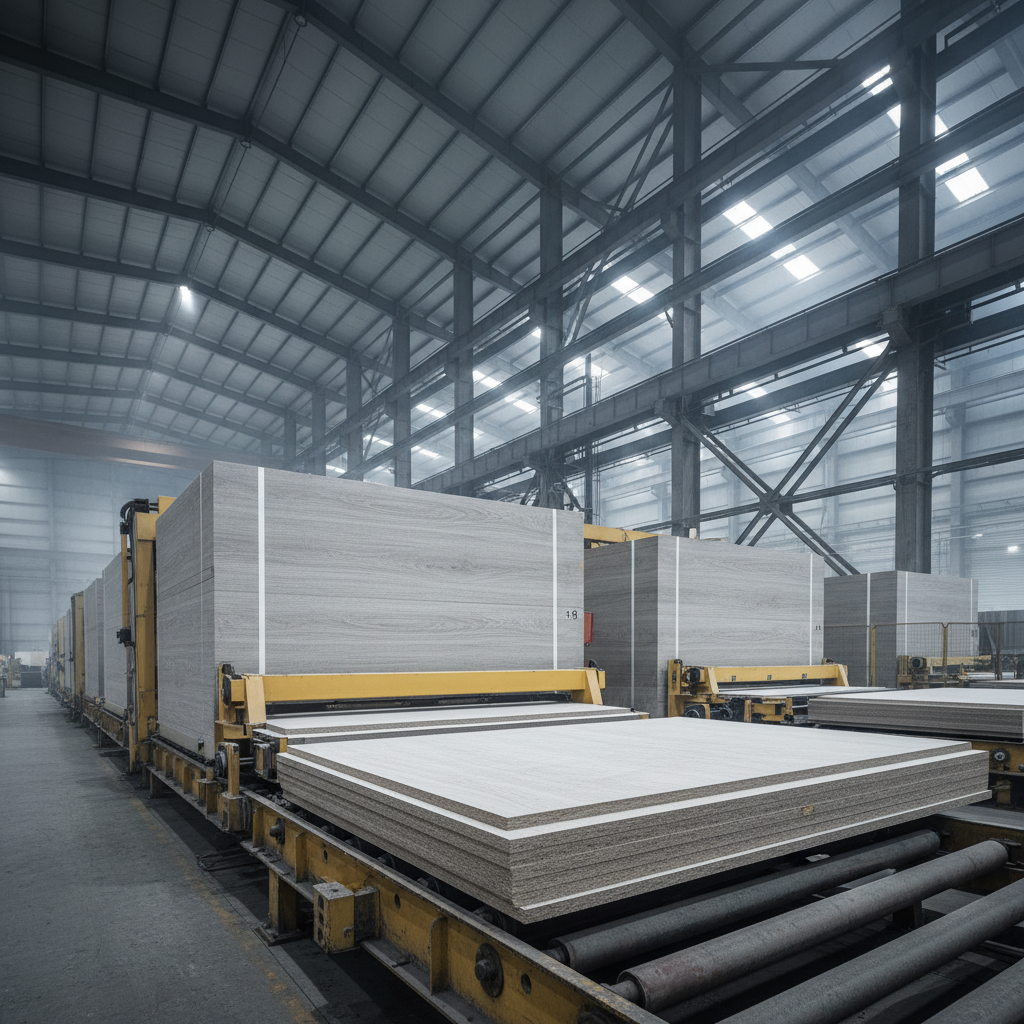
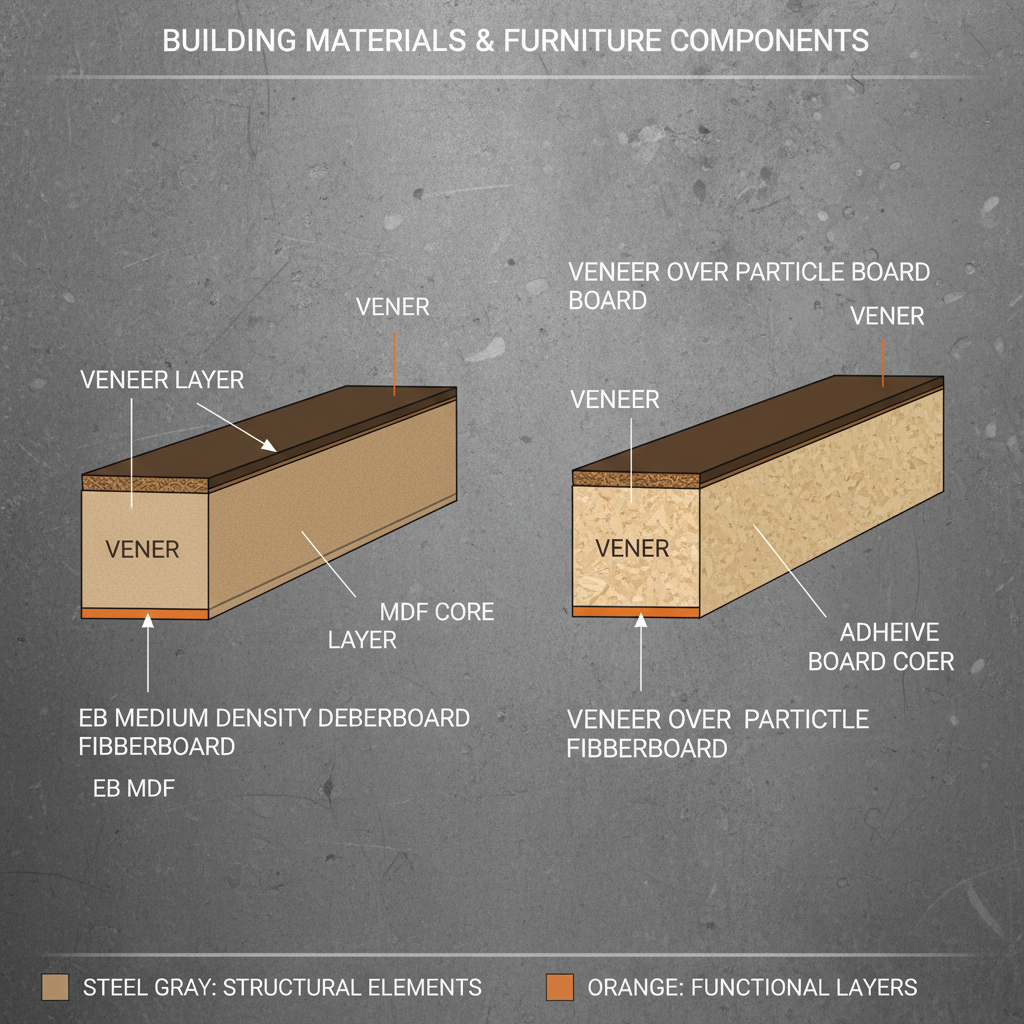
Veneer board is a composite material formed by gluing thin slices of wood – veneers – onto a core material, typically particleboard or MDF (Medium-Density Fiberboard). This construction process allows for the creation of large, stable panels with the aesthetic appeal of solid wood at a fraction of the cost. The inherent stability of veneer board also minimizes the risk of warping or cracking, making it suitable for a wide range of applications.
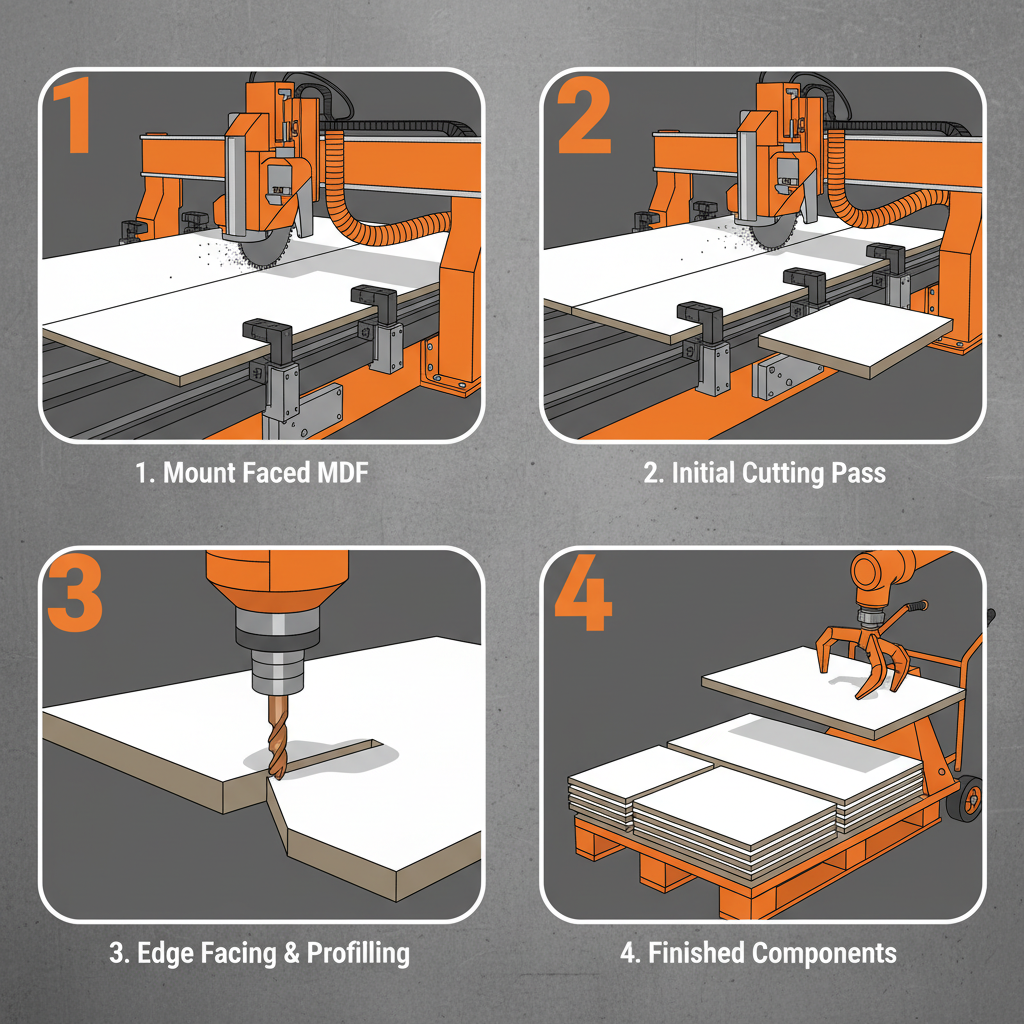
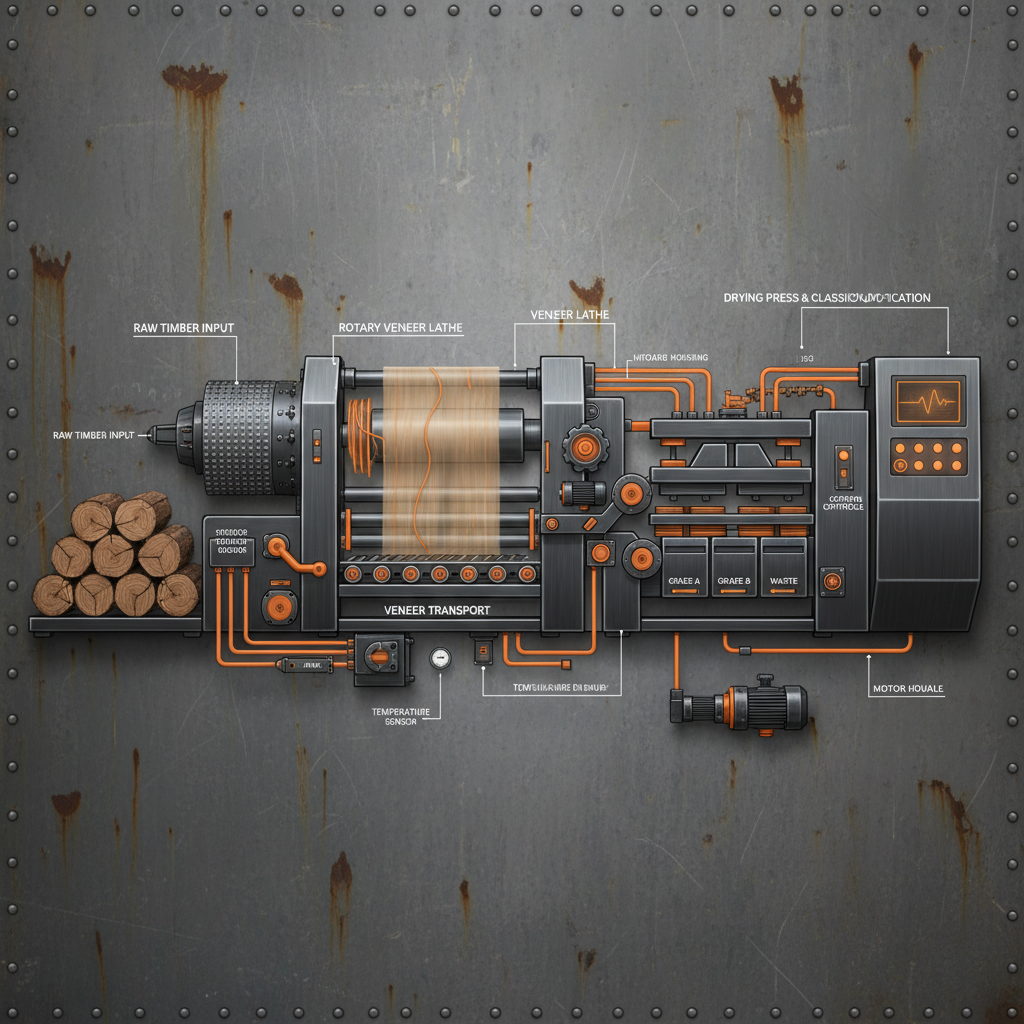
The manufacturing of veneer board is a carefully controlled process that requires precision and attention to detail. Different wood species can be used to create veneers, offering a diverse palette of colors, grains, and textures. Modern techniques include rotary cutting, slicing, and quarter sawing, each resulting in unique veneer characteristics. This versatility makes veneer board a favorite among designers.
Veneer board offers several advantages over solid wood, including significantly lower cost, increased stability (reducing warping and cracking), efficient use of wood resources, and faster production times. It allows you to achieve the aesthetic appeal of expensive hardwoods at a fraction of the price and environmental impact. It is a sustainable alternative to depleting solid wood stocks.
Veneer board promotes sustainability by utilizing wood more efficiently. A thin layer of valuable wood is used over a core of more readily available materials, minimizing waste and reducing the demand for virgin timber. Furthermore, many veneer board manufacturers utilize recycled content in their core materials and adhere to responsible forestry certifications like FSC.
Veneer board readily accepts a wide range of finishes, including stains, paints, lacquers, and varnishes. The choice of finish depends on the desired aesthetic and the intended application. Water-based finishes are often preferred for their low VOC content and environmental friendliness. Proper surface preparation is essential for optimal finish adhesion.
While veneer board can be used in high-humidity environments, it’s crucial to select moisture-resistant adhesives and apply a protective surface coating. Proper ventilation and humidity control are also important. Higher-quality veneer boards with specialized cores and finishes are better suited for such applications. Regularly monitoring and maintaining the finish is recommended.
The core material significantly impacts the strength, stability, and durability of veneer board. MDF (Medium-Density Fiberboard) provides a smooth surface and excellent machinability, while particleboard offers good strength and cost-effectiveness. Higher-density cores generally provide greater stability and resistance to warping. The quality of the adhesive used to bond the veneer to the core is also crucial.
Veneer board is widely used in furniture making for cabinet doors, drawer fronts, table tops, and side panels. It's a popular choice for creating furniture with the appearance of solid wood without the associated cost and weight. It is versatile and can be easily shaped and customized. Because of its stability, veneer board is ideal for complex furniture designs.
In summary, veneer board represents a smart and sustainable alternative to solid wood, offering a compelling combination of aesthetic appeal, cost-effectiveness, and environmental responsibility. Its versatility makes it a suitable material for a broad range of applications, from furniture manufacturing to architectural finishes. By understanding its core characteristics, advantages, and emerging trends, professionals and consumers alike can leverage its full potential.
Looking ahead, continued innovation in adhesive technology, digital printing, and core materials will further enhance the performance and sustainability of veneer board. Adopting responsible sourcing practices and prioritizing eco-friendly manufacturing processes are crucial for ensuring its long-term viability. Visit our website at www.tengfeiebmdf.com to explore our range of high-quality veneer board products and learn more about how we can help you achieve your project goals.