In the competitive world of interior design and furniture manufacturing, finding the perfect balance between aesthetic luxury and structural affordability is a constant challenge. veneer over particle board emerges as a premier solution, combining the sophisticated look of natural hardwood with the stability and cost-effectiveness of engineered wood cores. By applying a thin layer of genuine wood to a compressed particle substrate, manufacturers can create high-end surfaces that are accessible to a wider market without sacrificing visual appeal.
Globally, the demand for sustainable yet beautiful building materials has surged, pushing the industry toward smarter composite solutions. The use of veneer over particle board allows for the preservation of old-growth forests by utilizing fast-growing species or recycled wood chips for the core, while the surface remains indistinguishable from solid timber. This approach not only reduces the carbon footprint of furniture production but also minimizes the internal tensions that often lead to warping in solid wood panels.
Understanding the nuances of this material is essential for architects, contractors, and homeowners who seek long-term value. From enhancing the acoustics of a room to providing a stable base for intricate cabinetry, the application of high-quality veneers over engineered cores ensures a professional finish. In this comprehensive guide, we will explore the technical components, global applications, and future innovations that make this material a cornerstone of modern woodworking.
The Fundamental Composition of Veneer over Particle Board
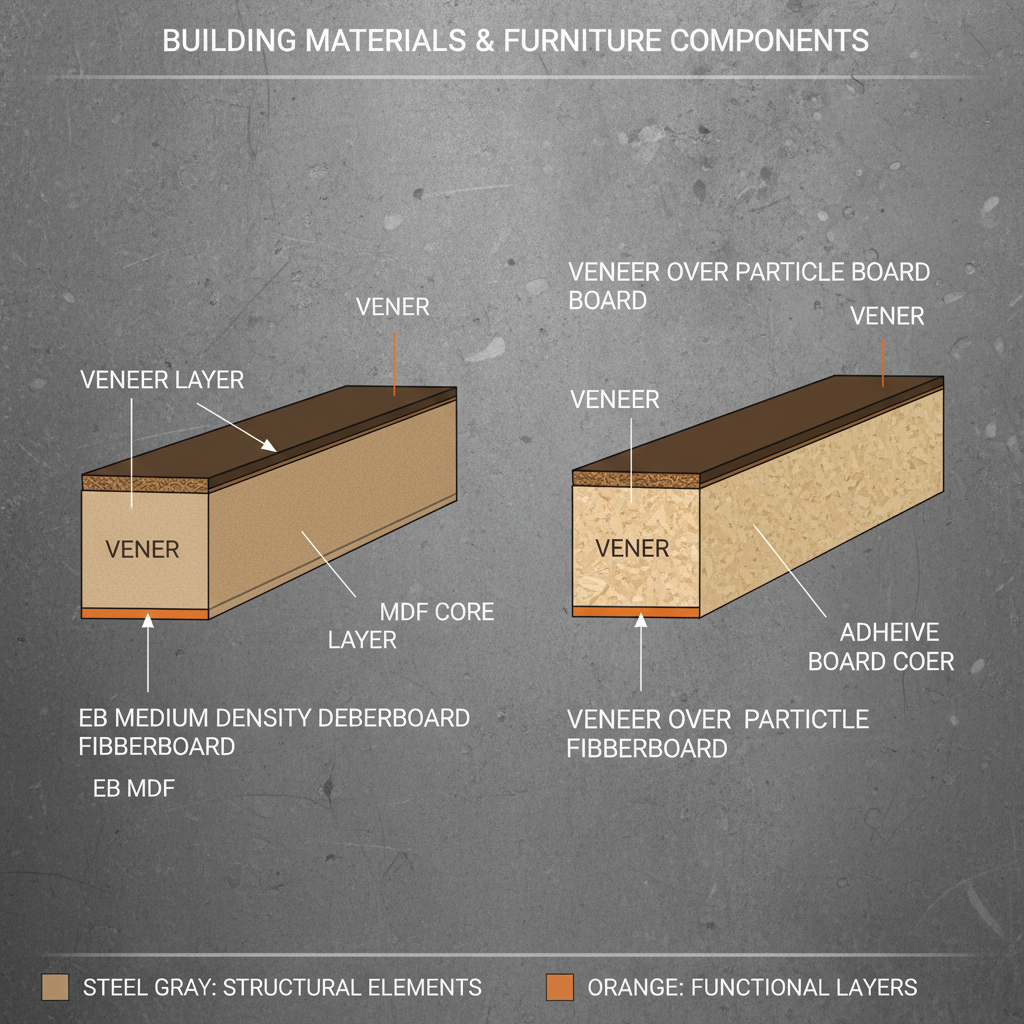
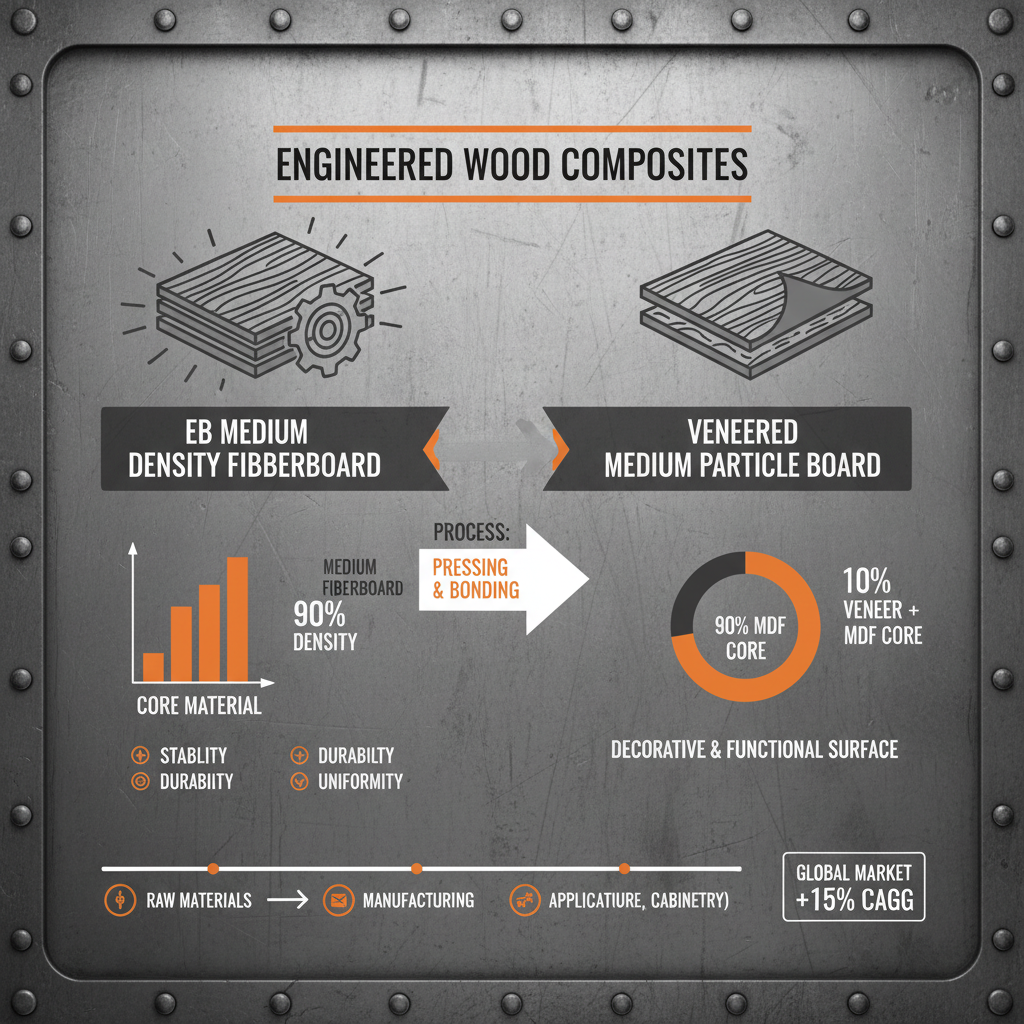
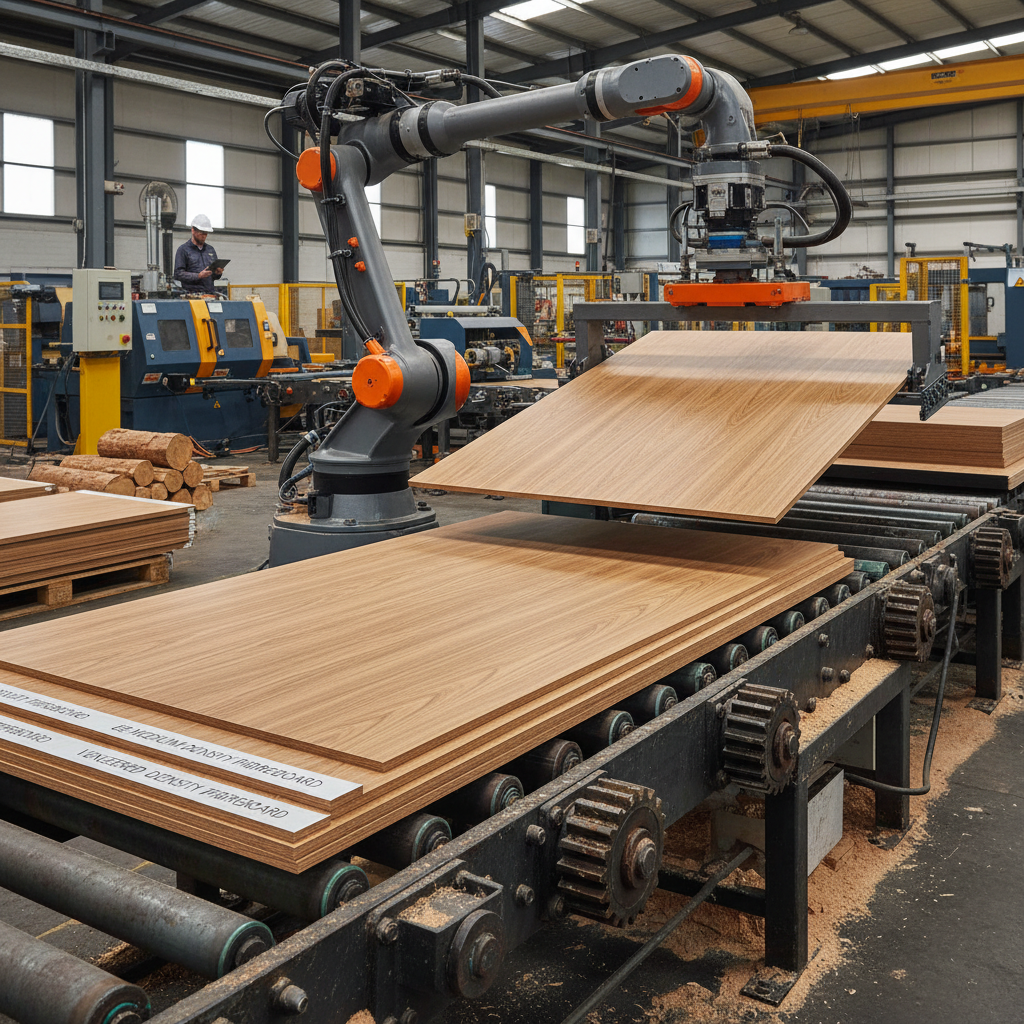
At its core, veneer over particle board is a composite engineering marvel. The base consists of wood chips, sawmill shavings, or sawdust bonded together with a synthetic resin under intense heat and pressure. This creates a dense, uniform slab that lacks the natural knots and irregularities of solid timber, providing a perfectly flat canvas for the finishing layer.
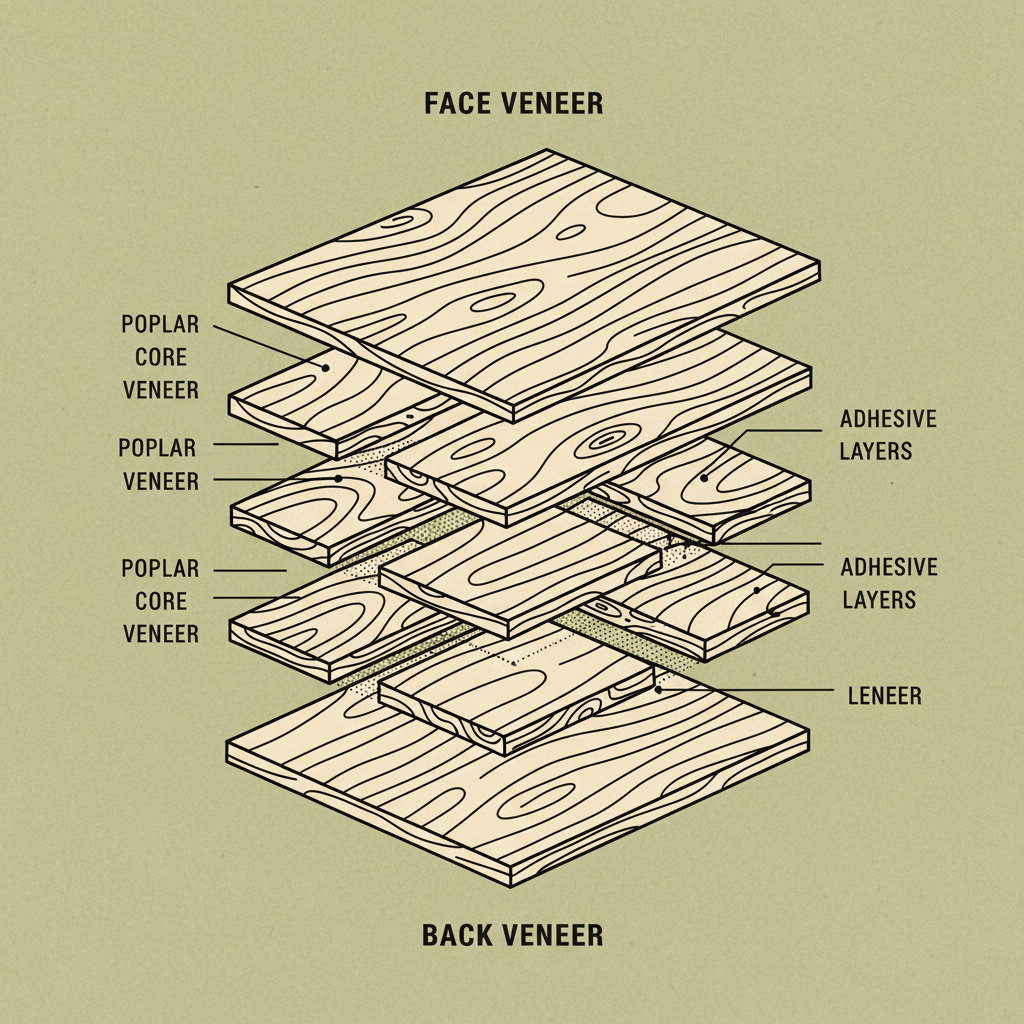
The "veneer" is a thin slice of real hardwood—such as oak, walnut, or maple—that is sliced from a log and bonded to the particle board using high-strength adhesives. This layering process ensures that the final product possesses the authentic grain, texture, and warmth of solid wood, while the internal structure provides the necessary bulk and strength required for large-scale furniture and cabinetry.
Structural Advantages and Stability Factors
One of the most significant technical benefits of using veneer over particle board is its exceptional dimensional stability. Unlike solid wood, which expands and contracts significantly with changes in humidity and temperature, the engineered core of a particle board is isotropic. This means it reacts uniformly in all directions, drastically reducing the risk of warping, bowing, or cracking over time.
Furthermore, the bonding process used in these composites ensures a high level of surface flatness. In large-scale installations, such as corporate office desks or kitchen islands, maintaining a perfectly level surface is critical. By utilizing an engineered core, manufacturers can produce massive panels that remain stable under heavy loads, something that would be prohibitively expensive and structurally risky with solid wood.
The integration of the veneer layer adds a critical protective barrier. While the core provides the strength, the hardwood veneer protects the internal particles from moisture and wear. When finished with a high-quality lacquer or oil, this combination creates a durable surface that resists scratches and spills, making it ideal for high-traffic residential and commercial environments.
Cost-Efficiency and Market Accessibility
From a commercial perspective, veneer over particle board democratizes luxury. Solid hardwood is increasingly rare and expensive, often pricing out small businesses and middle-income homeowners. This composite approach allows designers to specify "Walnut" or "Cherry" finishes without the exorbitant cost of solid slabs.
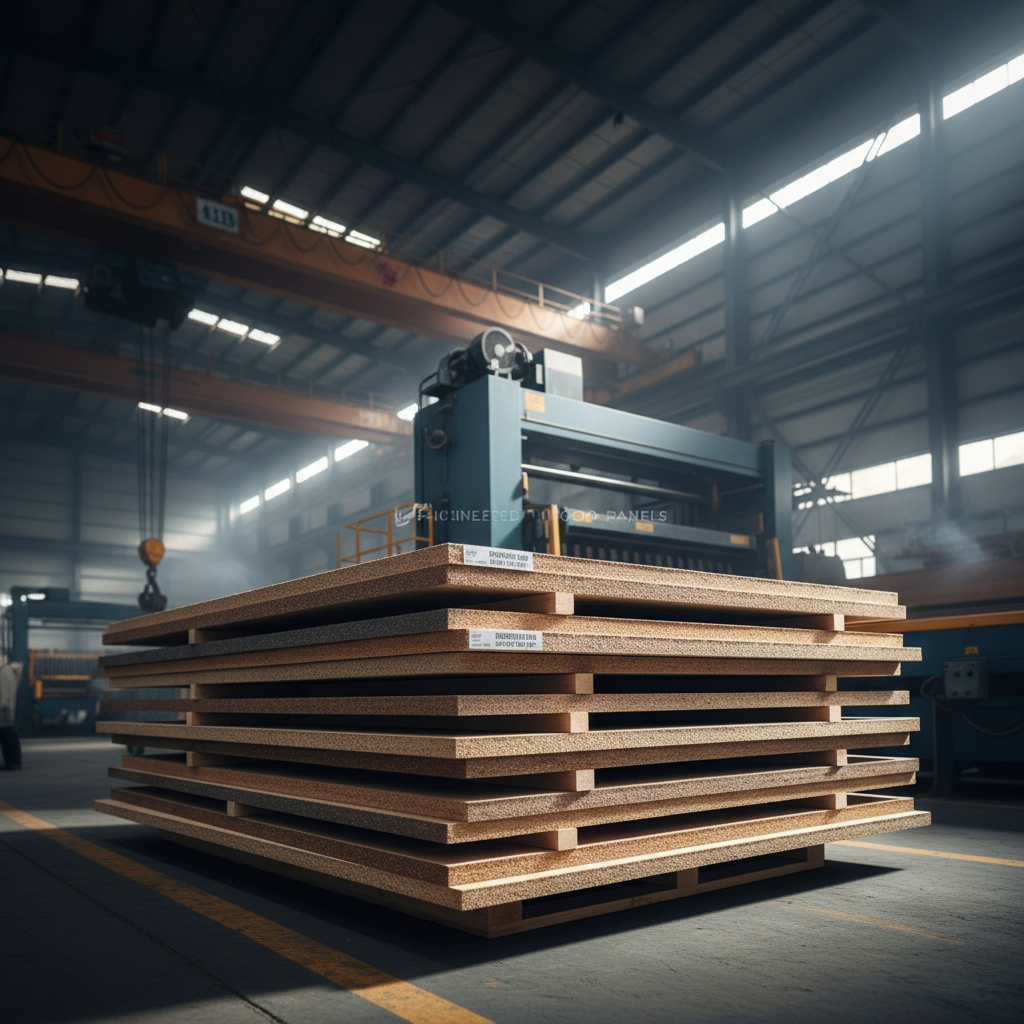
The manufacturing efficiency of veneer over particle board is unmatched. Because the core is produced in standardized sheets, waste is minimized during the cutting phase. This leads to a lower per-unit cost, allowing brands to offer high-end aesthetics in mass-produced furniture lines while maintaining healthy profit margins.
Moreover, this material provides a scalable solution for global shipping. Since it is lighter than solid wood of the same volume and more stable during transit across different climate zones, it reduces shipping costs and damages. This logistical advantage ensures that high-quality wood-look products can be distributed globally with minimal risk.
Performance Metrics across Different Applications
When evaluating the performance of veneer over particle board, it is important to look at specific metrics such as load-bearing capacity, moisture resistance, and surface hardness. Different bonding methods and core densities result in varied performance profiles, which are critical for selecting the right grade of board for the right application.
For instance, a high-density core is required for shelving to prevent sagging, while a lighter core may be sufficient for wall paneling. By adjusting the resin-to-wood ratio and the thickness of the hardwood veneer, manufacturers can tune the material to meet specific ISO standards for durability and safety.
Performance Comparison of Veneer over Particle Board Variants
Global Use Cases in Modern Architecture
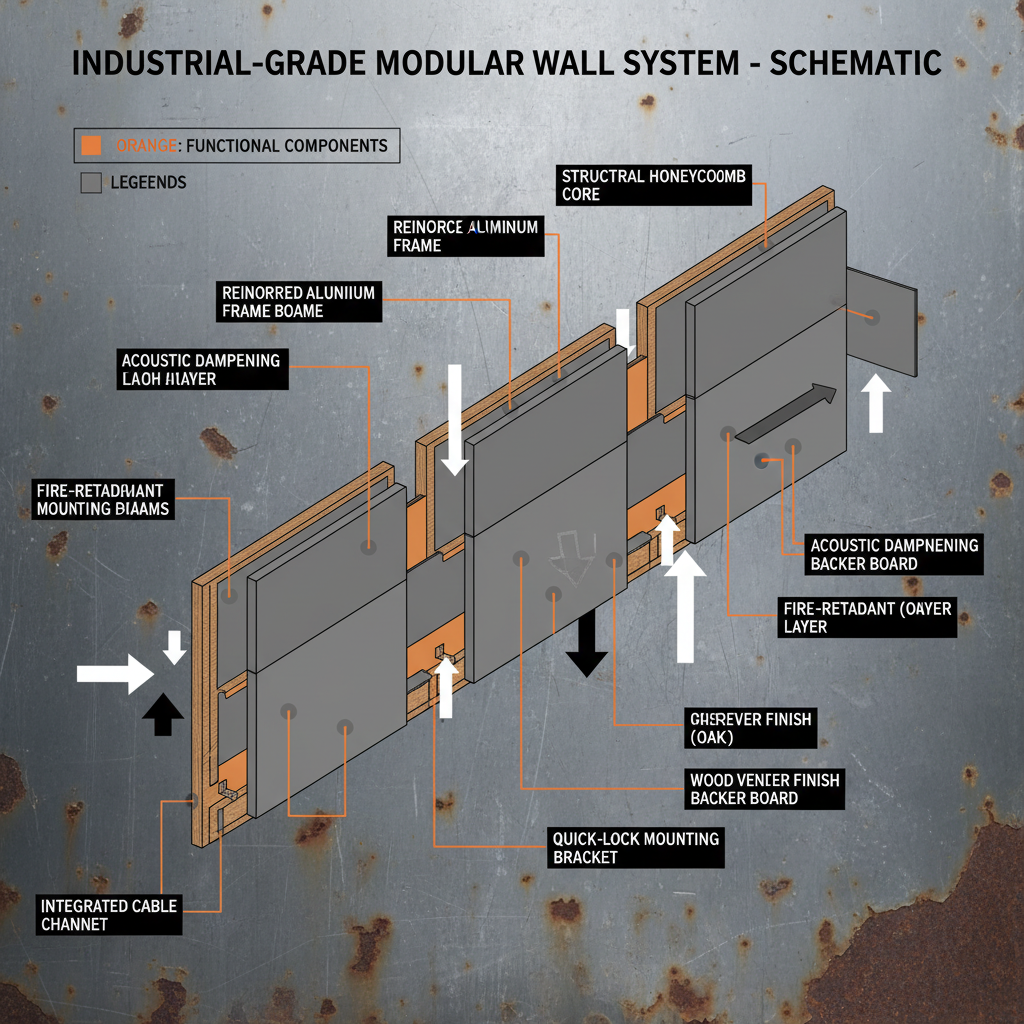
In contemporary commercial design, veneer over particle board is widely utilized for expansive wall cladding and acoustic paneling. In luxury hotels and corporate lobbies across Europe and North America, this material allows for the creation of monolithic wood walls that would be physically impossible to construct using solid planks due to the weight and expansion issues.
Beyond aesthetics, this material is essential in the "Flat Pack" furniture industry. Global giants like IKEA have optimized the use of engineered cores with veneers or foils to provide functional, attractive home furnishings that can be shipped efficiently across borders. This has revolutionized how urban dwellers in densely populated cities access quality furniture.
Sustainability and Environmental Impact
The shift toward veneer over particle board is a significant victory for sustainable forestry. By using a core made from recycled wood waste and fast-growing softwoods, the industry reduces the pressure on ancient hardwood forests. One single hardwood log can produce hundreds of veneer sheets, meaning far fewer trees are harvested to achieve the same visual result.
Furthermore, modern manufacturing has moved toward low-emission resins. The industry is increasingly adopting CARB Phase 2 and EPA TSCA Title VI compliant adhesives to ensure that formaldehyde emissions are kept at a minimum. This ensures that the indoor air quality of homes and offices remains safe and healthy.
The circular economy also plays a role here; many particle board cores are now being made from 100% post-consumer recycled wood. When combined with sustainably sourced veneers, the resulting product is an eco-friendly alternative that maintains the prestige of natural wood while respecting the planet's biological limits.
Future Innovations in Composite Wood Technology
The future of veneer over particle board lies in the integration of nanotechnology and bio-based resins. Researchers are developing "smart" adhesives that can bond veneers more securely while being completely biodegradable. These innovations aim to eliminate synthetic chemicals entirely, making the composite board as natural as the wood it mimics.
Digital transformation is also altering the production process. CNC machining and AI-driven veneer matching now allow for "book-matching" patterns to be replicated with surgical precision, ensuring that large surfaces have a perfectly mirrored grain. This level of automation reduces human error and waste, further driving down costs.
We are also seeing the rise of hybrid cores, where particle board is combined with MDF or plywood layers to create a "sandwich" structure. This increases the screw-holding power and structural rigidity, expanding the use of these materials into heavy-duty industrial furniture and modular housing components.
Comparative Analysis of Veneer over Particle Board Technology
| Technology Type |
Stability Rating |
Eco-Friendliness |
Cost Efficiency |
| Standard Particle Core |
7/10 |
Moderate |
High |
| High-Density (HDP) Core |
9/10 |
Moderate |
Medium |
| Bio-Resin Composite |
8/10 |
Very High |
Medium |
| Moisture-Proof Core |
8/10 |
Moderate |
Medium |
| Hybrid MDF/Particle |
10/10 |
Moderate |
Low |
| Recycled Fiber Core |
6/10 |
Maximum |
Very High |
FAQS
In terms of surface wear, yes—because the top layer is real hardwood. However, in terms of structural "deep" carving or repeated sanding, solid wood is superior. For everyday furniture use, veneer over particle board is often more durable because it doesn't warp or crack due to humidity changes.
Yes, but with caution. Because the veneer is a thin layer of real wood, you can lightly sand it and apply a new finish. However, aggressive sanding will "cut through" the veneer and expose the particle board core, which cannot be repaired easily. Professional light sanding is recommended.
Standard particle board is more susceptible to swelling than plywood. However, modern "moisture-resistant" versions use specialized resins to close the pores of the core. When the edges are properly sealed with edge-banding, veneer over particle board performs excellently in most indoor environments.
Absolutely. It is often more eco-friendly than solid wood because it utilizes waste materials for the core and requires far fewer trees to produce the same amount of finished surface. Look for certifications like FSC or CARB Phase 2 to ensure sustainable sourcing and low emissions.
Use a soft, damp microfiber cloth for dusting and avoid harsh chemical cleaners that can strip the top coat. Since the surface is real wood, avoid soaking it in water. A mild soap solution is usually sufficient to keep the surface looking new for decades.
Unlike laminates, which are essentially plastic prints, veneer is genuine wood. It offers a tactile warmth, a unique grain pattern, and a high-end luxury feel that artificial materials cannot replicate, all while remaining more affordable than solid timber.
Conclusion
In summary, veneer over particle board represents the perfect intersection of engineering and art. By leveraging the stability of a composite core and the timeless beauty of hardwood veneers, this material solves the age-old conflict between cost, durability, and aesthetics. From its role in reducing deforestation to its ability to provide flawlessly flat surfaces for modern architecture, it remains an indispensable tool for the contemporary designer.
As we look toward the future, the continued evolution of bio-resins and automated production will only enhance the value of these composites. For those seeking a sophisticated, sustainable, and budget-conscious approach to interior design, investing in high-quality engineered wood is a strategic choice. To explore the best options for your next project, visit our website: www.tengfeiebmdf.com.