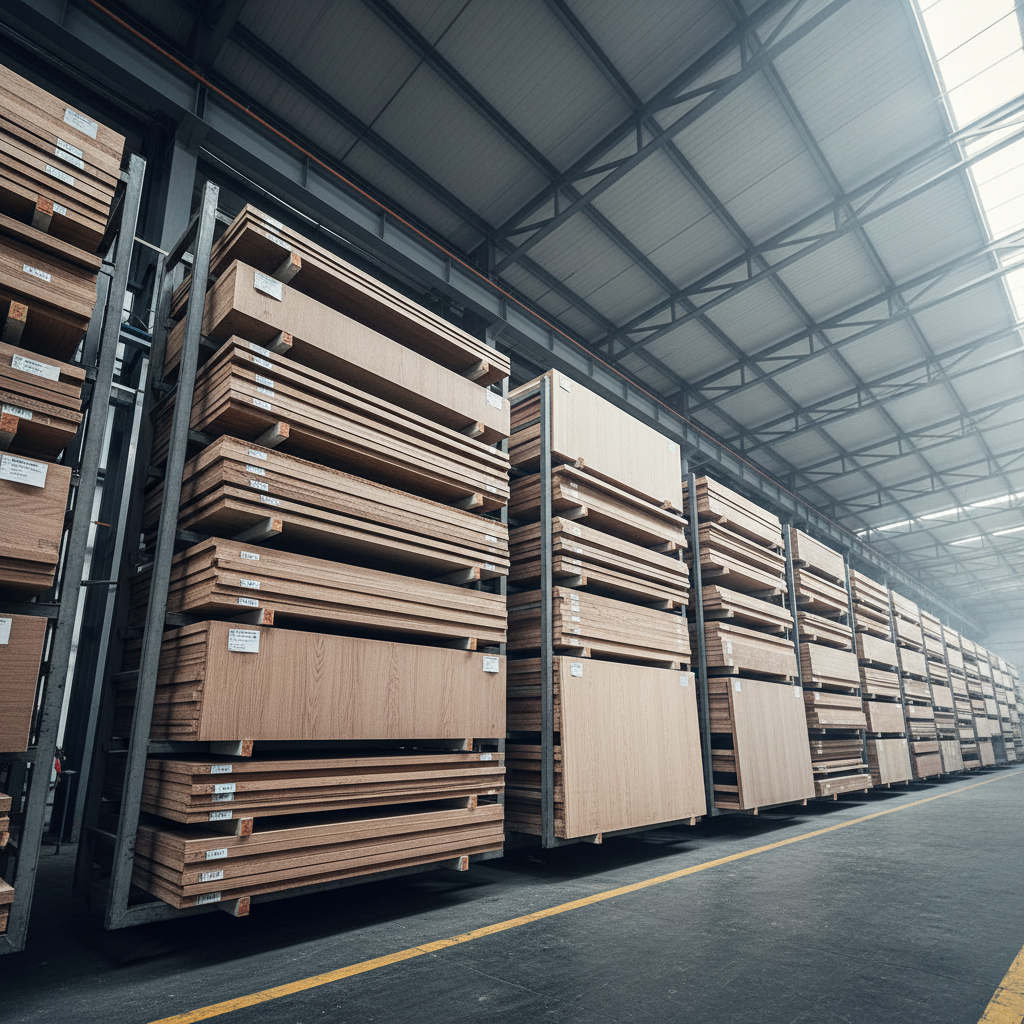
In the evolving landscape of interior design and commercial furniture manufacturing, the application of veneer on particle board has emerged as a cornerstone for balancing luxury with economic viability. By fusing the structural stability of engineered wood with the organic beauty of natural timber, this composite material allows designers to achieve high-end aesthetics without the prohibitive costs or environmental toll of solid hardwood.
Globally, the demand for sustainable yet visually appealing surfaces is driving a shift toward engineered solutions. Understanding the nuances of how veneer on particle board is constructed—from the adhesive bonding process to the selection of the face layer—is essential for architects and manufacturers aiming to optimize the longevity and performance of their cabinetry, flooring, and wall paneling.
Whether you are sourcing materials for a large-scale office fit-out or crafting bespoke residential furniture, the synergy between the core particle board and the decorative veneer provides an unparalleled combination of dimensional stability and versatility. This guide explores the technical and commercial advantages of this material, offering insights into why it remains a preferred choice in the modern woodworking industry.
Global Market Dynamics of Veneer on Particle Board
The global adoption of veneer on particle board is closely tied to the rapid urbanization seen in Asia-Pacific and North American markets. As housing demands increase, the industry has faced a critical challenge: how to provide "premium-look" interiors while adhering to strict budget constraints and ISO standards for material efficiency. Data suggests that engineered wood products now comprise a significant portion of the global furniture market, reducing the reliance on old-growth forests.
This shift is not merely financial but environmental. By utilizing particle board—which is often made from recycled wood chips and sawdust—and topping it with a thin layer of precious wood, the industry maximizes the utility of every log. This approach addresses the global scarcity of wide, clear-grain hardwoods, making luxury aesthetics accessible for mass-market deployment in residential and commercial sectors.
Defining the Engineering of Veneer on Particle Board
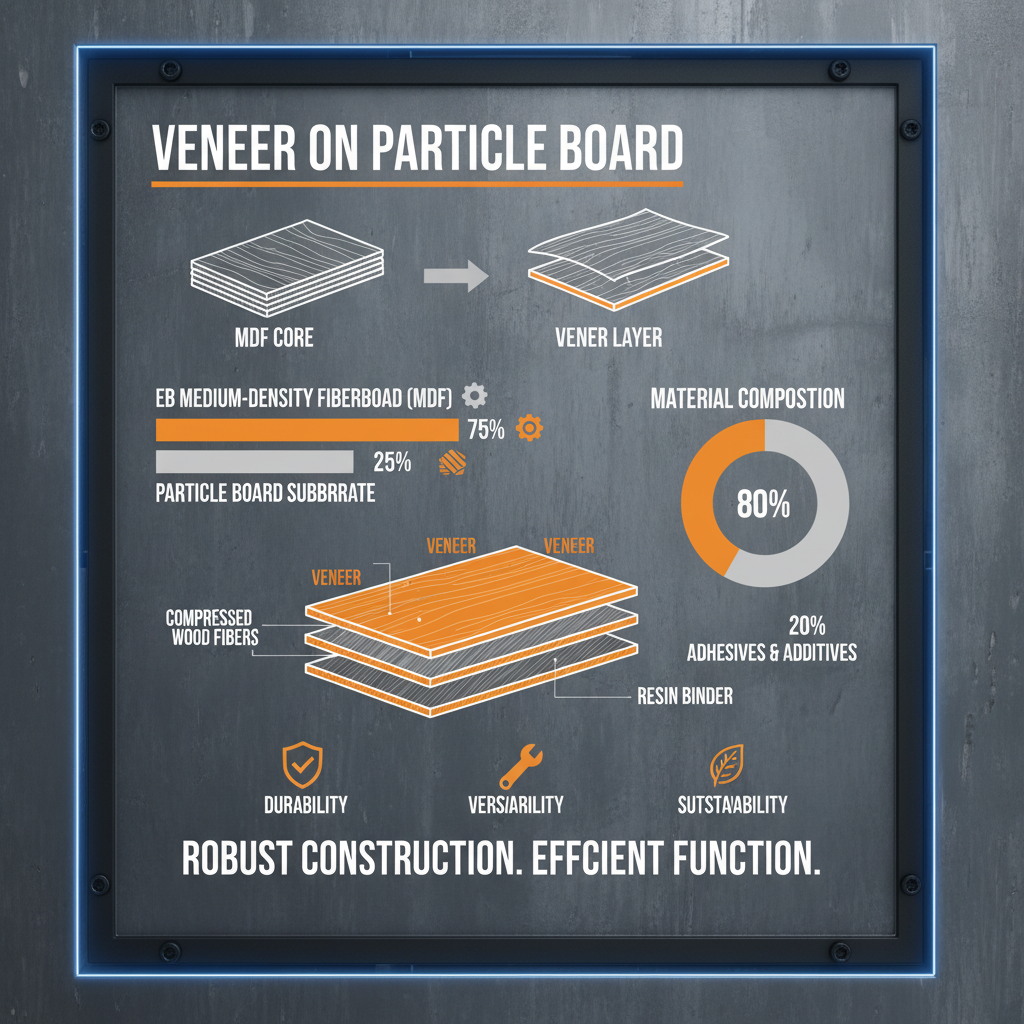
At its most basic level, veneer on particle board consists of a core made from compressed wood particles and resin, topped with a thin slice of real hardwood or engineered veneer. This process creates a stable substrate that resists the warping and shrinking common in solid wood, while the surface layer provides the tactile and visual warmth of a natural forest product.
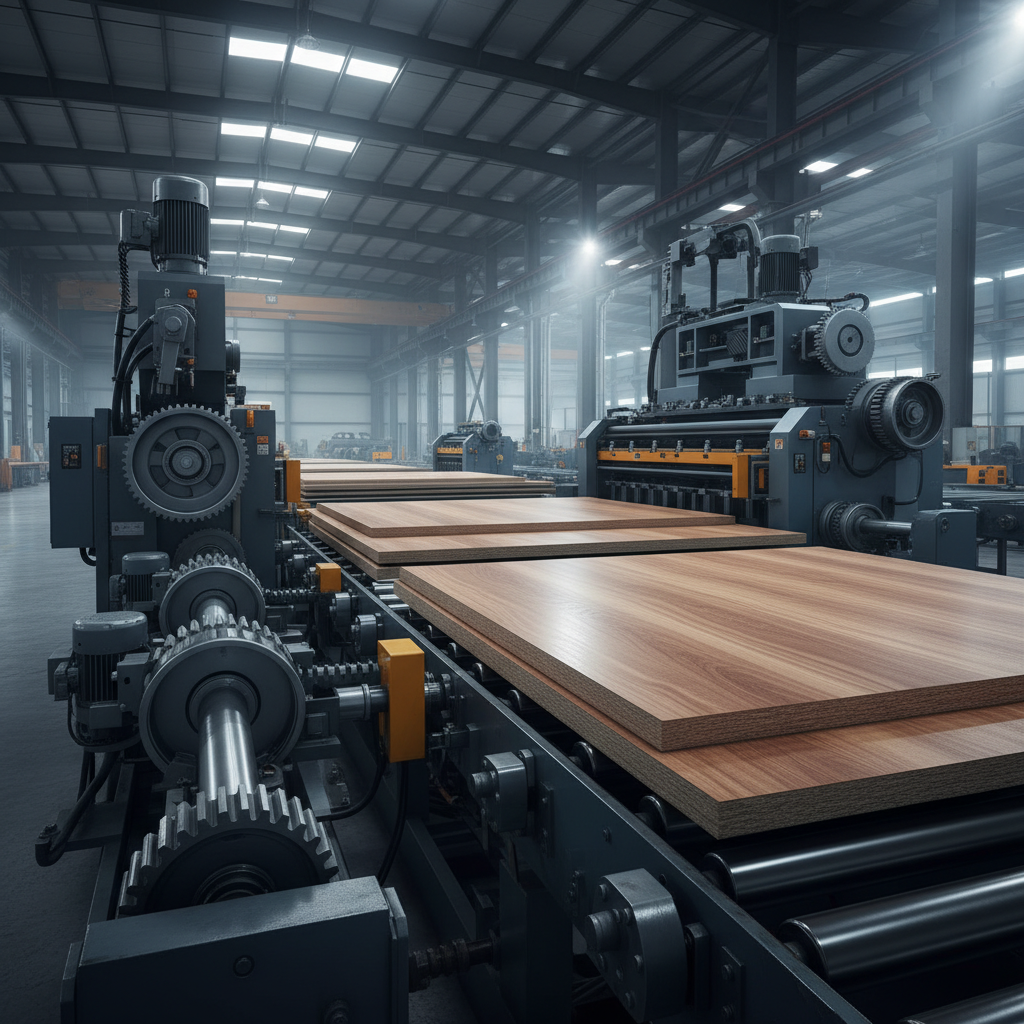
From a technical perspective, the bond is achieved through high-pressure presses and heat-activated adhesives. This ensures that the veneer on particle board remains flat and secure even under varying humidity levels, which is a critical requirement for kitchen cabinetry and office workstations.
Modern industry has further refined this by introducing "balanced" construction, where veneer is applied to both sides of the board. This prevents the internal tension of the particle board from pulling the panel into a curve, ensuring that the finished product remains structurally sound for decades.
Core Components for High-Performance Surfaces
The first critical factor in the success of veneer on particle board is the density of the core. A higher-density particle board provides better screw-holding capacity and a smoother base, which prevents "telegraphing"—the phenomenon where the texture of the core is visible through the thin veneer layer.
Next is the selection of the adhesive. Formaldehyde-free or low-emission resins are now the gold standard to meet global health regulations. The adhesive must provide a permanent, waterproof bond that ensures the veneer on particle board does not peel or bubble when exposed to ambient moisture in residential environments.
Finally, the quality of the veneer slice determines the final grade. Whether using rotary-cut or sliced veneer, the consistency of the grain and the thickness of the leaf are paramount. A precise thickness ensures that the veneer on particle board can be sanded and finished without wearing through to the substrate.
Industrial Applications and Versatility
The application of veneer on particle board spans across diverse sectors. In the commercial office industry, it is the primary material for large-scale desk surfaces and boardroom tables, where a consistent wood grain is required across dozens of matching units—something nearly impossible to achieve with solid wood.
In the residential sector, it is extensively used for built-in wardrobes and kitchen carcasses. In remote industrial zones or rapid-deployment housing projects, these panels offer a quick way to create dignified, home-like interiors that can be prefabricated in factories and assembled on-site in a fraction of the time required for traditional carpentry.
Performance Comparison of Veneer on Particle Board Types
Long-Term Value and Sustainability Benefits
The long-term value of veneer on particle board lies in its ability to democratize luxury. By reducing the amount of solid timber required for a piece of furniture by up to 80%, manufacturers can offer high-end looks at a price point that supports wider social accessibility to quality housing and furniture.
From a sustainability angle, this material is a champion of the circular economy. The core is often composed of waste streams from the timber industry, and the veneer is sourced from sustainably managed forests (FSC certified). This reduces the pressure on primary forests and ensures that the carbon sequestered in the wood remains locked in the furniture for decades.
Future Innovations in Composite Veneering
The future of veneer on particle board is being shaped by digital transformation. CNC machining and automated veneering lines are allowing for "book-matching" and intricate patterns to be applied with mathematical precision, reducing waste and increasing the visual impact of the finished panels.
Furthermore, the industry is moving toward "bio-resins"—adhesives derived from soy or corn—to completely eliminate VOC emissions. This transition will make engineered wood even safer for indoor air quality, particularly in hospitals and schools where health is the primary concern.
We are also seeing the rise of "reconstituted veneers," where wood fibers are rearranged and dyed to create perfectly consistent patterns. When applied to a high-grade particle board core, these products offer a level of predictability and scalability that traditional natural veneers cannot match.
Overcoming Challenges in Particle Board Veneering
Despite its advantages, veneer on particle board faces challenges, primarily regarding edge banding and moisture sensitivity. Because the core is porous, the edges must be sealed perfectly to prevent water from entering and causing the board to swell, which would lead to the veneer delaminating.
Expert solutions now involve the use of PUR (Polyurethane) adhesives for edge banding, which provide a waterproof seal far superior to traditional EVA glues. Additionally, the use of moisture-resistant (MR) grade particle board cores has significantly expanded the use of these panels in humid environments like bathrooms.
Another common issue is the "tearing" of the veneer during deep routing. To solve this, advanced manufacturers use a "balancing layer" or a thin under-layer of MDF to provide a smoother transition and a stronger bond, ensuring that the final product meets the highest quality standards.
Technical Comparison of Veneer Application Methods on Particle Board
| Method Type |
Adhesion Strength |
Surface Finish |
Cost Efficiency |
| Cold Pressing |
Moderate (6/10) |
Natural Grain |
High (9/10) |
| Hot Pressing |
Very High (10/10) |
Ultra Smooth |
Moderate (7/10) |
| Vacuum Pressing |
High (8/10) |
Contoured/3D |
Low (5/10) |
| Contact Gluing |
Moderate (7/10) |
Standard Grain |
High (8/10) |
| PUR Edge Banding |
Extreme (10/10) |
Seamless Edge |
Moderate (6/10) |
| Manual Application |
Low (4/10) |
Artisanal/Rustic |
Very Low (3/10) |
FAQS
While solid wood has higher impact resistance, veneer on particle board is actually more dimensionally stable. It is less likely to warp, crack, or shrink during seasonal humidity changes. For surfaces like tabletops or wardrobes, it provides equal aesthetic value and superior structural consistency, provided it is finished with a high-quality protective lacquer.
Yes, but with caution. Because the veneer layer is very thin (usually 0.5mm to 2mm), you must use fine-grit sandpaper and light pressure. Deep sanding can "burn through" the veneer, exposing the particle board core, which cannot be easily repaired. Professional refinishing is recommended for high-value pieces.
Generally, yes. It utilizes wood waste (sawdust and chips) for the core and a minimal amount of precious hardwood for the surface. By reducing the demand for solid timber, it helps preserve old-growth forests. To ensure maximum eco-friendliness, look for FSC-certified veneers and E0 or CARB Phase 2 compliant resins.
The key is high-quality edge banding. Using PUR (Polyurethane) adhesives instead of EVA creates a waterproof seal that prevents moisture from penetrating the particle board core. Additionally, applying a clear sealant or wax to the edges provides an extra layer of protection against spills and humidity.
Natural veneer is a direct slice of a log, offering unique, organic patterns. Reconstituted veneer is made by layering dyed wood fibers and resin, creating a perfectly uniform grain. Reconstituted versions are often preferred for massive projects where every single panel must look identical.
It is possible if you use moisture-resistant (MR) particle board and fully seal all edges with PUR banding and waterproof topcoats. However, for areas in direct contact with water (like shower surrounds), a fully waterproof core like PVC or high-density MDF is typically recommended over standard particle board.
Conclusion
The strategic use of veneer on particle board represents a perfect intersection of engineering efficiency and natural beauty. By analyzing the global market demands, the technical requirements of adhesion, and the sustainability of recycled cores, it is clear that this material provides a viable, high-performance alternative to solid timber. Its ability to deliver consistent luxury while minimizing environmental impact makes it an indispensable tool for modern interior architecture.
Looking forward, the integration of bio-resins and digital precision will only further enhance the reliability and appeal of composite wood products. For manufacturers and designers, the key to success lies in selecting the right core density and edge-sealing technologies to ensure longevity. To explore our premium range of EB MDF and Veneer MDF boards, visit our website: www.tengfeiebmdf.com