Add: No.8 Xinxing Street, North Zone, Zhengding High-tech Industrial Development Zone, Hebei, China

CONTACT US

+8615030171059
221231instagram-fill1251 search
0%

Table of Contents

MDF veneer has emerged as a crucial material in modern woodworking and interior design, offering a cost-effective and versatile alternative to solid wood. Its global relevance stems from increasing demands for sustainable building materials and efficient manufacturing processes. The ability to replicate the appearance of various wood species while utilizing recycled wood fibers makes mdf veneer a pivotal solution in addressing deforestation concerns and reducing material waste. Understanding its properties, applications, and future trends is paramount for professionals in construction, furniture manufacturing, and interior design.

The demand for mdf veneer is growing rapidly, driven by increased urbanization and a thriving construction industry, particularly in emerging economies. According to recent data from the UN Environment Programme, sustainable forestry practices are becoming increasingly important, with a growing market for wood-based products utilizing recycled materials. This surge in demand presents both opportunities and challenges, including the need for optimized production processes, improved veneer quality, and a strengthened commitment to environmental responsibility.

Ultimately, mdf veneer contributes to a more sustainable and economically viable construction landscape, impacting everything from residential interiors to large-scale commercial projects. Its adaptability and performance are continually evolving, making it a key component in future building materials innovation.

Exploring the Versatility and Sustainability of MDF Veneer in Modern Design

Introduction to mdf veneer

Exploring the Versatility and Sustainability of MDF Veneer in Modern Design

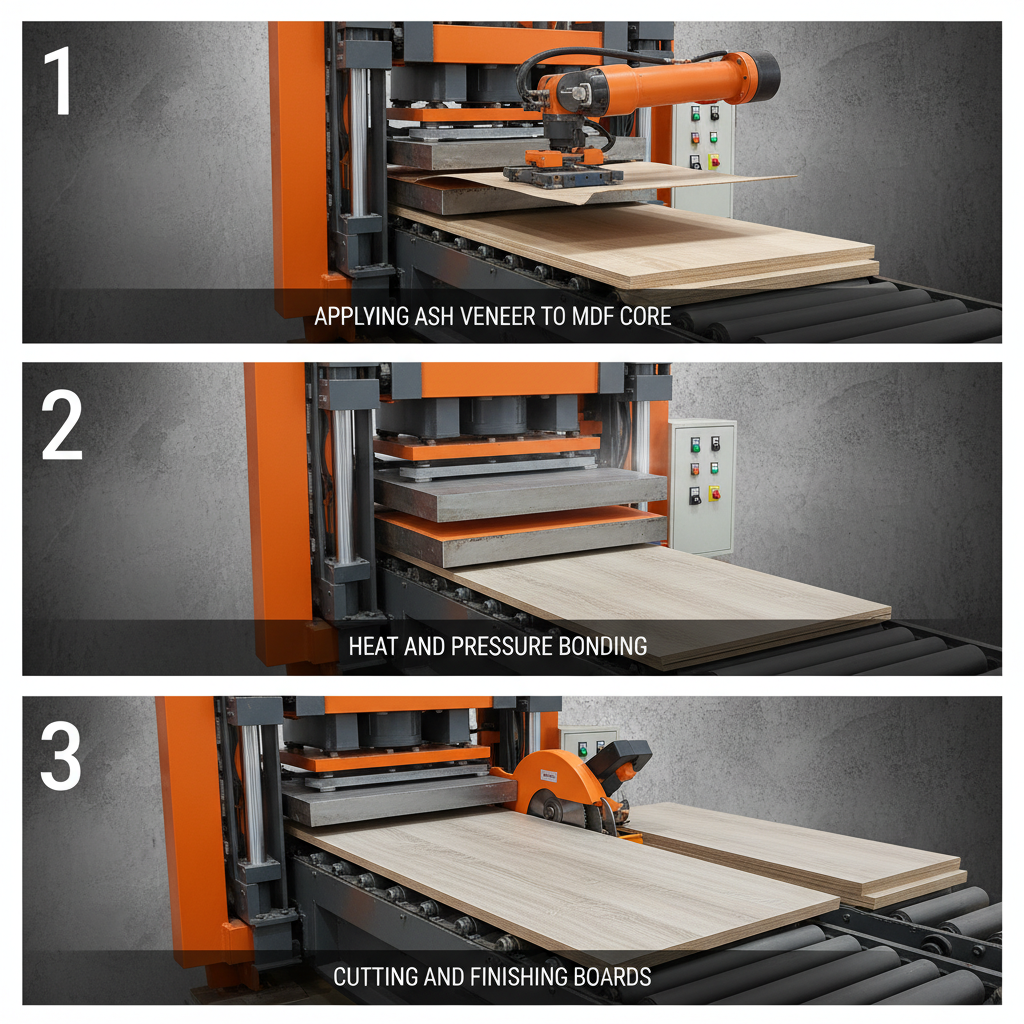
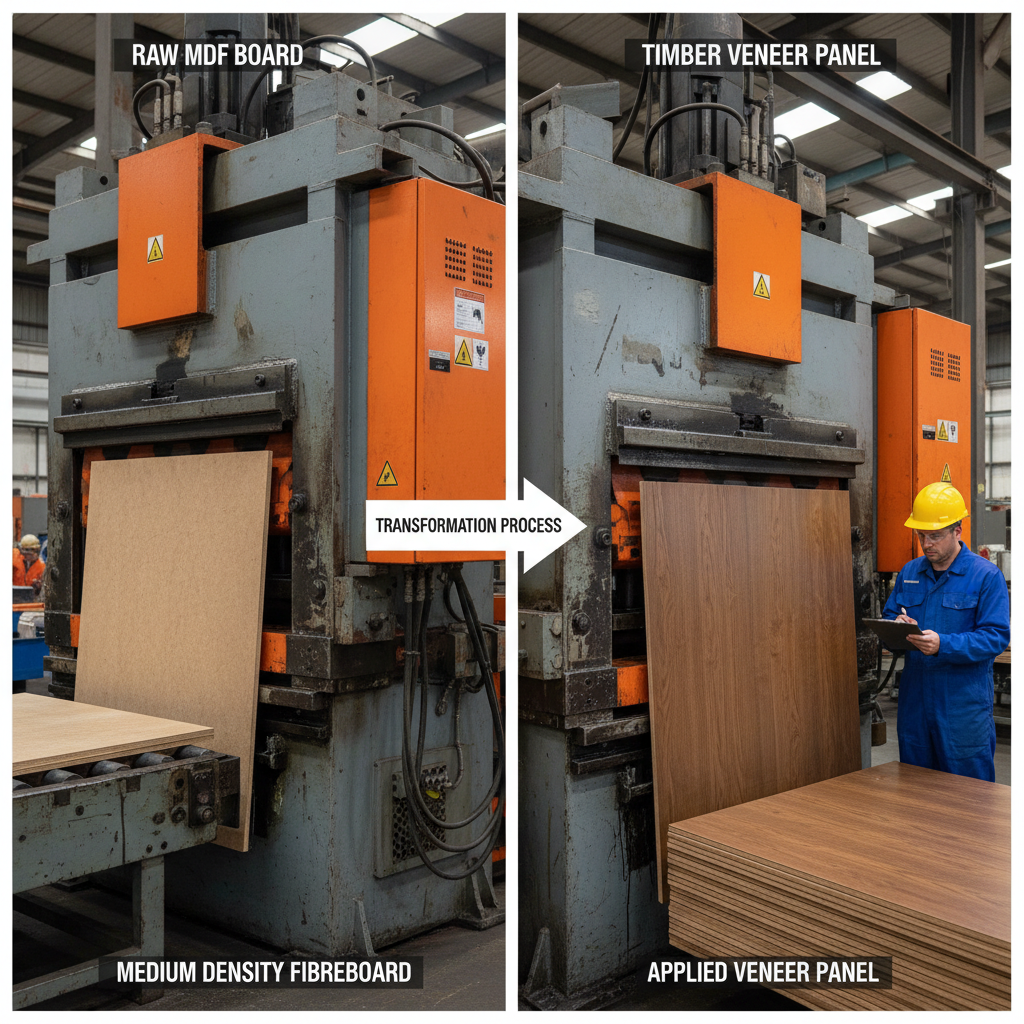
Mdf veneer stands as a versatile and economical material in the realm of woodworking, prized for its smooth surface and consistent density. It’s created by applying a thin layer of real wood veneer to a medium-density fiberboard (MDF) core, effectively mimicking the aesthetic of solid wood at a fraction of the cost. This combination of affordability and visual appeal has made mdf veneer a preferred choice for a wide array of applications.

The production of mdf veneer contributes to responsible forest management by utilizing wood fibers that might otherwise go to waste. This resourcefulness, coupled with its ease of machining and finishing, makes it a sustainable option for manufacturers and consumers alike. The growing adoption of mdf veneer reflects a broader industry shift towards environmentally conscious building materials.

Defining mdf veneer

Mdf veneer, at its core, is a composite material born from the fusion of two distinct elements: a medium-density fiberboard (MDF) substrate and a natural wood veneer layer. The MDF, crafted from recycled wood fibers and resin, provides a stable and uniform base. The veneer, a paper-thin slice of real wood, is then adhered to this core, bestowing the visual characteristics of solid wood.

This construction process allows for the reproduction of intricate wood grains and textures without the limitations—and cost—associated with harvesting large quantities of natural timber. It’s a prime example of material innovation aimed at balancing aesthetic desires with environmental responsibility.

In modern industry, mdf veneer serves as a critical component in furniture production, cabinetry, interior design, and even architectural applications, fulfilling the demand for aesthetically pleasing and cost-effective wood solutions.

Core Characteristics of mdf veneer

One of the defining characteristics of mdf veneer is its dimensional stability. Unlike solid wood, which is prone to warping and cracking with changes in humidity, mdf veneer remains remarkably consistent in shape and size. This makes it particularly suitable for projects demanding precision and longevity.

Furthermore, mdf veneer boasts exceptional surface smoothness, providing an ideal canvas for painting, staining, or laminating. The consistent density of the MDF core ensures uniform absorption of finishes, resulting in a flawless and professional appearance. This makes it very popular for mdf veneer applications.

Lastly, mdf veneer exhibits excellent machinability. It can be easily cut, routed, drilled, and shaped using standard woodworking tools, simplifying the fabrication process and enabling intricate designs. This adaptability makes it a versatile choice for both large-scale manufacturing and custom projects.

Key Performance Indicators of mdf veneer

Evaluating the performance of mdf veneer requires consideration of several key indicators. One critical factor is its resistance to moisture, which impacts its long-term durability. Different veneer types and core treatments can significantly alter this performance metric.

Another important metric is the veneer’s adhesion strength to the MDF core. A strong bond ensures the integrity of the material and prevents delamination over time. This is often assessed through standardized testing procedures.

Performance Ratings of Different mdf veneer Manufacturing Methods


Global Applications of mdf veneer

The versatility of mdf veneer has propelled its adoption across a diverse range of global industries. In the furniture sector, it’s used extensively for producing cabinets, tables, chairs, and decorative elements. Its ability to mimic high-end wood species makes it a favored option for both residential and commercial furniture manufacturing.

In the construction industry, mdf veneer finds application in interior wall paneling, door skins, and decorative moldings. Its dimensional stability and smooth surface make it ideal for creating aesthetically pleasing and durable interior finishes.

Advantages of Utilizing mdf veneer

The primary advantage of mdf veneer lies in its cost-effectiveness. It provides a comparable aesthetic to solid wood at a significantly lower price point, making it accessible for a wider range of projects and budgets. This affordability does not come at the expense of quality, as mdf veneer offers excellent durability and longevity.

Furthermore, the sustainable nature of mdf veneer, utilizing recycled wood fibers, appeals to environmentally conscious consumers and businesses. This aligns with the growing global demand for eco-friendly materials and responsible manufacturing practices.

Future Trends in mdf veneer Technology

The future of mdf veneer is poised for innovation, with research focusing on enhanced moisture resistance and improved bonding techniques. Developments in bio-based resins are expected to further enhance the sustainability profile of mdf veneer, reducing its environmental impact.

Digital printing technologies are also being integrated, allowing for the creation of highly realistic wood grain patterns and custom designs. This opens up new possibilities for personalization and artistic expression in woodworking and interior design.

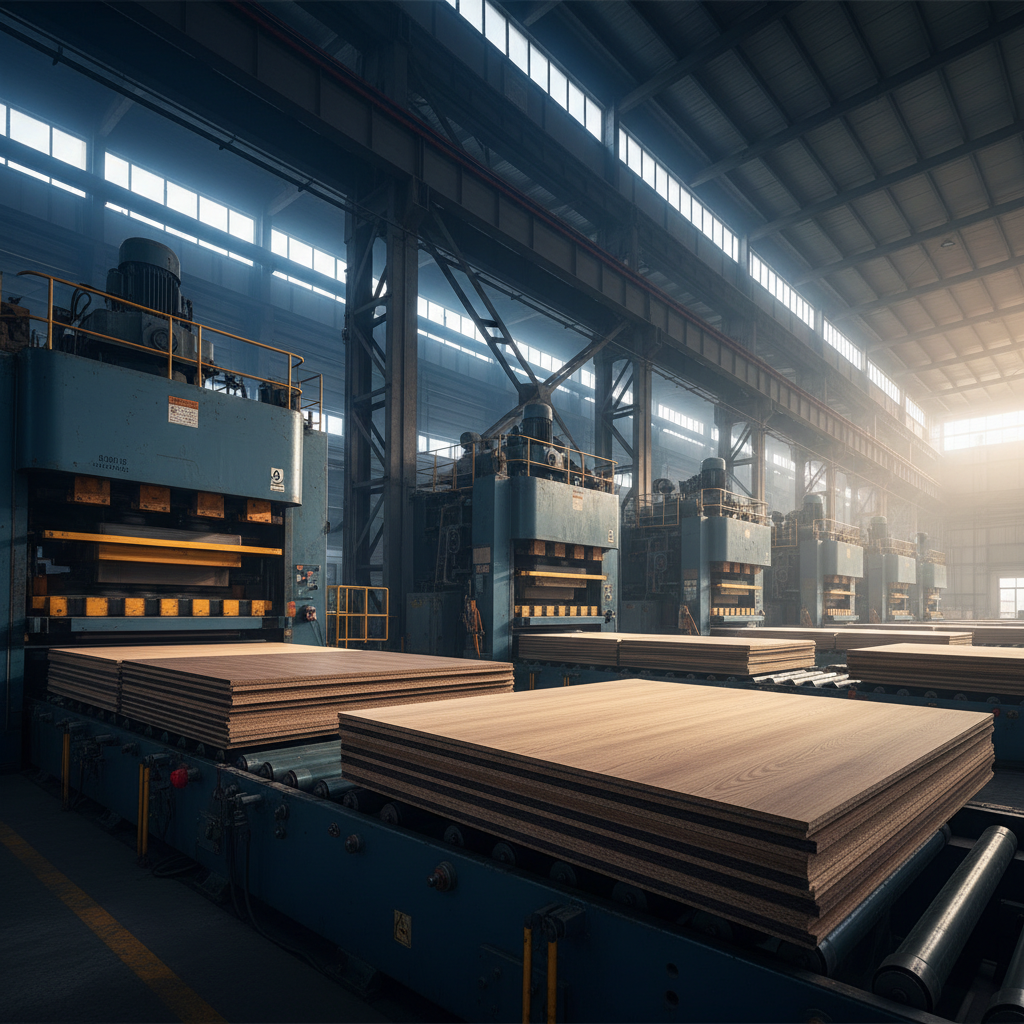
Increased automation in mdf veneer production processes promises to improve efficiency, reduce manufacturing costs, and ensure consistent product quality. This will solidify mdf veneer's position as a leading material in the wood products industry.

FAQS

What is the lifespan of mdf veneer compared to solid wood?

While solid wood can potentially last for centuries with proper care, mdf veneer offers a comparable lifespan for many applications, typically ranging from 20 to 50 years depending on environmental conditions and maintenance. Modern mdf veneer products are designed for durability, and with proper sealing and finishing, can withstand daily use and resist degradation.

Is mdf veneer susceptible to water damage?

Mdf veneer is more susceptible to water damage than solid wood, as the MDF core can swell and lose its integrity when exposed to prolonged moisture. However, applying a waterproof sealant or finish can significantly enhance its water resistance. It's crucial to avoid direct contact with water and maintain a dry environment.

Can mdf veneer be sanded and refinished?

Yes, mdf veneer can be sanded and refinished, although with some limitations. The veneer layer is relatively thin, so excessive sanding can eventually wear through it. However, light sanding and the application of new finishes can effectively refresh the appearance and protect the surface. It’s important to use fine-grit sandpaper and avoid aggressive sanding.

How does the cost of mdf veneer compare to other wood-based materials?

Mdf veneer is generally more affordable than solid wood, plywood, and even some types of hardwood laminates. This cost advantage makes it an attractive option for budget-conscious projects without compromising on aesthetics. The price will vary depending on the type of veneer, core quality, and manufacturer.

What types of finishes can be applied to mdf veneer?

A wide range of finishes can be applied to mdf veneer, including paints, stains, varnishes, and lacquers. The smooth surface of mdf veneer provides an excellent base for achieving a flawless finish. It’s recommended to use a primer before applying paint or stain to ensure optimal adhesion and color uniformity.

Is mdf veneer an environmentally friendly option?

Yes, mdf veneer is considered a more environmentally friendly option compared to solid wood, as it utilizes recycled wood fibers and reduces the demand for harvesting trees. Many manufacturers are also adopting sustainable practices, such as using low-VOC resins and responsibly sourced veneers.

Conclusion

In summary, mdf veneer offers a compelling combination of affordability, versatility, and sustainability. Its ability to mimic the aesthetic of natural wood while utilizing recycled materials makes it an increasingly popular choice across diverse industries, from furniture manufacturing to interior design. Understanding its properties, applications, and future trends is vital for professionals seeking innovative and cost-effective material solutions.

Looking ahead, the continued development of bio-based resins, digital printing technologies, and automated production processes will further enhance the performance and environmental profile of mdf veneer. We encourage you to explore the possibilities of mdf veneer for your next project and experience the benefits firsthand. Visit our website at www.tengfeiebmdf.com to learn more.

Robert Chen

Robert Chen

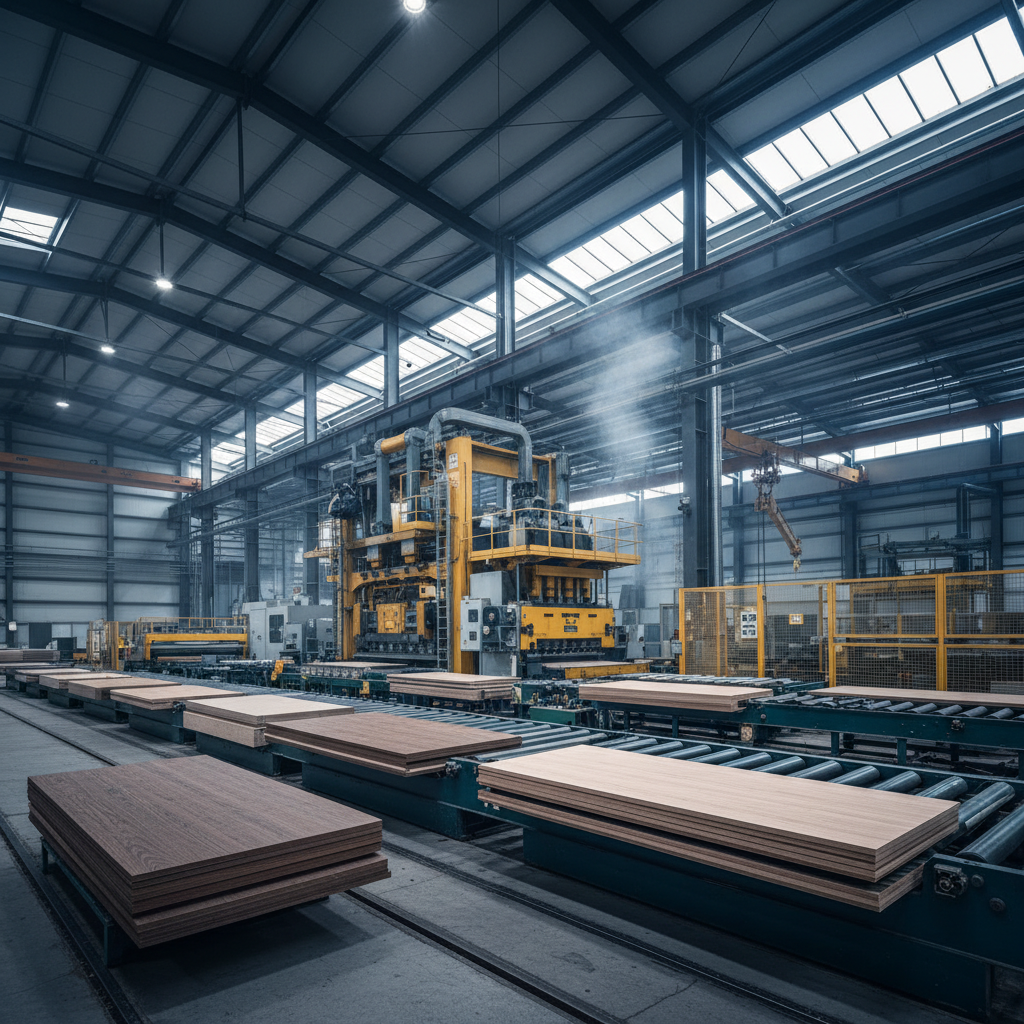
Robert Chen serves as the Head of Production at Hebei Bojing Technology’s Zhengding Intelligent Manufacturing Hub. With a background in industrial engineering and a strong understanding of automated manufacturing systems, Robert oversees the operation of our Wemhöner lines and the 4,000-ton press. He’s responsible for maintaining optimal production efficiency, consistently
Previous Exploring the Significance and Applications of Wood Veneer Panel
Next Exploring the Versatility and Sustainability of Veneer Board Materials
tel +8615030171059 tel icon15

If you are interested in our products, you can choose to leave your information here, and we will be in touch with you shortly.