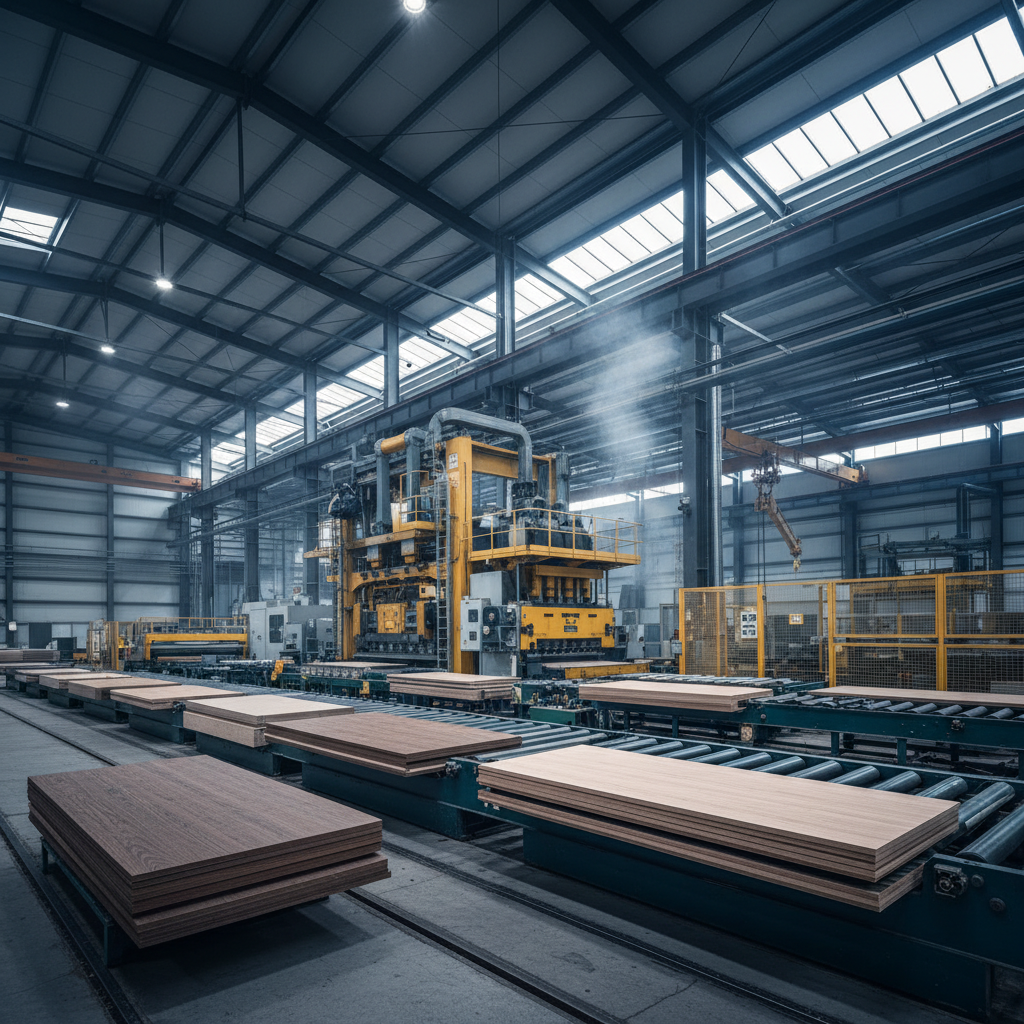
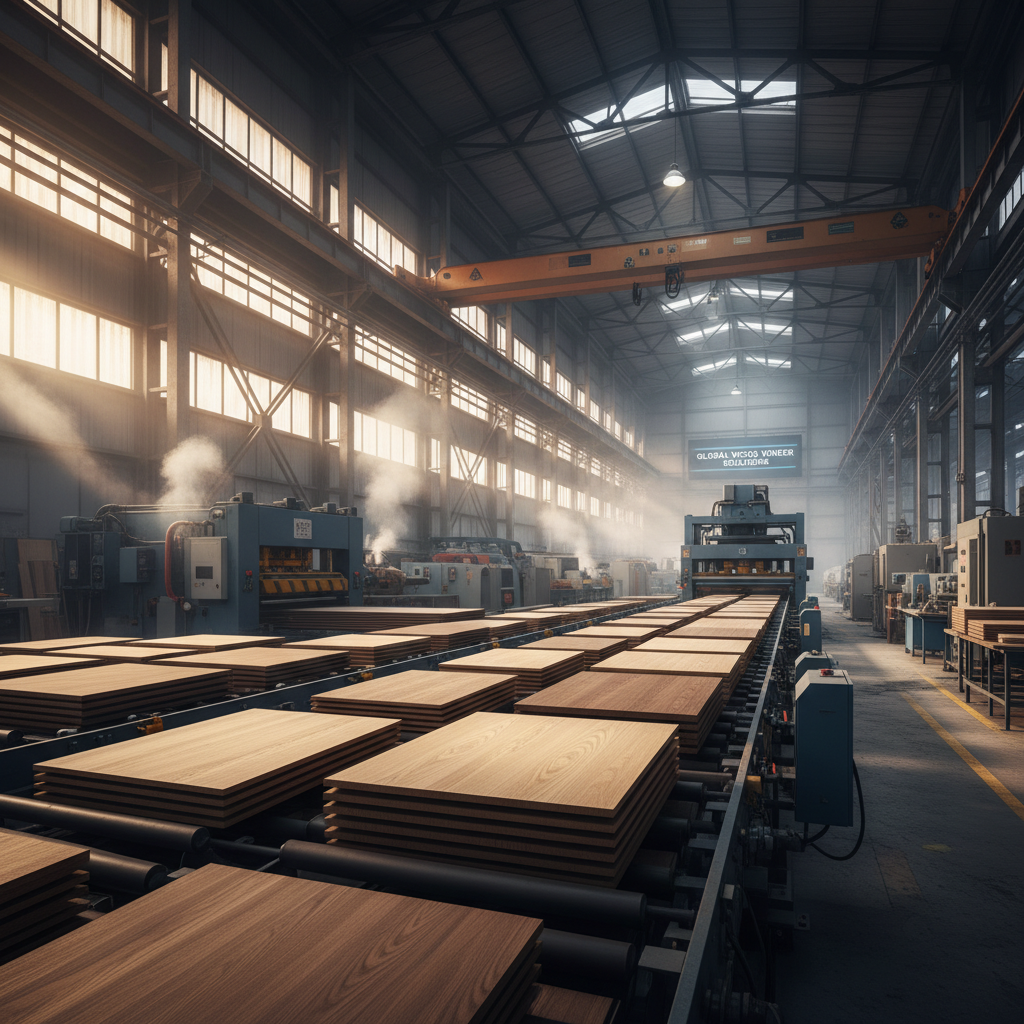
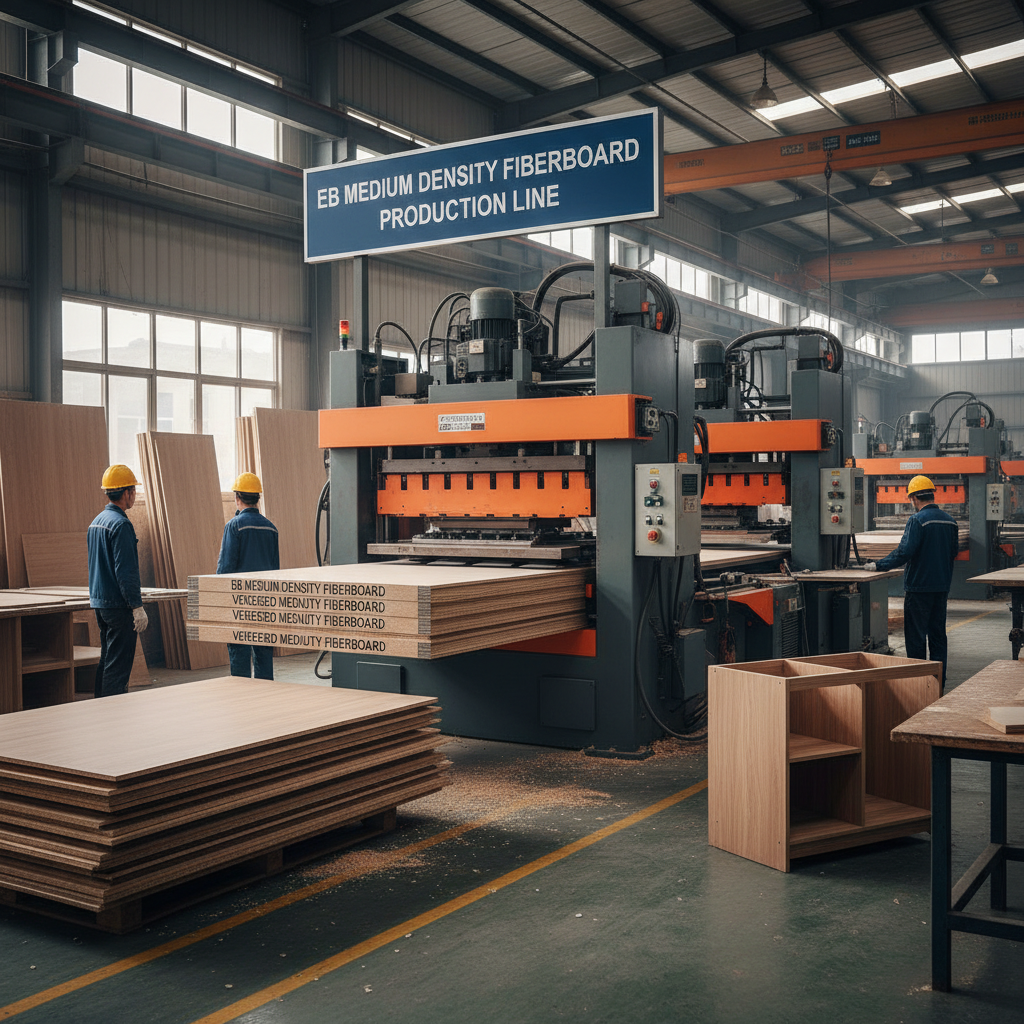
Wood veneer panel represents a sophisticated and increasingly vital material in modern construction, interior design, and manufacturing. Its ability to mimic the aesthetic appeal of solid wood while offering cost-effectiveness and resource efficiency has propelled its global demand. From architectural masterpieces to everyday furniture, wood veneer panel is becoming synonymous with sustainable and stylish solutions.
The significance of wood veneer panel extends beyond aesthetics. It plays a critical role in reducing deforestation by minimizing the need for solid lumber, contributing to more responsible forestry practices. Furthermore, advancements in veneer technology are constantly improving its durability, stability, and applicability across a wide range of environments and industries.
Understanding the intricacies of wood veneer panel - its manufacturing processes, applications, and future potential - is crucial for architects, designers, builders, and anyone involved in creating sustainable and aesthetically pleasing spaces.
The Global Significance of Wood Veneer Panel
The global market for wood veneer panel is experiencing consistent growth, driven by increasing demand in construction, furniture manufacturing, and interior design. According to reports from the UN Food and Agriculture Organization (FAO), sustainable forest management practices are paramount, and wood veneer panel contributes significantly to this goal by reducing reliance on solid wood. In 2022, the global wood veneer market was valued at over $15 billion, with projections indicating further expansion in the coming years.
A key challenge facing the industry is ensuring sustainable sourcing and minimizing environmental impact. The increasing awareness of deforestation and the need for eco-friendly materials are driving innovation in veneer manufacturing processes, leading to the development of more sustainable adhesives and finishing techniques. The pursuit of high-quality, sustainably produced wood veneer panel is becoming a priority for businesses and consumers alike.
Defining Wood Veneer Panel
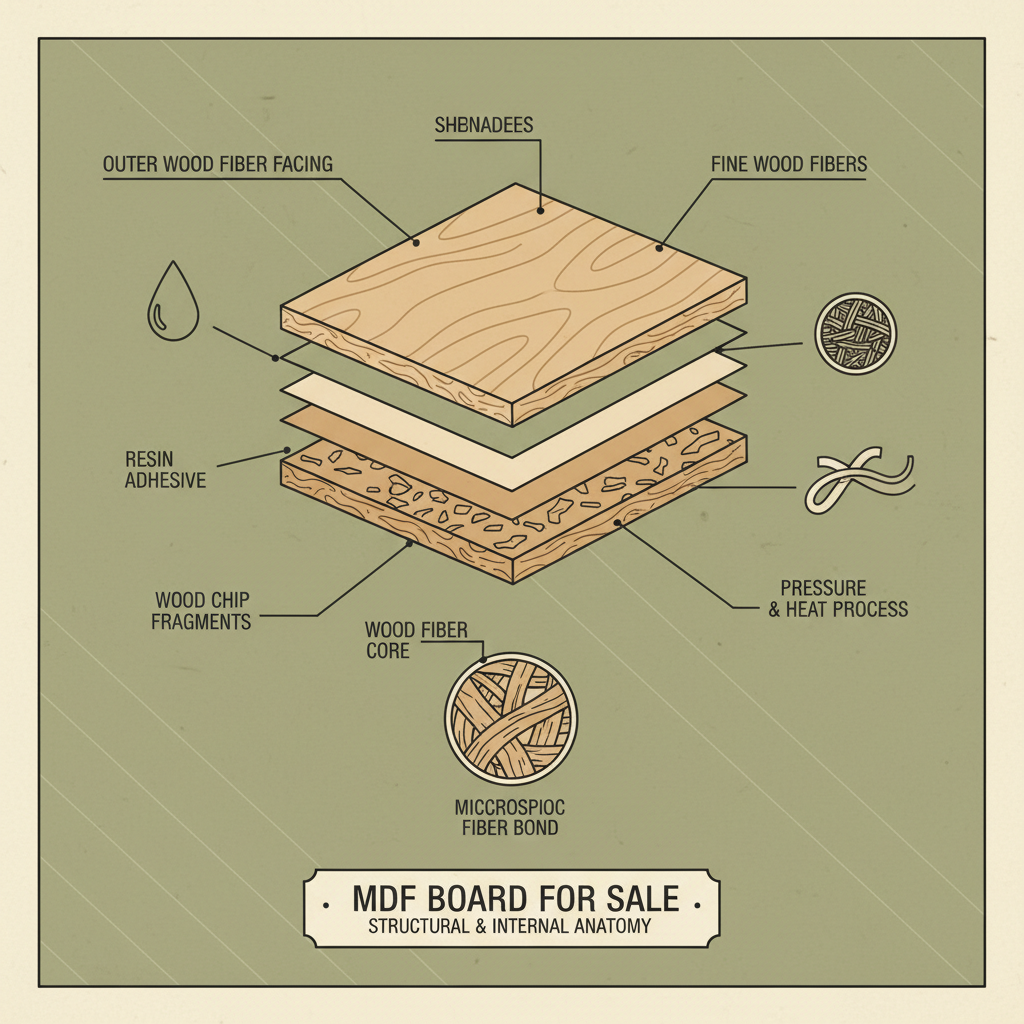
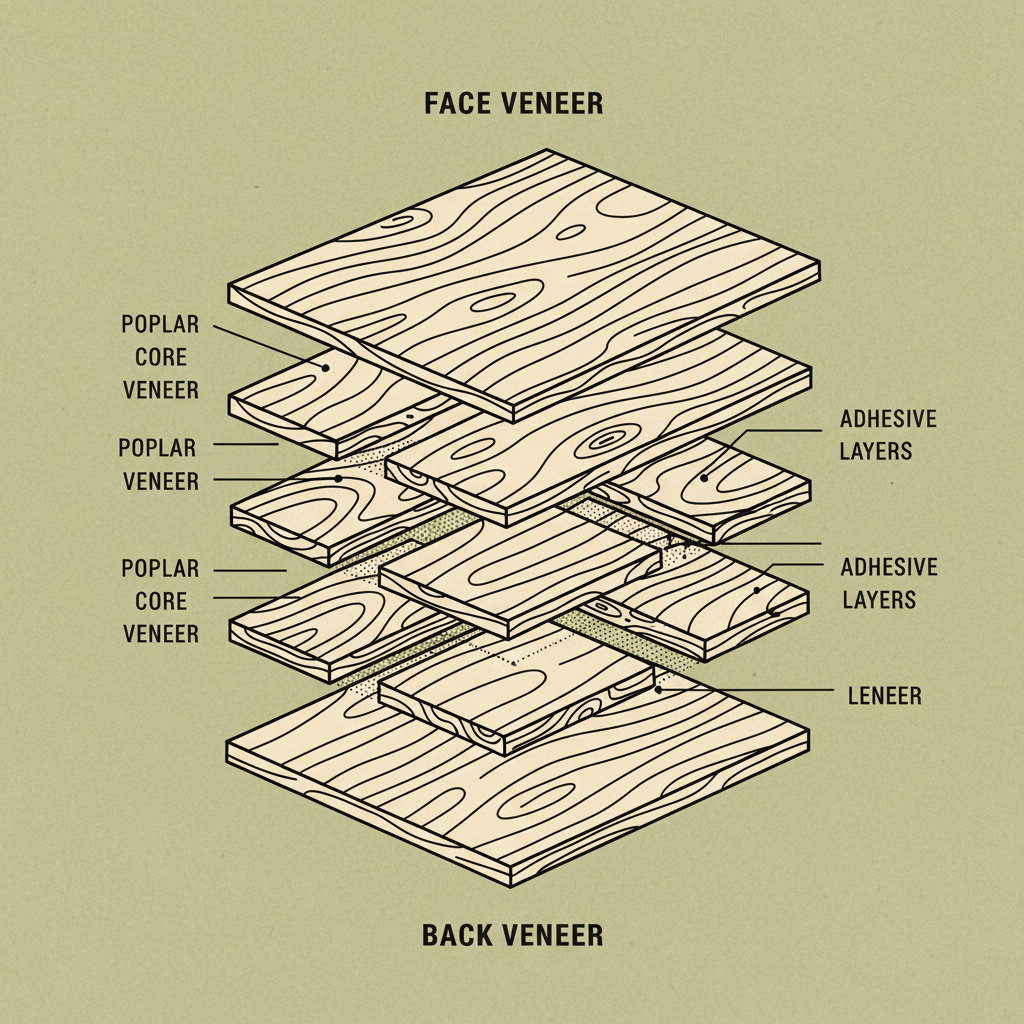
Wood veneer panel, at its core, is a thin slice of wood – typically less than 3mm thick – adhered to a substrate like plywood, particleboard, or MDF (Medium-Density Fiberboard). This process transforms a relatively small amount of valuable wood into a large surface area, effectively maximizing the resource. The veneer provides the aesthetic qualities of natural wood, such as grain patterns and textures, while the substrate provides structural integrity and stability.
Unlike solid wood, which can be susceptible to warping and cracking due to changes in humidity and temperature, wood veneer panel is more dimensionally stable, thanks to the underlying substrate. This makes it a preferable material for applications where consistent performance and long-term durability are essential.
The application of wood veneer panel directly addresses the modern need for sustainable building materials. By utilizing a thin layer of precious wood, it reduces the demand for logging and supports responsible forestry. It’s a crucial link between aesthetic desire and environmental responsibility within the construction and design world.
Key Characteristics of Wood Veneer Panel
Wood veneer panel possesses a unique combination of characteristics that make it highly desirable for various applications. One primary attribute is its aesthetic versatility. A wide range of wood species – from common oaks and maples to exotic walnut and mahogany – can be used as veneer, offering designers an almost limitless palette of colors and grain patterns.
Another crucial characteristic is its cost-effectiveness. Compared to using solid wood, wood veneer panel significantly reduces material costs, making it an accessible option for a wider range of projects. This cost saving doesn't compromise quality; modern manufacturing techniques ensure a high-quality, durable finish. Moreover, a well-made wood veneer panel offers a premium look without the premium price tag.
Furthermore, wood veneer panel is relatively lightweight, making it easier to handle and install compared to solid wood. This can translate to reduced labor costs and faster project completion times. Its adaptability to various shapes and curves also makes it ideal for complex design elements.
Durability and Performance Metrics
The durability of wood veneer panel is often a primary concern, but advancements in manufacturing and finishing technologies have significantly improved its performance. The quality of the substrate, the adhesive used, and the protective coating all play crucial roles in determining the panel’s longevity and resistance to wear and tear.
Performance metrics are often assessed based on resistance to scratching, impact, moisture, and temperature fluctuations. High-quality wood veneer panels can achieve excellent ratings in these areas, rivaling the durability of some solid wood applications.
Wood Veneer Panel Performance Comparison
Applications Across Industries
Wood veneer panel finds application across a remarkably diverse range of industries. In furniture manufacturing, it’s used extensively for cabinet doors, tabletops, and decorative panels. The construction industry utilizes it for wall paneling, doors, and even flooring.
The interior design sector benefits from the aesthetic versatility of wood veneer panel, employing it in creating stunning feature walls, custom millwork, and high-end residential projects. Furthermore, the marine industry leverages its lightweight and durable properties for boat interiors and cabinetry.
Advantages and Long-Term Value Proposition
The advantages of using wood veneer panel are multifaceted. Cost savings are significant, making high-end aesthetics accessible to a broader market. Its sustainability is a major draw, contributing to environmentally responsible projects. Beyond the initial cost and environmental benefits, well-maintained wood veneer panel retains its value over time, enhancing property aesthetics and potentially increasing resale value.
The long-term value proposition is further strengthened by its durability and ease of maintenance. With proper care, wood veneer panel can provide decades of beauty and functionality, making it a sound investment for both residential and commercial applications.
Future Trends and Innovations in Wood Veneer Panel
The future of wood veneer panel is being shaped by several exciting trends and innovations. Research into bio-based adhesives is gaining momentum, offering alternatives to traditional formaldehyde-based products. Digital printing technologies are enabling the creation of highly realistic wood grain patterns, expanding design possibilities.
Moreover, the integration of smart technologies – such as embedded sensors for monitoring humidity and temperature – is being explored to enhance the performance and longevity of wood veneer panels. The focus remains firmly on sustainability, with ongoing efforts to optimize resource utilization and minimize environmental impact.
Summary of Wood Veneer Panel Production Methods and Quality Control
| Production Method |
Typical Wood Species Used |
Quality Control Metrics |
Average Cost (per square meter) |
| Rotary Cutting |
Pine, Birch |
Grain Matching, Veneer Thickness |
$15 - $25 |
| Slice Cutting |
Oak, Maple, Walnut |
Grain Figure, Color Consistency |
$25 - $40 |
| Flitch Cutting |
Cherry, Mahogany |
Cathedral Grain, Veneer Defects |
$35 - $55 |
| Reconstituted Veneer |
Various Species (Dyed) |
Color Matching, Pattern Repeat |
$10 - $20 |
| Laser Engraved Veneer |
Maple, Birch |
Engraving Depth, Pattern Clarity |
$40 - $60 |
| Stone Veneer Effect |
MDF with printed veneer |
Visual Fidelity, Surface Texture |
$20 - $30 |
FAQS
While both offer a wood-like appearance, wood veneer panel features a real wood top layer, offering a natural texture and grain that laminate cannot replicate. Laminate uses a photographic image of wood, making it less authentic. Veneer typically offers better repairability and a more premium feel, though it is generally more expensive and requires more careful maintenance than laminate.
Regular dusting with a soft cloth is key. Avoid abrasive cleaners or excessive moisture. For spills, wipe up immediately with a damp cloth. Periodically applying a furniture polish designed for wood veneer can help preserve its luster. Avoid placing hot items directly on the surface and use coasters to protect against water rings.
Yes, absolutely. Wood veneer panel utilizes a thin layer of wood, maximizing resource efficiency and reducing the demand for solid lumber. When sourced from sustainably managed forests, it contributes to responsible forestry practices and helps minimize deforestation. Choosing wood veneer panel made with low-VOC adhesives further enhances its sustainability profile.
Yes, minor scratches and dents can often be repaired. For shallow scratches, a touch-up marker or wax fill can be used. Deeper damage may require professional repair, such as patching or replacing the veneer section. The repairability of veneer is one of its key advantages over laminate.
The most common substrates include plywood, particleboard, and MDF (Medium-Density Fiberboard). Plywood provides excellent strength and stability, while particleboard is a cost-effective option. MDF offers a smooth, consistent surface ideal for intricate designs. The choice of substrate depends on the specific application and performance requirements.
Several factors impact the price, including the wood species used (exotic woods are more expensive), the veneer cutting method (slice cut is typically more costly than rotary cut), the quality of the substrate, and the finishing applied. The thickness of the veneer also plays a role, with thicker veneers generally commanding a higher price.
Conclusion
In conclusion, wood veneer panel represents a compelling combination of aesthetic appeal, cost-effectiveness, and sustainability. Its versatility allows it to seamlessly integrate into a wide array of applications, from high-end furniture to large-scale architectural projects. As environmental consciousness grows, the demand for responsibly sourced and manufactured materials like wood veneer panel will undoubtedly continue to rise.
Looking ahead, further innovation in adhesive technologies, digital printing, and sustainable forestry practices will solidify wood veneer panel's position as a leading material in the construction and design industries. By embracing these advancements, we can unlock even greater potential for creating beautiful, durable, and environmentally responsible spaces. For exceptional quality and a diverse selection of wood veneer panel options, visit our website today!