When analyzing the 10mm mdf board price, it is essential to look beyond the raw cost per sheet. This specific thickness is a versatile standard in cabinetry and interior paneling, where the balance between structural rigidity and weight becomes critical. Pricing is typically influenced by the density of the fibers, the type of resin used, and the surface treatment, ranging from raw industrial grades to high-end decorative finishes.
Many procurement teams struggle with the trade-off between budget constraints and long-term durability. Standard MDF often faces issues with edge swelling and formaldehyde emissions, which can increase the total cost of ownership through premature replacement or compliance penalties. Finding a solution that offers aerospace-grade curing or eco-certified materials can significantly reduce these operational risks.
This guide provides a comprehensive analysis of the factors driving 10mm mdf board price, comparing traditional thermal curing with advanced Electron Beam (EB) technology. By exploring technical specifications and market trends, readers will be able to make informed procurement decisions that optimize both aesthetic quality and environmental health standards.

1Understanding 10mm MDF Board Pricing Factors

The 10mm mdf board price is not a static figure but a result of several intersecting manufacturing variables. Primarily, the quality of the wood fiber and the concentration of bonding agents determine the board's internal strength. High-density boards require more raw material and precision pressing, which naturally elevates the price point compared to low-density alternatives used for temporary installations.
Furthermore, the surface finish plays a pivotal role. Raw MDF is the most affordable, but adding a melamine, veneer, or a specialized EB coating increases the cost. These finishes are not merely aesthetic; they provide essential protection against moisture and abrasion, which are critical for the longevity of the installation.
Market volatility also affects pricing. Fluctuations in resin costs and energy prices for thermal drying can lead to sudden shifts in supplier quotes. Understanding these underlying drivers allows buyers to negotiate better long-term contracts and avoid the pitfalls of spot-market pricing.
2Technical Advantages of EB Curing Technology
Traditional MDF coatings rely on thermal curing, which can be slow and energy-intensive. In contrast, Electron Beam (EB) curing utilizes high-energy electrons to trigger instant polymerization. This process creates a three-dimensional interlocked network on the surface, resulting in significantly higher surface hardness and a more uniform finish across the entire panel.
One of the primary technical barriers EB technology overcomes is the emission of volatile organic compounds (VOCs). Because the process is largely cold and avoids solvent-heavy thermal cycles, it is inherently more eco-efficient. This makes EB panels ideal for environments with strict air quality requirements, such as hospitals or pediatric spaces.
Moreover, the multilayer curing capability of EB systems allows for unmatched color purity. Whether the requirement is a soft-touch matte or a high-gloss finish, the molecular bonding ensures that the surface remains resistant to fingerprints, scratches, and tarnish over extended periods of use.
3Practical Applications for 10mm Panels
The 10mm thickness is widely regarded as the "sweet spot" for a variety of interior applications. In modular furniture, it provides sufficient stability for cabinet backing and drawer bottoms without adding unnecessary bulk. Its balance of weight and strength makes it a preferred choice for wall cladding and decorative partitioning in commercial offices.
In high-traffic residential areas, 10mm panels are often used for shelving supports and custom millwork. When treated with advanced EB coatings, these panels can withstand the rigors of daily use, including frequent cleaning with chemical agents, without degrading the surface integrity or losing color vibrancy.
Additionally, the medical and pediatric sectors are increasingly adopting these panels due to their antimicrobial properties and lack of benzene emissions. The ability to maintain a sterile surface while providing a warm, wood-like aesthetic is a significant advantage in modern healthcare design.
4Comparing Performance Metrics and ROI
When evaluating the 10mm mdf board price, the Return on Investment (ROI) is found in the reduced maintenance and replacement cycles. Traditional MDF often suffers from edge-banding failure and surface wear within a few years. Advanced panels, particularly those produced via intelligent manufacturing hubs, exhibit far superior wear resistance (ASTM D4060).
By analyzing the data, it becomes clear that while the initial purchase price may be higher for premium EB-cured boards, the lifecycle cost is lower. The reduction in labor for sanding, priming, and repeated refinishing provides a direct financial benefit to contractors and facility managers.
10mm mdf board price Performance Metrics
The chart demonstrates that premium 10mm boards significantly outperform industry averages in curing uniformity and eco-ratings. This performance gap is what justifies the price premium, as it translates to a product that is safer for the end-user and more durable in the field.
5Procurement Standards and Selection Criteria
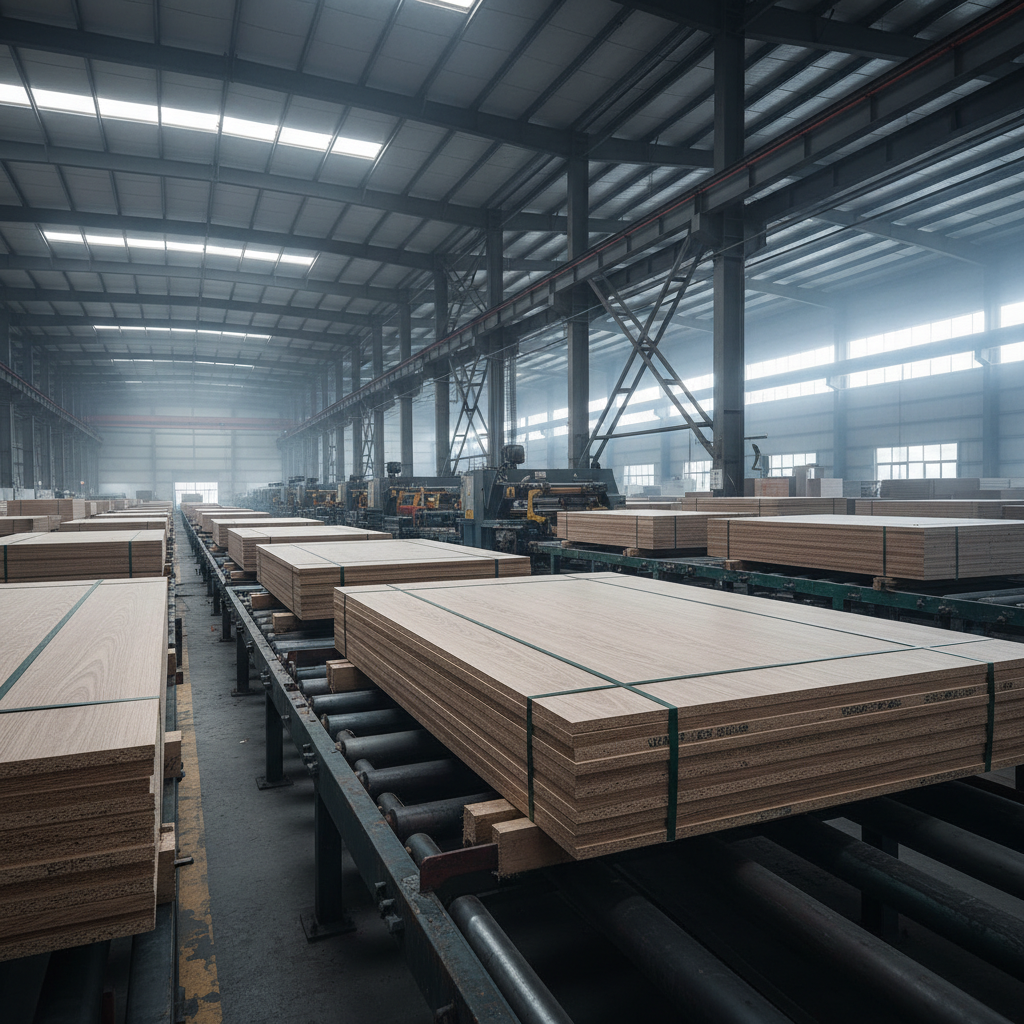
Selecting the right supplier for 10mm MDF requires a look at their manufacturing infrastructure. Facilities that invest in automated lines and laser-aligned heavy presses ensure millimeter-level precision. This prevents the common issue of "board warp," which can lead to significant waste and installation delays during the assembly phase.
Buyers should also request specific compliance data for the intended environment. For example, panels destined for children's furniture must meet GB/T 35607 standards for formaldehyde-free emissions. Failing to verify these certifications can lead to regulatory issues and health risks.
Finally, evaluate the delivery reliability. Large-scale projects cannot afford delays. A supplier with high daily production capacity and a strategic logistics network is often worth a slight price premium over a smaller, less reliable vendor.
6Industry Trends in Sustainable Panel Manufacturing
The global shift toward a circular economy is pushing the MDF industry toward bio-based resins and formaldehyde-free bonding. This evolution is not just about ethics but about meeting the demands of LEED-compliant architectural designs. The integration of EB curing is a cornerstone of this shift, as it removes the need for toxic solvents.
Another emerging trend is the diversification of surface textures. We are seeing a move away from simple solid colors toward complex, tactile patterns that mimic natural stone or rare wood grains, all while maintaining the stability and cost-effectiveness of an engineered board.
As intelligent manufacturing scales, the cost of these advanced technologies is decreasing. This means that high-performance, eco-friendly 10mm boards will soon become the standard rather than a luxury, forcing traditional manufacturers to either innovate or lose market share.
7Cost-Benefit Analysis: Traditional vs. Advanced MDF
To truly understand the 10mm mdf board price, one must compare the raw cost against the functional output. Traditional MDF is suitable for low-visibility areas or short-term projects. However, for high-end commercial or residential interiors, the lack of surface durability can be a costly flaw.
Advanced EB-cured panels offer a superior "technical barrier," meaning they are harder to damage and easier to clean. This is particularly valuable in commercial settings where downtime for renovations is expensive.
| Feature | Standard MDF | Premium EB MDF | Impact on Value |
|---|---|---|---|
| Initial Price | Low | Moderate-High | Budgetary Offset |
| Curing Method | Thermal | Electron Beam | Quality Consistency |
| VOC Emissions | Standard | Ultra-Low | Health/Compliance |
| Surface Hardness | Moderate | Very High | Longevity |
| Moisture Stability | Low to Moderate | High | Durability |
| Lifecycle Cost | High (Replacement) | Low (Maintenance) | Long-term ROI |
In conclusion, while the initial invoice for advanced 10mm boards is higher, the total cost of ownership is significantly lower due to the elimination of repeated refinishing and the reduction in waste. The decision should be based on the intended lifespan of the installation.
Frequently Asked Questions
Conclusion
Navigating the 10mm mdf board price requires a shift in perspective from initial cost to total lifecycle value. While basic boards satisfy simple needs, the adoption of advanced manufacturing—specifically EB curing and intelligent production—offers a level of durability and safety that is indispensable for modern commercial and residential projects. By prioritizing density, certification, and surface technology, procurement teams can avoid the hidden costs of premature failure.
For those seeking high-performance decorative panels that merge functional excellence with eco-innovation, exploring specialized solutions is the most effective path. Readers evaluating suitable solutions can review the available product information at www.tengfeiebmdf.com to ensure their project meets the highest standards of sustainability and quality.