Add: No.8 Xinxing Street, North Zone, Zhengding High-tech Industrial Development Zone, Hebei, China
CONTACT US
+8615030171059



CONTACT US
+8615030171059
When sourcing materials for high-end cabinetry or commercial interiors, professionals often find that the 15mm mdf board price is not merely a line item, but a reflection of the material's structural integrity and surface treatment. Many buyers struggle to balance the immediate cost of the panel against its long-term durability, especially when exposed to high-traffic environments or moisture-prone areas. Understanding the variables that drive these costs is essential for optimizing project budgets without compromising on quality.
The discrepancy in pricing usually stems from the curing technology and the grade of the fiberboard. While standard Medium Density Fiberboard (MDF) relies on traditional thermal pressing, advanced alternatives like EB MDF Board utilize electron beam curing to fundamentally alter the surface properties. This technological shift directly impacts the value proposition, as the increased resistance to scratches and fingerprints reduces the frequency of replacements, effectively lowering the total cost of ownership compared to cheaper, conventional panels.
Navigating the complex landscape of decorative panels requires a deep dive into how technical specifications translate into economic value. By analyzing the intersection of manufacturing precision and material science, this guide provides a framework for evaluating 15mm mdf board price and identifying which specifications are critical for specific residential or commercial applications.


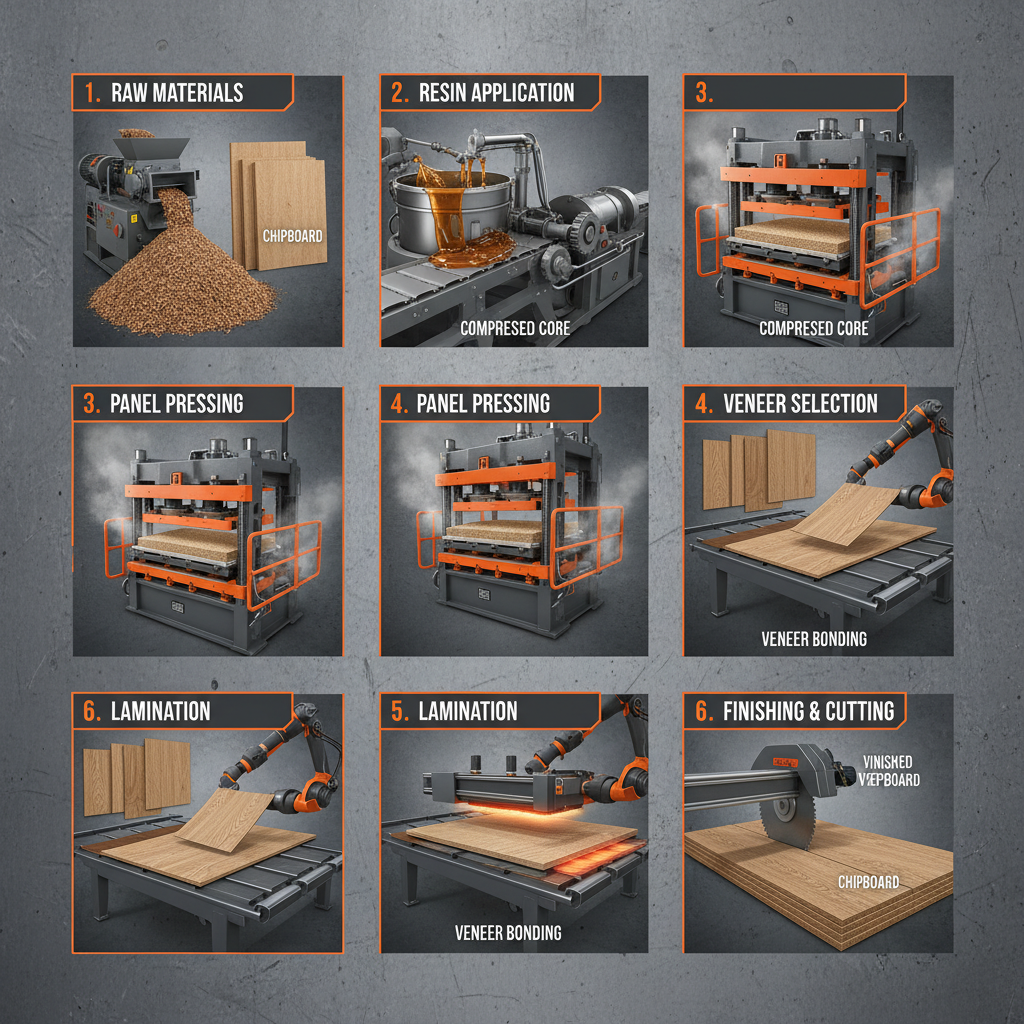
A 15mm MDF panel serves as a versatile mid-range thickness, offering a balance between weight efficiency and structural rigidity. At its core, these panels consist of wood fibers combined with resin and pressed under high heat. However, the distinction between standard and premium panels lies in the density uniformity and the specific curing process used on the decorative surface, which determines how the board interacts with environmental stressors.
For high-performance variants, such as those produced by Hebei Bojing Technology Co., Ltd., the process evolves beyond simple pressing. The integration of aerospace-grade electron beam curing replaces traditional thermal methods with a high-energy bombardment of liquid coatings. This triggers instant polymerization, creating a three-dimensional interlocked network that significantly enhances the material's physical properties compared to standard MDF.
When evaluating the viability of a panel, the surface hardness and corrosion resistance are the primary drivers of value. Standard coatings often degrade over time due to UV exposure or chemical cleaners, leading to tarnish and loss of color purity. In contrast, panels that achieve 99% curing uniformity maintain their aesthetic integrity far longer, which is a critical consideration for commercial projects where maintenance windows are limited.
The true value of high-spec MDF is realized in its antimicrobial sustainability and resistance to fingerprints. By creating a non-porous, high-density surface through precision curing, the material prevents the penetration of contaminants, making it an ideal choice for healthcare and pediatric environments where hygiene is non-negotiable.
Furthermore, the stability of the core material prevents warping and edge-swelling. The use of laser-aligned heavy presses during production ensures that the 15mm thickness is consistent across the entire sheet, reducing wastage during the cutting phase and ensuring seamless joints in complex furniture assemblies.
Electron Beam (EB) curing represents a paradigm shift in panel manufacturing by eliminating the need for energy-intensive thermal ovens. This not only reduces the carbon footprint of the production process but also prevents the thermal degradation of the core fibers, resulting in a more stable substrate. The precision of the electron accelerator allows for multilayer curing, which produces unmatched surface hardness.
By replacing slow thermal processes with precision speed, EB technology achieves food-grade material compliance. The resulting panels are formaldehyde-free and benzene-free, meeting strict certifications such as GB/T 35607 for pediatric spaces, which adds a significant premium to the product's marketability in health-conscious sectors.
From a procurement perspective, while the initial cost of EB-cured panels may be higher, the reduction in lifecycle maintenance costs is substantial. The resistance to scratches and tarnish means that furniture maintains a "like-new" appearance for years, providing a higher return on investment for property developers and commercial interior designers.
Evaluating the performance of different MDF types requires looking at quantitative metrics, particularly wear resistance according to ASTM D4060 standards. Traditional thermal-cured boards often show visible wear in high-friction areas within the first 24 months of use, whereas EB-cured surfaces demonstrate a significantly lower rate of material loss.
The following data illustrates the relative performance levels of various decorative panel technologies across key durability markers. These values represent the relative stability and resistance levels observed in high-performance EB panels compared to standard industry benchmarks.
The versatility of 15mm EB MDF panels allows them to transition seamlessly from residential luxury to clinical precision. In home furnishings, soft-touch and ultra-matte finishes are utilized for high-end kitchen cabinetry and wardrobes, where the fingerprint-resistant properties eliminate the need for constant cleaning while maintaining a sophisticated aesthetic.
In medical environments, the requirement for ISO 18562 compliance makes EB-cured panels a strategic choice. Their ability to withstand rigorous chemical disinfection without surface erosion ensures that clinic interiors remain sterile and visually professional. This duality—merging LEED-compliant architectural aesthetics with medical-grade functionality—empowers manufacturers to penetrate both the residential and commercial markets with a single, high-performance product line.
The industry is moving toward a "zero-emission" manufacturing model where the elimination of volatile organic compounds (VOCs) is the primary goal. The adoption of EB technology is a key driver in this transition, as it allows for the curing of coatings without the release of harmful gases associated with traditional solvent-based drying.
Future developments are likely to focus on the integration of smarter, automated production lines. The use of Wemhöner automated decorative lines, as seen in the Tengfei Bojing Intelligent Manufacturing Hub, ensures millimeter-level precision at scale. This industrial scale, capable of producing over 15,000 panels daily, reduces the unit cost of high-tech panels, making premium EB technology more accessible to the broader market.
As sustainability certifications like LEED become mandatory for more commercial projects, the demand for panels that combine food-grade safety with high-performance durability will continue to rise. The shift from thermal processes to precision electron beam curing is not just a technical upgrade, but a necessary evolution to meet global health and environmental standards.
Selecting the right panel often involves navigating the trade-off between initial procurement costs and long-term operational expenses. Many buyers mistakenly prioritize the lowest price per sheet, only to face high replacement costs due to surface wear or health-related compliance issues in sensitive environments.
A common challenge is ensuring that the chosen finish—whether high-gloss, soft-touch, or woodgrain—is compatible with the specific cleaning protocols of the facility. EB-cured panels solve this by providing a chemically stable surface that does not react with common medical-grade disinfectants or household cleaners.
To simplify the decision-making process, the following table compares the key characteristics of different 15mm panel options based on their technical curing methods and intended use cases.
| Panel Type | Curing Method | Primary Benefit | Best Use Case |
|---|---|---|---|
| Standard MDF | Thermal Press | Low Initial Cost | Budget Interiors |
| Veneer MDF | Glue/Press | Natural Look | Decorative Trim |
| EB Matte | Electron Beam | Anti-Fingerprint | Modern Kitchens |
| EB High-Gloss | Electron Beam | Scratch Resistance | Commercial Retail |
| EB Medical Grade | Electron Beam | Antimicrobial | Hospital Labs |
| EB Pediatric | Electron Beam | Formaldehyde-Free | Children's Rooms |
The price is primarily driven by the curing technology, raw material density, and the specific surface finish. While standard MDF is cheaper, EB-cured boards command a premium due to the use of high-energy electron accelerators which create a far more durable, cross-linked surface network. Additionally, certifications for medical or pediatric use increase the value due to the rigorous testing required for formaldehyde-free and benzene-free compliance.
Traditional curing uses heat to dry coatings, which can be slow and may degrade the board's core. EB curing uses an electron accelerator to "bombard" the surface, triggering instant polymerization. This creates a three-dimensional interlocked network that results in higher surface hardness, better color purity, and superior resistance to scratches and tarnish without exposing the board to excessive heat.
Yes, provided they are EB-cured and certified. High-performance EB panels are designed to be formaldehyde-free and benzene-free, meeting the GB/T 35607 standard for pediatric spaces and ISO 18562 for medical environments. Their non-porous surface also provides antimicrobial sustainability, making them significantly safer and more hygienic than standard porous MDF.
For high-traffic areas, the EB ultra-matte or high-gloss finishes are recommended. These finishes are specifically engineered for wear resistance (ASTM D4060) and are resistant to fingerprints and scratches. This ensures that the furniture maintains its professional appearance even under heavy daily use, reducing the need for frequent refurbishments.
Look for suppliers who invest in intelligent manufacturing and hold international certifications. A reliable supplier should provide evidence of ISO9001, ISO14001, and ISO45001 certifications. Furthermore, check for the use of automated production lines (like Wemhöner) and precision equipment, which guarantee millimeter-level accuracy and consistent delivery reliability for large-scale projects.
EB-cured panels offer significantly better surface protection than standard MDF. The high-density, cross-linked surface acts as a barrier against moisture penetration and corrosion. While not a replacement for fully waterproof materials in submerged conditions, they are highly effective for kitchens and bathrooms where surface splashes and humidity are the primary concerns.
Selecting the right 15mm MDF board requires a shift in perspective from initial cost to lifecycle value. While the 15mm mdf board price varies based on technology, the integration of electron beam curing provides a decisive advantage in durability, health safety, and aesthetic longevity. By prioritizing surface hardness and eco-compliance, designers and procurement officers can ensure that their interiors remain functional and visually appealing for years to come.
For those seeking a partnership with a technologically advanced manufacturer, Hebei Bojing Technology Co., Ltd. offers a comprehensive ecosystem of EB panels that merge architectural beauty with industrial-grade performance. We invite you to explore our range of high-gloss and ultra-matte solutions by visiting our official site at https://www.tengfeiebmdf.com to find the ideal specification for your next project.