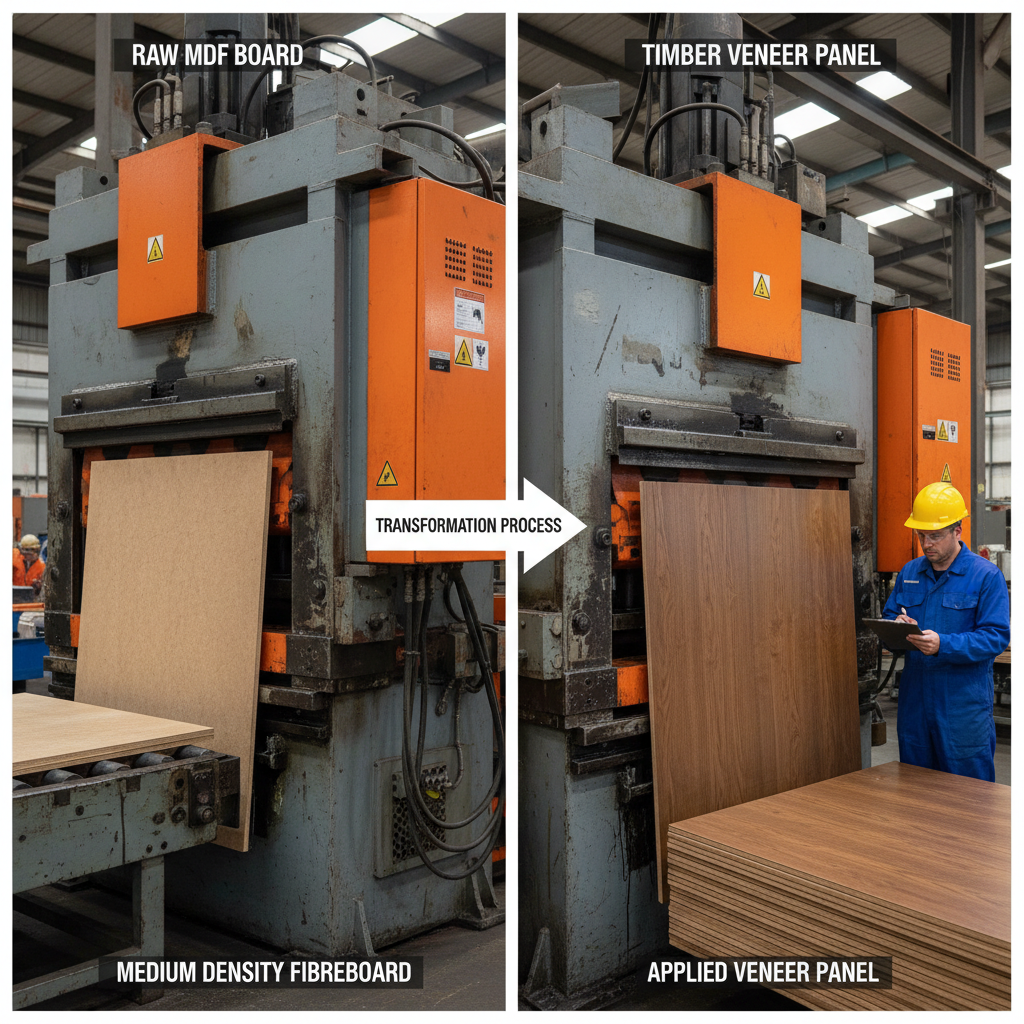
In the modern landscape of interior design and commercial construction, veneered chipboard panels have emerged as a pivotal bridge between cost-efficiency and high-end aesthetics. By combining the structural stability of engineered wood with the timeless beauty of natural wood veneers, these panels provide a versatile solution for architects and furniture manufacturers worldwide.
The global shift toward sustainable building materials has placed a renewed spotlight on these composite solutions. As the demand for luxury finishes increases while budgets tighten, understanding the technical nuances of veneered chipboard panels becomes essential for ensuring project longevity and visual appeal.
From high-traffic office environments to bespoke residential cabinetry, these panels offer a scalable way to integrate the warmth of real wood without the volatility and cost of solid lumber. This guide explores their composition, application, and the evolving trends that make them a staple in contemporary woodworking.
The Global Market Context of Veneered Chipboard Panels
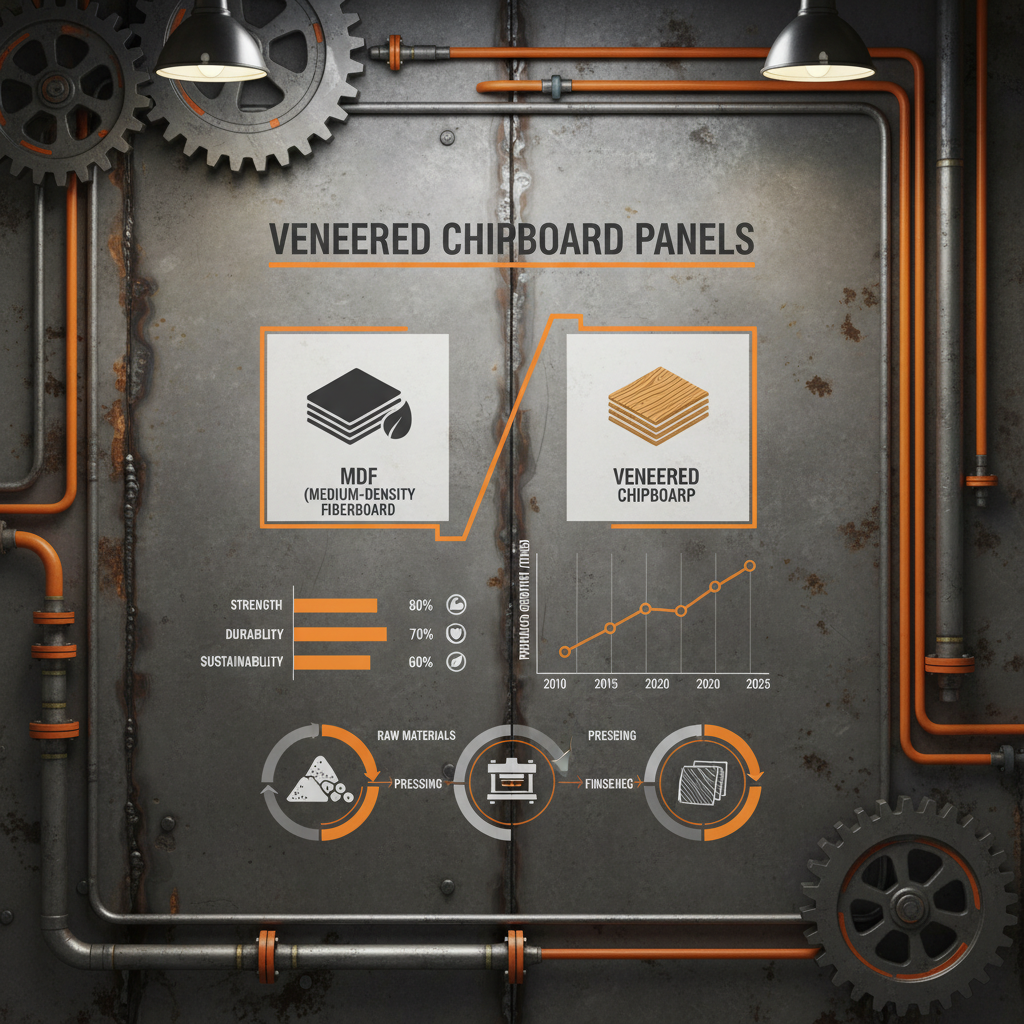
The international demand for engineered wood products has seen a steady incline, with veneered chipboard panels playing a critical role in the growth of the modular furniture sector. According to industry trends aligned with ISO standards for wood-based panels, the transition from solid wood to veneered composites is driven by the need to reduce deforestation and stabilize raw material costs across Europe and Asia.
However, the industry faces a persistent challenge: balancing the "natural look" with the rigorous durability requirements of commercial spaces. This is where the engineering of the core—whether using high-density chipboard or specialized MDF—becomes the deciding factor in whether a panel will warp under humidity or maintain its structural integrity for decades.
Defining the Composition of Veneered Chipboard Panels
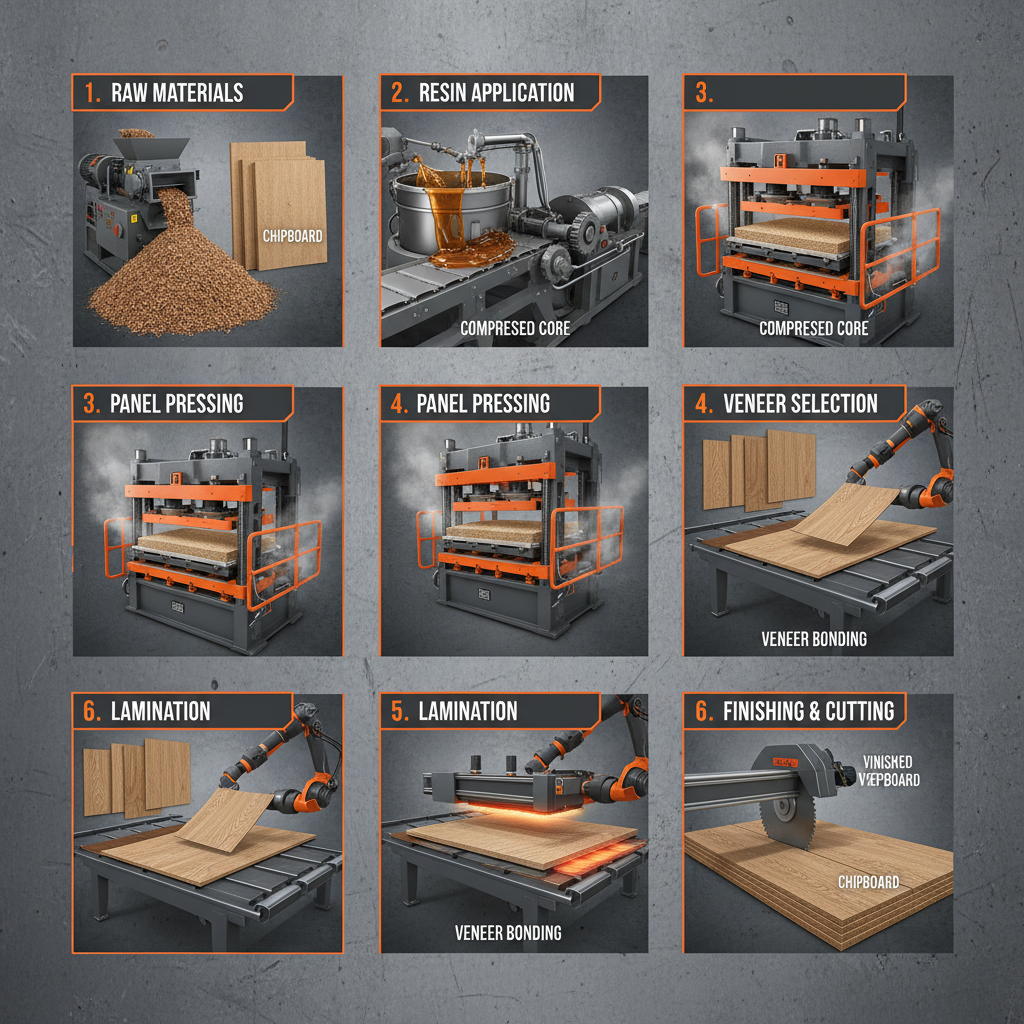
At its most basic level, veneered chipboard panels consist of a core made from compressed wood chips, shavings, or sawdust bonded with synthetic resins, which is then topped with a thin layer of genuine hardwood veneer. This symbiotic relationship allows the core to provide the necessary bulk and flatness, while the veneer provides the aesthetic "skin" that mimics expensive solid timber.
From an industrial perspective, this composition is a response to the inherent instability of solid wood, which is prone to shrinking and swelling. By utilizing a chipboard core, manufacturers can produce large, uniform sheets that are far more dimensionally stable, making them ideal for the mass production of cabinetry, wall paneling, and office desks.
The connection to modern humanitarian and urban needs is clear: the ability to create high-quality, dignified living and working spaces quickly and affordably. Whether it is for rapid urban housing development or high-end corporate fit-outs, these panels ensure that the psychological warmth of wood is accessible regardless of the project's budget constraints.
Core Technical Factors Driving Panel Performance
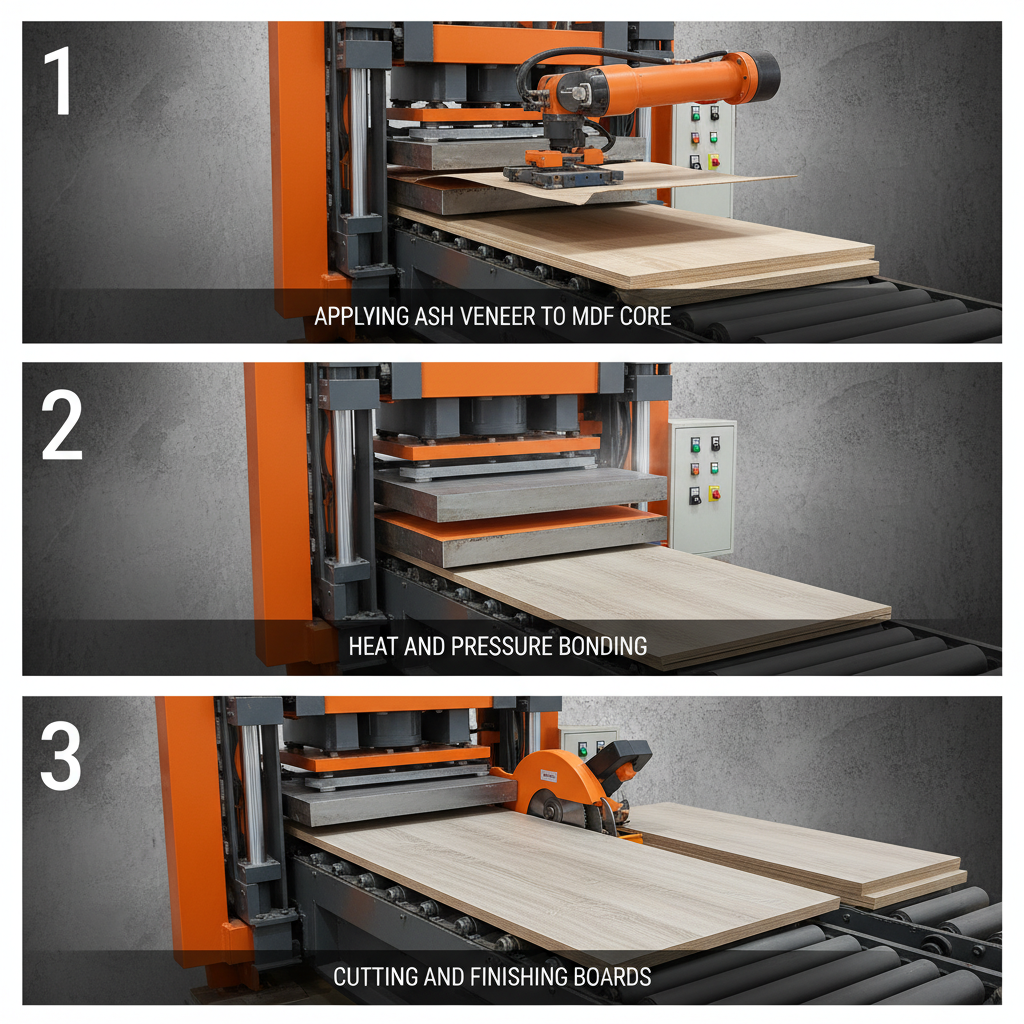
One of the primary factors influencing the quality of veneered chipboard panels is the adhesive bonding process. The use of advanced resins ensures that the veneer adheres perfectly to the core without bubbling or peeling, which is critical for panels exposed to varying temperature zones.
Dimensional stability is the second pillar of performance. Because the chipboard core is isotropic—meaning its properties are similar in all directions—veneered chipboard panels are significantly less likely to bow or twist compared to solid wood, ensuring that doors and drawers remain perfectly aligned over time.
Finally, the grade of the veneer itself determines the final commercial value. From rotary-cut to sliced veneers, the selection process impacts the grain continuity and the overall "luxury" feel of the finished product, allowing for a wide range of visual outcomes from rustic oaks to sleek walnuts.
Industrial Applications and Use Cases
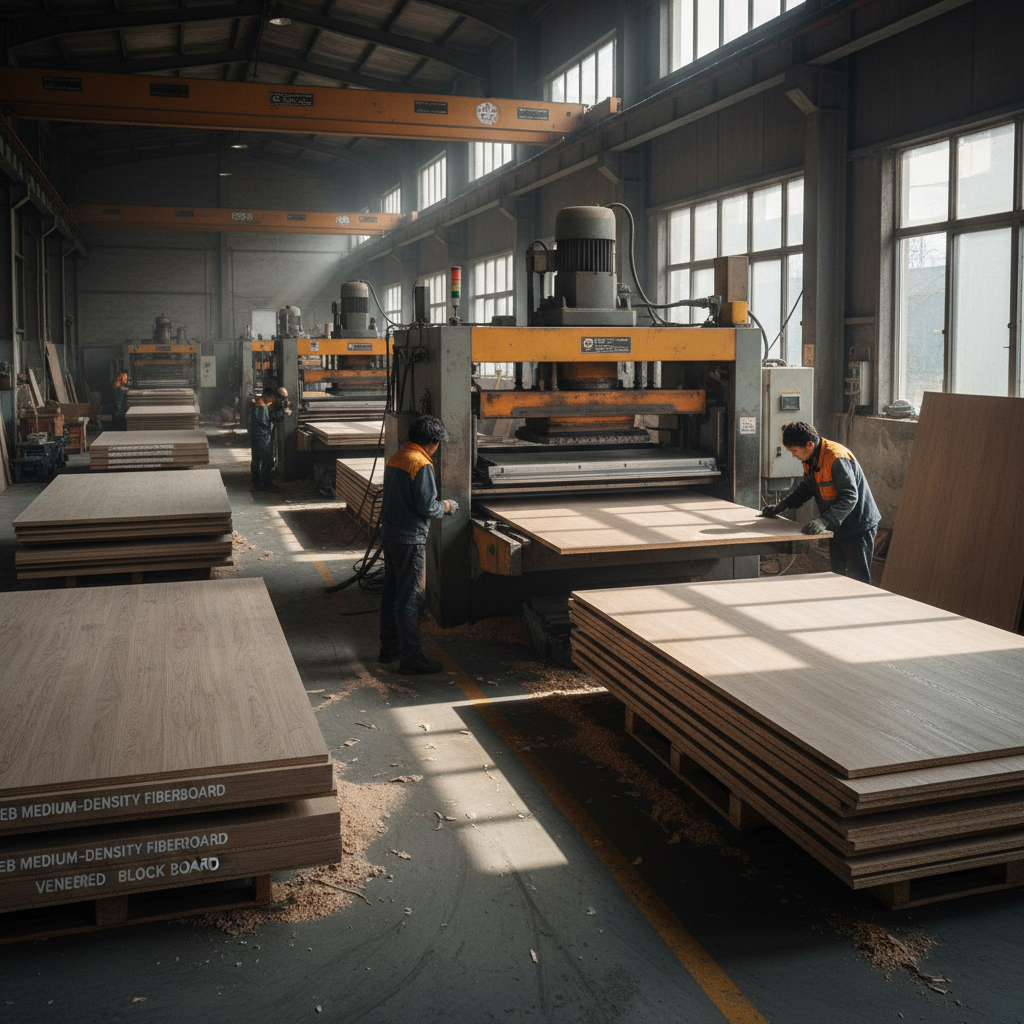
The versatility of veneered chipboard panels allows them to be deployed across a spectrum of environments. In the commercial office sector, they are the gold standard for conference tables and workstations, providing a professional image that withstands the daily wear and tear of a corporate setting.
Beyond the office, these panels are extensively used in hospitality and retail. For instance, in luxury hotel lobbies or high-end boutique stores in regions like the Middle East and North America, veneered panels are used for decorative wall cladding and reception desks to create an atmosphere of opulence while keeping installation timelines short.
Performance Comparison of Veneered Chipboard Panel Types
Economic Advantages and Long-Term Value
From a financial perspective, veneered chipboard panels offer an unparalleled return on investment. They allow designers to achieve the "look" of expensive hardwoods—such as Ebony or Teak—at a fraction of the material cost. This democratization of luxury means that higher standards of living and working environments can be achieved without exorbitant capital expenditure.
Beyond the immediate cost savings, the long-term value lies in the sustainability of the product. By utilizing recycled wood waste for the core, these panels reduce the pressure on old-growth forests. When combined with responsibly sourced veneers, they represent a circular economy approach to furniture manufacturing, enhancing the brand image of companies that prioritize ESG (Environmental, Social, and Governance) goals.
Future Innovations in Veneered Chipboard Technology
The future of veneered chipboard panels is being shaped by the integration of "Green Chemistry." Research is currently focused on replacing formaldehyde-based resins with bio-based adhesives, which will eliminate VOC emissions and make these panels safer for indoor air quality in schools and hospitals.
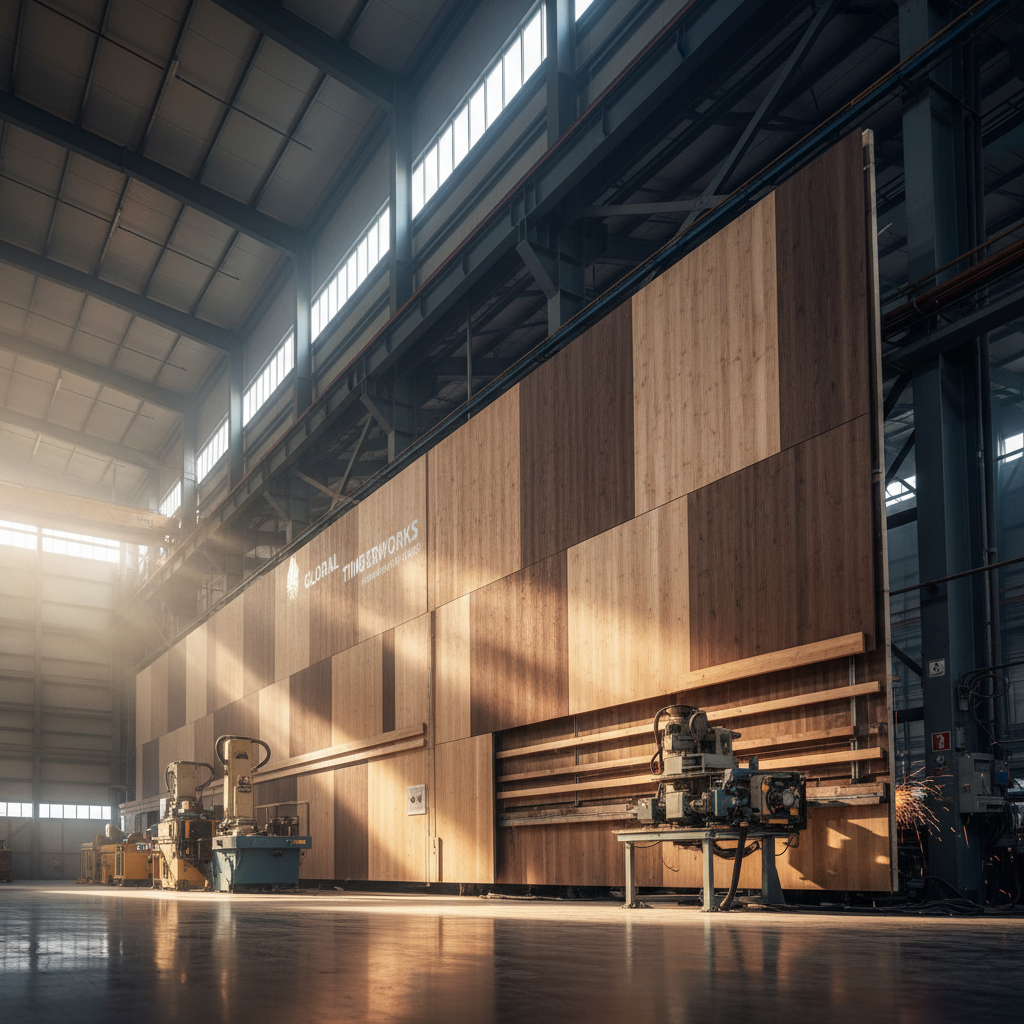
Additionally, digital transformation is revolutionizing the veneer application process. CNC-precision cutting and automated veneer matching systems now allow for "book-matching" and "slip-matching" on a massive scale, ensuring that the grain patterns across large walls are seamless and visually stunning, reducing manual labor and material waste.
We are also seeing a trend toward hybrid cores. By combining the strengths of chipboard with EB MDF (Electron Beam Medium Density Fiberboard), manufacturers are creating panels that possess the rigidity of chipboard but the smooth, paintable edges of MDF, offering architects even more creative freedom in their designs.
Common Implementation Challenges and Solutions
One of the most common challenges when working with veneered chipboard panels is edge banding. Because the core is visible on the sides, an improperly applied edge strip can lead to peeling or an unsightly seam. The solution lies in the use of high-pressure PUR (Polyurethane) adhesives, which provide a waterproof and nearly invisible joint.
Another hurdle is the susceptibility of the chipboard core to moisture if the veneer is breached. To combat this, industry experts recommend the use of moisture-resistant (MR) grade cores for kitchen or bathroom applications. Applying a high-quality sealant to the cut edges prevents water ingress and ensures the panel does not swell.
Lastly, color fading due to UV exposure can affect the natural veneer. Implementing UV-resistant topcoats and lacquers not only protects the wood's natural hue but also adds a layer of scratch resistance, extending the lifecycle of the furniture significantly.
Technical Comparison of Veneered Chipboard Panel Solutions
|
Core Material
|
Durability Score (1-10)
|
Cost Efficiency
|
Best Application
|
| Standard Particle Board |
6 |
Excellent |
Low-cost shelving |
| High-Density Chipboard |
8 |
Good |
Office desks |
| Moisture-Resistant Core |
9 |
Moderate |
Kitchen cabinets |
| EB MDF Hybrid |
10 |
Premium |
Luxury wall panels |
| Plywood-Backed Veneer |
9 |
Moderate |
Heavy-duty doors |
| Recycled Fiber Core |
7 |
Excellent |
Eco-friendly furniture |
FAQS
The main difference lies in the structure. Solid wood is a single piece of timber, whereas veneered chipboard panels consist of a processed wood-chip core with a thin decorative wood layer on top. This makes veneered panels more dimensionally stable, less prone to warping, and significantly more affordable while maintaining a similar appearance.
Yes, they are often more sustainable than solid wood because the core is made from recycled wood waste and fast-growing softwoods. By reducing the reliance on old-growth hardwoods for the bulk of the furniture, these panels help preserve natural forests. However, it is important to check for E0 or E1 emission ratings to ensure low formaldehyde content.
You can sand them, but you must be extremely careful. The wood veneer is very thin; sanding too deeply will cut through the veneer and expose the chipboard core, which cannot be repaired. Light sanding with high-grit sandpaper is recommended before applying a new stain or clear coat.
The best way to prevent damage is to use moisture-resistant (MR) cores in humid areas and ensure all cut edges are sealed with high-quality edge banding or a waterproof sealant. This prevents water from seeping into the core, which would otherwise cause the panel to swell and the veneer to delaminate.
It depends on the application. Veneered chipboard is generally more cost-effective and offers better structural rigidity for large flat surfaces like tabletops. Veneered MDF is denser and provides a smoother surface, making it superior for intricate routing or curved edges. For most cabinetry, chipboard is the economical choice.
In a controlled indoor environment, these panels can last 15-25 years. The lifespan depends heavily on the quality of the core and the maintenance of the finish. Avoiding standing water and using UV-protective coatings are the best ways to ensure long-term durability.
Conclusion
In summary, veneered chipboard panels represent a sophisticated balance of engineering and nature. By combining the stability of an engineered core with the aesthetic brilliance of real wood, they provide a scalable, sustainable, and cost-effective solution for the global furniture and construction industries. From their technical composition to their diverse industrial applications, these panels ensure that quality design is no longer restricted by the scarcity of solid timber.
As we look toward the future, the integration of bio-adhesives and digital manufacturing will only further enhance the value of these composites. For developers and designers seeking to maximize both visual impact and budget efficiency, investing in high-grade veneered panels is a strategic choice. To explore the highest standards in engineered wood solutions, visit our website: www.tengfeiebmdf.com.