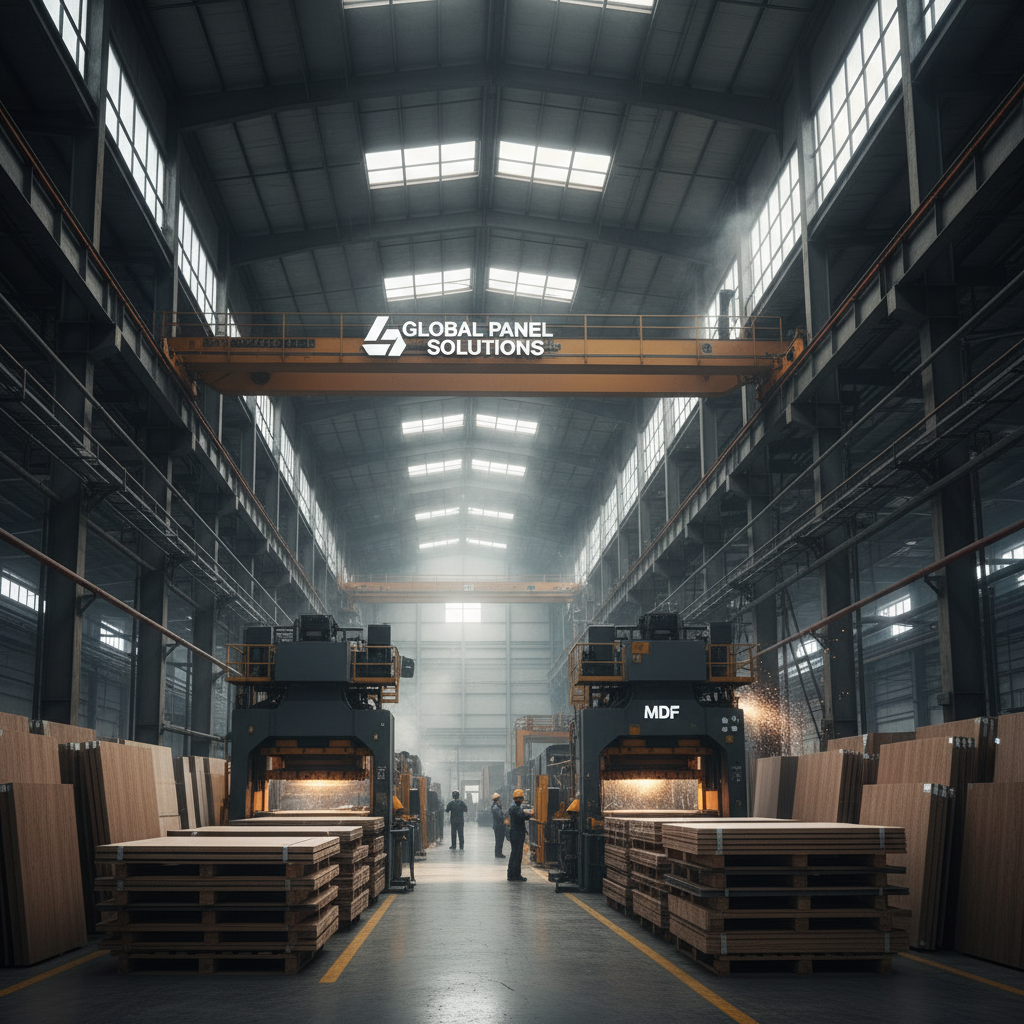
Timber veneer board – it’s more than just a pretty face. After years walking construction sites, dealing with budgets, and frankly, inhaling sawdust, I can tell you it’s a material that solves a lot of headaches. We’re talking about real wood, a natural aesthetic, but without the drawbacks of solid lumber – the warping, the costs, the sourcing issues. It’s about getting the look and feel of quality wood, scaled for modern building demands. It's a game-changer for architects, designers, and builders alike, offering a sustainable alternative that doesn’t compromise on style or performance.
For decades, construction relied heavily on solid wood, which, while beautiful, is becoming increasingly difficult to sustainably source and can be incredibly expensive. Then came the laminate boom, and while cost-effective, it often lacked the tactile warmth and authentic appeal clients were after. Timber veneer board bridges that gap – it’s a cost-effective solution that feels high-end and delivers on quality. I've seen it used in everything from high-rise interiors to bespoke furniture, consistently delivering a premium finish.
And it’s not just about aesthetics. The stability of veneer board compared to solid wood is a massive win on-site. Less waste, easier installation, and a more consistent finish are things every contractor appreciates. It’s a material that’s quietly revolutionizing how we build, offering a blend of tradition and innovation that’s hard to ignore.
The Fundamentals of Timber Veneer Board
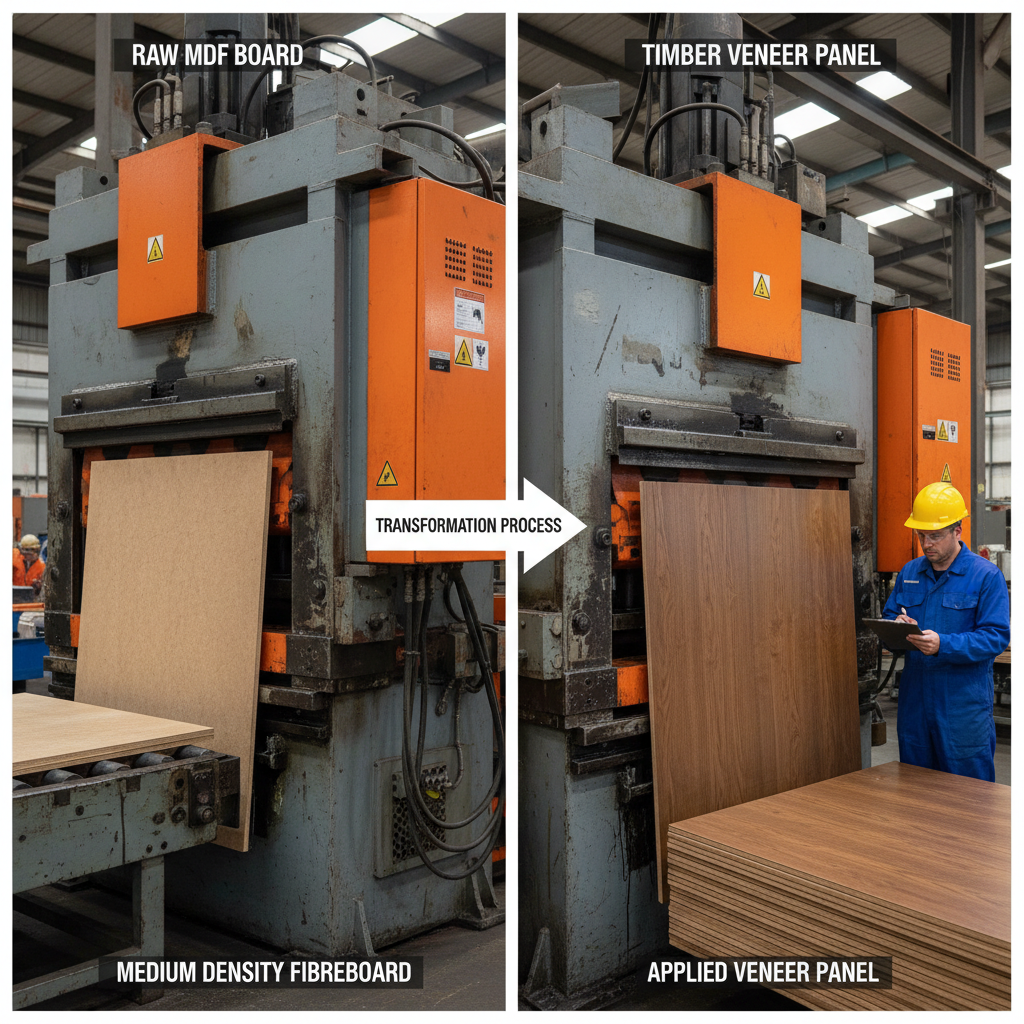
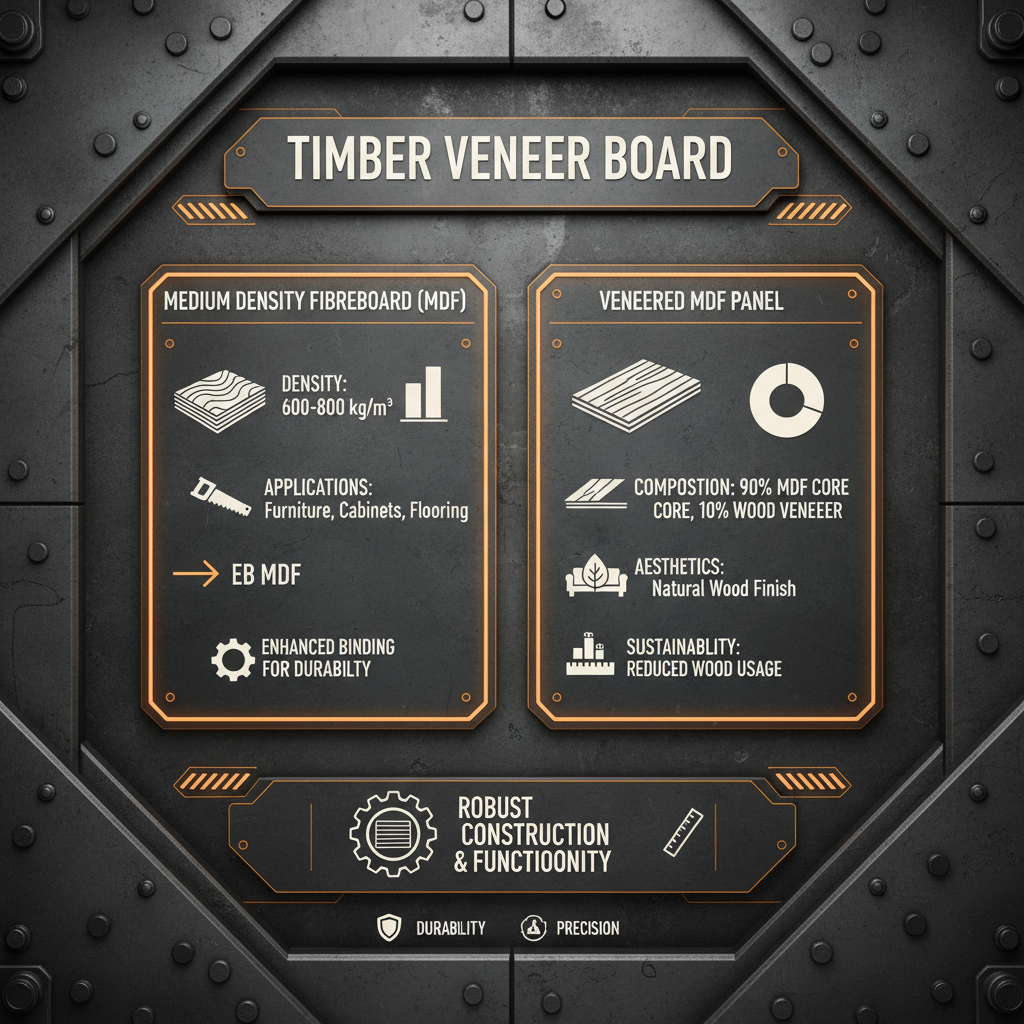
At its core, timber veneer board is a composite material made by bonding a thin layer of real wood veneer onto a core – typically particleboard, MDF, or plywood. What separates it from traditional laminates is that real wood veneer. This isn’t just a cosmetic difference; it affects the feel, the finish, and how the material responds to things like humidity and wear. I've seen enough projects to tell you, that 'real wood' aspect makes a huge difference to clients.
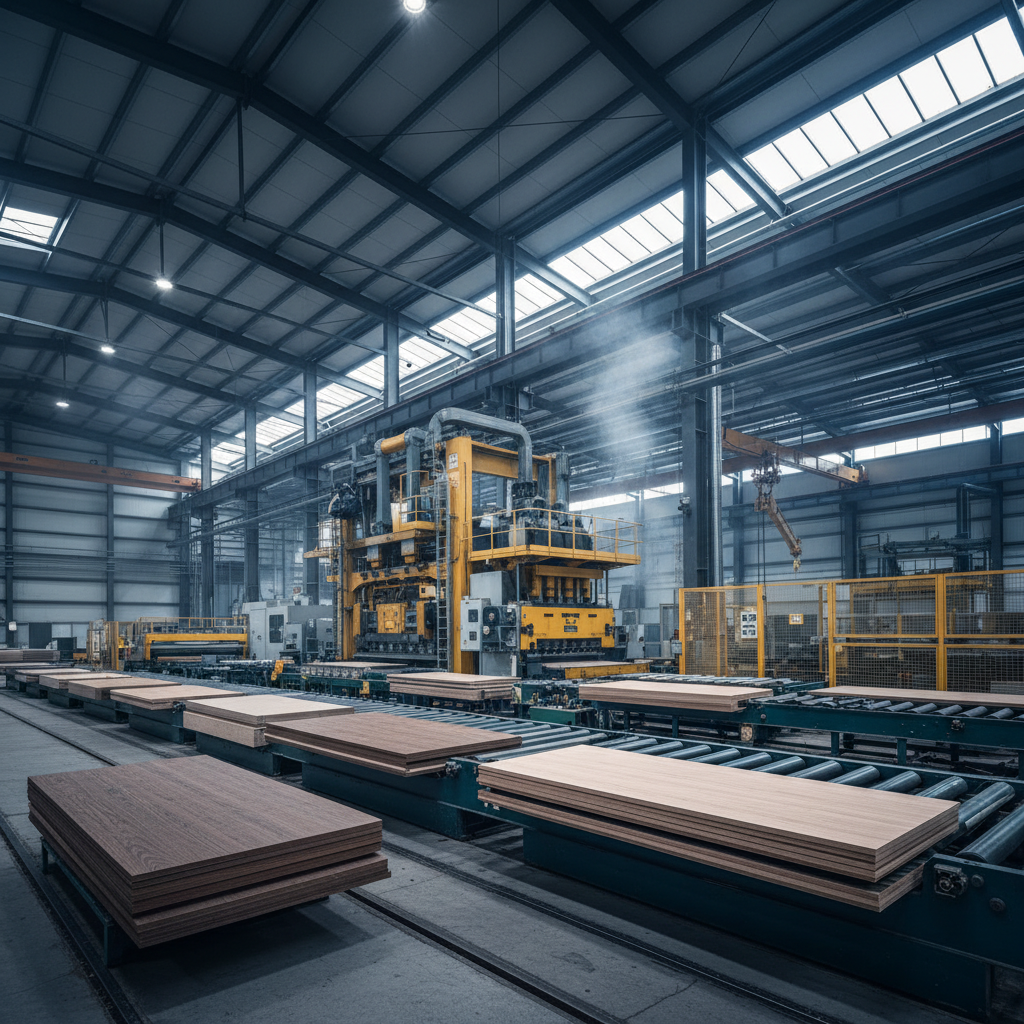
The production process itself is fairly streamlined. Veneer is sliced or peeled from logs, then carefully bonded to the core using adhesives. The quality of both the veneer and the adhesive is critical – cheap materials mean a cheap product. That’s why knowing your suppliers, and understanding the specifications, is so important. We’re talking about long-term durability here, and cutting corners will always come back to haunt you.
Global Relevance and Industry Demand
The demand for timber veneer board is climbing, and it's not just a regional trend. Globally, we’re seeing increased pressure to build sustainably. Traditional hardwood forests are under stress, and regulations are tightening. That pushes builders and designers to look for alternatives. The UN’s Sustainable Development Goals emphasize responsible forestry, and timber veneer board aligns with those principles, using less solid wood and utilizing faster-growing species.
According to industry reports, the global wood veneer market is projected to reach billions in the coming years. A significant portion of this growth is driven by the construction and interior design sectors. In Europe and North America, you see it heavily in high-end residential and commercial projects. But increasingly, we’re seeing it adopted in developing markets like Southeast Asia and South America, where cost-effectiveness and aesthetic appeal are key drivers.
The challenge is meeting that demand responsibly. It means ensuring responsible sourcing of the veneer itself – FSC certification is a must-have – and optimizing the manufacturing process to minimize waste. I’ve seen too many projects stalled because of supply chain issues, so building strong relationships with reliable vendors is essential.
Defining Timber Veneer Board: A Modern Material
Timber veneer board isn't simply a substitute for solid wood; it's a distinct material with its own unique properties. It's about taking the best qualities of wood – the beauty, the warmth, the natural texture – and combining them with the stability and cost-effectiveness of engineered wood products. It's a material that caters to the demands of modern construction and design.
Think of it like this: solid wood is like a hand-crafted, bespoke suit – beautiful but expensive and requiring careful maintenance. Laminate is like a durable, off-the-rack option – affordable but lacking the same character. Timber veneer board is the tailored suit made with high-quality fabric – offering a blend of luxury and practicality. It offers the visual appeal of solid wood at a fraction of the cost and with greater stability.
Its connection to modern industry is clear. It allows architects to achieve complex designs without the limitations of solid wood. It enables manufacturers to create furniture and panels that are both aesthetically pleasing and structurally sound. It responds to the global need for sustainable building materials, reducing our reliance on dwindling hardwood resources.
Core Properties of Timber Veneer Board
Let’s talk specifics. Durability is a big one. Properly manufactured timber veneer board, with a good quality core and adhesive, is remarkably stable. It’s less prone to warping, cracking, or shrinking than solid wood, especially in fluctuating humidity conditions. I've seen it hold up beautifully in high-moisture environments where solid wood would have failed.
Scalability is another key benefit. You can produce large sheets of veneer board consistently, which is ideal for large-scale projects. It minimizes waste, speeds up installation, and reduces the need for on-site cutting and fitting. From a contractor's perspective, that translates directly into cost savings.
Timber Veneer Board Performance Characteristics
Applications Across Industries and Regions
We're seeing timber veneer board used everywhere. In high-end residential construction, it's a go-to for feature walls, cabinetry, and flooring. Commercial interiors – offices, hotels, retail spaces – are using it to create warm, inviting environments. It’s especially popular in hospitality, where aesthetics are paramount.
In Europe, particularly in Scandinavian countries, the emphasis on natural materials makes timber veneer board a natural fit. North America is adopting it rapidly as designers seek sustainable alternatives. In Asia, particularly in countries like Japan and Korea, where wood is deeply ingrained in the culture, it’s being used for both traditional and contemporary designs.
The Value Proposition: Advantages and Sustainability
From a purely practical standpoint, cost efficiency is a major draw. You get the look of expensive hardwoods for a fraction of the price. But it's not just about saving money. The reduced weight of veneer board compared to solid wood lowers transportation costs and makes installation easier. Those savings add up quickly on large projects.
And then there’s the sustainability aspect. Using thinner slices of wood means we can get more mileage out of each tree. Choosing FSC-certified veneer ensures responsible forestry practices. Plus, the core materials – MDF and particleboard – often utilize recycled content, further reducing the environmental impact. It’s a material that allows us to build beautiful spaces without compromising our commitment to the planet.
Beyond the tangible benefits, there's an emotional component. People respond to the warmth and natural beauty of wood. Timber veneer board delivers that aesthetic appeal, creating spaces that feel inviting, comfortable, and connected to nature. That’s something you can’t put a price on.
Future Trends and Innovation in Timber Veneer Board
We’re seeing a lot of innovation in adhesive technology, moving towards formaldehyde-free and low-VOC options. That’s crucial for indoor air quality and aligns with growing health and environmental concerns. I’m also excited about the development of new veneer cutting techniques that maximize yield and minimize waste.
Digital printing technology is opening up possibilities for creating custom veneer patterns and textures. Imagine being able to replicate rare or exotic wood species with pinpoint accuracy. This could revolutionize the design process and allow for greater creative freedom.
The intersection of timber veneer board with Building Information Modeling (BIM) is another area to watch. Integrating material specifications directly into BIM models will streamline the design and construction process, reduce errors, and improve project efficiency.
Key Characteristics of Timber Veneer Board Manufacturing Processes
| Manufacturing Method |
Sustainability Impact |
Cost Efficiency |
Product Quality |
| Rotary Cutting |
Moderate - Utilizes more of the log, reducing waste. |
High - Fastest and most cost-effective method. |
Good - Results in a more figured grain. |
| Slice Cutting |
Moderate - Still utilizes the log efficiently. |
Medium - Slower than rotary cutting, increasing cost. |
Excellent - Provides a consistent and high-quality veneer. |
| Flitch Cutting |
Low - Can result in significant waste if not planned carefully. |
Low - Most expensive method due to labor and material waste. |
Excellent - Offers unique and artistic veneer patterns. |
| Vacuum Pressing |
High - Reduces adhesive usage and allows for recycled core materials. |
Medium - Moderate equipment cost, but reduces labor. |
Excellent - Creates a strong and durable bond. |
| Hot Pressing |
Moderate - Requires careful control of temperature and pressure. |
Medium - Faster than vacuum pressing, but requires more energy. |
Good - Produces a consistent and reliable bond. |
| UV Curing |
High - Reduces VOC emissions and allows for water-based adhesives. |
High - Fast curing time increases production efficiency. |
Excellent - Creates a durable and scratch-resistant finish. |
FAQS
With proper care and maintenance, timber veneer board furniture can easily last for 10-20 years, or even longer. The lifespan depends on the quality of the core material, the type of finish applied, and how well it’s protected from moisture, heat, and abrasion. A good quality finish is key, and regular cleaning with appropriate furniture polish can significantly extend its life. We’ve seen pieces installed decades ago that still look fantastic.
Timber veneer board generally performs much better than solid wood in humid environments. Solid wood is prone to warping, cracking, and swelling with changes in moisture content. Veneer board, with its layered construction and stable core, is much less susceptible to these issues. However, it’s still important to ensure adequate ventilation and avoid prolonged exposure to excessive moisture. A quality sealant on the edges will also help prevent moisture ingress.
Yes, absolutely. Timber veneer board is a more sustainable option than using solid wood, as it utilizes less of the tree. When sourced from sustainably managed forests (look for FSC certification), it ensures responsible forestry practices. Additionally, the core materials often incorporate recycled content, further reducing its environmental footprint. It's a responsible choice for environmentally conscious builders and designers.
While you can’t refinish the veneer itself like you would solid wood, minor scratches can often be touched up with a color-matched repair pen or wax fill. Deeper damage might require professional repair. It’s important to note that sanding or aggressively refinishing veneer board can remove the veneer layer, so it's best to handle any repairs with caution. Preventative measures, like using coasters and protective pads, are always the best approach.
Traditionally, urea-formaldehyde adhesives were common, but there’s a growing shift towards more environmentally friendly options. Polyvinyl acetate (PVA) adhesives are now widely used, as are low-VOC and formaldehyde-free adhesives. The choice of adhesive impacts the board’s strength, durability, and overall environmental performance. Always check the manufacturer’s specifications to understand the adhesive used and its properties.
Timber veneer board is generally significantly less expensive than solid wood, typically ranging from 30% to 70% lower in cost. The exact price difference depends on the species of veneer, the quality of the core material, and the manufacturing process. This cost-effectiveness makes it a compelling option for projects with budget constraints without sacrificing aesthetic appeal.
Conclusion
Timber veneer board isn't just a material; it's a smart solution for the challenges facing the construction and design industries today. It balances aesthetic appeal, cost-effectiveness, sustainability, and performance in a way few other materials can. It allows us to create beautiful, durable spaces while minimizing our environmental impact and staying within budget.
Looking ahead, continued innovation in adhesive technology, veneer cutting techniques, and digital printing will only enhance the versatility and appeal of timber veneer board. I encourage architects, designers, and builders to explore its potential and consider it as a viable alternative to solid wood and traditional laminates. For more information and to discuss your specific project needs, visit our website: timber veneer board.