In the evolving landscape of modern architecture and interior design, the demand for materials that blend aesthetic elegance with structural integrity has led to the rise of veneer ply board. This sophisticated composite material leverages the natural beauty of premium wood skins and the engineered stability of plywood cores, providing a versatile solution for high-end furniture and commercial installations. By understanding the nuances of this material, designers can achieve a luxury hardwood look without the prohibitive costs or environmental impact of solid timber.
Globally, the shift toward sustainable building practices has placed veneer ply board at the forefront of the man-made board industry. As urban centers expand and the need for rapid, high-quality furnishing grows, the ability to produce large, stable panels with consistent grain patterns becomes a critical industrial advantage. This synergy of nature and engineering allows for scalable production that meets the rigorous standards of international ISO certifications.
Choosing the right grade of veneer plywood is not merely a matter of appearance; it is a strategic decision affecting the longevity and performance of the end product. Whether used in moisture-prone environments or high-traffic commercial zones, the technical composition of the board—from the adhesive quality to the veneer thickness—determines its ultimate value. This guide explores the technical and commercial dimensions of this essential material.
Global Industry Context of Veneer Ply Board
The global market for veneer ply board has seen a significant uptick as the construction industry pivots toward modular and prefabricated solutions. According to recent trade data, the integration of engineered wood products has reduced the reliance on old-growth forests, aligning with UN Sustainable Development Goals. The challenge for manufacturers has been maintaining the "authentic" feel of natural wood while ensuring the panels do not warp or delaminate under extreme climatic shifts.
In regions like Southeast Asia and Europe, the adoption of high-grade veneer boards is driven by a desire for luxury aesthetics paired with industrial efficiency. The complexity of sourcing consistent veneers—ranging from Oak and Walnut to exotic tropical hardwoods—requires a sophisticated supply chain. This global interdependence ensures that the material remains accessible for both small-scale artisan furniture and massive commercial interior projects.
Defining the Technical Essence of Veneer Ply Board
At its core, veneer ply board is a composite material created by bonding thin layers of wood veneer to a stable core, typically plywood or MDF. Unlike solid wood, which is subject to natural inconsistencies and instability, the cross-laminated structure of the core provides exceptional dimensional stability. This prevents the board from expanding or contracting significantly, making it ideal for large-surface applications where precision is paramount.
The "veneer" aspect refers to the thin slice of high-quality hardwood that is applied to the exterior. This allows the board to exhibit the grain and texture of expensive species while the interior remains a cost-effective, engineered core. In the context of modern humanitarian needs, such as the rapid construction of sustainable housing or community centers, these boards offer a way to provide dignified, aesthetically pleasing environments without exhausting rare natural resources.
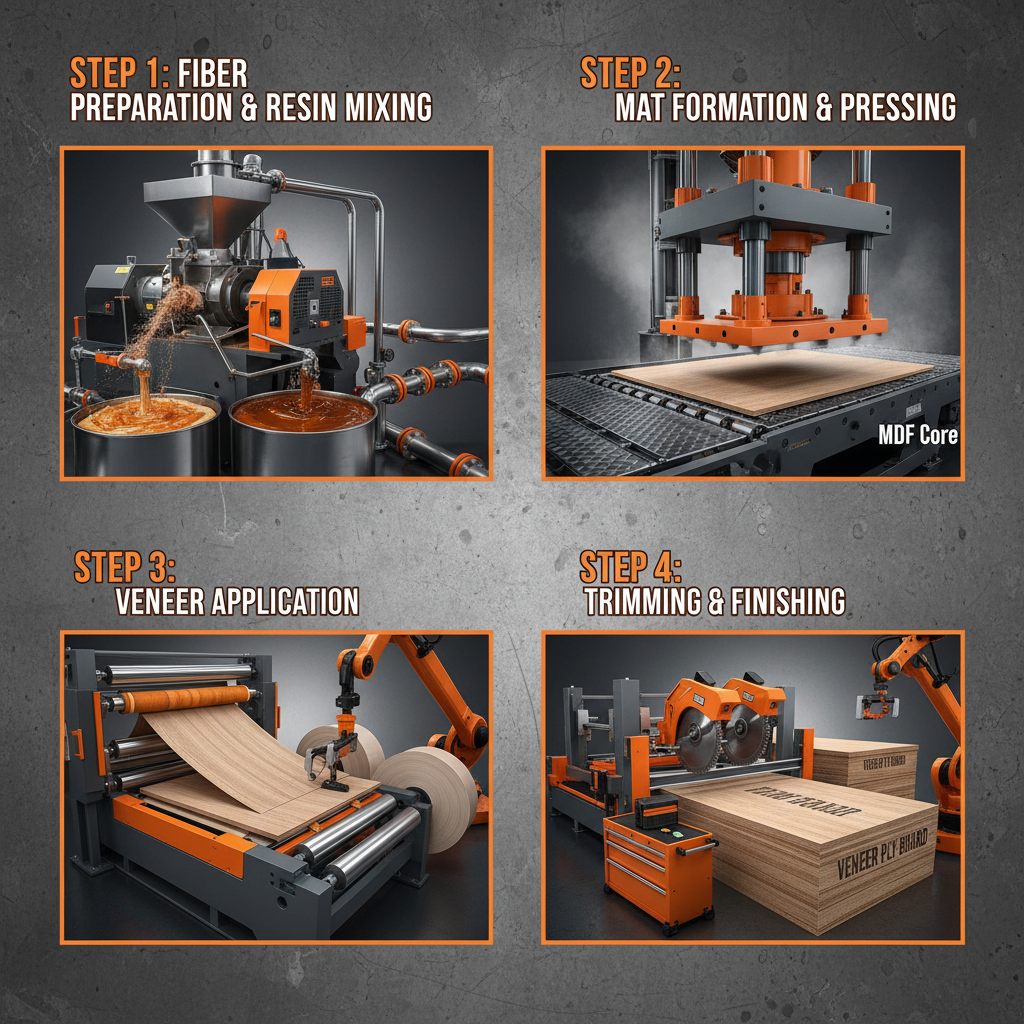
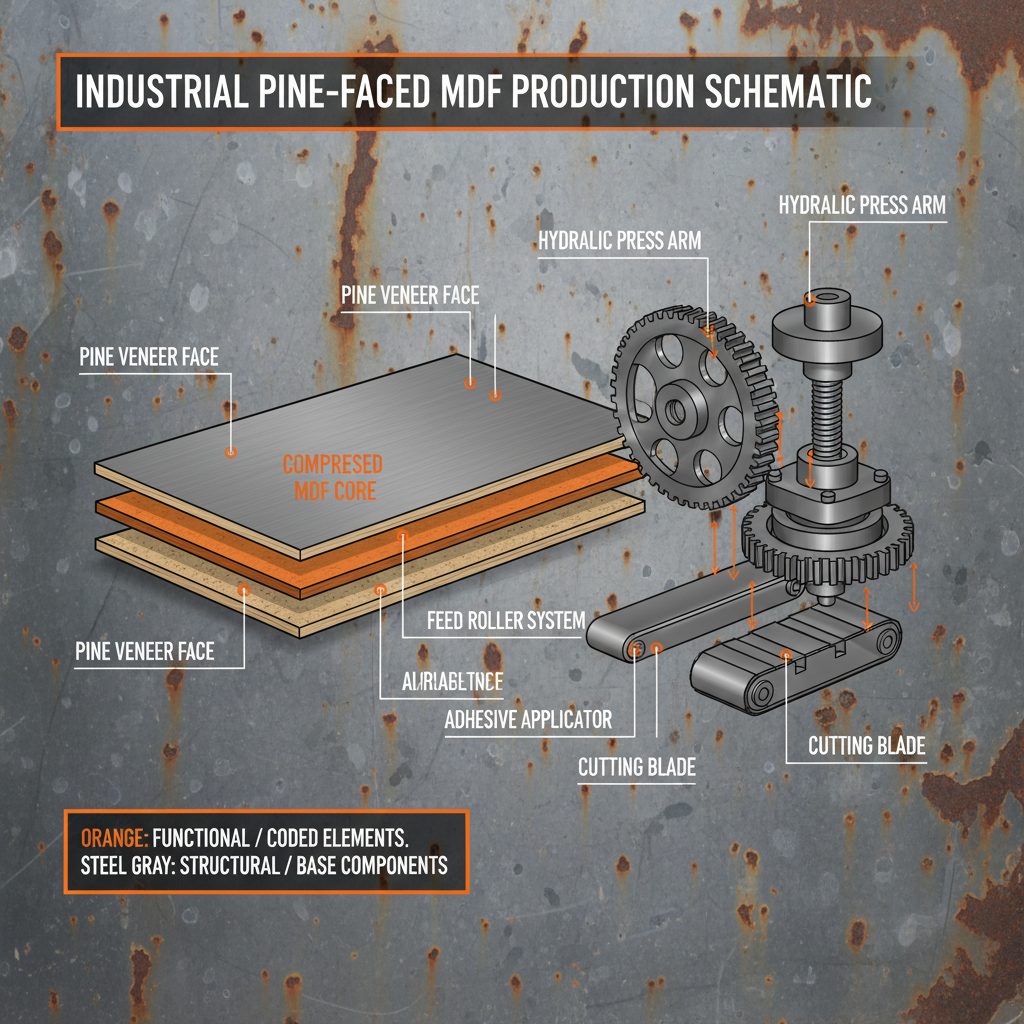
From an engineering perspective, the bond between the veneer and the core is the most critical element. The use of advanced resins and high-pressure presses ensures that the skin does not peel or bubble, even in humid conditions. This technical synergy creates a product that is stronger than its individual components, offering a high strength-to-weight ratio that is highly prized in both shipping and installation.
Core Components for Maximum Performance
The durability of a veneer ply board depends heavily on the quality of the core material. Whether utilizing a Poplar core for lightness or a Hardwood core for structural load-bearing, the internal density must be uniform. Voids in the core can lead to "telegraphing," where imperfections from the inside show through the surface veneer, ruining the professional finish.
Adhesive technology serves as the invisible backbone of the product. Modern veneer ply board utilizes UF (Urea-Formaldehyde) or the more eco-friendly MUF (Melamine Urea-Formaldehyde) glues to ensure a permanent bond. This prevents delamination, a common failure in low-grade boards, and ensures that the material can withstand the mechanical stresses of cutting, routing, and edge-banding.
Finally, the surface treatment determines the board's resistance to wear and tear. The application of a high-quality UV lacquer or a natural oil finish not only enhances the grain of the veneer ply board but also provides a protective barrier against moisture and scratches. This makes the material suitable for high-traffic areas like hotel lobbies, corporate boardrooms, and residential kitchens.
Comparative Analysis of Board Stability
When evaluating different production methods, the structural stability of veneer ply board varies based on the layering technique. Rotary cut veneers offer a more organic, rustic look, while sliced veneers provide the linear, sophisticated grain sought after in high-end cabinetry. The interaction between these skins and the core determines how the board reacts to environmental humidity.
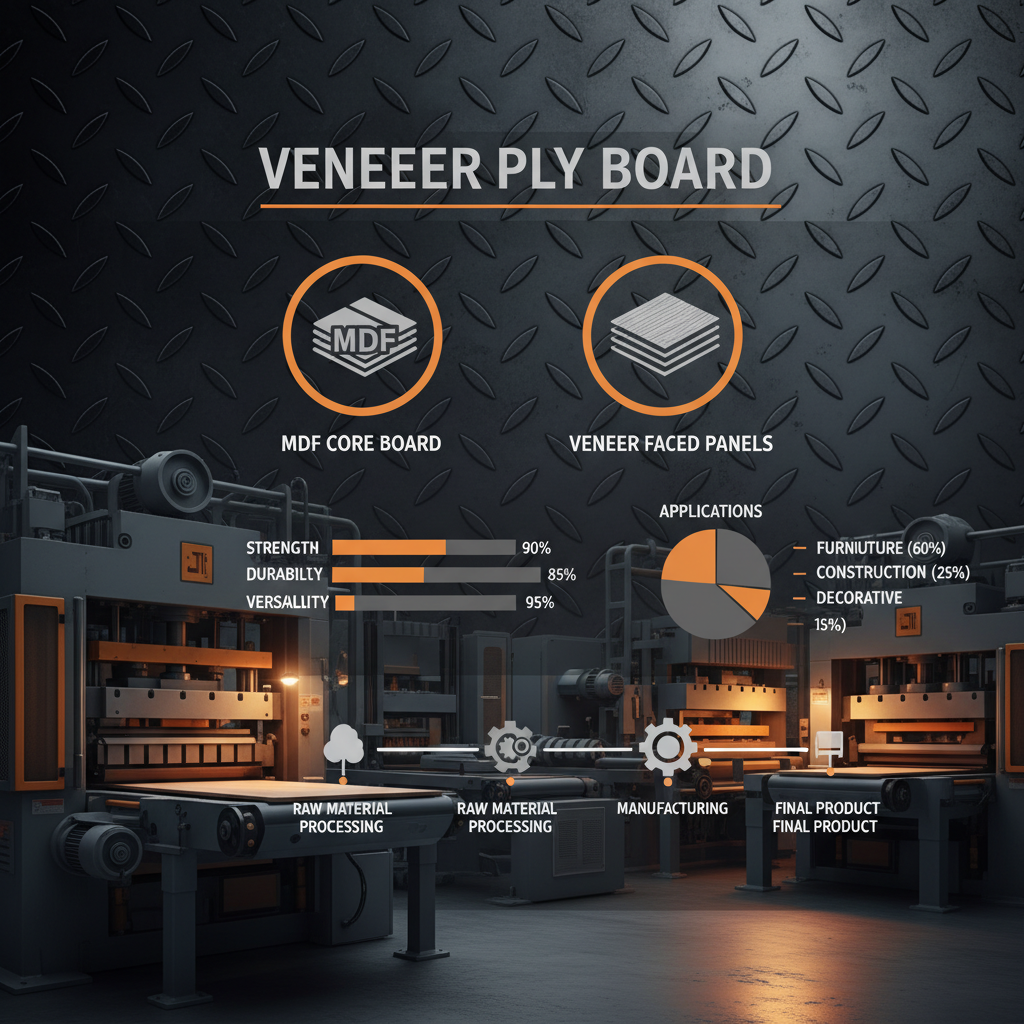
To better understand the performance metrics, we look at stability, cost-efficiency, and aesthetic appeal across different veneer ply board configurations. Engineered cores typically outperform solid wood in terms of warp resistance, while the cost per square meter remains significantly lower, providing a logical advantage for large-scale commercial procurement.
Performance Metrics of Veneer Ply Board Variations
Global Applications and Use Cases
The versatility of veneer ply board makes it a staple in diverse industries. In luxury hospitality, it is used for wall paneling and bespoke furniture in five-star hotels, where the visual consistency of the wood grain across large surfaces is mandatory. In the automotive industry, high-end vehicle interiors often feature thin-cut veneer boards to add a touch of class without adding excessive weight to the chassis.
Beyond luxury, this material is invaluable in specialized industrial zones. For instance, in the creation of high-end trade show booths or temporary luxury pavilions, veneer ply board allows for rapid installation and dismantling while maintaining a professional, "permanent" appearance. Its ability to be CNC-machined into complex shapes further expands its utility in modern parametric architecture.
Long-Term Value and Sustainability
Investing in high-quality veneer ply board offers substantial long-term economic value. By reducing the waste associated with solid wood—where large sections of a log are often discarded—veneer technology maximizes the utility of every tree. This efficiency lowers the overall cost of ownership for the end user while preserving biodiversity.
From an emotional and psychological standpoint, the use of wood-based materials in interiors is linked to "biophilic design," which reduces stress and increases productivity. The warmth and texture of veneer ply board provide a sense of dignity and comfort in workplaces and healthcare facilities, proving that industrial materials can still evoke a natural, human connection.
Moreover, the reliability of engineered boards ensures a longer lifecycle for furniture. When a solid wood table warps, it often becomes unusable; however, the structural stability of a veneer board means it remains flat and functional for decades. This longevity reduces the frequency of replacement, further contributing to a circular economy.
Future Trends in Veneer Board Engineering
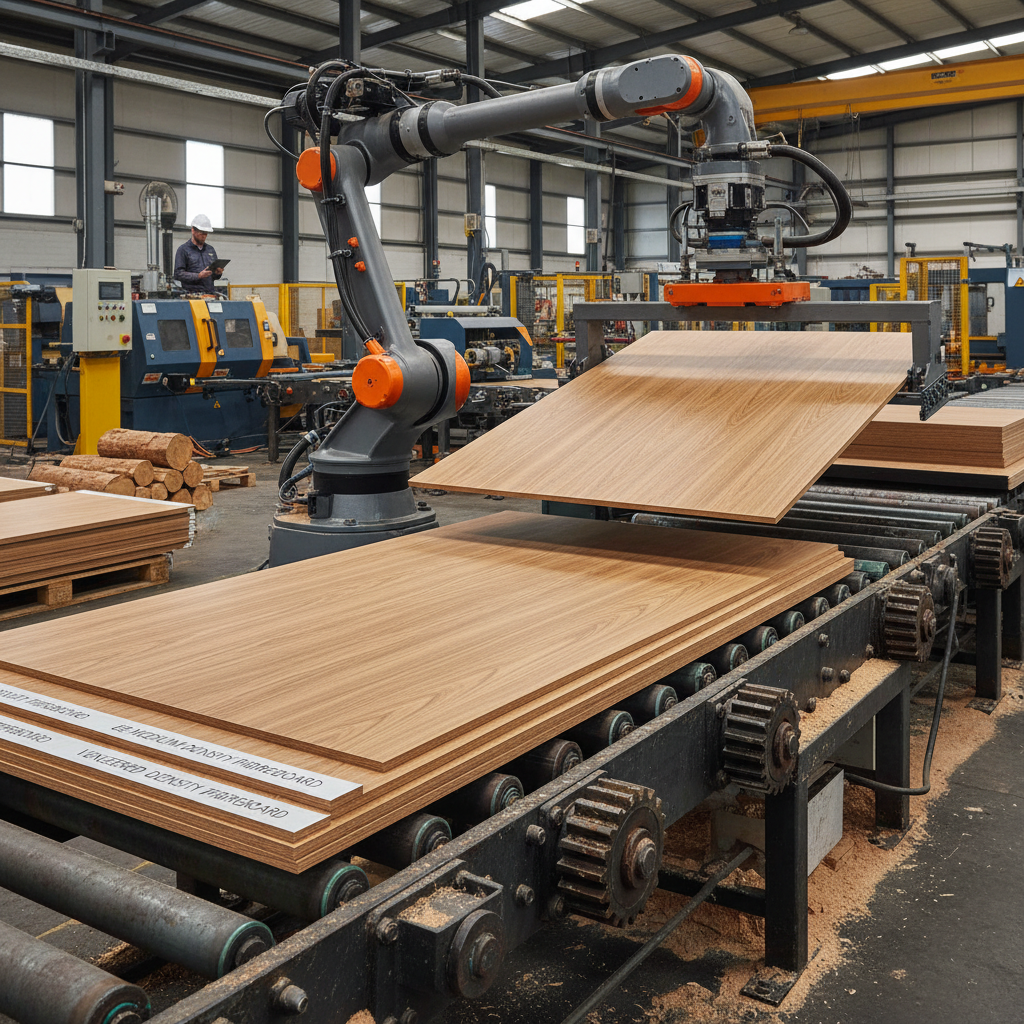
The future of veneer ply board is being shaped by digital transformation and green chemistry. We are seeing the rise of "digital veneers," where high-resolution scanning and printing are used to create perfectly matched grain patterns, eliminating the waste found in traditional book-matching. Automation in the pressing process is also increasing precision, reducing the thickness of the boards without sacrificing strength.
Sustainability is no longer an option but a requirement. The industry is moving toward bio-based resins that are entirely formaldehyde-free, ensuring that the air quality in indoor environments is not compromised. These innovations make veneer ply board an attractive option for LEED-certified buildings and eco-conscious developers.
Additionally, the integration of smart materials—such as conductive veneers or integrated sensors—could transform these boards from passive surfaces into active interfaces. Imagine a boardroom table made of veneer ply board that can wirelessly charge devices or control lighting through touch-sensitive wood grains.
Comparative Analysis of Veneer Ply Board Technical Specifications
| Material Grade |
Core Density |
Moisture Resistance |
Aesthetic Rating |
| Premium Oak Veneer |
High (750kg/m³) |
Excellent |
10/10 |
| Standard Walnut Veneer |
Medium (600kg/m³) |
Good |
9/10 |
| Eco-Pine Veneer |
Low (500kg/m³) |
Fair |
7/10 |
| Industrial Maple Veneer |
High (700kg/m³) |
Very Good |
8/10 |
| Tropical Teak Veneer |
High (800kg/m³) |
Superior |
10/10 |
| Mixed Hardwood Veneer |
Medium (650kg/m³) |
Good |
8/10 |
FAQS
Veneer ply board consists of a thin layer of hardwood bonded to an engineered core, whereas solid wood is a single piece of timber. The primary advantage of the veneer board is its superior dimensional stability, as it does not shrink or expand as much as solid wood. Additionally, it allows for the use of expensive wood grains on a larger scale at a fraction of the cost, making it more sustainable and economical for large furniture projects.
Depending on the glue used (such as MUF or Phenolic resins) and the surface finish applied, veneer ply board can be highly moisture-resistant. While it is not completely waterproof like some plastics, high-grade boards are designed to withstand humid environments without delaminating. For areas with high water exposure, we recommend a moisture-proof sealer or a specific Marine-grade core to ensure long-term durability.
Yes, but with caution. Because the exterior veneer layer is very thin, you cannot sand it as deeply as you would with solid wood. Light sanding for refinishing is possible, but aggressive sanding may "break through" the veneer and expose the core. For best results, use fine-grit sandpaper and professional-grade finishes to maintain the integrity of the surface skin.
The choice depends on your priority: weight, strength, or cost. A Poplar core is lightweight and cost-effective, ideal for cabinetry. A Birch or Hardwood core offers maximum structural strength and screw-holding power, making it suitable for shelving or heavy-duty tables. For a perfectly smooth surface without grain telegraphing, an MDF core is often the best choice for painted or high-gloss veneer applications.
Generally, yes. It is often more sustainable than solid wood because it uses fewer raw logs to cover the same surface area. By utilizing thin veneers, manufacturers can get significantly more "face" out of a single tree. Furthermore, the industry is shifting toward FSC-certified wood sources and low-emission adhesives, reducing the environmental footprint of the manufacturing process.
Delamination is usually caused by poor adhesive quality or extreme temperature swings. To prevent this, always source boards from reputable manufacturers who use high-pressure presses and certified glues. During installation, ensure the boards are acclimated to the room's temperature and humidity for 48 hours. Additionally, sealing all exposed edges with edge-banding or lacquer prevents moisture from penetrating the bond line.
Conclusion
In summary, veneer ply board represents the perfect intersection of natural beauty and industrial science. By combining the structural reliability of engineered cores with the timeless appeal of hardwood skins, it solves the age-old problem of wood instability while promoting sustainable forestry. From its critical role in high-end commercial interiors to its increasing use in eco-conscious residential design, the material provides unmatched versatility, cost-efficiency, and aesthetic flexibility.
As we move toward a future defined by green building and digital fabrication, the importance of high-performance composite boards will only grow. For architects and manufacturers, the key to success lies in selecting the right combination of veneer species and core density to match the specific demands of the environment. We invite you to explore the possibilities of engineered wood for your next project. Visit our website: www.tengfeiebmdf.com