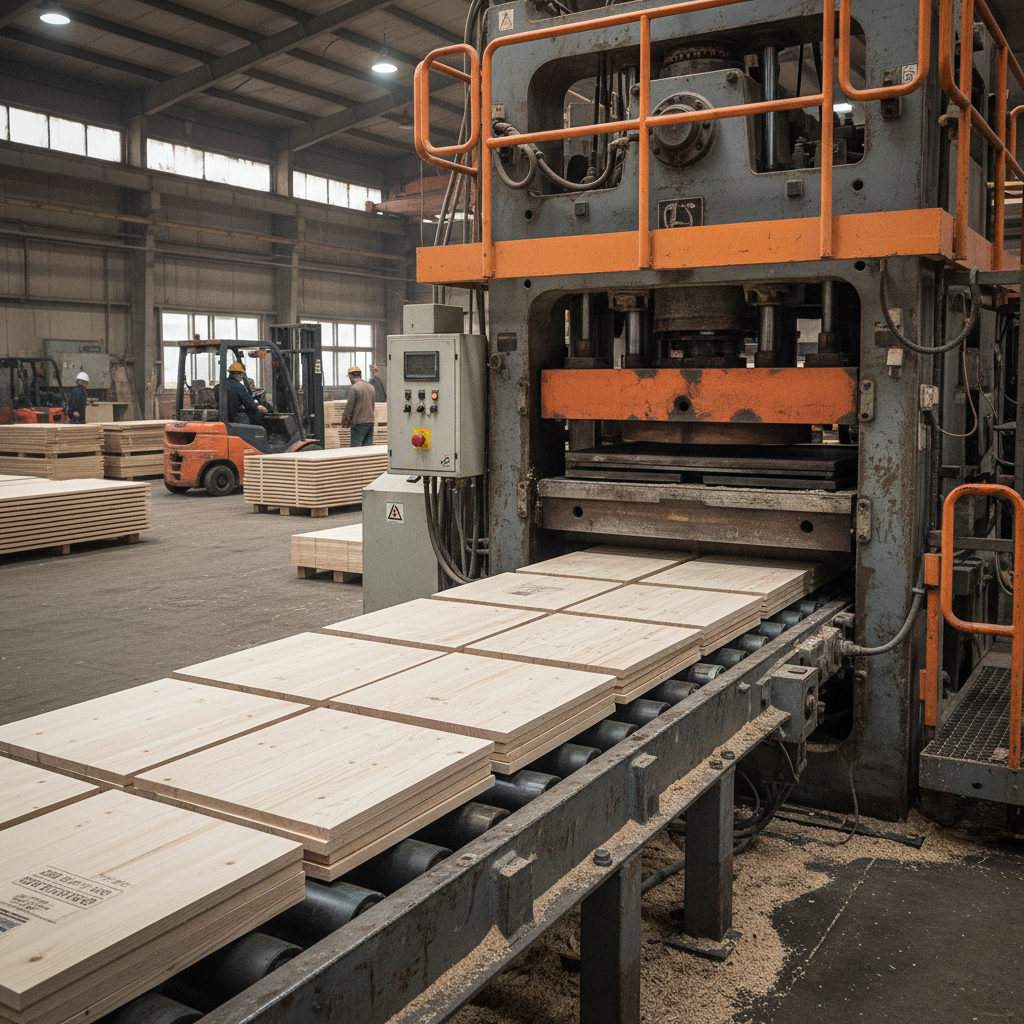
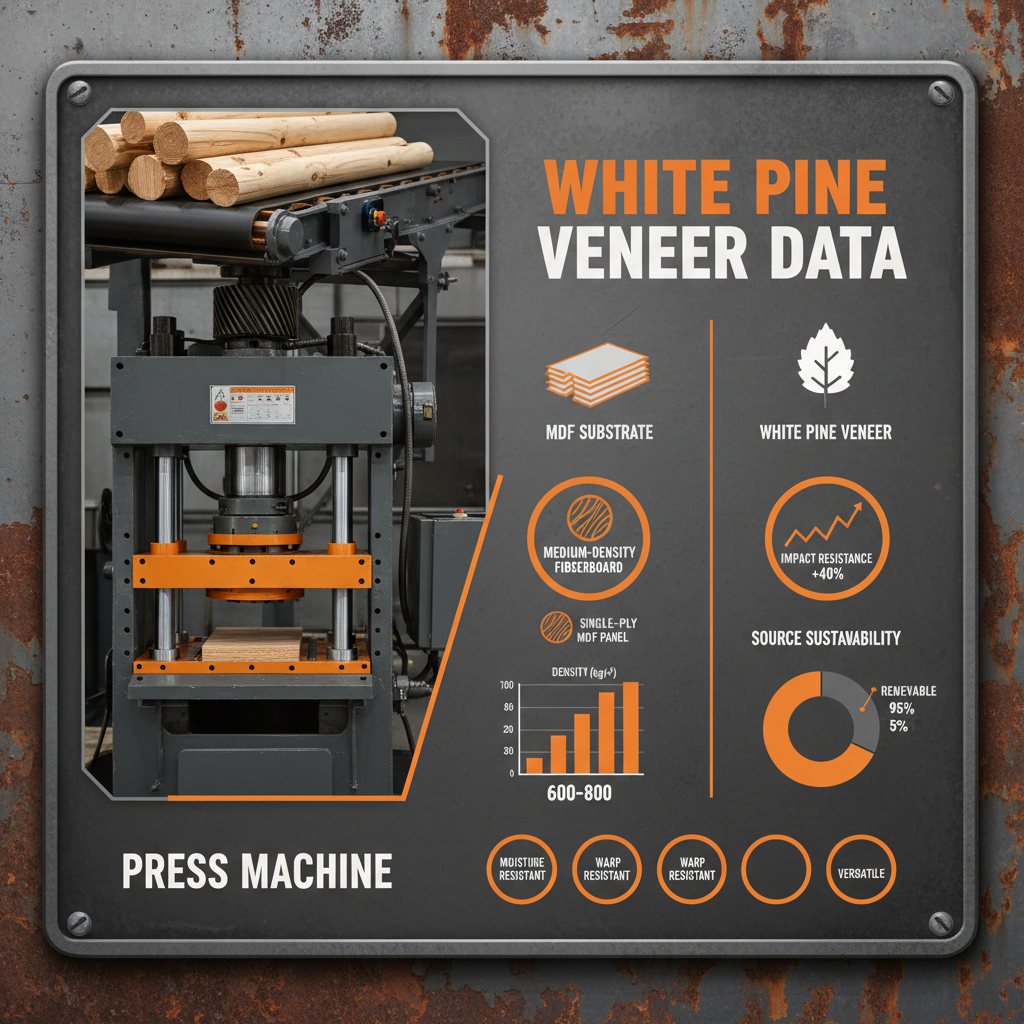
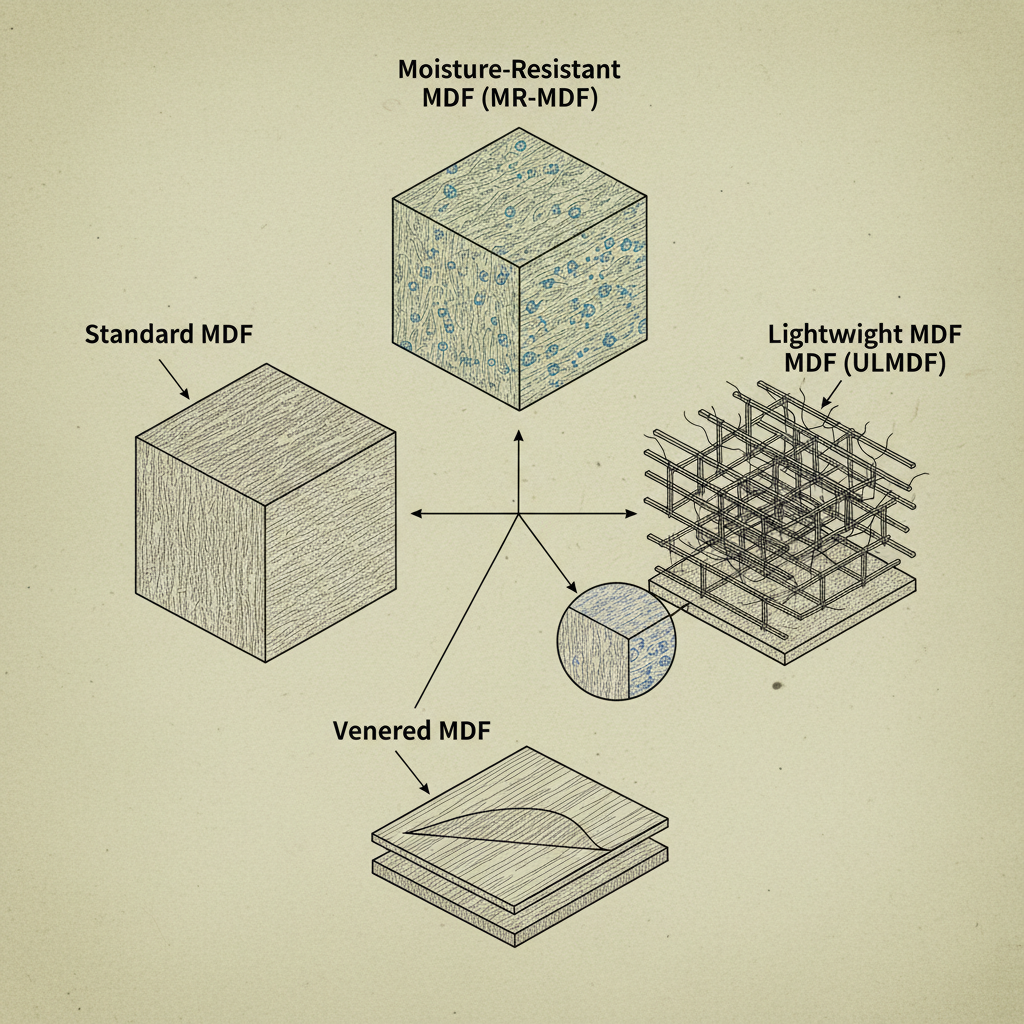
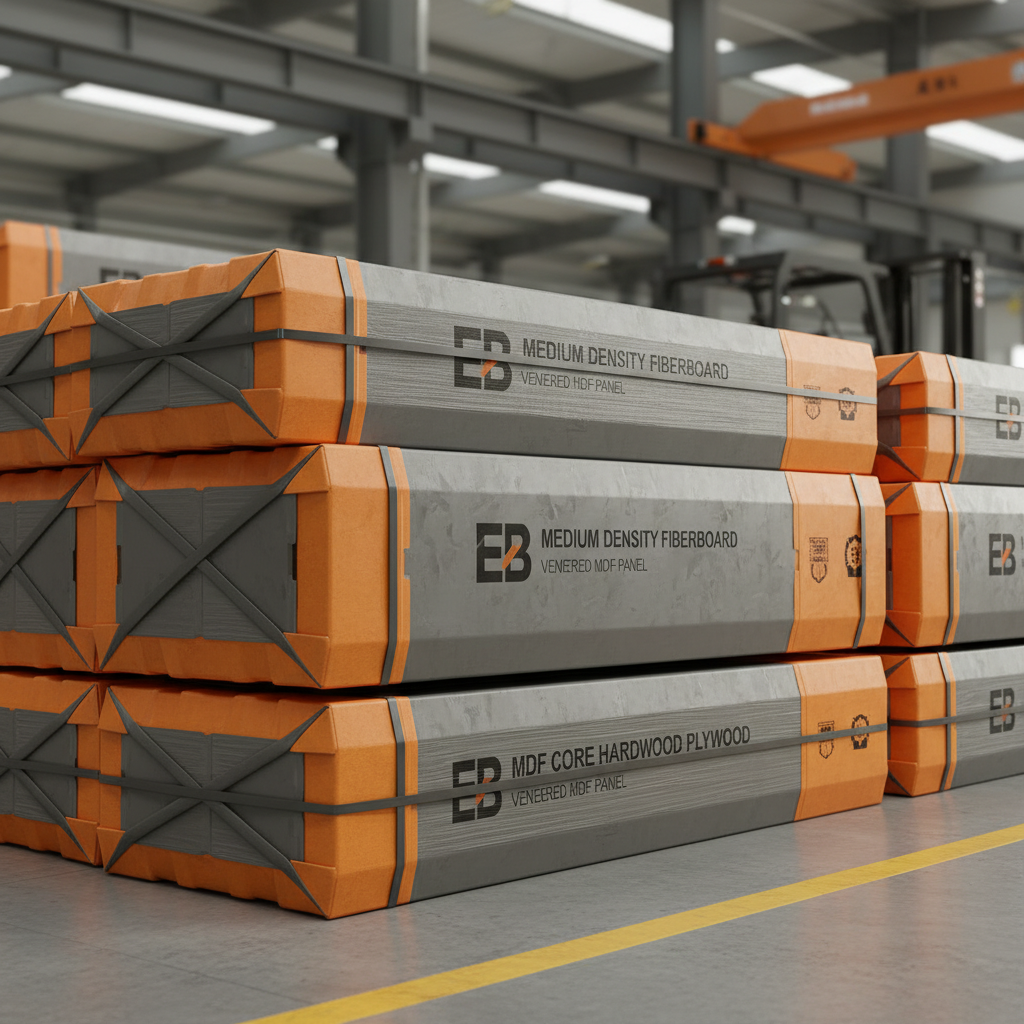
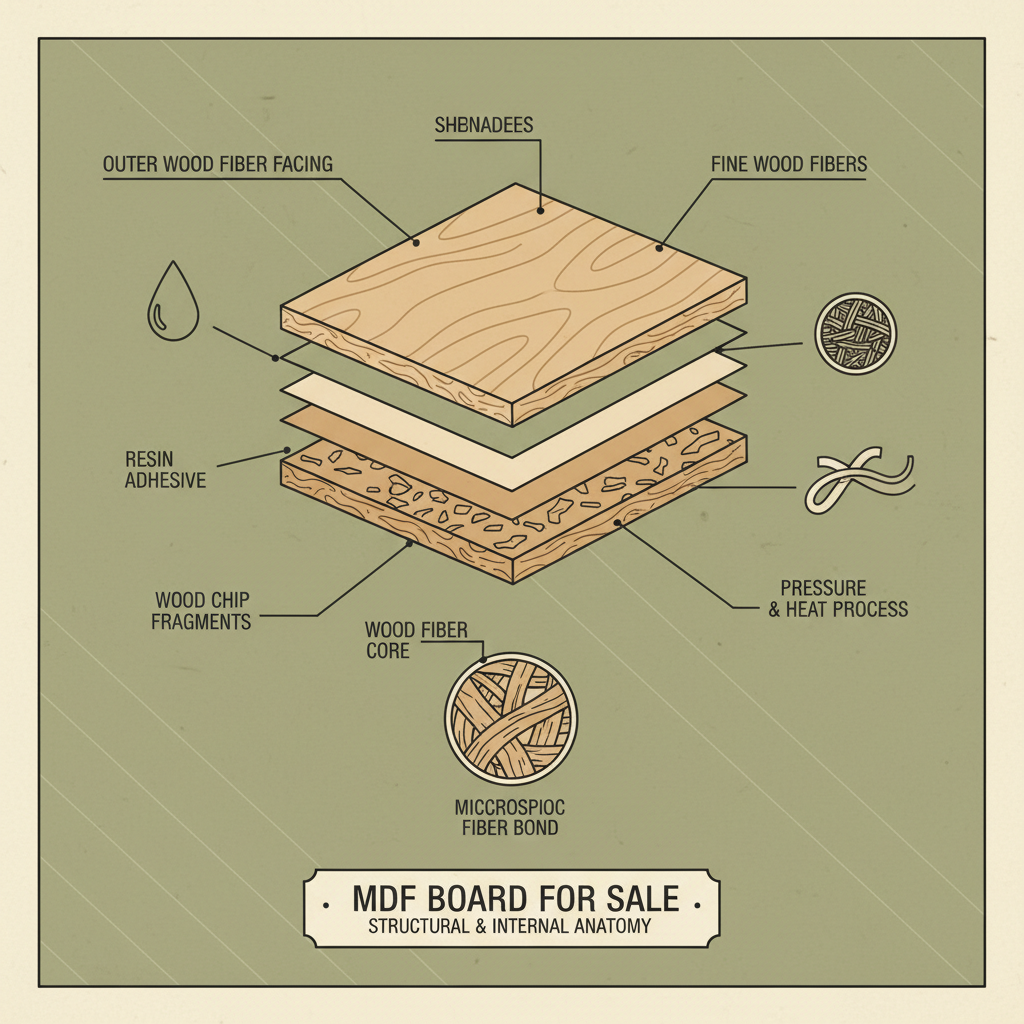
In the sophisticated world of interior design and architectural surfacing, white pine veneer stands as a premier choice for those seeking a balance between natural elegance and structural versatility. As a thin layer of real wood sliced from the white pine log, it allows designers to achieve the high-end look of solid timber while utilizing stable cores like EB MDF or Veneer MDF boards, reducing both costs and environmental impact.
The global demand for sustainable building materials has propelled the importance of high-quality veneers. By maximizing the yield of a single log, white pine veneer ensures that the aesthetic beauty of the grain is distributed across a larger surface area, solving the industry challenge of sourcing massive amounts of old-growth solid wood without depleting forest reserves.
Understanding the nuances of this material—from its distinctive pale hue to its adaptability in various climates—is essential for manufacturers and architects. Whether used in luxury cabinetry or commercial fit-outs, integrating white pine veneer provides a timeless, airy atmosphere that enhances the perceived value of any space.
Global Industry Relevance of White Pine Veneer
The global furniture and construction markets have seen a significant shift toward the use of white pine veneer due to the increasing scarcity of premium solid pine logs. According to international forestry standards and trade data, the efficiency of rotary peeling and slicing allows for a vastly higher surface area output per cubic meter of timber, aligning with ISO 14001 environmental management goals.
This relevance is particularly evident in the European and North American markets, where the "Scandinavian" minimalist aesthetic—characterized by light woods and clean lines—has made white pine veneer a staple in modern residential interiors. The ability to bond this veneer to engineered cores like EB MDF ensures that the final product is resistant to warping, a common problem in solid wood applications.
Defining the Technical Nature of White Pine Veneer
At its most fundamental level, white pine veneer is a thin sheet of wood produced by slicing or peeling a log of white pine. Unlike solid lumber, the veneer is engineered to a specific thickness—ranging from 0.5mm to 3mm—allowing it to be applied as a decorative skin over more stable, cost-effective substrates. This process transforms the raw botanical properties of the pine tree into a scalable industrial material.
In the context of modern industry, this material bridges the gap between luxury and mass production. By pairing white pine veneer with high-density substrates like MDF, manufacturers can produce large-scale panels that maintain a consistent grain pattern across an entire room, something nearly impossible to achieve with individual solid planks.
Furthermore, the humanitarian and economic need for affordable yet beautiful housing has made this material indispensable. It provides a sense of warmth and dignity to interior spaces without the prohibitive cost of solid hardwoods, making high-quality living environments accessible to a broader demographic across the globe.
Core Components and Performance Factors
One of the primary factors determining the quality of white pine veneer is the grain consistency. The growth rings of the white pine provide a soft, subtle texture that is highly prized in contemporary design. When evaluated for commercial use, the stability of the veneer—its resistance to shrinking or expanding under temperature changes—is paramount.
The bonding agent used to attach white pine veneer to the core material is another critical component. The use of low-formaldehyde adhesives ensures that the resulting panels meet strict indoor air quality standards, making them safe for use in hospitals, schools, and nurseries where VOC emissions must be minimized.
Finally, the finishing capability of white pine veneer allows for immense versatility. Because it accepts stains and clear coats evenly, it can be customized to look like a variety of other light-colored woods or kept in its natural, creamy-white state to maximize light reflection in small urban apartments.
Global Applications and Practical Use Cases
In real-world contexts, white pine veneer is widely utilized in the hospitality sector, particularly in luxury resorts across Northern Europe and Canada. Here, the material is used for wall paneling and ceiling treatments to create a "biophilic" environment that reduces stress and connects guests with nature, all while maintaining the fire-retardant properties of the underlying MDF core.
Beyond luxury, this material is crucial in remote industrial zones for the creation of prefabricated modular offices. Because white pine veneer is lightweight and easy to transport when applied to engineered boards, it allows for the rapid deployment of aesthetically pleasing workspaces in areas where traditional construction is impractical.
Performance Comparison of White Pine Veneer Methods
Tangible Advantages and Long-Term Value
The most immediate advantage of choosing white pine veneer is the significant reduction in material waste. By utilizing thin slices of wood, manufacturers can produce up to ten times more surface area from a single tree compared to solid planking. This logical efficiency translates directly into lower costs for the consumer without sacrificing the tactile and visual trust that comes with real wood.
From an emotional perspective, the use of white pine veneer evokes a sense of cleanliness, safety, and innovation. In residential settings, it creates a luminous atmosphere that improves the psychological well-being of the inhabitants. Long-term, the value lies in the material's durability when properly sealed, ensuring that furniture and interiors remain timeless and elegant for decades.
Future Trends in Veneer Technology
The future of white pine veneer is being reshaped by digital transformation and automation. Computer Numerical Control (CNC) slicing is now allowing for "book-matching" on a massive scale, where the grain of the veneer is mirrored perfectly across huge panels, creating stunning geometric patterns that were previously too expensive or difficult to produce manually.
Sustainability is also driving the development of "reconstituted" or engineered white pine veneer. This process involves fusing small pieces of pine together to create a consistent, flaw-free sheet, further reducing the reliance on perfectly straight, old-growth logs and paving the way for a truly circular bio-economy in the timber industry.
Additionally, the integration of green energy in the curing and pressing process is reducing the carbon footprint of production. New eco-friendly resins are being developed that allow the veneer to be fully biodegradable at the end of its lifecycle, ensuring that the beauty of white pine does not come at the expense of the planet.
Overcoming Challenges in Veneer Implementation
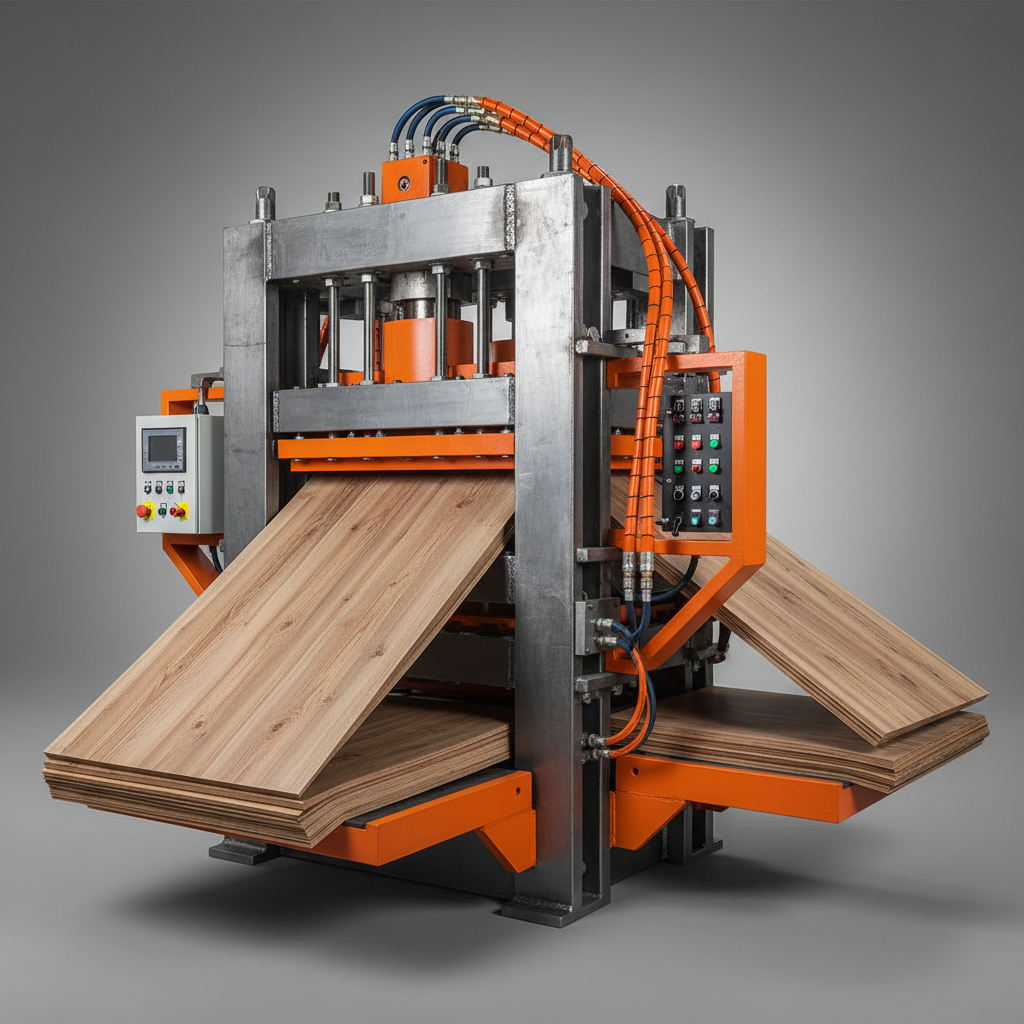
Despite its benefits, white pine veneer can be susceptible to "checking" or cracking if exposed to extreme humidity fluctuations. This is a common limitation in tropical climates. However, the solution lies in advanced vacuum-pressing techniques and the application of high-performance UV-cured topcoats that seal the wood fibers and prevent moisture penetration.
Another challenge is the natural softness of pine, which can make the veneer prone to scratching in high-traffic commercial areas. Expert insight suggests the use of reinforced EB MDF cores and the application of ceramic-infused clear coats. This hybrid approach preserves the ethereal look of white pine veneer while providing the hardness of a much denser hardwood.
Lastly, sourcing consistent color grades across different batches of logs can be difficult. By implementing digital color-grading systems during the slicing phase, manufacturers can now categorize white pine veneer into precise shade brackets, ensuring that a project started today looks identical to the additions made six months later.
Comparative Analysis of White Pine Veneer Performance Metrics
| Veneer Grade |
Grain Uniformity |
Moisture Stability |
Cost-Effectiveness |
| Premium A-Grade |
9.5/10 |
8.0/10 |
6.0/10 |
| Commercial B-Grade |
7.0/10 |
7.5/10 |
9.0/10 |
| Rustic C-Grade |
5.0/10 |
8.5/10 |
10/10 |
| Engineered Reconstituted |
10/10 |
9.0/10 |
8.0/10 |
| Sawn-Cut Special |
8.0/10 |
7.0/10 |
7.0/10 |
| Rotary Peeled Standard |
6.5/10 |
7.0/10 |
9.5/10 |
FAQS
White pine veneer is a thin slice of real wood bonded to a substrate like MDF, whereas solid boards are cut directly from the log. Veneer offers superior dimensional stability, less warping, and a more consistent appearance across large surfaces, while being significantly more sustainable and cost-effective.
Yes, provided it is paired with a high-quality core like EB MDF and finished with a protective sealant. While pine is naturally softer than oak or maple, a professional UV-cured lacquer or polyurethane coating makes white pine veneer highly resistant to daily wear and moisture in kitchen environments.
Absolutely. One of the greatest strengths of white pine veneer is its porosity, which allows it to absorb stains evenly. It can be tinted to mimic the golden hues of oak or the deeper tones of walnut, although it is most prized for its natural light, creamy appearance.
Veneers are significantly more eco-friendly than solid wood. By maximizing the utility of a single log, they reduce the number of trees required for a project. When sourced from FSC-certified forests and bonded with low-emission adhesives, white pine veneer supports sustainable forestry practices.
Maintenance is simple: avoid harsh abrasive cleaners and excessive water. Dusting with a microfiber cloth and occasional cleaning with a mild soap solution is sufficient. For high-traffic areas, a periodic refresh of the clear topcoat can keep the surface looking new for decades.
Yes, veneers are ideal for curved designs. Because they are thin and flexible, they can be vacuum-pressed or heat-bent over curved MDF or plywood cores, allowing for organic, flowing architectural shapes that would be impossible or prohibitively expensive with solid wood.
Conclusion
In summary, white pine veneer represents the perfect intersection of aesthetic luxury, technical engineering, and environmental responsibility. By leveraging the natural beauty of pine and the stability of modern substrates like EB MDF, it solves the industry's most pressing challenges regarding material scarcity and structural warping, providing a high-value solution for both residential and commercial applications.
Looking forward, the continued evolution of digital slicing and eco-friendly resins will only enhance the versatility and sustainability of this material. For architects and designers aiming to create luminous, nature-inspired spaces without compromising on budget or planetary health, integrating white pine veneer is a strategic choice for the future. Visit our website: www.tengfeiebmdf.com