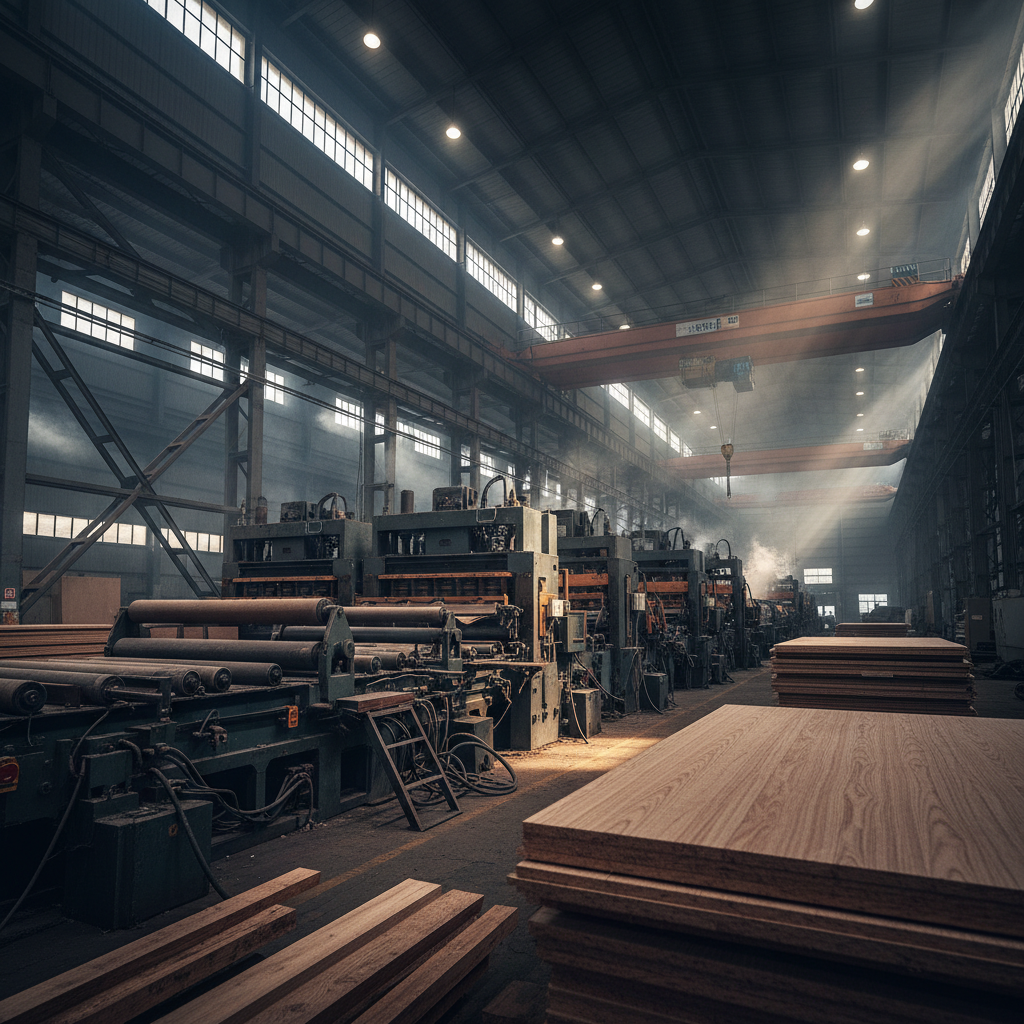
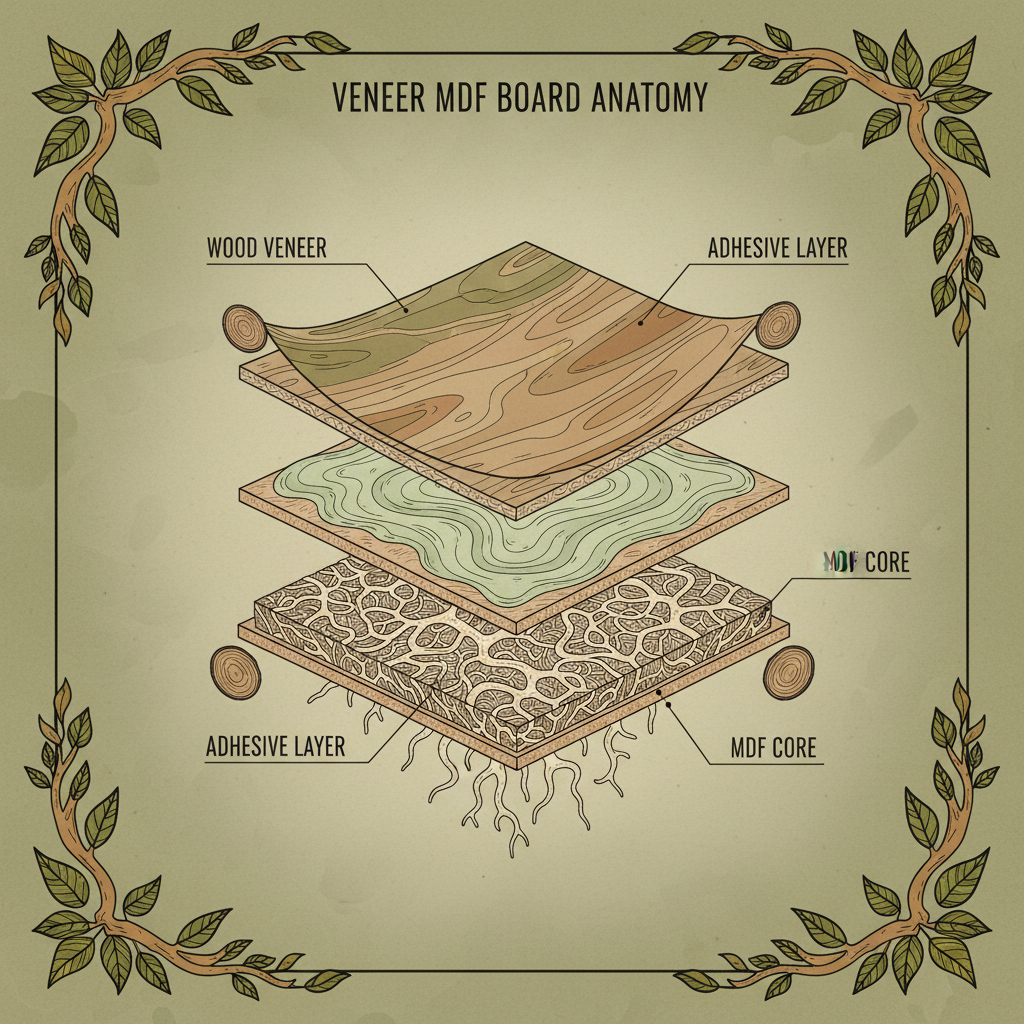
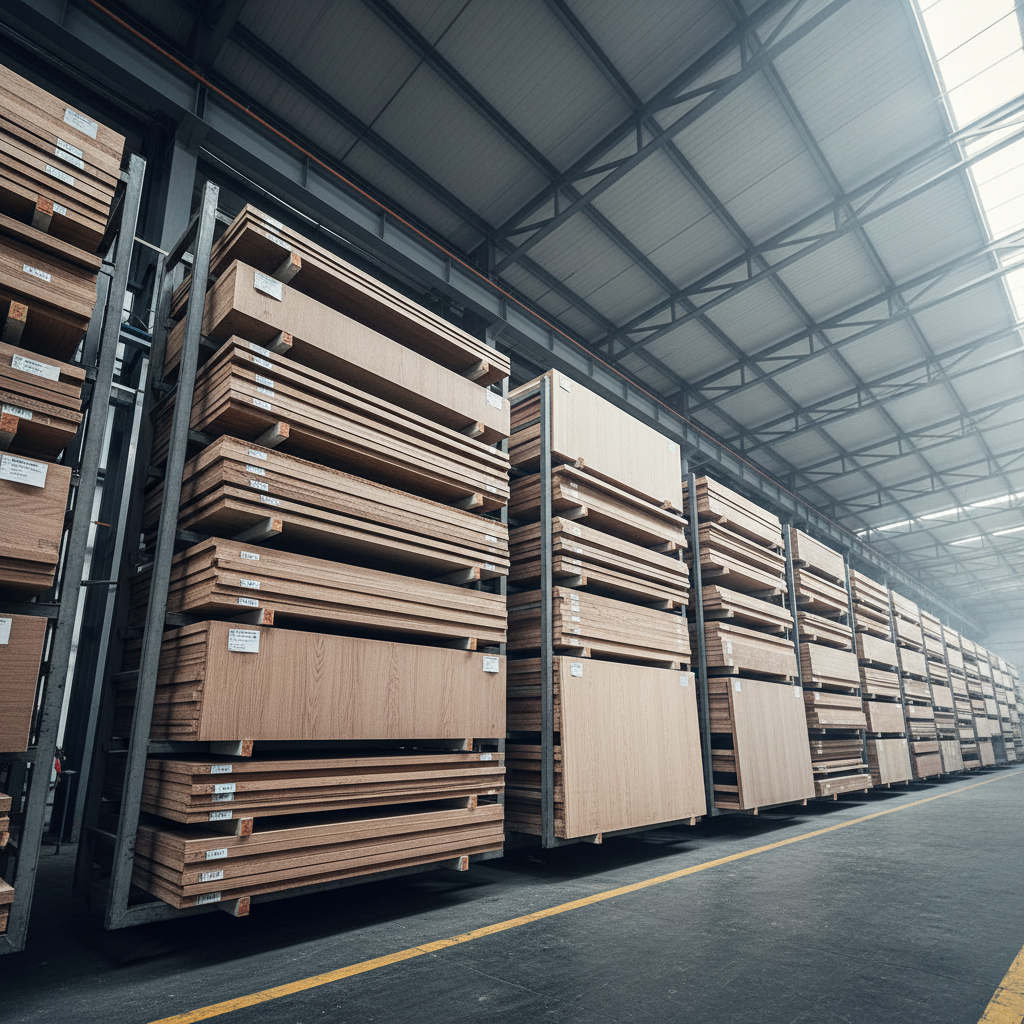
Add: No.8 Xinxing Street, North Zone, Zhengding High-tech Industrial Development Zone, Hebei, China

CONTACT US

+8615030171059
221231instagram-fill1251 search
0%

Table of Contents

To be honest, things have been… hectic. Everyone’s talking about sustainability now, right? Green materials, lower VOCs, the whole nine yards. It’s good, it really is. But have you noticed, sometimes “green” just means “more expensive” and someone’s making a killing. Anyway, I think the biggest trend lately is this push for pre-finished MDF. Saves a ton of time on site, cuts down on dust, and frankly, the painters are happier. Less sanding, less mess. It’s a small thing, but it adds up.

I’ve been dealing with MDF for… well, longer than I care to admit. You learn a few things. One thing I've learned is how easy it is to get tripped up on density. You think you’re getting a good board, but it's just full of filler and falls apart when you try to screw into it. I encountered this at a factory in Qingdao last time – beautiful finish, but the core was basically sawdust held together with hope. It's frustrating, really. You always have to check, always.

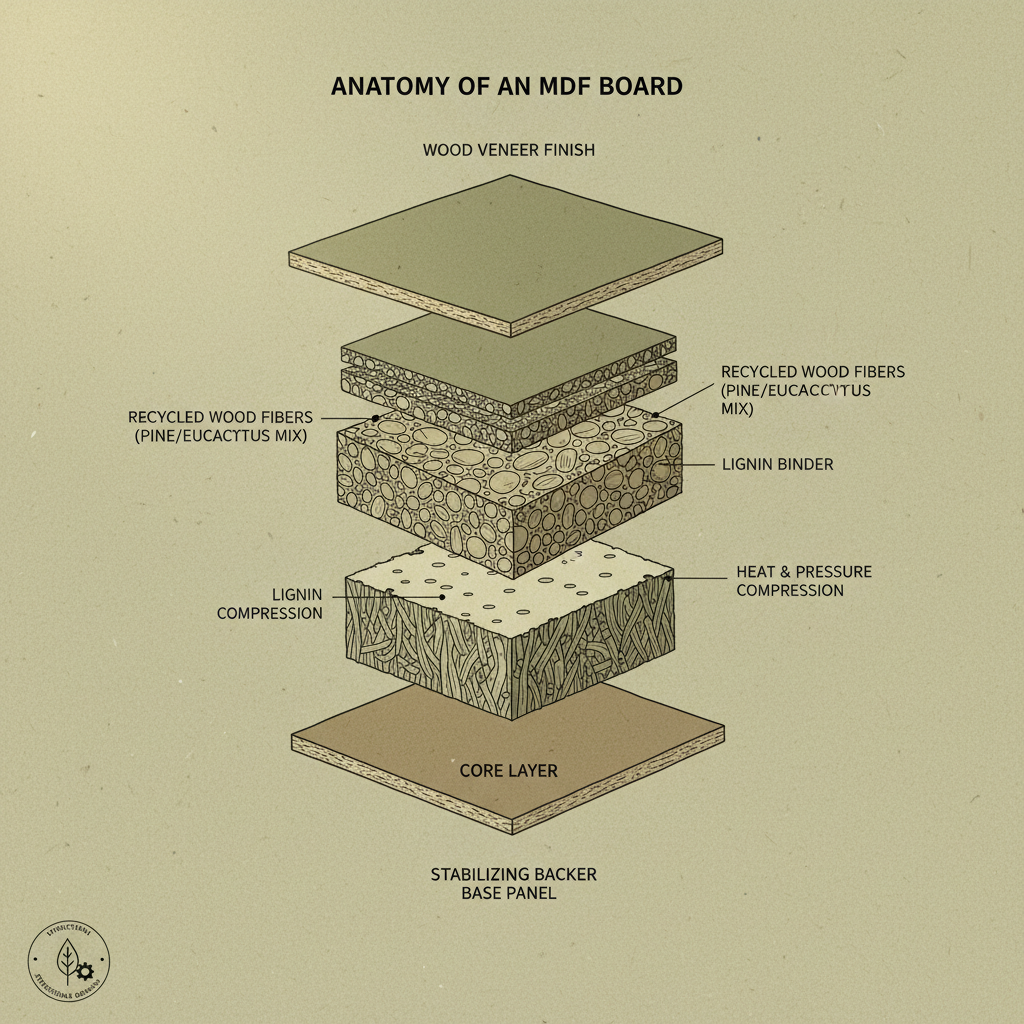
And the raw material itself... the wood fibers, obviously. But it's not just about the wood. It's about the resin. A good resin smells… almost sweet, faintly. The bad stuff? Like formaldehyde soup. Seriously. You can tell a quality board just by the smell. And the feel. It should be smooth, consistent. Not crumbly. Then there’s the overlay – melamine, PVC, whatever. That’s another whole can of worms. You want something durable, that won’t chip easily. I’ve seen guys spend hours trying to patch a cheap overlay, and it’s never worth it.
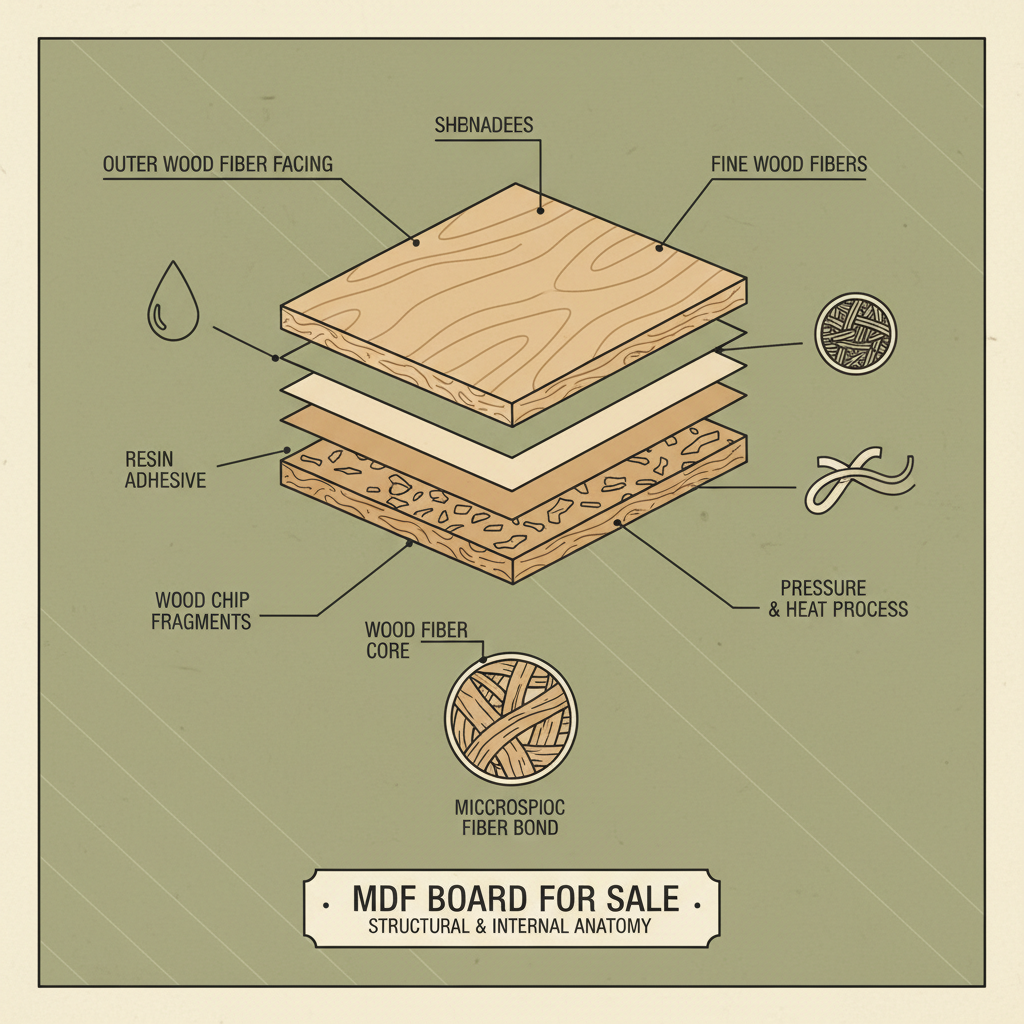
mdf board for sale

Industry Trends and Common Pitfalls

mdf board for sale

Strangely enough, everyone’s chasing thinner boards these days. Lighter weight, cheaper to ship. But that means sacrificing stability. It’s a trade-off, of course, but a lot of manufacturers are pushing it too far. They skimp on the core and then try to cover it up with a fancy finish. It doesn’t work. You’ll see it bow and warp over time. And then you get calls. Lots of calls.

The push for lower formaldehyde is legitimate, though. Regulations are getting tighter, and rightfully so. We’ve been testing everything with a handheld meter, and the difference in air quality is noticeable. It's a good thing, truly.

Material Breakdown: What's Inside?

Okay, so you’ve got your wood fibers. That’s the bulk of it. Then you’ve got the resin – usually urea-formaldehyde, melamine-formaldehyde, or phenol-formaldehyde. Phenol-formaldehyde is the most durable, but also the most expensive and the worst for emissions. There are bio-based resins popping up now, but they’re still pretty niche. And then you’ve got the additives – hardeners, stabilizers, fire retardants. It's a complex mix, and getting the right balance is crucial.

They’ve been experimenting with incorporating agricultural waste – rice husks, wheat straw – into the core. It’s a good idea in theory, reduces waste, and adds some interesting texture. But it also affects the density and the screw-holding power. It's always a balancing act.

And don't even get me started on the overlay paper. The quality varies wildly. Some are just flimsy, easily scratched, and prone to delamination. Others are reinforced with aluminum oxide or melamine, which makes them much more durable.

Real-World Testing and Quality Control

Lab tests are fine, but honestly? I trust a good old-fashioned screw test more than any fancy lab report. Grab a handful of screws, drill them into the board, and see how it holds. If it crumbles, it’s no good. Simple as that.

We also do a bending test. Just clamp the board down and apply pressure. You want to see a nice, even bend, not a sudden snap. And a moisture resistance test, obviously. Soak a sample in water for 24 hours and see if it swells up and falls apart. It sounds crude, but it works.

The really good factories have guys who do this stuff all day. They’re constantly checking, testing, and rejecting bad boards. That's the key. Not a robot with a sensor. A guy with experience.

Practical Applications and User Behavior

You’d think most people use MDF for furniture, right? And they do. But it’s also huge in the store fixture industry. Those fancy displays you see in retail stores? Almost always MDF. It’s cheap, easy to cut, and can be finished to look like anything.

But here's the thing. I’ve seen contractors use it for things it’s not designed for. Load-bearing walls, outdoor applications… it doesn’t end well. It's all about understanding the limitations of the material. People don't read the instructions, I tell ya.

Advantages, Disadvantages, and Customization

Okay, pros and cons. MDF is cheap, smooth, easy to machine, and takes paint really well. It's consistent. That’s a big one. Unlike solid wood, you don't get knots and variations. But it’s heavy, susceptible to moisture, and doesn’t hold screws as well as solid wood. It's a trade-off.

Customization? Absolutely. You can get it pre-cut to size, pre-drilled, laminated, edge-banded… you name it. I had a client last year who wanted MDF with a specific wood veneer applied. Mahogany, if you can believe it. It was expensive, but it looked fantastic. They were building a replica of a Victorian-era bookcase.

mdf board for sale Performance Comparison


Customer Story: The Debacle

Last month, that small boss in Shenzhen who makes smart home devices – real firecracker, always pushing the boundaries – insisted on changing the interface on the back of his little speaker box to . Said it was “the future.” Fine. But then he wanted the whole enclosure made out of MDF, super thin, to save weight. He thought we could just use a lighter grade of glue, and it would be fine. I told him it wouldn't be. I really did.

He ignored me, naturally. And sure enough, the first batch started delaminating within weeks. The port actually pulled out of the MDF. He ended up having to recall the whole shipment. Cost him a fortune. He finally listened to me, but by then it was too late. Sometimes, you just can't fix stupid.

Performance Metrics and Comparative Analysis

We’ve started tracking a few key metrics internally: screw pull-out strength, moisture absorption rate, and surface hardness. It helps us compare different suppliers and identify potential problems before they escalate. We log everything.

Compared to plywood, MDF is cheaper and more consistent, but it’s weaker and more susceptible to moisture. Compared to solid wood, it’s cheaper and more stable, but it doesn’t have the same natural beauty or durability. It's always a compromise.

The biggest issue we keep running into is inconsistent quality control. Some suppliers are meticulous, others… not so much. That's why it's so important to build relationships with reliable partners.

Summary of Key MDF Board Attributes

Material Composition Density Range (g/cm³) Typical Applications Cost per Sheet ($)
Wood Fibers, Urea-Formaldehyde Resin 0.7 - 0.8 Furniture, Shelving, Cabinet Doors 15-25
Wood Fibers, Melamine-Formaldehyde Resin 0.8 - 0.9 High-Moisture Environments, Kitchen Cabinets 20-30
Wood Fibers, Phenol-Formaldehyde Resin 0.9 - 1.1 Exterior Applications, Marine Grade Furniture 30-45
Wood Fibers, Bio-Based Resin 0.65 - 0.75 Eco-Friendly Furniture, Interior Design 25-35
MDF with PVC Edge Banding 0.7 - 0.85 Kitchen Cabinets, Bathroom Vanities 20-30
Pre-Finished MDF (Melamine Facing) 0.75 - 0.9 Ready-to-Assemble Furniture, Store Fixtures 22-32

FAQS

What’s the best way to prevent MDF from swelling when exposed to moisture?

Honestly, it's tough to make MDF completely waterproof. Sealing it properly is key. Multiple coats of a good quality primer and paint, especially on all edges, will help. Using a moisture-resistant grade of MDF (like melamine-faced) is also a good starting point. But even then, it’s not ideal for outdoor use. Avoid prolonged exposure to water whenever possible. Consider a dedicated moisture barrier if it's a high-humidity environment.

What type of screw is best for MDF?

Forget drywall screws. They'll just spin and strip the material. You want a self-tapping screw designed for MDF. They have a coarser thread and a sharper point. And pre-drilling is almost always a good idea, especially for thicker boards. You don't want to split the wood. Also, don’t over-tighten! That's a common mistake. Just snug is good enough.

Is MDF suitable for outdoor furniture?

Generally, no. Unless it’s specifically designed and treated for exterior use – and even then, it won't last as long as solid wood or treated plywood. MDF absorbs moisture like a sponge, and it will swell, warp, and eventually fall apart. You can get away with it for a short period in a covered patio, but it's not a long-term solution.

How can I tell if MDF is low-VOC?

Look for certifications like CARB Phase 2 or TSCA Title VI. These indicate that the MDF meets specific standards for formaldehyde emissions. But don't just take the label at face value. Ask the supplier for documentation, and if possible, smell the board. A strong chemical odor is a bad sign.

Can MDF be repaired if it gets damaged?

Small chips and dents can be filled with wood filler, sanded smooth, and then repainted. But larger cracks or areas of water damage are difficult to repair effectively. The MDF tends to crumble easily. It’s often easier to just replace the damaged section. It depends on how critical the repair is, of course.

What’s the difference between standard MDF and HDF (High-Density Fiberboard)?

HDF is basically a more refined version of MDF. It's made with smaller fibers and pressed at a higher density, resulting in a smoother surface and greater strength. It’s often used for things like laminate flooring and furniture backs. It's generally more expensive than standard MDF, but it’s also more durable and easier to work with.

Conclusion

So, there you have it. MDF: cheap, versatile, but with its limitations. It's not a miracle material, but it has its place. From furniture to store fixtures to quick prototypes, it gets the job done. It’s a workhorse, really. Just remember to understand its strengths and weaknesses, choose the right grade for the application, and don’t skimp on the quality control.

Ultimately, whether this thing works or not, the worker will know the moment he tightens the screw. If it holds, great. If it strips, well… you know you’ve got a problem. That's the bottom line. And if you're looking for quality MDF board for sale, you know where to find us. Visit our website: www.tengfeiebmdf.com

David Miller

David Miller

David Miller is a seasoned Materials Engineer at Hebei Bojing Technology, with over 15 years of experience specializing in surface coating technology. He joined the company in 2022, drawn by Bojing’s pioneering work in EB curing. David is deeply involved in optimizing the EB curing process for our decorative panels,
Previous mdf board types
tel +8615030171059 tel icon15

If you are interested in our products, you can choose to leave your information here, and we will be in touch with you shortly.