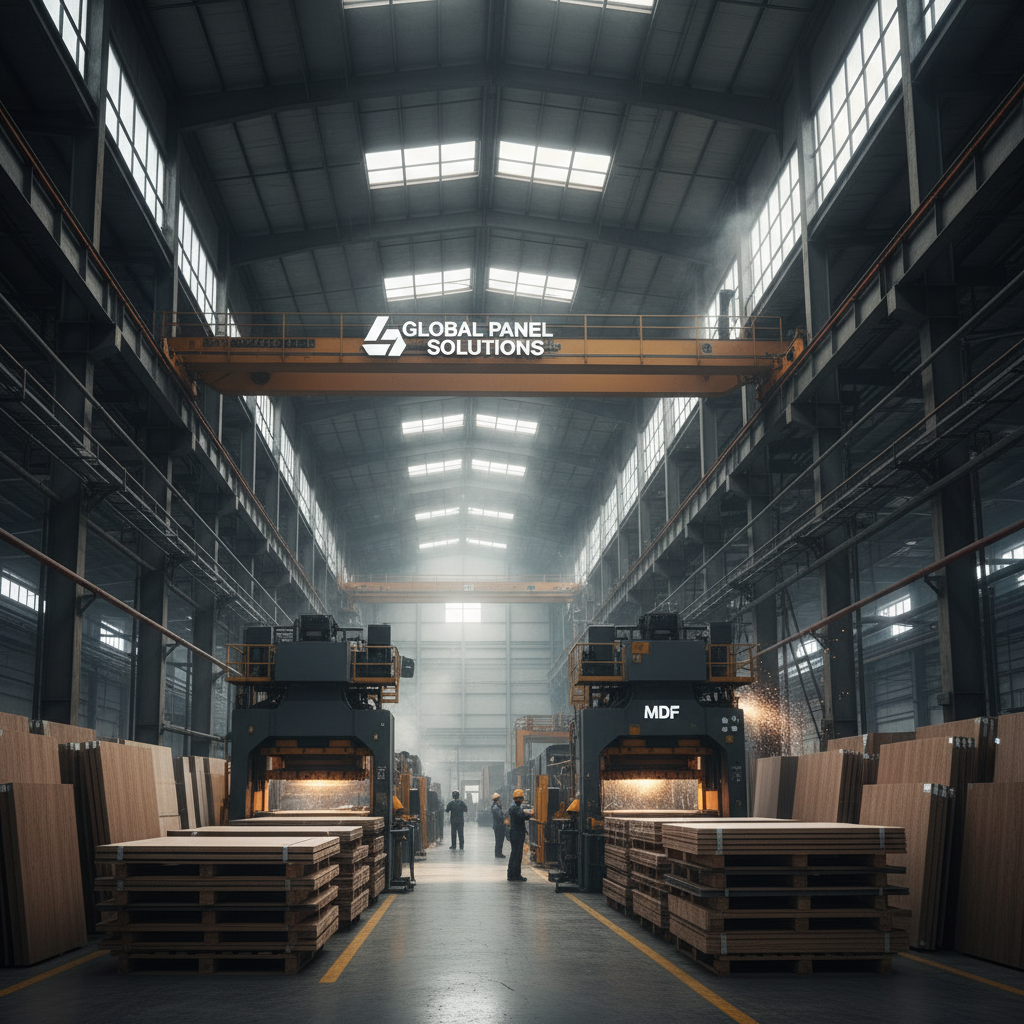
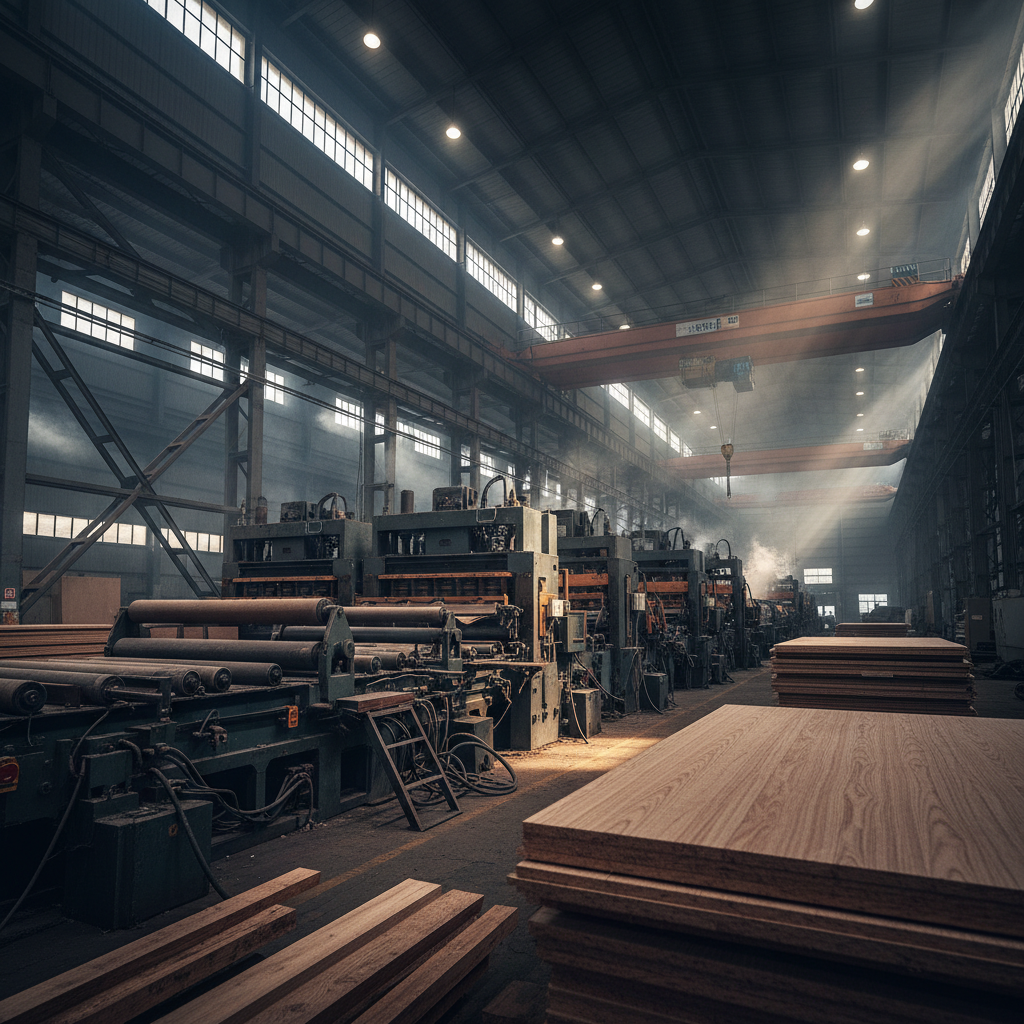
In the evolving landscape of interior design and furniture manufacturing, wood faced mdf has emerged as a pivotal material that bridges the gap between industrial efficiency and natural aesthetics. By combining the structural stability of medium-density fiberboard with the timeless beauty of genuine wood veneers, this composite material offers a sustainable alternative to solid hardwood without compromising on visual appeal.
Globally, the demand for high-quality surface materials is shifting toward solutions that balance cost-effectiveness with environmental responsibility. Wood faced mdf addresses this need by utilizing engineered cores—such as EB MDF or Veneer MDF—to minimize wood waste while providing a luxurious finish that is essential for high-end cabinetry, wall paneling, and commercial fit-outs.
Understanding the technical nuances of wood faced mdf allows architects and manufacturers to optimize their production cycles and improve product longevity. From its resistance to warping to its seamless finish, this material provides a versatile foundation for modern craftsmanship, ensuring that contemporary spaces remain both elegant and durable.
Global Market Context of Wood Faced MDF
The global construction and furniture sectors have seen a dramatic rise in the adoption of wood faced mdf, driven by a worldwide shortage of old-growth hardwoods and a corresponding increase in environmental regulations. According to industry trends aligned with ISO standards for wood-based panels, there is a clear movement toward engineered wood products that reduce the ecological footprint while maintaining the structural integrity required for large-scale urban developments.
Many manufacturers now face the challenge of meeting "green building" certifications (such as LEED or BREEAM) while keeping costs manageable. Wood faced mdf provides a strategic solution to this dilemma, offering a consistent, high-quality surface that avoids the inherent defects of solid timber, such as knots or irregular grain patterns, which often lead to material waste during the CNC machining process.
Defining Wood Faced MDF and Its Engineering
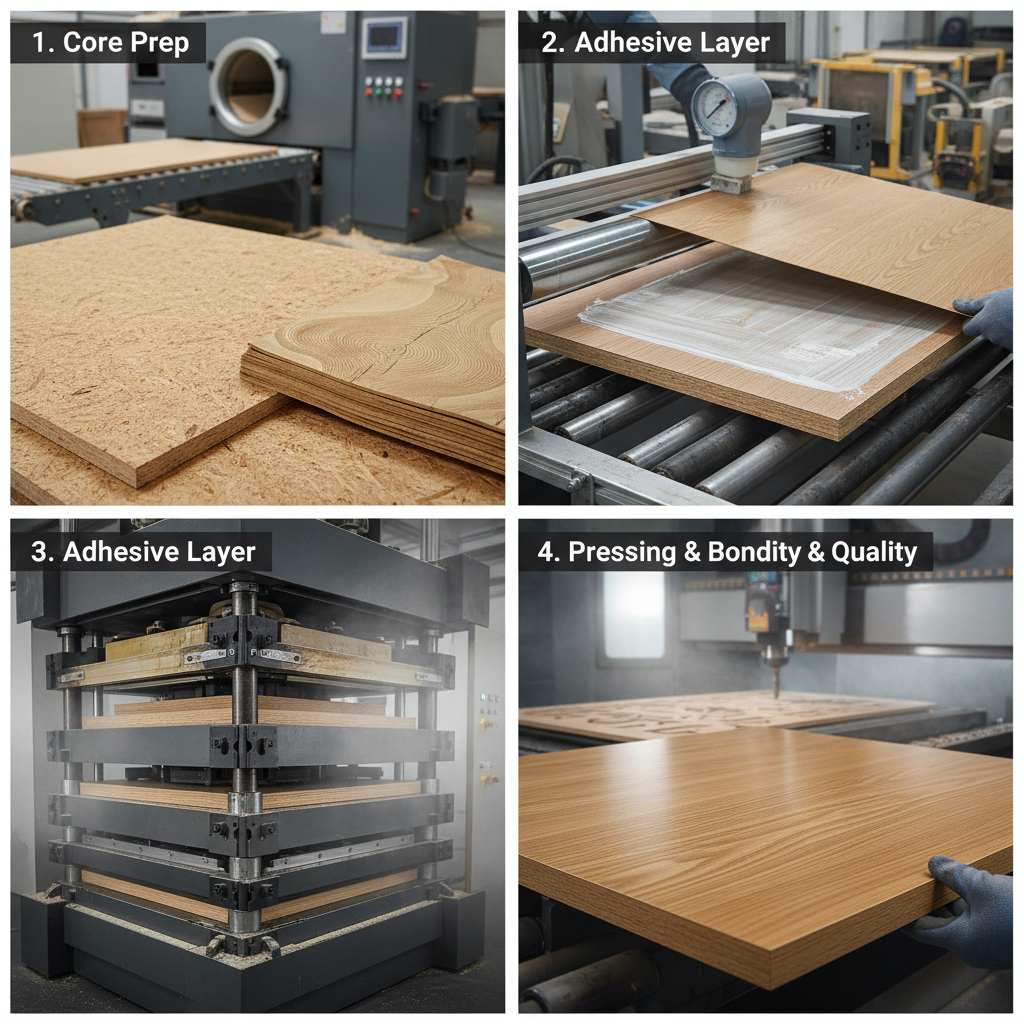
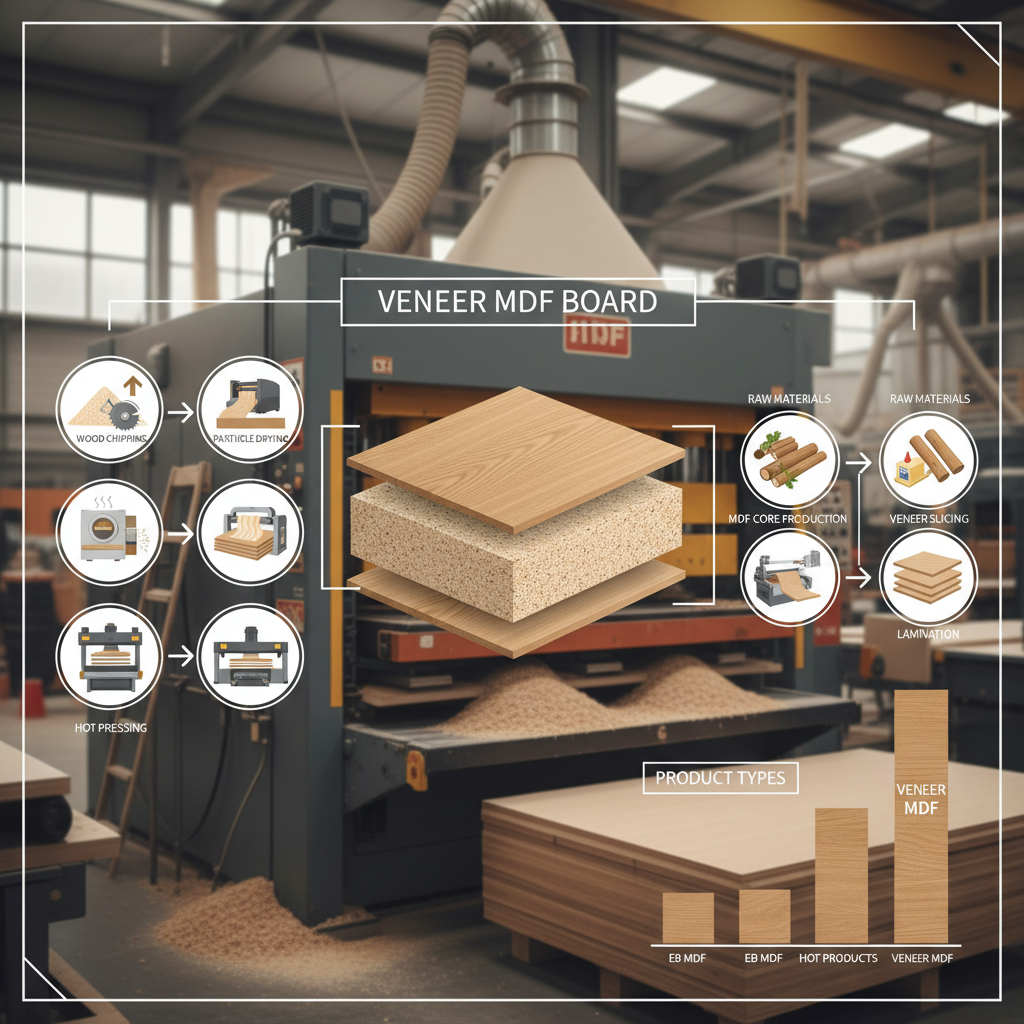
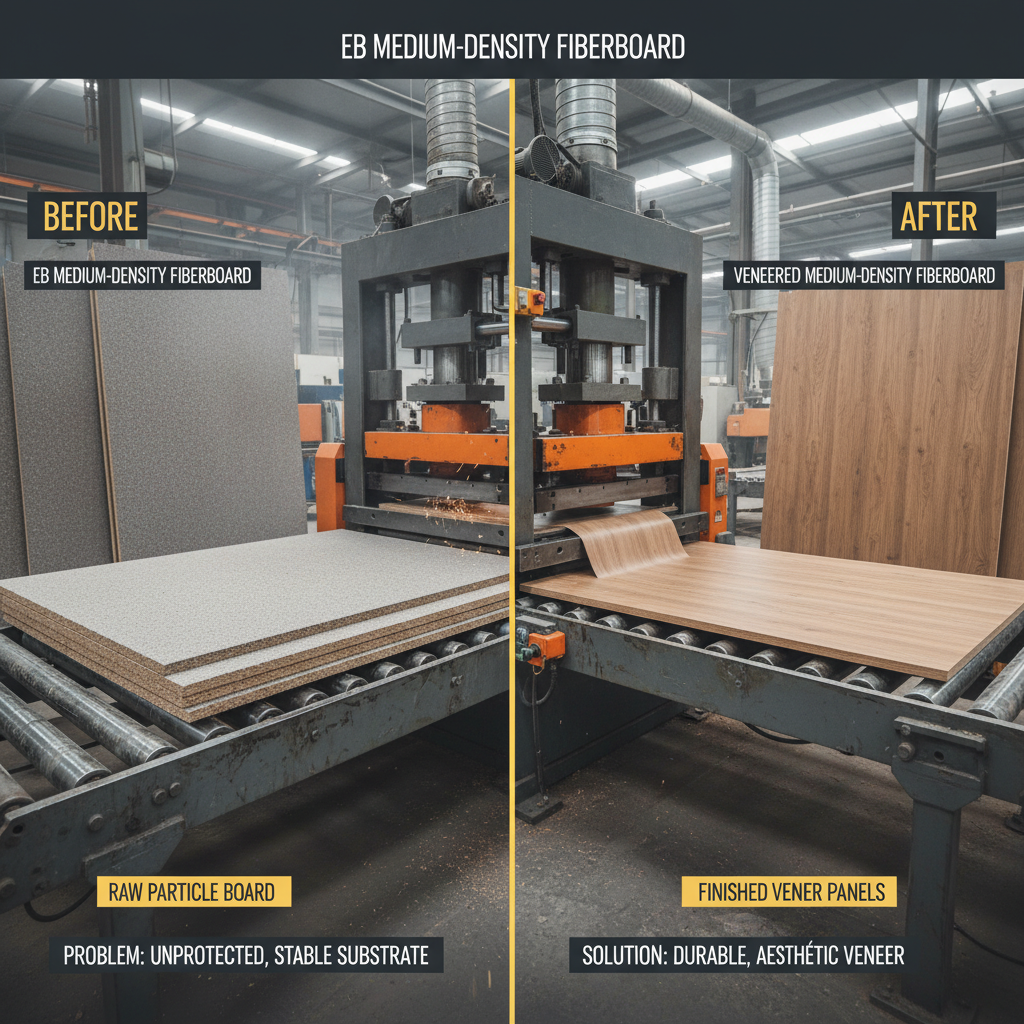
At its most basic level, wood faced mdf is a composite panel consisting of a medium-density fiberboard core—composed of wood fibers combined with wax and a resin binder—bonded to a thin layer of natural wood veneer. This process creates a material that possesses the internal strength and smoothness of MDF and the external prestige of real wood, making it ideal for products that require a high-end finish.
From an engineering perspective, the "facing" process involves precision pressing where the veneer is adhered to the core using heat and pressure. This ensures that the bond is permanent and resistant to delamination, a critical factor for furniture intended for humid environments or high-traffic areas. The choice of core, such as EB MDF, further enhances the board's density and stability.
This innovation is more than just a cosmetic upgrade; it is a response to the humanitarian and economic need for affordable, durable housing and office infrastructure. By utilizing recycled wood fibers in the core and a minimal amount of precious timber for the face, wood faced mdf democratizes luxury design, allowing for the creation of beautiful spaces in diverse economic contexts.
Core Components and Performance Factors
The performance of wood faced mdf is primarily determined by the synergy between its core density and the quality of the veneer. High-density cores prevent the "telegraphing" effect, where imperfections in the MDF show through the thin wood layer, ensuring a perfectly flat surface that is critical for modern minimalist architecture.
Durability is another cornerstone of wood faced mdf, specifically regarding its dimensional stability. Unlike solid wood, which expands and contracts significantly with temperature and humidity changes, the engineered core of wood faced mdf absorbs moisture more uniformly, drastically reducing the risk of warping or cracking over time.
Finally, cost efficiency is achieved through the scalability of production. Because wood faced mdf can be produced in large, consistent sheets, manufacturers can maximize their yield and reduce labor costs associated with sanding and joining multiple pieces of solid wood, leading to a more competitive end-product price.
Industrial Applications and Use Cases
In real-world applications, wood faced mdf is the gold standard for custom cabinetry and built-in wardrobes. Its ability to be precisely routed and carved allows for intricate designs that are structurally sound, making it a favorite for luxury hotels and residential projects across Europe and North America where bespoke aesthetics are required.
Beyond high-end residential use, the material is extensively used in remote industrial zones for the construction of modular office partitions and conference room paneling. In these environments, the speed of installation combined with the professional appearance of wood surfaces provides a sense of dignity and permanence to temporary or fast-deployed corporate infrastructure.
Comparative Performance Analysis of Wood Faced MDF Variations
Long-Term Value and Sustainability Benefits
The long-term value of wood faced mdf lies in its ability to provide a high-luxury look with a lower environmental impact. By utilizing fast-growing softwoods or recycled fibers for the core and only a thin sliver of hardwood for the surface, the industry can significantly slow the depletion of endangered old-growth forests.
Moreover, the reliability of the material reduces the need for frequent replacements. When properly finished with a protective lacquer, wood faced mdf resists scratching and wear far better than some softer natural woods, ensuring that the investment in interior design pays off over decades of use rather than years.
Future Trends in Composite Wood Innovation
The future of wood faced mdf is being shaped by the digital transformation of the manufacturing sector. Automation and AI-driven quality control are now allowing for "perfect matching" of wood grains across multiple panels, ensuring that large installations look like a single, continuous piece of natural timber, a feat previously nearly impossible with traditional woodworking.
Sustainability is also evolving toward the use of bio-based resins. Traditional formaldehyde-based glues are being replaced by eco-friendly adhesives that eliminate VOC emissions, making wood faced mdf safer for indoor air quality and compliant with the strictest health regulations in the EU and USA.
Additionally, the integration of smart-surface technology is on the horizon. We are seeing the development of conductive veneers that can be bonded to the MDF core, potentially allowing furniture to have integrated touch-controls or hidden wireless charging points beneath a natural wood surface.
Overcoming Technical Challenges in Production
Despite its advantages, wood faced mdf can face challenges such as edge-banding complexity. Because the MDF core is visible at the edges, achieving a seamless transition between the face veneer and the edge requires precision cutting and high-quality edge-banding tapes that match the wood species perfectly.
Moisture penetration at the edges is another common concern. To solve this, expert manufacturers are now employing "sealing" techniques, where a hydrophobic resin is applied to the edges before banding, effectively creating a moisture barrier that prevents the core from swelling in humid environments like kitchens or bathrooms.
Another hurdle is the potential for "veneer cracking" during the bending process. By utilizing flexible-core MDF and advanced vacuum-pressing technology, producers can now create curved architectural elements that maintain the integrity of the wood face, expanding the design possibilities for modern organic architecture.
Technical Comparison of Wood Faced MDF Production Solutions
| Challenge Dimension |
Standard Method |
Innovative Solution |
Effectiveness Score (1-10) |
| Edge Delamination |
Standard PVA Glue |
PUR Hot-Melt Adhesive |
9 |
| Core Swelling |
Standard MDF |
Moisture-Resistant EB Core |
8 |
| Surface Telegraphing |
Low-Density Pressing |
High-Pressure Vacuum Press |
10 |
| VOC Emissions |
Urea-Formaldehyde |
Soy-based Bio-Adhesives |
7 |
| Grain Matching |
Manual Sorting |
AI-Optical Scanning |
9 |
| Curvature Ability |
Traditional Steam |
Flexible Core Engineering |
8 |
FAQS
Wood faced mdf consists of an engineered MDF core topped with a real wood veneer, whereas solid wood is a single piece of natural timber. The primary advantages of wood faced mdf are its superior dimensional stability, lack of natural defects like knots, and a significantly lower price point while maintaining the identical look and feel of real wood.
Yes, provided that it is manufactured with a moisture-resistant core (such as EB MDF) and properly sealed. The key is to ensure that all edges are perfectly banded with waterproof adhesives like PUR, which prevents moisture from penetrating the core and causing swelling, making it a viable choice for cabinetry in humid areas.
Maintenance is similar to that of solid wood. We recommend using a soft, damp cloth for cleaning and avoiding harsh chemical solvents that could strip the veneer's finish. For long-term protection, a high-quality polyurethane or wax finish can be applied to prevent scratches and water spots.
Generally, yes. It is often more sustainable than solid hardwood because it uses recycled wood fibers and fast-growing species for the core. By using a thin veneer for the surface, it maximizes the utility of precious hardwoods, reducing the number of trees harvested for the same amount of finished furniture.
It can be lightly sanded, but care must be taken because the wood veneer is very thin. Unlike solid wood, you cannot sand it down multiple times. However, you can refresh the surface by applying a new coat of stain or clear lacquer if the original finish becomes worn.
Quality is ensured by checking for a high-pressure pressing process and the use of industrial-grade resins. When sourcing, look for certifications that guarantee the absence of bubbles or "voids" in the bonding layer, and ensure the manufacturer uses a consistent temperature-controlled press to avoid delamination.
Conclusion
In summary, wood faced mdf represents a perfect synergy of industrial engineering and natural beauty. By resolving the conflict between the fragility of solid wood and the sterile look of standard composites, it provides a high-performance, sustainable, and aesthetically superior material for the modern age. From its exceptional dimensional stability to its role in reducing deforestation, this material is an essential tool for architects and designers globally.
Looking forward, the integration of bio-resins and AI-driven production will only further enhance the viability of wood faced mdf in the "green" economy. We encourage designers and contractors to embrace these engineered solutions to create spaces that are not only visually stunning but also environmentally responsible and economically sustainable. For premium quality solutions, visit our website: www.tengfeiebmdf.com