CONTACT US
+8615030171059In the contemporary world of interior design and industrial manufacturing, wood veneer mdf panels have emerged as a cornerstone for balancing aesthetic luxury with structural stability. By combining the uniform density of Medium Density Fiberboard with the natural allure of premium hardwood skins, these panels provide a sophisticated solution for architects and furniture makers globally.
The global demand for high-end surfacing materials has seen a significant shift toward engineered wood products. As sustainable forestry practices become the industry standard, the use of wood veneer mdf panels allows manufacturers to utilize fewer old-growth logs while achieving the exact visual impact of solid wood, thereby reducing environmental strain without compromising on elegance.
Understanding the technical composition and application of these panels is essential for ensuring long-term durability and cost-efficiency in any construction project. From high-traffic commercial spaces to bespoke residential cabinetry, the versatility of these materials makes them an indispensable asset in the modern supply chain of the wood processing industry.
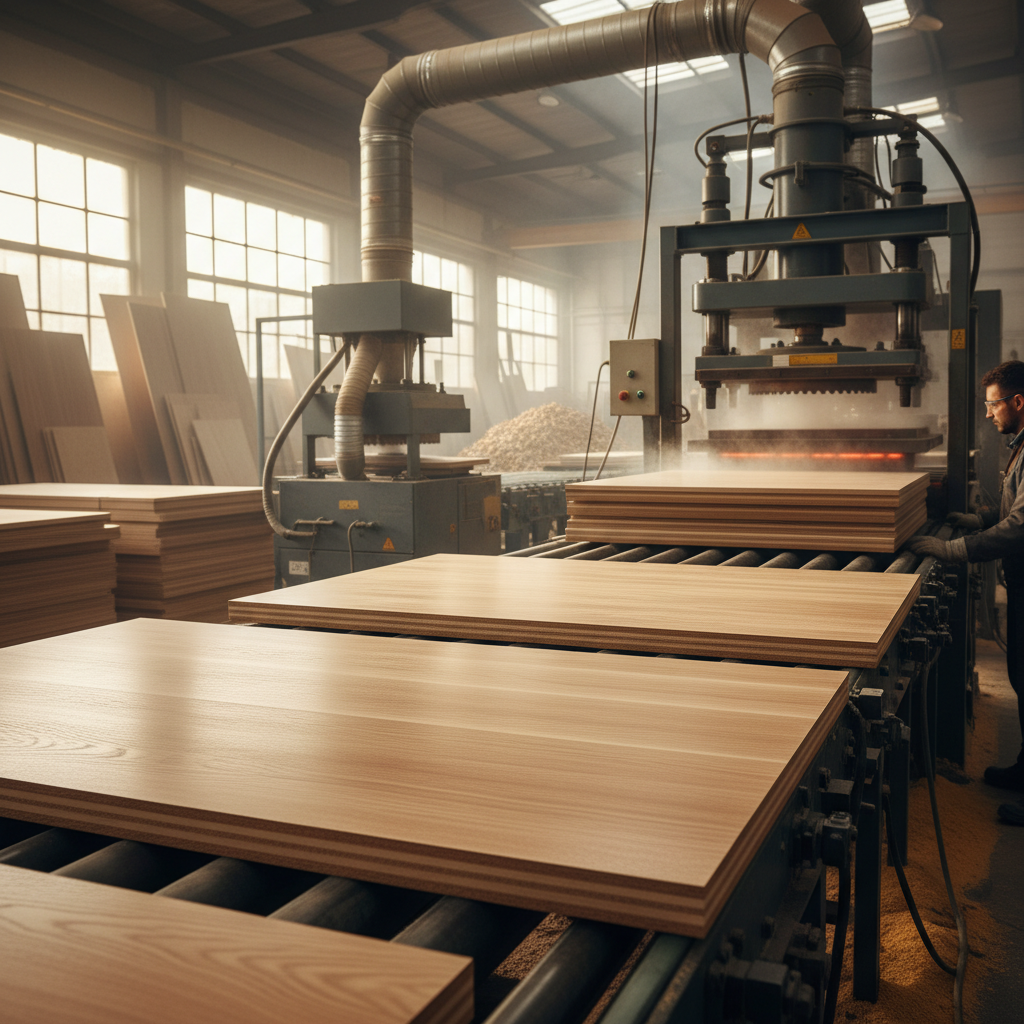
The global market for wood veneer mdf panels is driven by the rapid urbanization of emerging economies and the renovation trends in developed nations. According to industry analysis aligned with ISO standards for wood-based panels, the shift toward engineered cores has allowed for a more predictable expansion and contraction rate compared to solid timber, which is critical for large-scale architectural installations.
One of the primary challenges the industry has faced is the scarcity of high-grade tropical hardwoods. Wood veneer MDF technology addresses this by utilizing thin slices of precious wood over a stable, cost-effective MDF core, ensuring that the visual luxury of rare species is accessible for mass production while adhering to international sustainability guidelines.
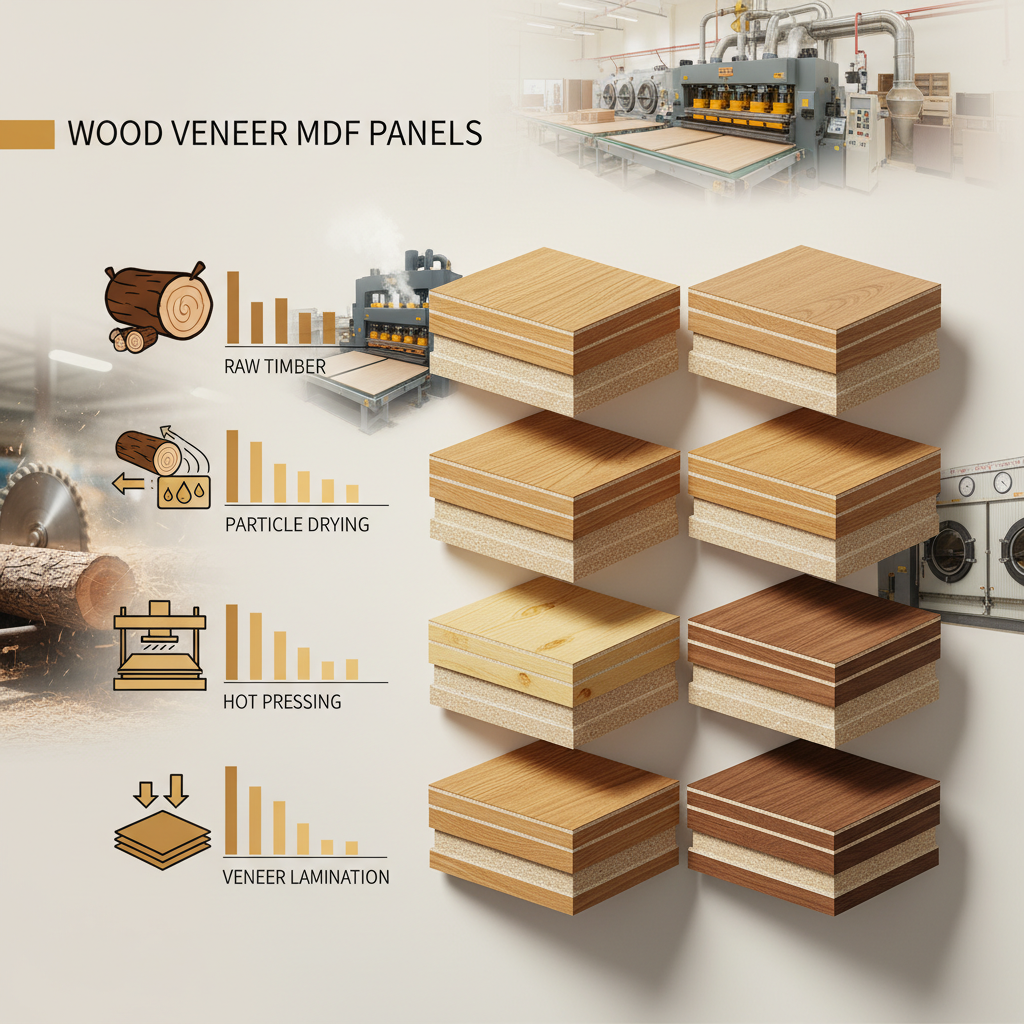
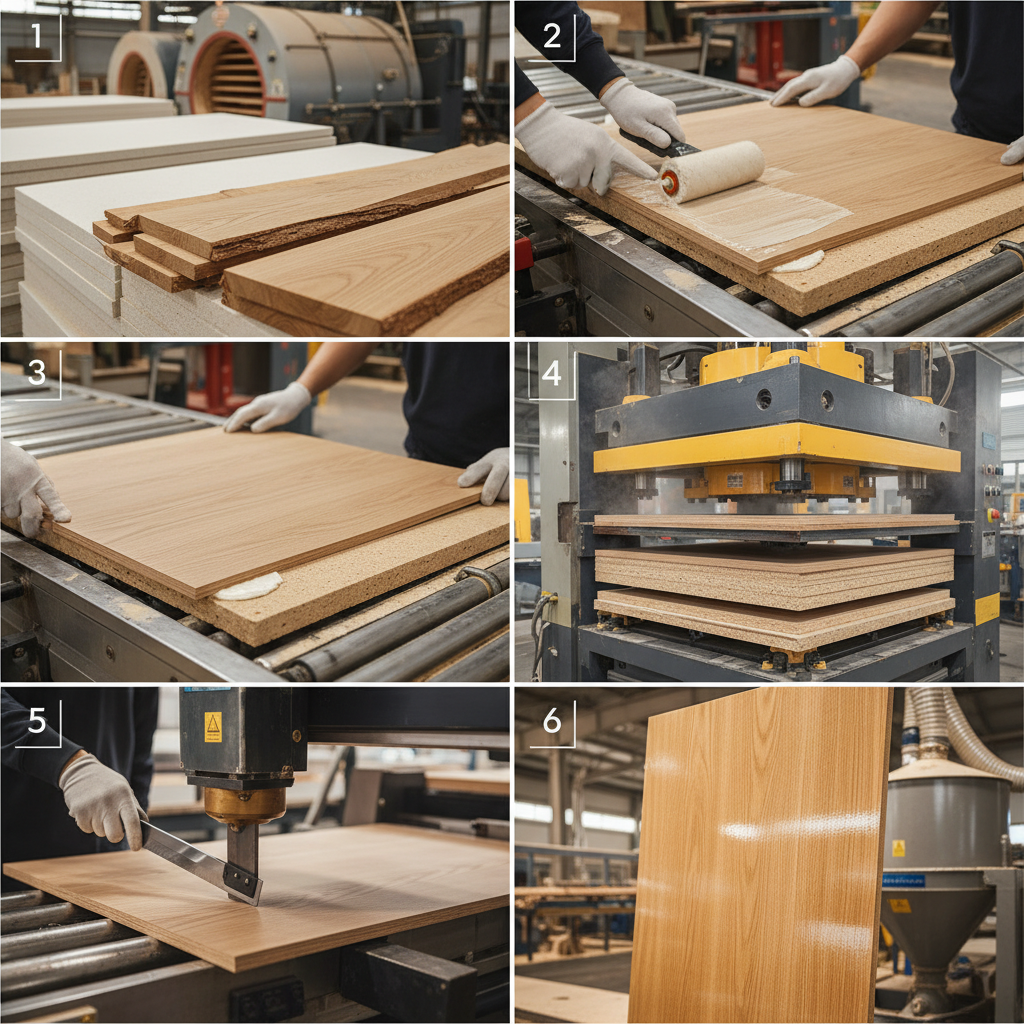
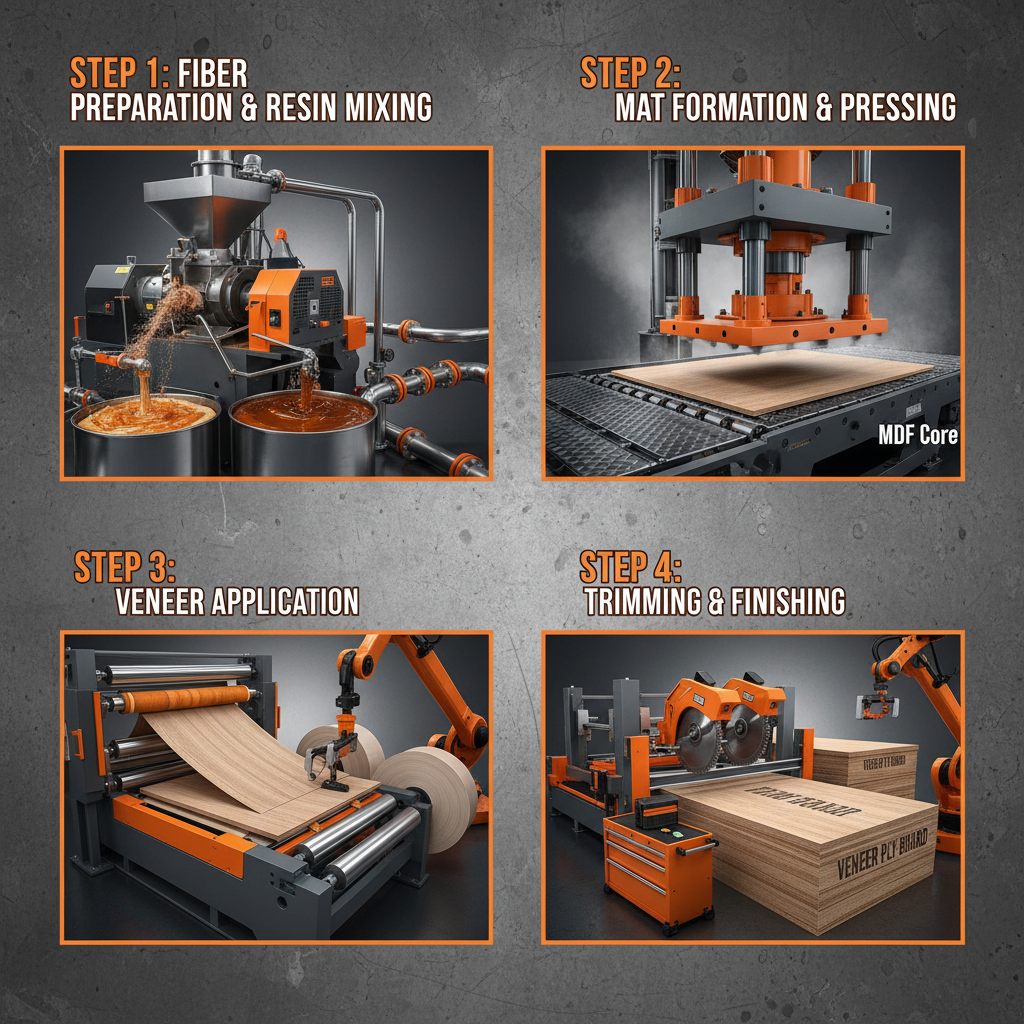
At its core, wood veneer mdf panels are composite materials consisting of a Medium Density Fiberboard (MDF) substrate bonded with a thin layer of real wood veneer through high-pressure heat pressing. This synergy combines the internal strength and flatness of engineered wood with the organic texture and grain of natural timber.
Unlike laminated boards that use printed paper or plastic films, these panels employ genuine biological layers. This connection to nature is vital for modern humanitarian and psychological needs, as "biophilic design"—the integration of natural elements into built environments—has been proven to reduce stress and increase productivity in office and home settings.
From a manufacturing perspective, the precision of the MDF core ensures that the panels remain perfectly planar, preventing the warping or twisting often found in solid wood. This makes them the ideal choice for high-precision cabinetry, wall paneling, and luxury furniture components.
The durability of wood veneer mdf panels depends heavily on the quality of the adhesive used. High-grade resins ensure that the veneer does not delaminate over time, especially in environments with fluctuating humidity, which is a common failure point in lower-quality alternatives.
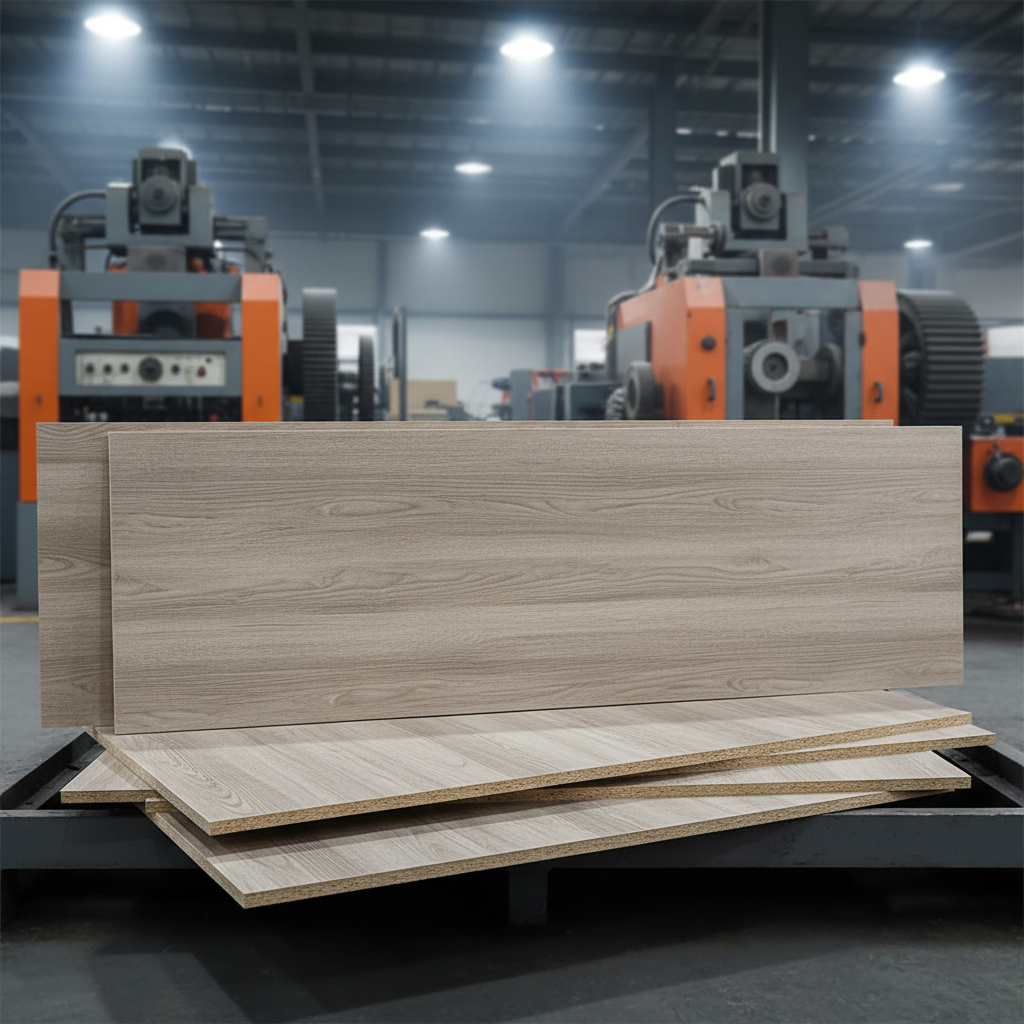
Scalability in production is another key factor. Because wood veneer mdf panels can be manufactured in large, consistent sheets, they allow designers to maintain a uniform look across massive surface areas, something that is nearly impossible and prohibitively expensive with solid wood slabs.
Cost efficiency is achieved by optimizing the use of raw materials. By utilizing a high-density fiber core, the industry can produce a panel that possesses the structural integrity required for load-bearing furniture while only requiring a fraction of the expensive hardwood needed for the surface finish.
When evaluating the performance of wood veneer mdf panels, professionals look at several critical metrics including surface hardness, moisture resistance, and machining precision. These factors determine whether a panel is suitable for a kitchen cabinet or a high-end office desk.
To provide a clear comparison, we analyze the performance of different manufacturing methods. For instance, EB MDF cores often provide superior stability compared to standard MDF, which directly enhances the longevity of the veneer overlay.
In the luxury hospitality sector across Europe and Asia, wood veneer mdf panels are extensively used for wall cladding and custom headboards. Their ability to be CNC-routed into complex patterns while maintaining a natural wood finish makes them a favorite for five-star hotel interiors.
Beyond luxury, these panels are vital in remote industrial zones for creating modular office partitions. Because they are easier to transport than solid wood furniture and provide a professional aesthetic, they are often deployed in rapidly constructed administrative hubs for mining or energy projects.
The long-term value of investing in high-quality wood veneer mdf panels lies in their equilibrium. By eliminating the internal stresses found in natural logs, these panels offer a level of reliability that reduces maintenance costs and the need for frequent replacements in commercial environments.
From a sustainability perspective, these products promote the efficient use of forest resources. A single high-quality log can produce thousands of square feet of veneer, which, when paired with a recycled fiber MDF core, significantly lowers the carbon footprint per square meter of finished surface compared to solid lumber.
Emotionally, the use of real wood veneer provides a sense of dignity and warmth in living spaces. It bridges the gap between industrial efficiency and artisanal beauty, offering a tactile experience that synthetic laminates simply cannot replicate.
The future of wood veneer mdf panels is being shaped by the digital transformation of the wood industry. Advanced automated sorting and laser-cutting technology now allow for "book-matching" on a massive scale, ensuring that the grain patterns are perfectly mirrored across entire rooms with zero material waste.
Furthermore, the industry is moving toward "Green Chemistry," replacing traditional urea-formaldehyde glues with bio-based adhesives. This shift not only improves indoor air quality for the end-user but also makes the panels fully biodegradable at the end of their lifecycle.
Automation in the pressing process is also increasing precision, allowing for thinner veneer layers that are more stable and less prone to cracking, further pushing the boundaries of what engineered wood can achieve.
| Innovation Tier | Core Material | Adhesive Type | Eco-Score (1-10) |
|---|---|---|---|
| Standard Tier | Traditional MDF | UF Resin | 5 |
| Industrial Tier | HDF Core | PF Resin | 6 |
| Premium Tier | EB-MDF Core | Low-Emission Glue | 8 |
| Sustainable Tier | Recycled Fiber | Bio-Polymer | 9 |
| Advanced Tier | Carbon-Infused MDF | Cross-linked Bio-Resin | 10 |
| Hybrid Tier | Bamboo-MDF Mix | Soy-based Adhesive | 9 |
The primary difference lies in the structure. Solid wood is a single piece of timber, while wood veneer MDF panels consist of an engineered MDF core topped with a thin layer of real wood. This makes the MDF version more stable, less prone to warping, and significantly more cost-effective for large surfaces, while still maintaining the natural look of real wood.
Yes, provided they are manufactured with moisture-resistant (MR) or EB-MDF cores. While the MDF core is denser than plywood, the addition of a high-quality wood veneer and a proper sealant finish ensures that the panels can withstand the typical wear and tear of a kitchen environment, including moderate humidity.
Maintenance is similar to solid wood. We recommend using a soft, damp cloth for cleaning and avoiding harsh chemical solvents that could strip the veneer's protective lacquer. Occasional polishing with wood-safe wax can help maintain the luster and protect the natural grain from drying out.
Because the wood veneer layer is very thin, you must be extremely careful when sanding. Light sanding is possible for touch-ups, but aggressive sanding will cut through the veneer and expose the MDF core. For major refinishing, professional equipment and a light touch are required.
Generally, yes. They utilize wood fibers and thin veneers, which maximizes the output of every single tree. When produced using low-formaldehyde or bio-based adhesives and sourced from FSC-certified forests, they are a much more sustainable alternative to clear-cutting forests for solid hardwood planks.
Importing usually involves specifying the core type (e.g., EB MDF), veneer species, and thickness. We recommend working with suppliers who provide comprehensive certification (ISO, FSC) and specialized export packaging to prevent edge damage during maritime shipping. Logistics partners should be informed of the panel dimensions to ensure appropriate container loading.
In summary, wood veneer mdf panels represent the ideal intersection of industrial engineering and natural beauty. By leveraging a stable MDF core and the timeless appeal of real wood skins, these panels solve the critical industry challenges of material scarcity, structural instability, and prohibitive costs. From their role in sustainable forestry to their versatility in luxury architectural design, they provide a reliable, scalable, and aesthetically superior alternative to traditional materials.
As we look toward the future, the integration of bio-adhesives and digital fabrication will only enhance the value proposition of these engineered boards. For businesses and designers seeking to elevate their projects without compromising on environmental responsibility or budget, transitioning to high-performance veneer panels is a strategic move. To explore our range of premium EB MDF and Veneer solutions, visit our website: www.tengfeiebmdf.com

If you are interested in our products, you can choose to leave your information here, and we will be in touch with you shortly.